


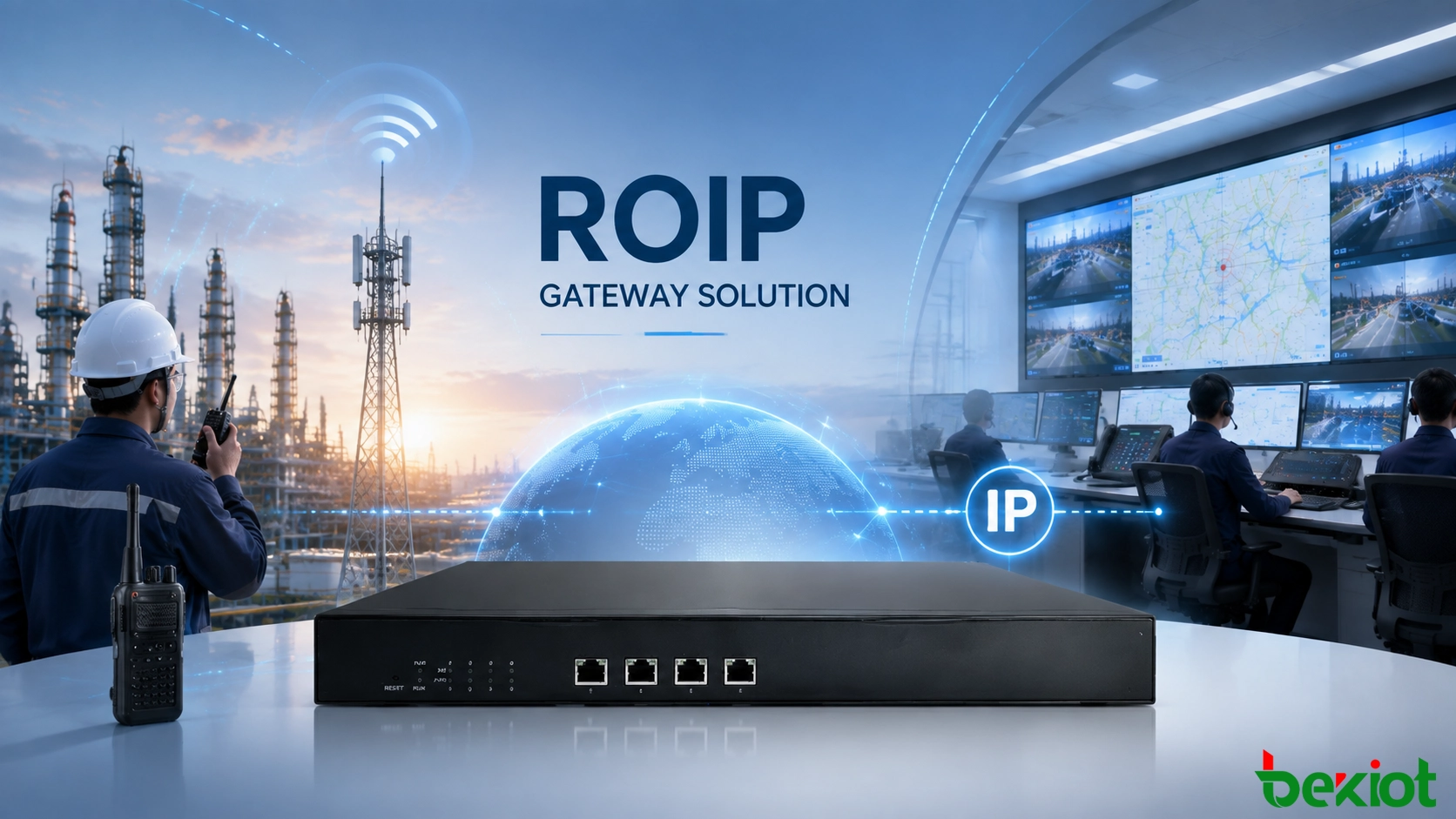
Many organizations continue to rely on professional radio communication for daily operations, including industrial facilities, transportation systems, energy projects, emergency teams, and large infrastructure sites. These radio networks provide reliable field communication, but they are often limited when different locations, departments, or communication platforms need to exchange information.
A Radio over IP (ROIP) gateway provides a practical method to connect traditional radio systems with modern IP communication platforms. By converting radio voice channels into IP-based communication streams, ROIP allows organizations to extend communication coverage, perform remote dispatch operations, and integrate radio resources with centralized command systems.
Instead of replacing existing radio infrastructure, organizations can use ROIP technology to upgrade communication capabilities step by step. Existing radios, repeaters, and field equipment can continue operating while gaining new functions such as IP connectivity, centralized management, communication recording, and integration with other operational systems.
This approach is widely used in industrial plants, transportation networks, emergency response systems, public safety environments, and large-scale infrastructure projects where reliable communication coordination is essential.
Understanding the Role of ROIP Gateways
A ROIP gateway acts as an interface between radio communication systems and IP-based communication platforms. It converts audio channels and communication signals from radio networks into data streams that can be transmitted through Ethernet, fiber networks, or other IP infrastructures.
In a typical deployment, the ROIP gateway connects radios, repeaters, dispatch consoles, SIP communication systems, and command platforms. It enables different communication resources to work together while maintaining the original characteristics of existing radio networks.
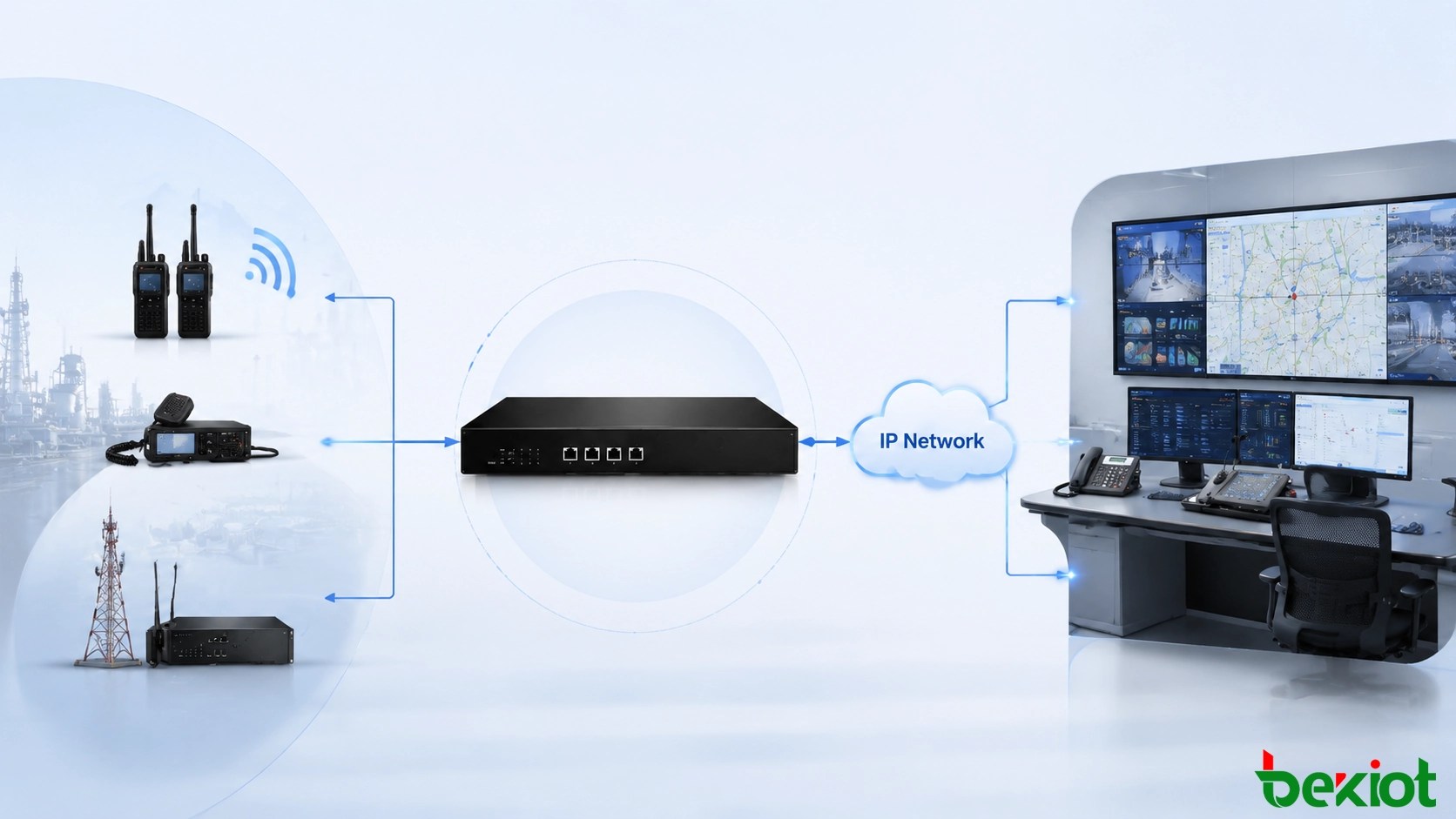
The main functions of a ROIP gateway include:
Converting radio voice signals into IP audio streams.
Connecting independent radio systems through IP networks.
Supporting remote dispatch and centralized communication management.
Integrating radio communication with SIP, VoIP, and command platforms.
Extending communication capabilities across multiple locations.
For organizations that already operate professional radio networks, ROIP provides a transition path from standalone communication systems toward integrated IP-based communication environments.
Related Product: Becke ROIP Gateway
Designing the Communication Architecture
A reliable ROIP deployment requires more than installing a gateway device. Engineers need to consider the complete communication architecture, including radio access, IP transmission, management platforms, and user applications.
A typical ROIP communication system contains several functional layers.
Radio Access Layer
The radio access layer connects existing communication equipment, including handheld radios, vehicle radios, repeaters, and base stations. The ROIP gateway collects audio information from these devices and prepares the data for transmission through IP networks.
This design allows organizations to continue using existing radio resources while adding new communication capabilities without rebuilding the entire field communication network.
IP Transmission Layer
The IP transmission layer provides the communication path between remote radio locations and centralized management platforms. Depending on project requirements, the network may include:
Enterprise Ethernet networks.
Fiber communication systems.
Private wireless networks.
Secure wide-area networks.
Since voice communication is sensitive to delay and instability, network planning should consider bandwidth availability, latency control, and transmission reliability.
Dispatch and Management Layer
The dispatch layer provides centralized communication control for operators. Through dispatch software or integrated command platforms, users can monitor communication channels, organize groups, and coordinate field personnel.
A unified dispatch environment can combine multiple communication resources, including:
Radio communication.
SIP telephone systems.
Emergency communication terminals.
Public address systems.
User Application Layer
The user layer includes control room operators, field workers, security personnel, maintenance teams, and emergency responders. Different users can access communication services according to their operational roles.
Through layered architecture, organizations can create communication systems that are easier to manage, expand, and integrate with future technologies.
Key Functions of a Modern ROIP System
Modern ROIP deployments are designed to solve practical communication challenges in organizations that operate multiple radio networks, remote sites, and different communication platforms. Beyond basic audio transmission, ROIP technology improves coordination efficiency by connecting field communication resources with centralized management systems.
Multi-Network Radio Interconnection
Many organizations operate different radio systems across departments, locations, or project phases. These systems may use separate communication channels and cannot directly exchange voice information.
A ROIP gateway provides an interconnection layer that converts radio audio channels into IP-based communication streams. This allows different radio networks to communicate through a unified platform without replacing existing field equipment.
Typical applications include:
Connecting independent radio networks between different departments.
Linking headquarters with remote operational sites.
Supporting cooperation between security, maintenance, and emergency teams.
Establishing shared communication channels during large events or incidents.
Remote Dispatch Operations
Traditional radio dispatch usually depends on operators working close to radio base equipment. This approach becomes difficult when communication resources are distributed across multiple locations.
Through ROIP integration, dispatch operators can manage remote radio channels from a centralized control room. Field teams continue using their existing radios while supervisors gain broader communication visibility and control.
Remote dispatch functions may include:
Channel monitoring and selection.
Group communication management.
Priority communication handling.
Emergency communication coordination.
Communication Recording and Operation Analysis
In many industrial and emergency environments, communication records are important for incident review, operational management, and compliance requirements.
When connected with dispatch platforms, ROIP systems can support communication recording, event tracking, and operational analysis. Recorded information helps managers review response processes and improve future communication procedures.
Practical Applications Across Different Industries
ROIP communication systems are widely used in environments where reliable voice communication and coordinated response are required. By connecting existing radio networks with IP infrastructure, organizations can improve communication coverage while maintaining their current operational methods.
Industrial Facilities and Energy Projects
Large industrial sites such as chemical plants, oil and gas facilities, power stations, mining operations, and manufacturing plants often include production areas, equipment zones, warehouses, and outdoor working locations.
Personnel in these areas commonly rely on radio communication for daily coordination. However, field radios may not provide an efficient way to communicate with control centers or other departments when operations become more complex.
A ROIP-based communication architecture helps connect:
Field radios and central control rooms.
Different operational departments.
Radio communication and industrial telephone systems.
Emergency response resources and command platforms.
This approach creates a more coordinated communication environment where voice calls, radio channels, alarms, and dispatch operations can work together.
Transportation and Infrastructure Networks
Transportation environments including railways, airports, highways, and tunnels require continuous communication between operation centers and distributed field personnel.
Because these systems often cover large geographical areas, direct radio communication may become difficult when teams are located far from central facilities. ROIP extends communication capability by using existing IP networks to connect remote locations.
Typical applications include:
Railway operation communication.
Tunnel emergency coordination.
Airport ground operation communication.
Highway maintenance communication.
Emergency Response and Public Safety
Emergency organizations often involve multiple teams using different communication systems. During large-scale incidents, the ability to exchange information quickly between departments becomes critical.
ROIP provides a practical method for connecting independent radio networks and creating unified communication channels for emergency coordination.
Common emergency applications include:
Disaster response operations.
Fire and rescue communication.
Security command centers.
Government emergency communication systems.

Integrating ROIP with Modern Communication Platforms
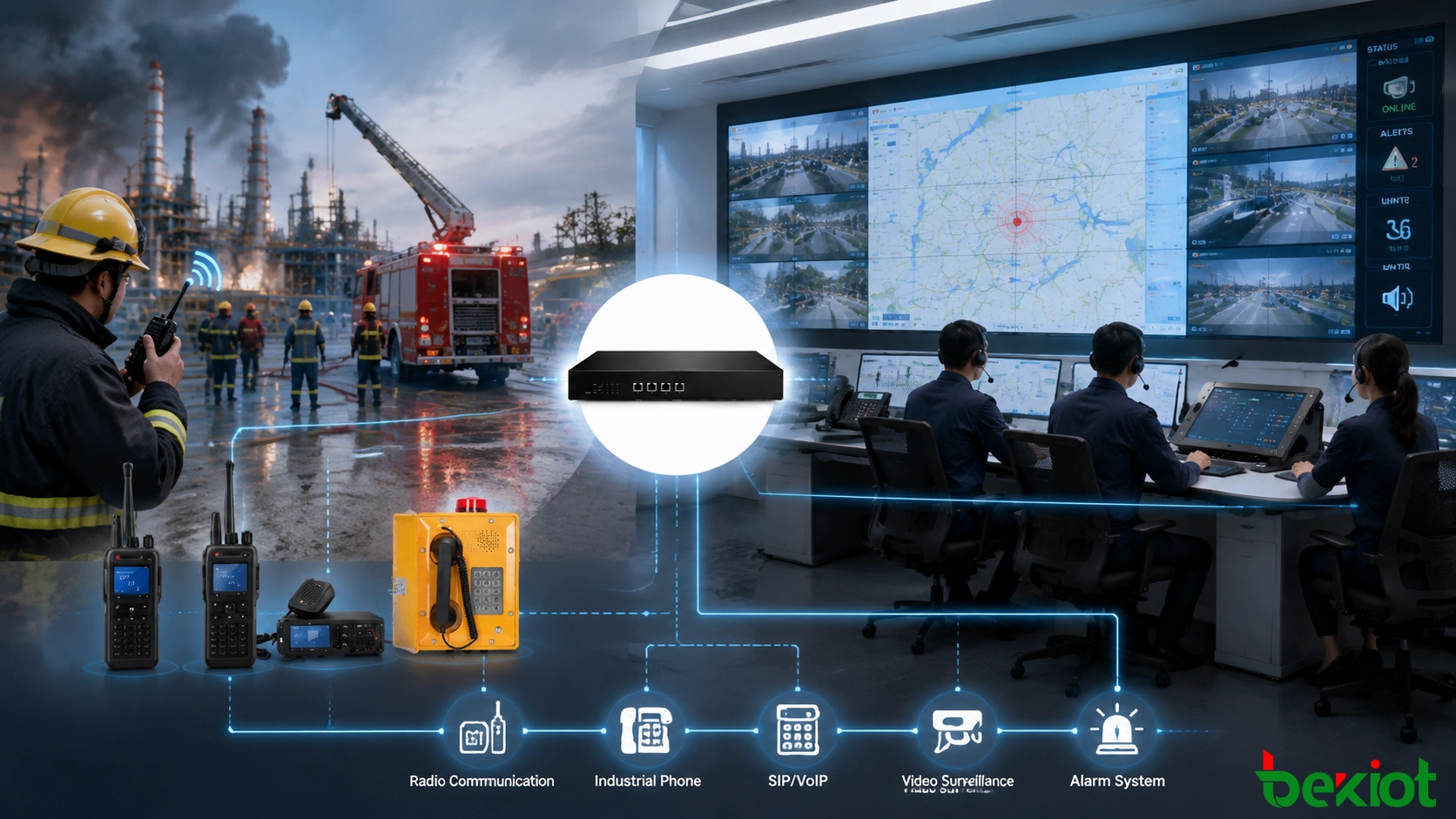
Communication environments are becoming increasingly integrated. Radio systems that once operated independently are now connected with IP telephony, dispatch platforms, video systems, and emergency management solutions.
Integration with SIP Communication Systems
SIP-based communication platforms are widely used in enterprise and industrial environments because they provide flexible IP voice services.
By connecting ROIP gateways with SIP systems, radio users and telephone users can communicate through the same communication framework.
This integration supports:
Radio-to-telephone communication.
Telephone-to-radio communication.
Unified communication management.
Cross-platform voice coordination.
Connection with Dispatch Platforms
Dispatch platforms provide operators with centralized control over communication resources. When combined with ROIP gateways, dispatch systems can manage radio channels together with other communication terminals.
Common dispatch functions include:
Group calling.
Priority communication.
Channel status monitoring.
Communication recording.
Linking with Emergency Communication Systems
In emergency situations, communication speed and coordination efficiency directly affect response results. ROIP systems can connect radio networks with emergency command platforms, allowing operators to coordinate field teams through a centralized communication environment.
A typical emergency communication workflow includes:
Incident Detection

Emergency Command Platform

ROIP Gateway

Radio Communication Network

Field Response Teams
This architecture allows command centers to distribute instructions quickly while maintaining direct communication with personnel located in different operational areas.
Deployment Considerations for Reliable Operation
Although ROIP technology provides a flexible method for extending communication capabilities, successful deployment requires careful planning. Network performance, system security, audio quality, and future expansion should be considered during the design stage.
Network Performance and Latency Control
Since ROIP transmits voice information through IP networks, network conditions directly influence communication quality. Stable transmission is especially important for industrial and emergency applications where delayed or interrupted communication may affect operations.
Engineers should evaluate:
Network availability and stability.
Transmission delay and packet loss.
Available bandwidth for voice services.
Quality of service configuration.
For critical communication environments, dedicated network resources, traffic prioritization, and proper QoS configuration help maintain consistent voice performance.
Communication Security Design
Because ROIP gateways connect radio systems with IP networks, communication security should be included in the overall system design.
Common security measures include:
Controlled access permissions for operators and users.
Network segmentation between communication services and other applications.
Secure transmission methods for sensitive communication environments.
System logs for operation tracking and maintenance analysis.
Expansion and Maintenance Planning
Communication requirements often change as organizations add new facilities, departments, or operational locations. A properly designed ROIP system should support future expansion without requiring a complete communication rebuild.
During planning, organizations should consider:
Additional radio channels.
New remote communication locations.
Integration with additional platforms.
Long-term maintenance requirements.
Modular deployment and IP-based architecture allow organizations to gradually improve communication capabilities while maintaining existing radio resources.
Building a Future-Ready Communication Infrastructure
As digital transformation continues, radio communication is becoming part of larger communication ecosystems instead of operating as an isolated system.
Modern organizations increasingly need communication platforms that combine field radios, IP telephony, emergency systems, video applications, and centralized management tools.
ROIP technology provides a practical migration path for organizations that already operate professional radio networks. Instead of replacing existing communication equipment, enterprises can gradually introduce IP connectivity and advanced management capabilities.
A properly planned ROIP architecture can provide:
Centralized communication management.
Multi-location collaboration.
Faster emergency coordination.
Flexible integration with future communication technologies.
For industrial facilities, transportation networks, emergency organizations, and large infrastructure projects, ROIP gateways provide an effective foundation for building reliable and scalable communication systems.
Conclusion
ROIP gateways provide a connection between traditional radio networks and modern IP communication platforms. Through radio-to-IP conversion, remote dispatch, cross-system communication, and centralized management, ROIP helps organizations overcome the limitations of independent communication systems.
The main advantage of ROIP deployment is that organizations can modernize communication capabilities while continuing to use existing radio infrastructure. This reduces migration complexity and provides a flexible path toward integrated communication environments.
With the continued development of unified communication and intelligent command platforms, ROIP technology will remain an important method for connecting field communication resources with centralized operational systems.
FAQ
Does ROIP replace traditional radio systems?
No. ROIP is designed to connect and extend existing radio systems rather than replace them. Organizations can continue using current radio equipment while adding IP-based communication capabilities.
Can ROIP gateways connect communication systems in different locations?
Yes. When suitable IP connectivity is available, ROIP gateways can link communication resources across different buildings, sites, cities, or remote operational areas.
What industries commonly use ROIP solutions?
ROIP is commonly used in industrial facilities, transportation networks, energy projects, emergency response organizations, public safety systems, and large infrastructure environments.
What determines ROIP system performance?
System performance depends on several factors, including radio signal quality, IP network stability, latency control, equipment configuration, and overall communication architecture design.







