Built on the standard SIP protocol, the system brings together intercom, telephony, video surveillance, analog and digital radio, public address, and converged command-and-dispatch applications on one unified platform. This enables seamless interoperability across previously isolated subsystems and supports centralized control and dispatch from a single interface. For expressway operators, it helps overcome the common challenges of fragmented systems, long communication chains, and low coordination efficiency.
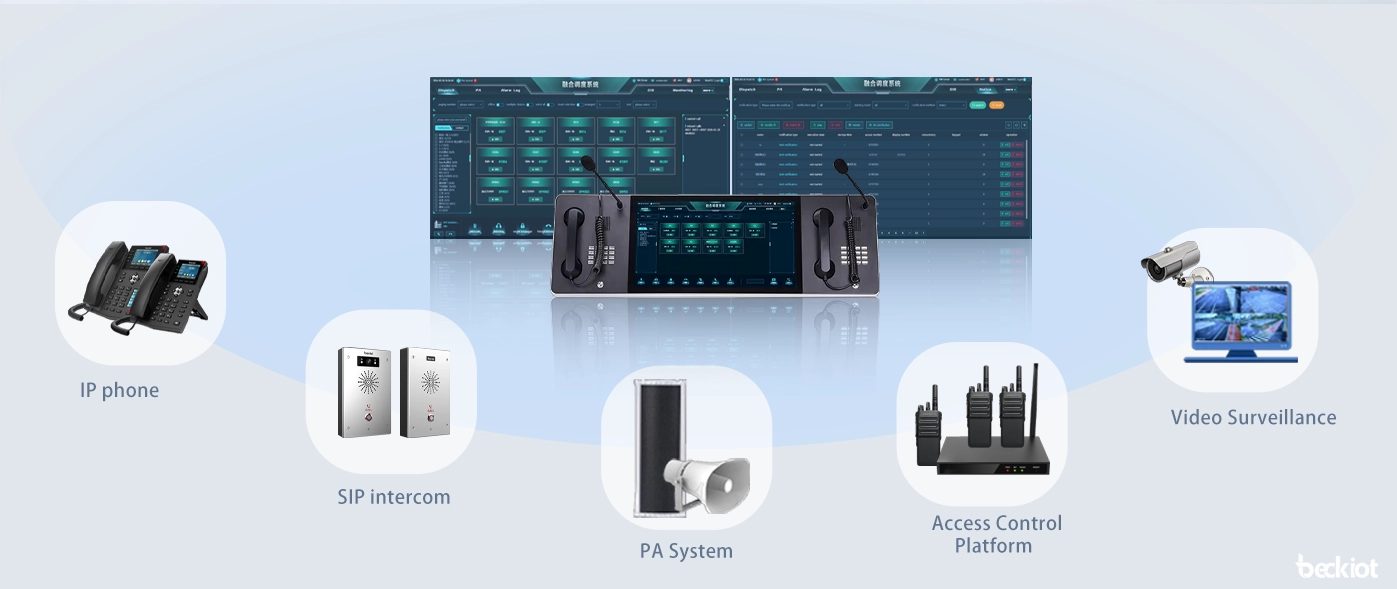
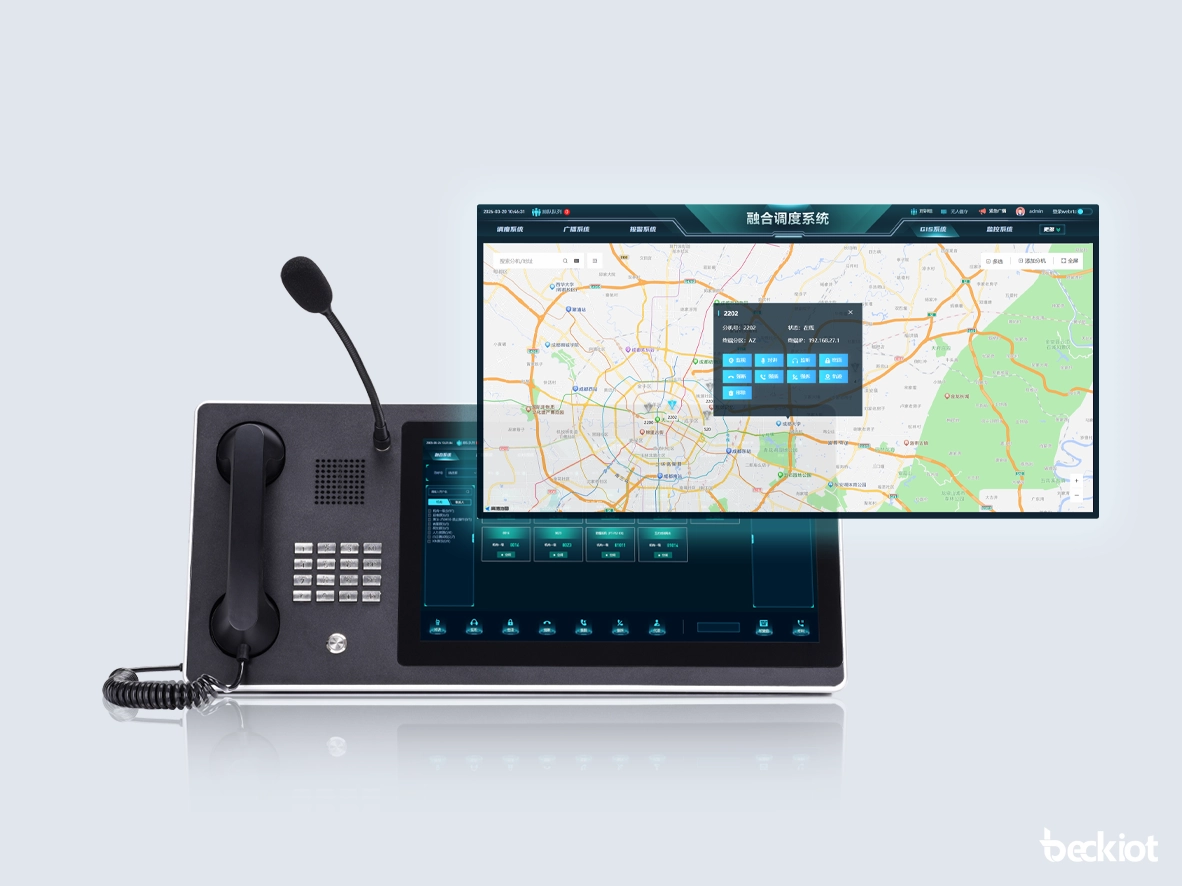
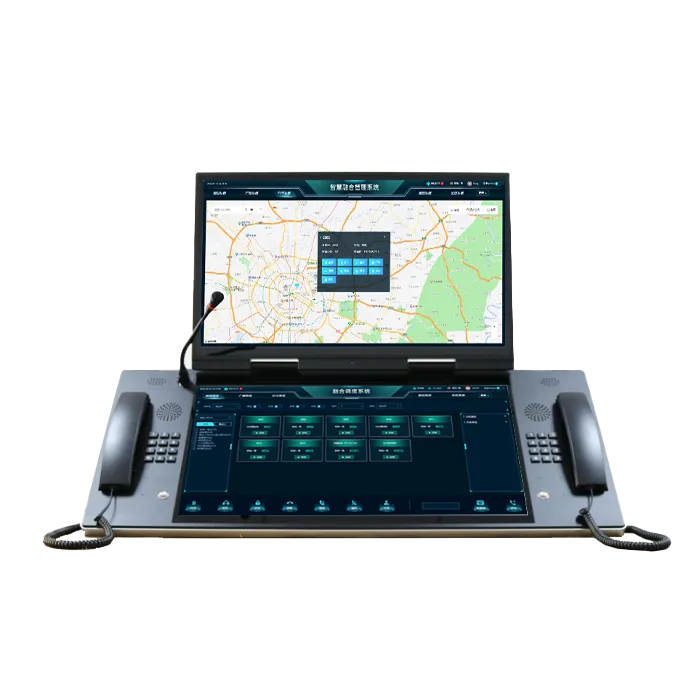
The system uses a unified operator console combined with an electronic map interface, allowing dispatchers to manage calls, intercom, paging, video, alarms, and remote control functions from one screen. When a help request or abnormal event occurs, the platform can quickly identify the location, display the on-site status, and initiate linked actions by combining map and video resources. This gives the control center stronger real-time visibility across the entire roadway network.
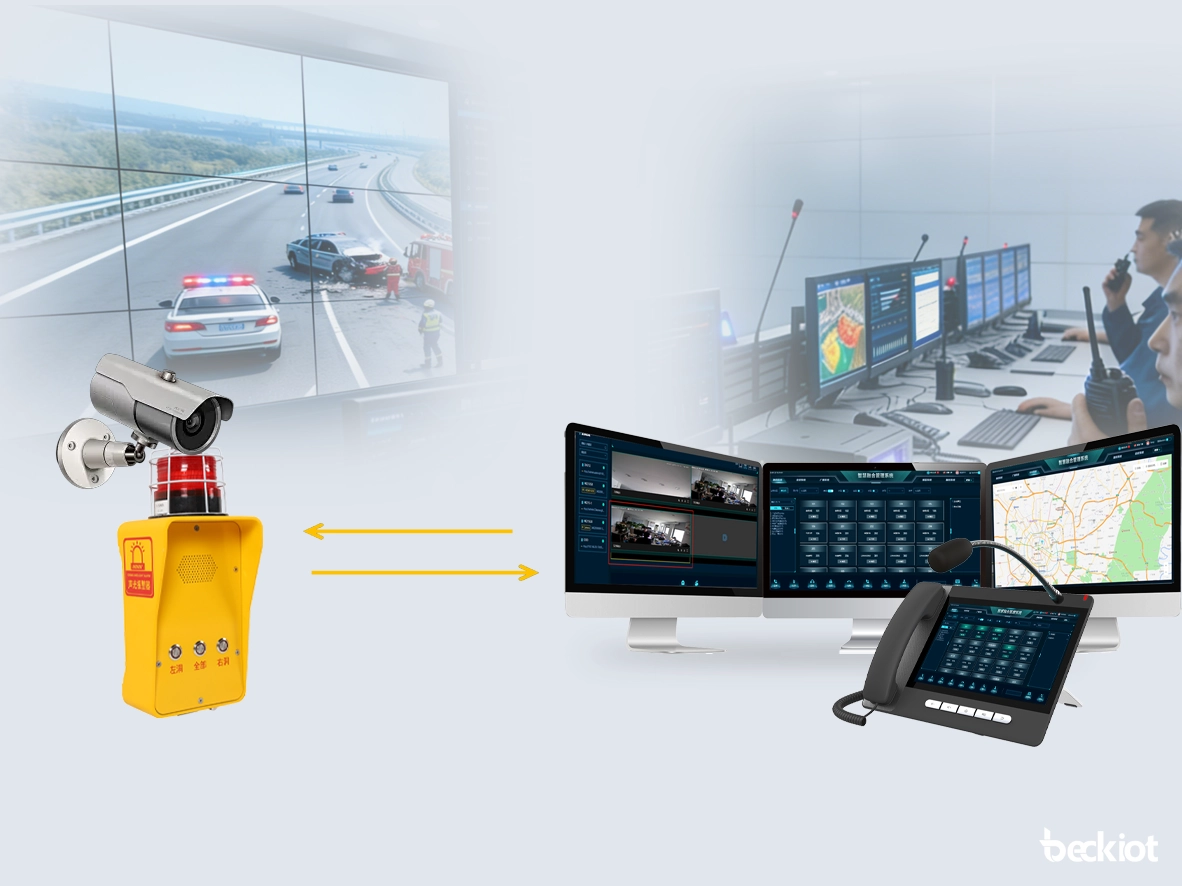
The solution supports real-time video preview, snapshot capture, intercom linkage, alarm linkage, monitoring, listening, audio recording, and video recording. In addition to voice dispatch, operators can call up live video feeds to assist with incident assessment and decision-making. For scenarios such as traffic accidents, congestion, stopped vehicles, or tunnel incidents, staff can gain a more direct understanding of field conditions and respond with greater accuracy.
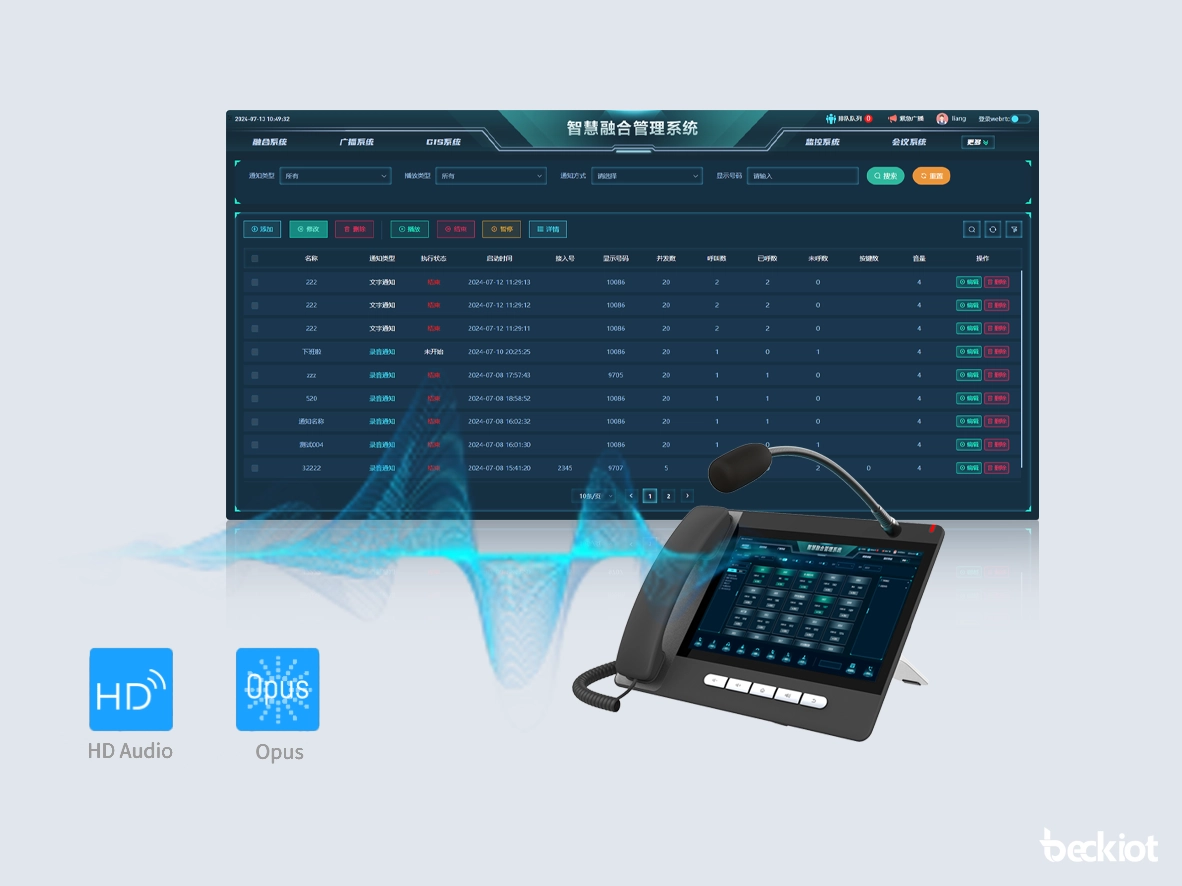
The system is designed with carrier-grade voice capabilities and supports G.722 wideband audio, combined with echo cancellation and background noise reduction technologies. It is well suited to expressway environments where noise levels are high, spaces are open, and speech clarity is critical. Whether deployed at toll booths, plazas, roadside points, or tunnels, the system helps ensure that dispatch instructions are delivered clearly and reliably.
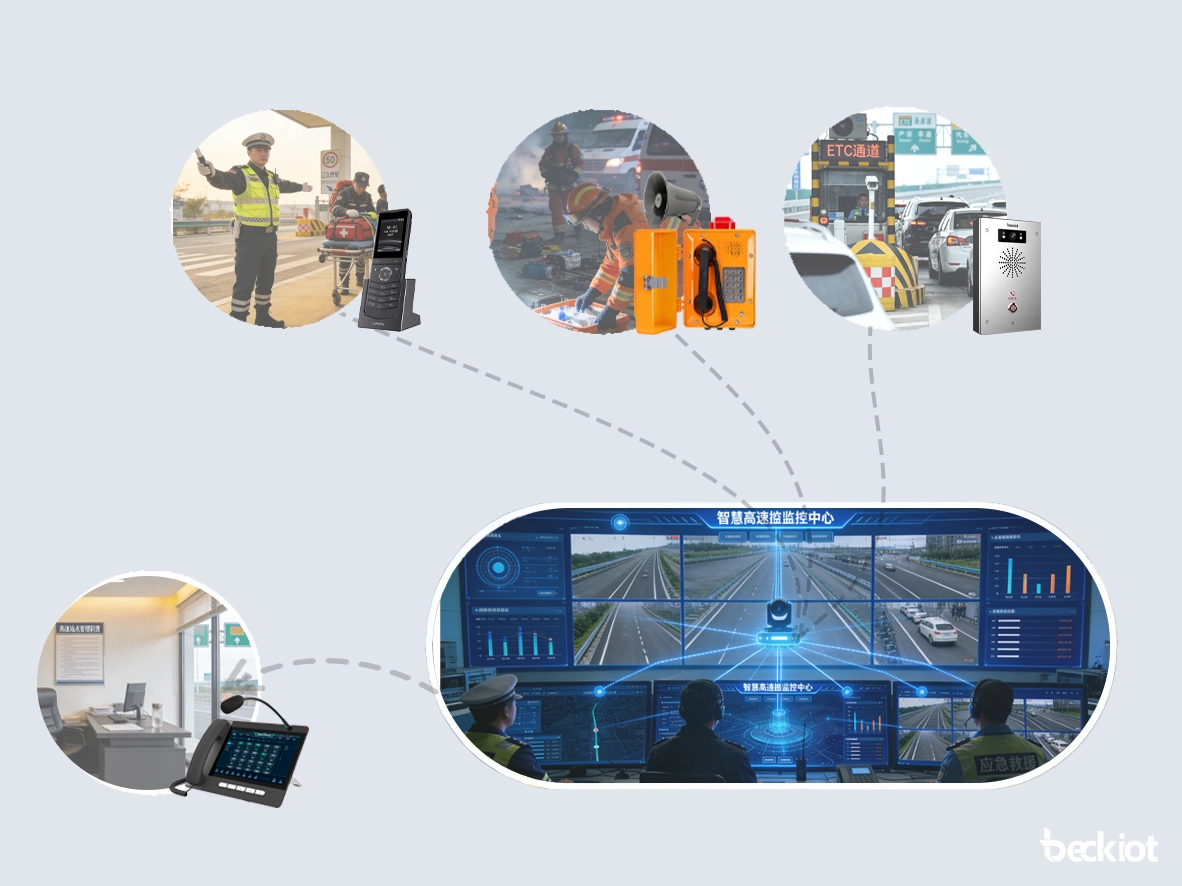
With the monitoring center at its core, the system connects toll stations, shift supervisors, station managers, traffic police, and emergency response teams through a multi-level communication framework that integrates wired and wireless networks. It supports routine expressway operations, duty management, and internal coordination, while also enabling rapid multi-agency collaboration during traffic accidents, emergency incidents, and rescue operations.
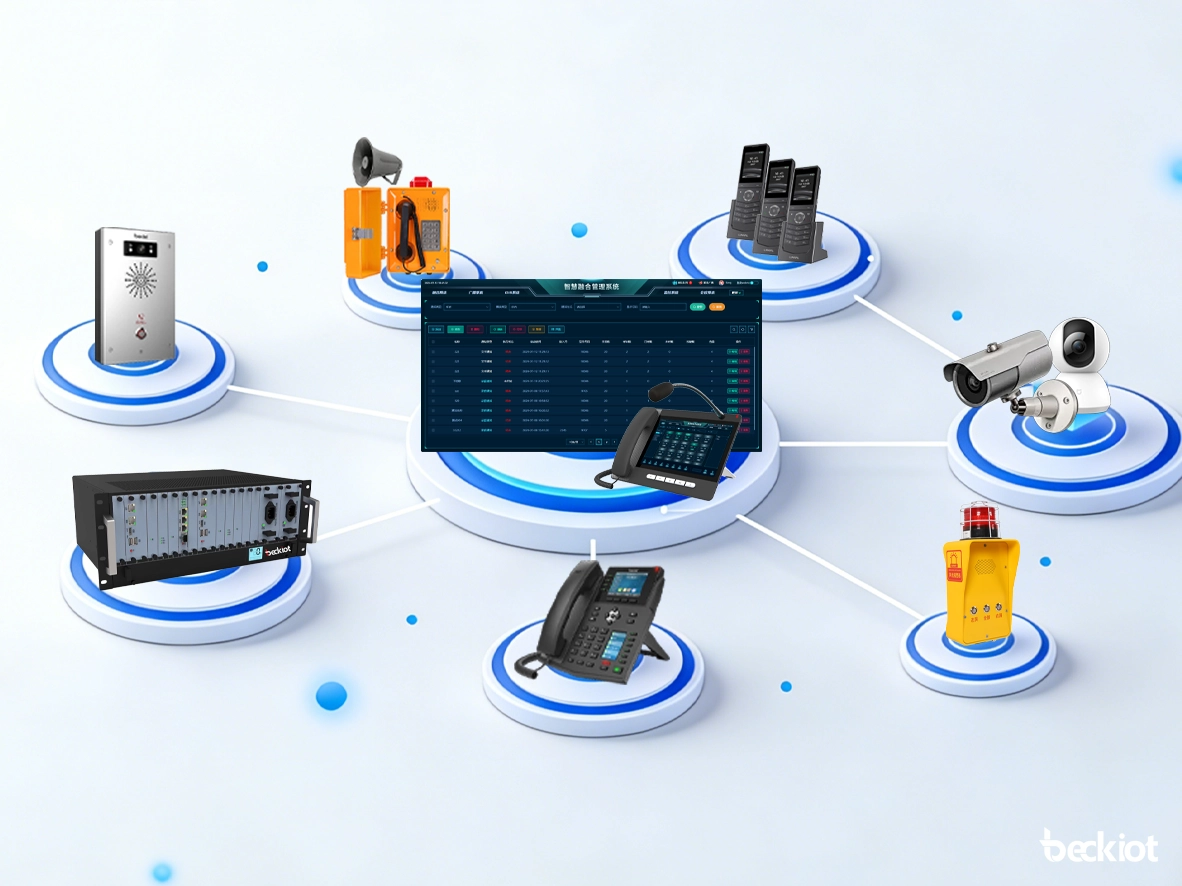
Based on a fully digital IP architecture, the system supports cross-network and cross-site deployment, interconnection with third-party devices, and interoperability with IP PBX platforms. This provides strong scalability for future expansion. The unified technical architecture also simplifies deployment, maintenance, and feature upgrades, making the solution well suited for phased construction, gradual expansion, and modernization projects across expressway networks.
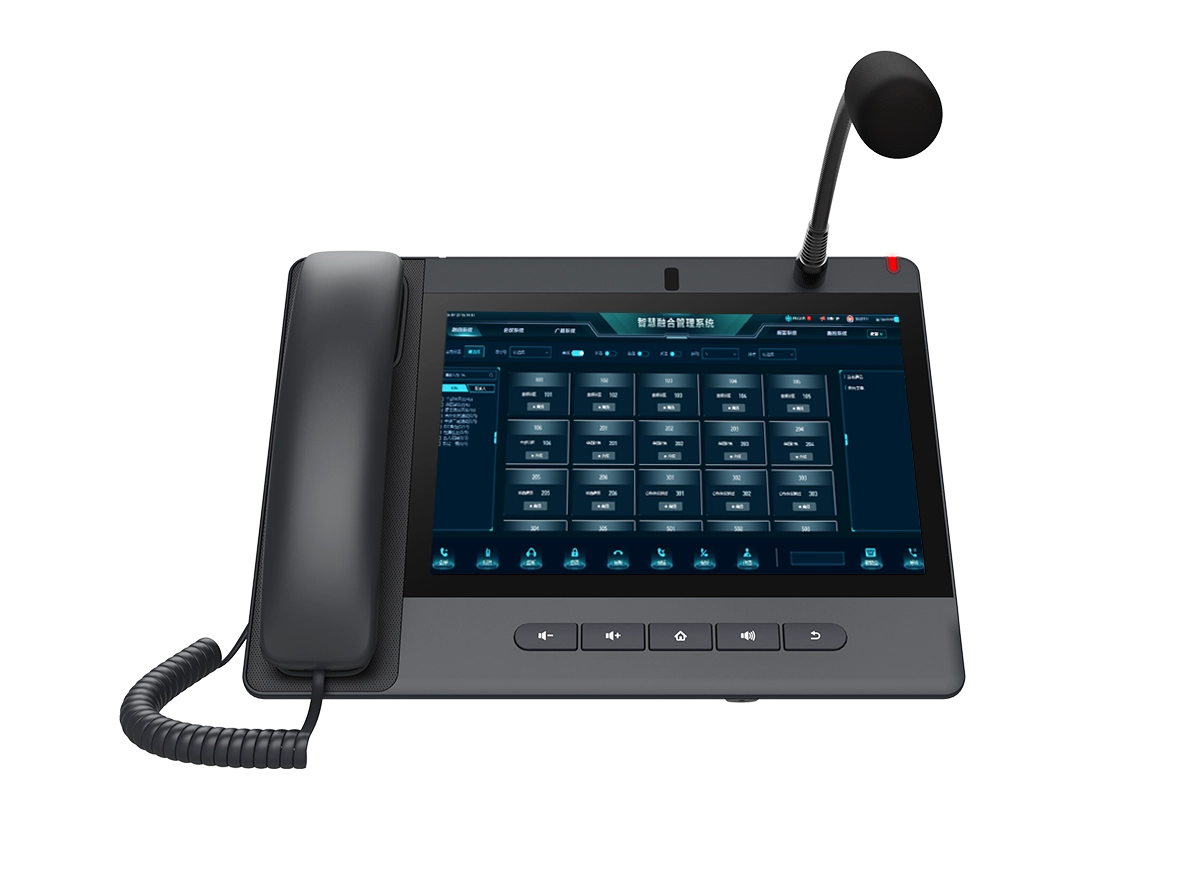
The GP320i is mainly deployed at fixed operator positions such as monitoring centers and station control rooms. It supports paging and broadcasting, call recording, video calling, and video linkage. With Android 9.0, a USB interface, dual-band Wi-Fi, Bluetooth, and hearing aid compatibility, it is well suited as a visual dispatch and duty-handling terminal for expressway operations.
View More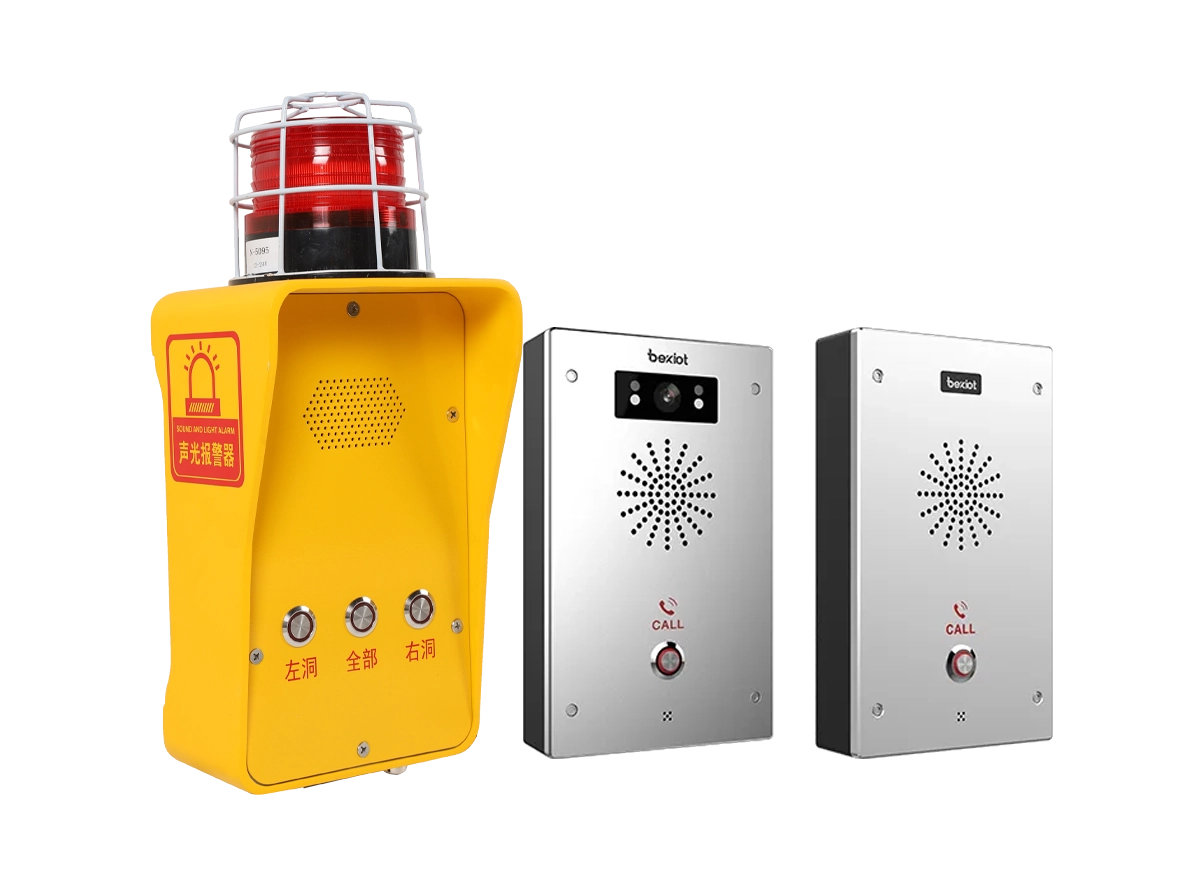
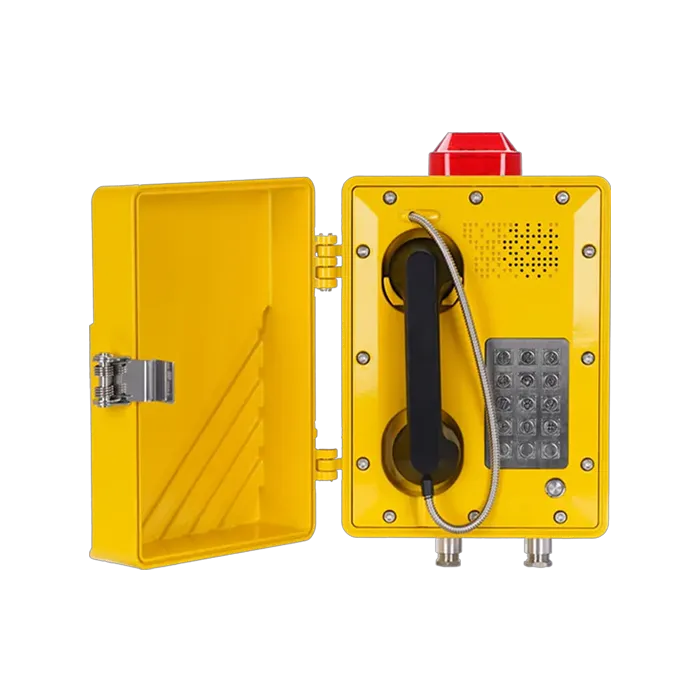
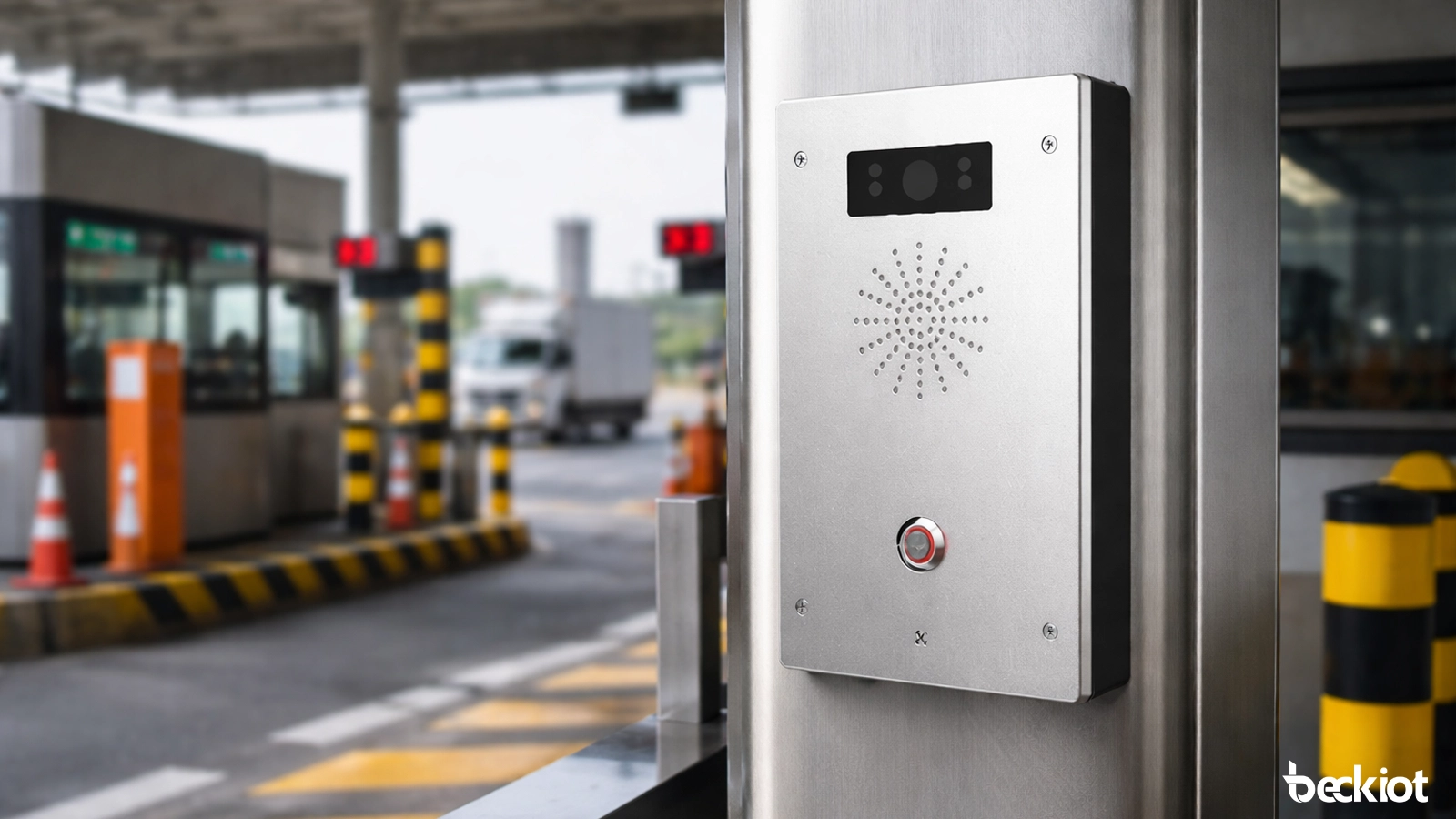
It supports video intercom, alarm linkage, monitoring and recording, and multiple protection features, making it suitable for on-site locations such as toll plazas, roadside help points, service areas, and tunnels. It provides front-end users with one-touch emergency assistance, audio-video linkage, and visual on-site communication capabilities. The three-button voice intercom terminal is deployed in toll booths, roadside sections, emergency help points, and similar areas, supporting emergency assistance requests and broadcast reception.
View More
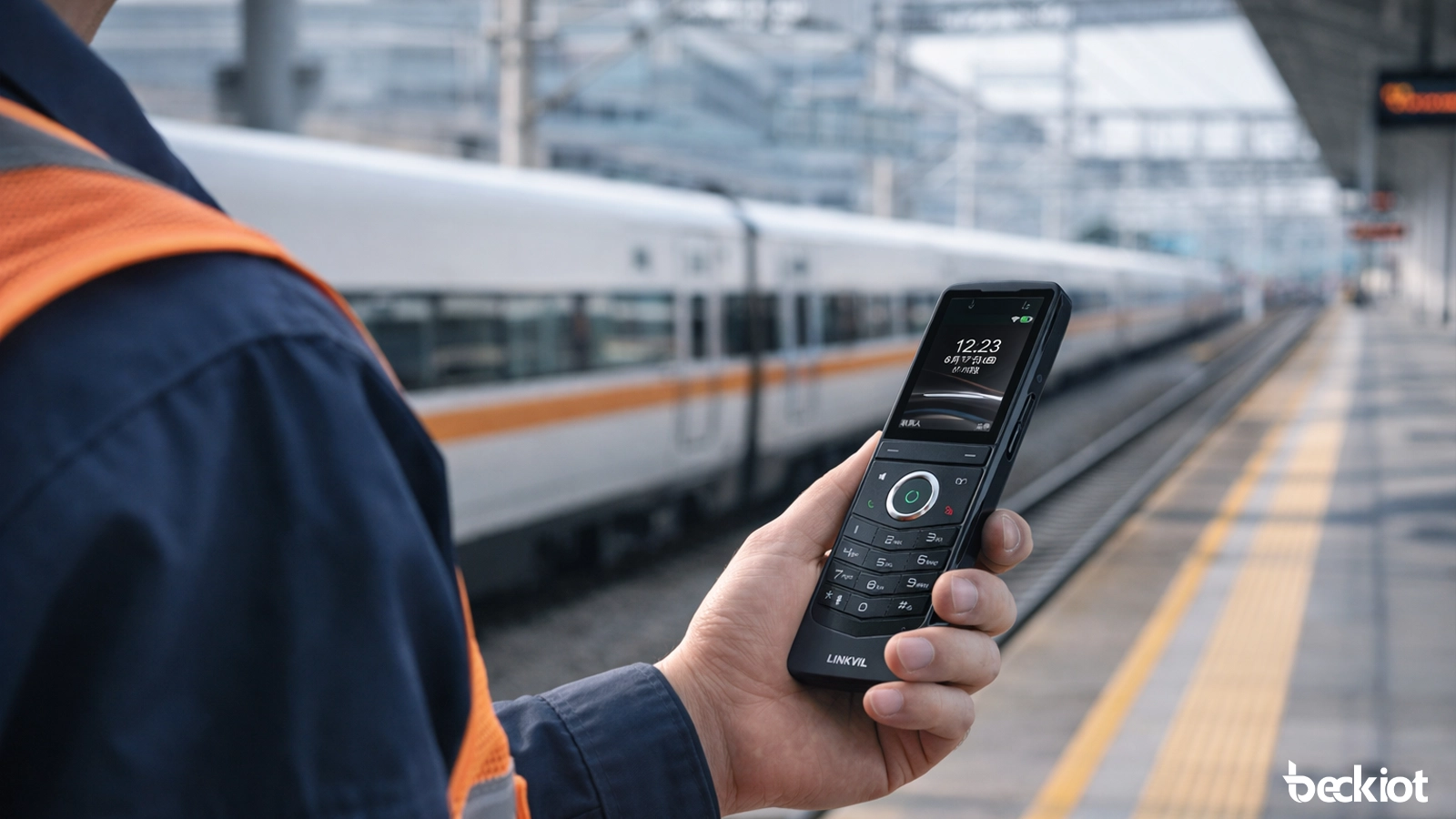
The W611W is ideal for toll supervisors, inspection personnel, and on-site duty staff in mobile use scenarios. It supports Wi-Fi 6, wireless roaming, a PTT button, rugged protection, HD audio, three-party conferencing, and Bluetooth. It can be used for mobile dispatch, on-site support, and area broadcasting.
View More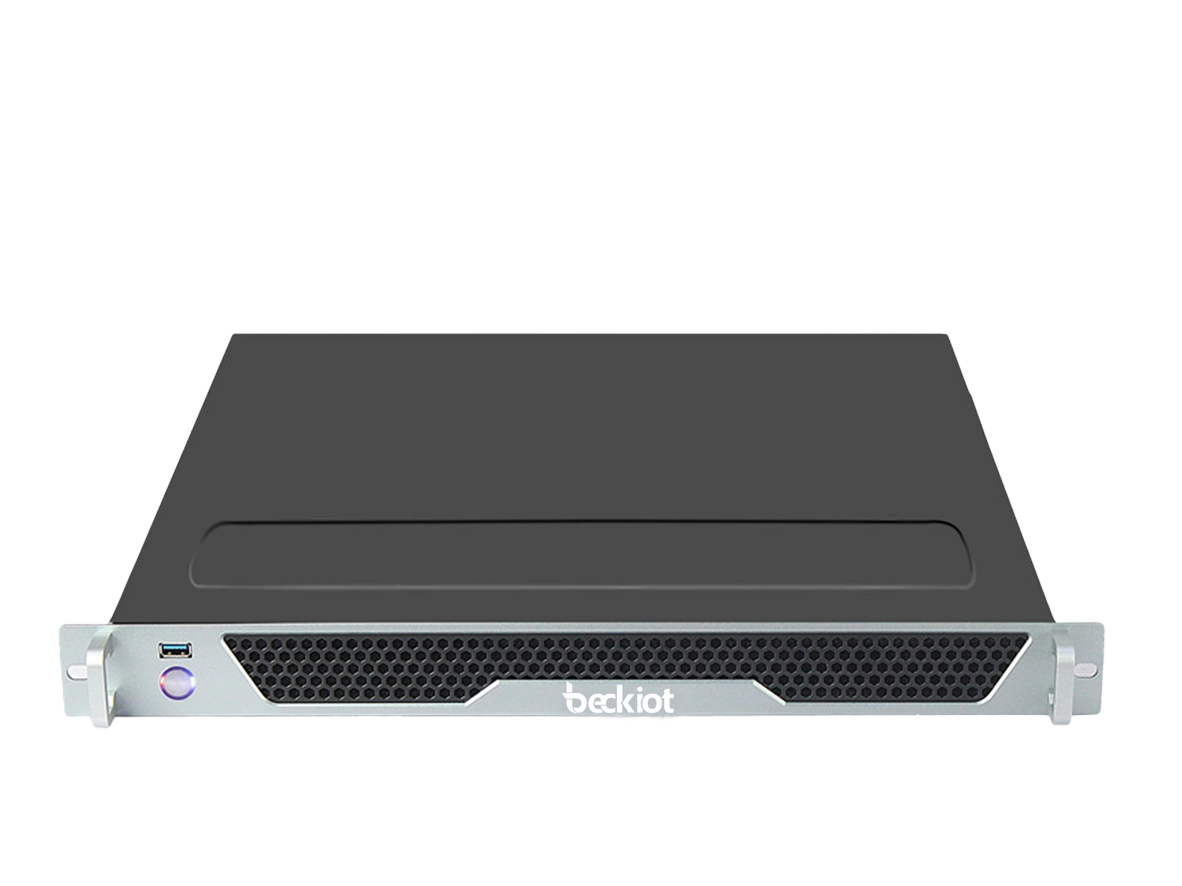
This server is the core platform of the entire expressway command and dispatch system. It integrates IP softswitch, intercom, paging, telephony, alarm handling, linkage, recording, video, emergency response plans, and video linkage capabilities, serving as the central hub for unified system access and centralized dispatch.
View More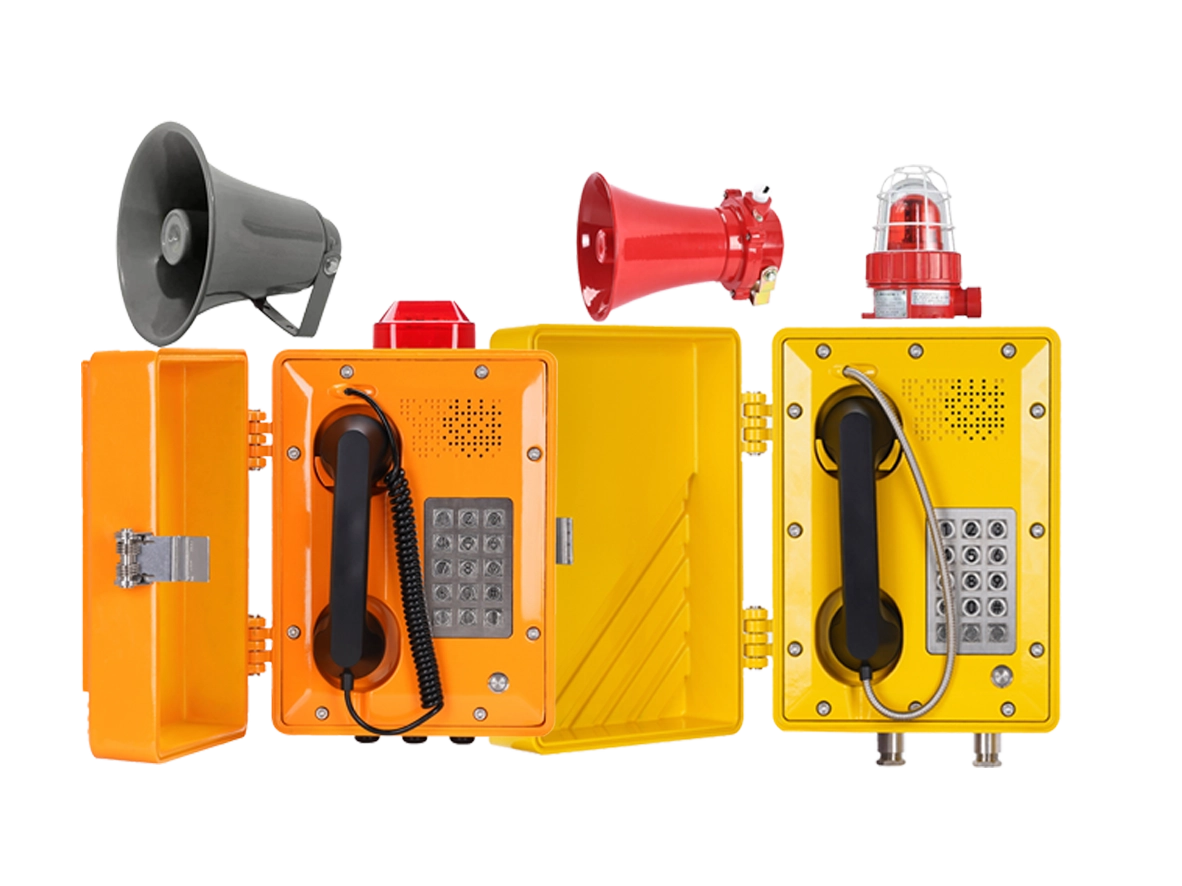
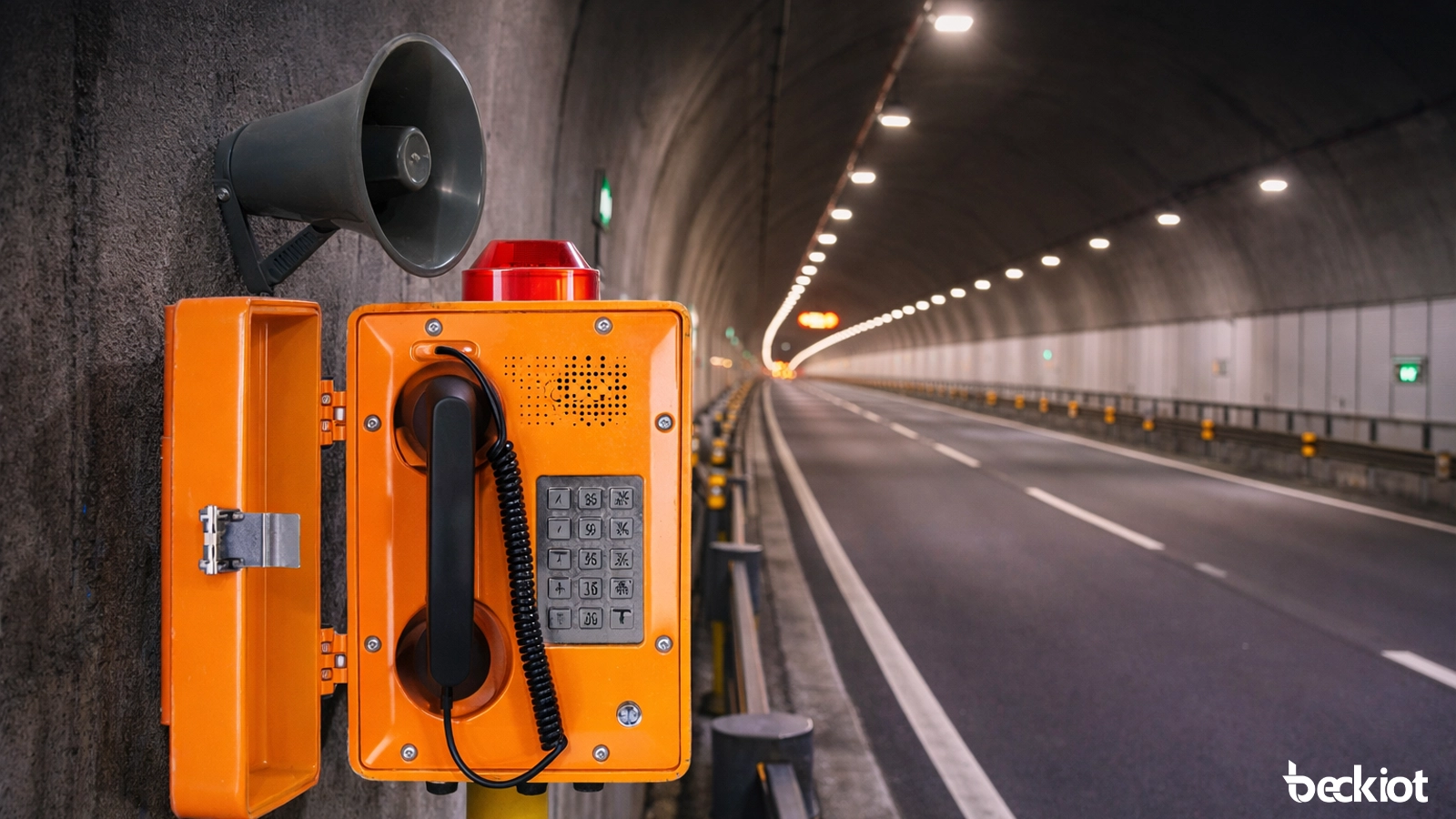
The SIP industrial telephone features HD intercom, alarm linkage, wall-mount installation, and online volume adjustment. It is suitable for areas of the expressway environment with higher requirements, such as tunnels, roadside sections, and equipment rooms, and can serve as a reliable on-site emergency communication terminal.
View MoreThe station monitoring room supports single-zone and group paging, background music broadcasting, scheduled announcements, multi-party intercom, and operational conferencing. It is ideal for local duty management at toll stations, regional notifications, internal coordination, and first-response handling, making it an important dispatch point at the station level.
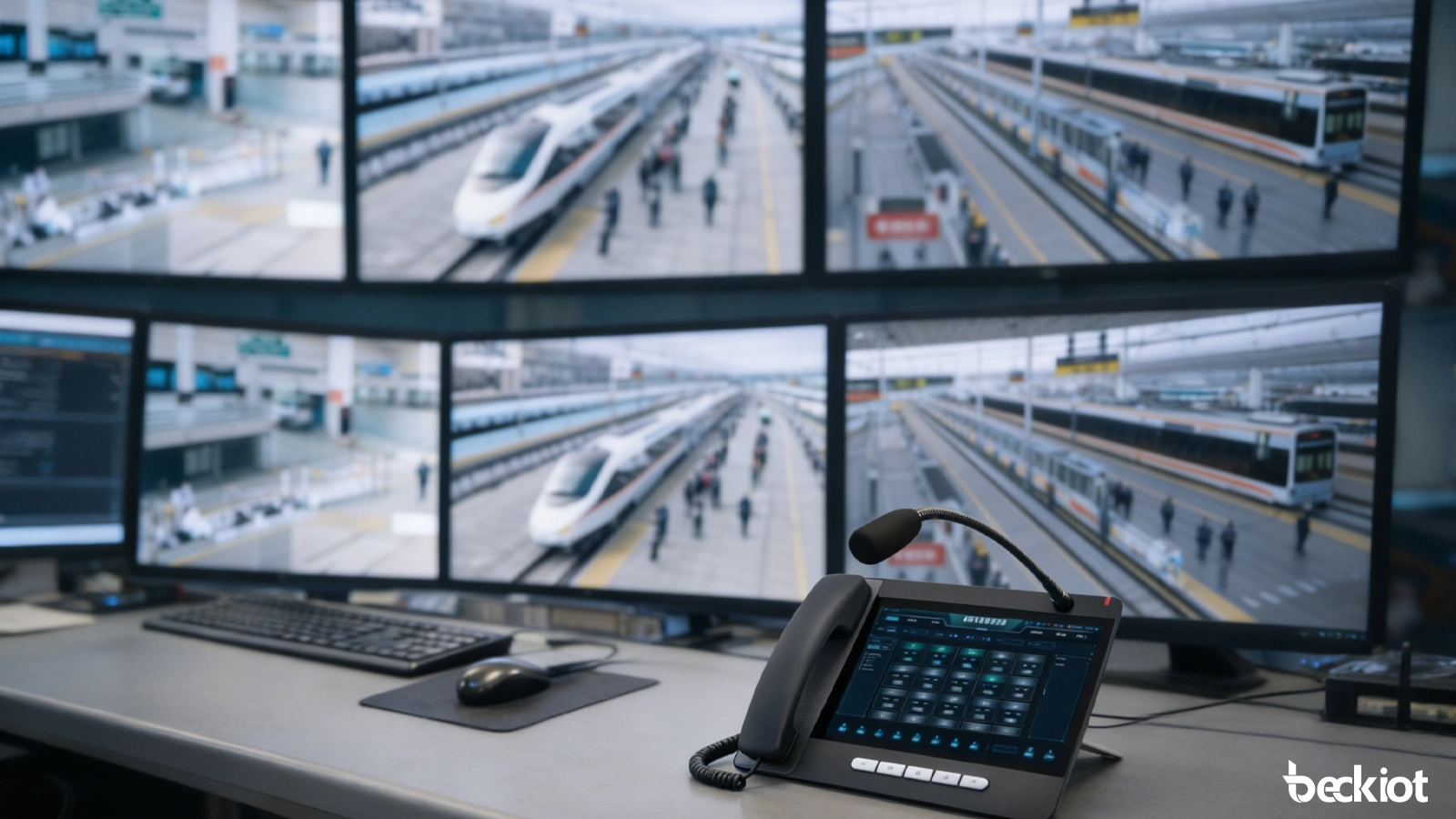
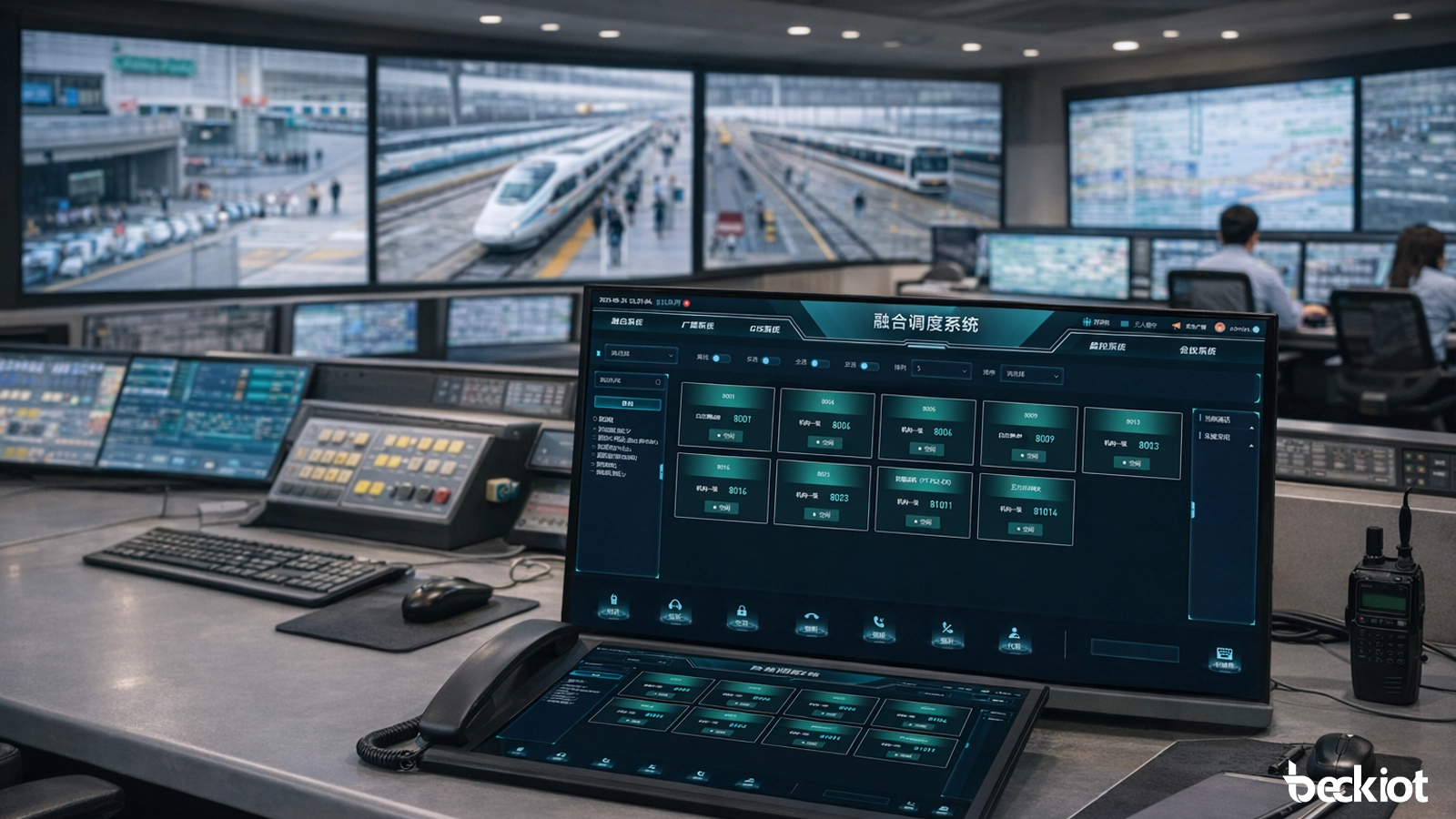
The control center serves as the core node of the entire system, supporting unified alarm intake, centralized dispatch, video monitoring, alarm handling, public address broadcasting, conference coordination, and multi-department response. It is well suited to day-to-day expressway operations management, incident coordination, and centralized command during major emergencies.
Toll booths can communicate with the control center, station monitoring room, and shift supervisors through multi-party intercom, while also supporting video linkage, scrolling message display, and broadcast reception. This is suitable for operator assistance requests, lane abnormalities, toll disputes, vehicle breakdowns, and unexpected conflicts, helping field issues be reported, coordinated, and resolved more quickly.
Shift supervisors can use handheld mobile terminals for real-time communication and live voice broadcasting while patrolling their assigned areas. This is suitable for supervisor patrols, lane support, on-site incident response, and temporary instruction delivery, improving the speed and flexibility of frontline operational management.
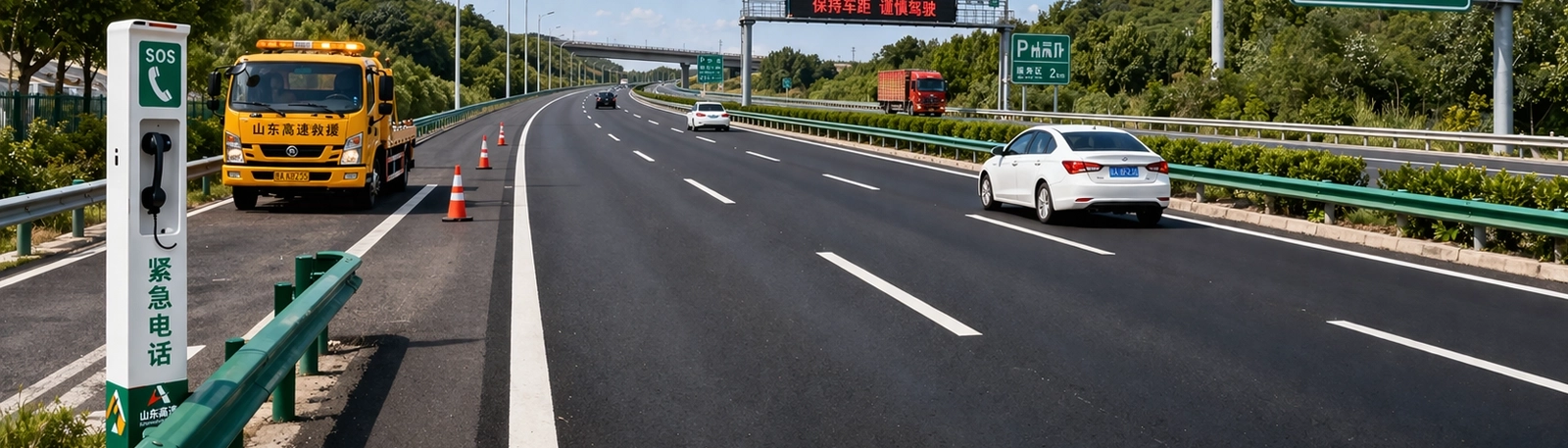
At toll plazas, along expressway sections, at ramp entrances, and in accident-prone areas, the system supports one-touch emergency assistance, emergency broadcasting, video linkage, and two-way intercom. It is well suited to congestion management, accident reporting, roadside assistance, vehicle breakdown response, and on-site order maintenance, helping improve both traffic efficiency and service quality.

Tunnels are one of the most critical areas in expressway operations. The system supports emergency broadcasting, emergency calling, on-site linkage, and rapid dispatch within tunnel environments. It is designed for high-risk scenarios such as tunnel accidents, fires, disabled vehicles, stranded personnel, and emergency evacuation, helping improve response speed and coordination during tunnel incidents.