
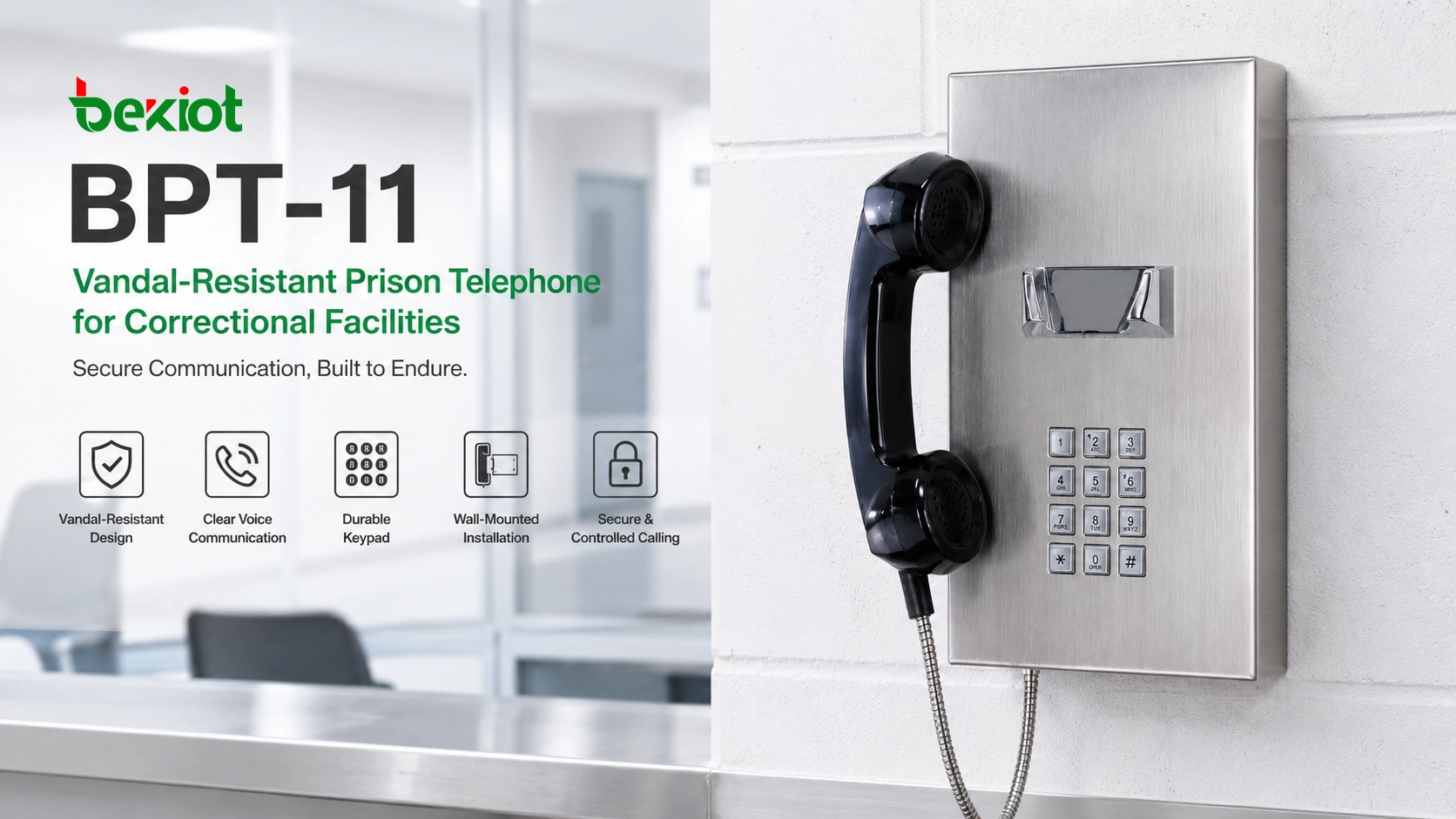
The BPT-11 is a vandal-resistant prison telephone designed for correctional facilities, detention centers, custody rooms, police stations, visitor communication areas, and other supervised environments where communication terminals must be durable, secure, and easy to manage. It provides a reliable voice communication point for inmate family calls, visitor contact, internal facility communication, emergency reporting, and controlled public service calling.
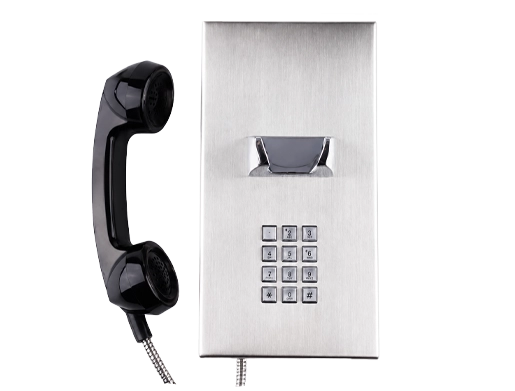
Built with a reinforced metal housing, strong handset, durable keypad, and secure wall-mounted structure, the BPT-11 is suitable for high-frequency use and locations where ordinary telephones may be easily damaged. Its rugged design helps protect key internal components against impact, pulling, scratching, forced opening, and daily wear, making it suitable for long-term deployment in high-security and high-traffic areas.
In correctional environments, a telephone terminal is part of a controlled communication system that may require call authorization, number restriction, recording, monitoring, and centralized management. The BPT-11 can be used as an inmate calling phone, visitor communication phone, emergency contact phone, or internal voice terminal according to the project design.
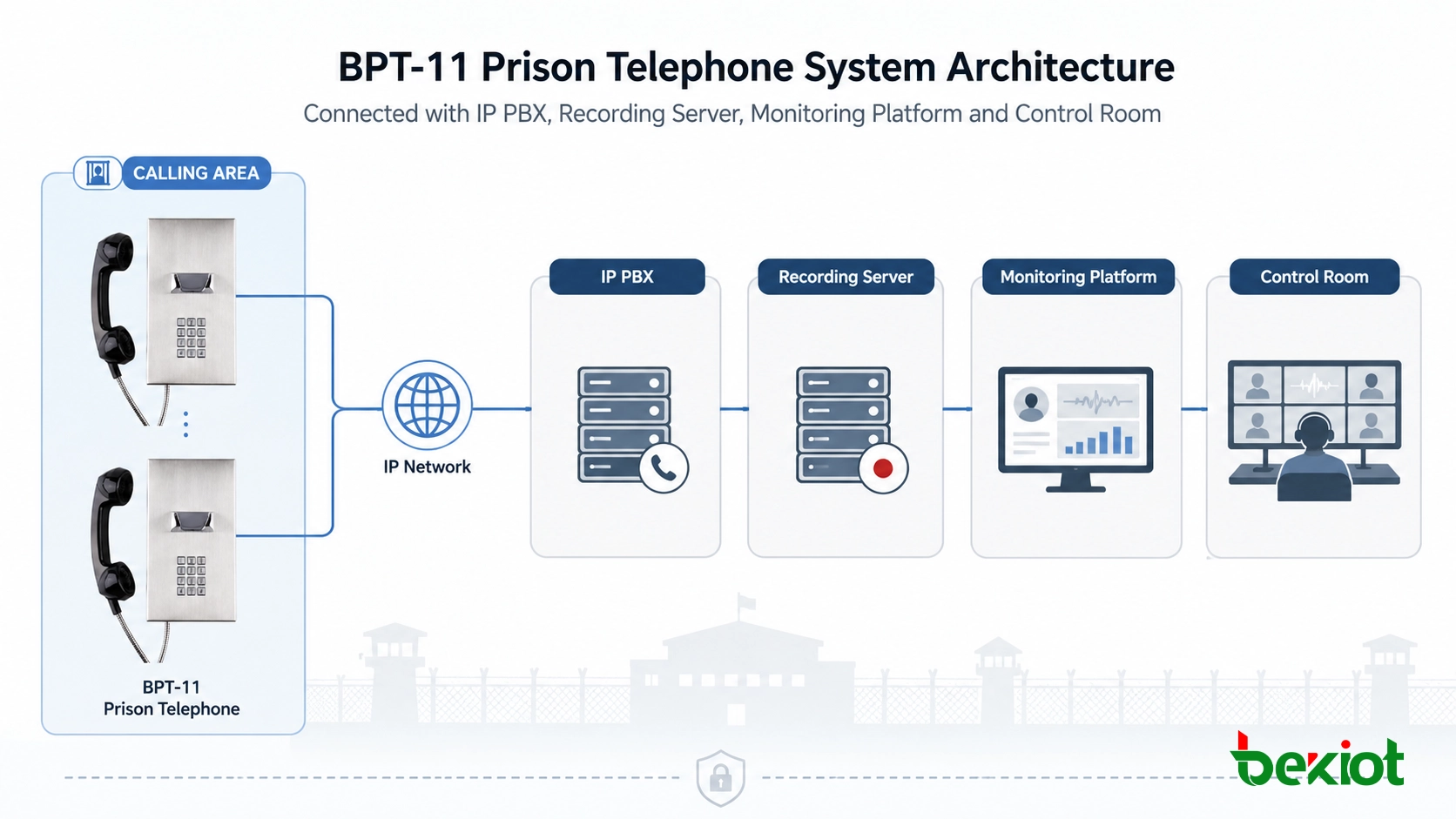
When connected with a prison phone management platform, IP PBX, SIP server, recording system, or monitoring platform, the BPT-11 can support supervised calling workflows such as approved family number dialing, call duration control, call log management, call recording, and real-time supervision.
The BPT-11 uses a reinforced metal housing to improve resistance against intentional damage, impact, and long-term public use. The solid structure helps protect the internal circuit board, wiring interface, microphone, speaker, and other key components.
This rugged design makes the BPT-11 suitable for correctional facilities and public areas where communication equipment must remain reliable even under demanding conditions.
The telephone is equipped with a strong handset designed for frequent operation. The handset structure can be matched with an armored cord or reinforced cord according to project requirements, helping reduce damage caused by pulling, bending, twisting, or rough handling.
Clear voice pickup and stable audio output allow users and operators to communicate effectively in supervised calling areas, visitor rooms, and duty stations.
The BPT-11 can be configured with a durable keypad for extension dialing, authorized number dialing, service hotline calling, or platform-controlled calling. In prison phone system applications, the keypad can work together with whitelist rules and call permission settings to prevent unauthorized calls.
The keypad layout is simple and practical, making it easy for users to operate while allowing administrators to manage call behavior through the backend communication system.
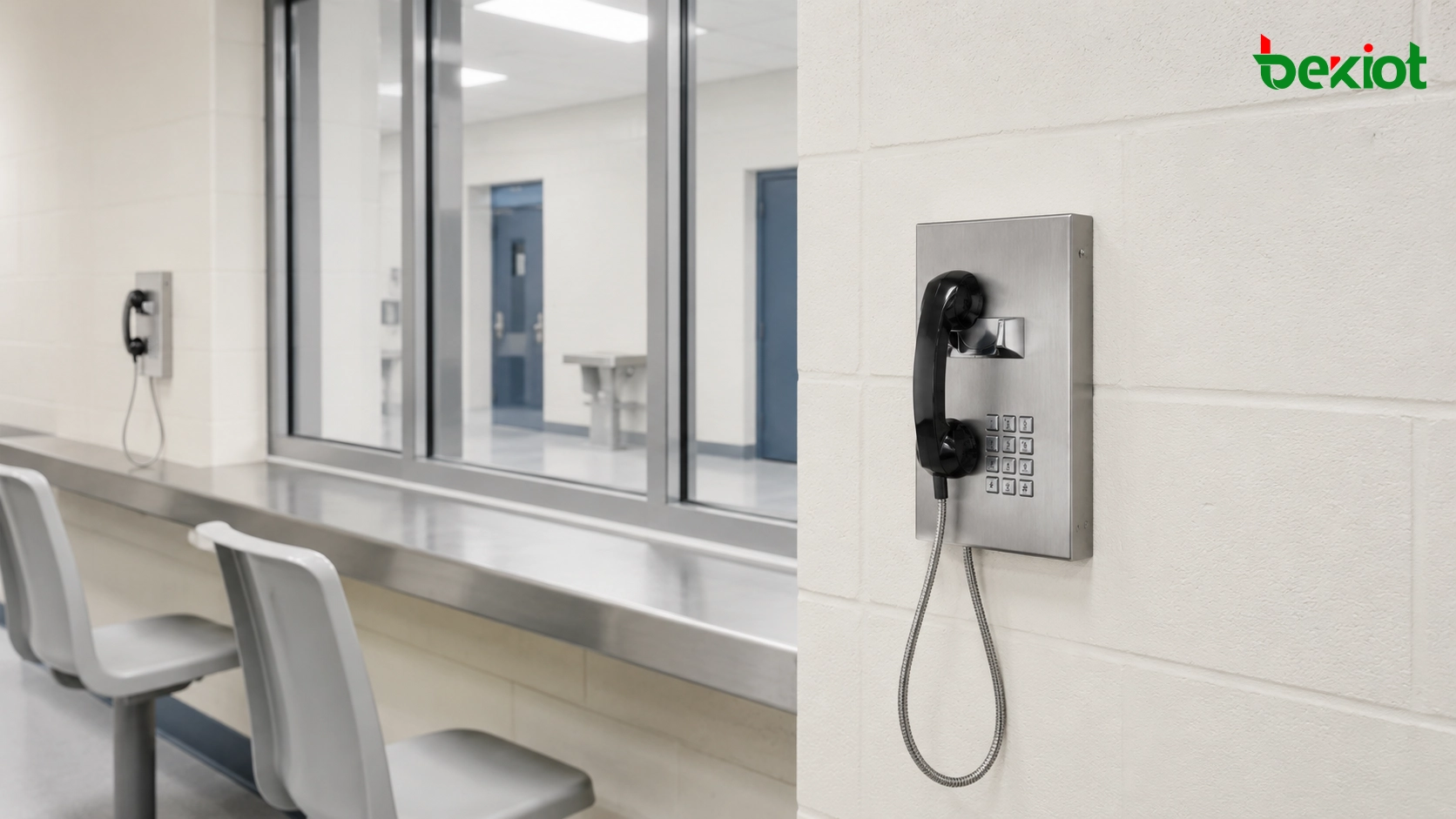
The BPT-11 is designed for wall-mounted installation. This installation method is suitable for calling booths, corridors, visitor areas, control points, and public service locations. Secure mounting helps prevent unauthorized removal and improves long-term installation stability.
Cable routing can be arranged from the rear or through a protected wiring path to reduce exposed cables and improve site safety.
The BPT-11 provides reliable voice communication for secure environments. It can be used for internal extensions, authorized external calls, service hotline calls, or emergency communication depending on the system configuration.
In prison and detention applications, the telephone can work with backend call control rules to support approved communication while reducing unauthorized calling risks.
When connected to a management platform, the telephone can support call permission rules such as approved number lists, call duration limits, call frequency limits, account-based control, and administrator supervision.
This makes the BPT-11 suitable for inmate family calling systems where every call needs to be authorized, traceable, and controlled according to facility policy.
The BPT-11 can work with a recording server or prison phone management system to support call recording and playback review. This helps provide communication evidence and improves management transparency.
Recorded calls can be searched and reviewed by authorized personnel, supporting supervision, incident review, and long-term communication record management.
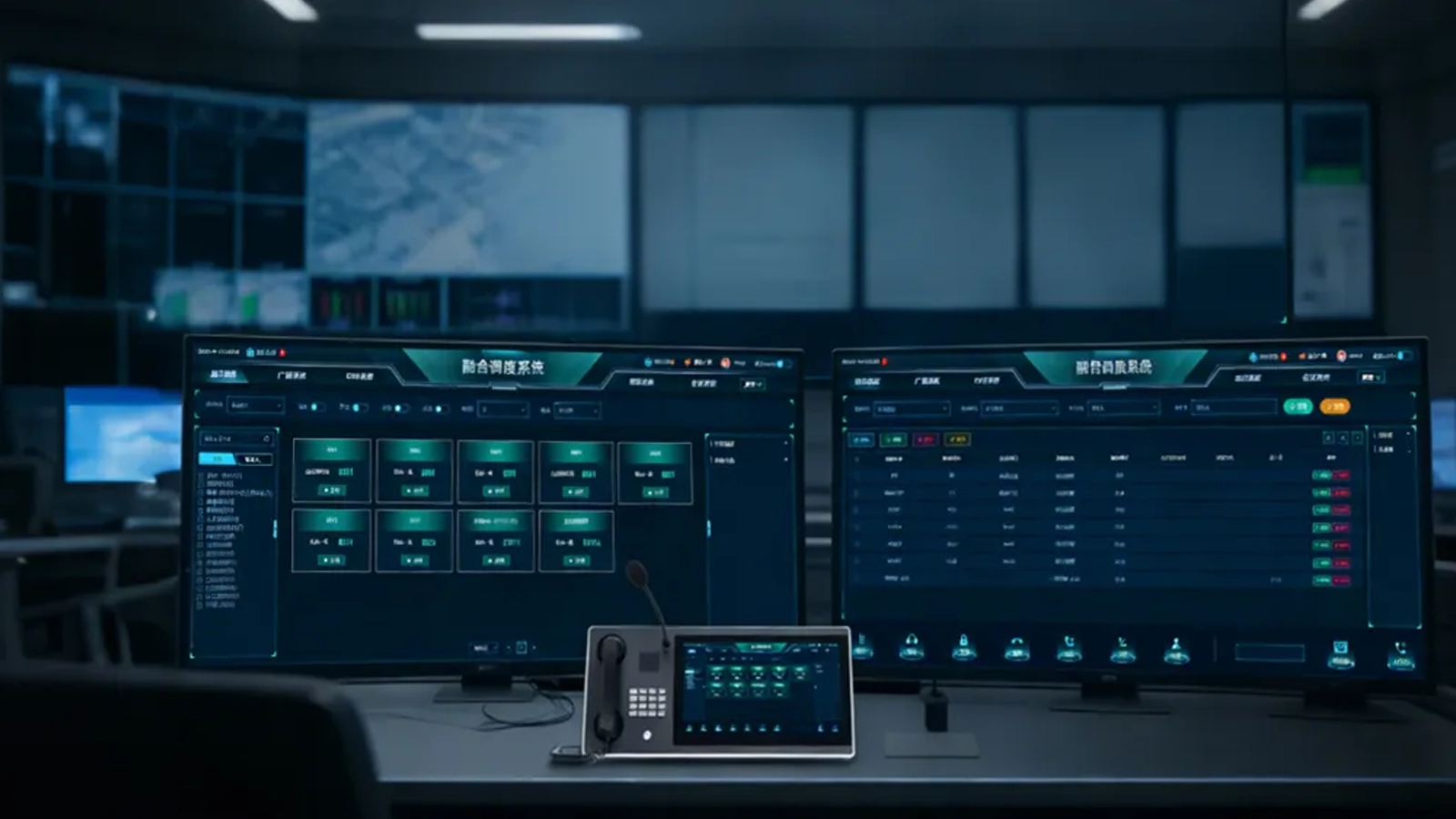
In IP-based or platform-based deployment, multiple BPT-11 telephones can be centrally managed by the control room. Administrators can manage extensions, calling rules, call records, device deployment, and communication workflows from one platform.
This is useful for correctional facilities with multiple calling areas, visitor rooms, custody zones, and security management points.
The BPT-11 can be deployed as a terminal device in a prison phone system for secure inmate family calling. The platform can control which numbers may be dialed, how long each call can last, how many calls are allowed, and whether the call should be recorded or monitored.
Through platform integration, correctional facilities can manage inmate communication more consistently while keeping call records traceable.
In VoIP deployment, the BPT-11 can be connected with an IP PBX, SIP server, softswitch platform, dispatch system, recording server, or unified communication platform. This allows the telephone to become part of a larger communication network.
For multi-building correctional facilities, IP-based deployment makes it easier to manage extensions, route calls, expand phone points, and integrate with monitoring or security systems.
The BPT-11 can be installed in designated inmate calling areas to provide controlled family communication. When used with a prison phone platform, calls can be limited to approved family numbers, recorded for management review, and controlled by time or frequency rules.
This helps correctional facilities maintain necessary family contact while reducing unauthorized communication risks.
In visitor communication rooms, the BPT-11 can serve as a secure voice terminal between inmates and approved visitors. Its rugged structure is suitable for high-frequency use and supervised environments.
The system can record calls, manage access permissions, and support centralized monitoring according to the correctional facility’s communication policy.
The BPT-11 can also be used in police stations, custody rooms, interrogation support areas, temporary detention zones, and public security facilities. It provides a stable communication point for controlled calling and internal communication.
Its vandal-resistant structure helps reduce maintenance problems in areas where devices may face rough operation or intentional damage.
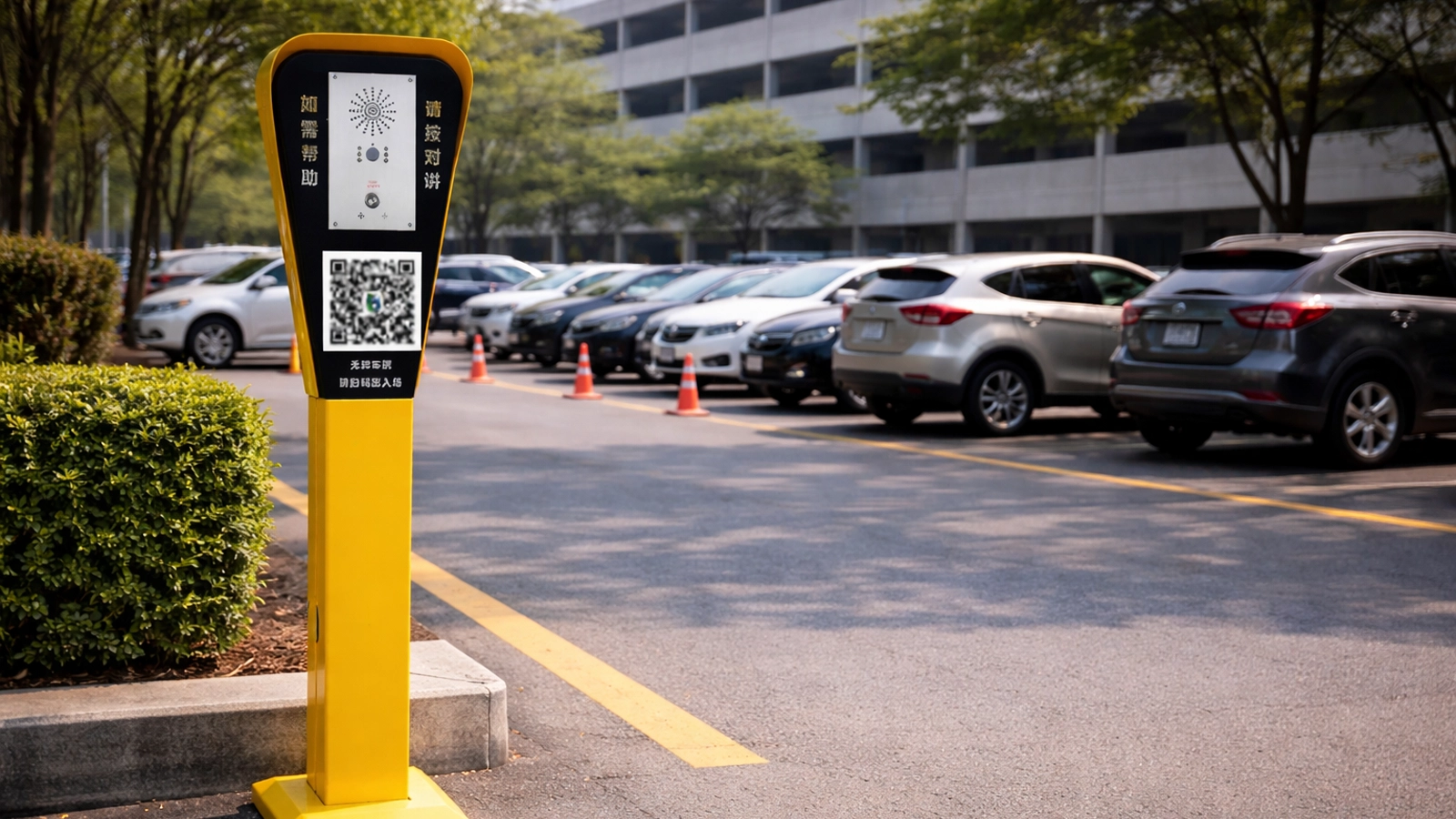
Beyond prison projects, the BPT-11 is also suitable for public kiosks, transport stations, campuses, industrial facilities, service halls, and other high-traffic locations. It can be used as a public service phone, emergency contact phone, help point terminal, or internal hotline phone.
The rugged housing and simple operation make it suitable for locations where reliability, durability, and easy maintenance are important
The BPT-11 helps correctional facilities provide controlled communication access while reducing unauthorized calling risks. With system-level call control, only approved numbers and permitted call behaviors can be allowed.
When integrated with a prison phone management platform, calls can be recorded, logged, monitored, and reviewed. This improves communication traceability and supports facility security management.
The vandal-resistant structure helps reduce damage caused by impact, pulling, rough use, and public operation. This lowers maintenance frequency and improves long-term deployment reliability.
The BPT-11 can be deployed in different facility zones, including inmate calling areas, visitor rooms, corridors, duty rooms, custody areas, and public service points. It can also be expanded as the communication system grows.
| Scenario | Recommended Use |
|---|---|
| Prison Calling Room | Controlled inmate family calling with recording and supervision |
| Detention Center | Secure voice communication for temporary custody areas |
| Visitor Communication Area | Supervised voice communication between inmates and approved visitors |
| Police Station | Internal communication, duty contact, and controlled public calling |
| Correctional Facility Corridor | Emergency contact point and staff communication terminal |
| Public Kiosk or Service Point | Durable public telephone for high-traffic areas |
The BPT-11 provides a durable and manageable telephone terminal for secure calling environments where ordinary phones are not suitable. Its vandal-resistant structure, reinforced handset, durable keypad, and wall-mounted design make it suitable for long-term use in correctional facilities, detention centers, custody areas, visitor rooms, public service points, and other supervised locations.
When used with a prison phone management platform, IP PBX, SIP server, recording system, or monitoring platform, the BPT-11 can support controlled calling, call traceability, centralized management, and safer communication workflows for high-security facilities.
| Item | Description |
|---|---|
| Model | BPT-11 |
| Product Type | Vandal-resistant prison telephone |
| Application | Correctional facilities, detention centers, custody areas, visitor rooms, public calling points |
| Installation | Wall-mounted installation |
| Housing | Rugged metal housing for vandal-resistant use |
| Handset | Reinforced handset, armored cord optional according to project requirements |
| Keypad | Durable keypad for controlled dialing and extension calling |
| Communication | Voice communication terminal for prison phone system or IP PBX platform |
| System Integration | Can work with IP PBX, SIP server, recording system, monitoring platform, and prison phone management system |
| Typical Functions | Authorized calling, call recording support, call supervision, internal communication, emergency contact |
| Use Environment | High-security, high-frequency, public, industrial, and supervised communication environments |