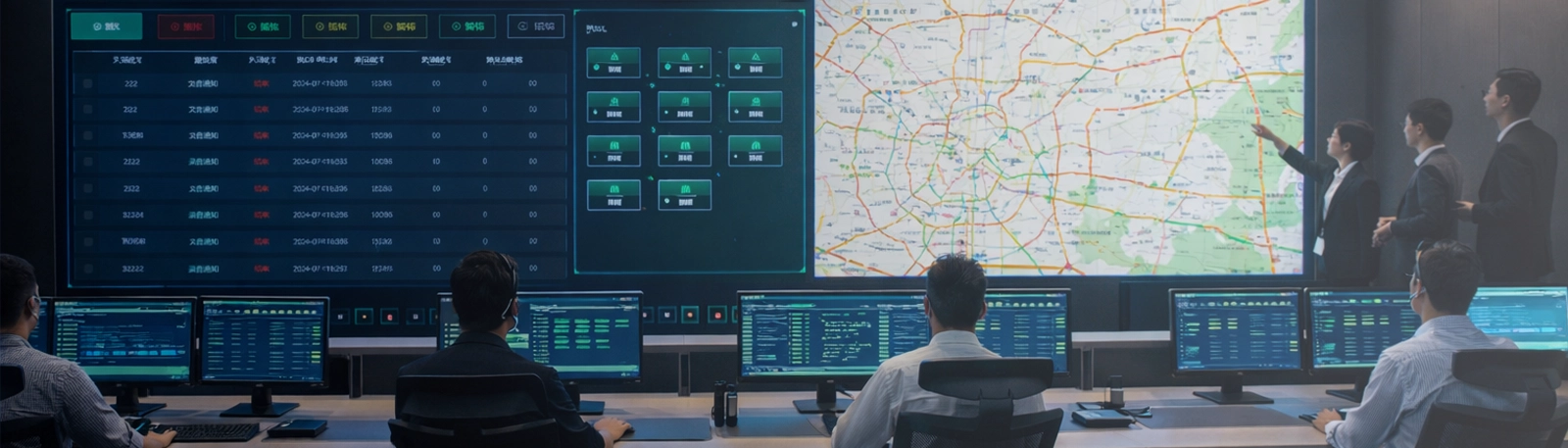
Command and control centers do not use voice communication in the same way as ordinary office environments. In a normal business setting, telephony is mainly used for one-to-one conversations, basic transfers, and routine internal or external contact. In a control center, communication is part of the command workflow. Operators must receive calls, judge urgency, identify the source, connect the right people, launch conferences, trigger paging or shouting actions, verify alarms, view associated video, locate field devices on a map, and keep the full process recorded for later review. For that reason, a standard office IP phone platform is rarely sufficient on its own.
An IP Telephony Dispatch System for Command and Control Centers is designed to solve this problem by turning telephony into an operational dispatch platform. Built on a SIP/IP architecture, it combines centralized call control, dispatch console workflows, intercom access, conference management, zone broadcasting, alarm linkage, visual coordination, recording, and open integration into one communication environment. Instead of forcing operators to switch repeatedly between separate tools, the system allows them to work through one more structured and more controllable interface.
This solution is designed for command environments where voice is closely tied to supervision, coordination, and incident handling. It is suitable for emergency command centers, security operation centers, traffic management centers, utility control rooms, industrial monitoring centers, airport and railway control centers, and municipal coordination platforms. In all of these settings, the requirement is similar: communication must be immediate, visible, manageable, and ready to support both daily operations and high-pressure situations.
The platform is not positioned as a simple enterprise IPPBX. It is positioned as a dispatch-oriented communication system that can unify field communication, operator handling, supervisory intervention, group coordination, and event-driven response. That is the key difference. The value of the system lies not only in making calls possible, but in helping operators move from incoming communication to organized action with less delay and less confusion.
In a command environment, calls do not all have the same weight. A routine internal request, a field device call, a hotline from a supervisor, and an alarm-linked emergency communication may all arrive within a short period of time. If all of them are treated as ordinary incoming calls, the operator loses operational efficiency and may also lose important context. A dispatch platform solves this by introducing queue visibility, priority logic, source recognition, and operator action tools that make urgent communication easier to recognize and faster to handle.
This means communication is no longer just a passive stream of ringing lines. It becomes a managed flow. Calls can be classified, queued, transferred, parked, escalated, or merged into wider communication tasks according to duty rules and operational procedures. For command centers, this is a major shift from office telephony to dispatch telephony.
Many calls in a control room are not meaningful without context. An operator may need to know whether the call came from a field terminal, a gate point, a roadside help point, a workshop position, a control room extension, or an alarm-triggered endpoint. The operator may also need to see related video, check the location on an electronic map, or confirm whether a linked alarm has already appeared in the system. If that information exists in separate systems, valuable seconds are lost every time an event needs to be interpreted.
A dispatch-oriented IP telephony system reduces this problem by connecting calls with the wider control environment. Voice becomes one layer of a larger event-handling process. That is what makes the platform suitable for real command and control operations.
In a command center, telephony becomes truly valuable when it helps operators identify, understand, and coordinate communication instead of simply answering it.
At the center of the solution is a SIP-based call control platform. This layer manages endpoint registration, extensions, dial rules, routing groups, trunks, IVR logic, permissions, and communication policies. It provides one consistent telephony foundation for operator consoles, IP phones, intercom terminals, gateways, soft clients, and external communication channels. Because the system is built on open IP and SIP architecture, it is easier to expand, integrate, and manage than isolated legacy telephony islands.
This unified call control layer is important because it supports both centralization and flexibility. It allows the control center to maintain one communication core while still defining different rules for different users, terminals, and service scenarios. Administrative users, dispatchers, supervisors, field intercom points, and hotline endpoints do not need to follow the same call logic. The system can adapt communication paths according to actual command workflows.
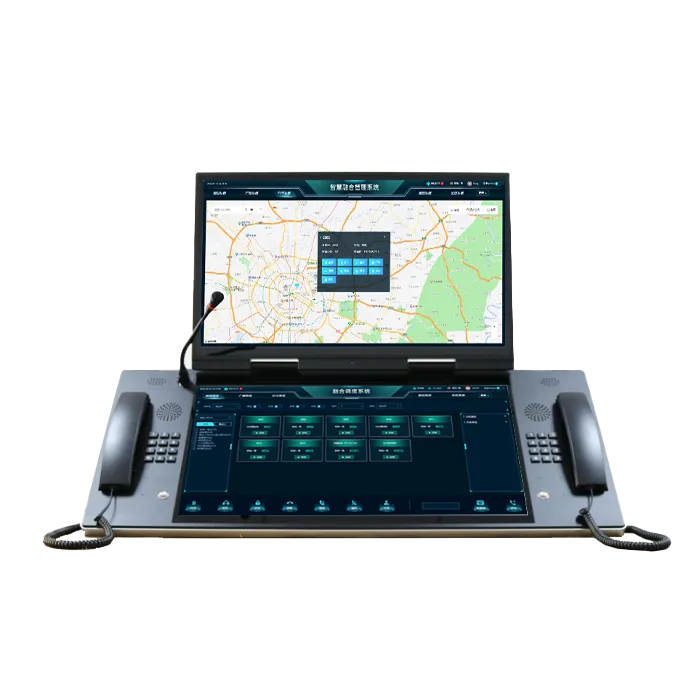
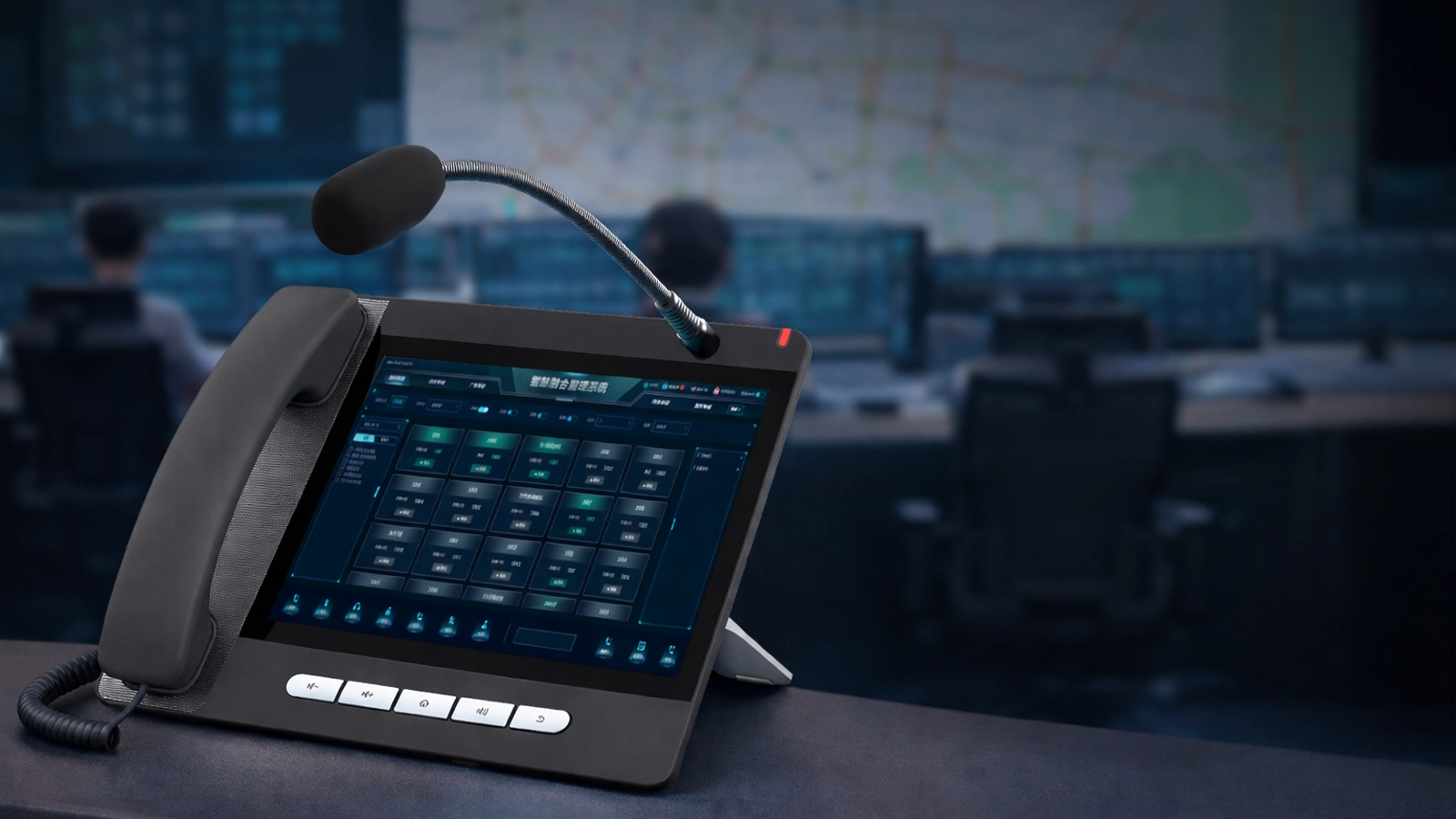
The dispatch console is the operational heart of the system. It gives operators a visual and action-oriented interface for handling communication. Instead of relying on ordinary desk-phone behavior, the operator sees call queues, source information, terminal status, contact resources, and available actions in one place. This improves speed, but it also improves control. Operators can manage more communication tasks at once without losing track of what is active, what is waiting, and what requires escalation.
The dispatch console can also serve as a coordination surface rather than only a call-handling screen. Operators may use it to launch conferences, start group broadcasts, respond to alarms, open linked video, locate a source on the map, or transfer communication to another command role. This is why the console matters so much. It is where telephony becomes dispatch.
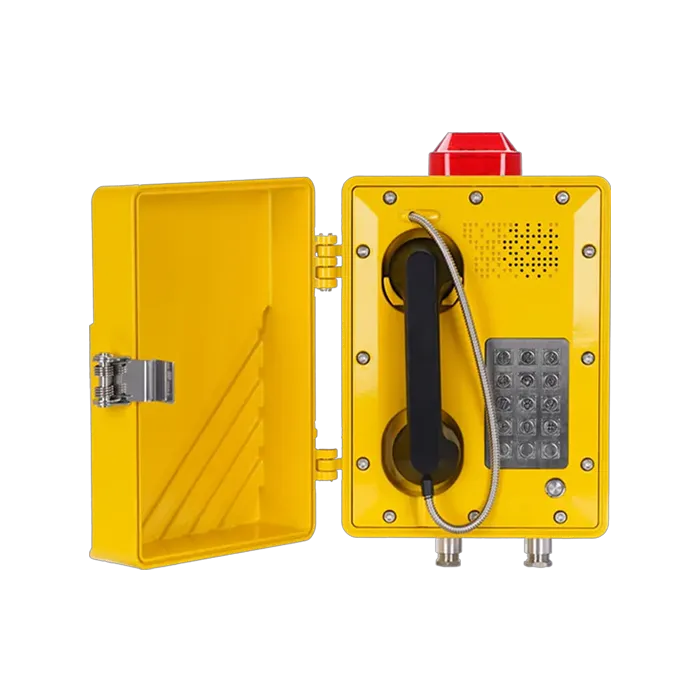
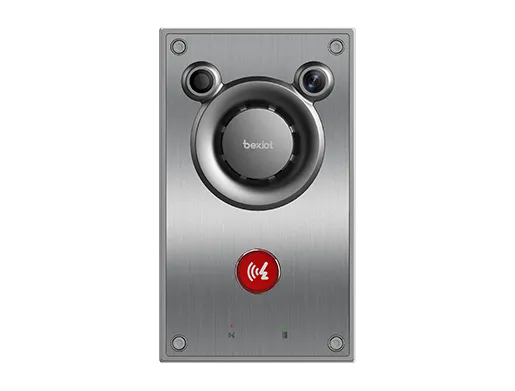
A proper command-center solution is not limited to desk phones. It can include intercom devices, paging terminals, SIP microphones, help points, IP speakers, and field endpoints that need to be reachable from the same communication environment. When these resources are brought into the same SIP dispatch platform, the organization gains a more unified voice architecture. Operators no longer need one system for telephony, another for intercom, and another for paging. Instead, they can manage all of these communication resources from one dispatch logic.
This integrated resource layer also supports practical modernization. Existing lines, trunks, or legacy paths can be connected through gateways where necessary, while newer SIP devices and software endpoints operate natively in the same environment. That makes the platform useful for both new projects and staged upgrades.
The system supports centralized routing design so that different communication types can be handled differently. External calls can be routed to the dispatch center first and then distributed according to role, duty period, or service area. Hotlines can ring directly at selected operator seats. VIP or emergency communications can receive higher priority than ordinary service calls. Unwanted or restricted numbers can be filtered through black-and-white list policies. IVR logic can be used where needed to guide incoming calls before they reach the operator layer.
This kind of routing flexibility is one of the most important advantages of a dispatch platform. It means the telephony system can reflect how the control center actually works instead of forcing the control center to adapt its workflow to a generic PBX model.
Queue visualization is essential in busy control rooms. Operators need to know what is ringing now, what is waiting, what has been missed, and what level of urgency is attached to each communication event. The dispatch platform presents this information clearly so that call handling becomes more manageable and more disciplined. Instead of reacting blindly, operators can work from a visible communication picture.
This also improves team coordination inside the control room. Supervisors can see communication pressure more easily, operators can distribute workload more rationally, and the center can maintain stronger service continuity during peak periods or incident surges.
In command environments, calls often need to move quickly between roles. A field communication may begin with one dispatcher and then need to be transferred to a supervisor, a technical duty engineer, a response coordinator, or another specialized role. The system supports these movements through hold, transfer, and call park functions that are designed to be simple and fast for operators to use.
These functions matter because control rooms often operate under time pressure. If communication handling becomes awkward, the whole dispatch process slows down. A strong telephony dispatch system ensures that moving calls inside the organization remains smooth, visible, and operationally safe.
These are some of the most dispatch-specific capabilities in the system. They are not everyday office functions, but they are highly valuable in control centers. Monitoring allows a supervisor or dispatcher to listen to an active communication where authorized. Barge-in allows a controlling role to enter an ongoing call when intervention is needed. Split allows communication parties to be separated when the current conversation structure is no longer appropriate. Whisper makes it possible to guide one side of the communication without the other hearing the instruction.
These functions are especially useful in high-pressure or supervised environments where communication quality and communication direction matter as much as the call connection itself. They give command centers a much stronger real-time grip on active communication.
The platform supports multi-party conferences for command consultation, rapid coordination, and group decision-making. Operators can create a conference on demand, add selected terminals or outside numbers, mute specific participants, remove unnecessary participants, and end the conference when the task is complete. This helps the control center move quickly from one incoming call to a broader coordination session when the event requires several roles to speak together.
Conference capability is particularly important because many incidents cannot be resolved through one operator and one caller. They require fast consultation across roles, and the telephony dispatch platform should support that directly instead of depending on separate meeting tools.
Beyond interactive communication, the system supports one-to-many voice communication. Operators can launch zone-based shouting, public paging, emergency broadcasting, and selective voice distribution to chosen terminal groups or service areas. This makes the platform suitable not only for answering communication, but also for issuing it.
Broadcast content may be live operator speech or pre-configured audio tasks. Depending on project requirements, the system can also support time-triggered announcements, number-triggered broadcast actions, and immediate broadcast commands. This is useful for routine operational notices, urgent instructions, and event-response communication.
When an alarm event occurs, the platform can show the source, status, time, and relevant communication actions in the dispatch interface. Operators can acknowledge the alarm, check the source, open linked communication, and escalate the event according to procedure. Instead of treating alarms as separate system notifications, the dispatch platform turns them into interactive communication workflows.
This function is particularly valuable in command centers because it reduces the gap between alarm awareness and operator action. It helps the control room respond faster and more consistently to event-driven communication.
The system can associate calls and alarms with one or more video channels. When an event enters the dispatch platform, linked video can open automatically so that the operator can verify the situation visually. This improves judgment, reduces uncertainty, and makes it easier to decide what kind of communication or escalation should follow.
Visual verification is especially useful in large sites, transport environments, industrial control rooms, and security-sensitive operations where the surrounding scene matters as much as the voice content.
The electronic map layer allows endpoints, call points, and alarm sources to be displayed in a visual geographic or facility layout. Operators can identify the terminal location directly on the map and perform dispatch actions from that same visual interface. This is far more intuitive than relying only on extension numbers or static terminal lists.
Map integration improves dispatch speed because it connects communication with location. In large campuses, plants, transport facilities, and multi-building command environments, that can make a major difference.
The platform supports communication recording, event logs, operator action logs, and historical traceability. This is important for supervision, service review, incident analysis, and compliance with internal control procedures. Recording and logging also improve accountability because they allow the organization to understand how communication was handled, not just that it happened.
In command-center environments, this record often becomes part of the wider event review process, which makes robust recording and log management a core feature rather than an accessory.
Control centers do not always keep identical staffing conditions. During night shifts, staff transitions, or temporarily unattended periods, the platform can apply automatic forwarding and duty rules so that incoming communication is still routed correctly. This helps maintain operational continuity and reduces the risk of communication loss during low-staff or transitional periods.
Continuity features are especially useful in organizations where command functions remain active around the clock, even if operator density changes over time.
The solution is designed to support external integration through APIs, SDKs, and platform interfaces. This makes it possible to connect the telephony dispatch layer with alarm systems, monitoring platforms, business applications, mobile apps, workflow engines, and future command-center software projects. Instead of becoming a closed telephony island, the platform can serve as part of a wider command-and-control ecosystem.
This also improves long-term value. As the control center evolves, the telephony dispatch platform can continue to participate in new workflows rather than needing to be replaced every time a new system is introduced.
The platform can support distributed deployment across multiple seats, rooms, or command sites. This makes it easier to build larger supervisory environments while maintaining one coherent communication logic. The organization can start with a focused deployment and expand later without abandoning the original architecture.
Command centers depend on communication stability. The system is designed to support long-running duty environments where communication must remain predictable across routine traffic, busy periods, and urgent events. This stability is not only technical. It is also operational. Queues, conferences, alarms, broadcasts, recordings, and duty rules must all continue to work in a clear and manageable way as pressure changes.
These centers need fast communication handling, conference capability, alarm interaction, and full event traceability. The platform supports both routine command communication and incident-driven coordination within one environment.
In security command environments, telephony often needs to work closely with alarms, intercom, CCTV, and maps. The platform helps operators move smoothly from communication to verification and then to coordinated response.
These environments require communication continuity, grouped voice coordination, event-linked dispatch actions, and visualized terminal management. The platform is well suited to these operationally dense use cases.
Large transport and city coordination centers typically require multi-role communication, wider integration, and structured operator workflows. The solution supports these needs within one SIP-based dispatch architecture.
The system gives operators a clearer way to receive, classify, and act on communications. This reduces unnecessary switching between tools and helps the control center maintain a more disciplined dispatch process.
Because conferencing, paging, alarm linkage, live video, and map-based coordination are available from the same platform, the control center can move from voice contact to coordinated action more quickly.
Recording, logs, unattended continuity, and open integration interfaces help the organization improve accountability today while keeping the platform ready for future applications and system growth.
The IP Telephony Dispatch System for Command and Control Centers is more than an IP phone platform. It is a dispatch-oriented communication system that helps operators receive, prioritize, intervene, conference, broadcast, verify, and record communication through one unified workflow.
By integrating SIP call control, dispatch consoles, advanced operator handling, conferencing, shouting, paging, alarm linkage, video pop-up, electronic maps, recording, and open interfaces, the system creates a more practical and more controllable communication environment for command centers. The result is clearer workflows, stronger coordination, and better communication management across both routine operations and critical events.
A normal IPPBX mainly supports enterprise telephony, while an IP Telephony Dispatch System adds queue visibility, priority handling, advanced intervention, conferencing, paging, alarm linkage, map integration, and operator-oriented dispatch workflows.
A dispatch console provides operators with a faster and clearer working interface for managing queues, controlling communication, launching conferences, handling alarms, and coordinating actions under pressure.
Yes. The system can link communication with alarm events, live video channels, and mapped endpoint locations so operators can understand context and coordinate response more quickly.
Yes. It can support zone shouting, paging, routine announcements, and emergency broadcasts depending on the project design and endpoint configuration.
When operator staffing is reduced or the console is unattended, the system can route incoming communication according to predefined duty rules, helping maintain continuity without losing communication traceability.
It is suitable for emergency command centers, security operation centers, traffic management centers, utility control rooms, industrial control centers, airport and railway command centers, and other duty-based coordination environments.