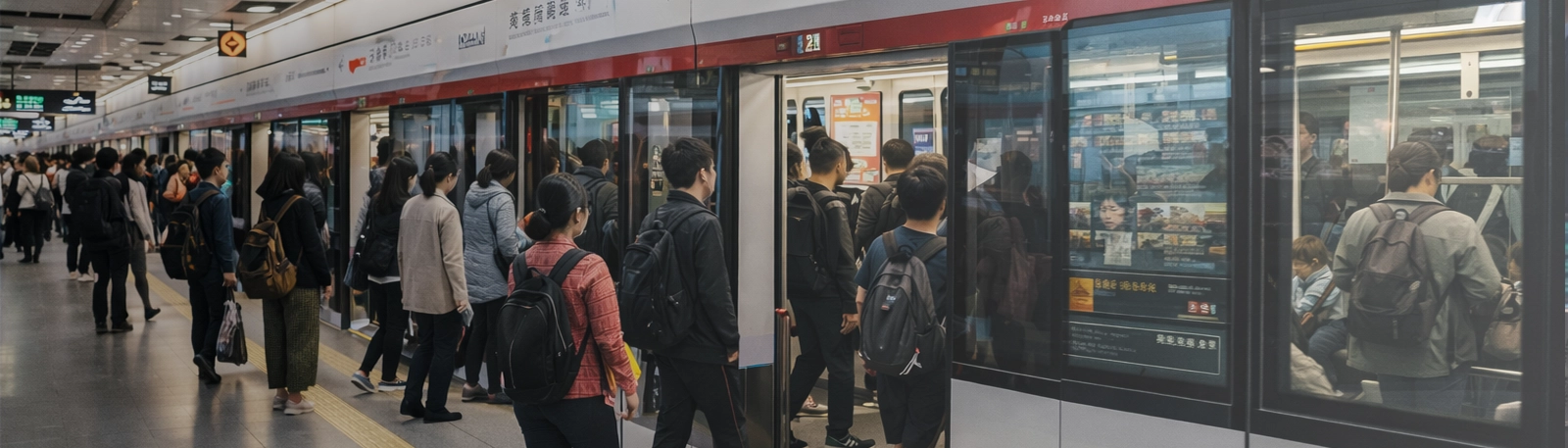
Rail and metro stations are built to move large numbers of people safely and efficiently, but they also operate as complex public environments where communication must remain available at all times. A station may include platforms, concourses, ticket halls, fare gates, lift lobbies, escalator landings, pedestrian passages, entrances, remote access points, and partially staffed or unattended areas. When passengers need help in any of these locations, they need a clear and immediate way to reach someone who can respond.
That is why a passenger help point solution should not be treated as a simple call post installation. In real operation, a help point is part of a broader passenger assistance and emergency communication framework. Its value depends not only on whether a call can be placed, but also on how quickly the call reaches the right control point, how accurately the location is identified, how well the operator can understand the scene, and how effectively station staff or mobile response teams can be coordinated afterward.
A modern solution combines passenger help points, hands-free emergency intercom, SIP communication, public address and voice alarm functions, CCTV linkage, centralized control, event logging, and mobile response coordination into one connected system. Instead of separating passenger assistance, station announcements, video verification, and operator dispatch into different tools, the station can manage them through one clearer and more responsive workflow.
Not every passenger issue is a major emergency, but many situations still require fast and dependable communication. A traveler may need help after becoming unwell on a platform. A passenger with reduced mobility may need assistance at a lift or gate area. Someone may feel unsafe in a quieter section of the station late in the evening. A suspicious situation, a service disruption, or a crowding issue may need to be reported before it escalates.
In these moments, the station cannot depend only on nearby staff presence. Some locations may be temporarily unattended, staff may be moving between duties, and passengers may not know which number to call or where to go for help. A clearly marked help point solves that first barrier by providing a fixed and trusted communication point that is always visible and easy to use.
A passenger help point becomes far more useful when it is connected to the wider station communication system. A call should not simply ring somewhere without context. The operator should be able to see where the request originated, speak to the caller in real time, access related cameras, and notify the appropriate station team without delay. In larger stations or multi-station networks, this needs to happen through a consistent operating model.
That is why modern help point deployments are increasingly integrated with control room software, PA/VA systems, CCTV, and mobile communication tools. The objective is not only to answer calls, but to turn those calls into actionable station response.
In rail and metro environments, a help point is most effective when it functions as part of a complete assistance and emergency communication workflow rather than as an isolated intercom device.
A passenger help point and emergency communication solution for rail and metro stations is a station-wide communication system designed to support passenger assistance, emergency reporting, real-time voice contact, location-aware response, and coordinated operational control. It typically includes help points or emergency call stations, hands-free intercom devices, control room operator consoles, public address and voice alarm integration, CCTV linkage, status monitoring, event logging, and communication paths for station staff or mobile responders.
The solution is suitable for metro stations, suburban rail stations, underground stations, interchange hubs, light rail stops, concourses, and other passenger-facing transport environments where safety, accessibility, and service continuity all depend on fast communication.
When a passenger presses a help point button, the system routes the call to the designated operations room, station control point, service center, or centralized network control desk. The platform identifies the call location by station, zone, platform, entrance, gate, or device ID. The operator can immediately open hands-free voice communication, understand the nature of the request, and decide whether the situation calls for passenger assistance, technical support, security intervention, or emergency escalation.
If needed, the system can also display linked CCTV images, trigger notifications to relevant staff, and support zone-based public announcements. In this way, the help point becomes not just a calling device, but the starting point of an integrated station response process.
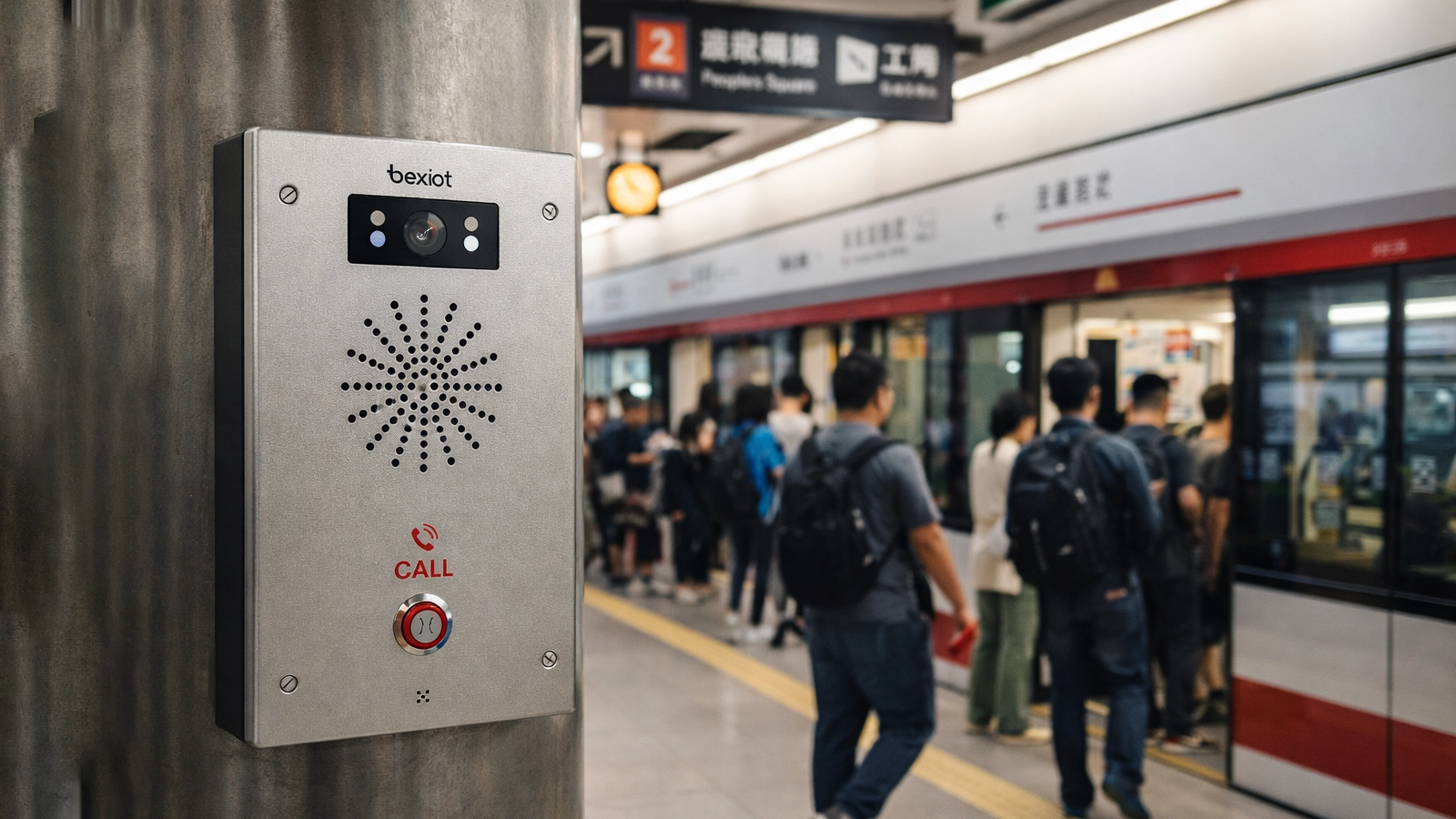
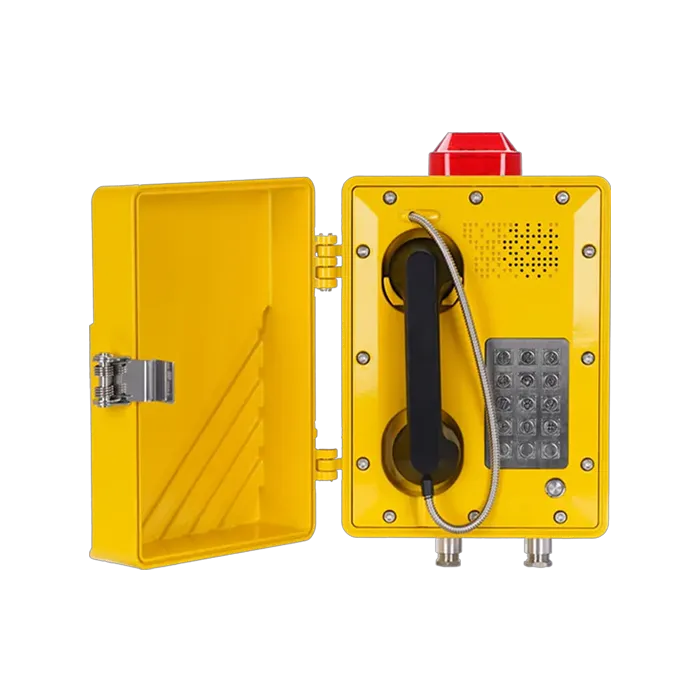
The front end of the solution is the help point itself. These units can be installed on platforms, concourses, fare gate lines, lift lobbies, escalator areas, entrances, pedestrian links, and other passenger contact points. In some projects, they are designed mainly for assistance and information requests. In others, they also support a dedicated emergency function with higher-priority call handling.
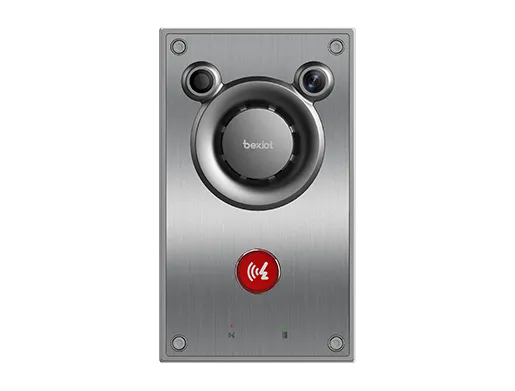
Hands-free operation is especially important in transport environments. A passenger may be carrying luggage, pushing a wheelchair, assisting a child, or feeling distressed. A good help point should therefore offer simple interaction, clear audio, visible call status, and a design that remains practical in noisy station conditions.
Once a help point is activated, the call needs to reach the right operator quickly. Depending on the operating model, this may be a local station office, a network operations center, a passenger service desk, or a central control room that supports multiple sites. Intelligent routing helps the station maintain service even when local staffing changes, call volumes rise, or one position is unavailable.
This routing logic is important because passenger communication cannot rely on a single answering point with no fallback. A stronger design supports priority handling, call queuing, escalation paths, and centralized oversight so that the station remains responsive even under pressure.
Passenger communication in rail and metro stations is not limited to one-to-one conversation. Operators also need the ability to inform wider groups of people during disruption, congestion, security events, platform changes, or evacuation situations. That is why PA and voice alarm integration is such an important part of the solution.
When help point communication is connected with PA/VA, station teams can move from receiving a call to guiding the surrounding passenger flow if required. This may include live announcements, pre-recorded safety instructions, directional messaging, or emergency voice alerts to one platform, one station area, or the whole site.
Voice communication is powerful, but visual context often improves response speed and confidence. By linking help points to CCTV and operator software, the control room can automatically view the relevant camera feeds when a call is placed. This helps staff assess crowd conditions, confirm the location, understand what is happening around the caller, and prepare the right kind of support.
In busy public environments, that visual awareness helps operators make better decisions without asking the passenger to explain everything under stress.
Passenger help points for platforms, concourses, entrances, and access areas
Hands-free intercom terminals for real-time voice communication
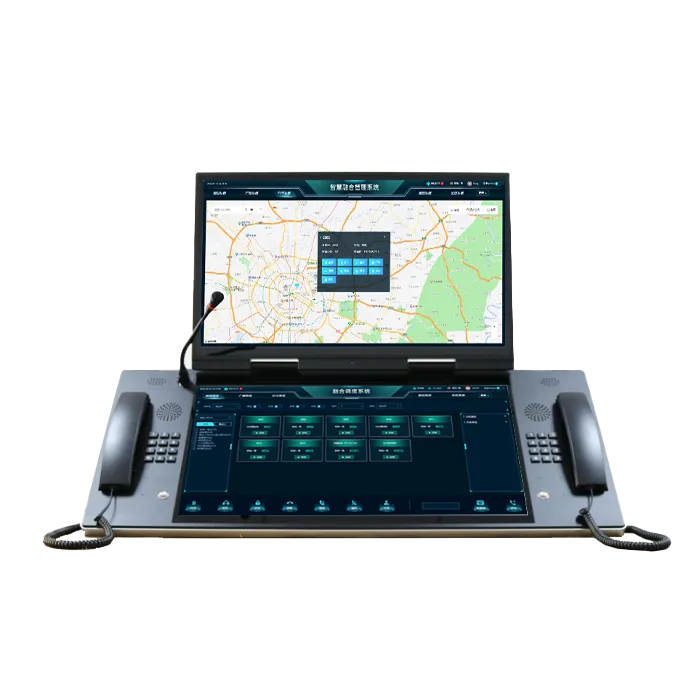
Control room routing and centralized operator consoles
PA/VA integration for announcements, guidance, and emergency messaging
CCTV linkage for faster visual verification and situational awareness
Location-based event display and device identification
Event logging, monitoring, and service-quality supervision
Interfaces for station staff coordination and mobile response
The most visible role of the system is to give passengers a simple and immediate way to request help. In a station, this may involve an accessibility request, a safety concern, a medical problem, a lost traveler, an operational question, or a suspicious situation. The help point provides a clear communication path that does not depend on mobile coverage, local knowledge, or the passenger locating a member of staff first.
For the operator, this improves consistency. Every call enters a defined system with identifiable origin, known device status, and a manageable communication workflow rather than becoming an unstructured incident report.
Once a call is answered, the operator needs immediate clarity. Two-way hands-free voice allows the passenger to explain the situation while the operator asks follow-up questions, gives reassurance, and determines what support is required. This is particularly important in noisy stations, busy passenger flows, and situations where the caller may be anxious or physically limited.
Strong audio quality is therefore not a cosmetic feature. It is central to whether the station can respond effectively and whether the passenger feels heard and supported during the interaction.
In transport environments, location accuracy is essential. It is not enough to know that a call came from a station. Staff need to know whether it came from Platform 2, a ticket hall, a north entrance, a lift area, or a remote passage. Every help point should therefore be associated with a clear and operationally meaningful location label.
The control platform should display this information immediately so responders can move without delay and the operator does not have to spend unnecessary time verifying where the passenger is.
Many passenger incidents affect more than one person. A disruptive event on a platform, a crowding issue in a concourse, or a temporary hazard near an escalator may require station-wide or zone-based messaging in addition to the original help point call. Integrated PA/VA allows the station to respond with clear spoken guidance while still managing the incident through the same communication environment.
This improves both safety and passenger experience because the station can keep information timely, relevant, and consistent rather than treating announcements as a separate manual process.
Passenger help point systems should not be judged only by whether a device exists. They must also be reliable in service. That means operators need supervision tools that show device availability, communication status, unanswered calls, event history, and maintenance conditions. Centralized monitoring helps station teams maintain confidence that the help point estate is actually ready when passengers need it.
It also supports stronger management across larger transport networks where multiple stations may be supervised through one common operating environment.
A passenger presses the help point assistance or emergency button.
The call is routed to the designated operator position or control room.
The system identifies the exact station and call point location.
The operator opens hands-free communication and assesses the need.
Linked CCTV and station information can be displayed if required.
Relevant staff are notified and PA/VA messages can be issued when broader guidance is needed.
The event is logged for follow-up, review, and service monitoring.
In stations, passenger reassurance comes from both speed and clarity. People need to know that the call has gone through, that someone understands where they are, and that help is being organized.
Platforms are among the most important locations for help point deployment because they combine passenger density, train movement, service uncertainty, and safety sensitivity. A passenger may need urgent help because of a medical issue, personal security concern, mobility challenge, or confusing service condition. Help points on platforms give passengers a fixed communication path even when staff are not standing nearby.
These areas also benefit strongly from PA/VA and CCTV linkage because a platform event may require both direct assistance and wider passenger guidance.
These are high-traffic zones where passengers often need information, accessibility support, or help during service disruption. A help point in these areas improves resilience when service counters are busy, staffing levels vary, or passenger demand rises unexpectedly. It also gives the station a reliable way to receive alerts from the public during crowding or security-related events.
Because these areas are central to movement through the station, clear location labeling and good audio performance are especially important.
Passenger assistance systems are particularly valuable at lift lobbies, step-free routes, ramps, and transfer points because these are locations where travelers with reduced mobility may require direct support. They are also places where a fault or disruption can leave someone stranded or uncertain about the next step.
Help points in accessibility-critical areas should therefore be easy to identify, easy to hear, and easy to operate under stress.
Some of the most important call points are in areas that feel less supervised, such as quieter entrances, pedestrian links, underpasses, or remote access points. These areas often carry a higher need for reassurance, especially during late hours or low-traffic periods. A visible and dependable help point improves both actual safety response and the passenger’s sense that support is available.
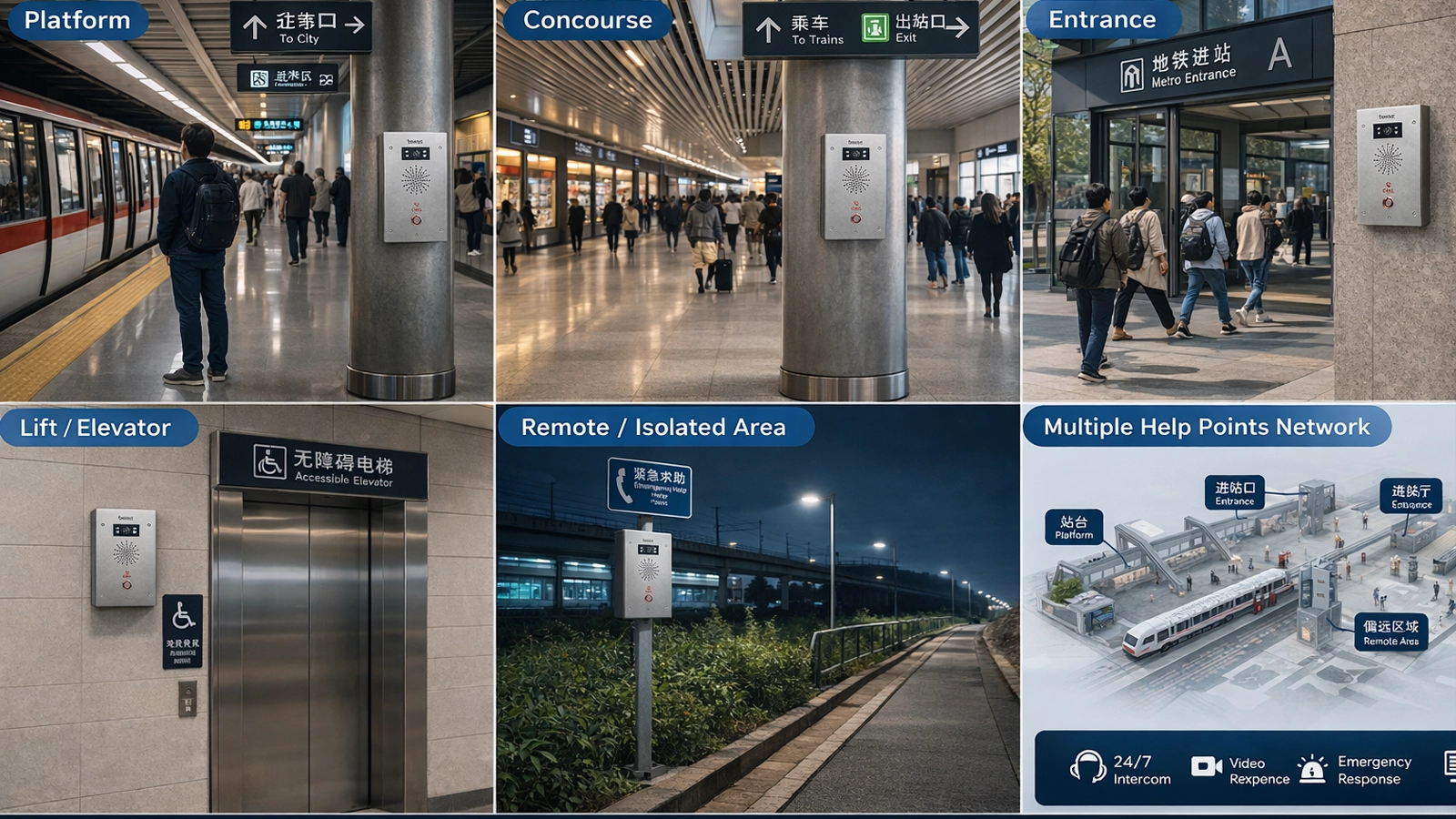
In well-designed station environments, passenger help points are not isolated from broader operations. The same control environment that manages station communication should also support passenger information, safety messaging, and escalation to relevant operational teams. This allows the station to move more naturally from answering an individual call to managing any wider operational effects around it.
That integrated approach is especially valuable in metro and rail networks where one incident can quickly involve passenger service teams, station staff, security, platform personnel, and central control.
Public address and voice alarm systems play a dual role in stations. During normal operation, they help keep passengers informed about movement, access, and service changes. During emergencies, they help keep people calm and direct them clearly. When help points are integrated with PA/VA, station operators can respond to incidents with both one-to-one communication and one-to-many guidance from the same architecture.
This creates a more coherent passenger experience and reduces the communication gap between an individual help request and a wider station response.
As station networks become larger and more distributed, centralized management becomes increasingly important. Control desks can bring together audio, location data, video, event history, and alarm supervision in one view, helping operators concentrate on the caller while still maintaining network-wide awareness. For transport authorities and operators, this also supports more consistent service levels across multiple sites. :contentReference[oaicite:1]{index=1}
For projects that require a more integrated transport communication approach, Becke Telcom can support passenger help points together with SIP intercom, PA/VA, CCTV linkage, centralized control, and multi-area operational communication. This helps rail and metro operators build a more connected assistance and emergency response framework across stations, platforms, and passenger circulation areas.
The most immediate benefit is that passengers know where to get help. That alone improves confidence, especially in unfamiliar or partially unattended stations. When the system is well integrated, the response also becomes faster and more informed because operators receive the call with location context and supporting tools already available.
In public transport, that combination of visibility, immediacy, and human contact makes a major difference to perceived and actual safety.
Because the solution connects help points with PA/VA and control room workflows, the station can respond more coherently to both individual incidents and wider passenger situations. The operator can support the caller directly while also informing other passengers in the affected zone if needed. This reduces confusion and supports a more orderly environment.
A modern station help point solution also supports service monitoring. Operators and maintenance teams can supervise device health, review event records, and identify performance trends across the estate. This matters because a help point system is only valuable if it is consistently available when needed. Public regulators and transport operators have put strong emphasis on help point reliability, answer performance, and service monitoring in recent years. :contentReference[oaicite:2]{index=2}
Faster passenger assistance across platforms and station areas
Real-time hands-free communication with control room operators
Clear location identification for quicker response
Better integration with PA/VA and passenger guidance workflows
Improved CCTV-supported situational awareness
More consistent service across staffed and less-staffed areas
Stronger accessibility support through fixed assistance points
Better reliability oversight and event traceability
A passenger help point and emergency communication solution for rail and metro stations should be understood as a complete passenger assistance and station response system rather than a simple set of call devices. Its purpose is to give travelers a dependable way to request help, allow operators to understand the situation quickly, support accurate location-based response, and connect the event with wider station communication when needed.
By bringing together help points, hands-free intercom, control room routing, PA/VA, CCTV linkage, and centralized monitoring, rail and metro operators can create a more responsive and more reliable communication environment. The result is better passenger support, stronger station safety, and a more manageable operational framework across both individual stations and wider transport networks.
A passenger help point is a fixed communication device that allows passengers to contact station staff or control room operators for assistance, information, or emergency support.
Help points remain important because they provide a clear, fixed, and trusted contact path in public areas. They also identify the caller’s location automatically and do not depend on passengers knowing who to call or having reliable mobile coverage.
Yes. In integrated systems, a help point call can be associated with nearby cameras so operators can view the surrounding area and understand the situation more quickly.
PA/VA integration allows operators to move from handling an individual help request to guiding passengers more broadly through announcements, service instructions, or emergency voice messages when needed.
Common deployment areas include platforms, concourses, fare gate lines, lift lobbies, escalator areas, entrances, pedestrian links, and other less-staffed or safety-sensitive station locations.
A strong system combines clear and accessible devices, good audio quality, reliable routing, accurate location identification, CCTV linkage, operational supervision, and a control room workflow that supports fast and consistent response.