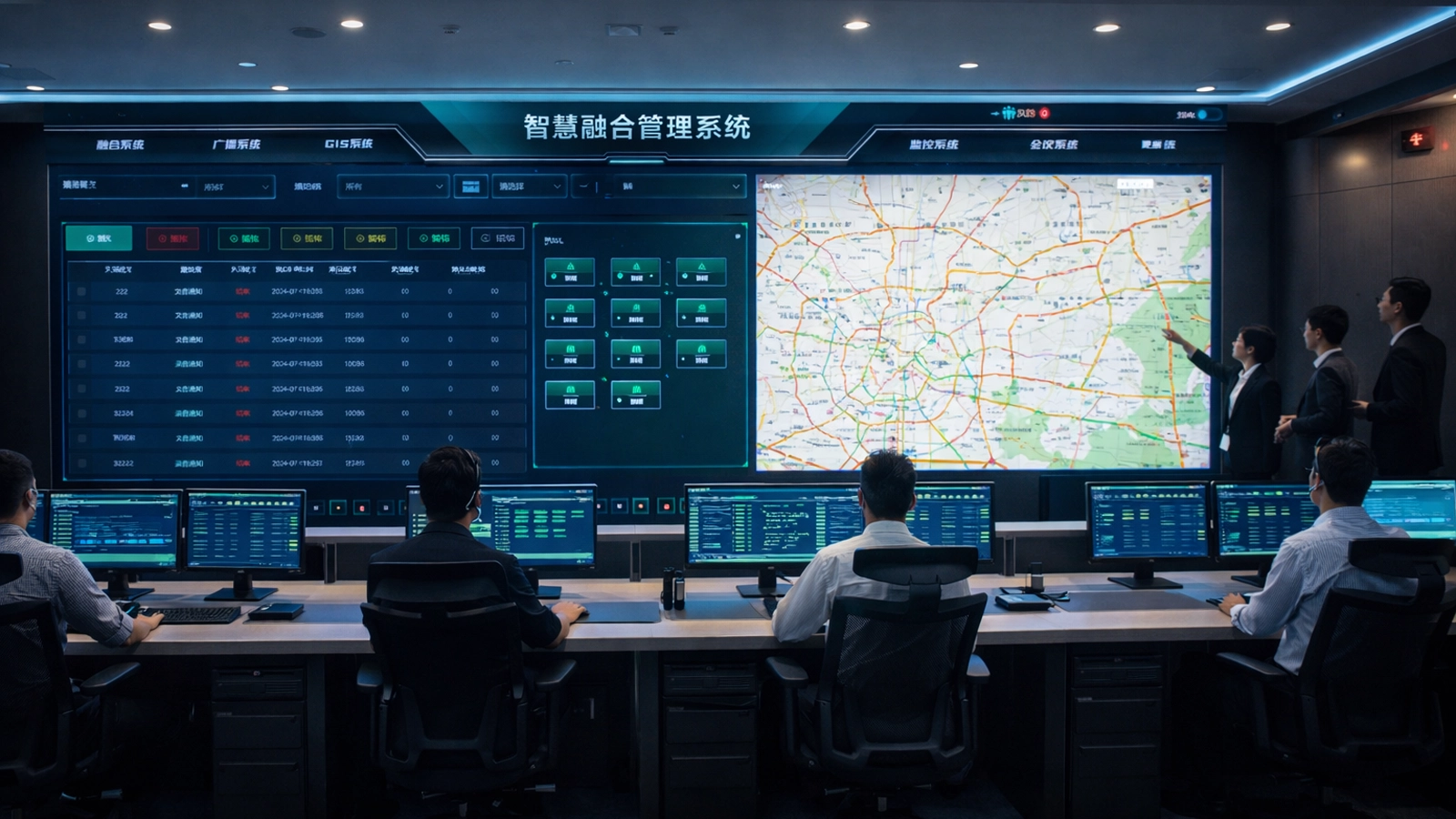
SIP Intercoms for Audio, Video & Emergency Communication
SIP intercom endpoints for direct voice and video calling, help requests, entrance communication and connection with IP PBX, dispatch and paging platforms.
Consult immediatelySIP intercom endpoints for direct voice and video calling, help requests, entrance communication and connection with IP PBX, dispatch and paging platforms.
Consult immediatelyBecke Telcom SIP intercoms are fixed communication terminals for locations where users need a direct connection to another extension, duty position or control room. The range includes audio intercoms, camera-equipped models, emergency help points and entrance terminals for indoor, outdoor and industrial installations.
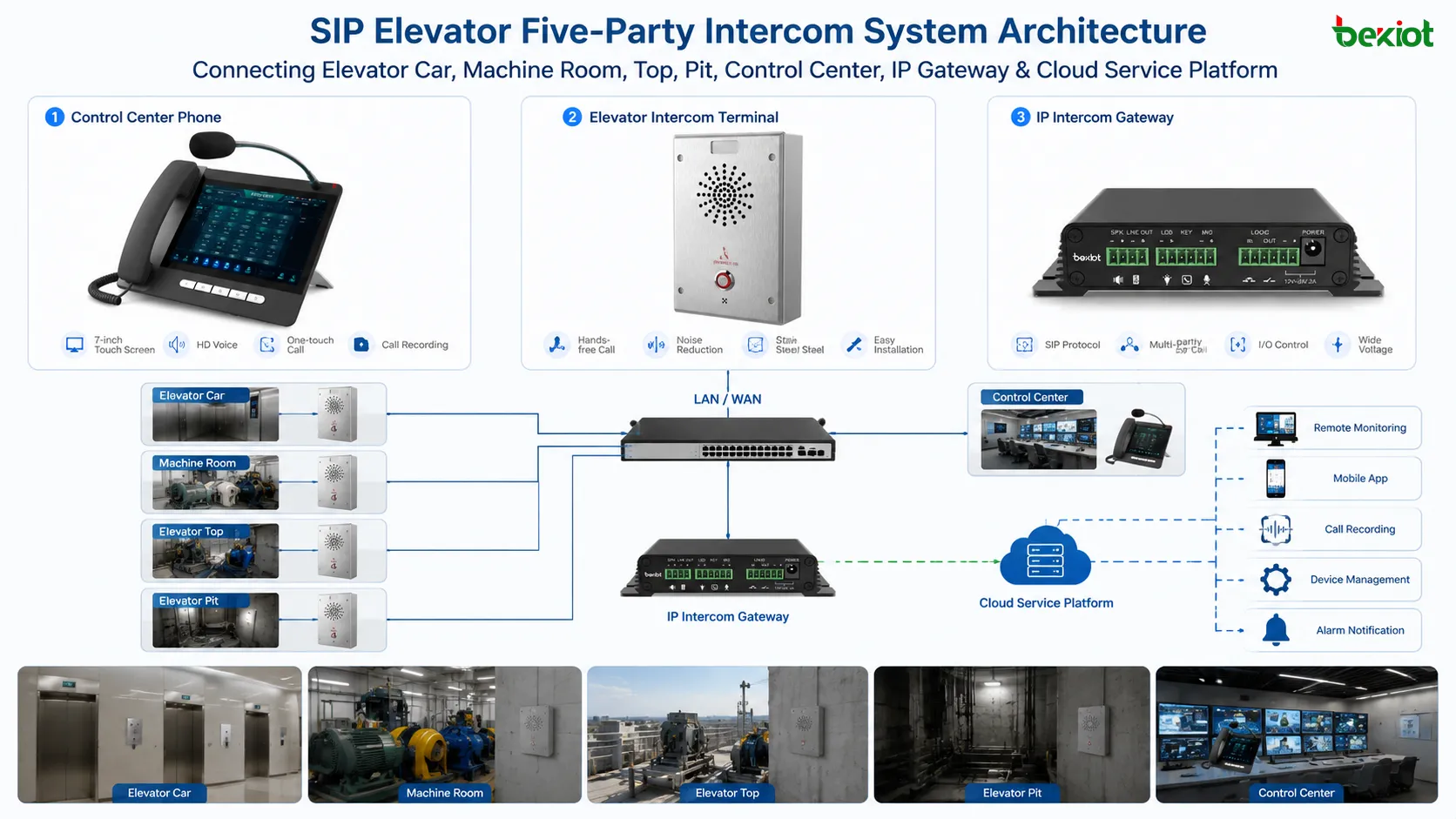
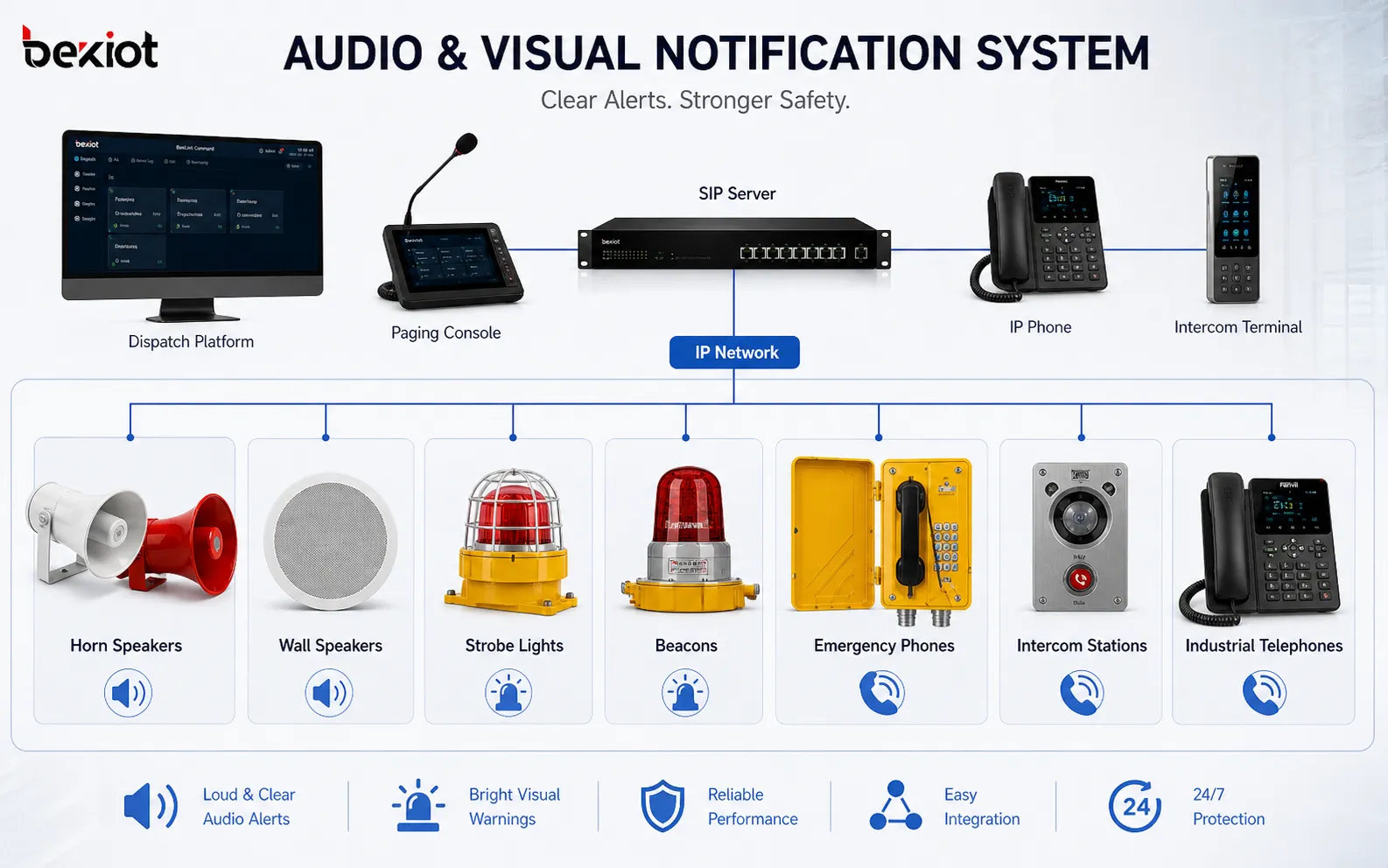
Each intercom operates as a SIP endpoint within the voice network. The terminal handles calling and its local interfaces, while functions such as conferencing, recording, GIS display, zoned paging or supervisor call control are provided by the connected SIP Server, IP PBX, dispatch or PA platform where required.
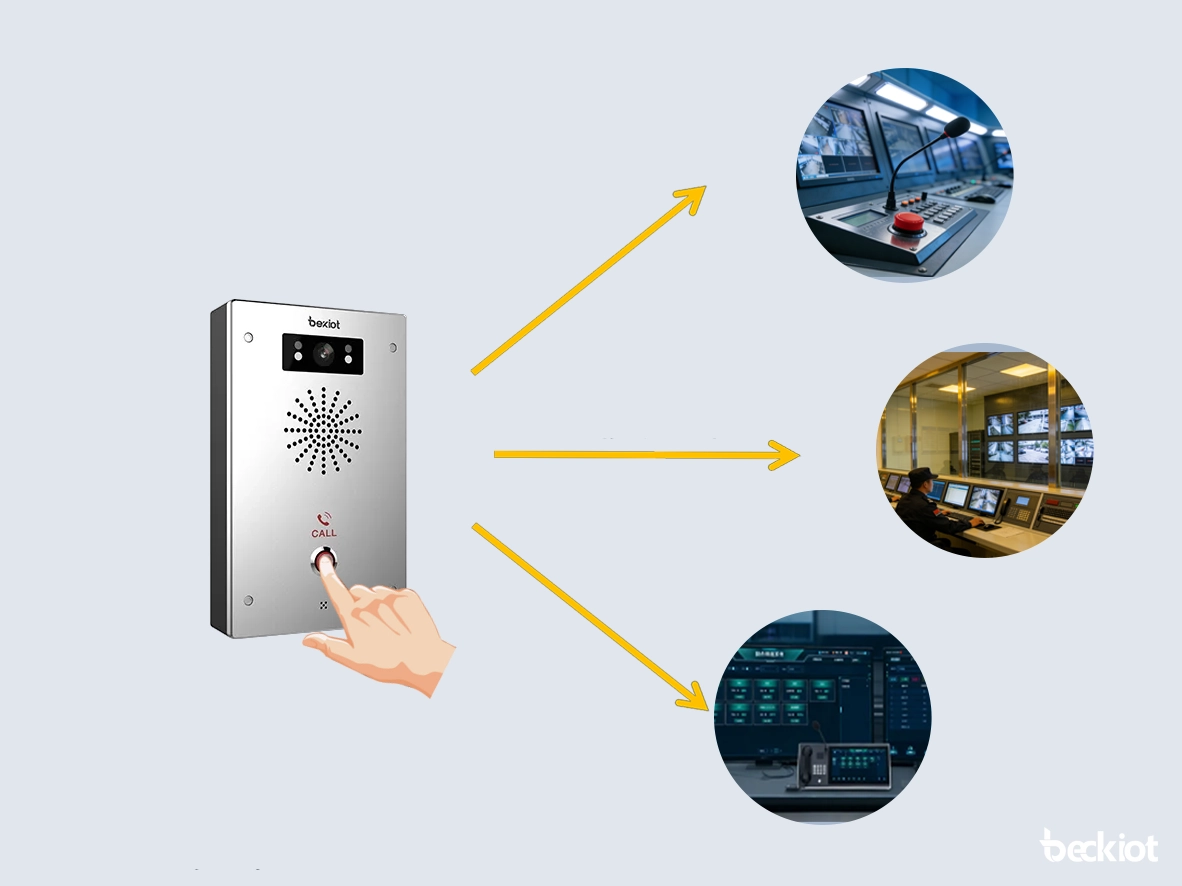
DSS, SOS or programmable keys can provide a direct call path to a predefined extension or service position. This is useful at help points, entrances and unattended locations where users need assistance without entering an extension number.
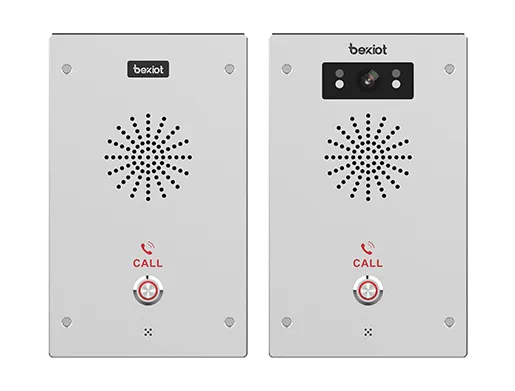
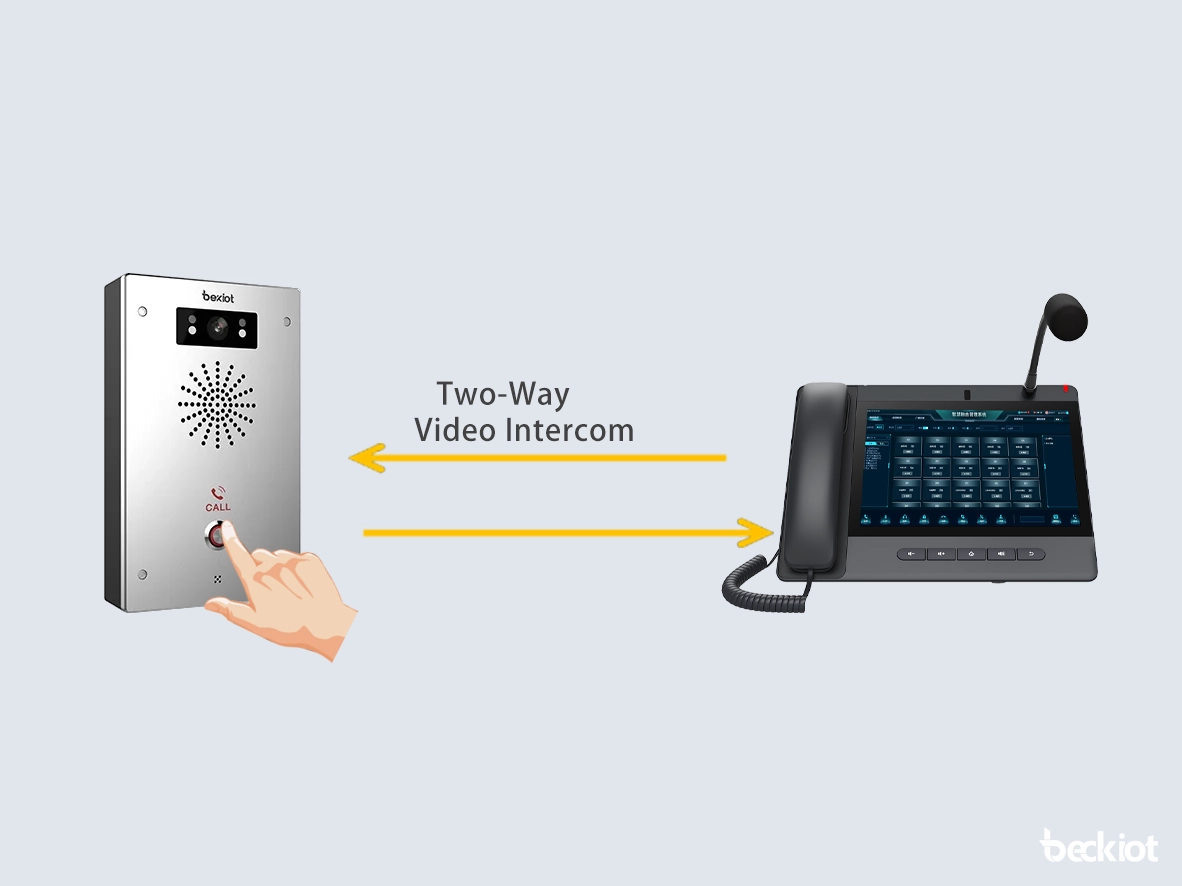
Audio terminals provide two-way SIP voice communication, while camera-equipped versions add live video for visual verification. Both operate through the same SIP calling structure and can register as extensions on a compatible server or PBX.
Models supporting wideband codecs such as G.722 or Opus can provide clearer speech when the connected platform negotiates the same codec. Microphone, speaker design, installation position and surrounding noise also affect the final voice quality.
Intercoms with relay or dry-contact I/O can exchange signals with door locks, call buttons, alarm inputs or other supported equipment. The terminal provides the physical interface, while event handling and automation logic are configured in the associated control system.
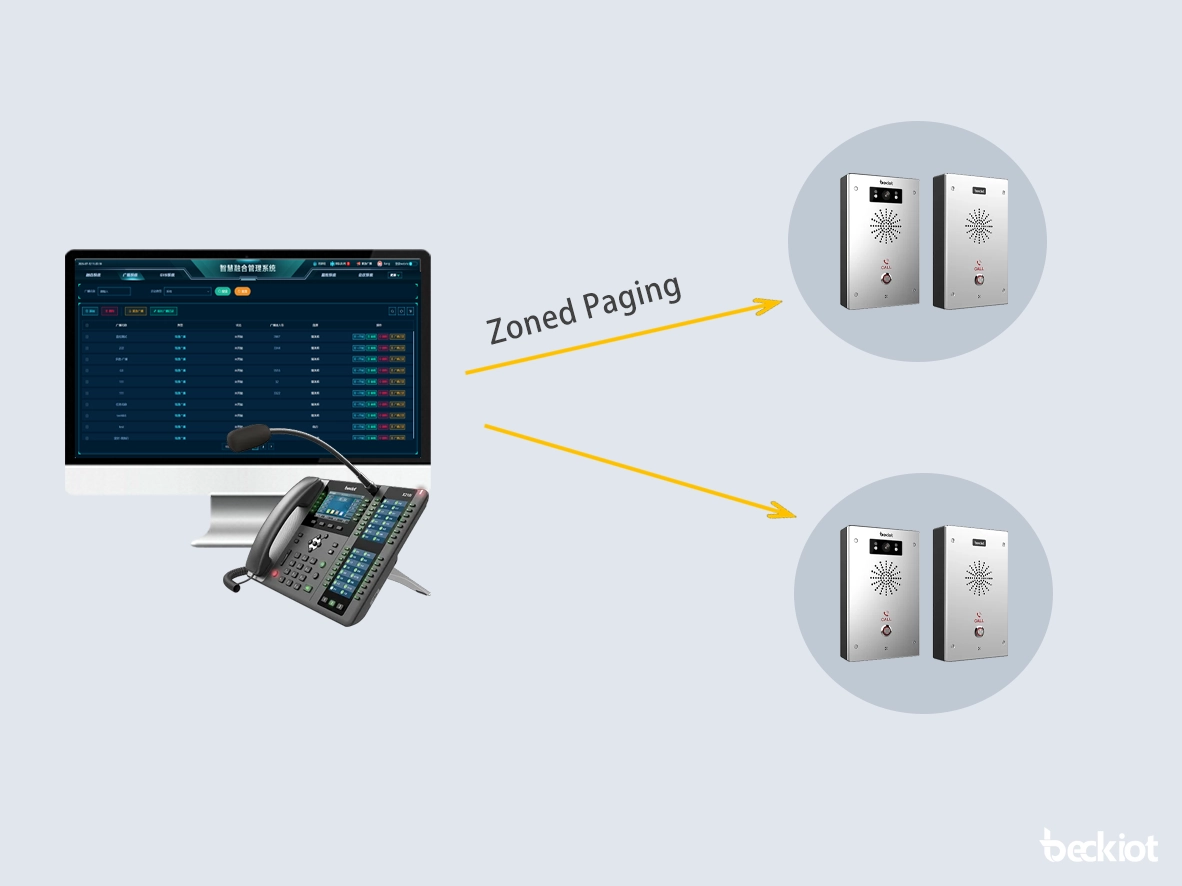
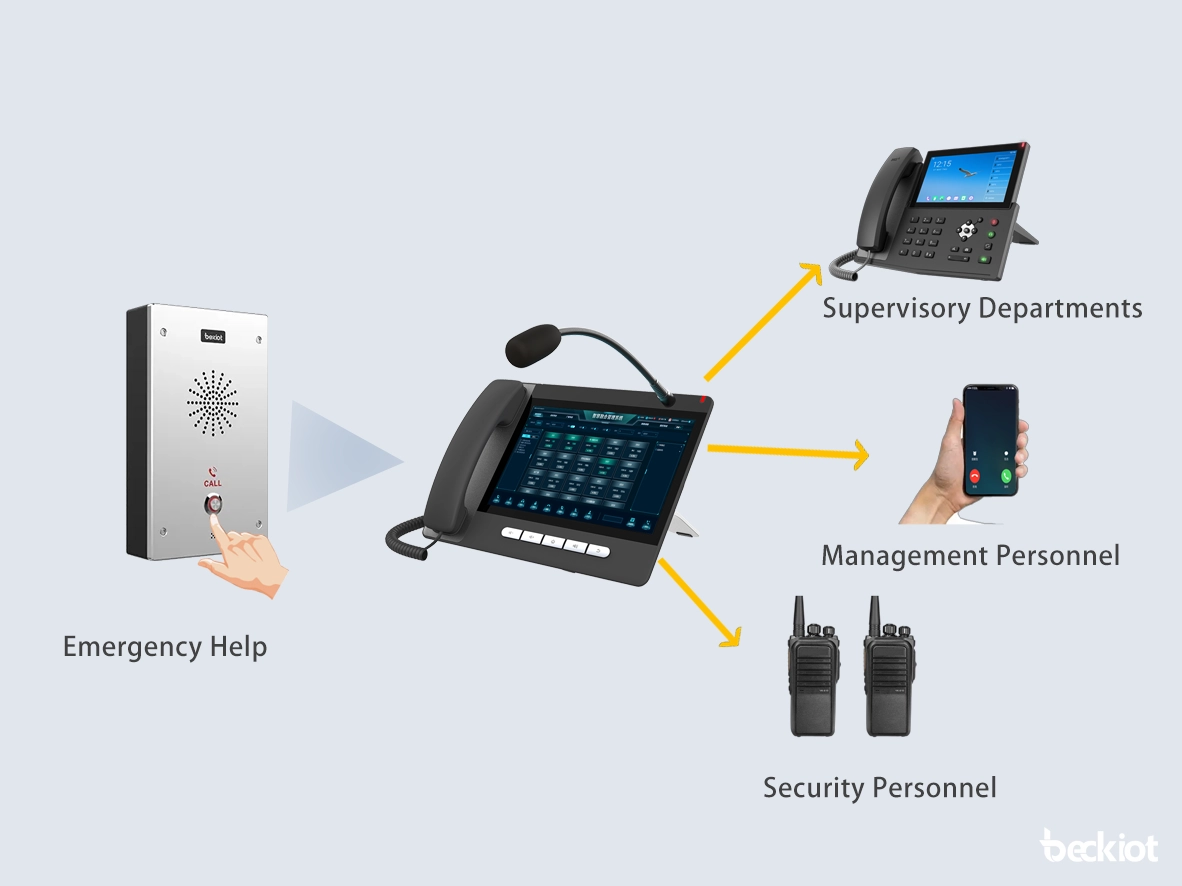
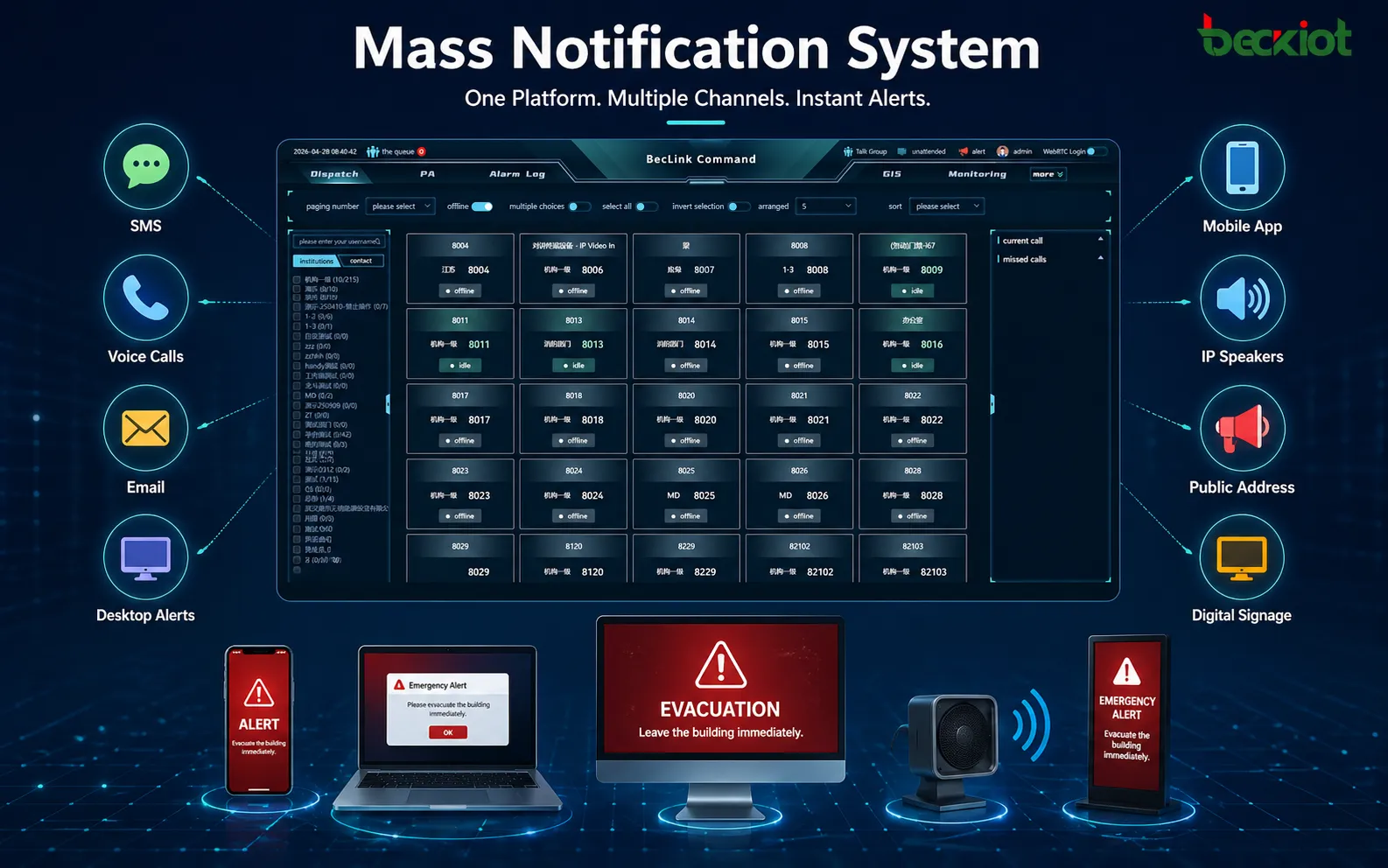
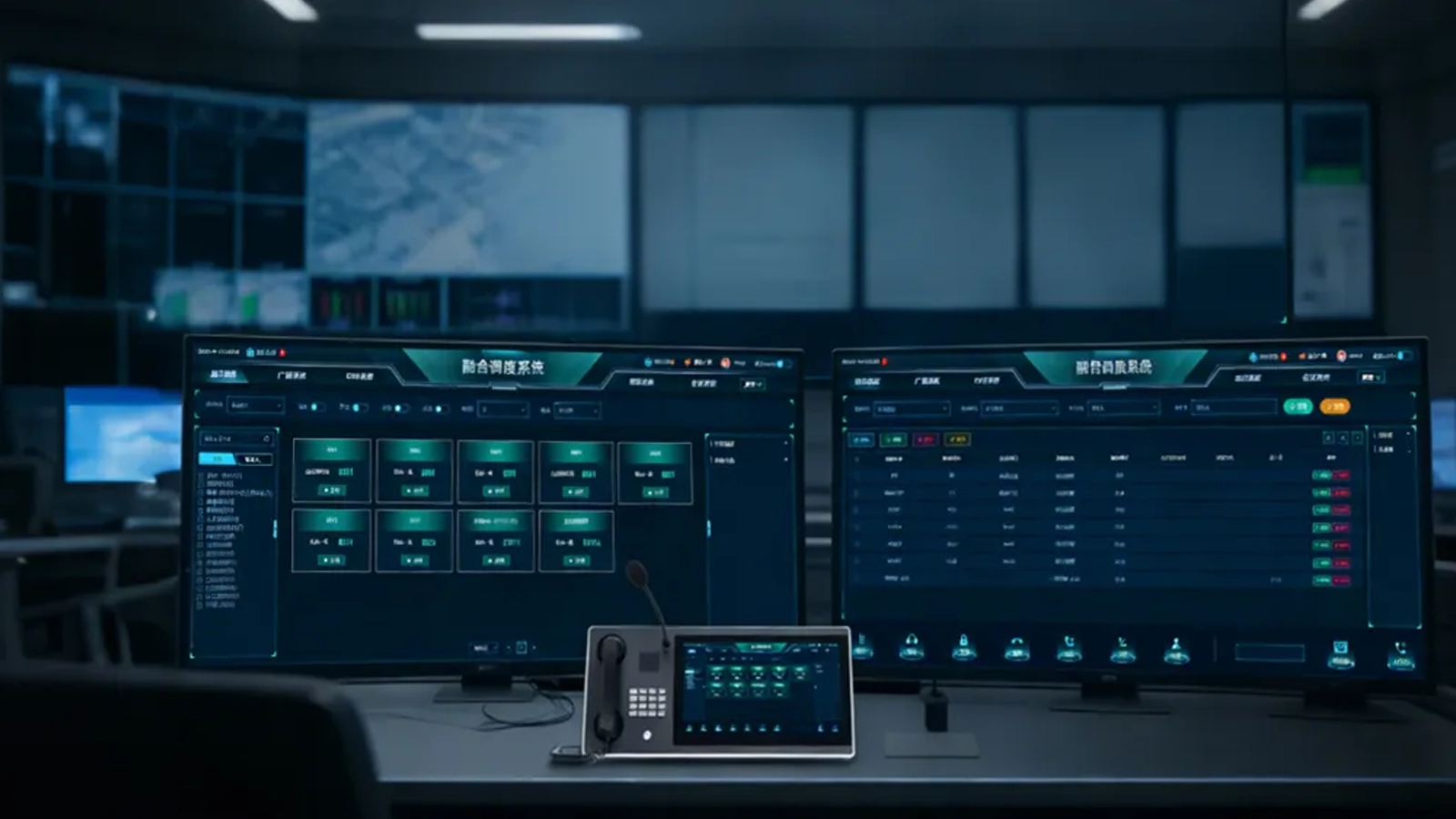
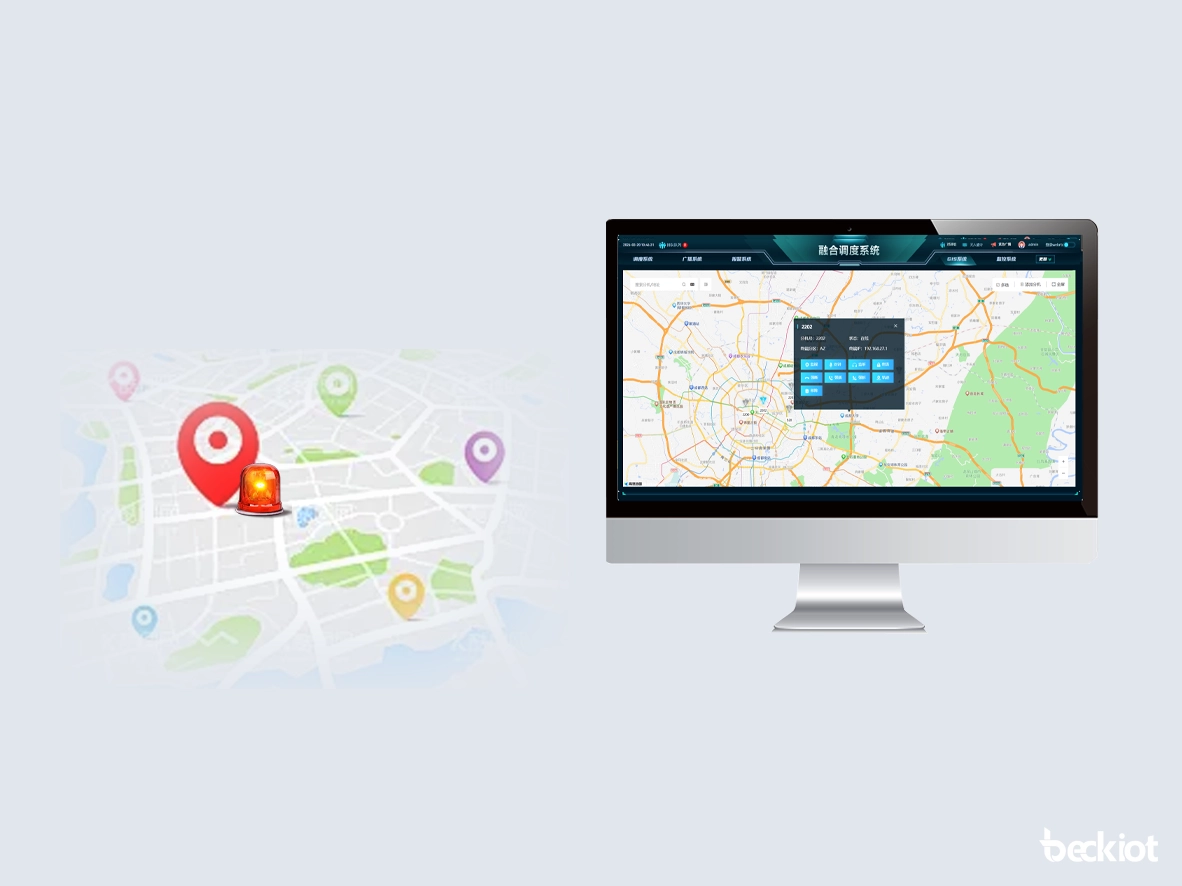
SIP intercoms can register with compatible IP PBX, SIP Server and dispatch systems as voice endpoints. They may also take part in paging or announcement workflows when linked to the appropriate platform. Recording, conferencing, monitoring, forced intervention and zone-control functions depend on the connected system rather than the intercom alone.
Deployment options vary across the range and may include Ethernet, PoE, Wi-Fi, surface mounting or embedded installation. Network access, available power, enclosure requirements and mounting space should be checked against the individual model before installation.
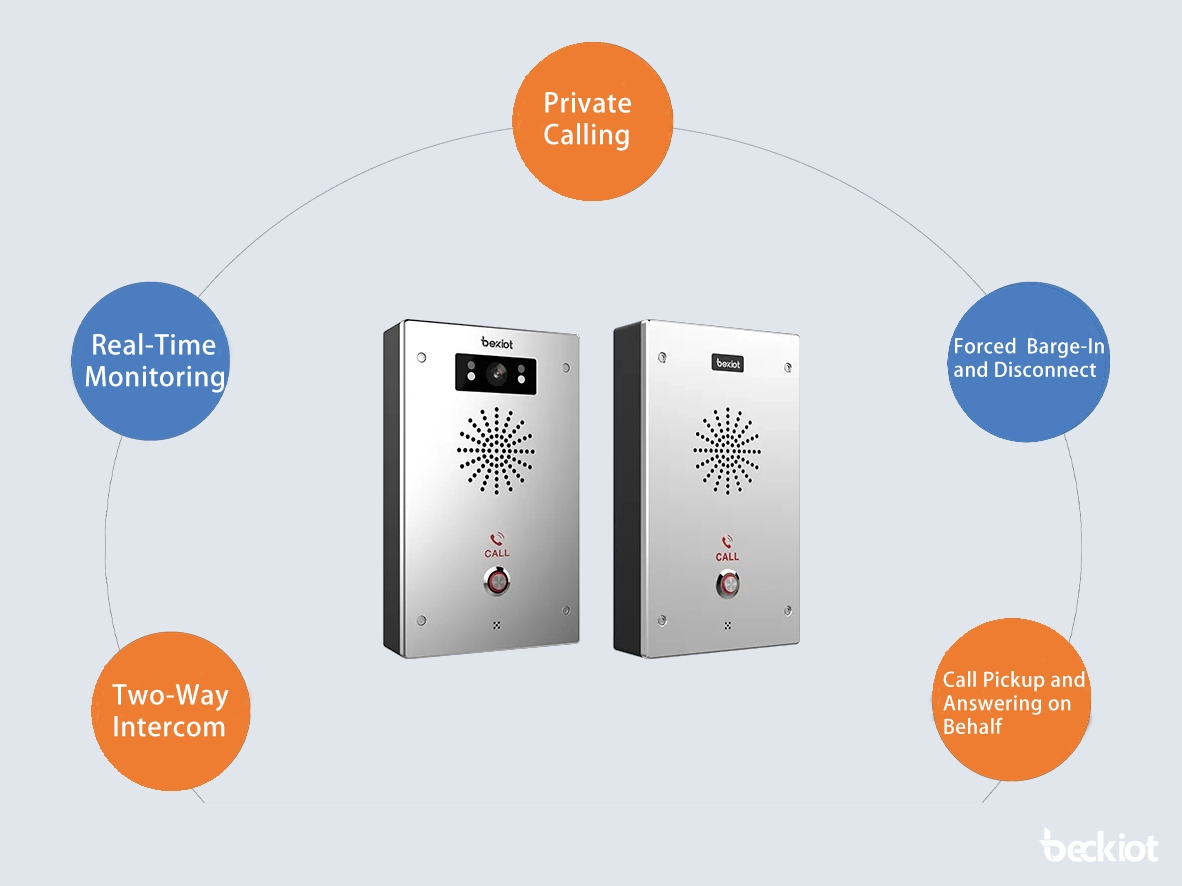
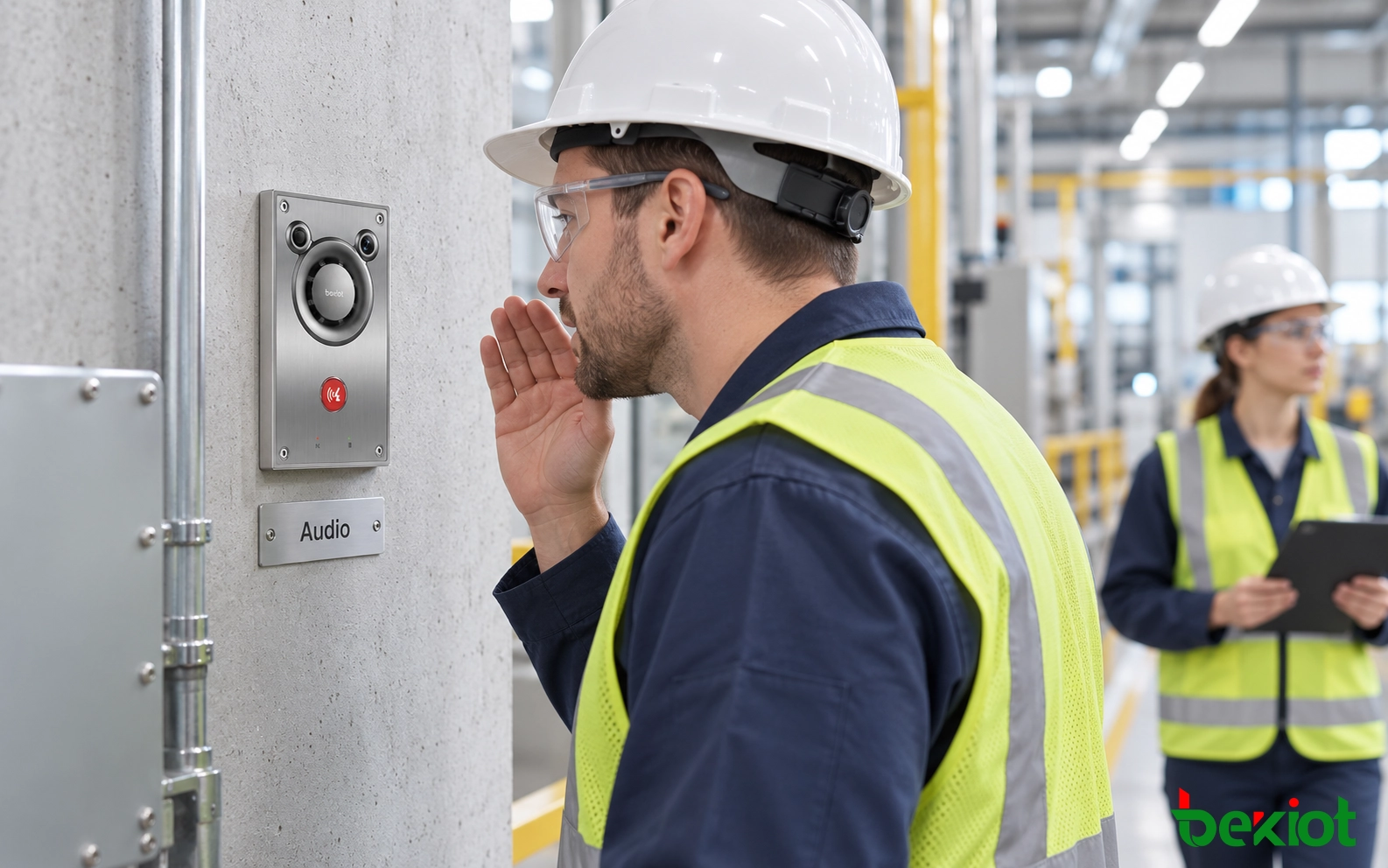
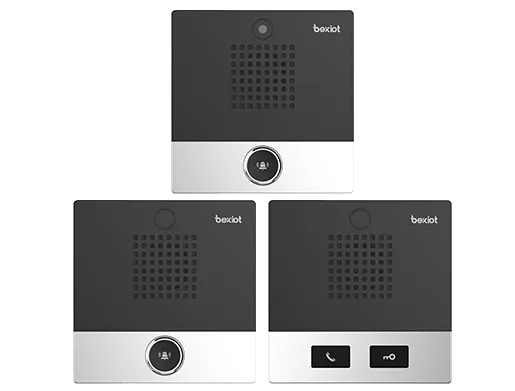
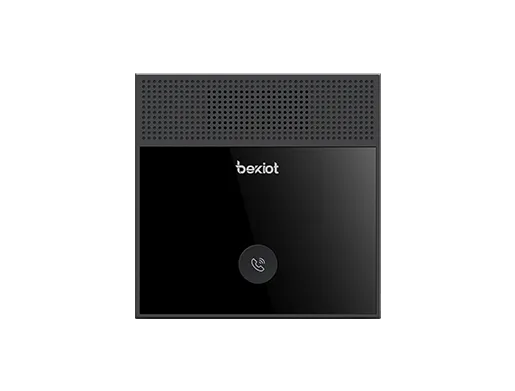
SIP audio intercoms focus on direct two-way voice communication at fixed locations such as workshops, service points, equipment rooms and internal call stations. They are suitable where users need a straightforward connection to another extension or control position and video is not part of the operating requirement.
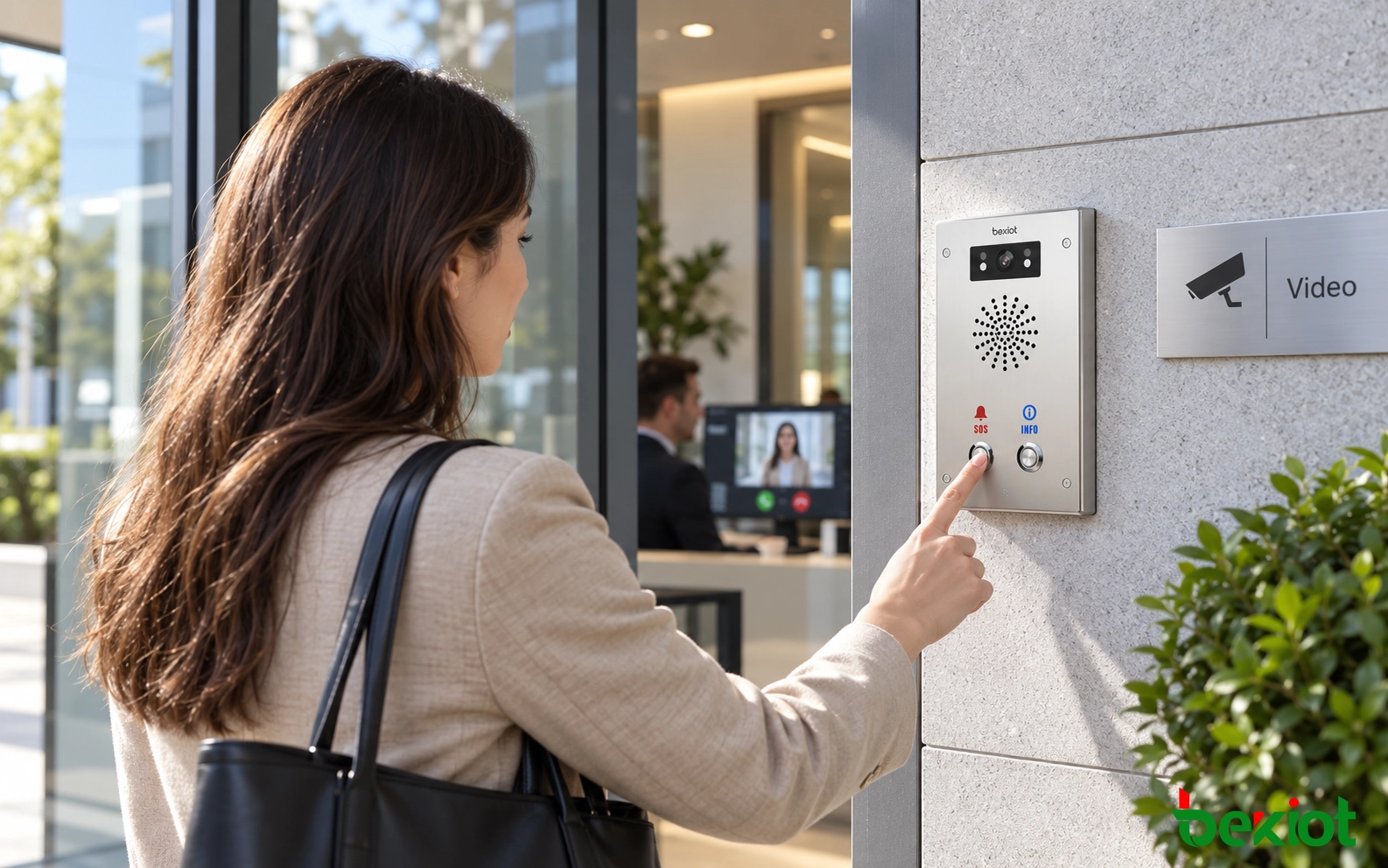
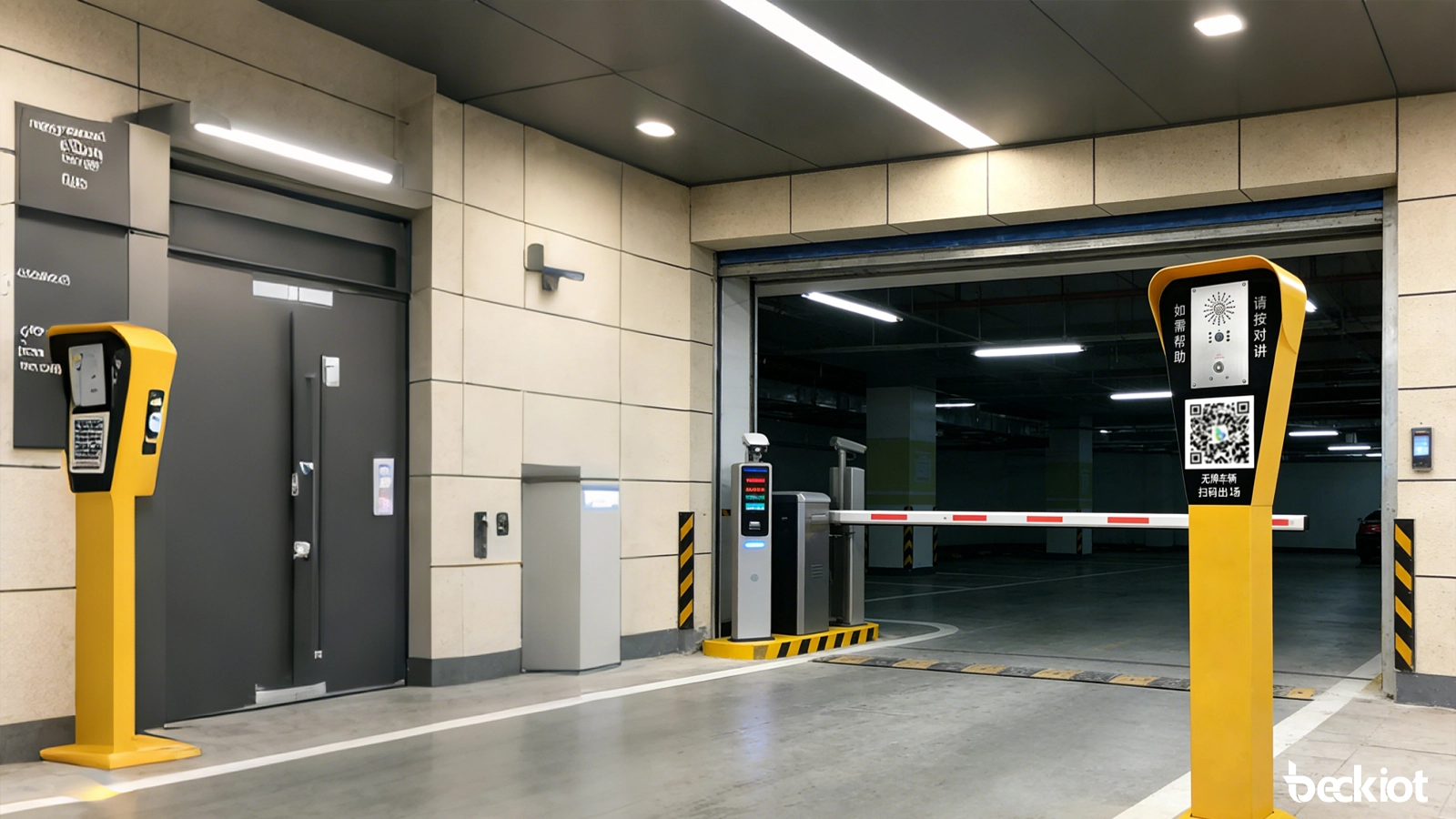
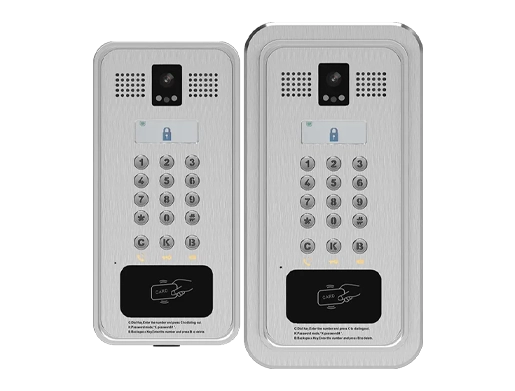
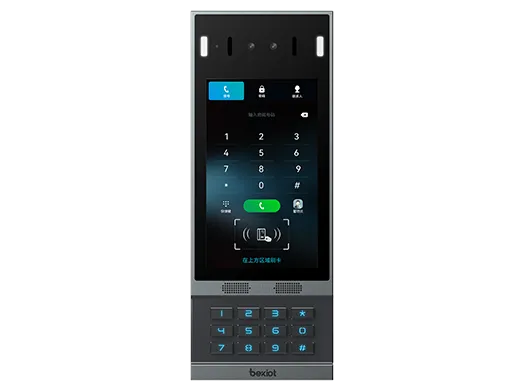
SIP video intercoms add visual confirmation to the conversation and are commonly used at visitor entrances, gates, parking facilities and security points. They are suited to situations where the receiving operator needs to see the caller or surrounding area before deciding how to respond.
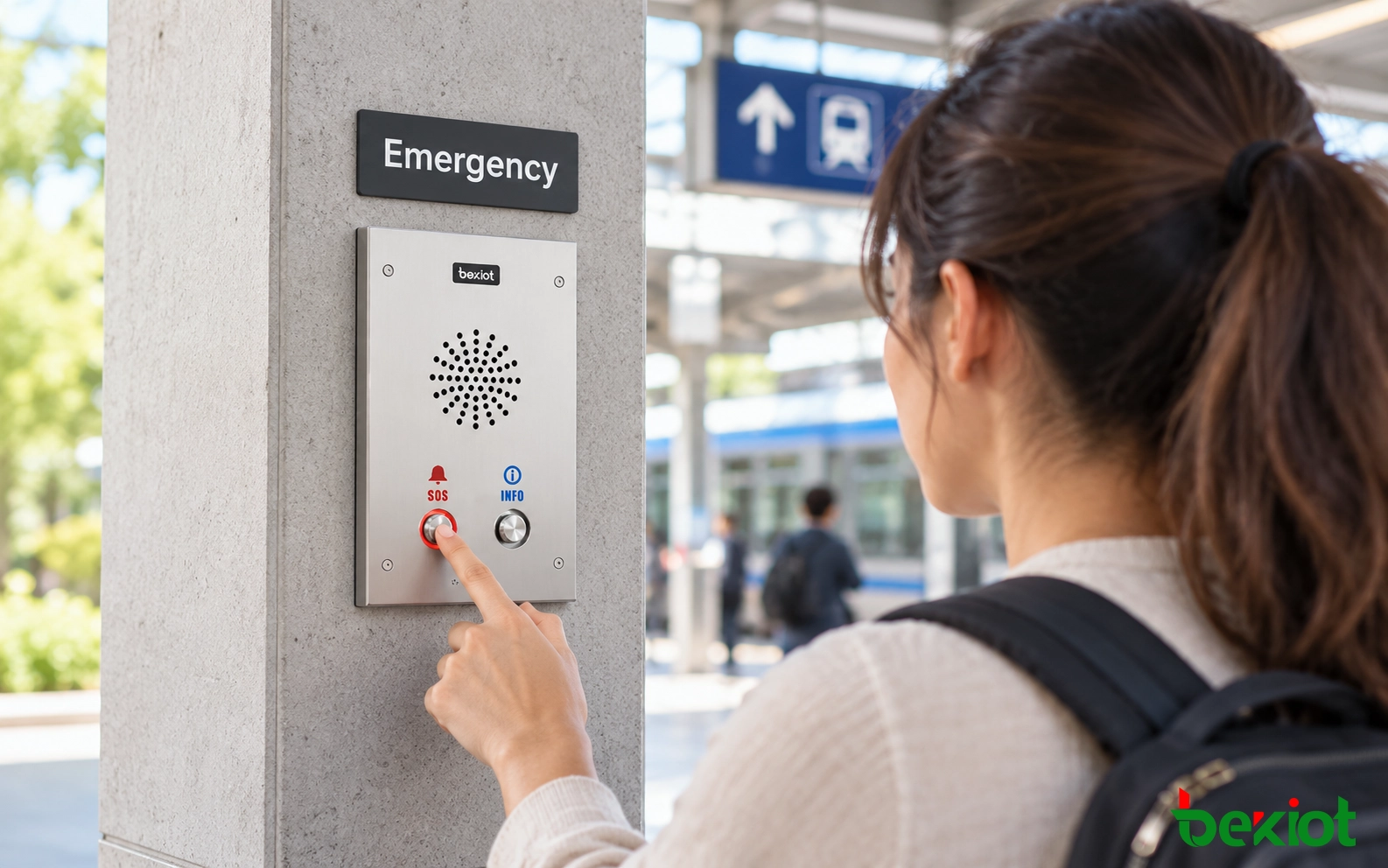
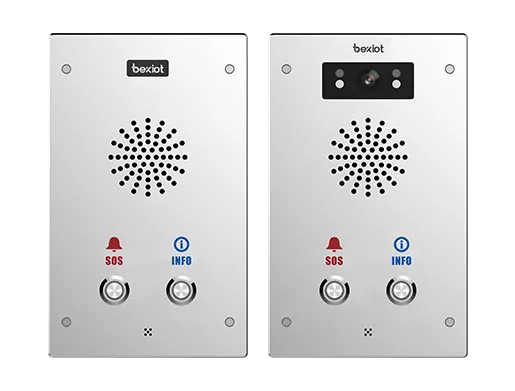
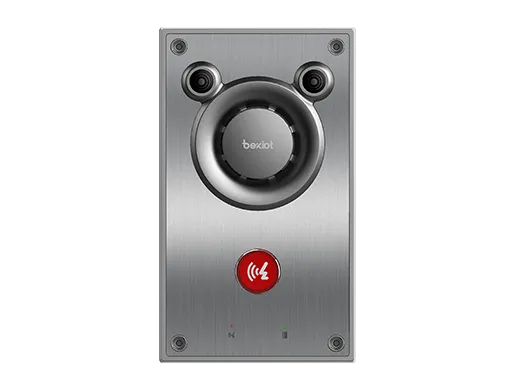
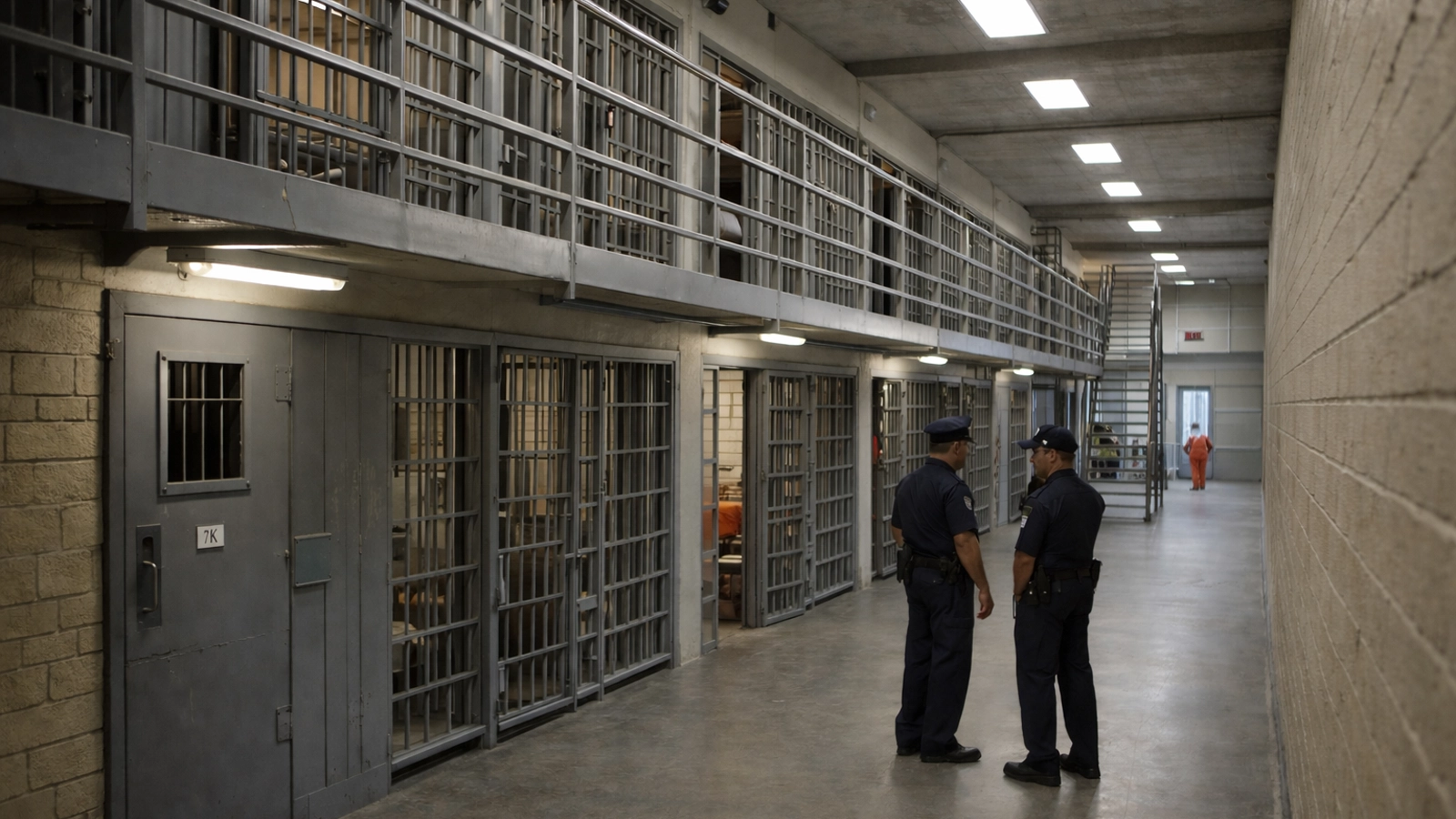
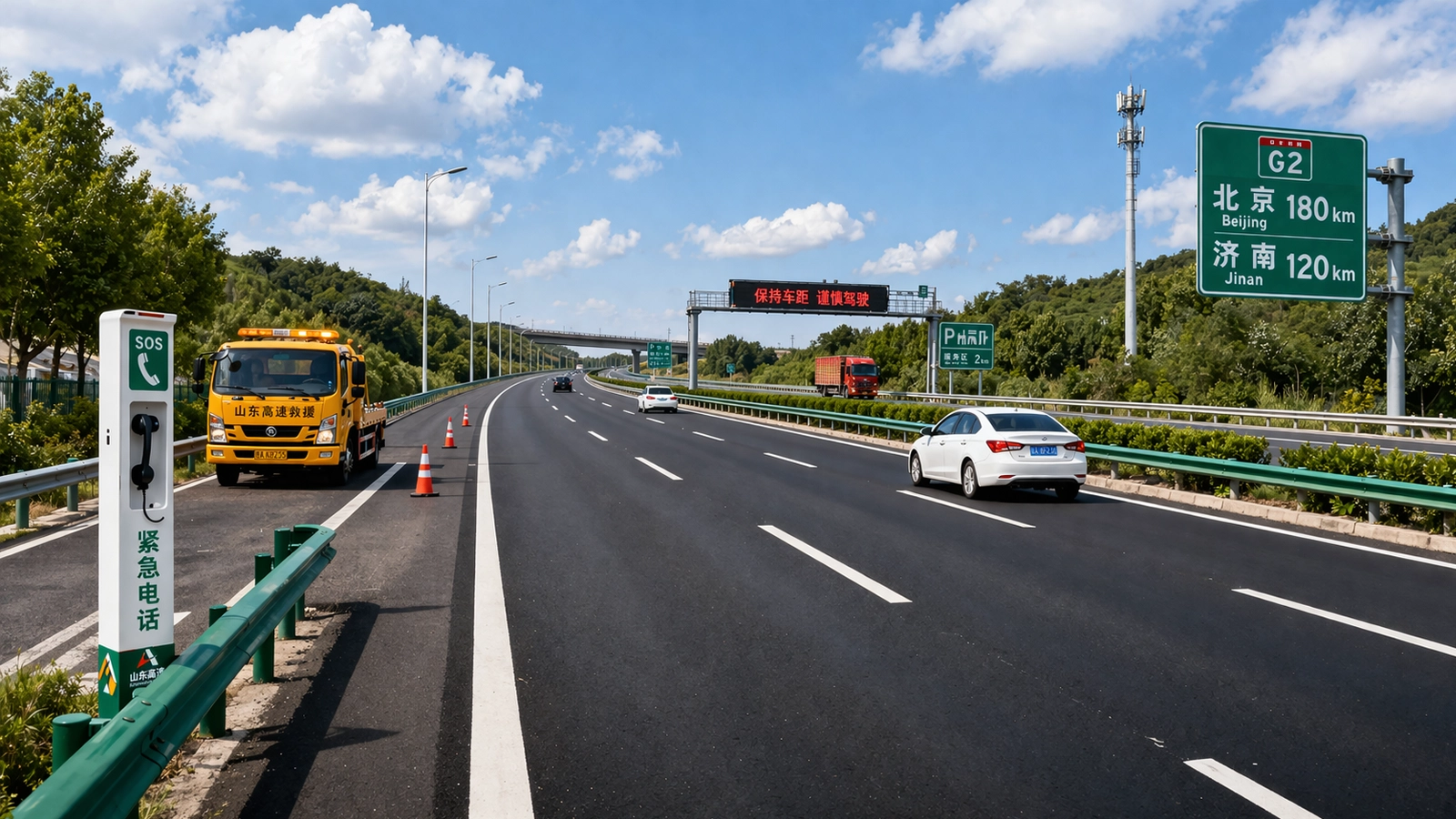
Emergency intercoms are designed for help points and locations where users need a clear, direct route to duty personnel during an incident or assistance request. Typical deployments include transport facilities, campuses, public areas, isolated service points and industrial sites.
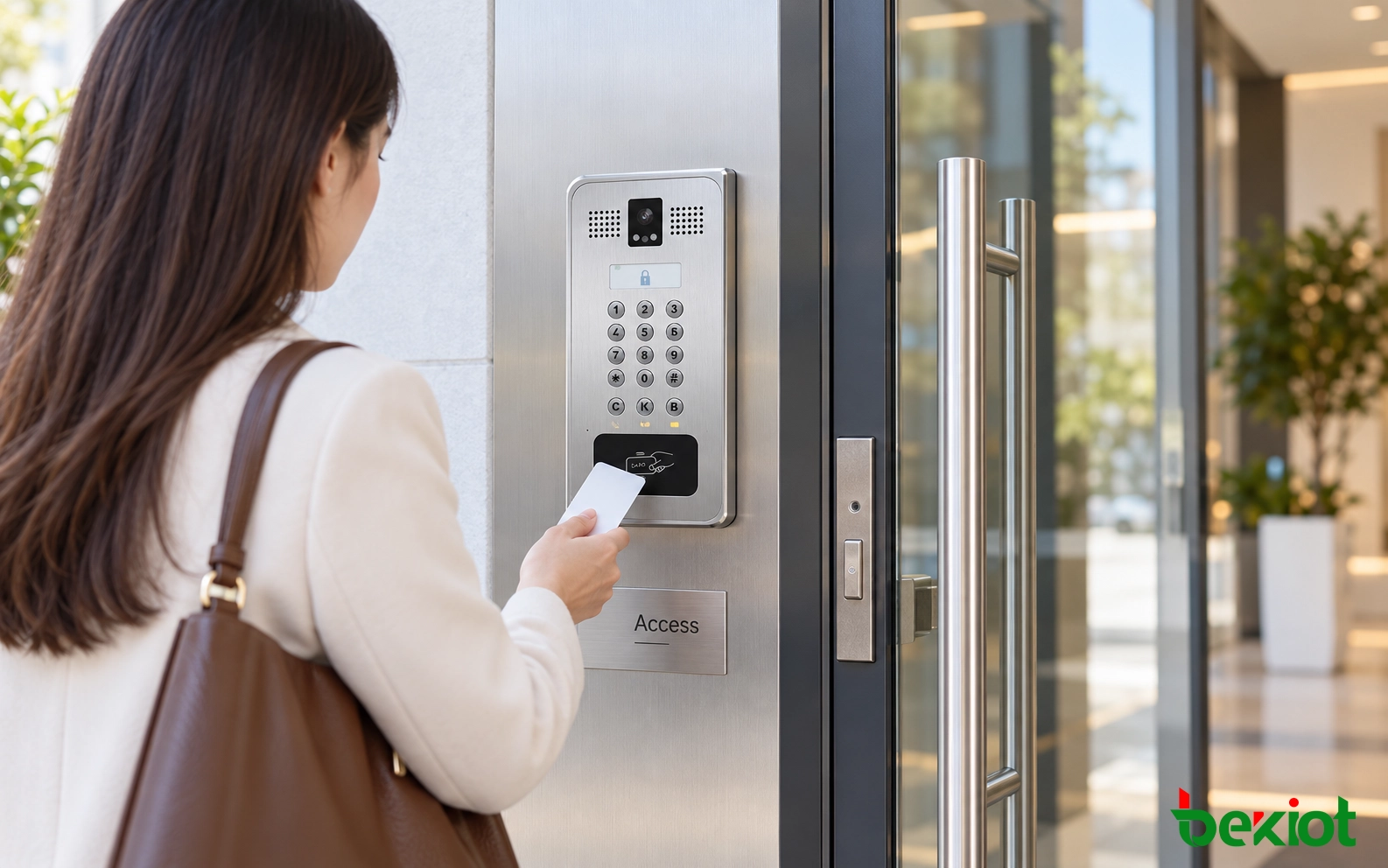
Access intercoms are intended for doors, gates, vehicle entrances and other controlled entry points where communication with reception, security or authorized personnel forms part of the visitor or access process.
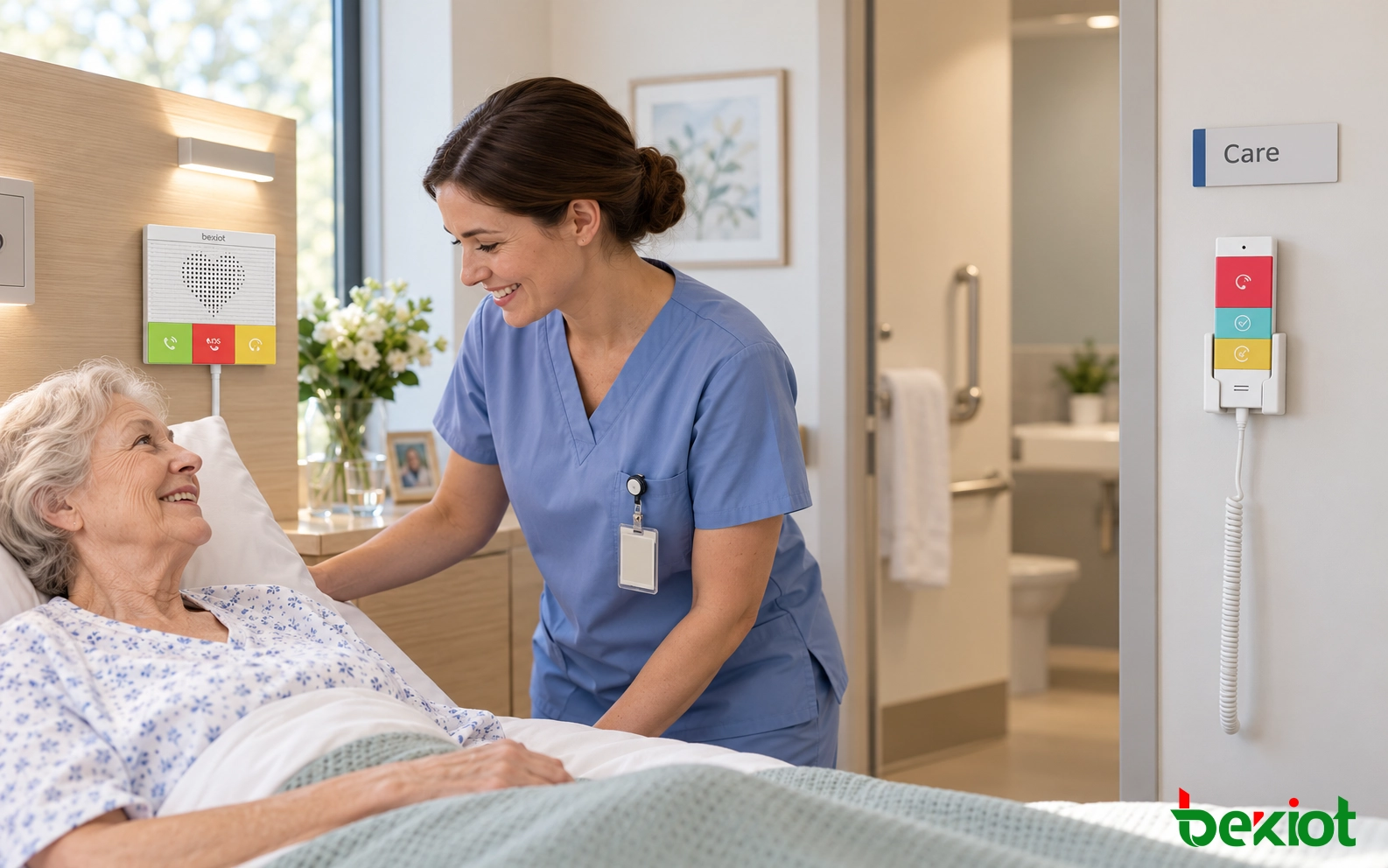
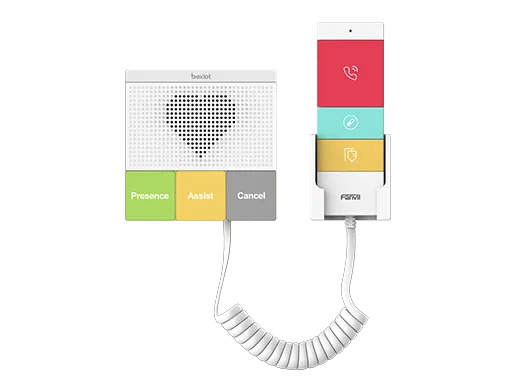
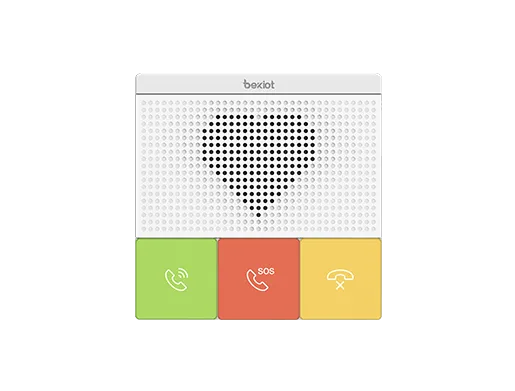
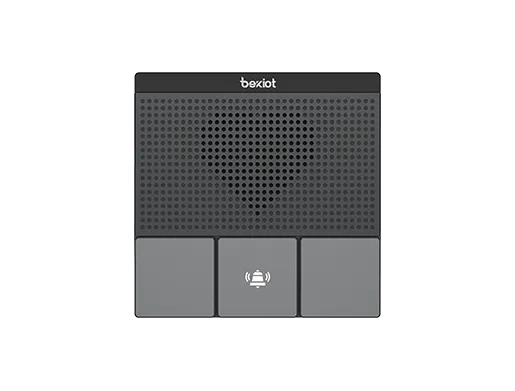
Care intercoms provide an accessible communication point for people who may need routine assistance in wards, assisted-living facilities, care centers and similar service environments, with calls directed to the appropriate staff or service position.
Help points can be installed in plazas, pedestrian passages, parks, transport areas and other public locations where users may need direct contact with a service or duty position. Video models add visual confirmation when the operator needs to assess the situation around the caller.
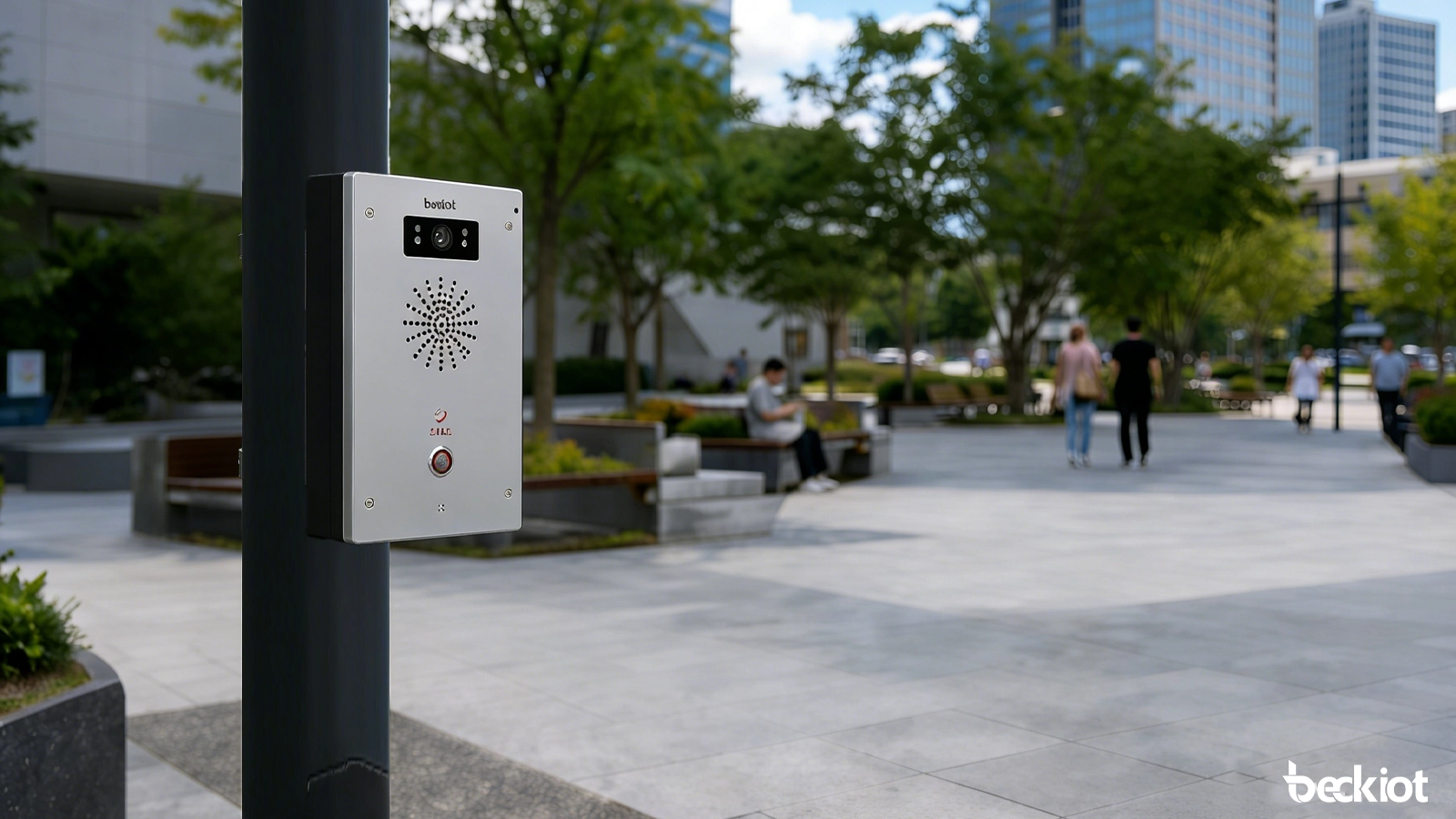
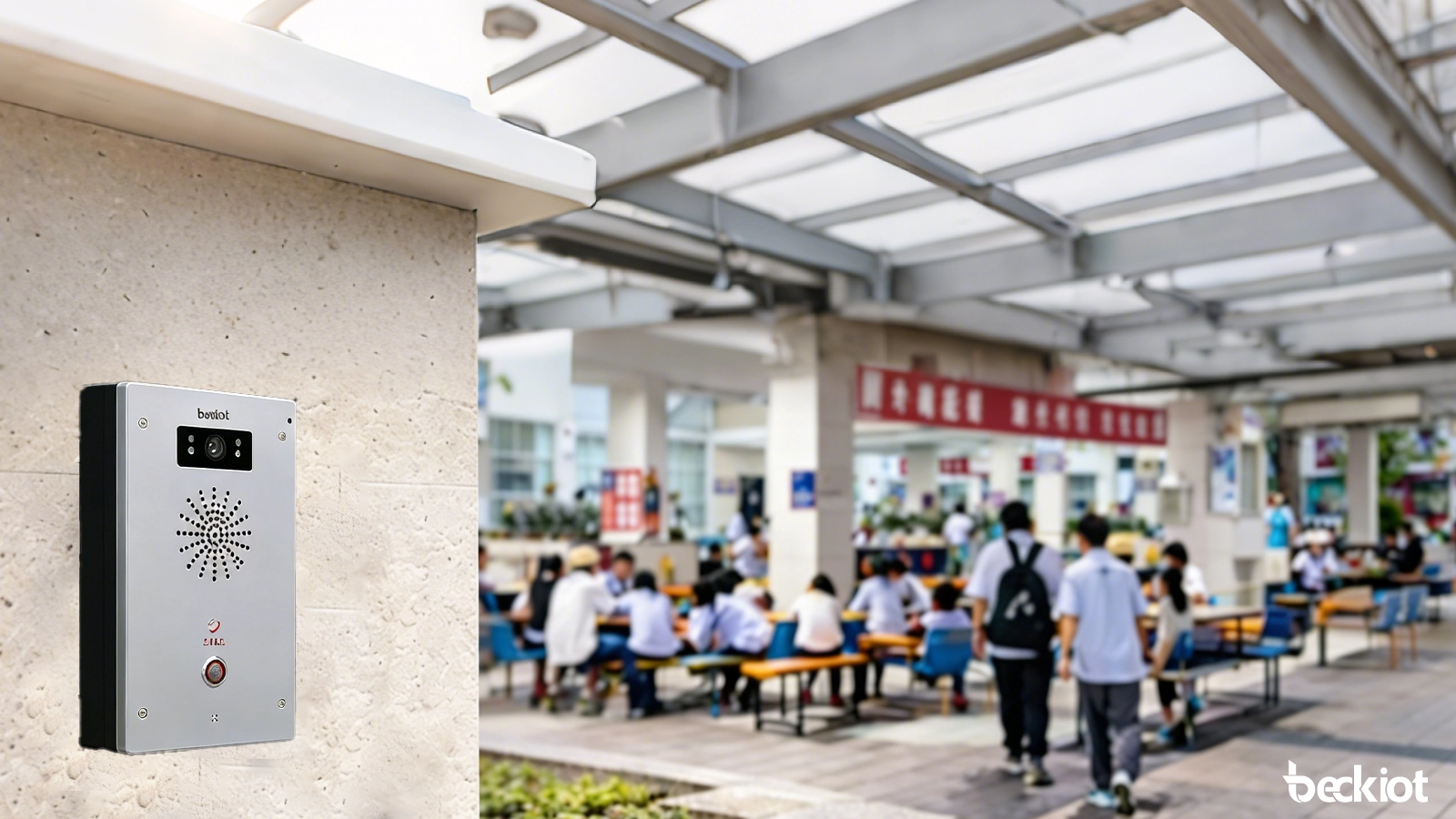
Suitable for school gates, teaching buildings, dormitories, playgrounds, and cafeterias. It can be used for emergency help requests, security coordination, and emergency broadcasting across the campus.
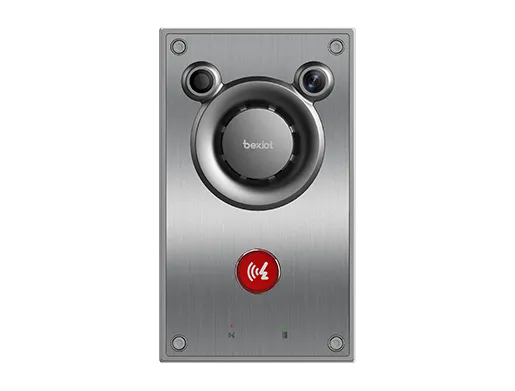
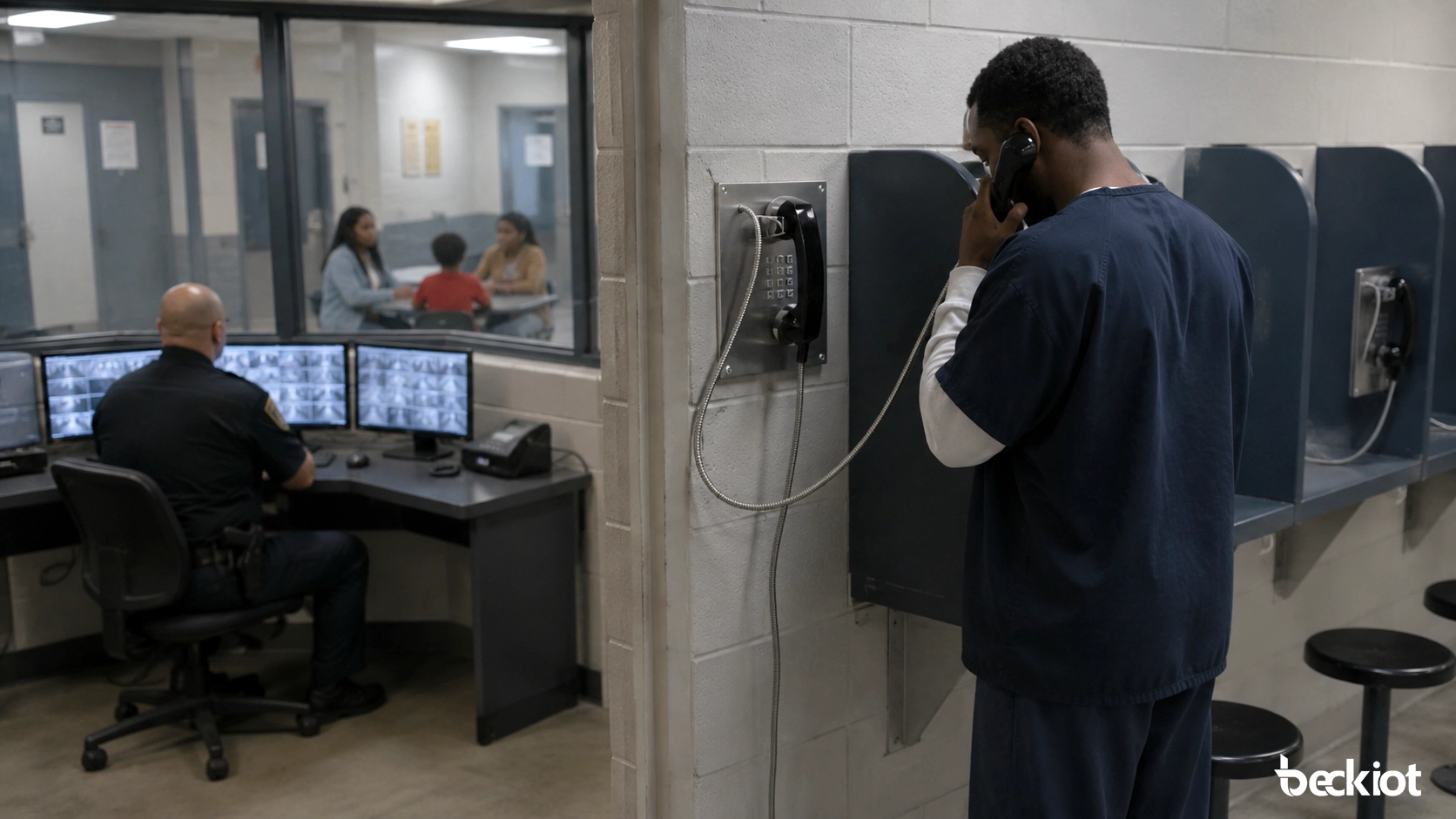
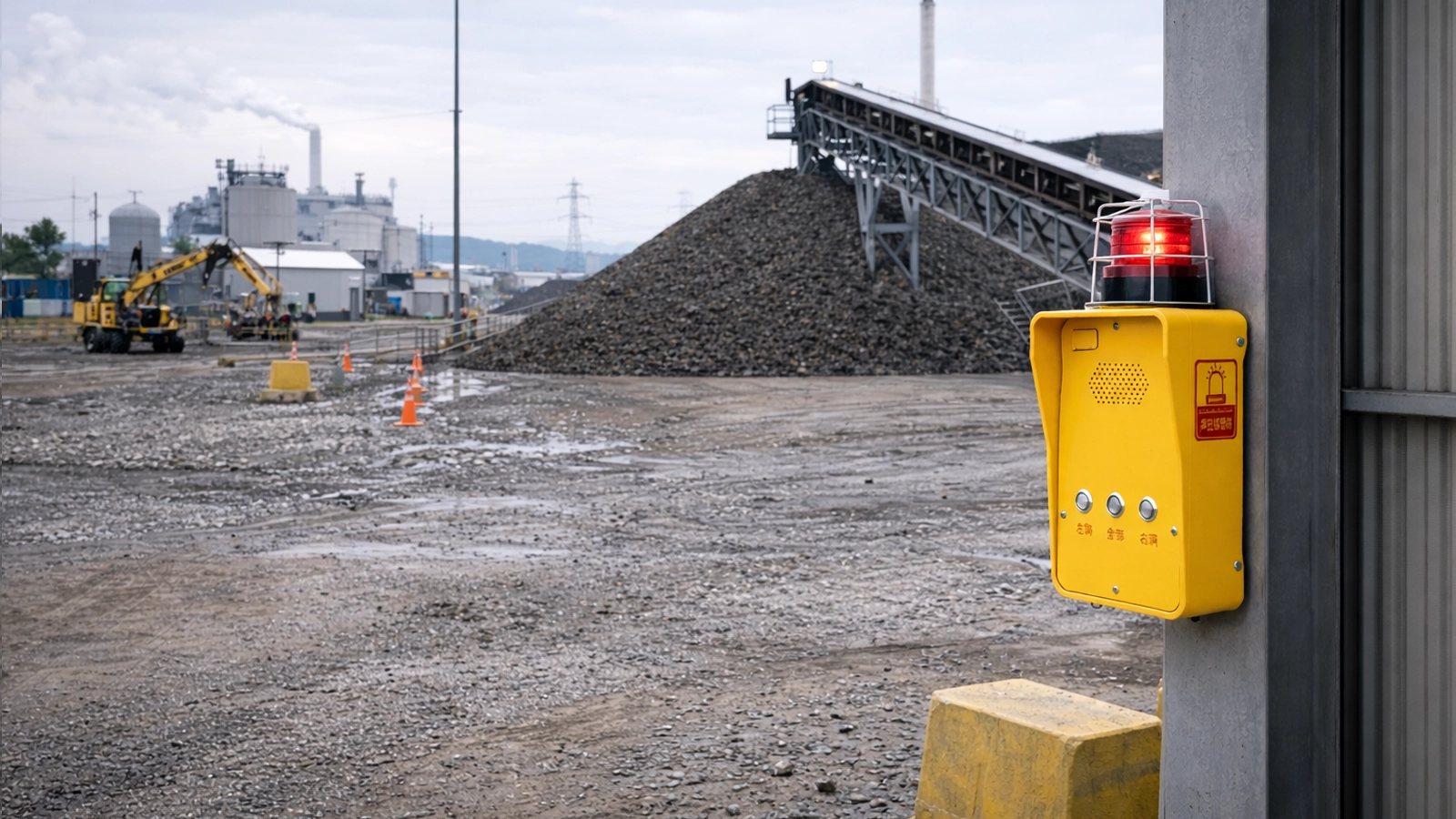
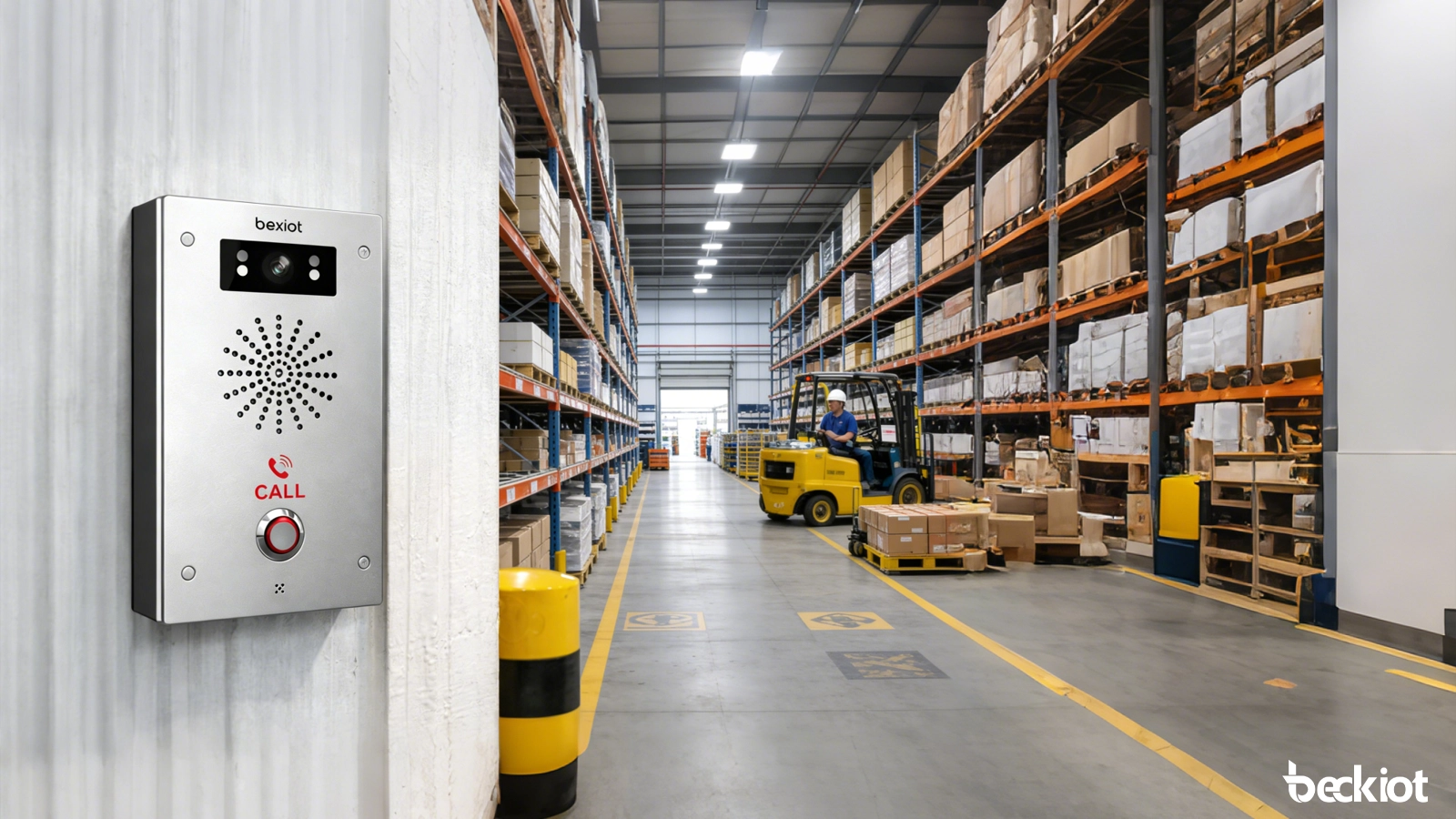
Workshops, warehouses, loading areas and equipment rooms may use wall-mounted intercoms to contact a control room or duty extension. Dust, moisture, background noise and impact exposure should be considered when choosing the enclosure and audio design for the installation point.
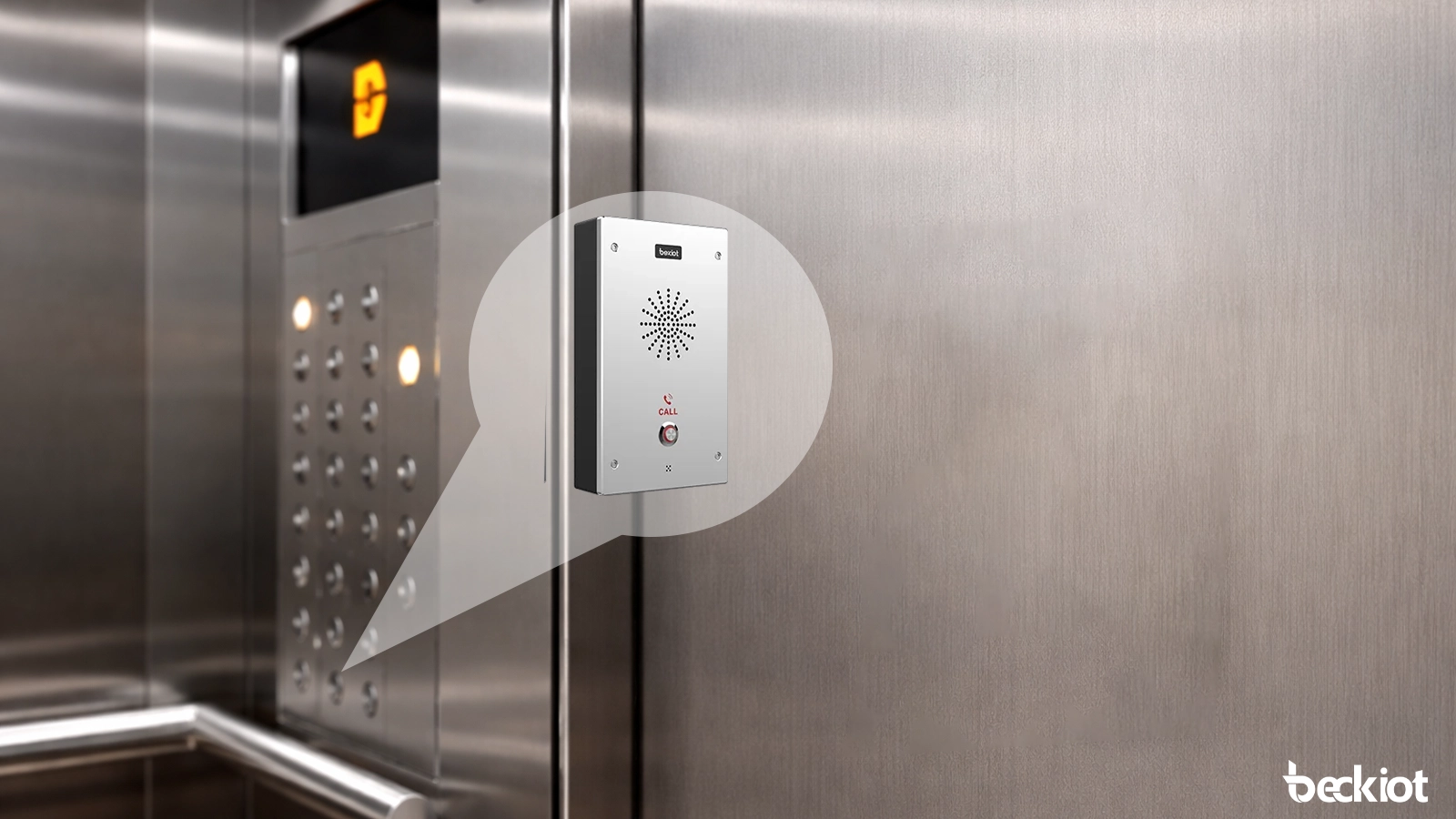
At office buildings, parking facilities, service entrances and elevator lobbies, visitors can use an intercom to contact reception or security before entering a controlled area. Video terminals allow staff to identify the caller and confirm the purpose of the visit before following the site's access procedure.
Residential communities can place SIP intercoms at main gates, garage entrances, shared service areas and property-management points. Visitors can contact the appropriate property or resident-facing service position, while residents have a fixed channel for reaching management staff from common areas without relying on personal contact numbers.