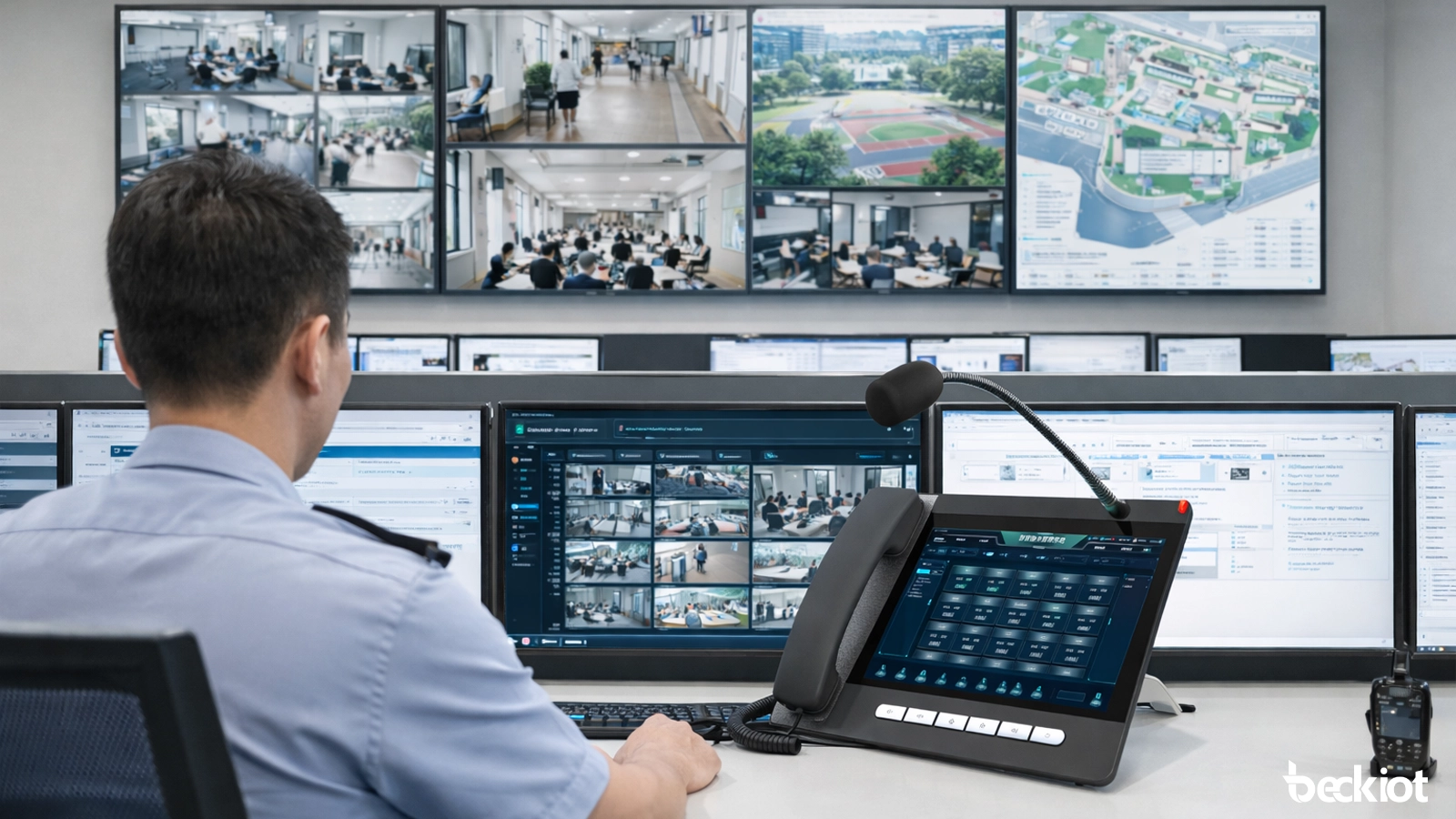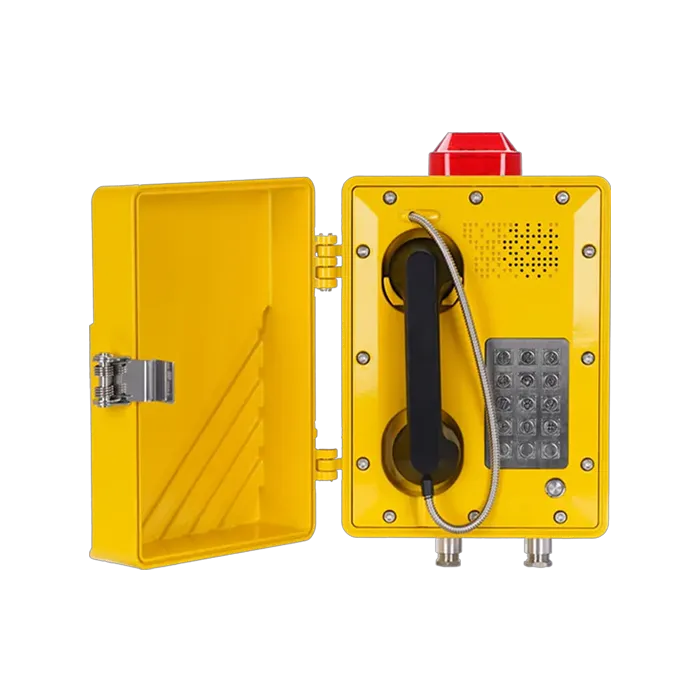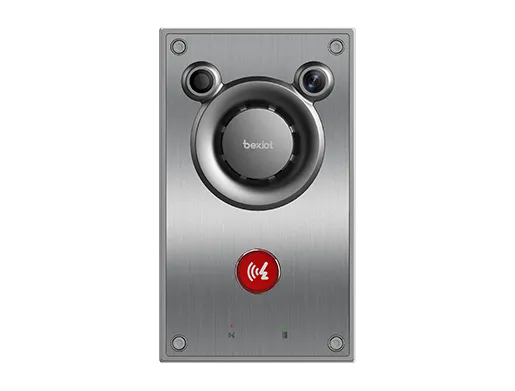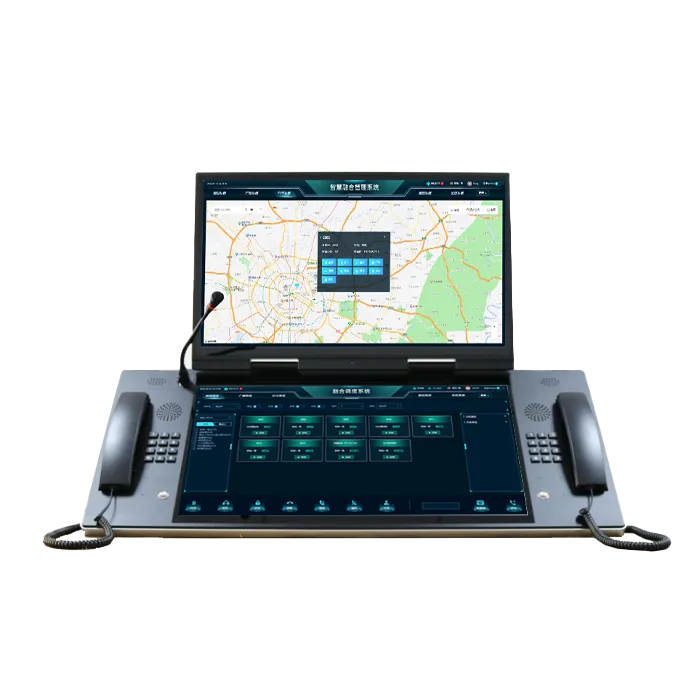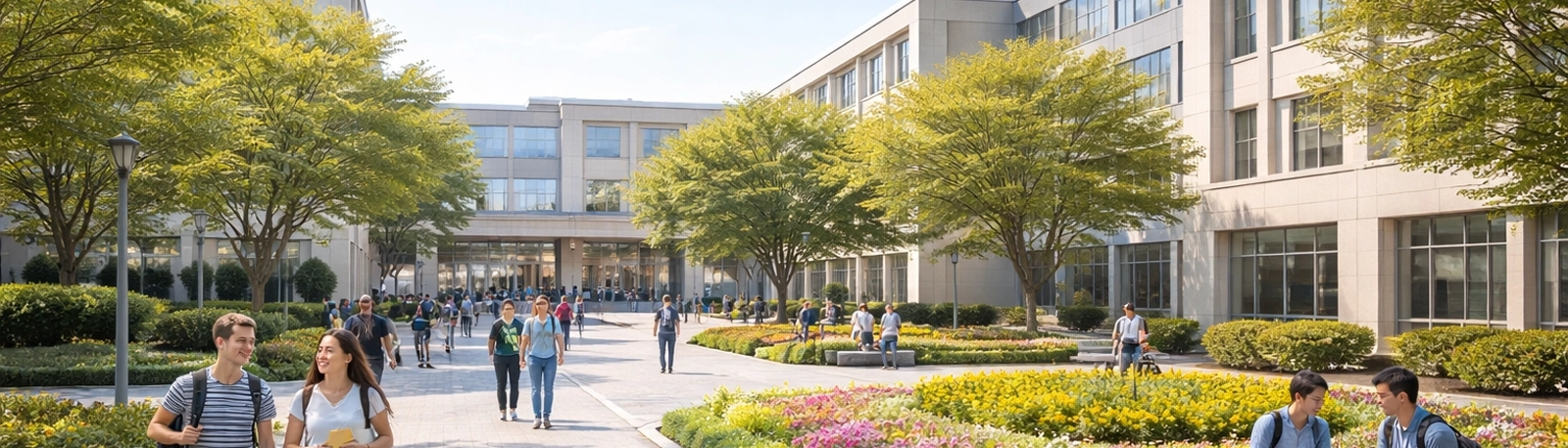
Becke’s Campus PAGA System supports zoned and campus-wide broadcasting, emergency alarm priority, two-way intercom, one-touch assistance, video verification, and multi-terminal dispatch. Built on an IP/SIP architecture, it can connect speakers, help points, video phones, wireless handsets, and management consoles into one unified platform. The system also supports remote management, flexible expansion, and efficient coordination for both routine operations and emergency response.
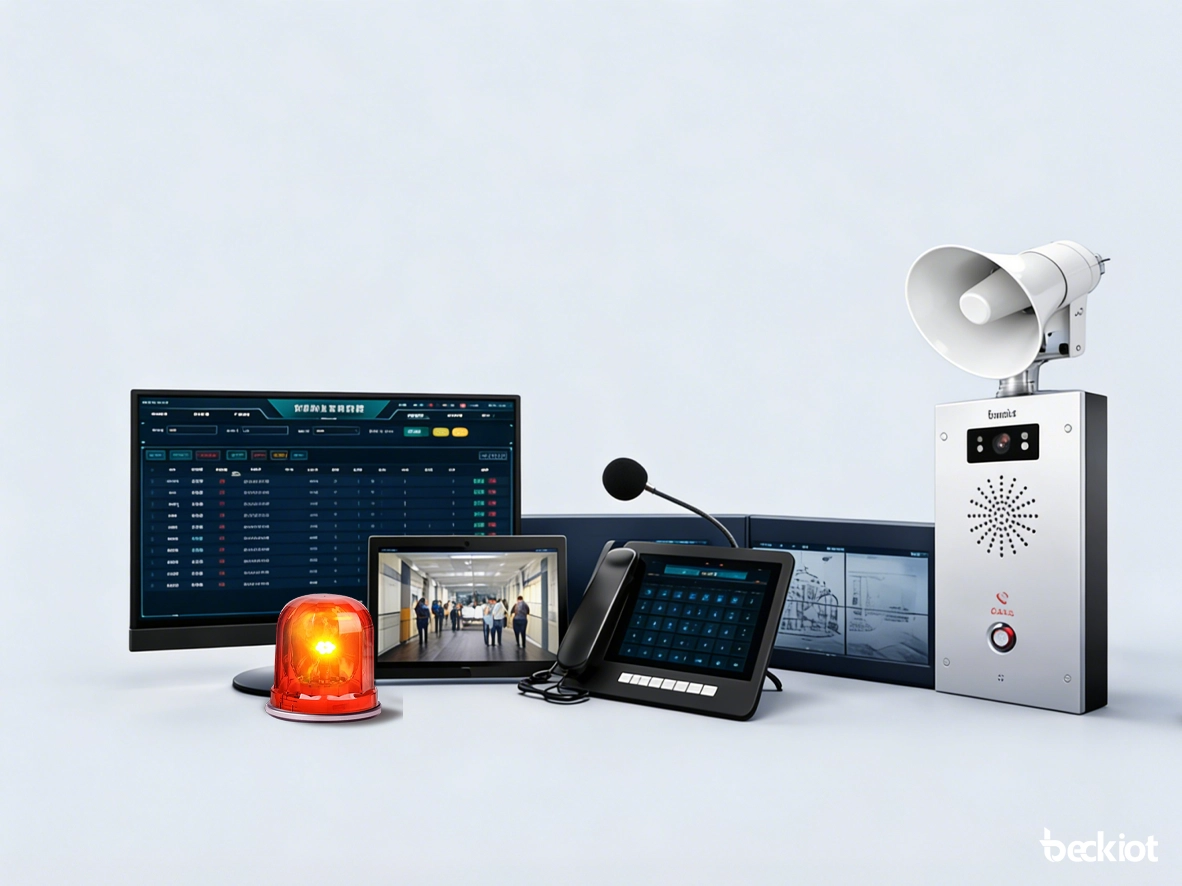
The school PAGA system is more than a standalone broadcasting system. It brings together public address, emergency alarm, two-way intercom, telephony linkage, video linkage, and wireless dispatch on one unified platform. From a single interface, the management center can handle routine announcements, zoned paging, emergency evacuation broadcasts, help requests, and security coordination. This eliminates the traditional separation between broadcasting, intercom, access control, and surveillance systems, improving management efficiency and creating a more connected response process during emergencies.
The system supports independent zoned broadcasting for classrooms, teaching buildings, playgrounds, cafeterias, libraries, corridors, and public activity areas, while also supporting unified broadcasting across the entire campus. Schools can group zones by building, floor, grade, or functional area to support scheduled bells, background music, exam notices, routine paging, and emergency broadcasts. In emergency situations, the system can quickly switch from normal broadcasting to high-priority alarm broadcasting, ensuring that critical messages reach the target area immediately.
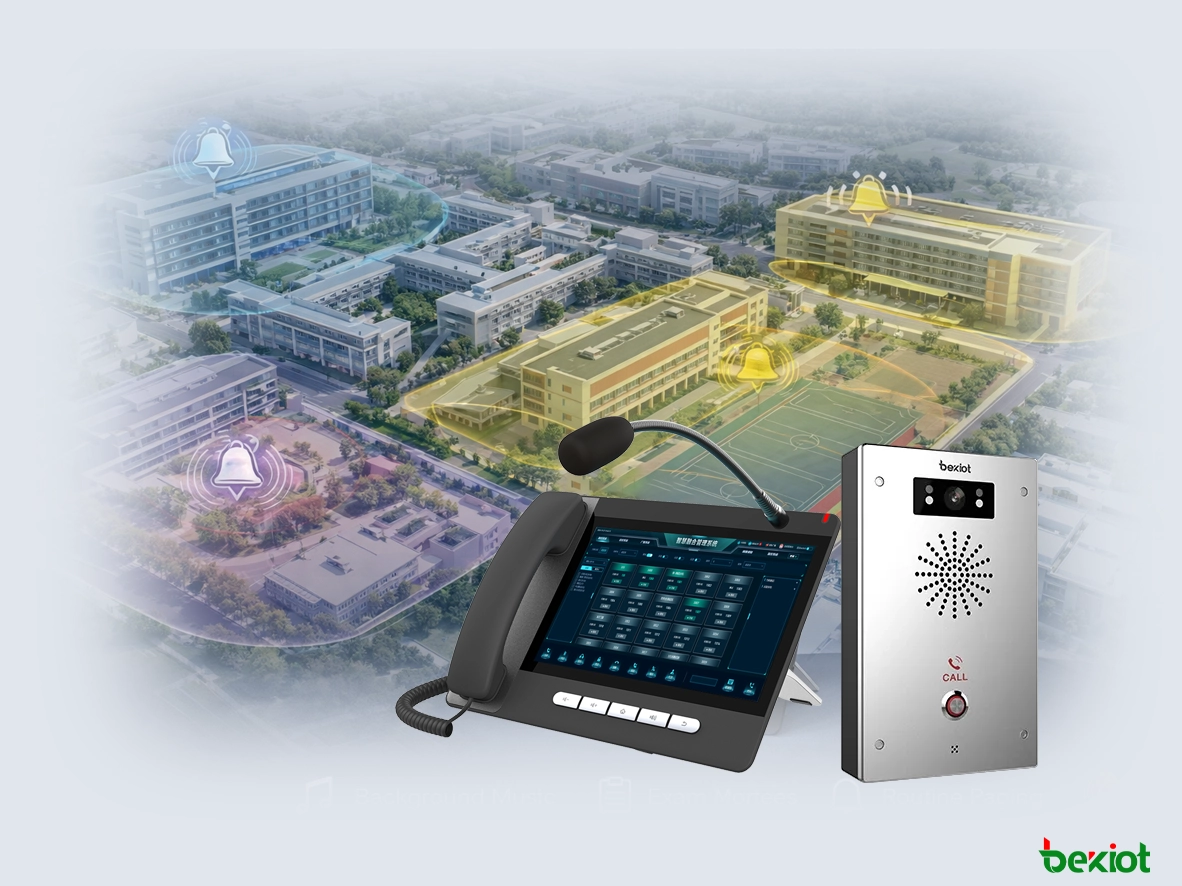
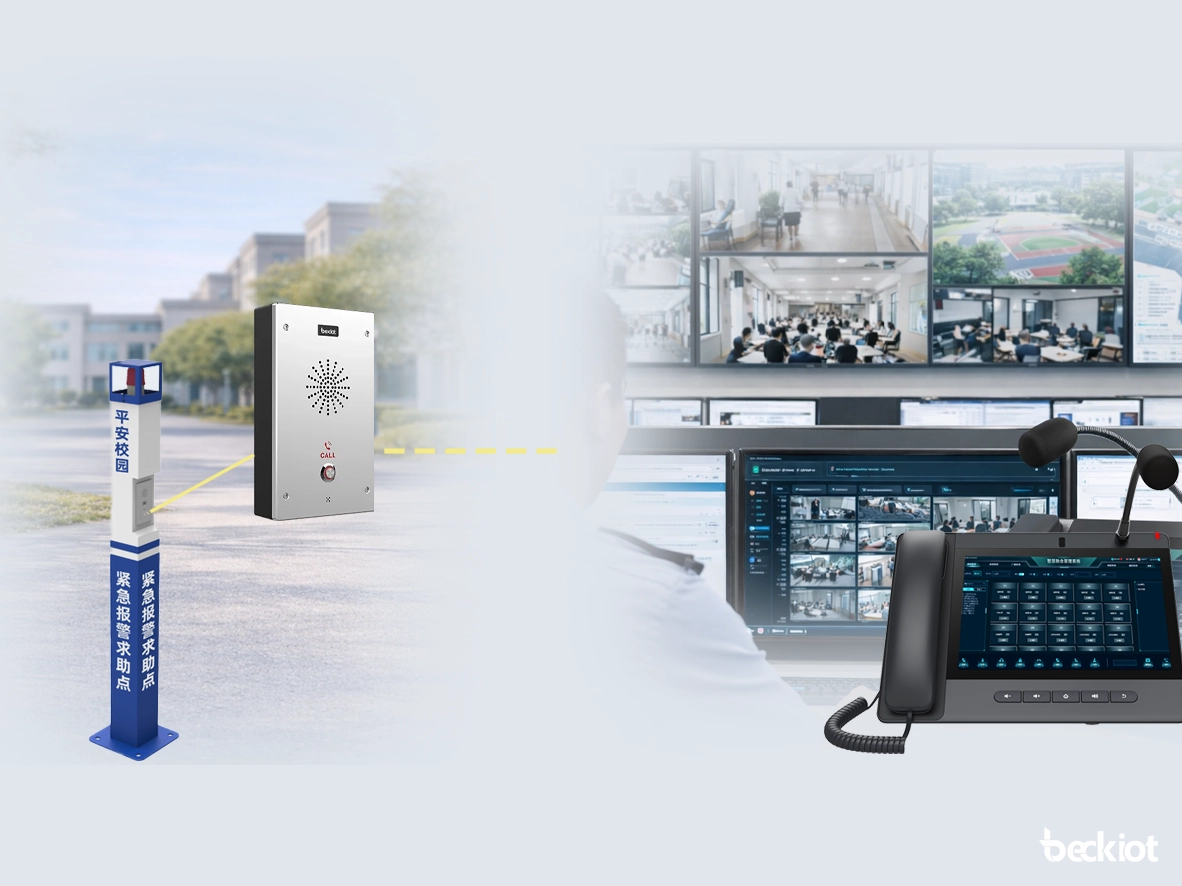
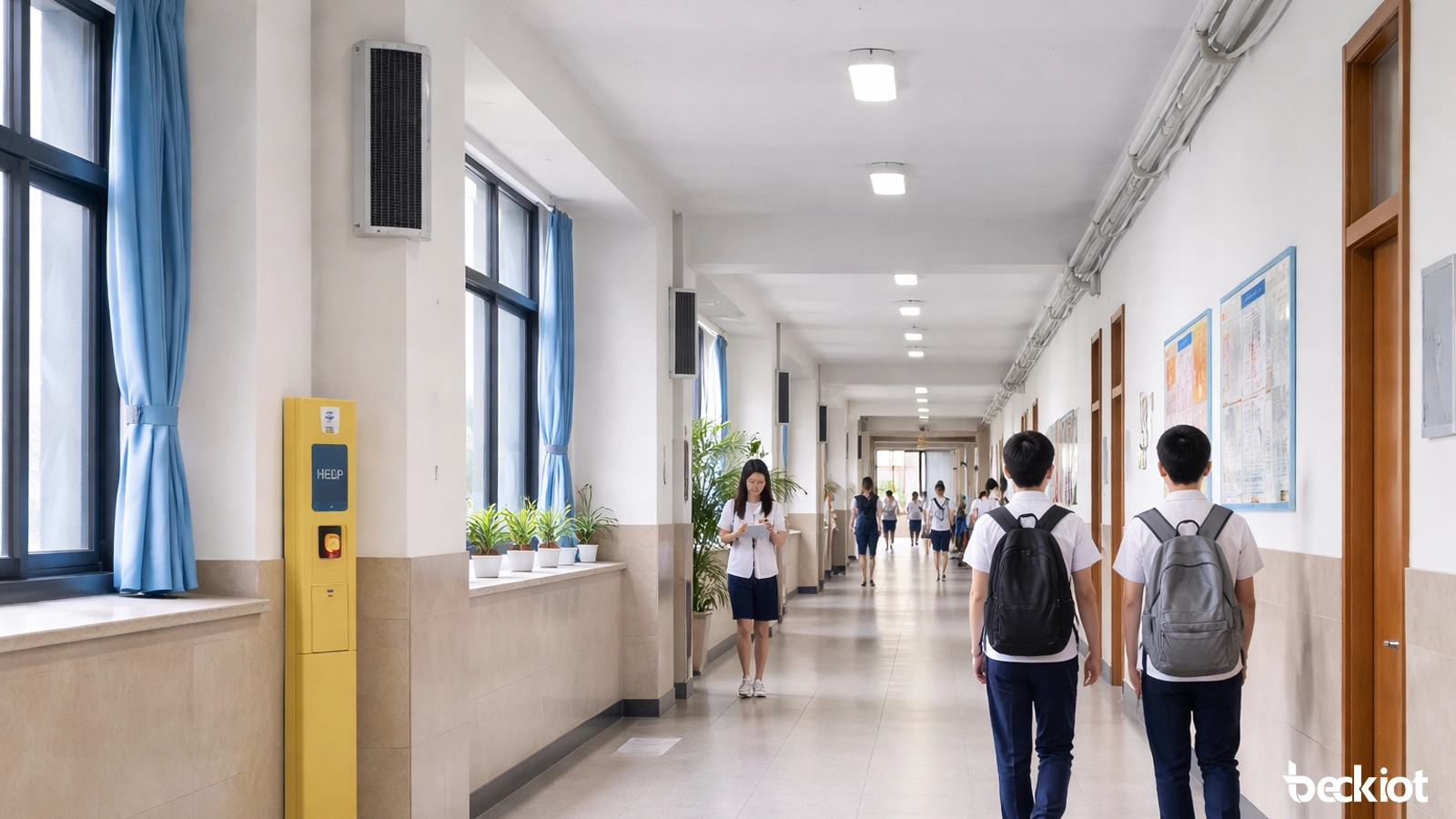
By deploying help point intercom terminals in classrooms, corridors, playgrounds, and campus entrances, teachers and students can initiate a help request with one touch during an emergency. The duty room or management center can answer immediately and establish hands-free two-way communication. The system supports call recording, status logging, and event traceability, making it useful for both daily service response and rapid emergency handling. Compared with traditional one-way alarm methods, this combination of broadcasting, calling, and system linkage is better suited to campus safety management.
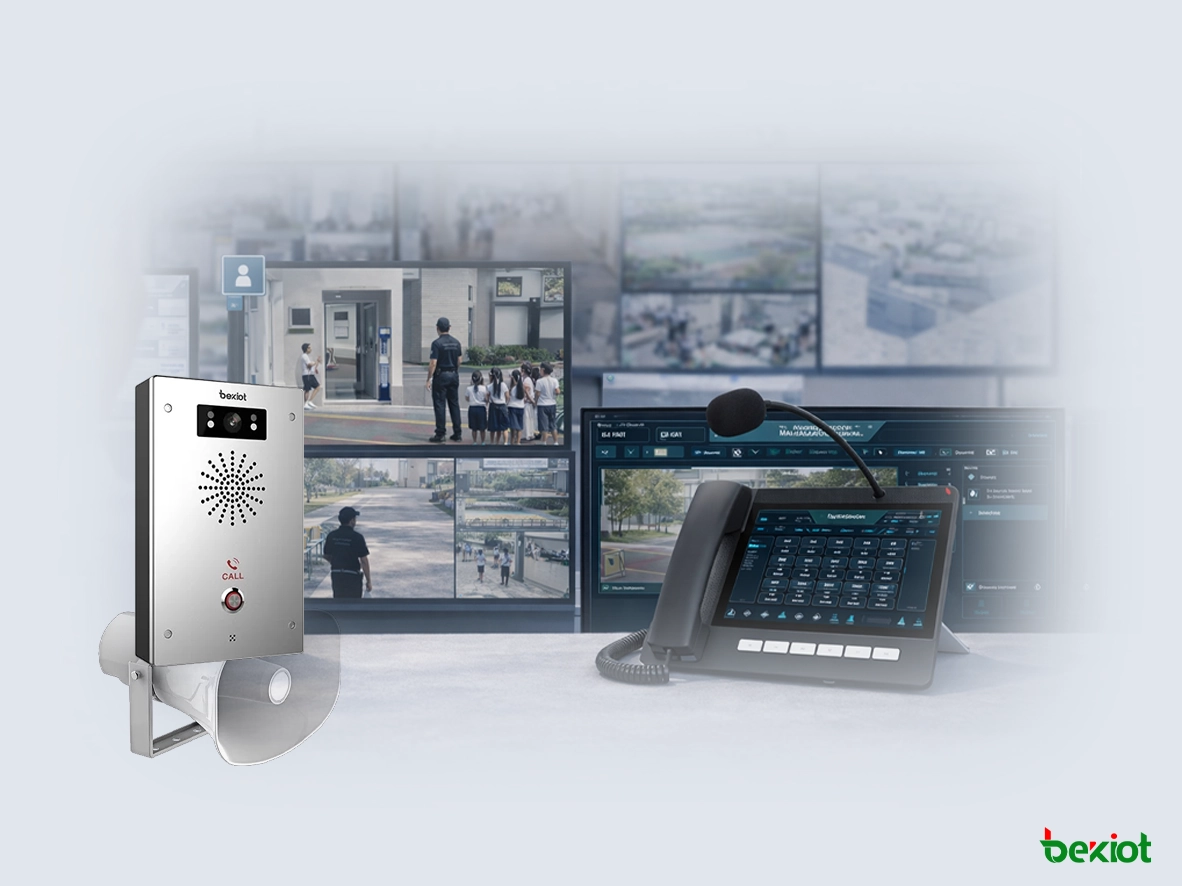
The school PAGA system can be integrated with video surveillance and video intercom terminals. When a help request, alarm, or access control event occurs, the management center can view the live scene in real time, make voice announcements, verify the situation through video, and carry out remote dispatch. For campus security teams, this greatly improves incident assessment by providing visual context instead of relying only on audio. In key areas such as teaching buildings, playgrounds, and entrances, it also supports more intuitive and effective visualized management.
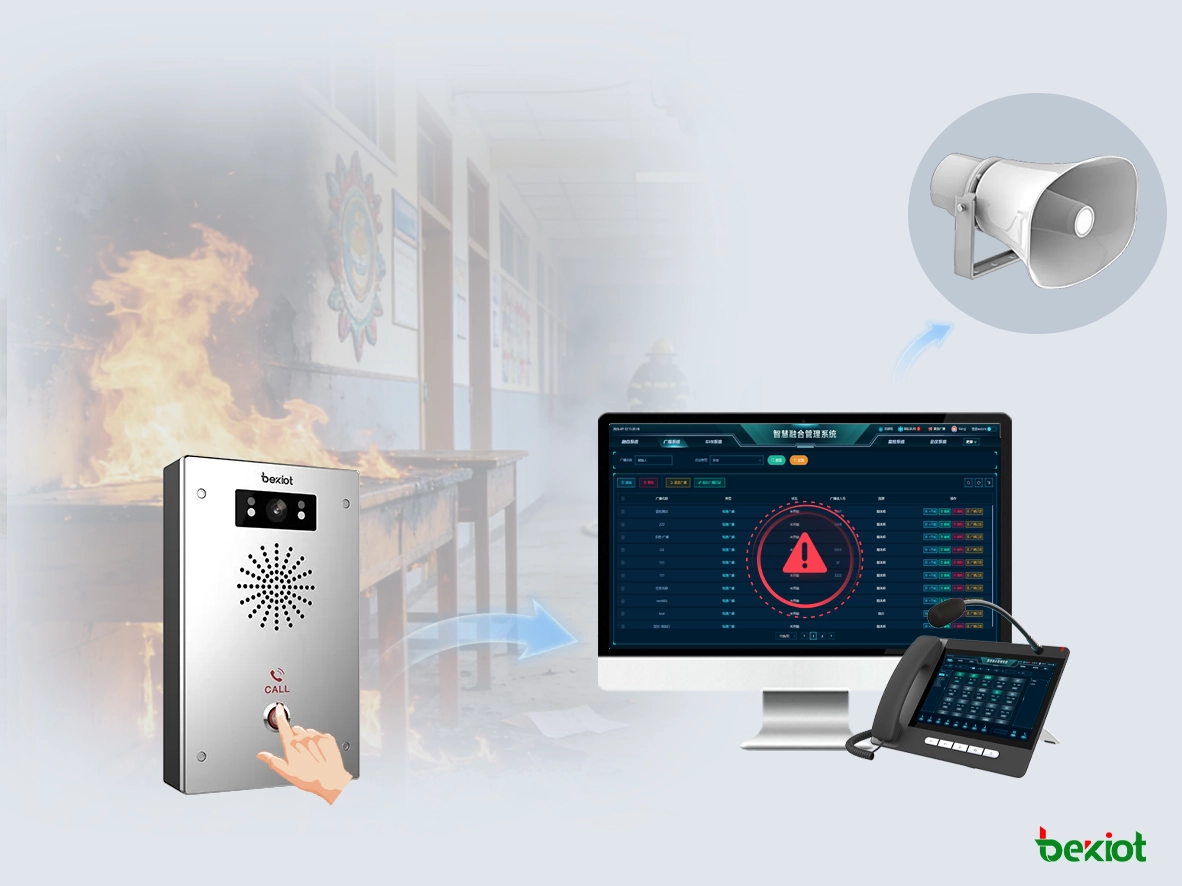
One of the core values of a PAGA system is its ability to support General Alarm functions during emergencies. In the event of a fire alarm, unauthorized intrusion, emergency help request, or other campus incident, the system can quickly trigger high-priority broadcast tasks and deliver emergency notices, evacuation instructions, area warnings, or safety guidance to designated zones. At the same time, it can link with access control, wireless radio, duty phones, and management terminals, creating a complete response loop from alarm activation and information delivery to staff coordination and on-site handling.
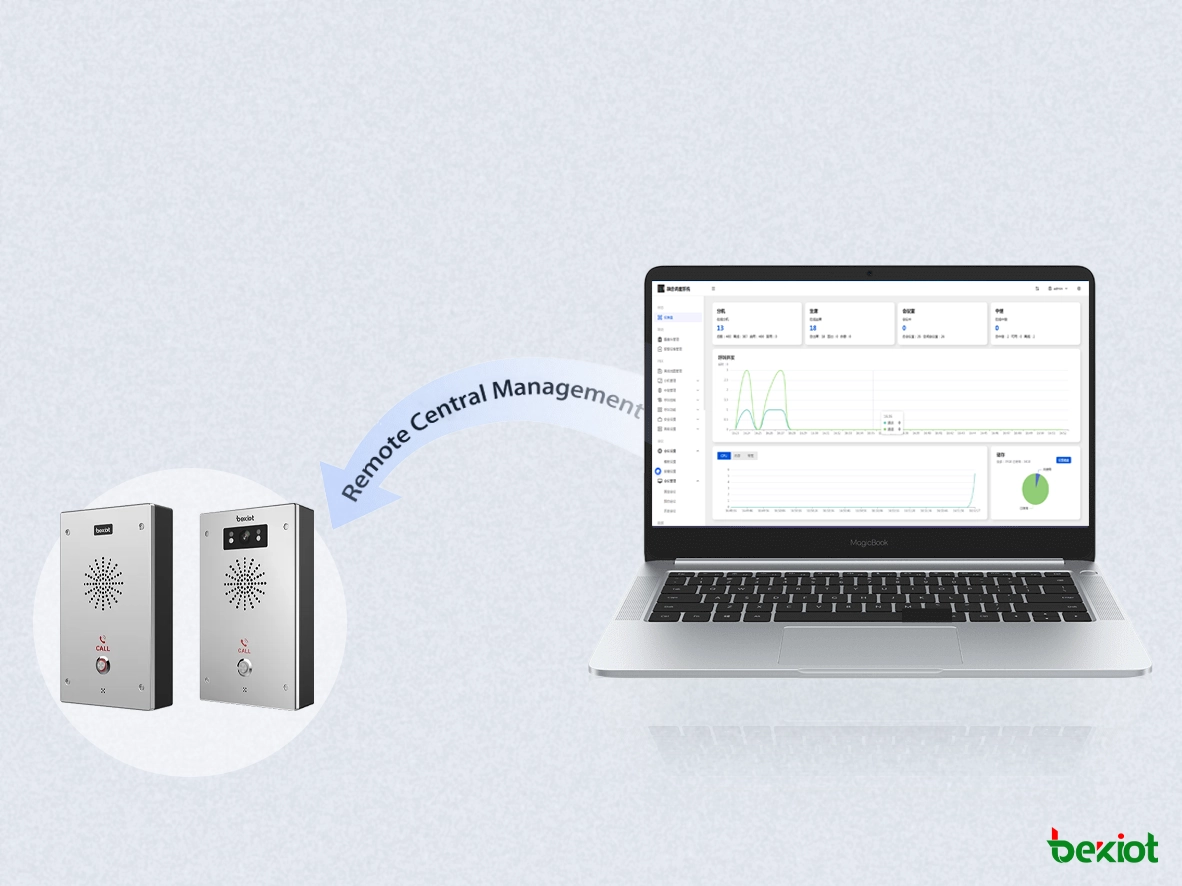
The system supports unified platform management, enabling batch terminal deployment, remote configuration, remote upgrades, and ongoing status maintenance. This makes it well suited to schools with multiple buildings, multiple campuses, or phased construction plans. For campuses with existing broadcast resources, the system also supports upgrade and reuse strategies, allowing traditional equipment to be gradually migrated to an IP-based architecture through network broadcast gateways, management platforms, and converged terminals. This helps reduce overall project costs and lowers long-term maintenance pressure.
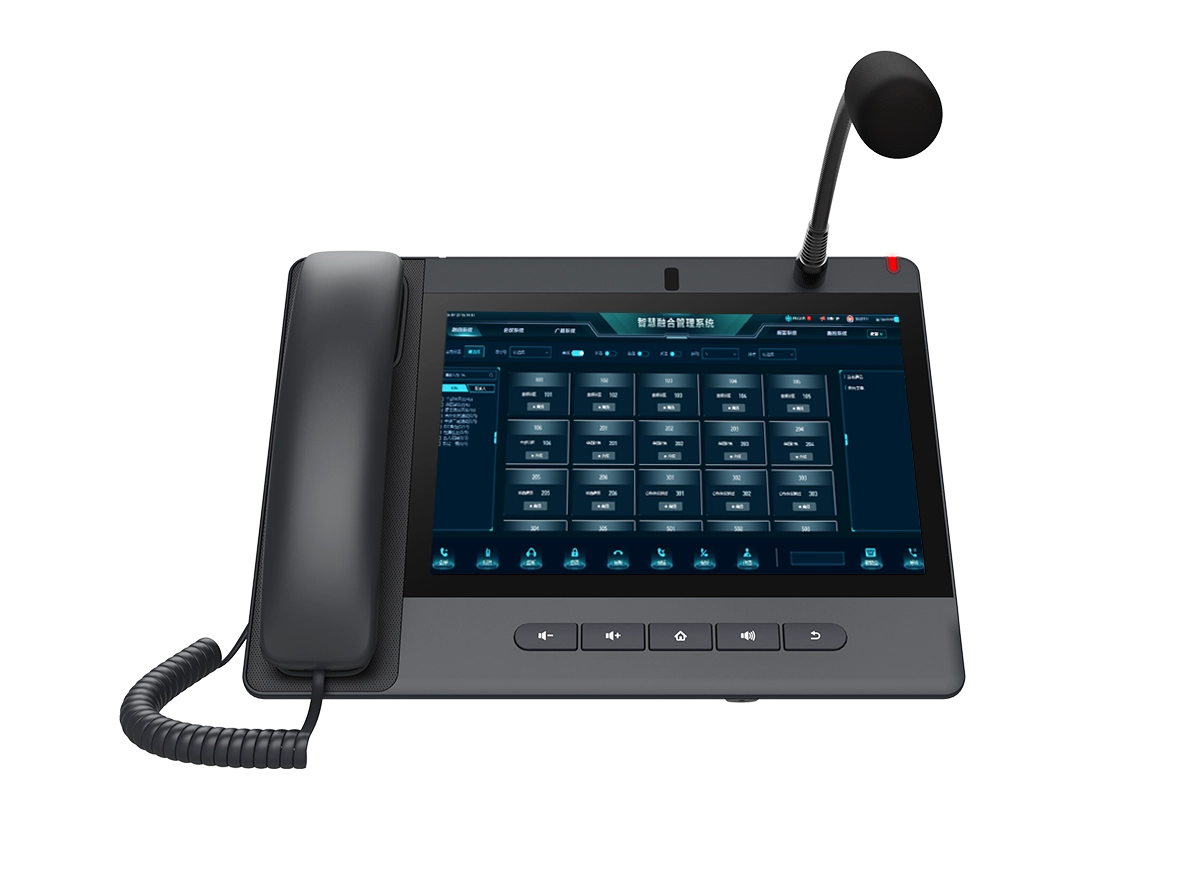
The GP320i is one of the core management terminals in a school PAGA system, ideal for deployment in monitoring centers, duty rooms, or broadcast control rooms. It supports live paging, call recording, video calling, video linkage, and unified dispatch operations. It can handle campus broadcast release, alarm response, and visualized management tasks, making it an important device for linking public address and emergency alert operations at the management center.
View More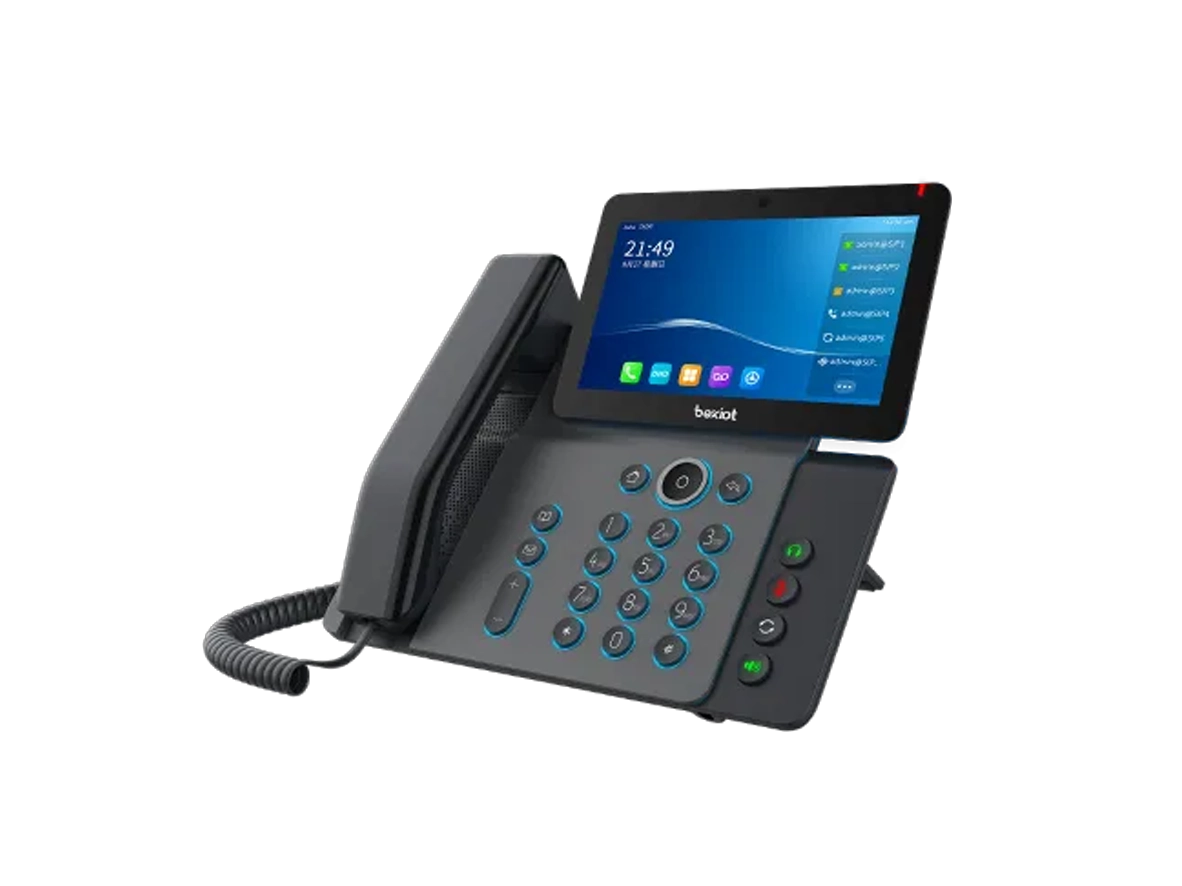
With touchscreen operation, video calling, and HD voice capabilities, the smart video phone is suitable for locations such as the academic office, guard room, security office, and duty stations. As a communication terminal within the school, it can work with the broadcasting and emergency dispatch system to support call answering, visual verification, emergency linkage, and daily duty operations.
View More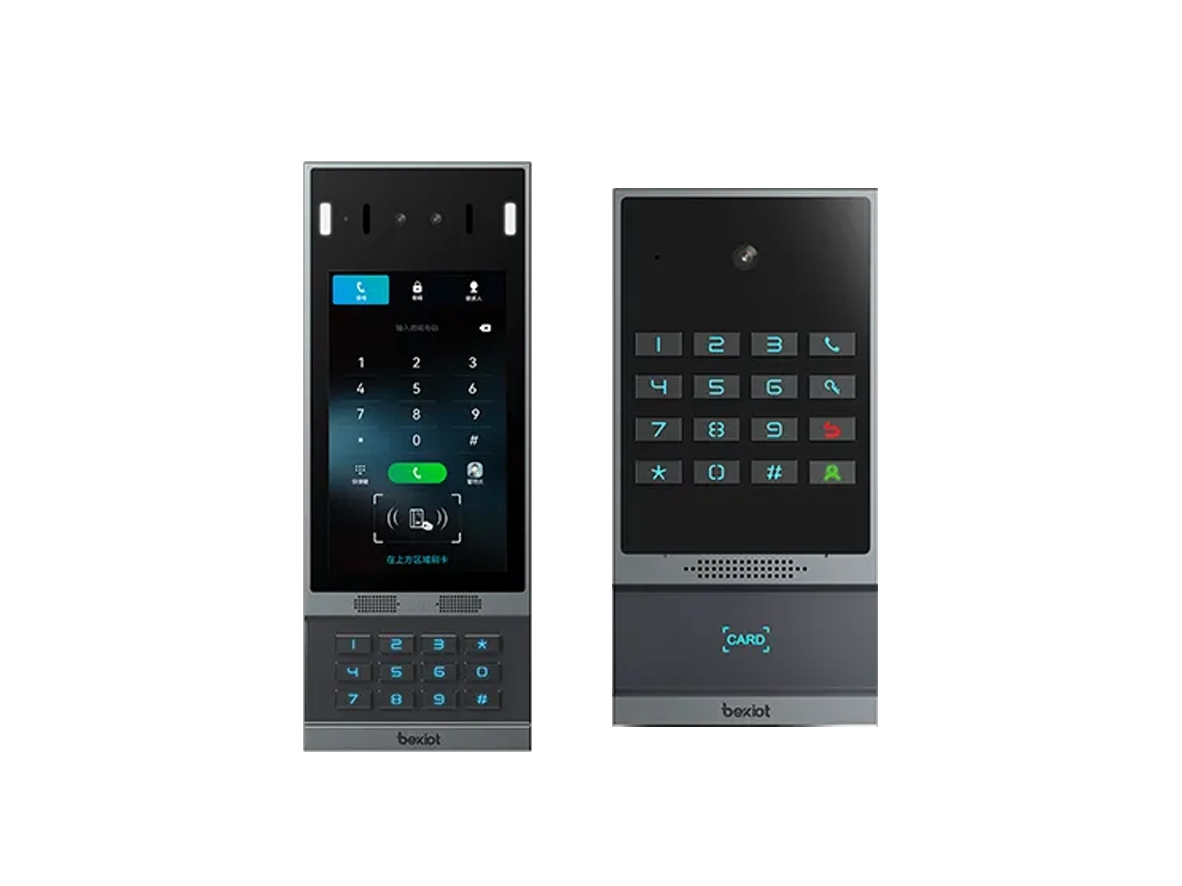
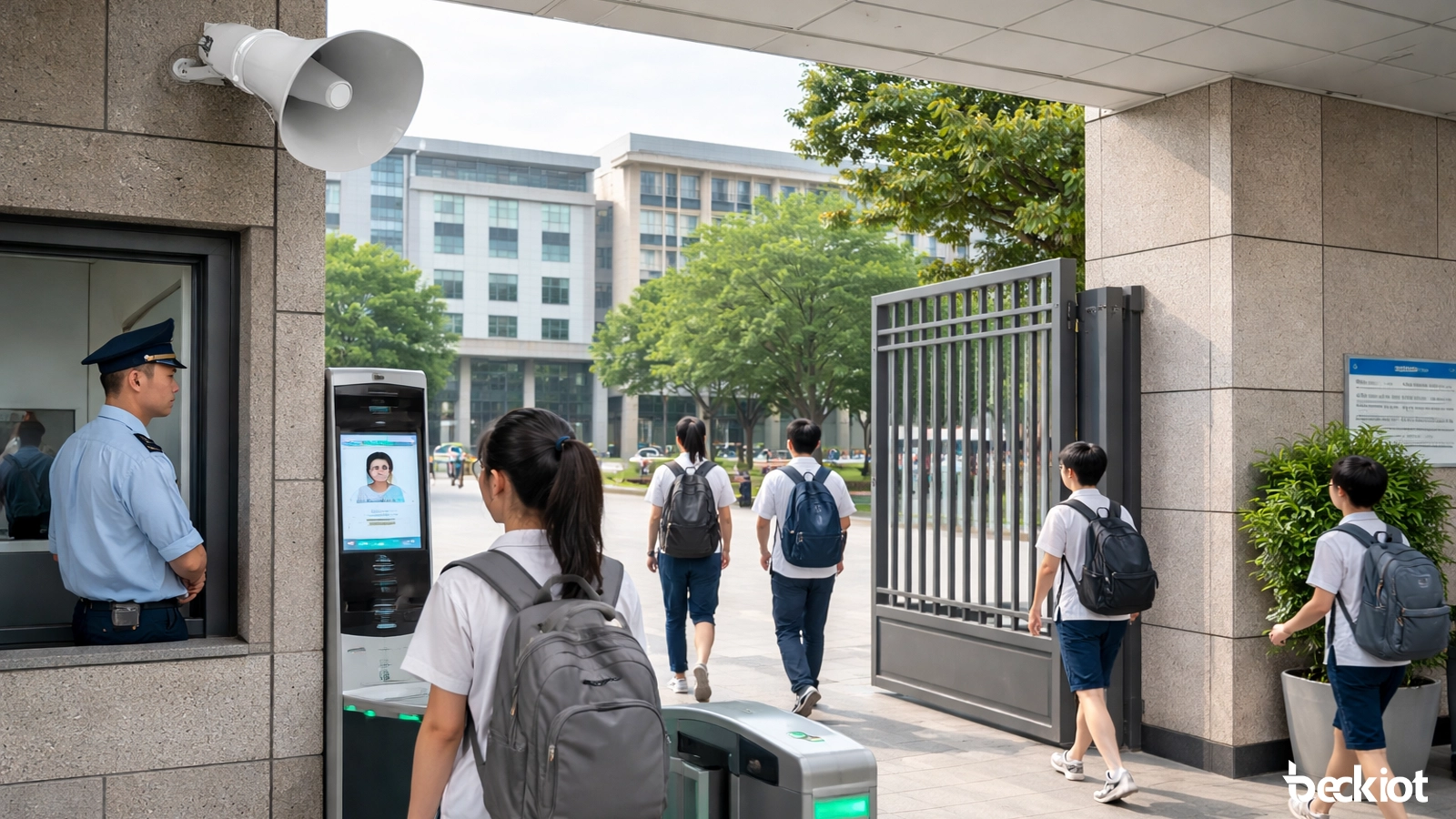
Designed mainly for school gates, key building entrances, and functional area access points, it supports face recognition, card access, video intercom, tamper detection, and barrier gate control. In the PAGA solution, it serves not only as an access control device but also as an emergency linkage entry point, working together with the broadcasting system and management center during security incidents.
View More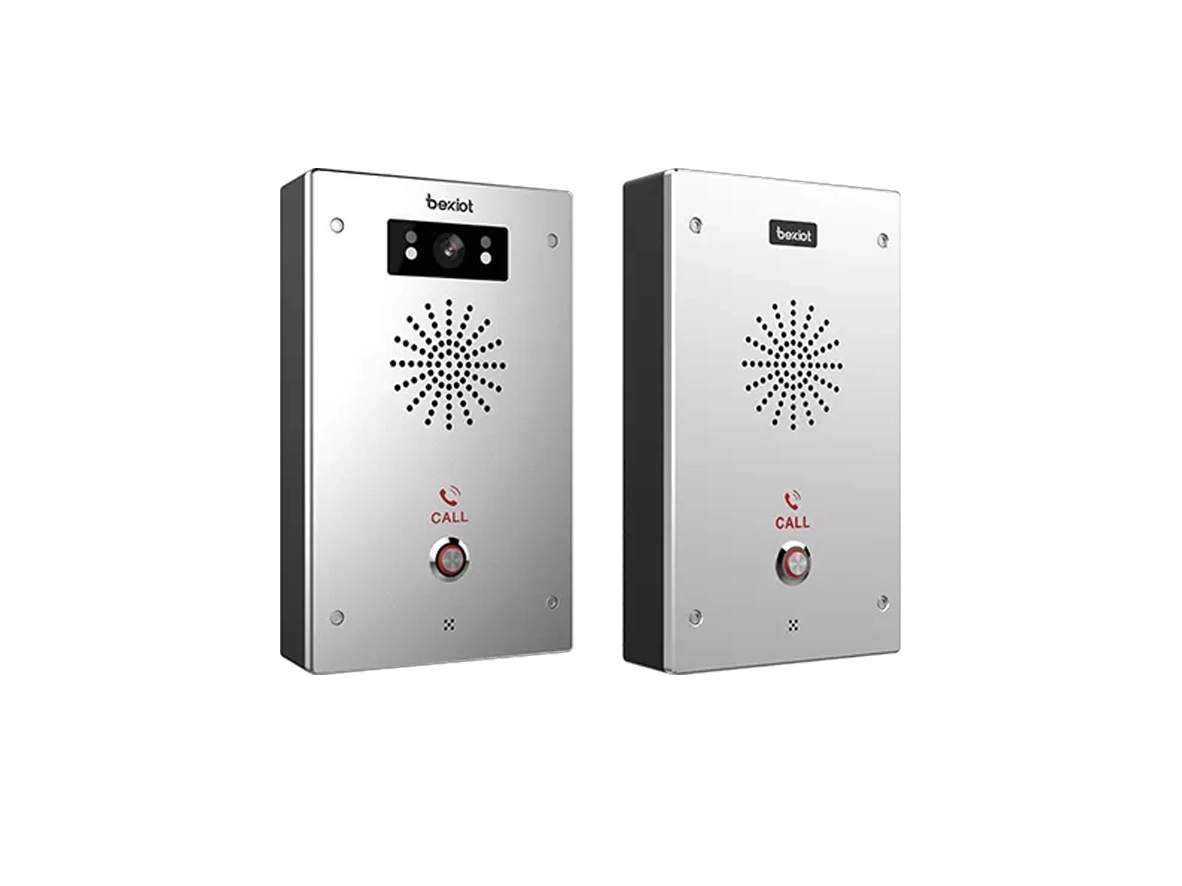
Suitable for deployment at classroom entrances, public areas, help points, and key passageways, the terminal supports video intercom, two-way calling, broadcast reception, and event linkage. In school PAGA applications, it serves both routine service communication and emergency assistance, making it an important front-end interaction terminal on campus.
View More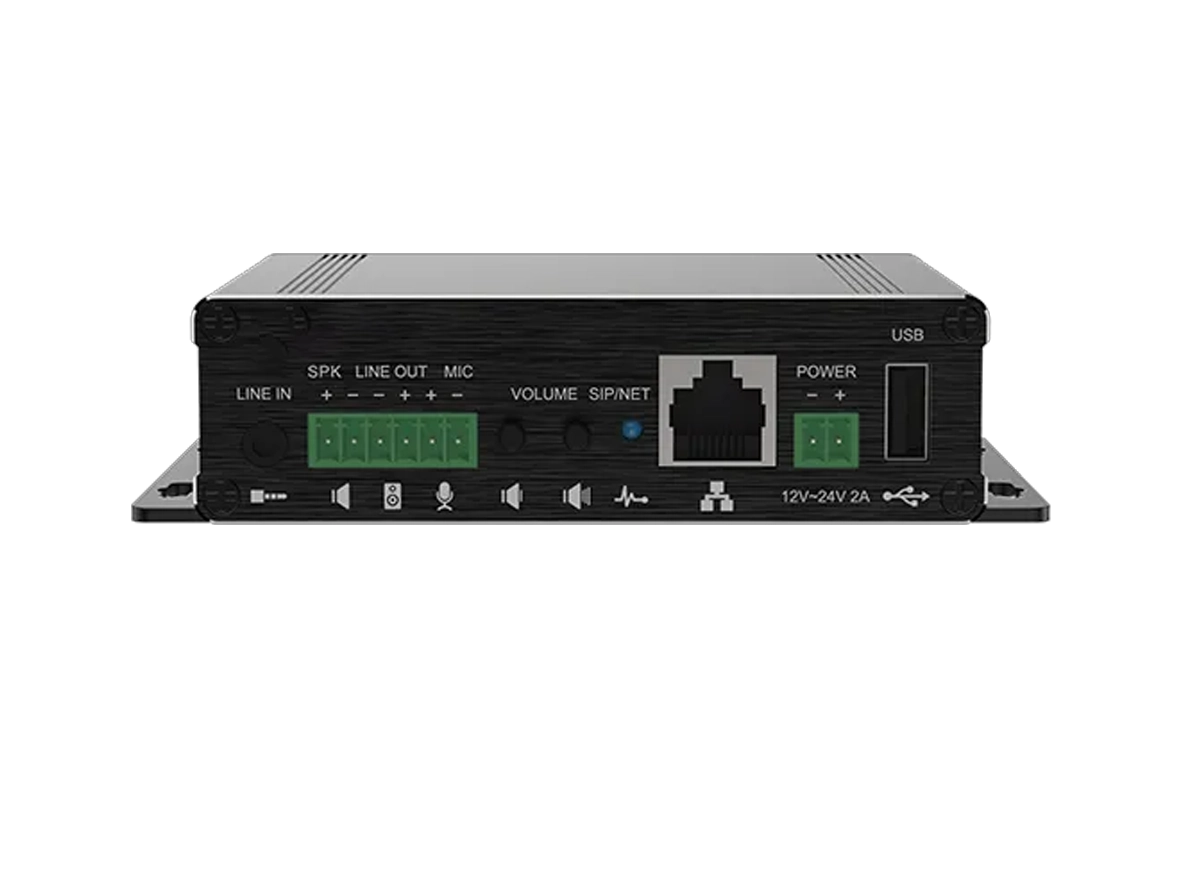
The PA3 is a key broadcasting device in the school PAGA system. It supports live paging, alarm linkage, video linkage, and multi-zone broadcast output. It is suitable for connecting speakers or broadcast terminals in classrooms, corridors, playgrounds, and cafeterias into a unified network broadcast system, making it an important node for building campus public address and general alarm capabilities.
View More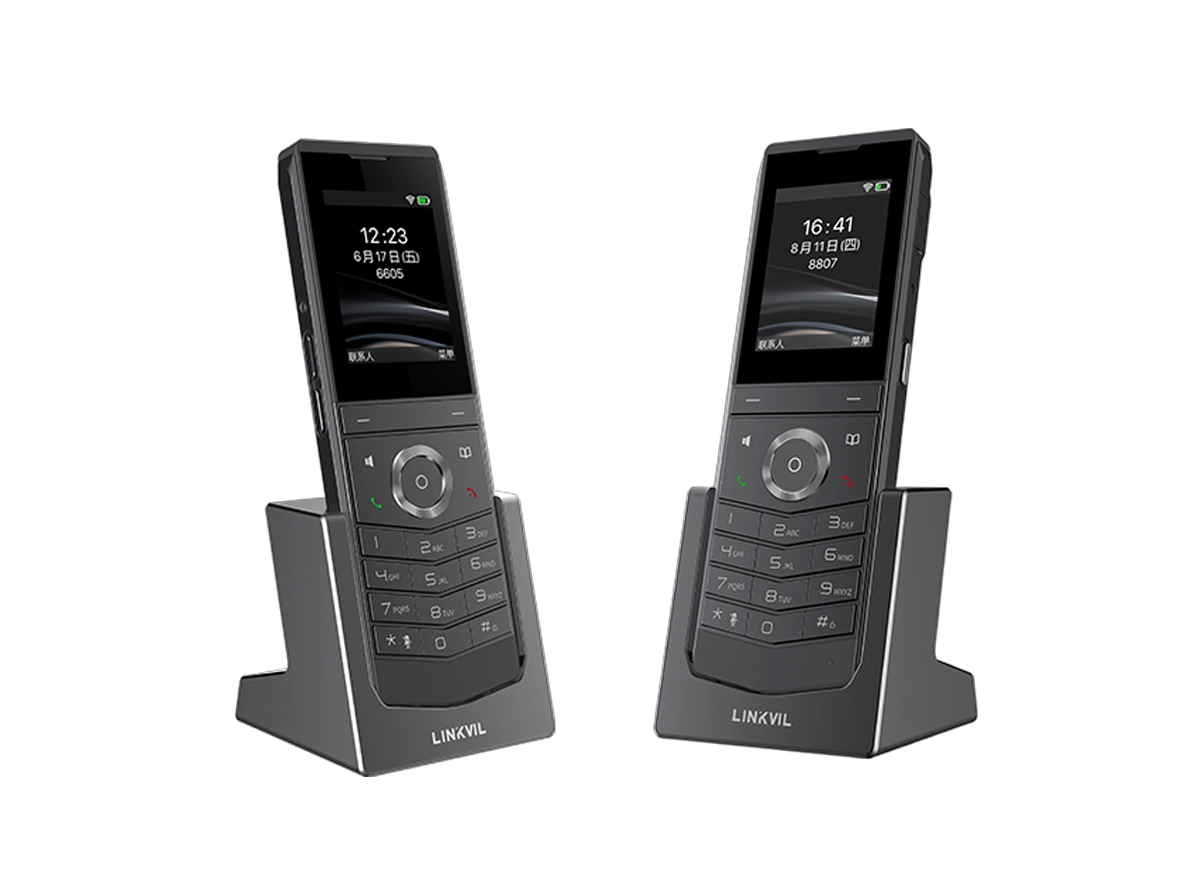
The W611W is suitable for mobile use by teachers, security staff, and duty personnel. It supports Wi-Fi roaming, PTT calling, HD voice, and multi-party voice conferencing. In school PAGA scenarios, it enables mobile call answering, broadcast reception, and area-based coordination, helping staff remain continuously connected while patrolling, on duty, or handling incidents.
View More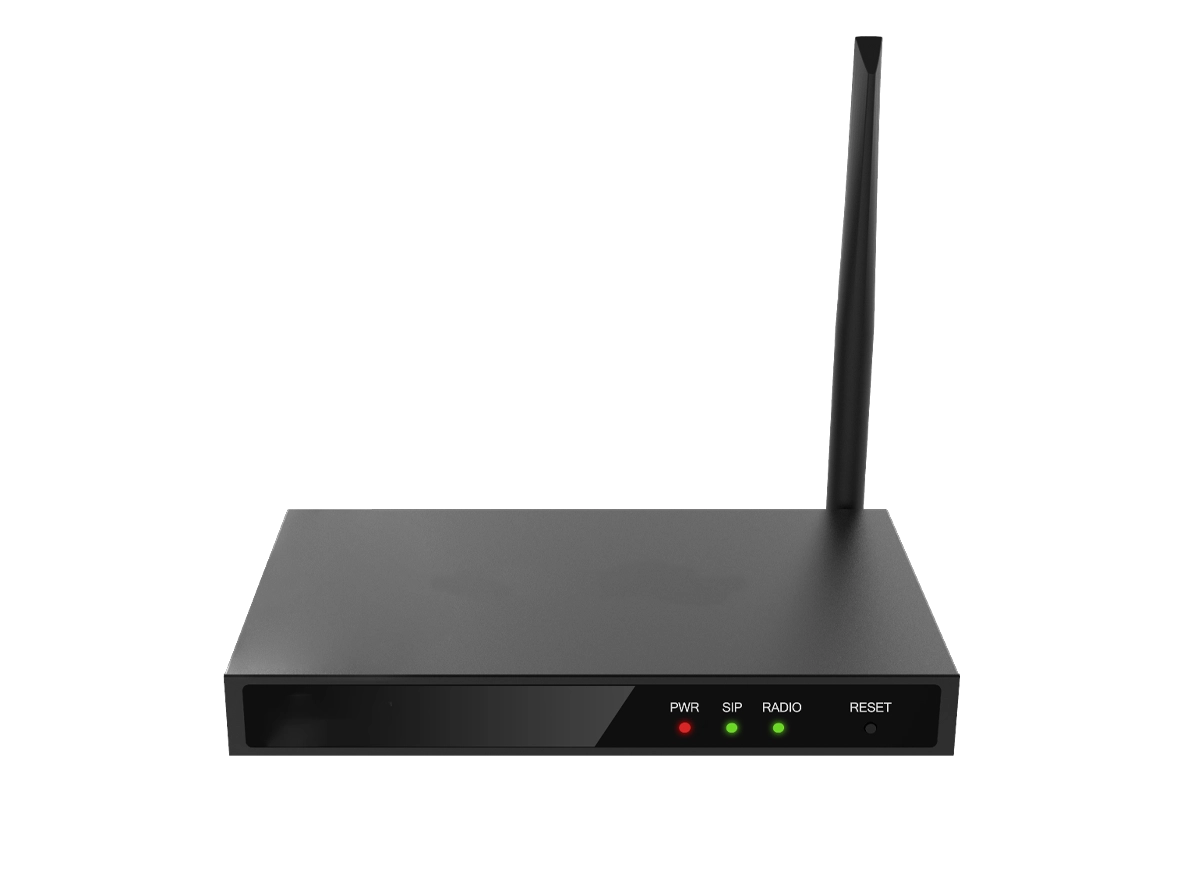
The RoIP intercom gateway connects the school management platform with analog and digital two-way radio systems, enabling mobile staff such as guards, security personnel, cleaners, and maintenance teams to communicate in coordination with the management center and broadcasting system. Through this gateway, the school can integrate fixed public address infrastructure with mobile radio communications, improving coordination and organizational efficiency during emergency response.
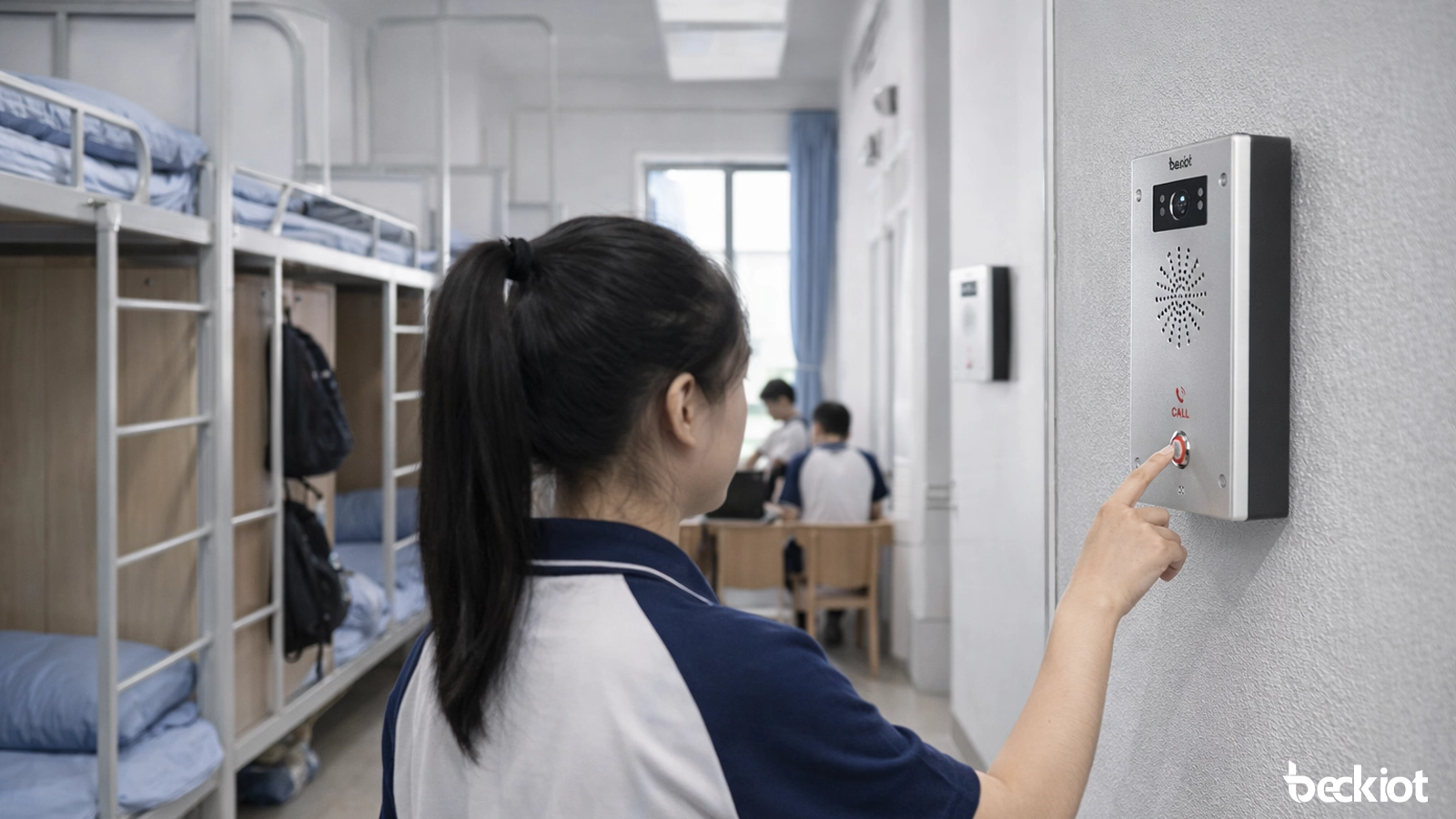
In dormitory areas and faculty office zones, the system can be used for broadcast notifications, mobile answering, emergency assistance response, and incident coordination. Teachers or administrators can receive notices and join multi-party communication through video phones, wireless handheld terminals, and similar devices. In dormitory areas, the system can also work with access control and broadcasting for visitor management, building-wide announcements, and nighttime emergency alerts. This deployment model extends the school PAGA system beyond teaching areas into residential and administrative zones, creating complete campus-wide coverage.
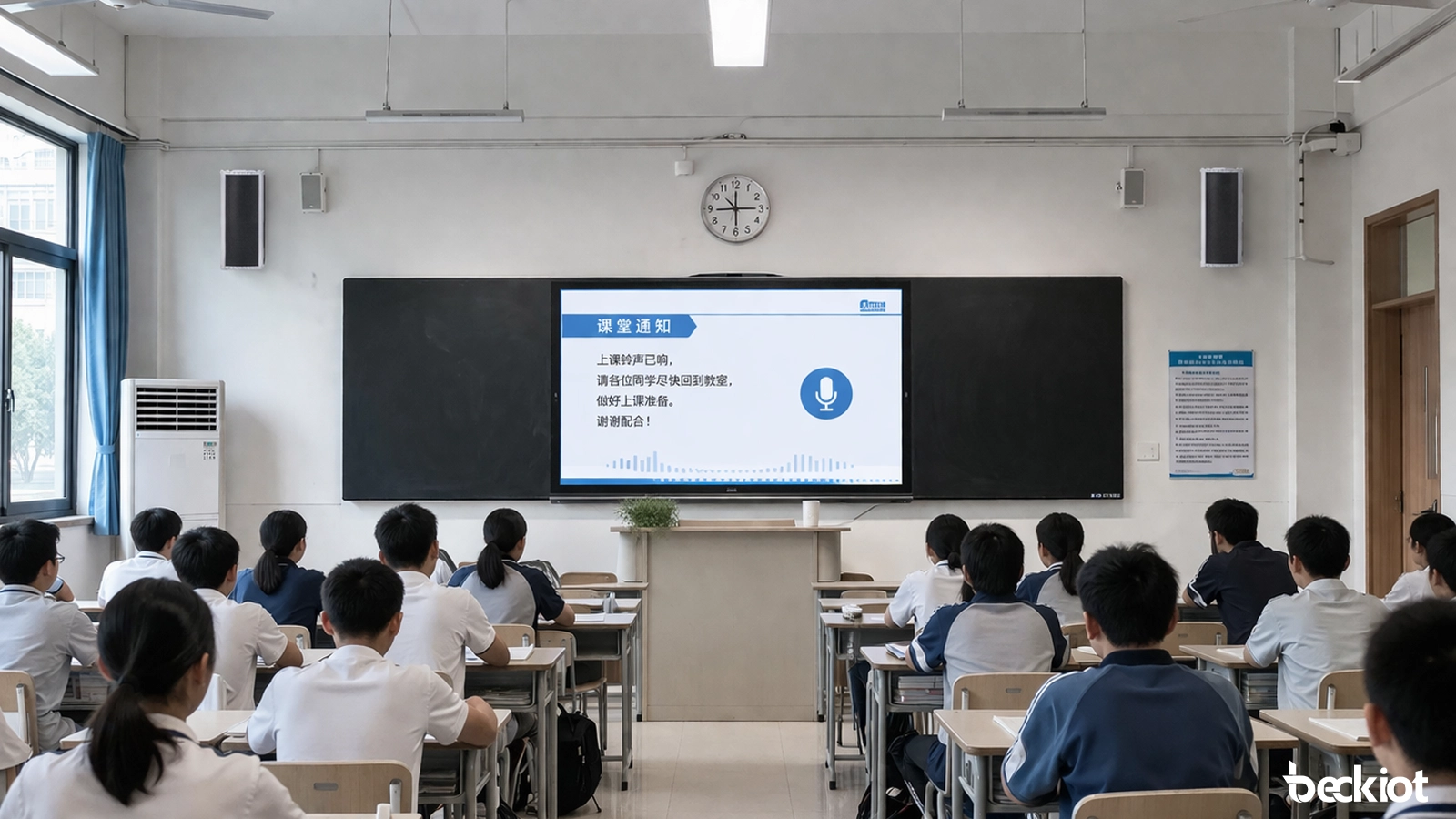
In multimedia classrooms, the PAGA system can support teaching broadcasts, classroom announcements, listening test audio distribution, emergency assistance, emergency intercom, and alarm linkage. During normal operations, it can be used for teaching support and unified announcements. In abnormal situations, classroom terminals can quickly call the management center, allowing immediate switching between broadcasting and intercom. This approach supports both teaching needs and campus safety management.
Deployed in corridors and public areas, the system enables zoned paging, routine announcements, evacuation guidance, and emergency broadcasts. In incidents, the control center can target specific floors or zones, improving clarity and response efficiency while avoiding campus-wide disruption.
At campus gates and entrances, the solution can be integrated with facial recognition access control, video intercom, and public address systems. The guard room or management center can remotely verify visitors, conduct video calls, and unlock doors remotely. During peak periods or special situations, the system can also broadcast entry guidance, safety reminders, and emergency notices. For campus security, this area functions both as a frontline control point and as an important node for emergency communication.
Playgrounds, cafeterias, libraries, and campus squares are high-density areas where public announcements and emergency broadcasts are frequently needed. The system can provide background music, event notifications, scheduled broadcasts, and emergency evacuation alerts in these spaces. When a help request or unexpected incident occurs, broadcasting and intercom functions can be activated at the same time, helping staff deliver live instructions and maintain order more effectively.
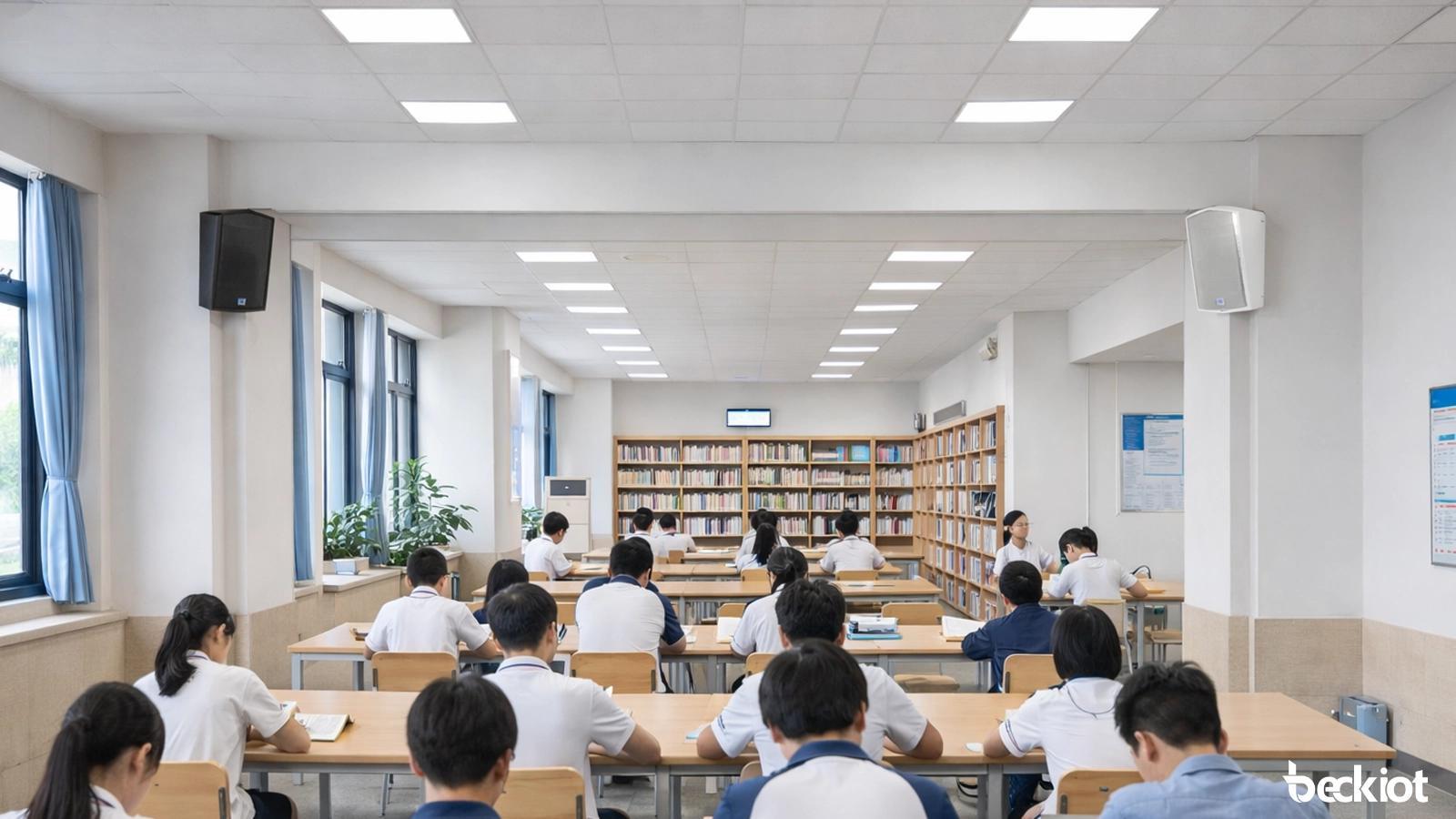
Playgrounds, cafeterias, libraries, and campus squares are high-density areas where public announcements and emergency broadcasts are frequently needed. The system can provide background music, event notifications, scheduled broadcasts, and emergency evacuation alerts in these spaces. When a help request or unexpected incident occurs, broadcasting and intercom functions can be activated at the same time, helping staff deliver live instructions and maintain order more effectively.