SIP Server for IP Telephony & Multi-Site Voice Networks
Centralize SIP registration, call routing, trunks and multi-site voice services for phones, gateways, intercoms and remote users.
Consult immediatelyCentralize SIP registration, call routing, trunks and multi-site voice services for phones, gateways, intercoms and remote users.
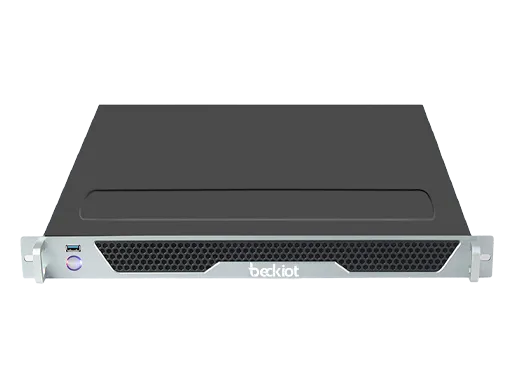
Consult immediatelyBecke Telcom SIP Server provides the call-control layer for SIP-based voice networks. Registered phones, intercom terminals, gateways and other supported endpoints operate under the same extension, routing and service structure, giving administrators one point for managing core voice functions.
The server can be deployed for a single site or used across headquarters, branch offices and remote locations connected by an IP network. Existing analog telephones or legacy lines do not necessarily need to be replaced at the same time; suitable voice gateways can bridge them into the SIP environment during a phased migration.
The product focuses on SIP registration, routing, trunks and telephony services. Broader business-phone workflows, including AI-assisted voice functions, are covered by the Becke Telcom IP PBX System.
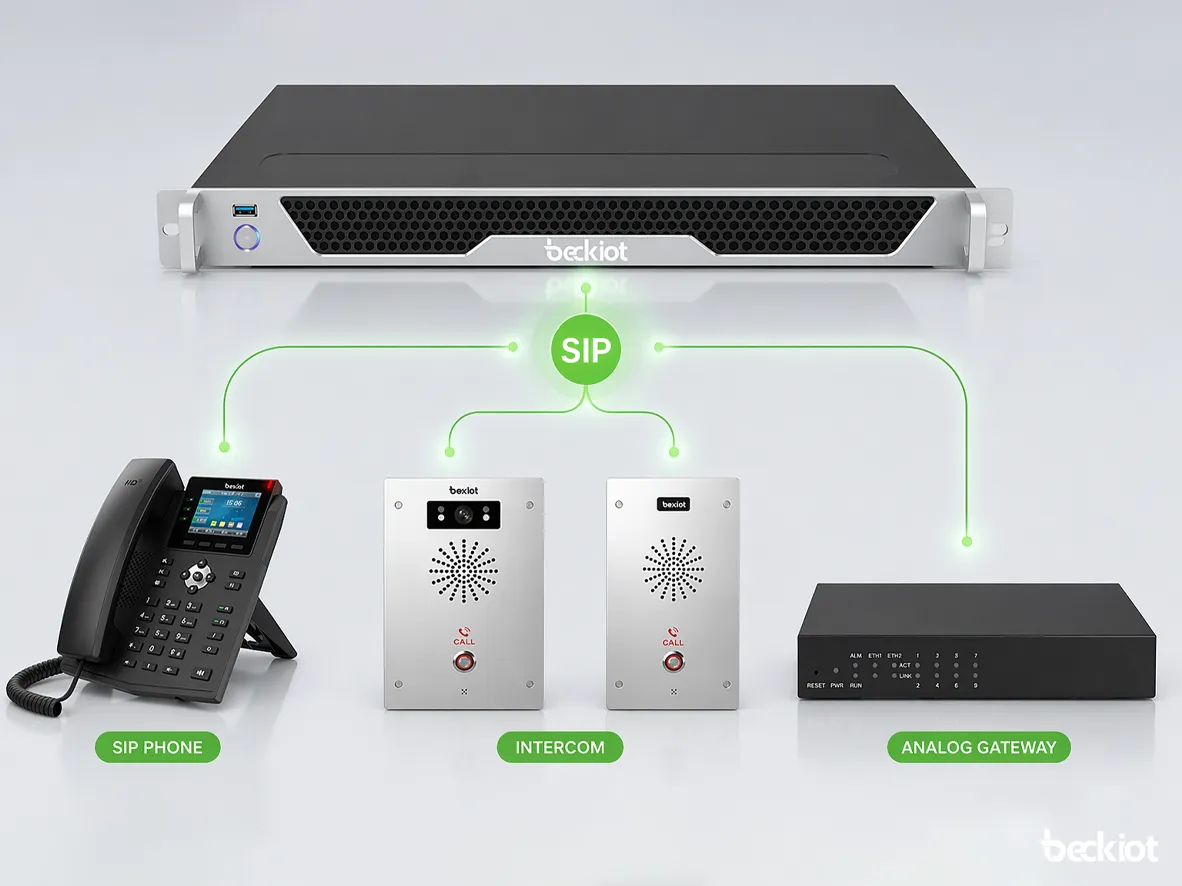
SIP phones, intercom terminals, gateways and other supported devices register to the server under centrally defined extension and routing rules. The server handles the signaling required to establish, modify and terminate calls while keeping endpoint identities and voice services under one administration structure.
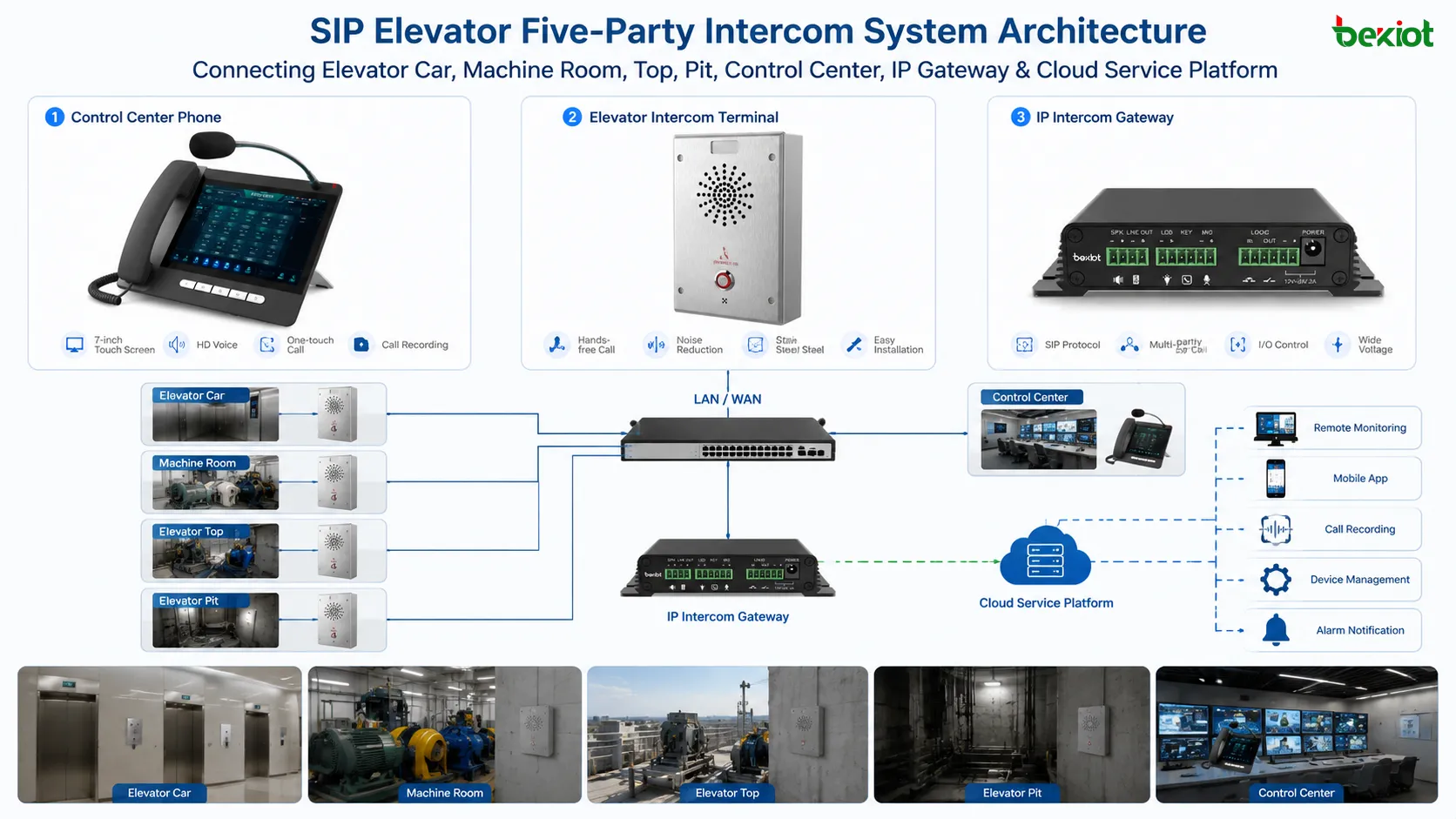
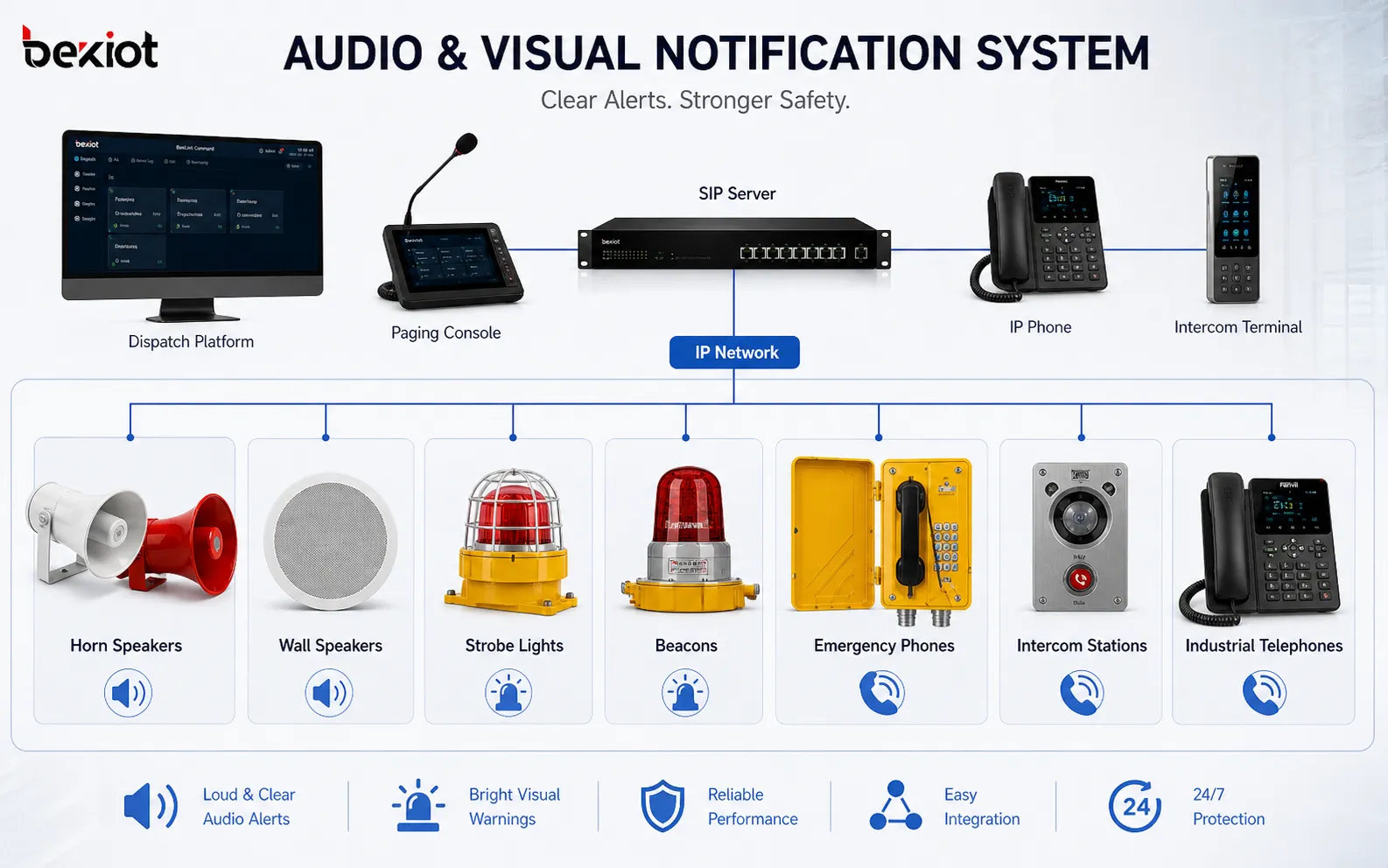
Standard SIP connectivity allows desk phones, industrial telephones, intercom terminals and other SIP devices to share the same voice network. Analog telephones or legacy telephone interfaces can be connected through suitable gateways where direct SIP registration is not available.
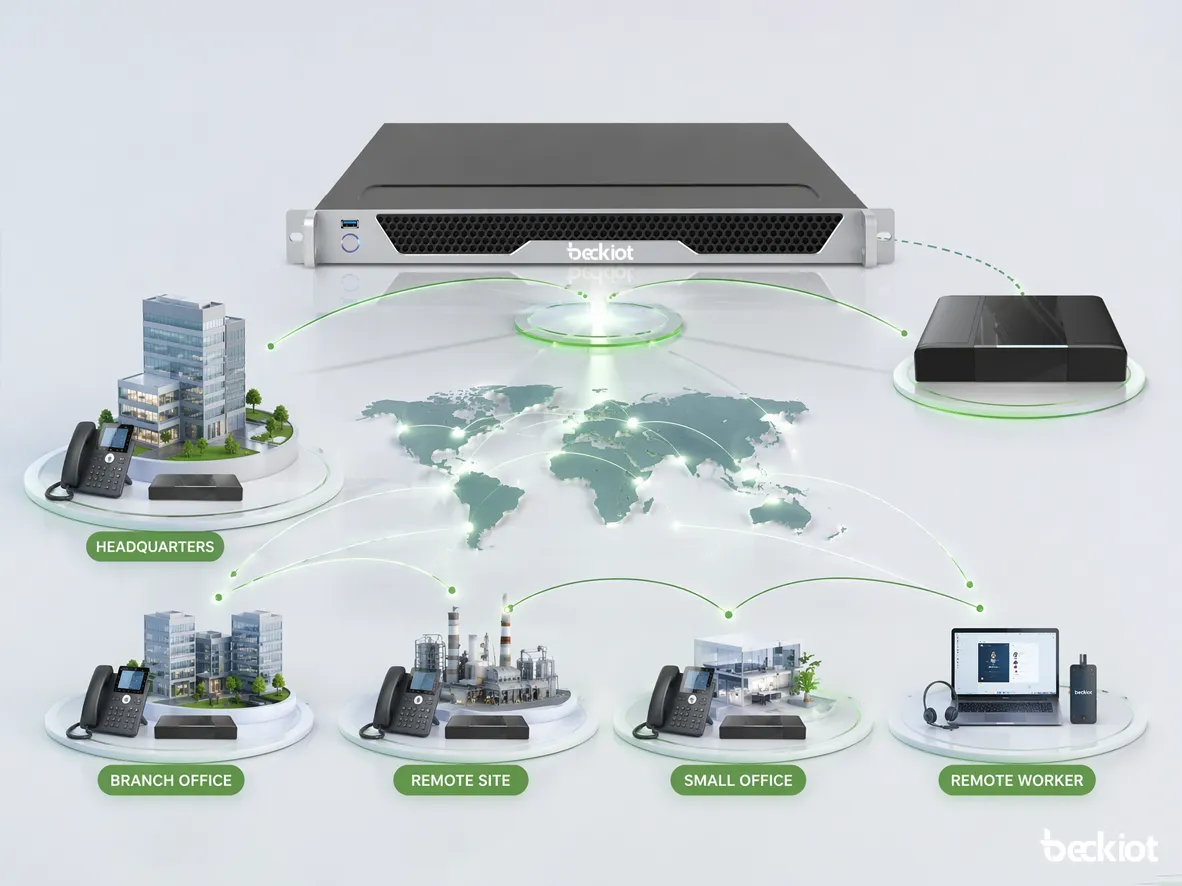
Headquarters, branches, remote sites and remote users can operate within the same SIP environment when network connectivity between locations is correctly designed. Extensions remain centrally organized while routing and endpoint groups can reflect the requirements of individual sites.
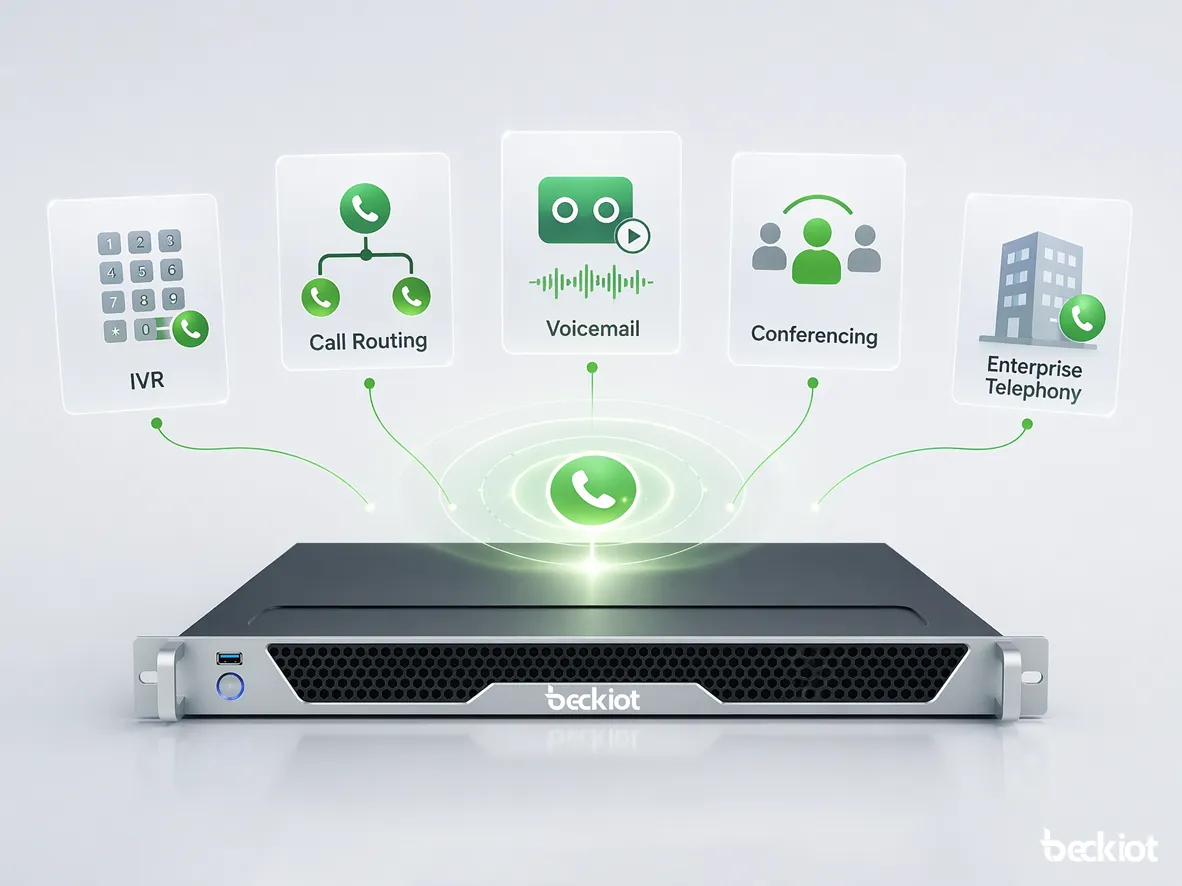
The server supports practical voice services including extension registration, call routing, ring groups, hunt groups, IVR, voicemail, transfer, forwarding and conferencing. Routing rules determine how calls move between users, departments, trunks and other configured destinations.
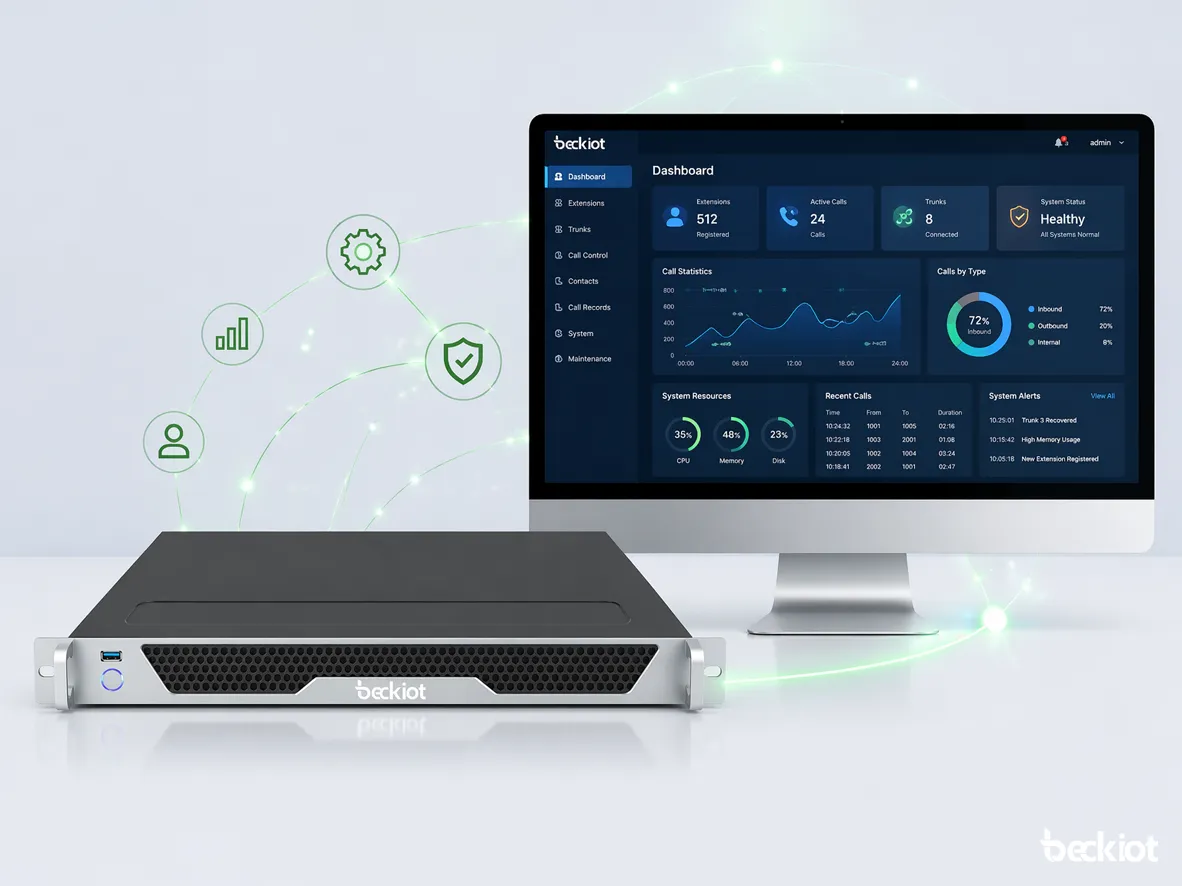
Users, extensions, trunks, routing rules and service settings are maintained through a web-based management interface. Administrators can work from the same interface when adding endpoints, changing call policies or checking supported system information instead of configuring each device as an isolated voice system.
SIP trunks, extension ranges and routing rules can be organized around departments, locations and external telephone connections. Keeping these settings at the server level makes it easier to maintain a consistent dialing structure when users, sites or external voice routes change.
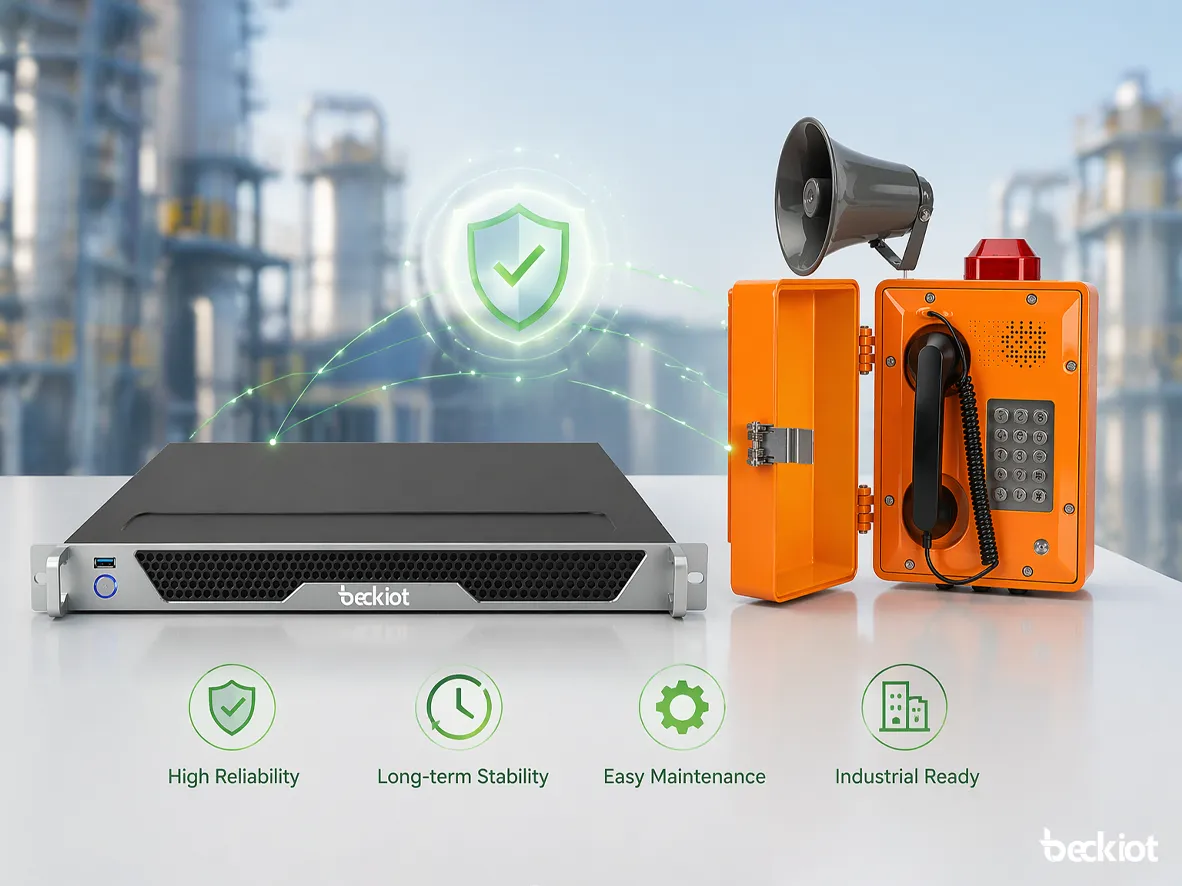
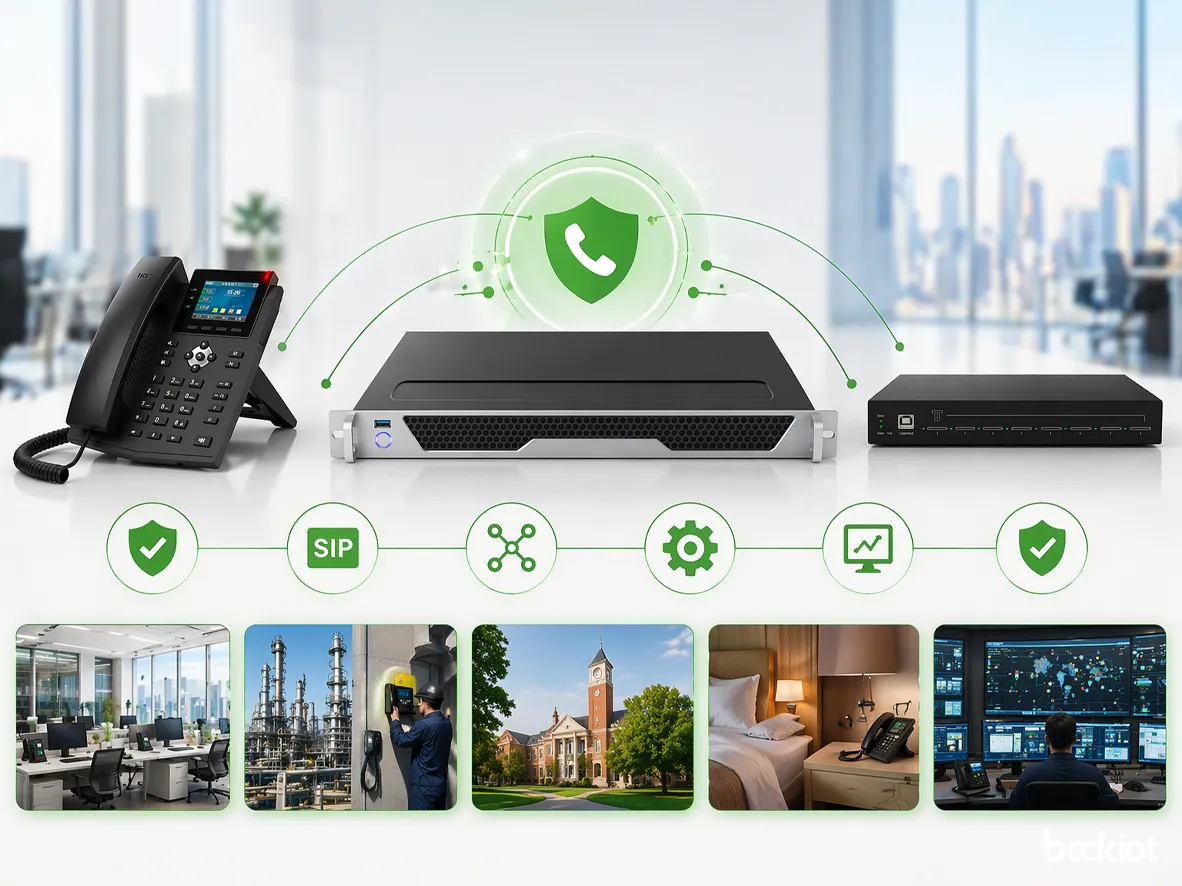
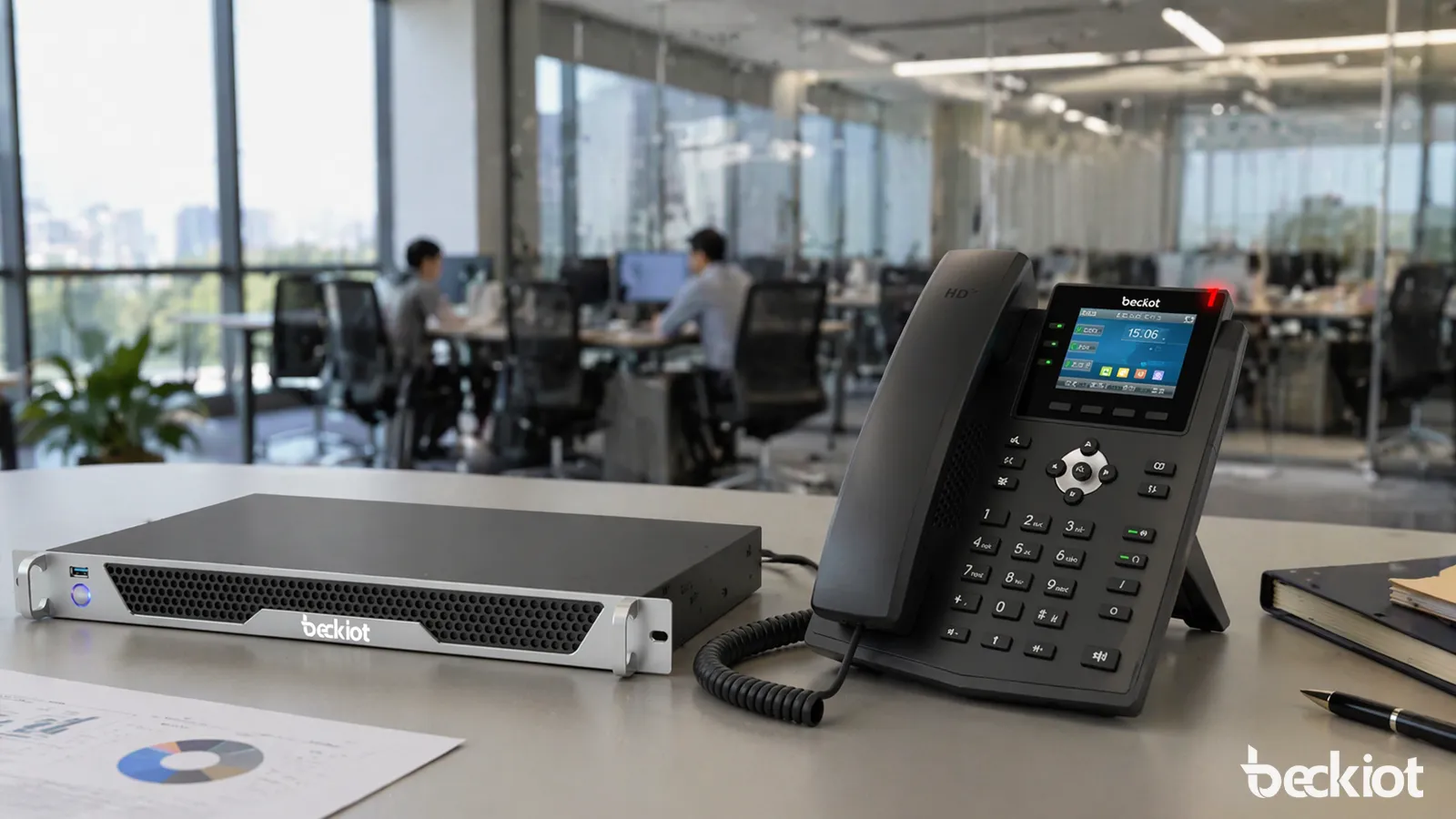
In an enterprise network, the SIP Server can register reception phones, employee extensions, meeting-room devices and remote users under one voice platform. Branch offices can connect over the IP network while extension and routing settings remain centrally maintained.
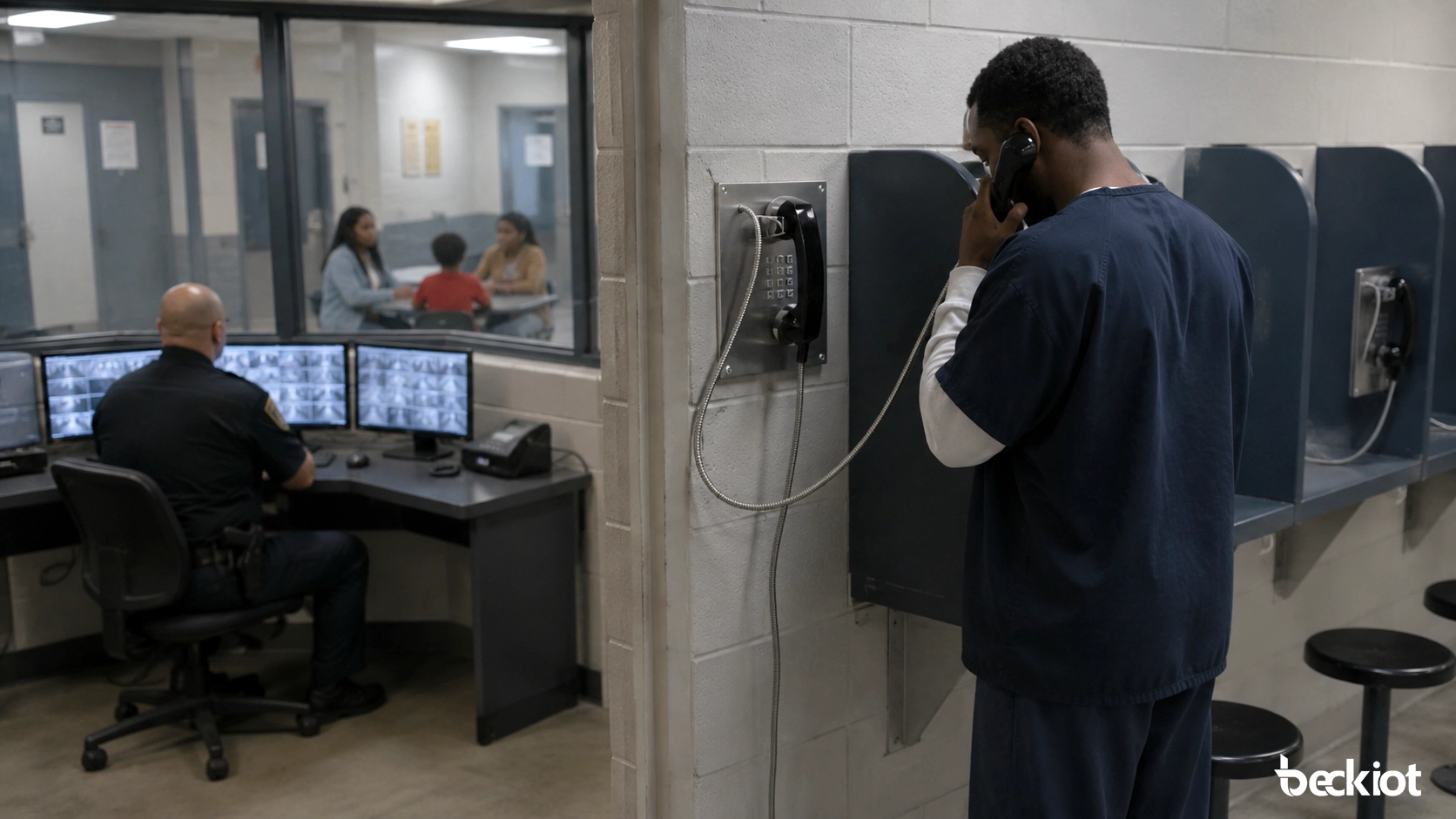
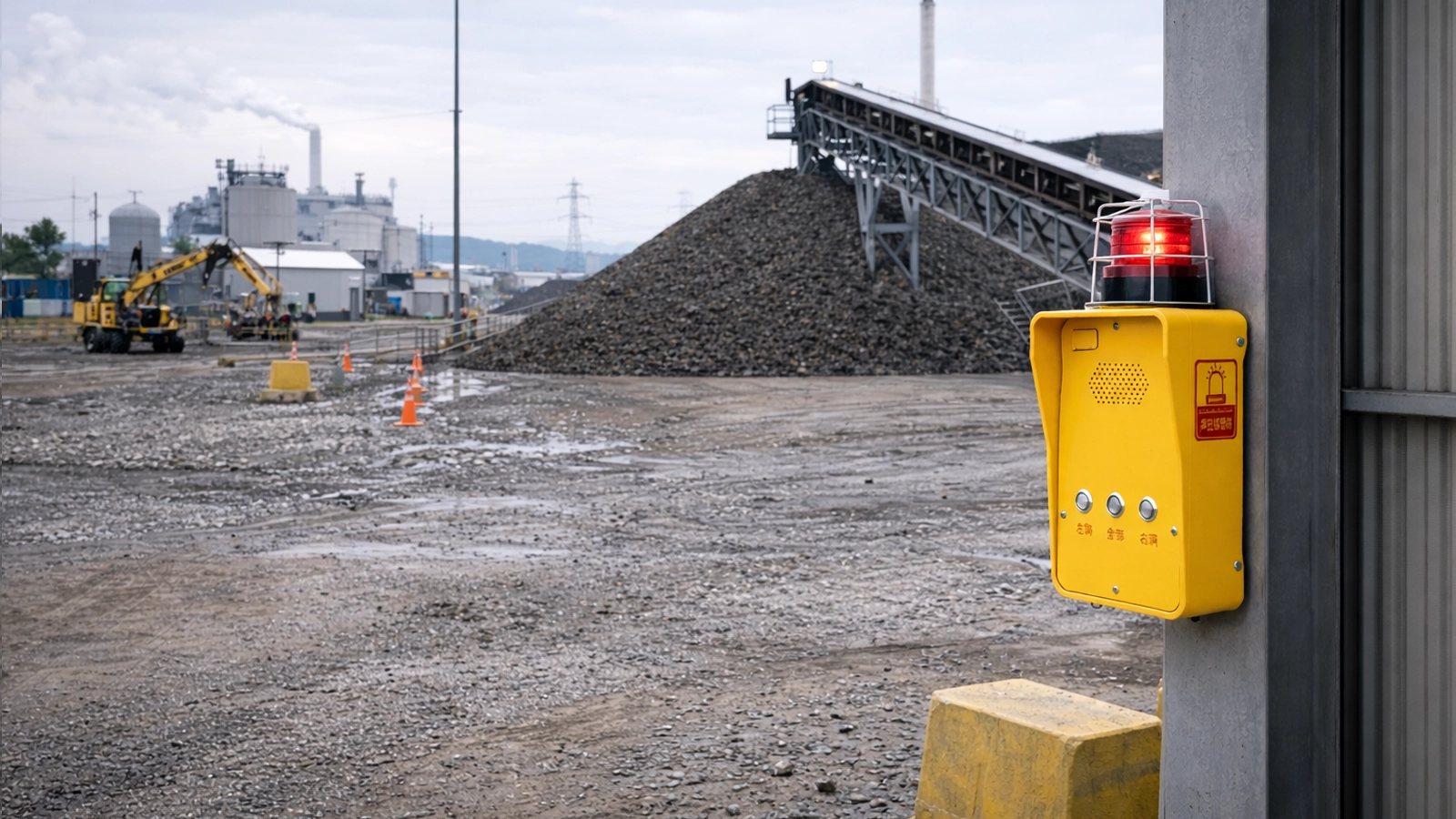
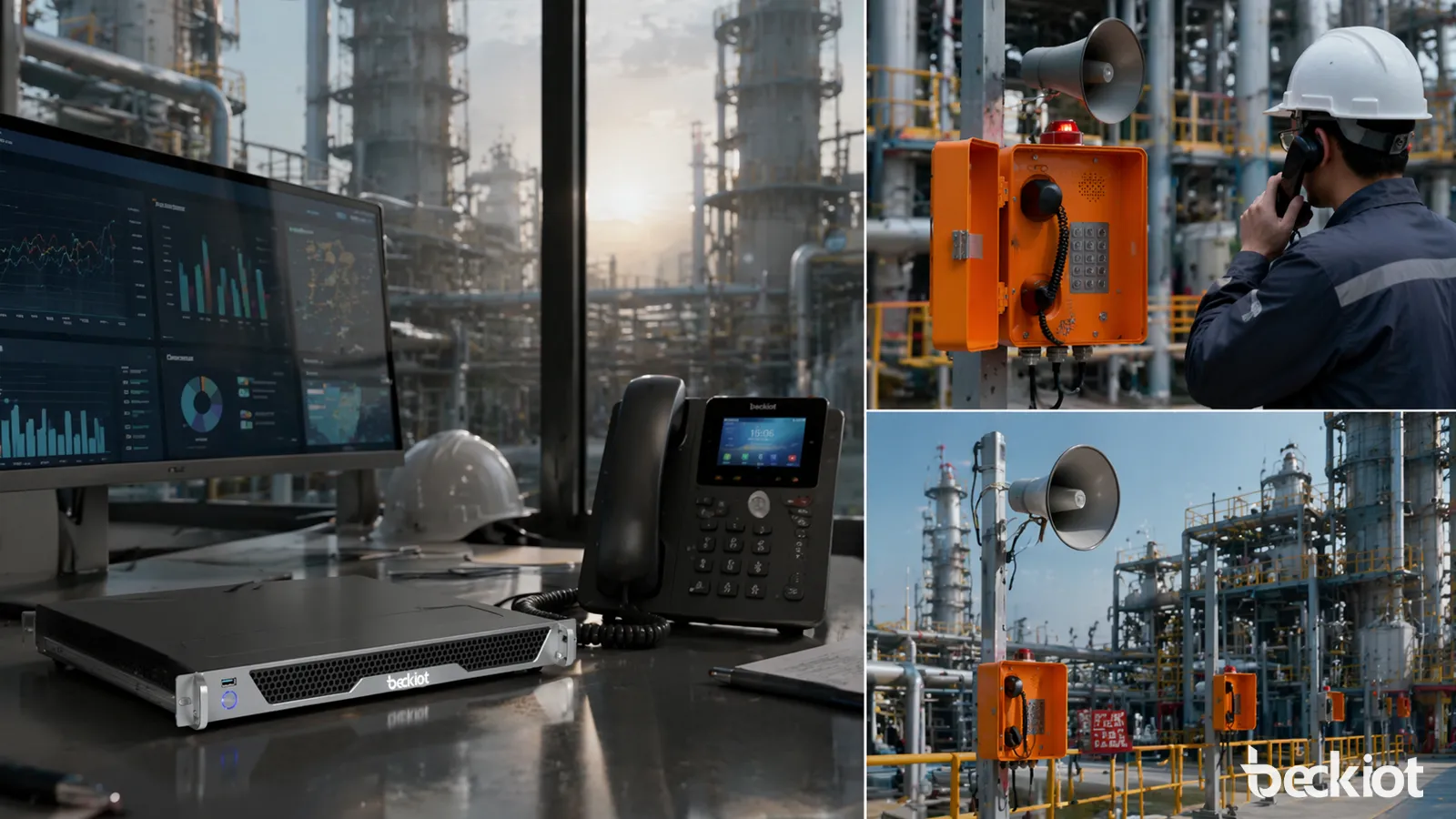
Factories and industrial sites often combine office phones with field communication devices. Standard SIP phones may serve administrative areas while industrial telephones, intercoms or gateways extend voice access into workshops, process areas and control rooms without requiring a separate SIP core for each area.
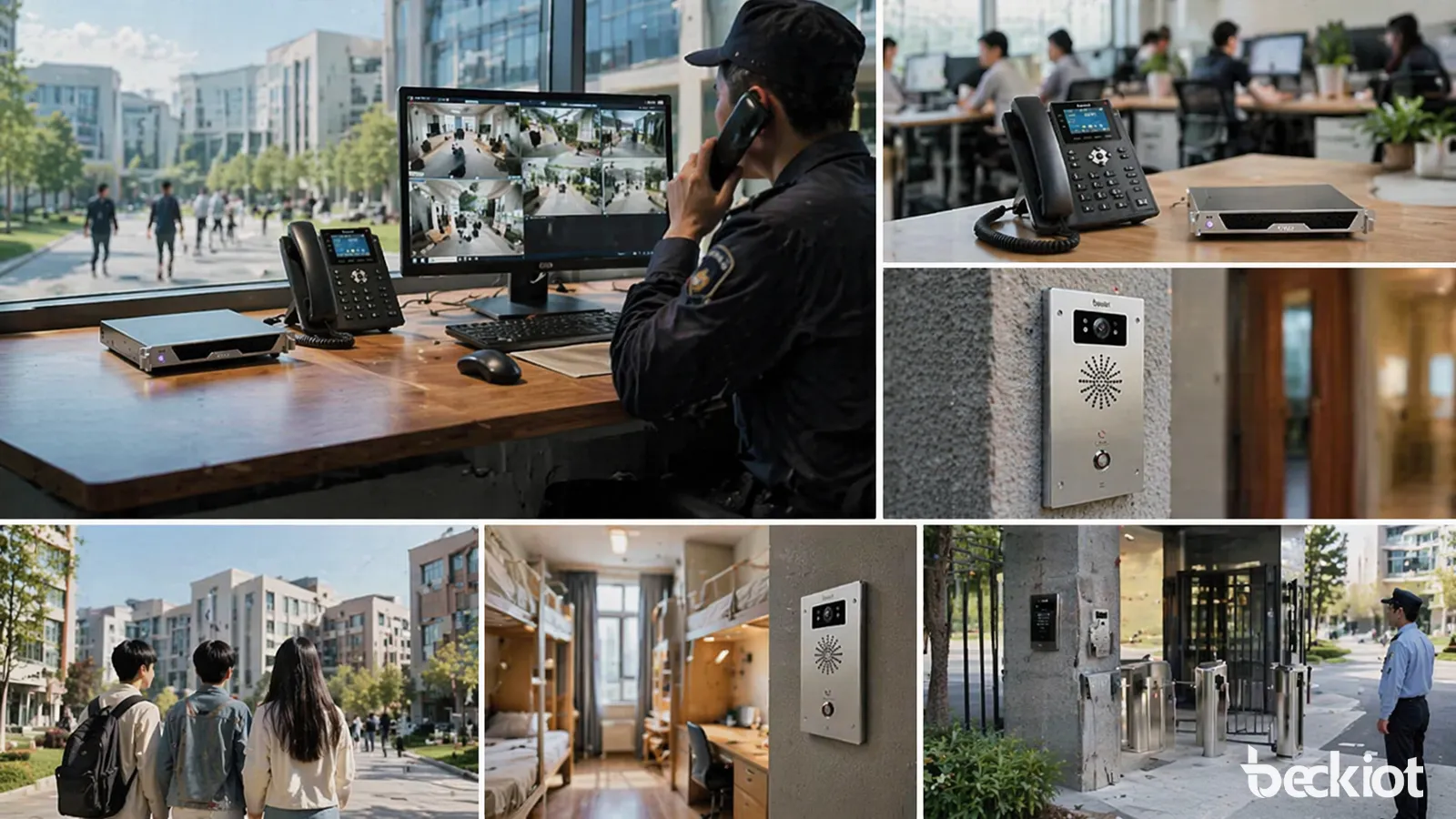
Campuses and multi-building properties can place office phones, security terminals, entrance intercoms and service extensions on the same SIP infrastructure. Devices may be grouped by building or function while registration and call handling remain on the central server.
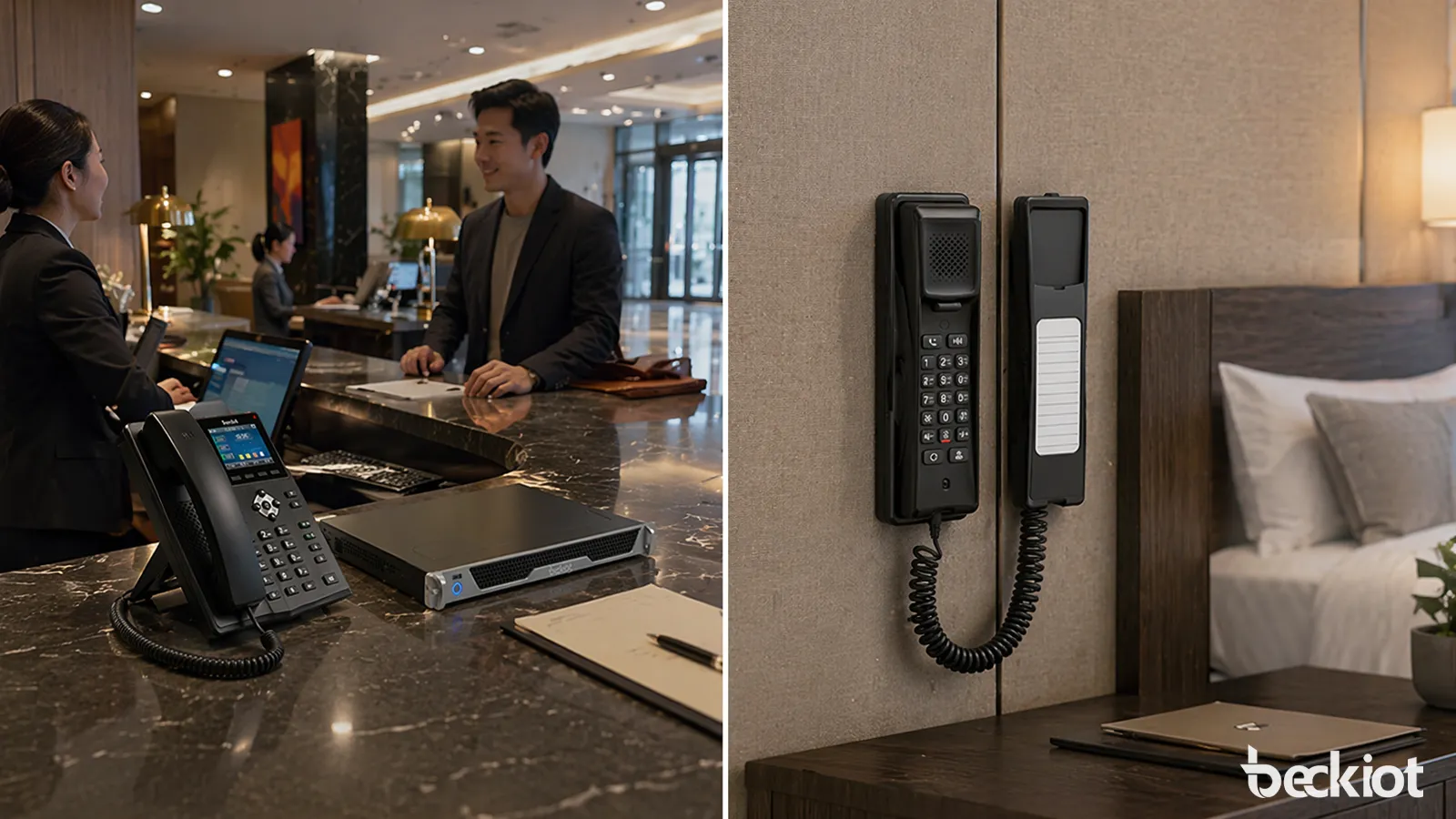
Hotels and other room-based facilities may connect front-desk phones, management extensions and guest-room telephones through the server. SIP room phones can register directly, while existing analog room telephones can remain in use through suitable gateways during migration.
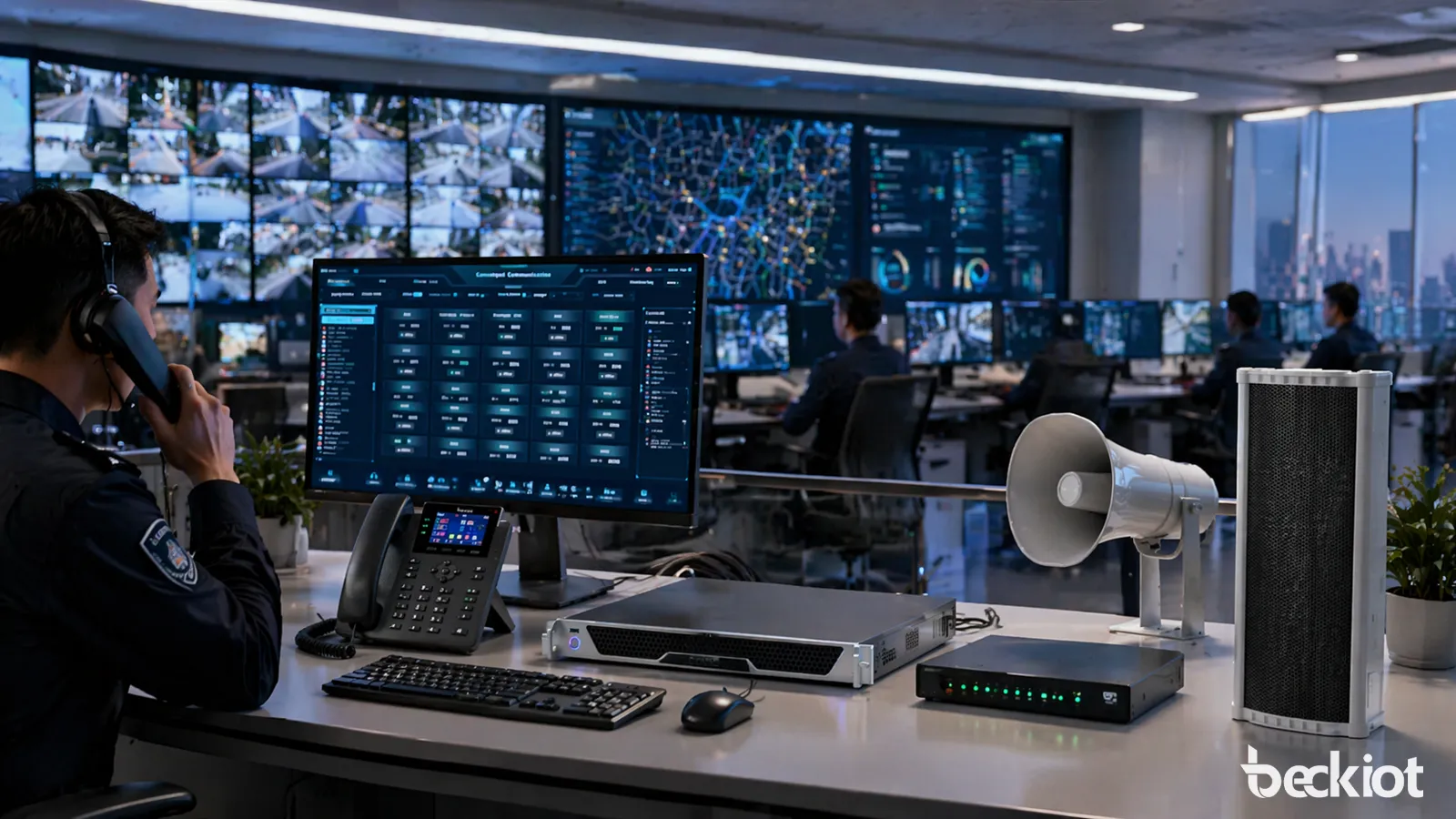
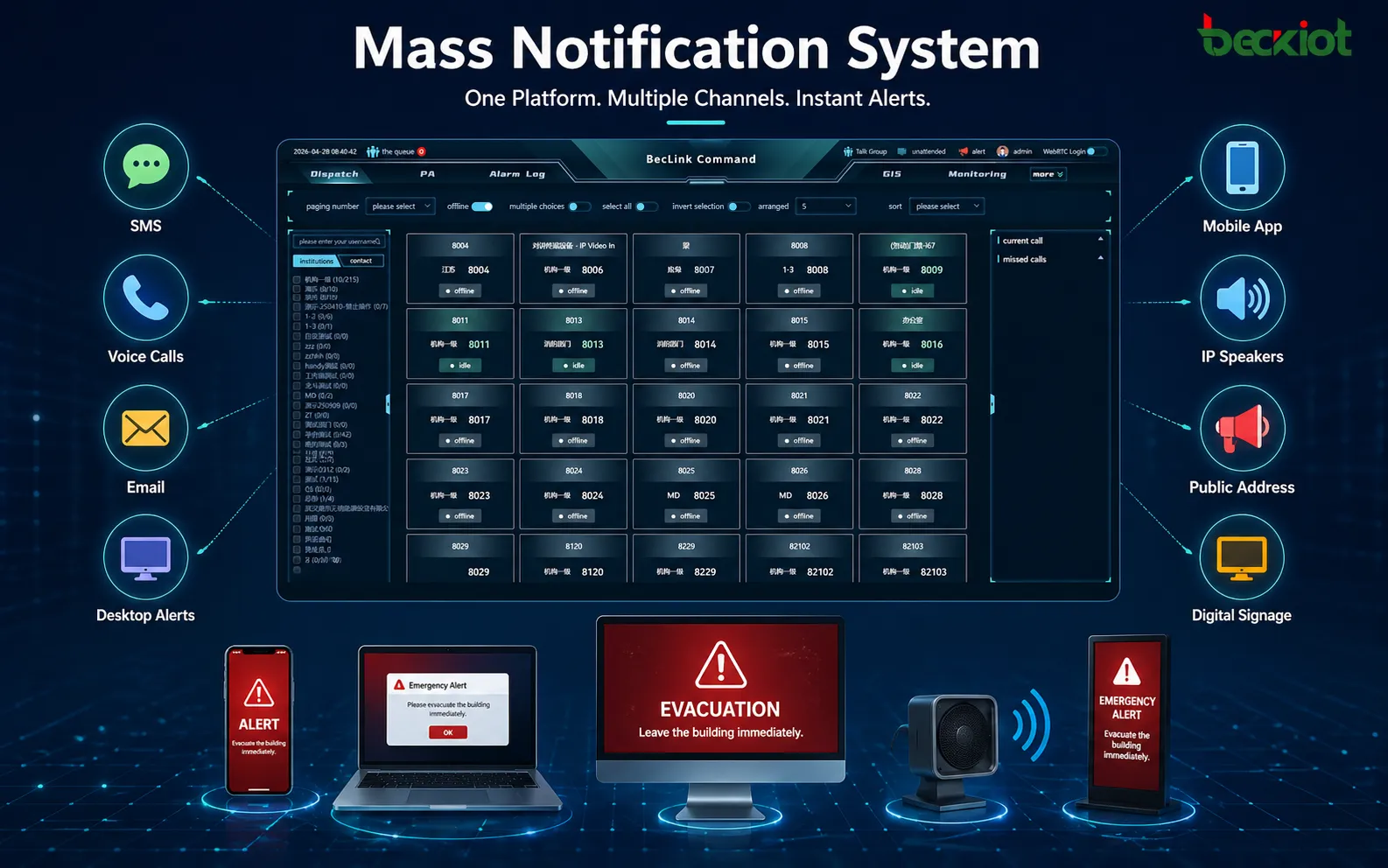
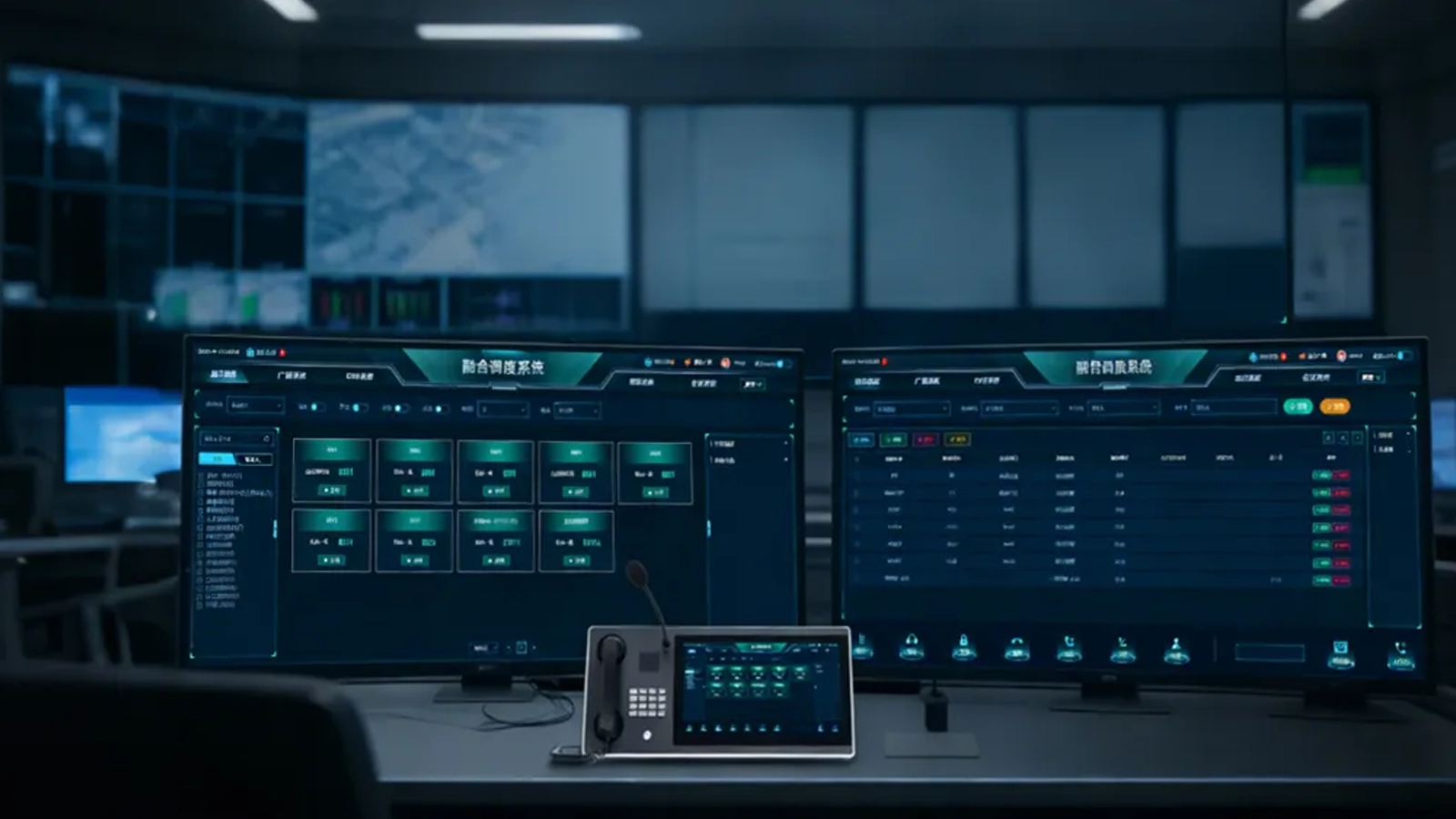
Control rooms may use the SIP Server as the voice layer for operator phones, dispatch consoles, intercom terminals and related SIP endpoints. Registration and call routing stay with the SIP core, while dispatch, paging or alarm workflows remain with the corresponding application platform where required.