MANET Radio Systems for Mobile Mesh Connectivity

Build self-forming broadband mesh networks with handheld, vehicle-mounted and airborne radios. Connect field teams, vehicles, UAVs and command centers for voice, live video, data and location sharing—supporting emergency response, remote operations and mobile command without relying on fixed network infrastructure.

Consult immediately

Reliable communication cannot always depend on cellular networks, fixed base stations or existing network infrastructure. In emergency response, mobile operations, remote areas and rapidly changing field environments, communication networks may need to be established wherever personnel, vehicles and unmanned systems are operating.

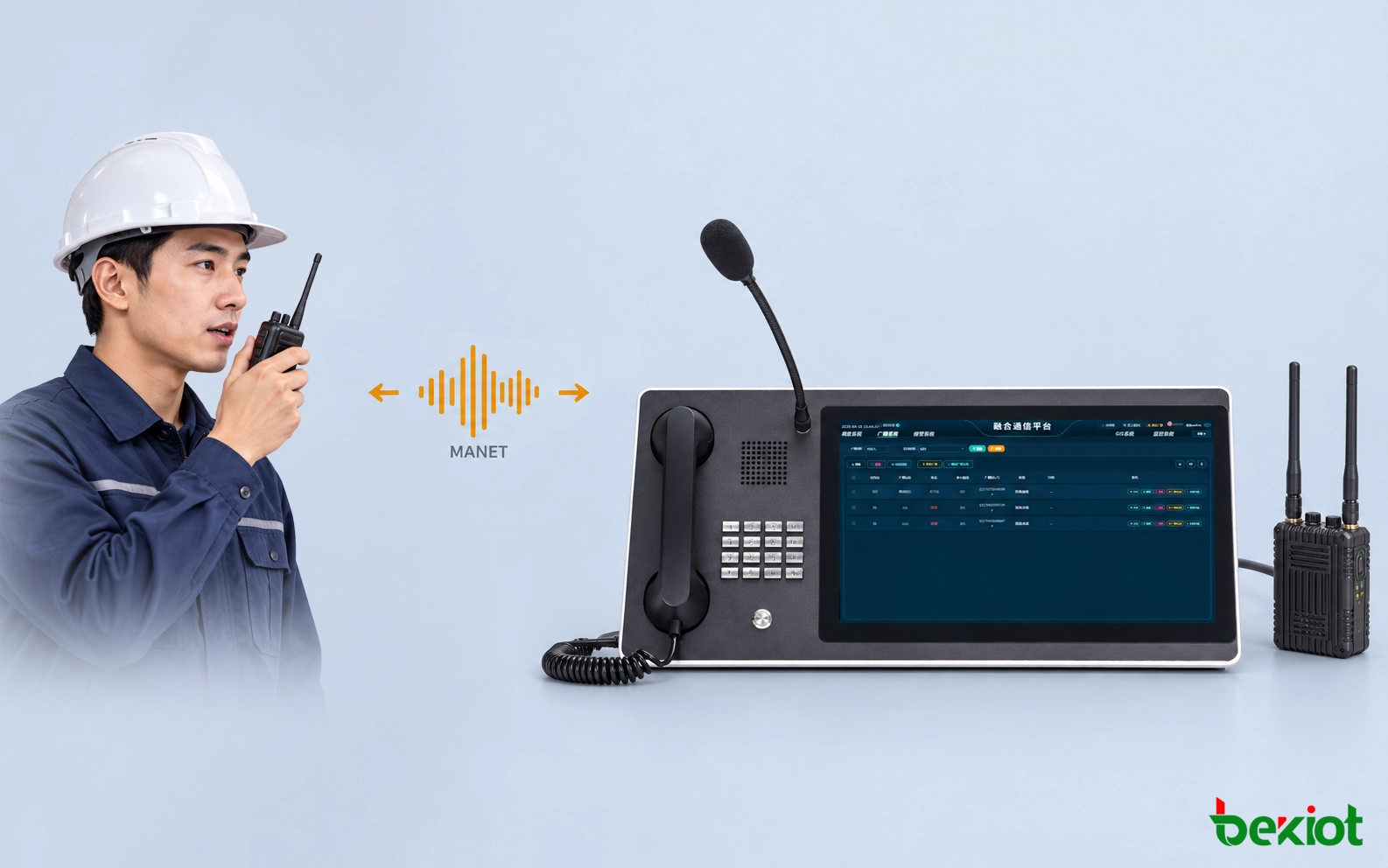
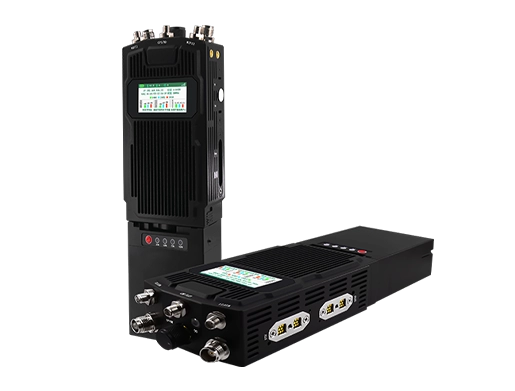
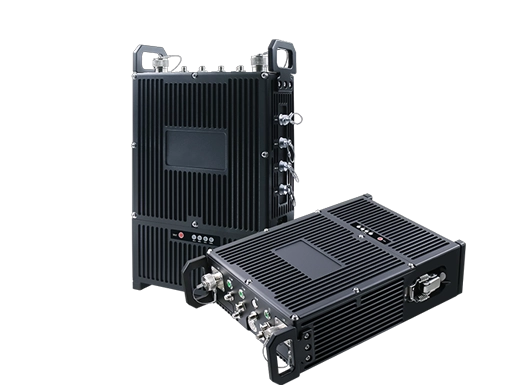
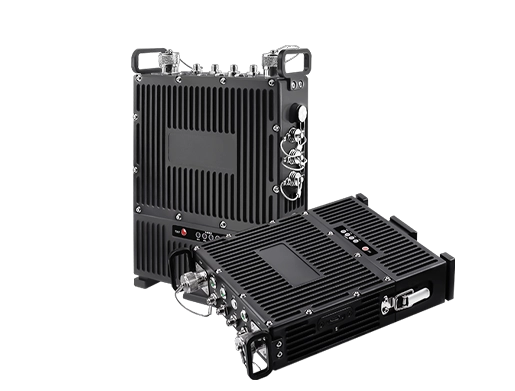
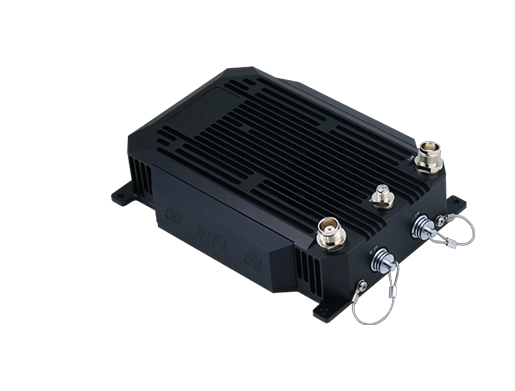
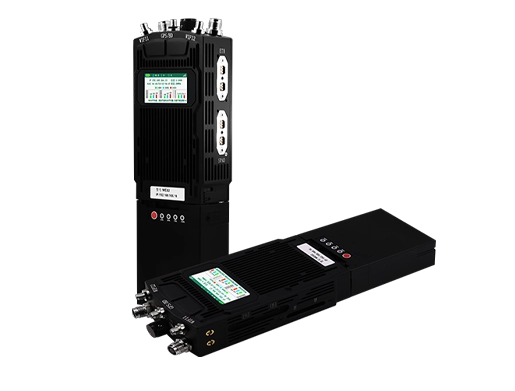
Our MANET radio systems use broadband mesh networking and software-defined radio technologies to create flexible wireless IP networks for voice, video, data and location information. Multiple radio nodes can establish direct or multi-hop links, allowing handheld terminals, vehicles, UAVs, cameras and command centers to remain connected across a distributed operating area.

From portable field communications to mobile command and airborne networking, MANET radios provide a practical way to deploy broadband communications without relying entirely on fixed infrastructure.

Key Features of MANET Radios

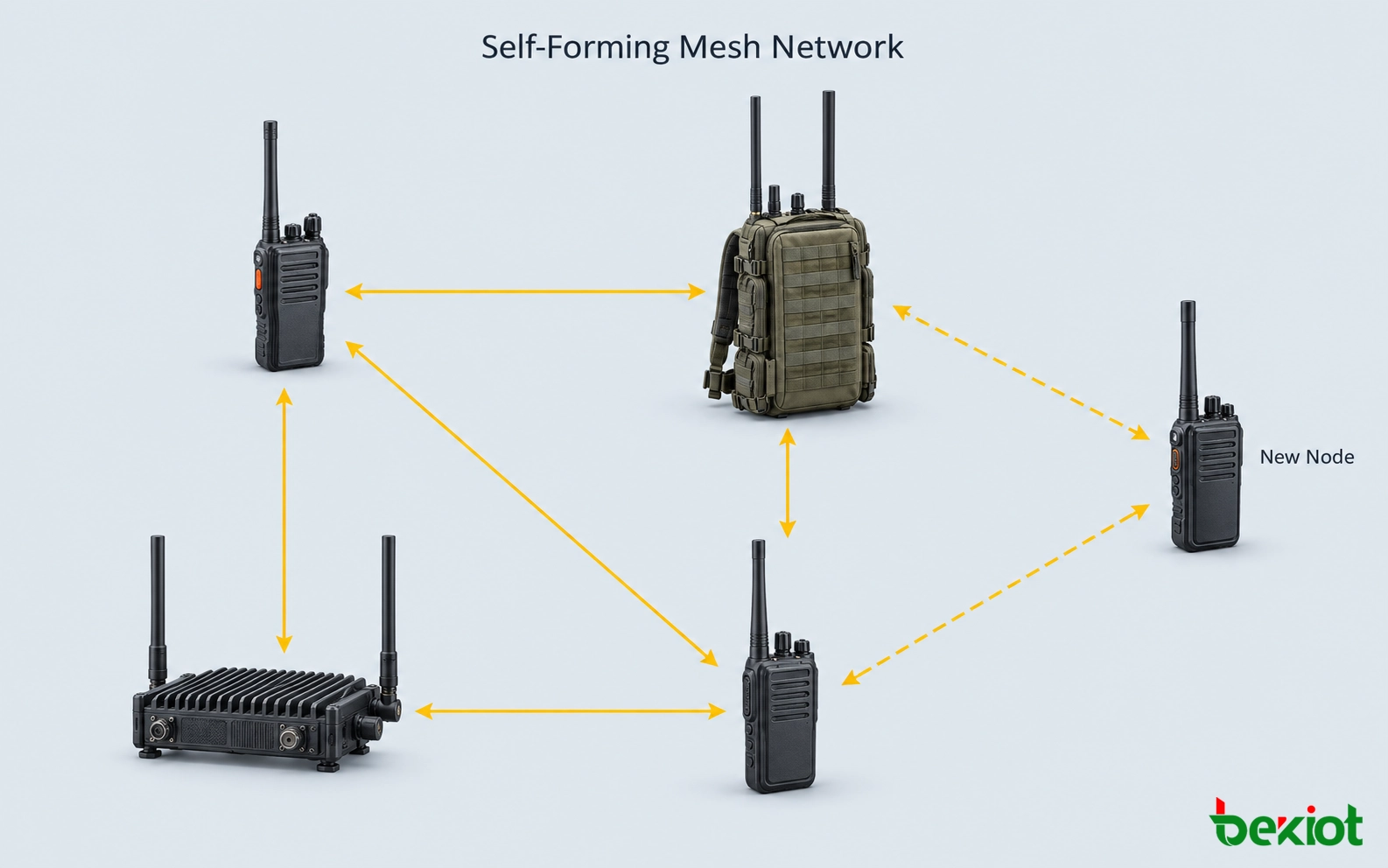
Self-Forming Mesh Networking

Self-Forming Mesh Networking

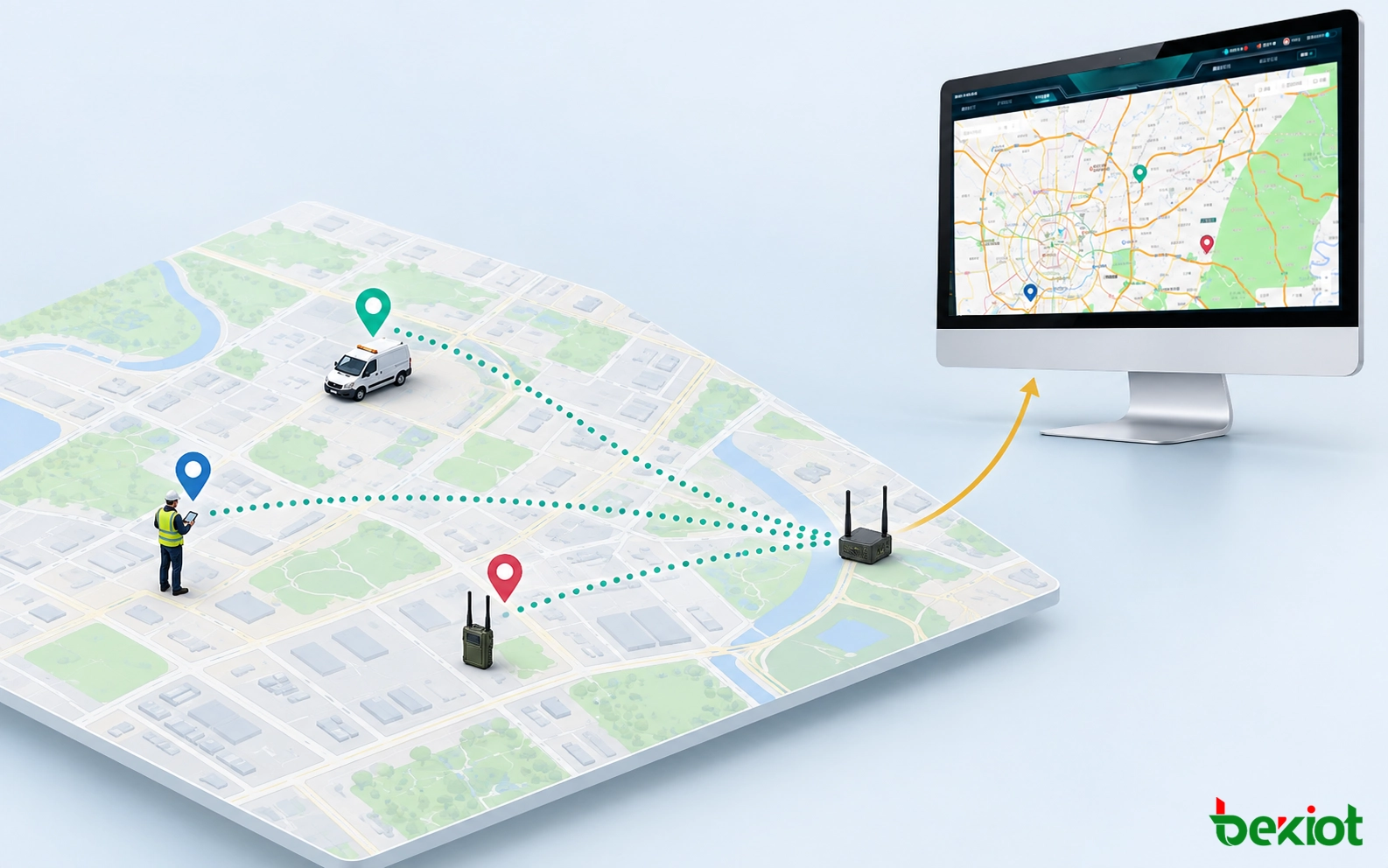
MANET radios can establish communication links between participating nodes without requiring every device to connect directly to a fixed central base station. As radios join the network, they can become part of the overall communication path and exchange IP traffic with other reachable nodes.

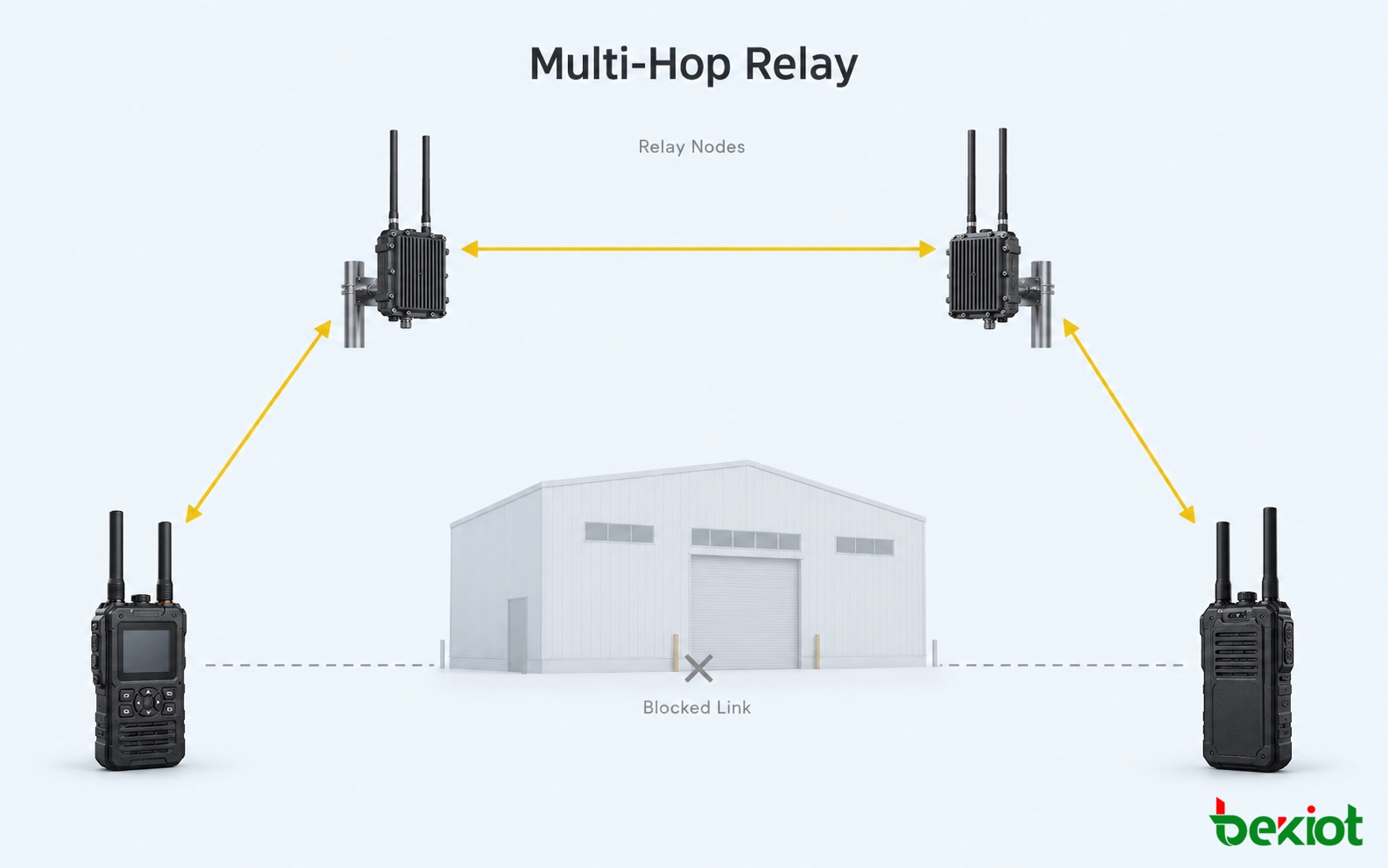
Multi-Hop Relay

When two radios cannot communicate directly because of distance, terrain or obstacles, intermediate nodes can relay traffic between them. A vehicle radio, backpack node or fixed station can therefore help extend communication beyond the direct radio range of an individual handheld device.

Multi-Hop Relay
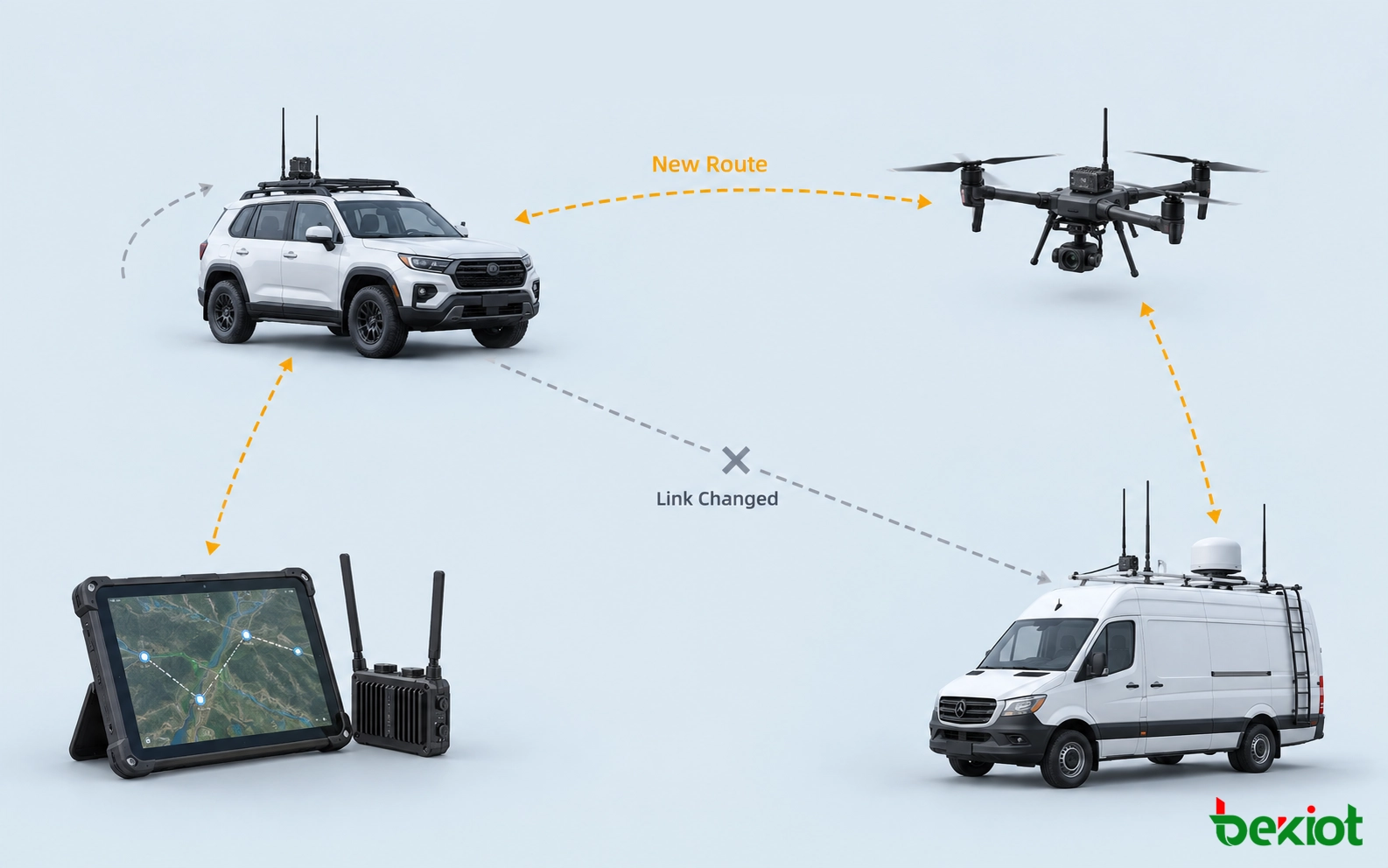
Dynamic Network Routing

Dynamic Network Routing

Personnel, vehicles and UAVs are constantly moving during field operations. A MANET network can adapt as available communication links change, helping maintain connectivity across a mobile network rather than relying on one permanently fixed transmission path.

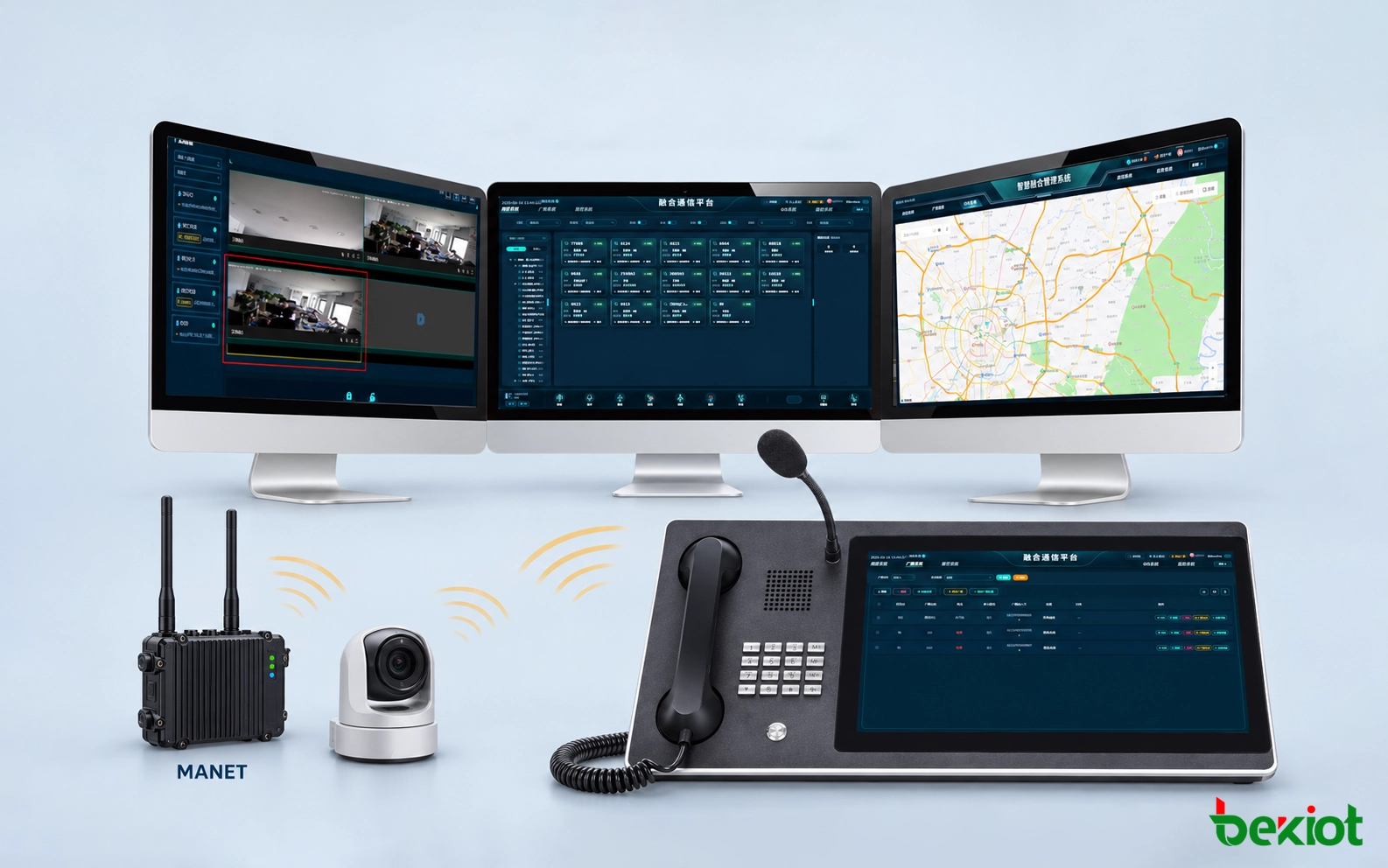
Broadband Voice, Video and Data

Unlike conventional radio systems designed mainly around narrowband voice, broadband MANET radios provide an IP transport network capable of supporting different communication services. Depending on system configuration and available bandwidth, the same wireless network can carry voice communications, live video, operational data and location information.

Broadband Voice, Video and Data

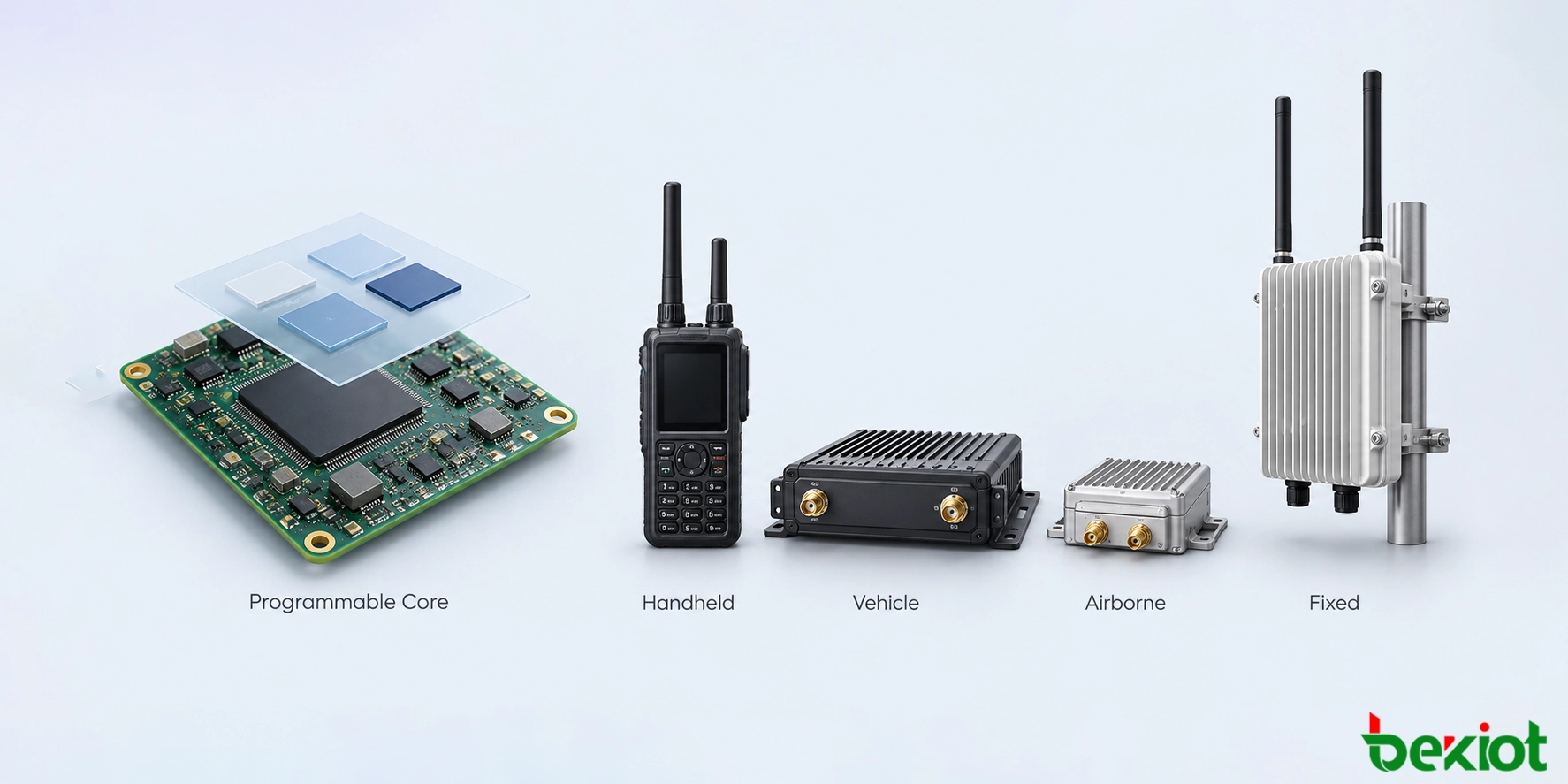
SDR-Based Radio Architecture

Software-defined radio architecture provides a flexible foundation for wireless communication. Radio processing functions can be implemented through programmable hardware and software, allowing different radio products to be adapted for handheld, vehicle-mounted, airborne and fixed-site applications.

SDR-Based Radio Architecture
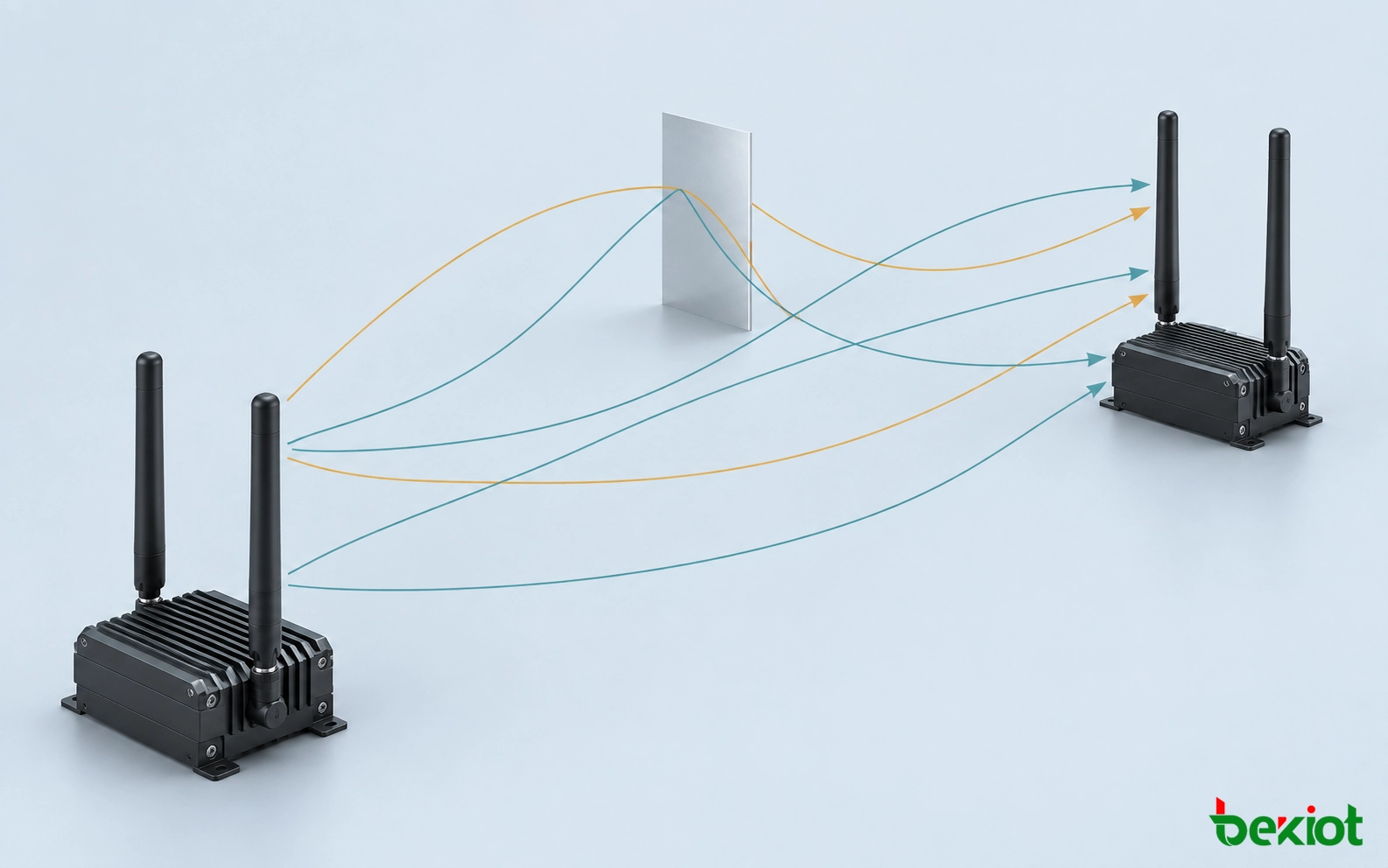
MIMO Wireless Transmission

MIMO Wireless Transmission

MIMO technology uses multiple transmit and receive paths to improve wireless communication performance. This is particularly useful for broadband mesh networking where nodes may operate in mobile, obstructed or multipath environments.

IP Device Connectivity

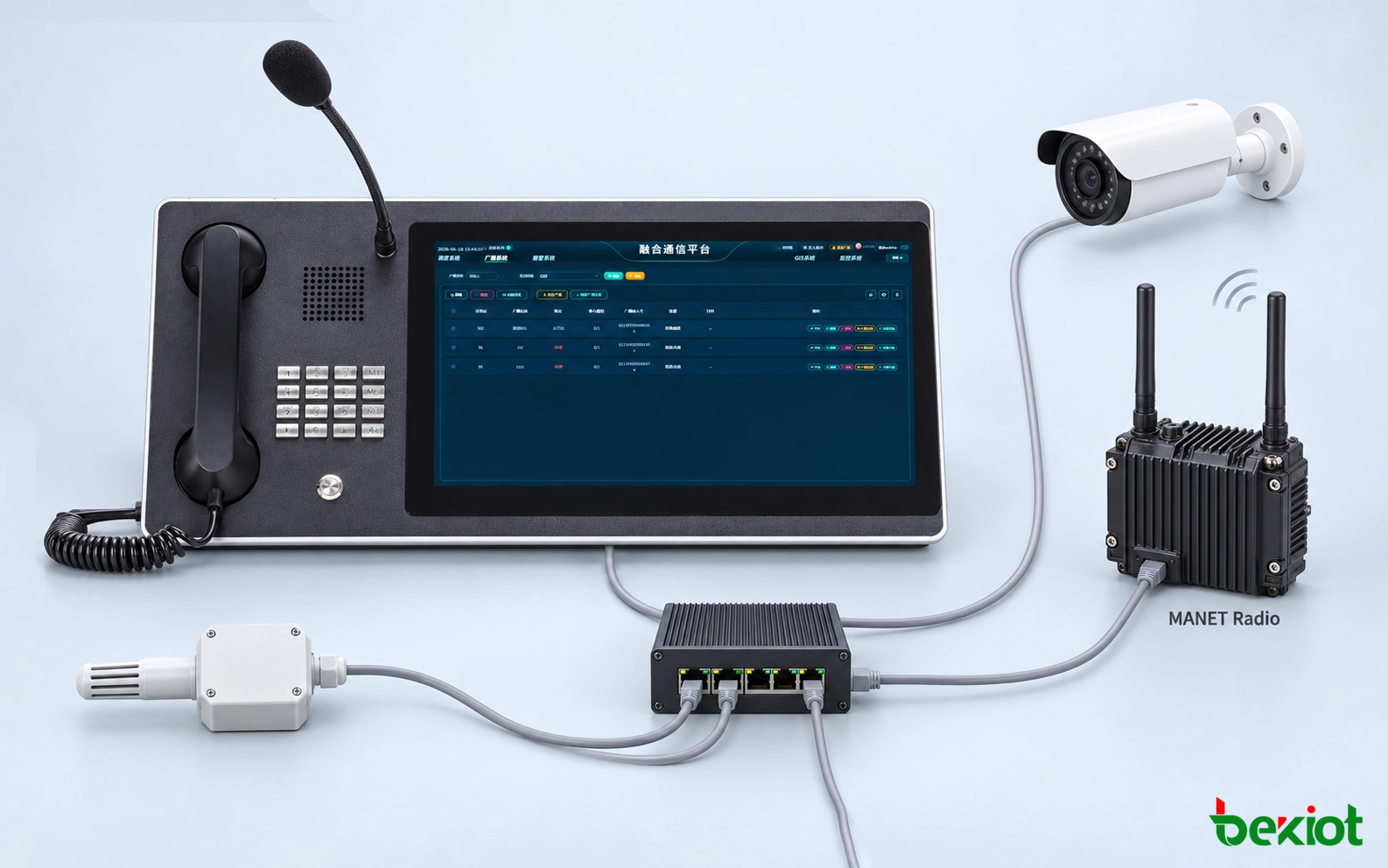
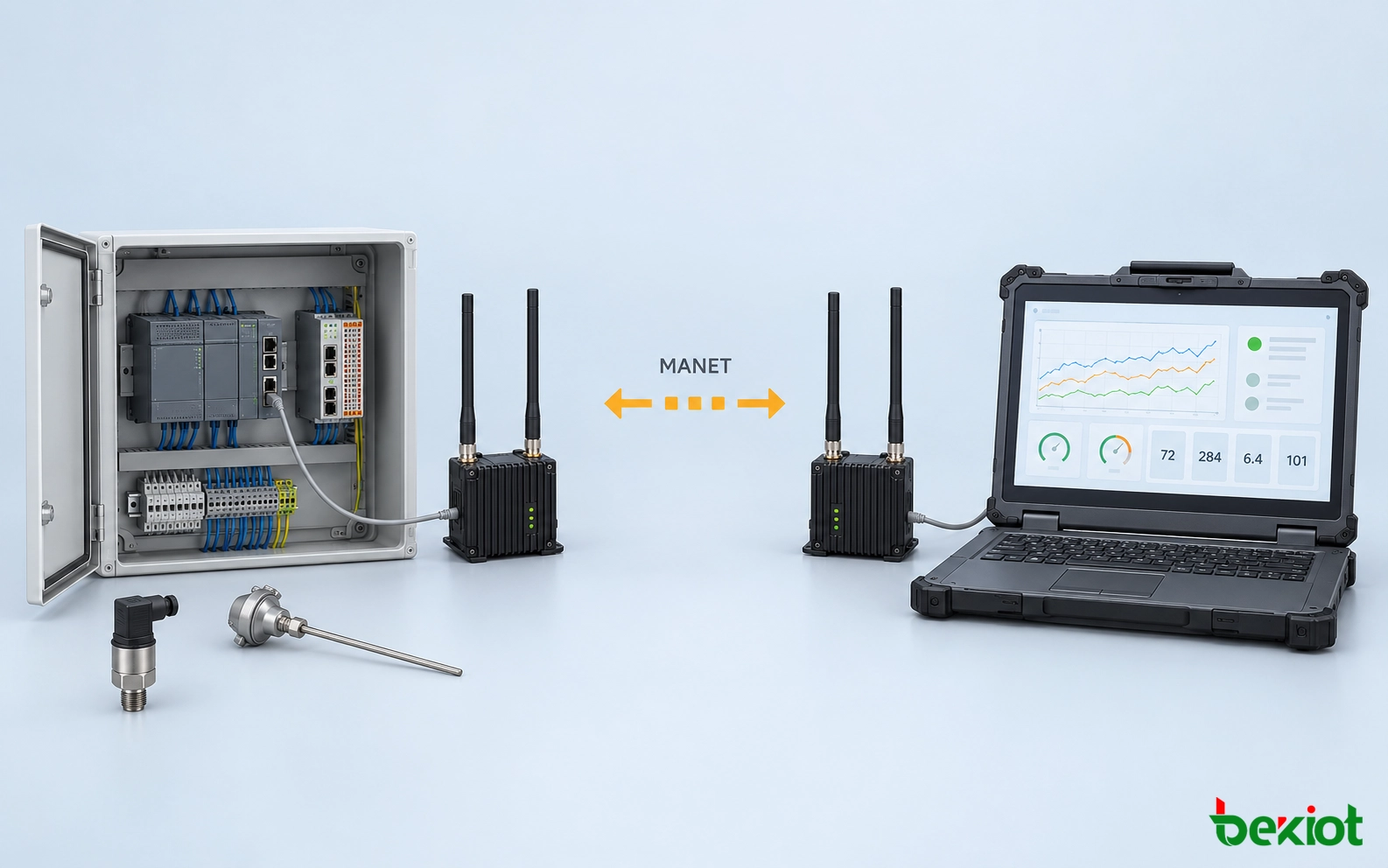
MANET radios can form the wireless transport layer for IP-based field equipment. Cameras, computers, sensors, mobile terminals and other network devices can be connected according to the interfaces and capabilities provided by the selected radio model.

IP Device Connectivity

Product Advantages

Voice Communication

Voice Communication

Field personnel and operational teams can use the network to support voice communication applications according to the system architecture and connected terminals.

Live Video Transmission

Live Video Transmission

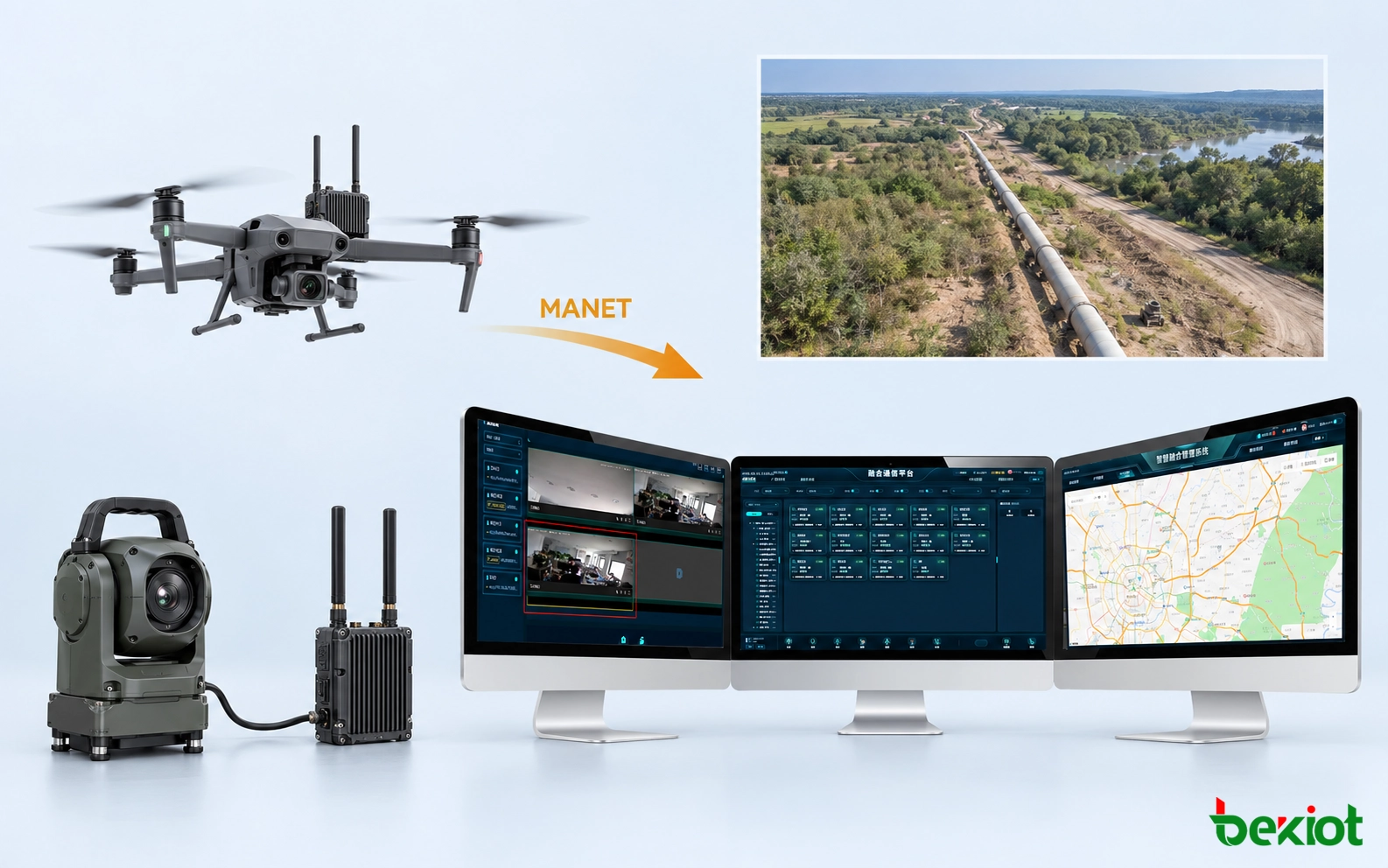
Video from portable cameras, vehicle cameras, UAV payloads and observation points can be transported through the broadband mesh network, helping command personnel obtain visual information from remote locations.

Operational Data

Operational Data

Computers, sensors, controllers and other IP-based equipment can exchange operational information through the wireless network.

Position and GIS Information

Position and GIS Information

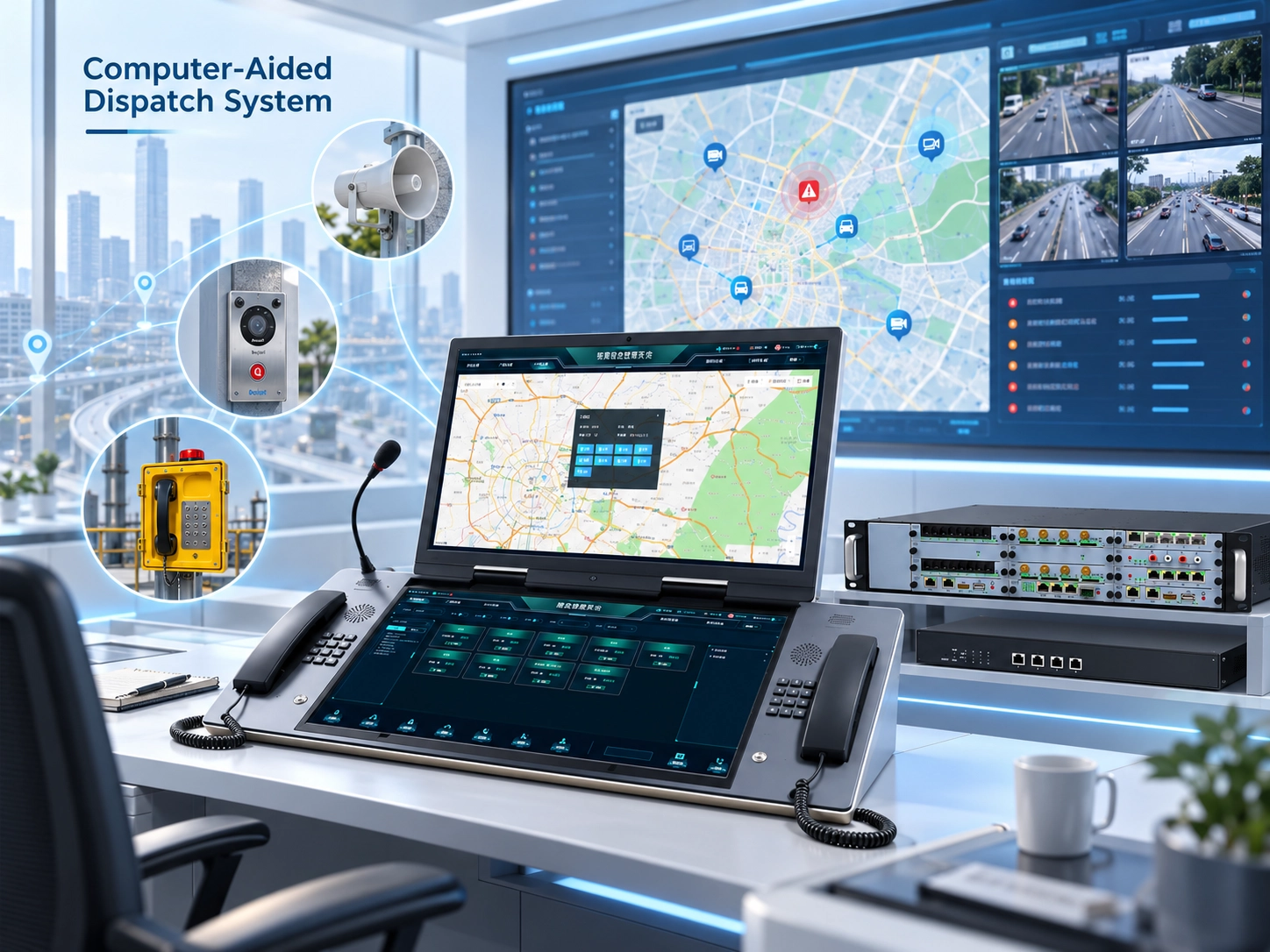
Location information from mobile devices can be sent toward compatible command or dispatch platforms, giving operators greater visibility into the location of personnel, vehicles and other network assets.

Unmanned System Connectivity

Unmanned System Connectivity

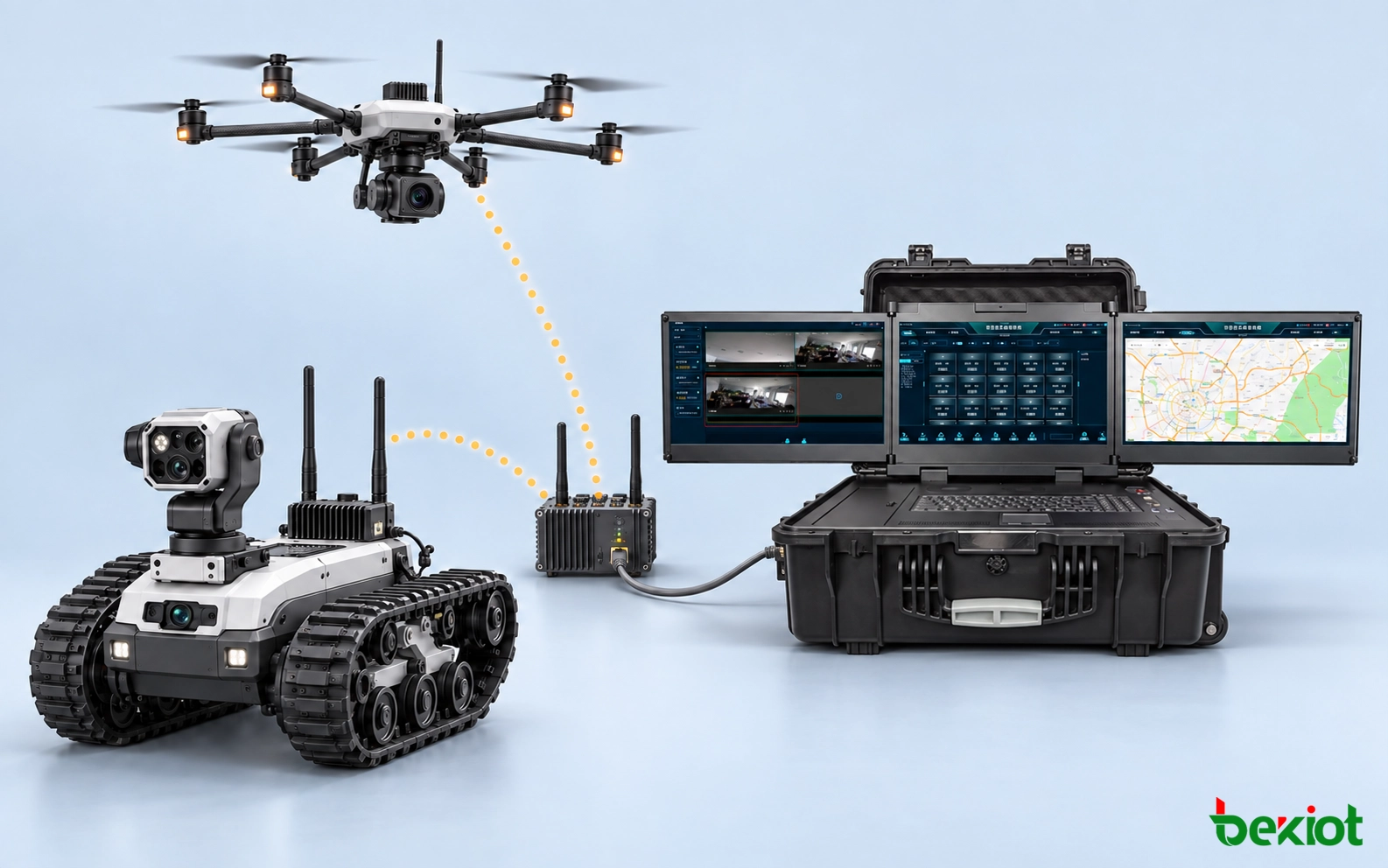
UAVs, robots and other unmanned equipment can become part of the broadband field network, allowing information from remote or difficult-to-access areas to reach operational teams.

Application Scenarios

Emergency
Rescue
Security
UAV
Command
Utilities
Mining
Fieldwork

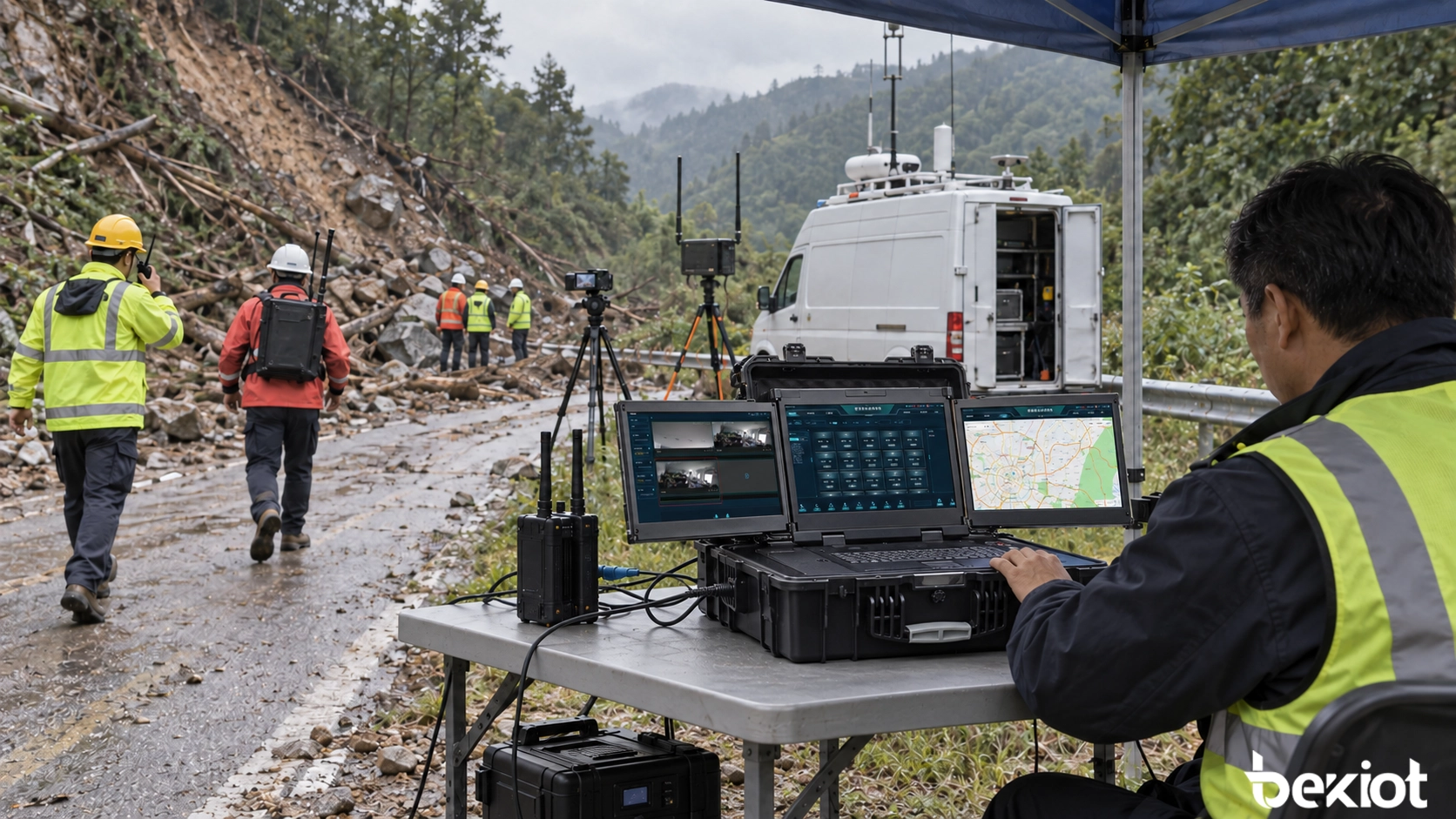
Natural disasters, major accidents and infrastructure failures can interrupt existing communication services. MANET radios allow response teams to establish an independent wireless network using portable, vehicle and fixed communication nodes. Voice, live video, location and operational information can then be transmitted between field teams and temporary command centers.

Emergency

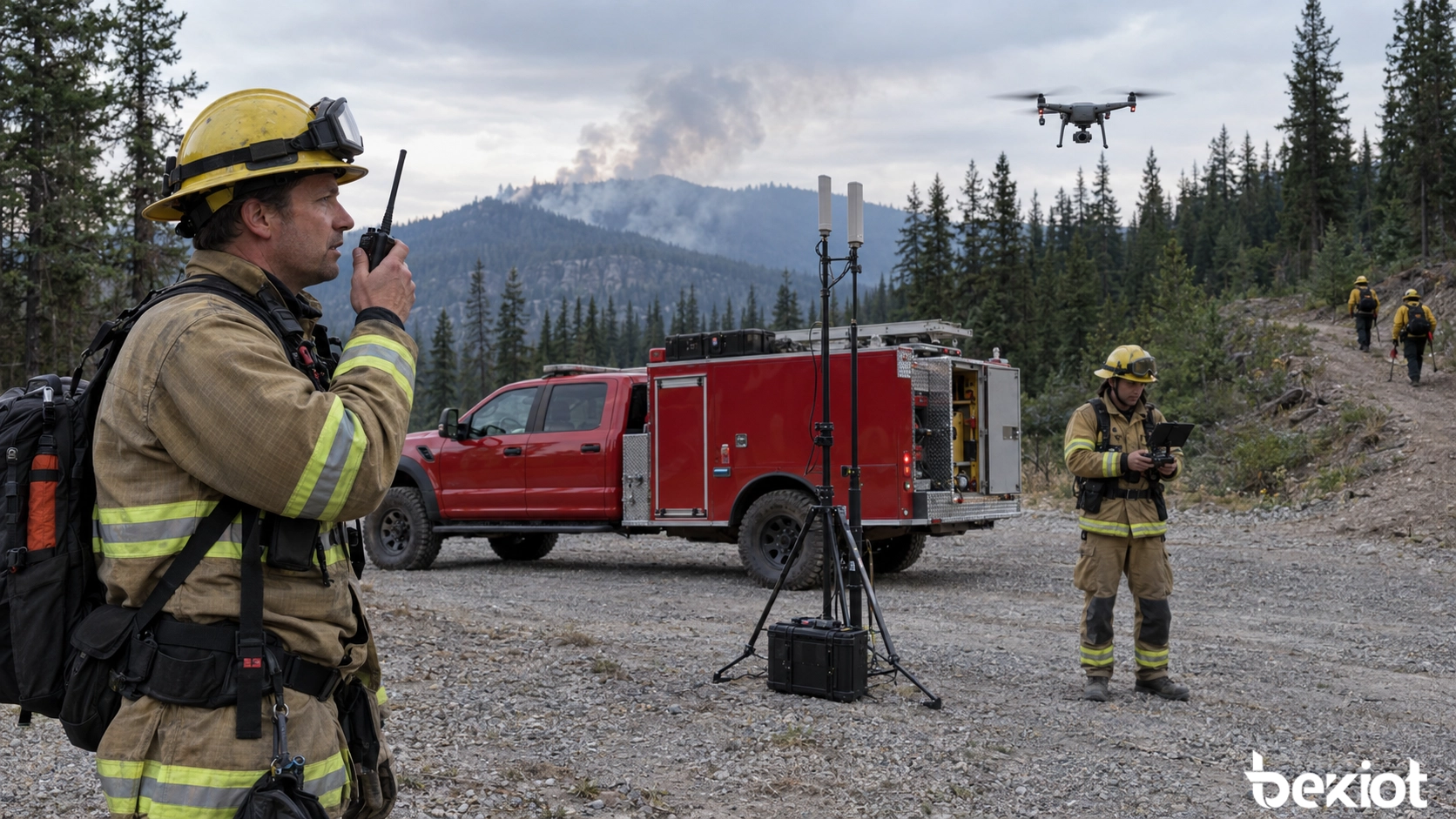
Fire and rescue operations often involve changing locations, difficult terrain and limited network coverage. Handheld radios, vehicle nodes, temporary relays and airborne platforms can be combined to create a mobile communication network around the incident area.

Rescue

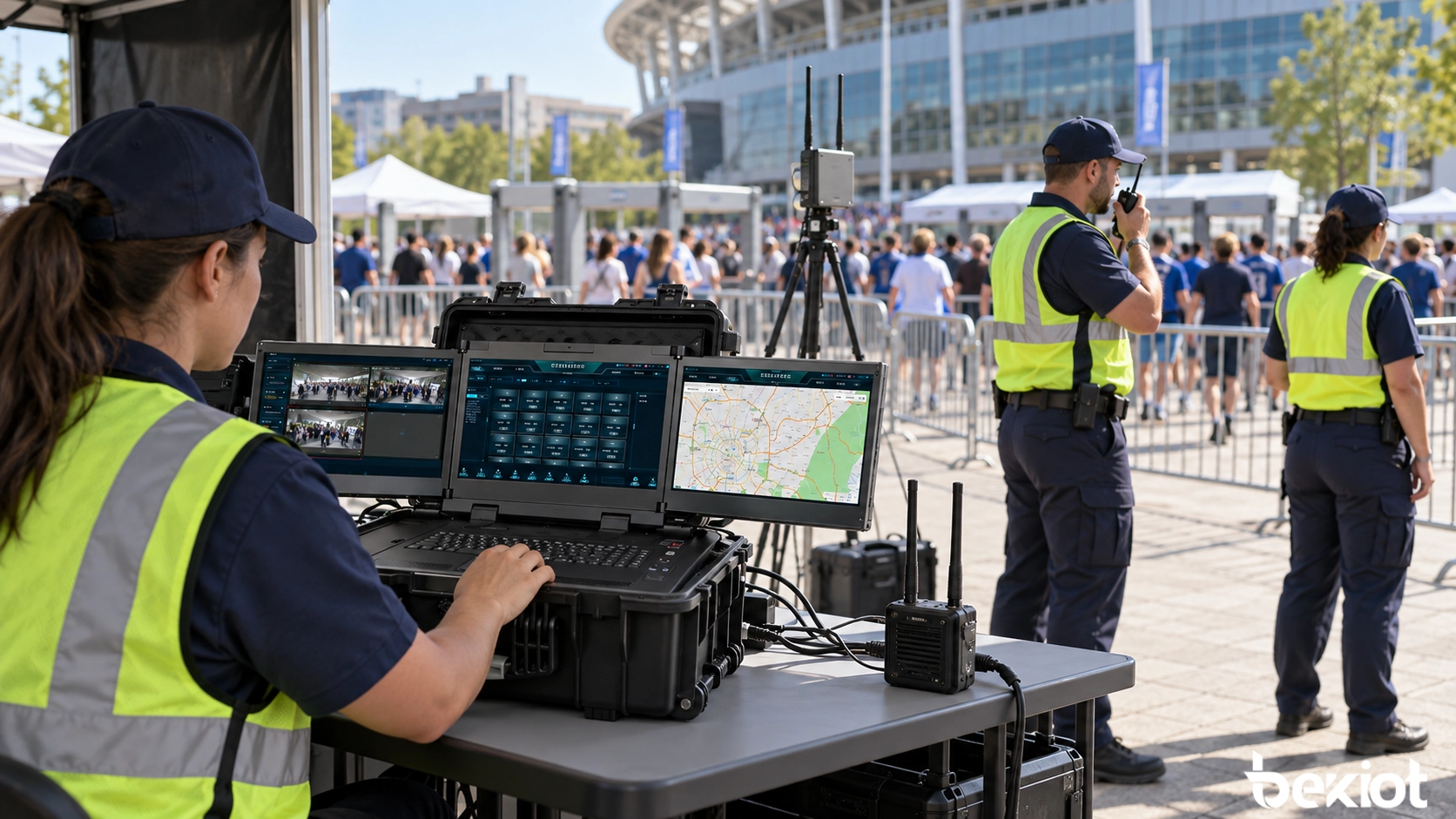
MANET radios can support temporary security operations, patrol teams, major-event communications and other situations requiring rapidly deployable wireless networking between mobile personnel and command locations.

Security

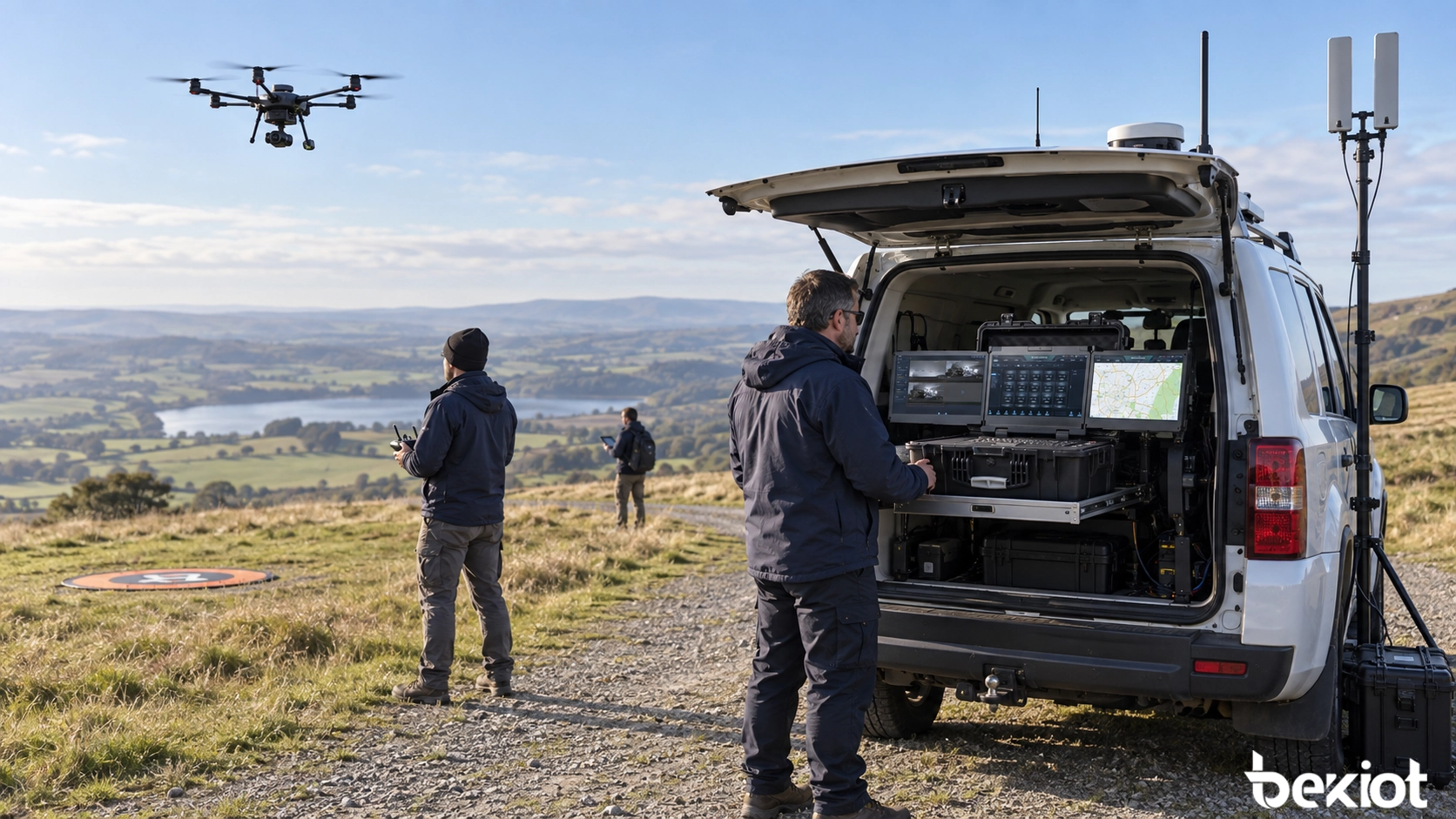
Airborne MANET nodes can provide broadband links for UAV video and data transmission while participating in a wider ground-air mesh network. This allows UAVs to work alongside command vehicles, field personnel and fixed stations instead of operating as completely isolated communication links.

UAV

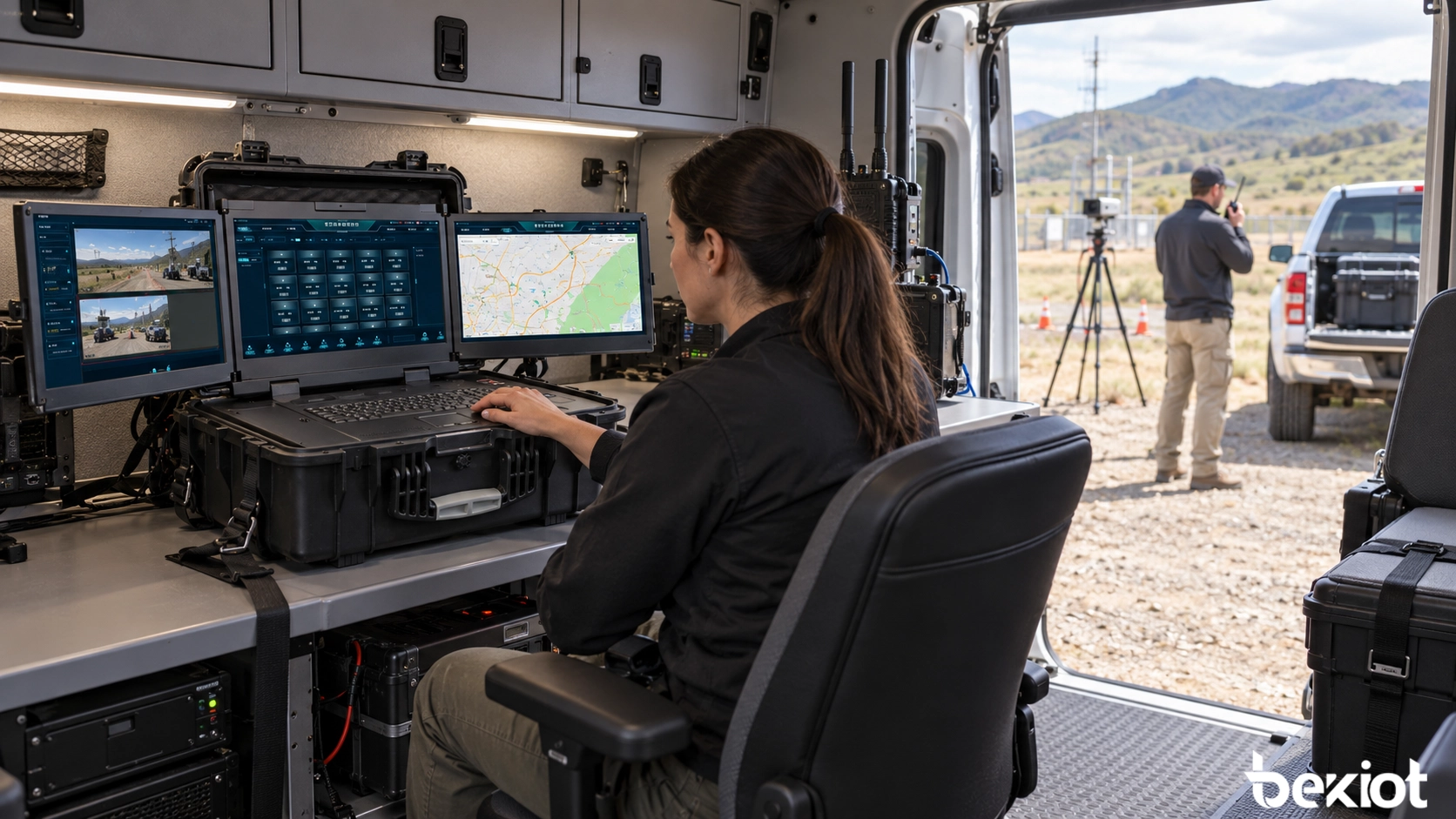
command vehicle equipped with a MANET radio can become a mobile network hub linking field personnel, cameras, UAVs, remote nodes and command applications. This is useful when the command location must move with the operation rather than remain at a fixed communications facility

Command

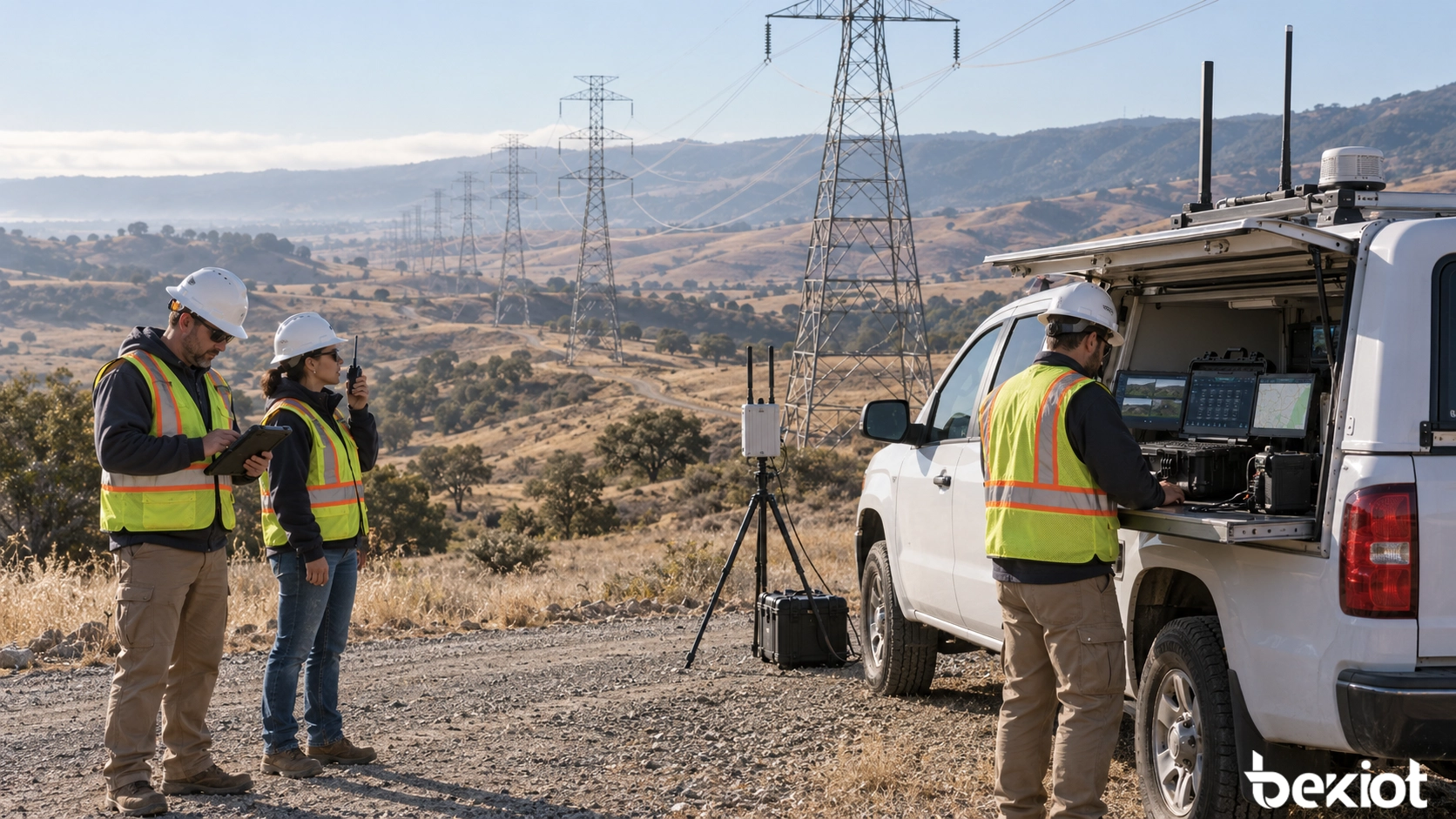
Power transmission, pipeline inspection, surveying and other utility operations frequently take place in remote environments. MANET radios can provide temporary broadband connectivity between field teams and mobile operational centers where fixed communications are limited.

Utilities

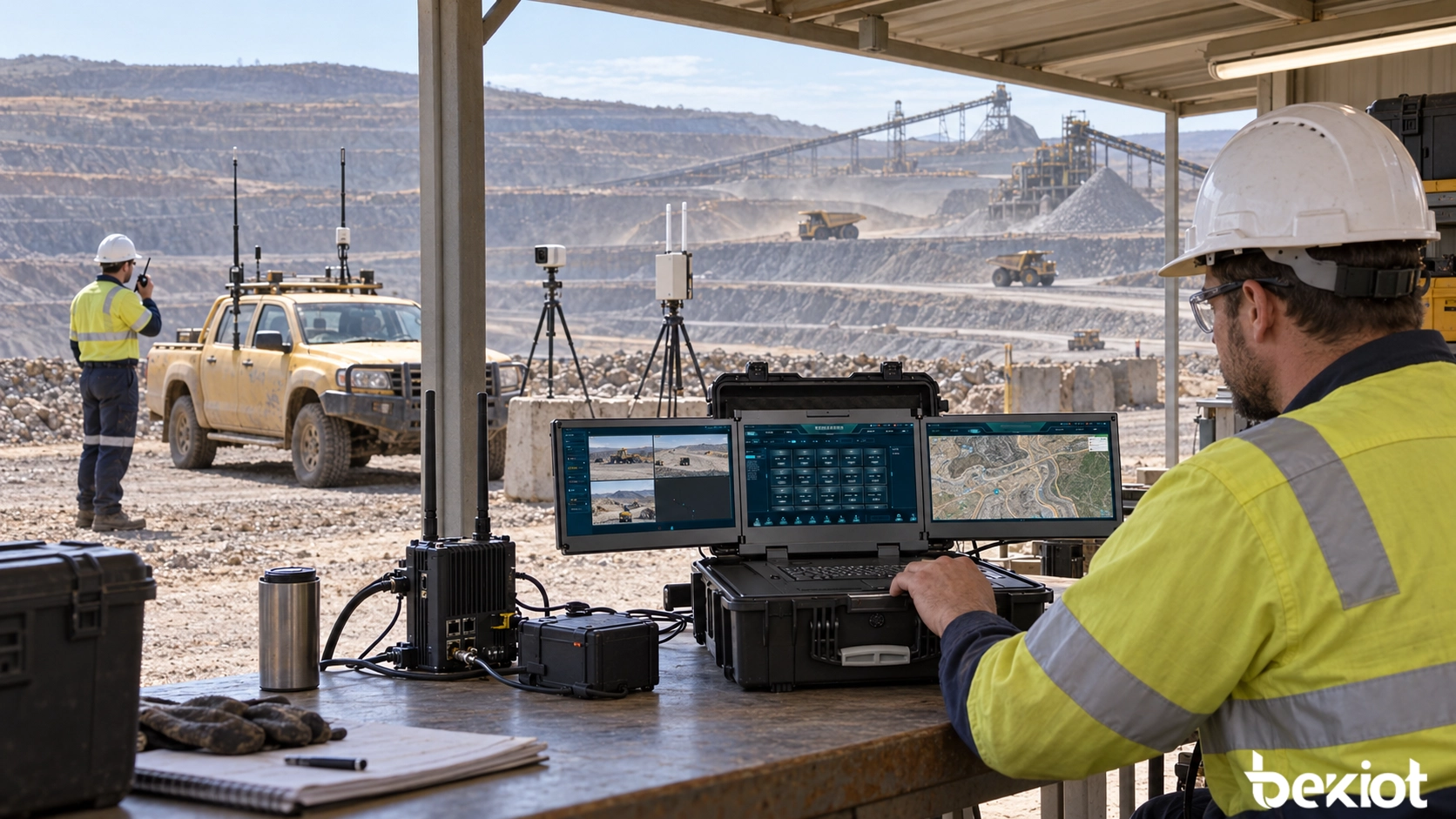
Large industrial sites, open-pit mines and remote project areas may contain coverage gaps or temporary work zones. Portable and vehicle mesh nodes can provide additional communication options for field video, data transmission and operational coordination.

Mining

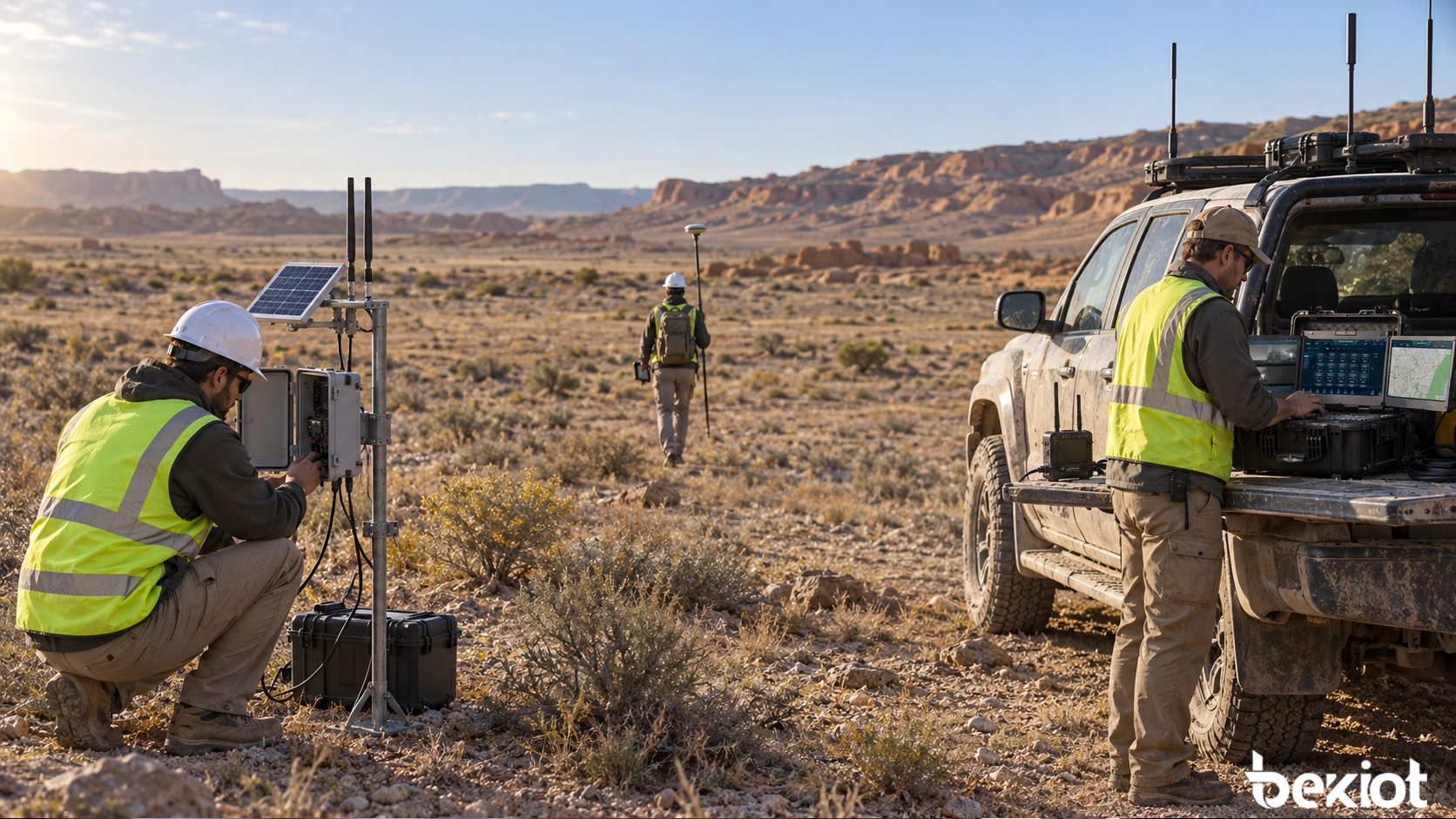
Surveying, exploration, inspection and temporary engineering projects can use MANET networks to establish communication between personnel, vehicles and remote equipment without installing permanent network infrastructure first.

Fieldwork

customer service Phone
We use cookie to improve your online experience. By continuing to browse this website, you agree to our use of cookie.

Cookies

This Cookie Policy explains how we use cookies and similar technologies when you access or use our website and related services. Please read this Policy together with our Terms and Conditions and Privacy Policy so that you understand how we collect, use, and protect information.

By continuing to access or use our Services, you acknowledge that cookies and similar technologies may be used as described in this Policy, subject to applicable law and your available choices.

Updates to This Cookie Policy

We may revise this Cookie Policy from time to time to reflect changes in legal requirements, technology, or our business practices. When we make updates, the revised version will be posted on this page and will become effective from the date of publication unless otherwise required by law.

Where required, we will provide additional notice or request your consent before applying material changes that affect your rights or choices.

What Are Cookies?

Cookies are small text files placed on your device when you visit a website or interact with certain online content. They help websites recognize your browser or device, remember your preferences, support essential functionality, and improve the overall user experience.

In this Cookie Policy, the term “cookies” also includes similar technologies such as pixels, tags, web beacons, and other tracking tools that perform comparable functions.

Why We Use Cookies

We use cookies to help our website function properly, remember user preferences, enhance website performance, understand how visitors interact with our pages, and support security, analytics, and marketing activities where permitted by law.

We use cookies to keep our website functional, secure, efficient, and more relevant to your browsing experience.

Categories of Cookies We Use

Strictly Necessary Cookies

These cookies are essential for the operation of the website and cannot be disabled in our systems where they are required to provide the service you request. They are typically set in response to actions such as setting privacy preferences, signing in, or submitting forms.

Without these cookies, certain parts of the website may not function correctly.

Functional Cookies

Functional cookies enable enhanced features and personalization, such as remembering your preferences, language settings, or previously selected options. These cookies may be set by us or by third-party providers whose services are integrated into our website.

If you disable these cookies, some services or features may not work as intended.

Performance and Analytics Cookies

These cookies help us understand how visitors use our website by collecting information such as traffic sources, page visits, navigation behavior, and general interaction patterns. In many cases, this information is aggregated and does not directly identify individual users.

We use this information to improve website performance, usability, and content relevance.

Targeting and Advertising Cookies

These cookies may be placed by our advertising or marketing partners to help deliver more relevant ads and measure the effectiveness of campaigns. They may use information about your browsing activity across different websites and services to build a profile of your interests.

These cookies generally do not store directly identifying personal information, but they may identify your browser or device.

First-Party and Third-Party Cookies

Some cookies are set directly by our website and are referred to as first-party cookies. Other cookies are set by third-party services, such as analytics providers, embedded content providers, or advertising partners, and are referred to as third-party cookies.

Third-party providers may use their own cookies in accordance with their own privacy and cookie policies.

Information Collected Through Cookies

Depending on the type of cookie used, the information collected may include browser type, device type, IP address, referring website, pages viewed, time spent on pages, clickstream behavior, and general usage patterns.

This information helps us maintain the website, improve performance, enhance security, and provide a better user experience.

Your Cookie Choices

You can control or disable cookies through your browser settings and, where available, through our cookie consent or preference management tools. Depending on your location, you may also have the right to accept or reject certain categories of cookies, especially those used for analytics, personalization, or advertising purposes.

Please note that blocking or deleting certain cookies may affect the availability, functionality, or performance of some parts of the website.

Restricting cookies may limit certain features and reduce the quality of your experience on the website.

Cookies in Mobile Applications

Where our mobile applications use cookie-like technologies, they are generally limited to those required for core functionality, security, and service delivery. Disabling these essential technologies may affect the normal operation of the application.

We do not use essential mobile application cookies to store unnecessary personal information.

How to Manage Cookies

Most web browsers allow you to manage cookies through browser settings. You can usually choose to block, delete, or receive alerts before cookies are stored. Because browser controls vary, please refer to your browser provider’s support documentation for details on how to manage cookie settings.

Contact Us

If you have any questions about this Cookie Policy or our use of cookies and similar technologies, please contact us at support@becke.cc .