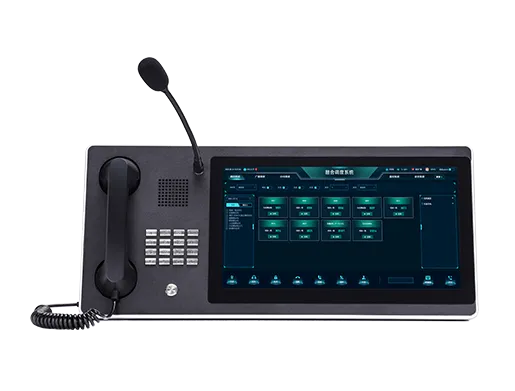
Emergency Communication Systems for SOS, Dispatch & Public Warning
Connect emergency call points, control rooms, dispatch resources, public warning systems and field teams through a coordinated communication workflow.
Consult immediatelyConnect emergency call points, control rooms, dispatch resources, public warning systems and field teams through a coordinated communication workflow.
Consult immediatelyEmergency communication rarely depends on one device or one network. An incident may first be reported through an SOS intercom, emergency telephone, elevator call point or panic button. The control room then needs to confirm what happened, communicate with the caller, assign the appropriate response team and decide whether a wider warning is required.
Becke Telcom emergency communication solutions cover different parts of that process. A public help point, an industrial emergency telephone, a mass-notification platform and a field command system serve different roles and should be selected around the site's response procedure rather than treated as interchangeable products.
The system architecture links incident reporting, control-room communication, public warning and field response through the interfaces required by the project. Each subsystem keeps its own operating role while information moves between them during an event.
An incident enters the communication system through a known reporting point. Depending on the site, this may be an SOS intercom, emergency call box, industrial telephone, elevator call point or another supported alarm endpoint. The first requirement is simple: establish a clear path from the person reporting the event to the designated response position.
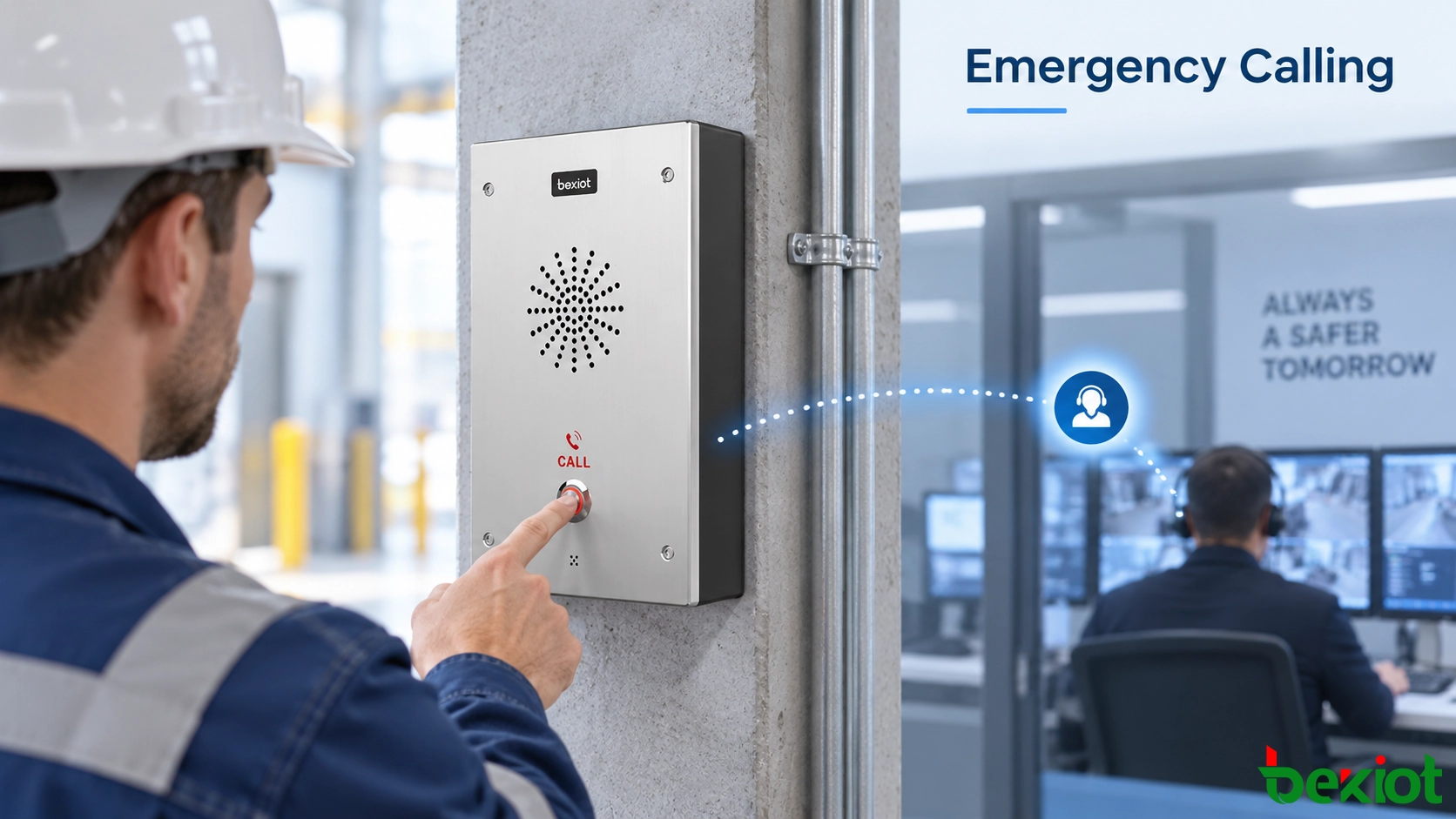
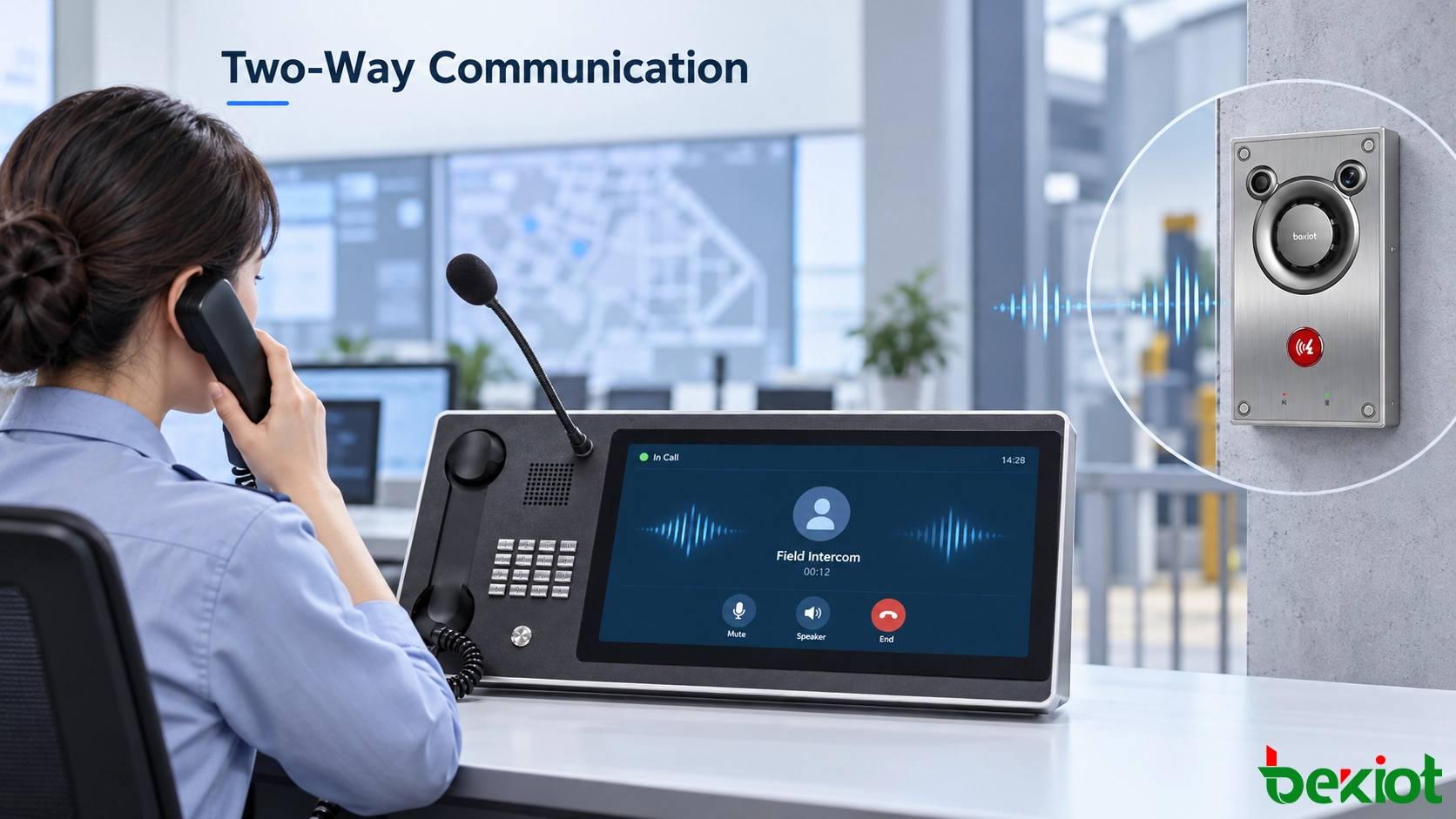
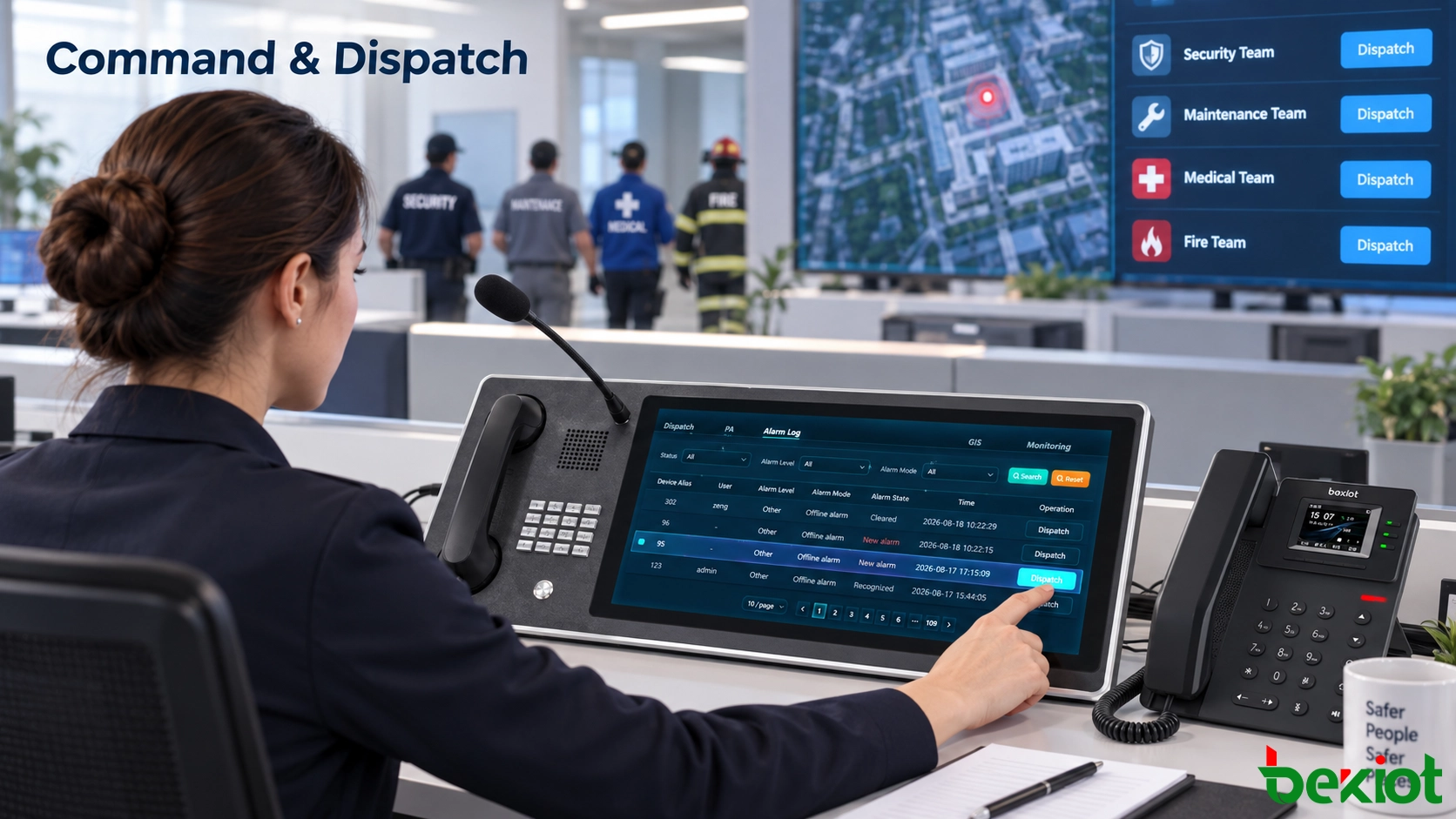
Once the call reaches the control room, the operator needs a direct voice path to the caller. The conversation establishes the type of incident, the affected location and whether immediate instructions are needed before responders arrive.
Terminal identity, location information or nearby video can provide additional context where those systems are integrated. CCTV or GIS does not come from the emergency phone itself; the management platform supplies that information and links it to the active event.
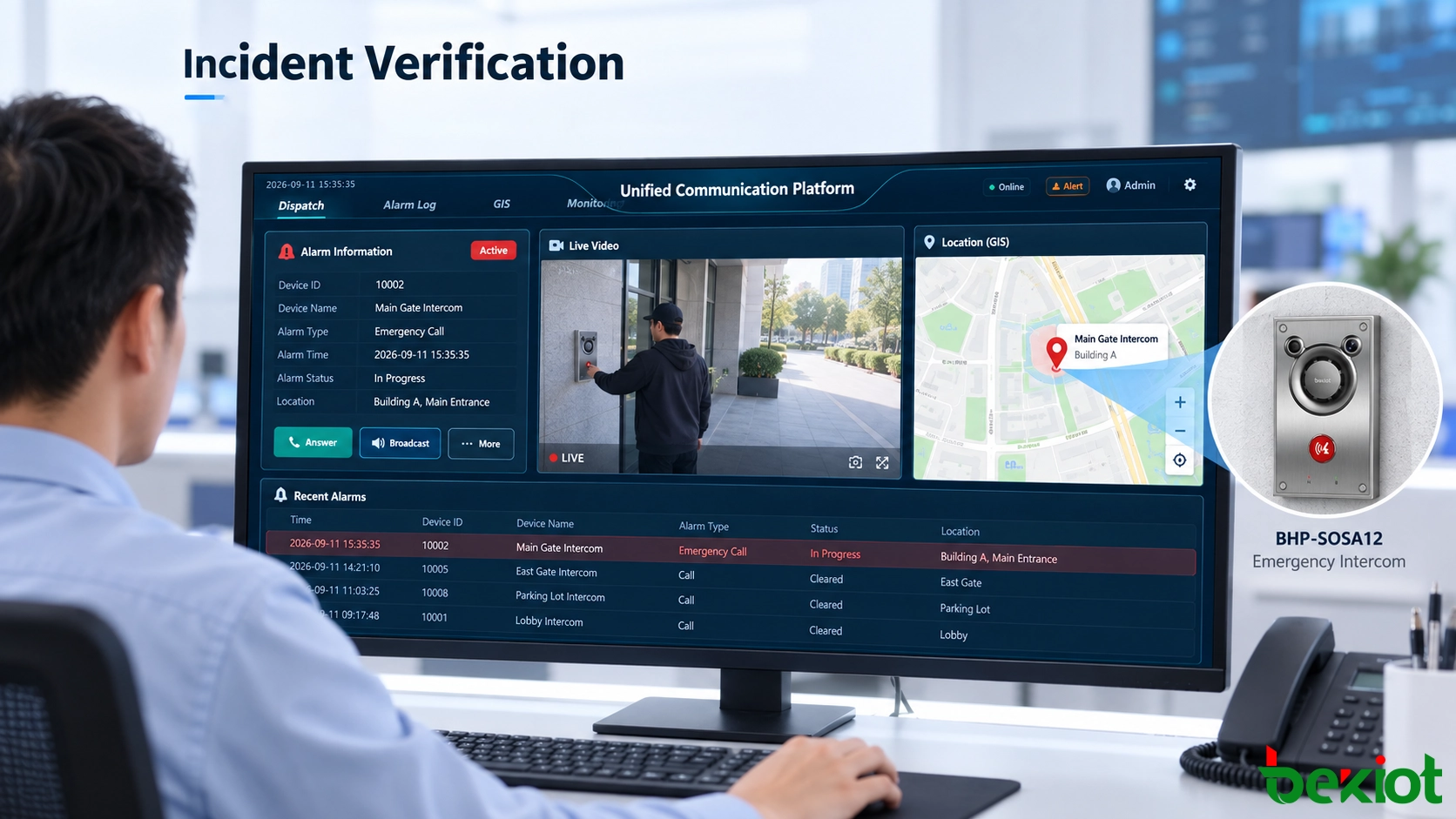
After verification, the operator assigns the next action. Security, maintenance, medical, fire or other response personnel are contacted through the dispatch resources available at the site. The original help point remains the reporting endpoint while command and resource coordination move to the control side.
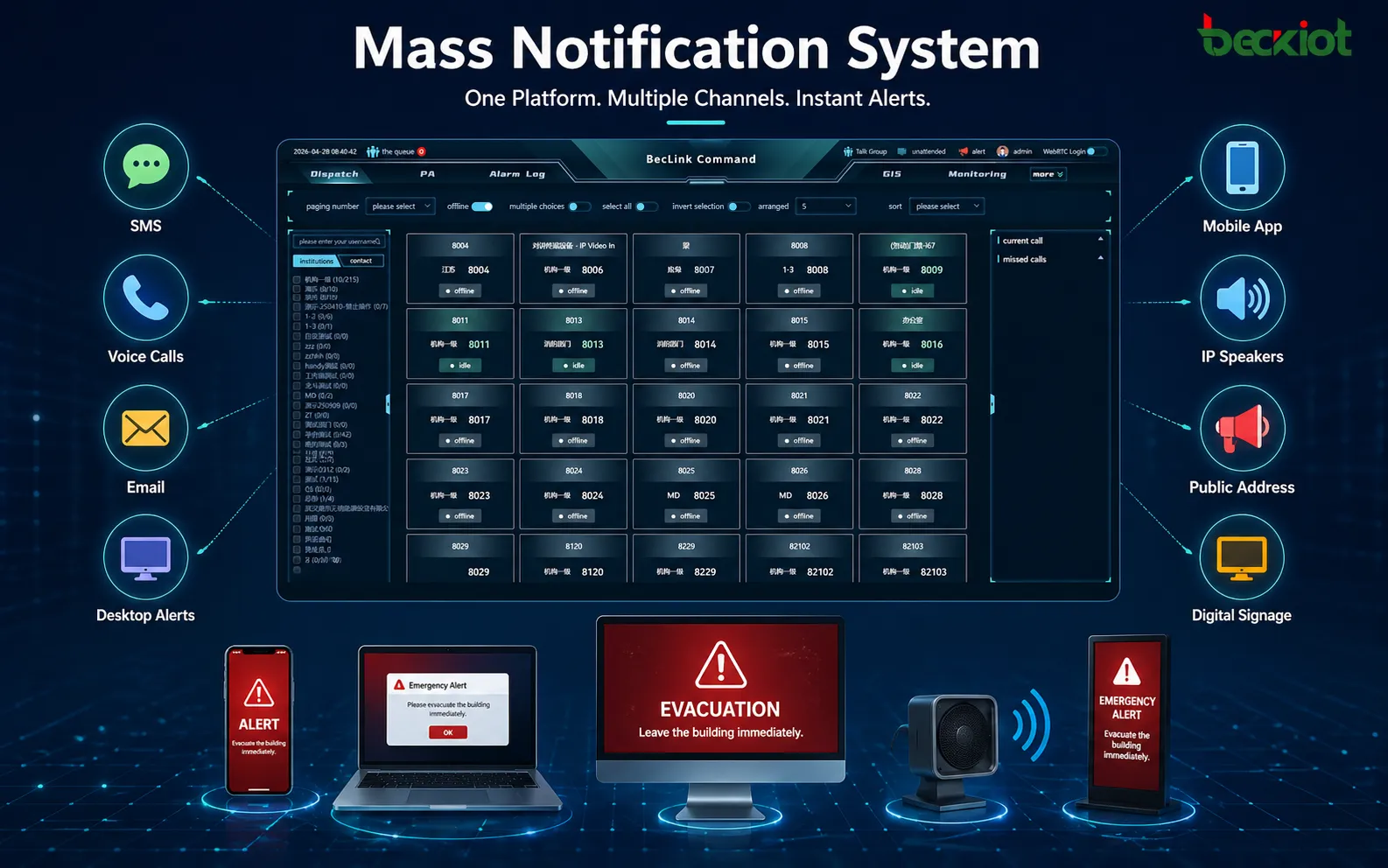
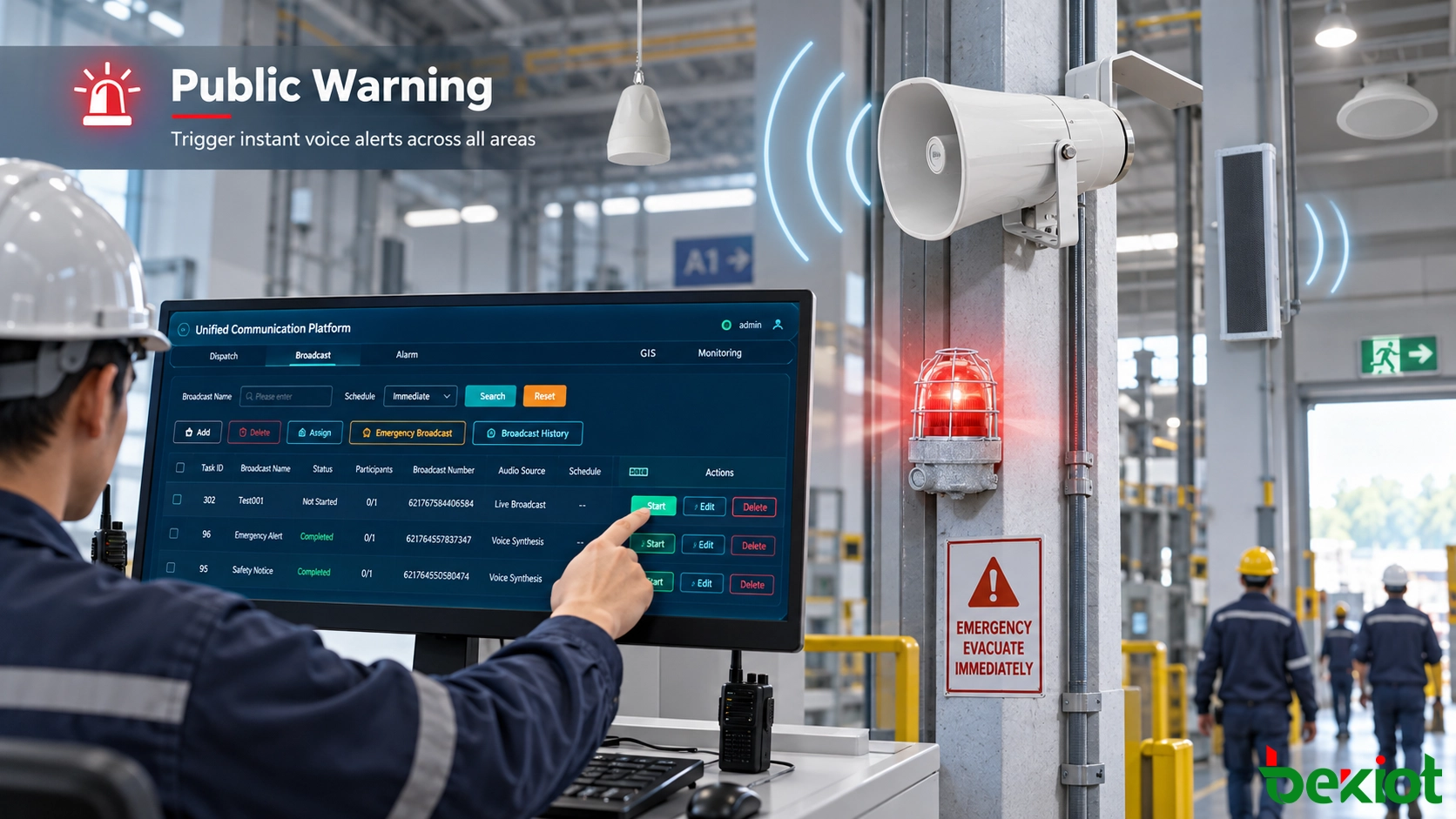
When an event affects a wider area, the warning layer distributes instructions through the PA system, PAGA system or mass-notification platform selected for the site. The corresponding platform handles zones, priorities and notification methods.
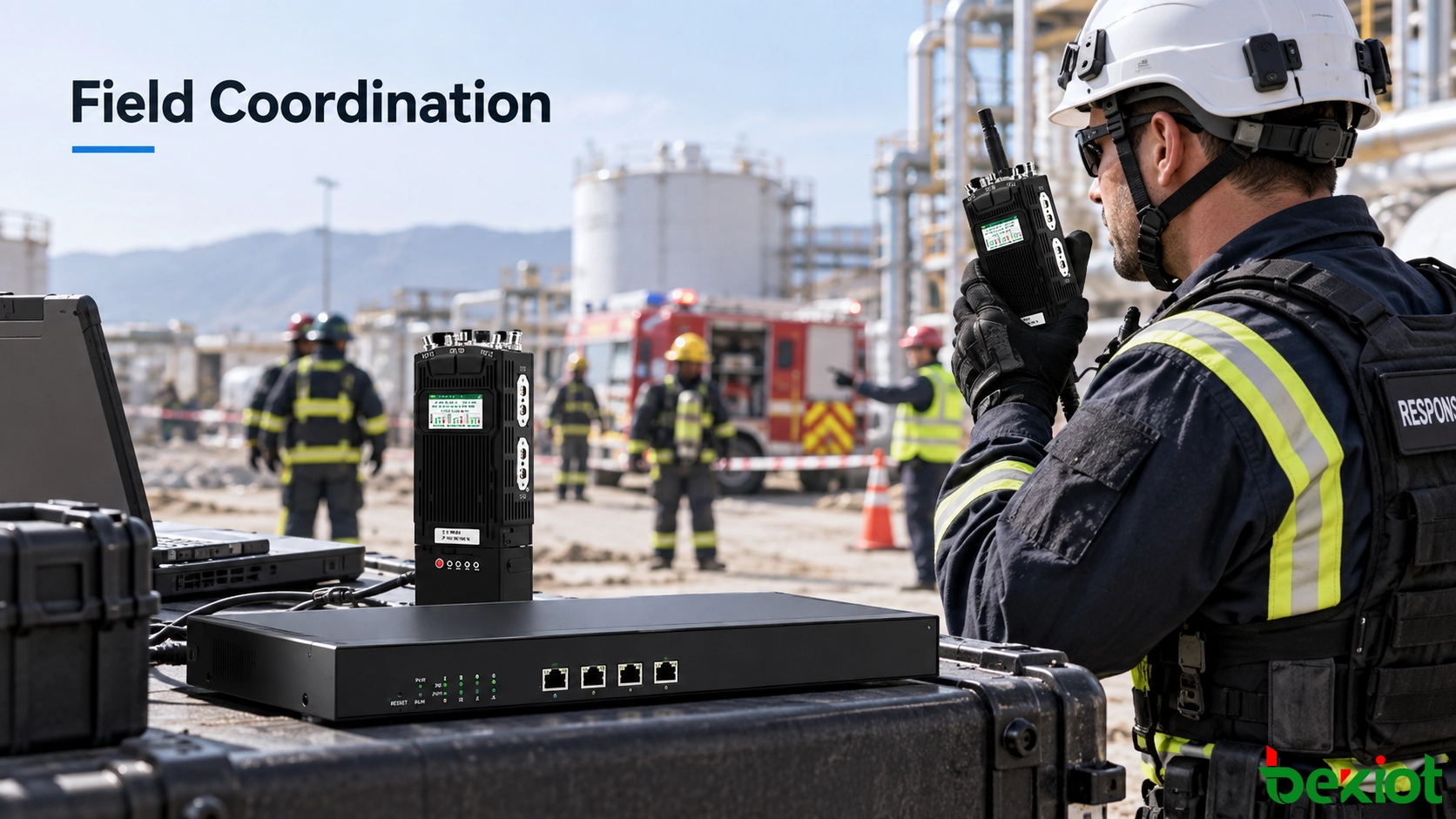
Responders may rely on radios, mobile terminals, SIP phones or other field communication resources after they leave the control room. Gateways and integration interfaces keep those teams connected to the command process where interoperability has been designed into the project.
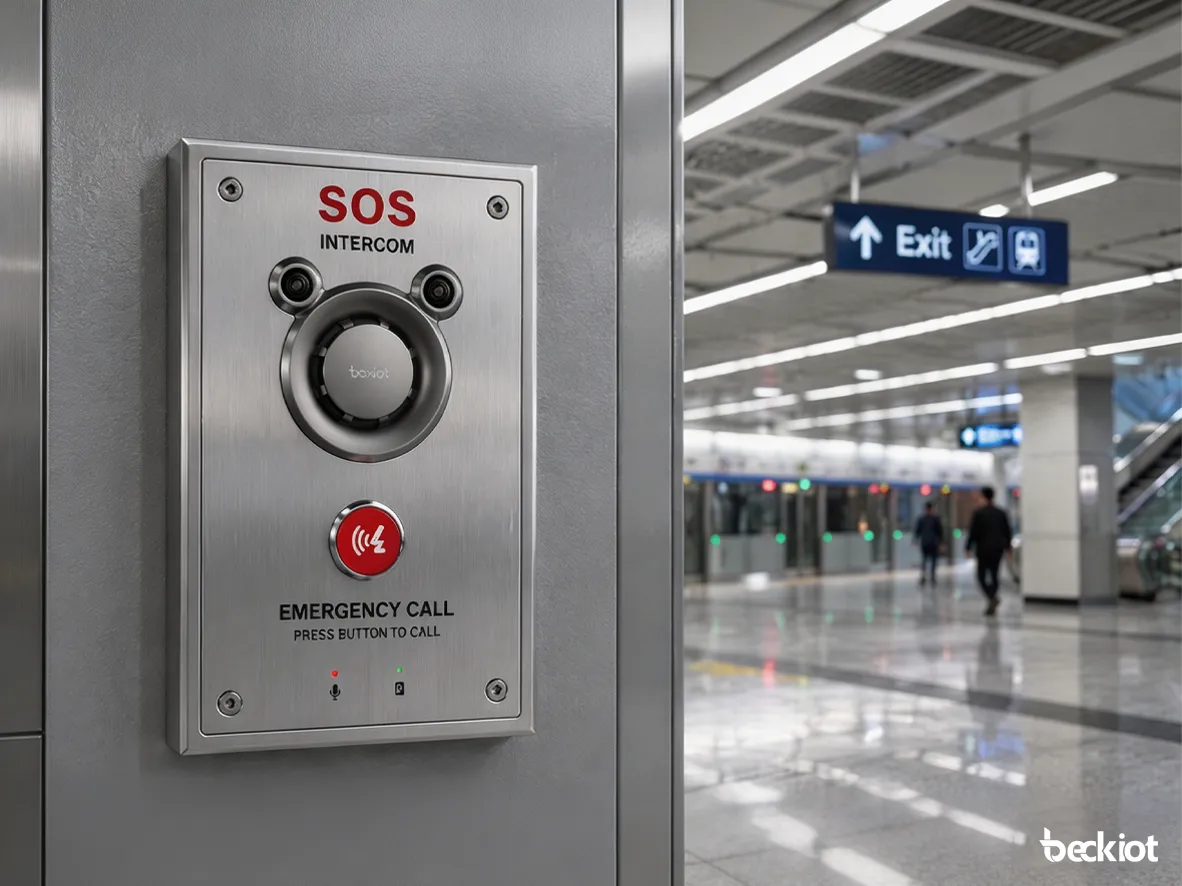
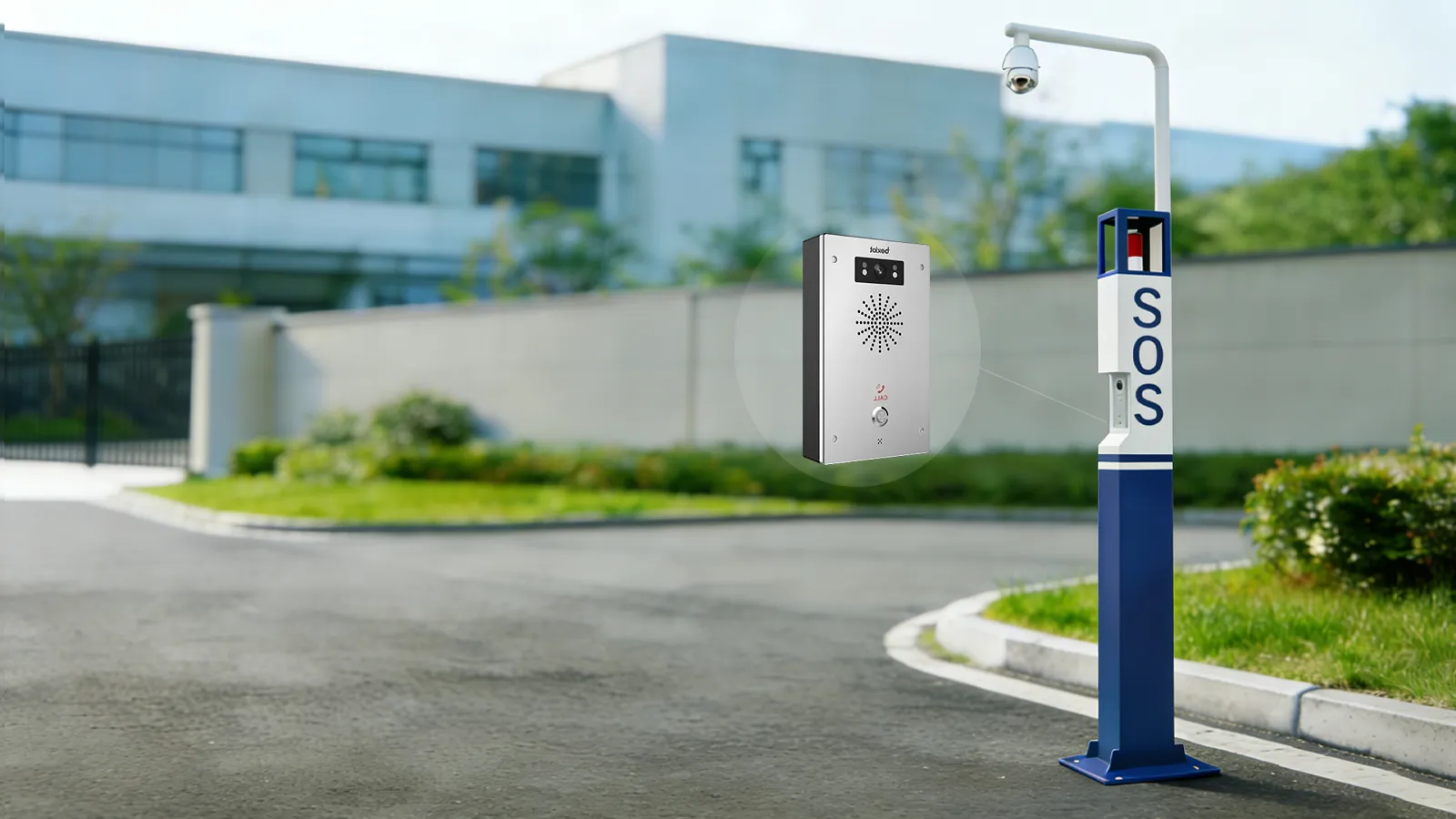
Emergency call box systems provide clearly identified help points for campuses, parking areas, public spaces, transport sites and industrial facilities. Their primary role is to give people a direct route to a staffed response position when assistance is required.
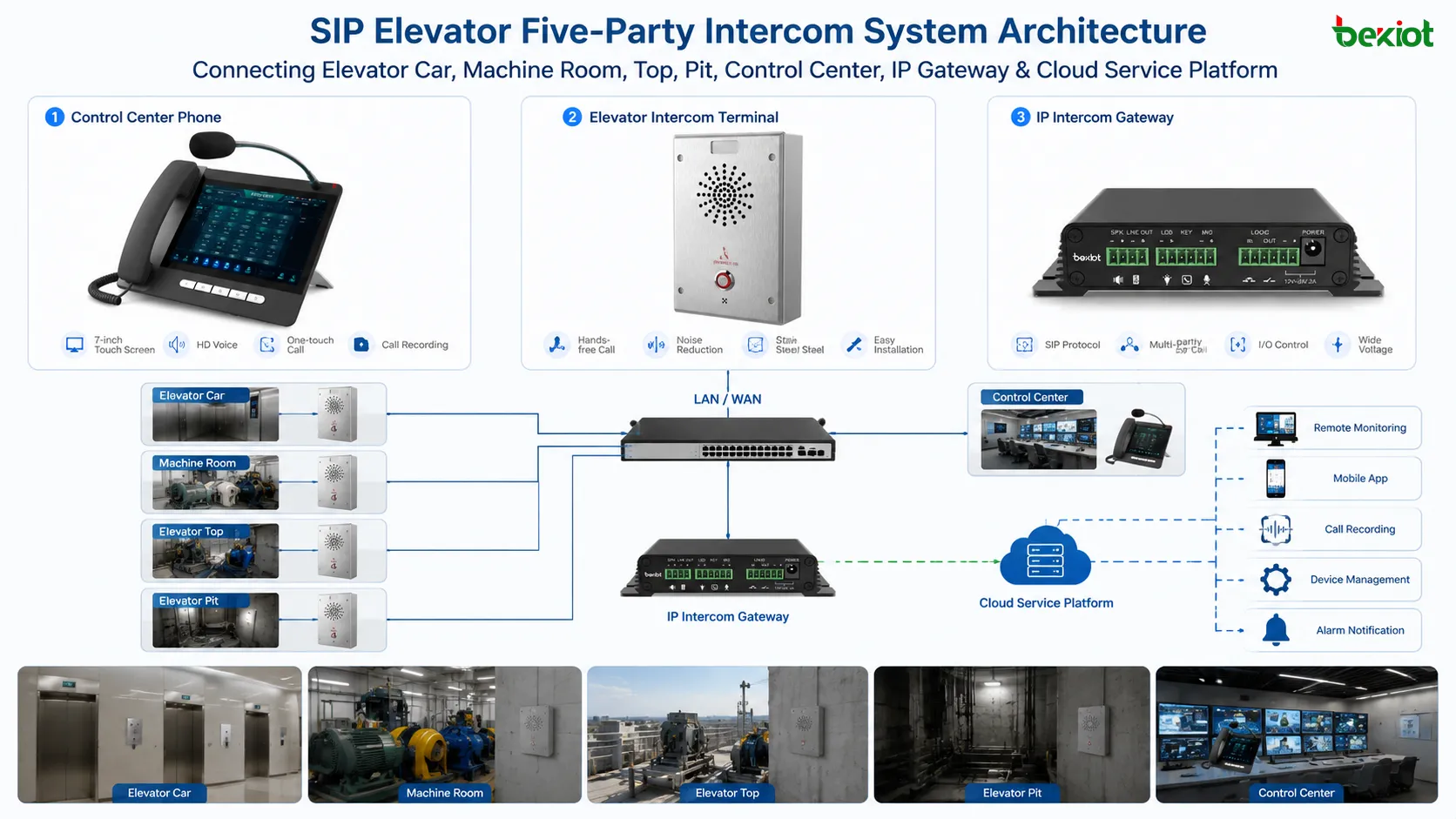
Elevator intercom systems connect elevator emergency call positions with property, security or monitoring personnel. Projects may involve existing two-wire or four-wire infrastructure, SIP migration and communication between elevator locations and a central duty position.
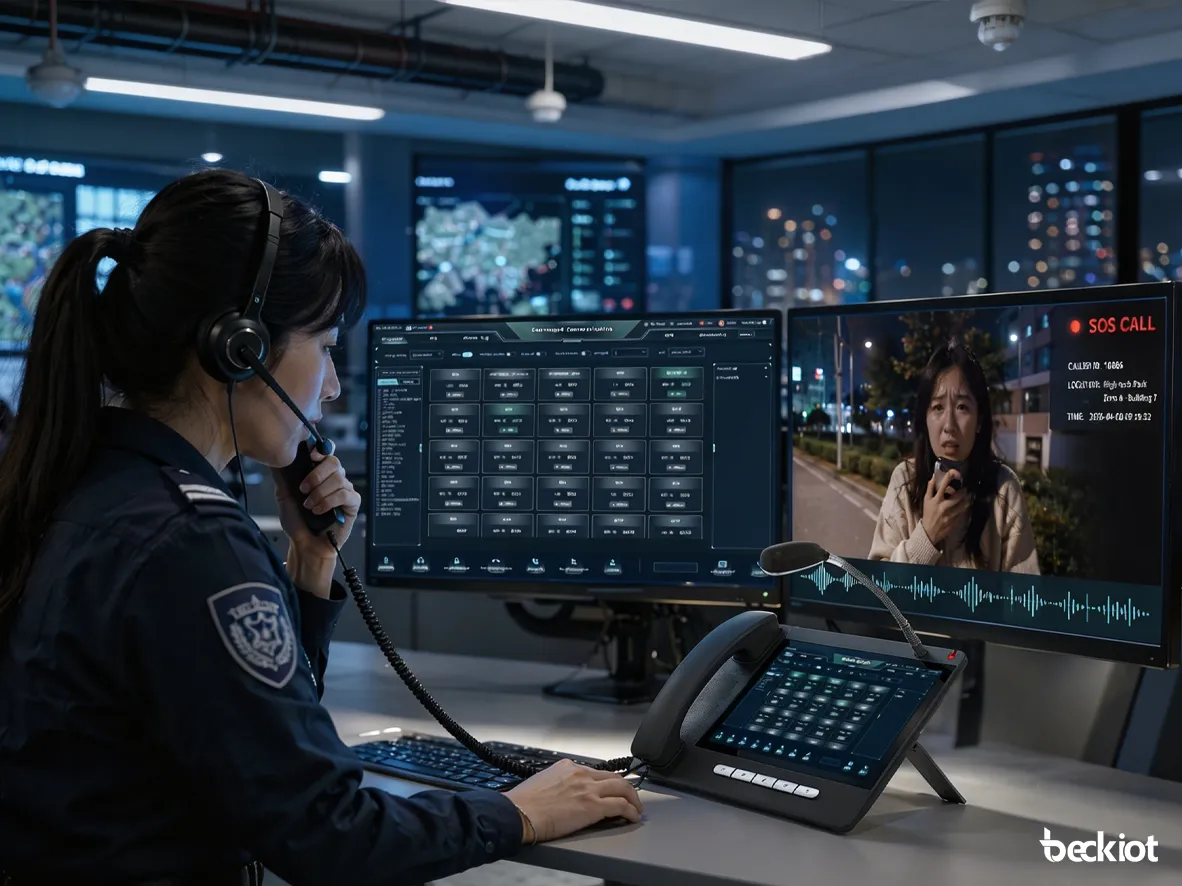
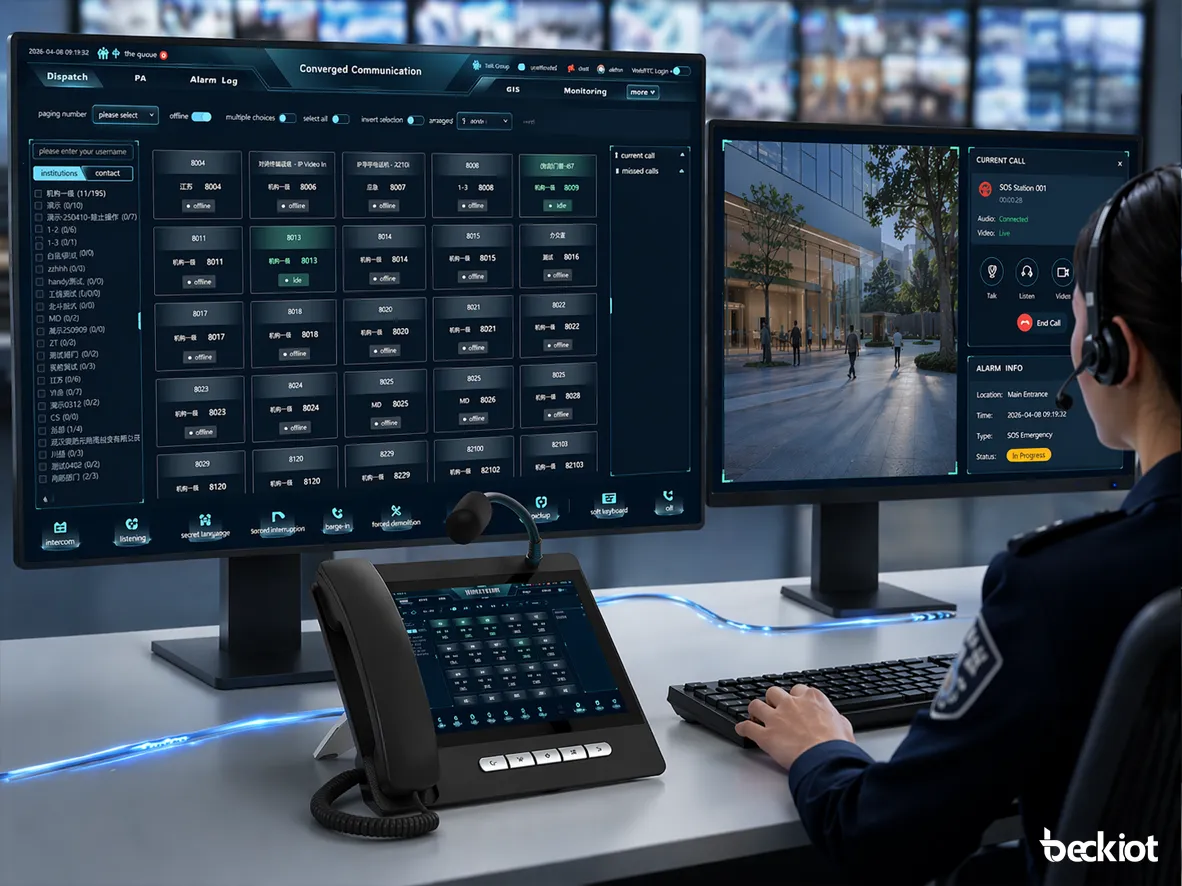
Mass notification systems are used when information must reach larger groups rather than one caller or one operator. They manage targeted warnings and notification workflows across selected people, zones or communication channels according to the event.
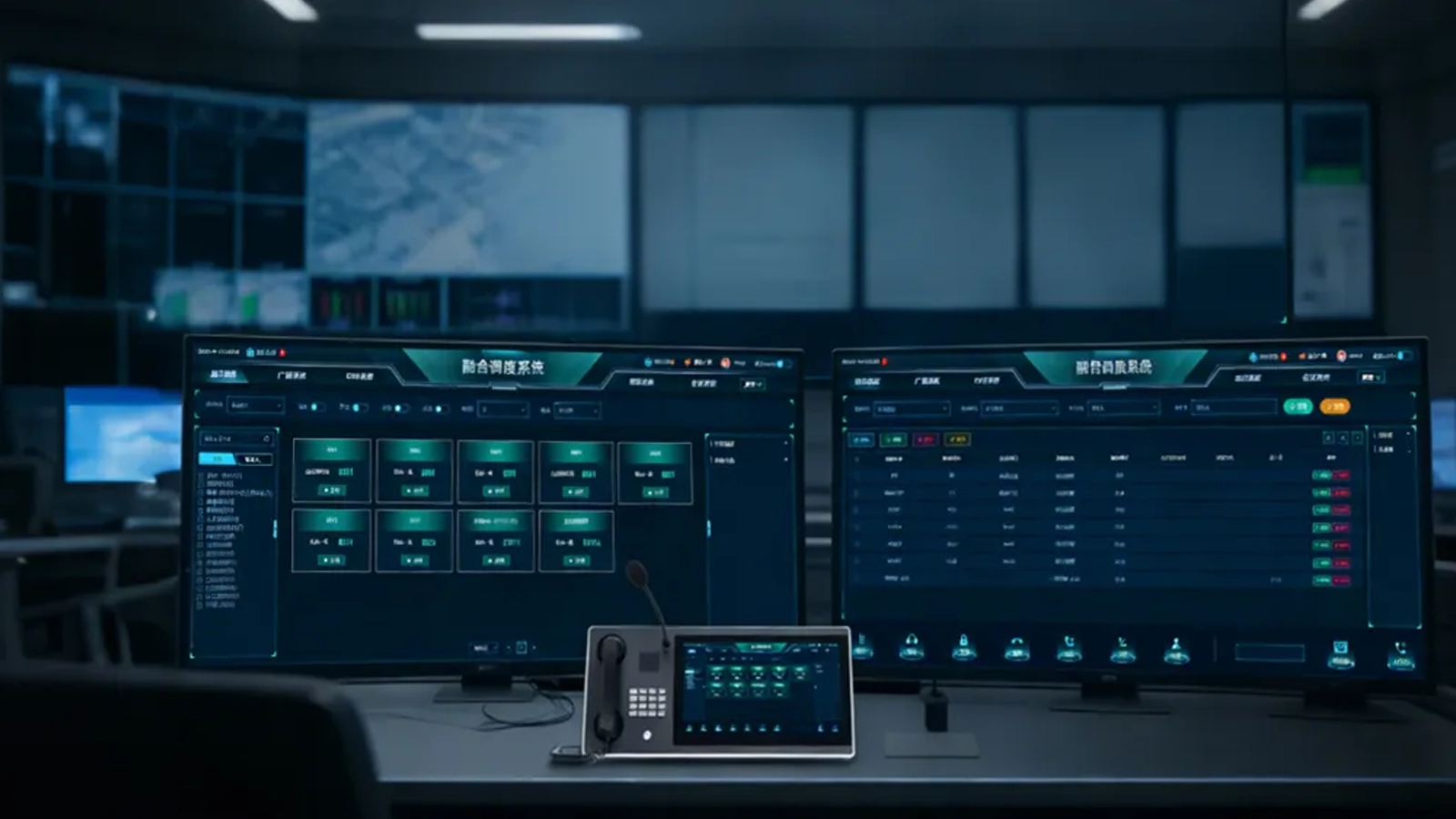
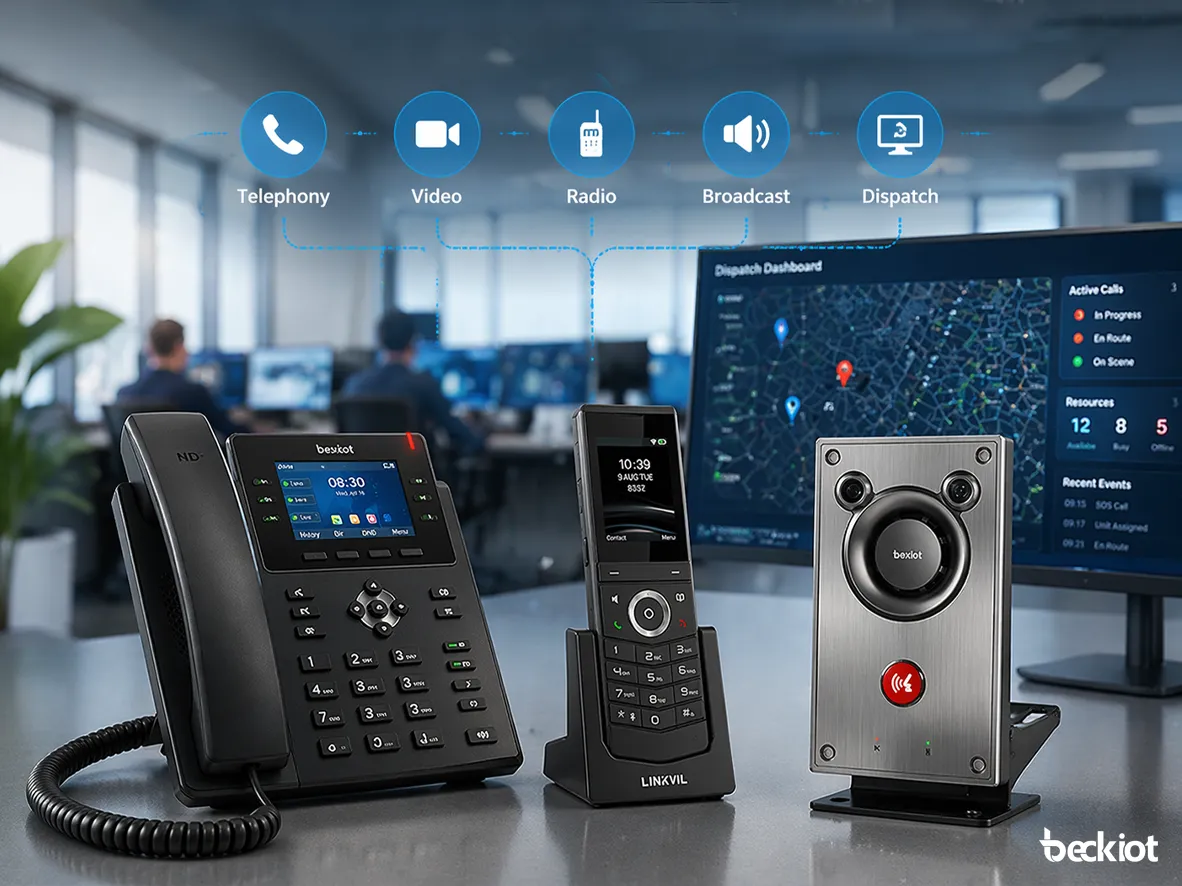
Converged communication systems are suited to projects where telephony, intercom, radio, broadcast, video and dispatch resources need to be accessed from a common operating environment instead of remaining isolated subsystems.
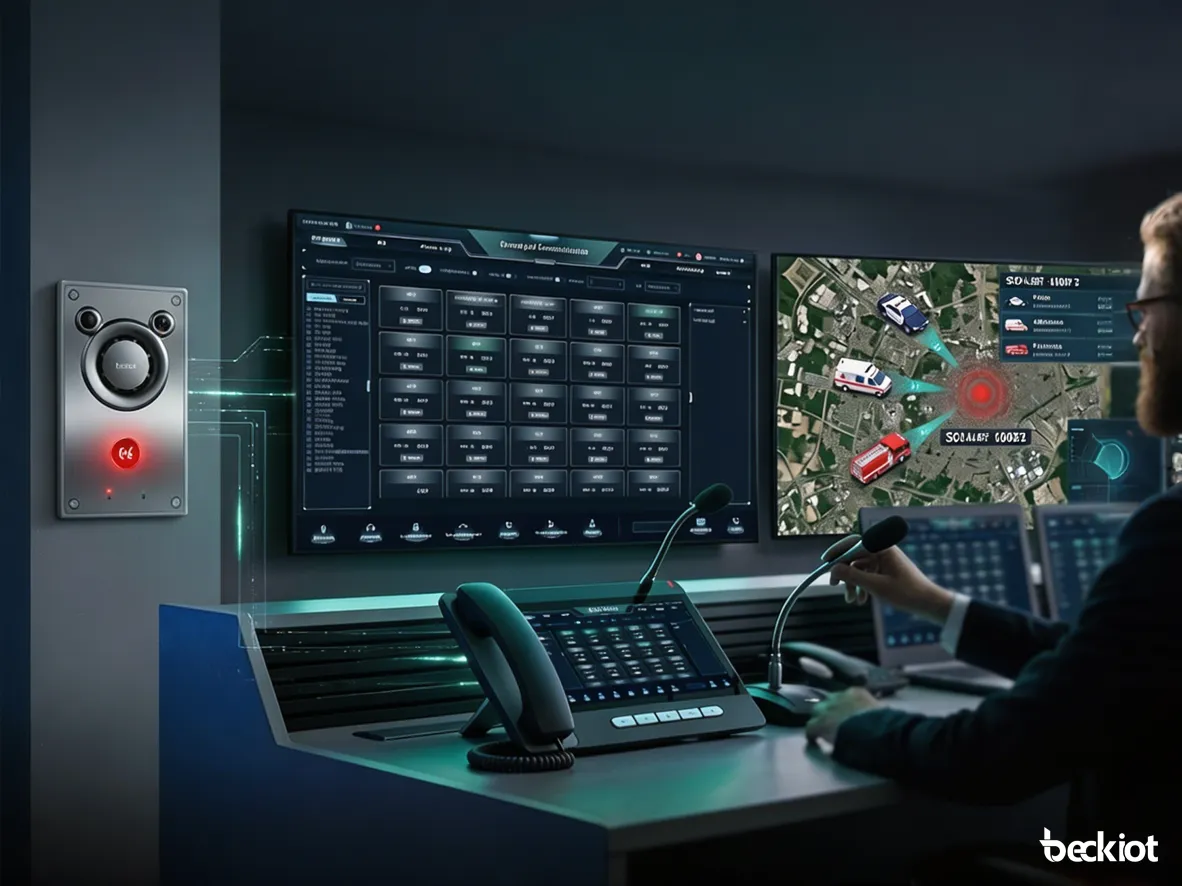
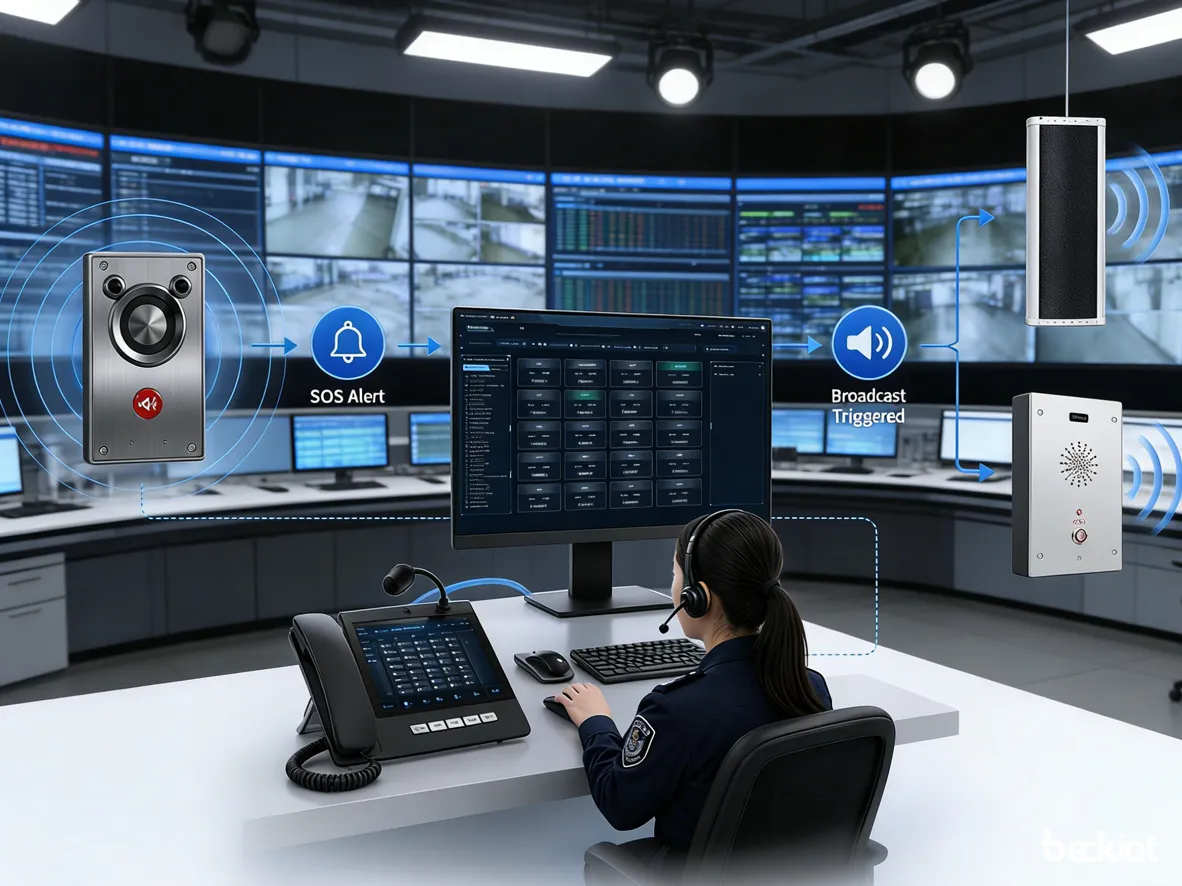
Emergency command and field communication focuses on incidents that require control-room decisions, mobile response teams and continued communication away from fixed call points. The design may combine dispatch positions with radio, mobile or temporary network resources according to the operation.
Industrial emergency communication addresses production areas, warehouses, utilities and distributed outdoor facilities where fixed emergency points, industrial telephones, paging and control-room communication must work around the physical layout of the site.
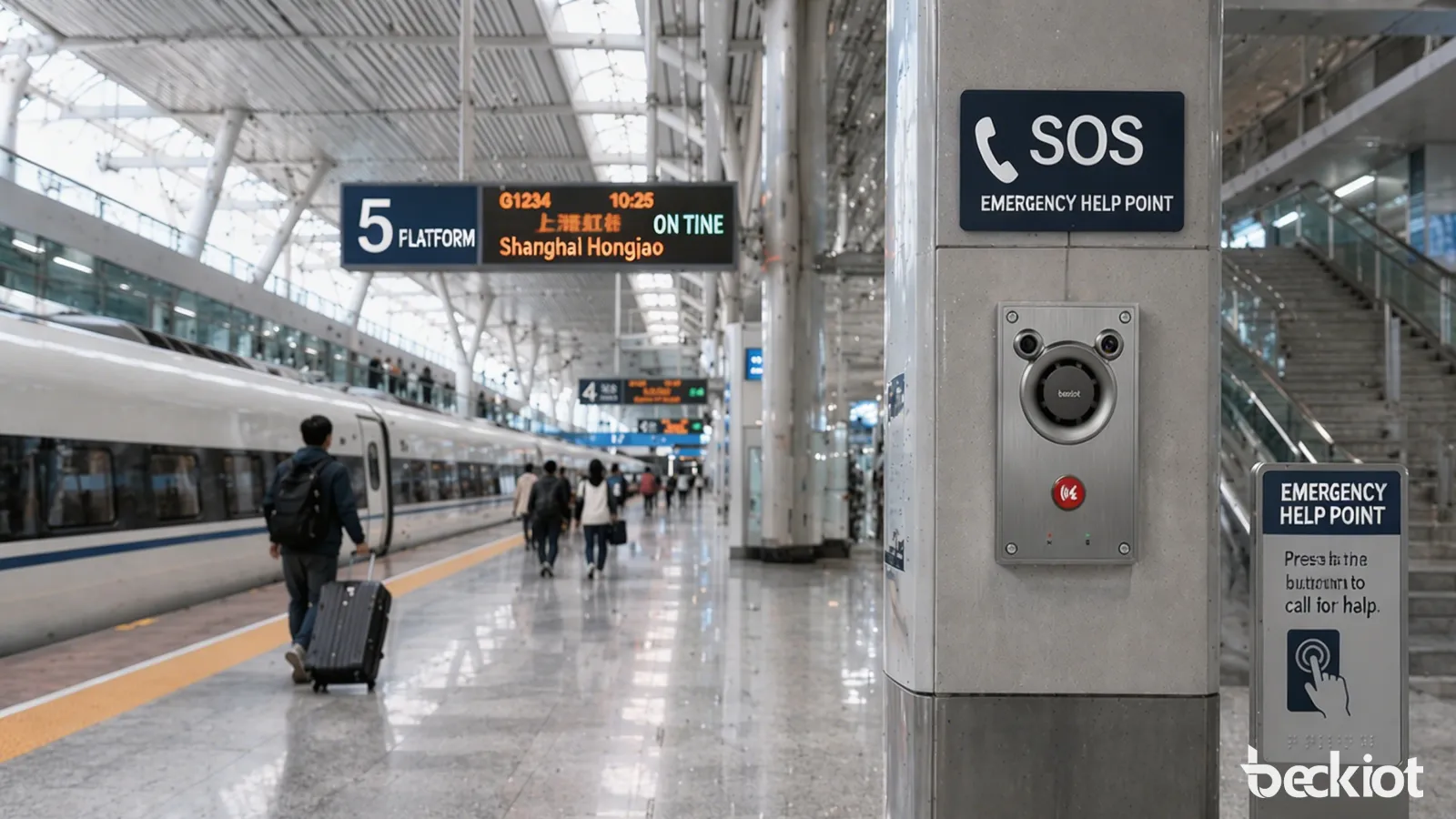
Rail stations, metro platforms, airports and tunnels combine large public areas with restricted operational zones. Emergency help points give passengers and staff a known route to operators, while the control center coordinates the response through the communication and dispatch resources available at the site.
Factories, warehouses and logistics facilities may need emergency call points at workshops, loading areas, outdoor work zones or remote equipment locations. Fixed communication is especially useful where personnel need a predictable route to the control room and mobile coverage cannot be treated as the only reporting method.
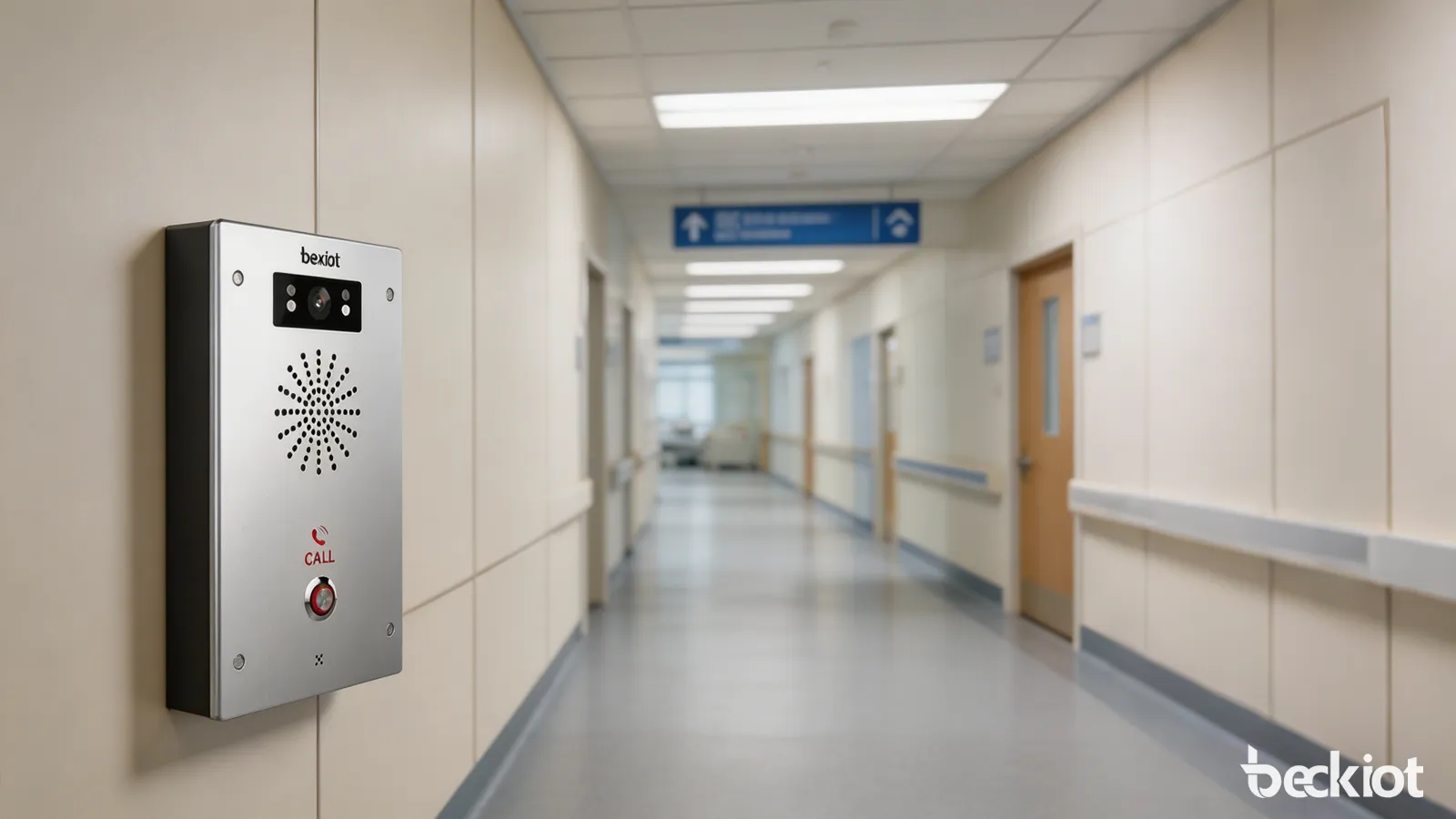
Schools, hospitals and large campuses can place assistance points at entrances, parking areas, walkways, dormitories and other locations that are not continuously staffed. Calls are routed to security, reception or another duty position according to the site's response procedure.
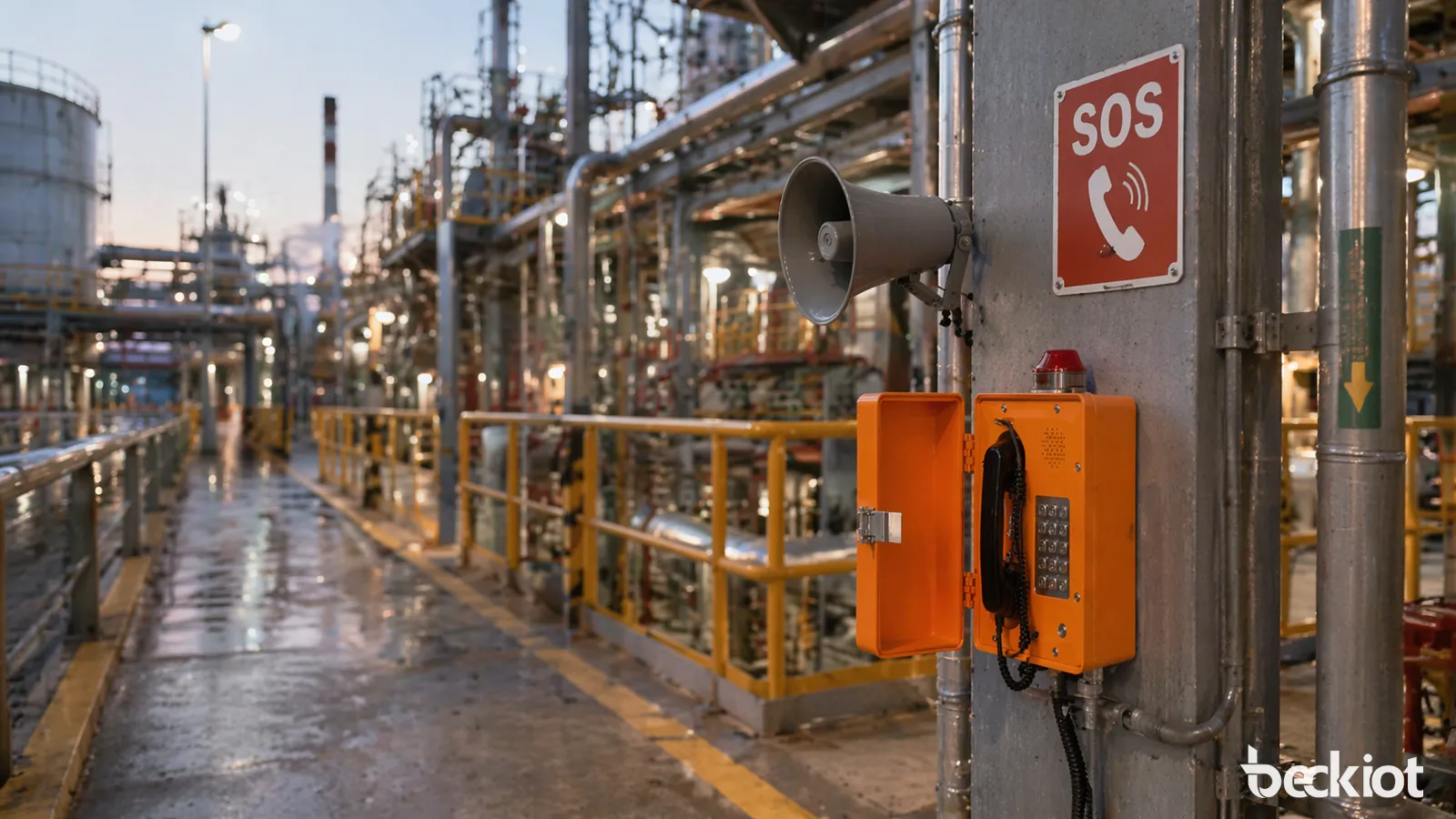
Power facilities, refineries, oil and gas sites and utility infrastructure often cover large operating areas around fixed control rooms. Emergency telephones, industrial communication endpoints and warning equipment can be positioned according to the environment and the response path required for abnormal events.
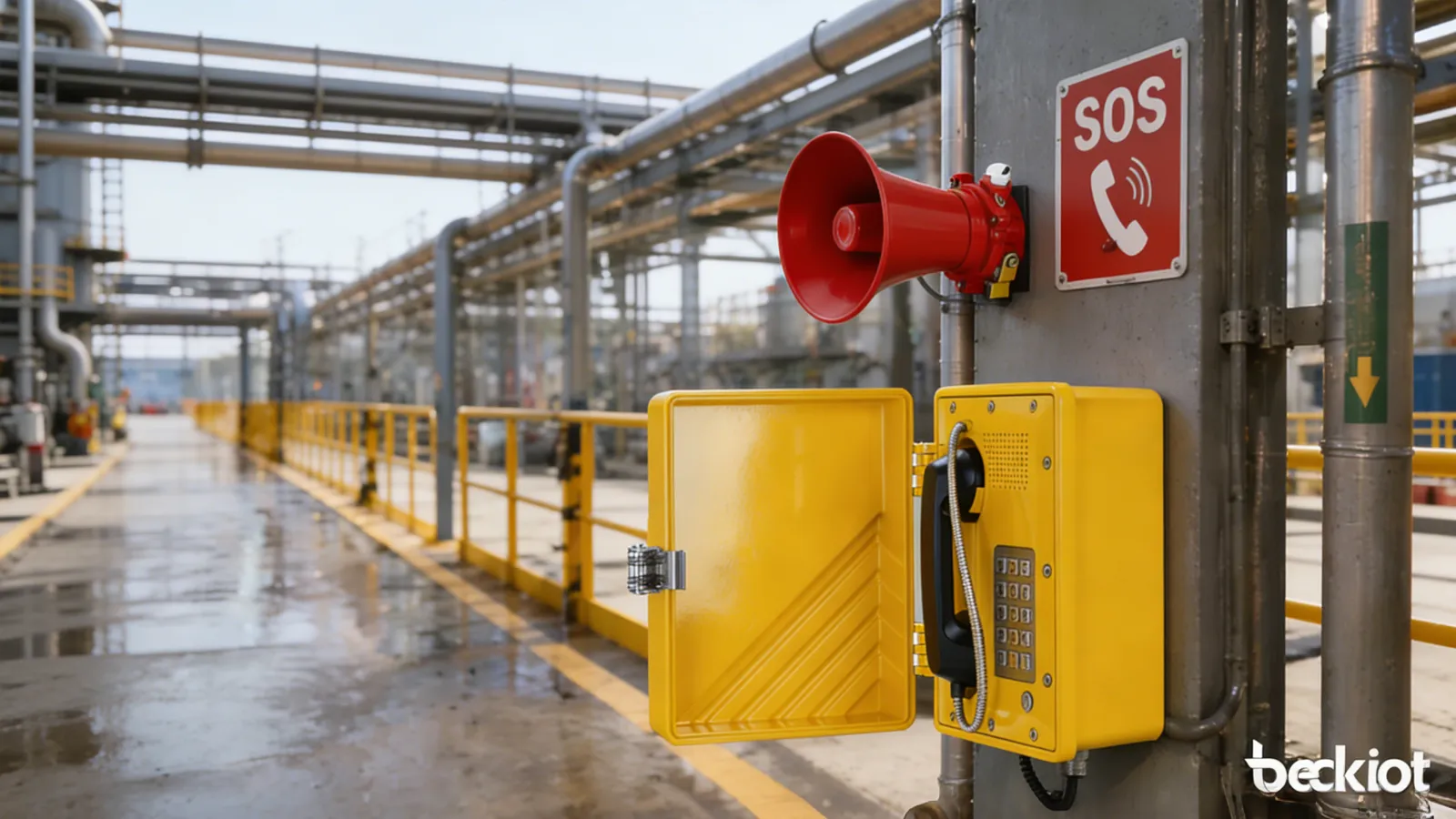
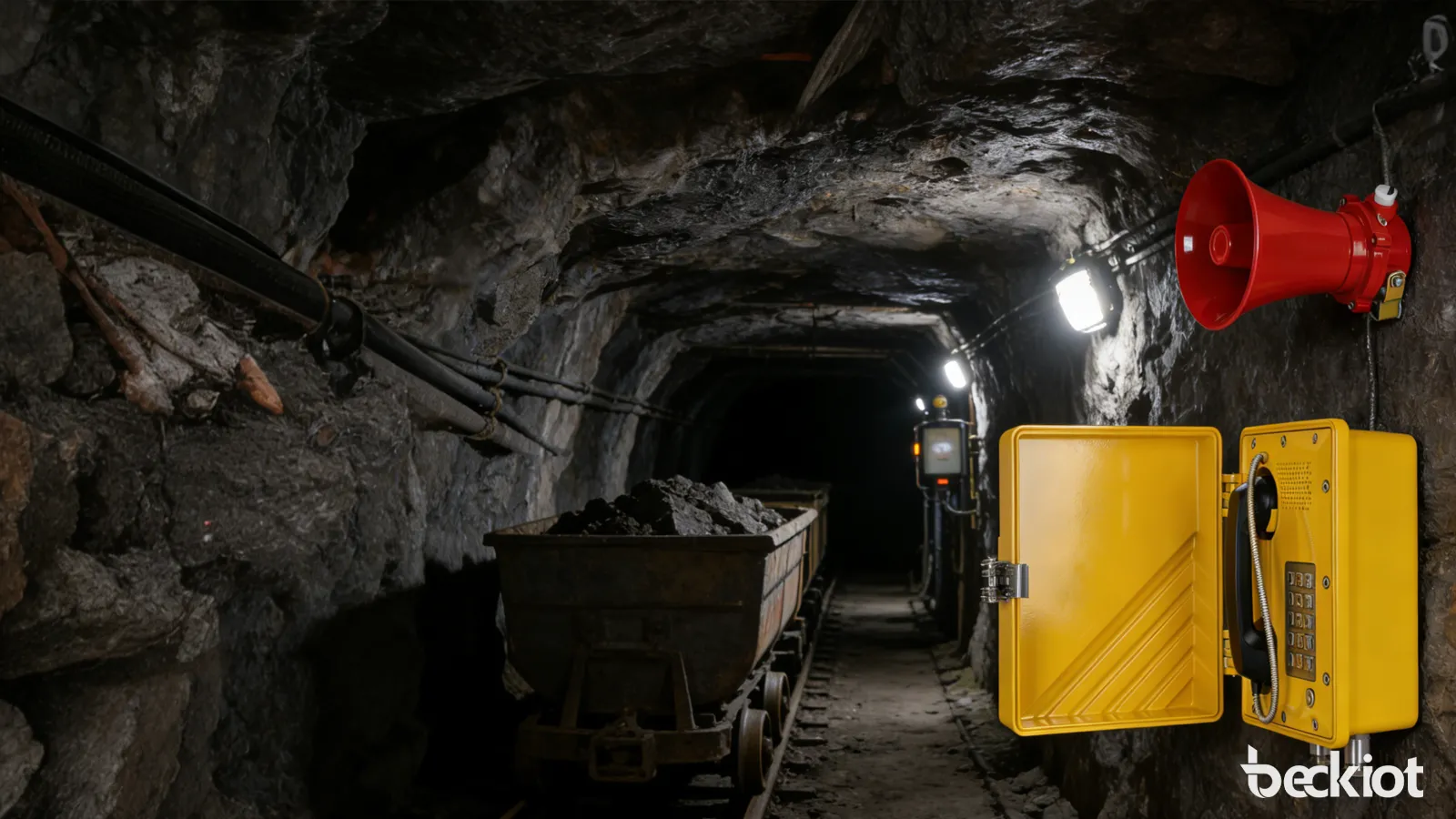
Mines, utility corridors and underground service areas may extend beyond dependable public mobile coverage. Fixed call points and local warning equipment give personnel known communication locations along long routes and provide a direct path back to surface or central control positions.
Parks, public spaces, commercial complexes and distributed outdoor facilities may use clearly marked SOS points where staff are not permanently present. The call point provides a visible route to assistance, while video, dispatch or other response tools remain on the control side.