Major events such as sports competitions, concerts, festivals, exhibitions, public gatherings, and official security operations demand stable, responsive, and highly coordinated communication. In these environments, command centers must stay connected with field teams, mobile patrol units, medical responders, logistics personnel, technical support staff, and external emergency resources at all times.
Becke Telcom provides an integrated emergency communication solution designed for major event command and field operations. By combining dispatch communication, IP telephony, emergency broadcasting, intercom, trunked radio integration, video conferencing, and alarm linkage, the solution helps event organizers and response teams improve command efficiency, maintain communication continuity, and strengthen on-site safety management.
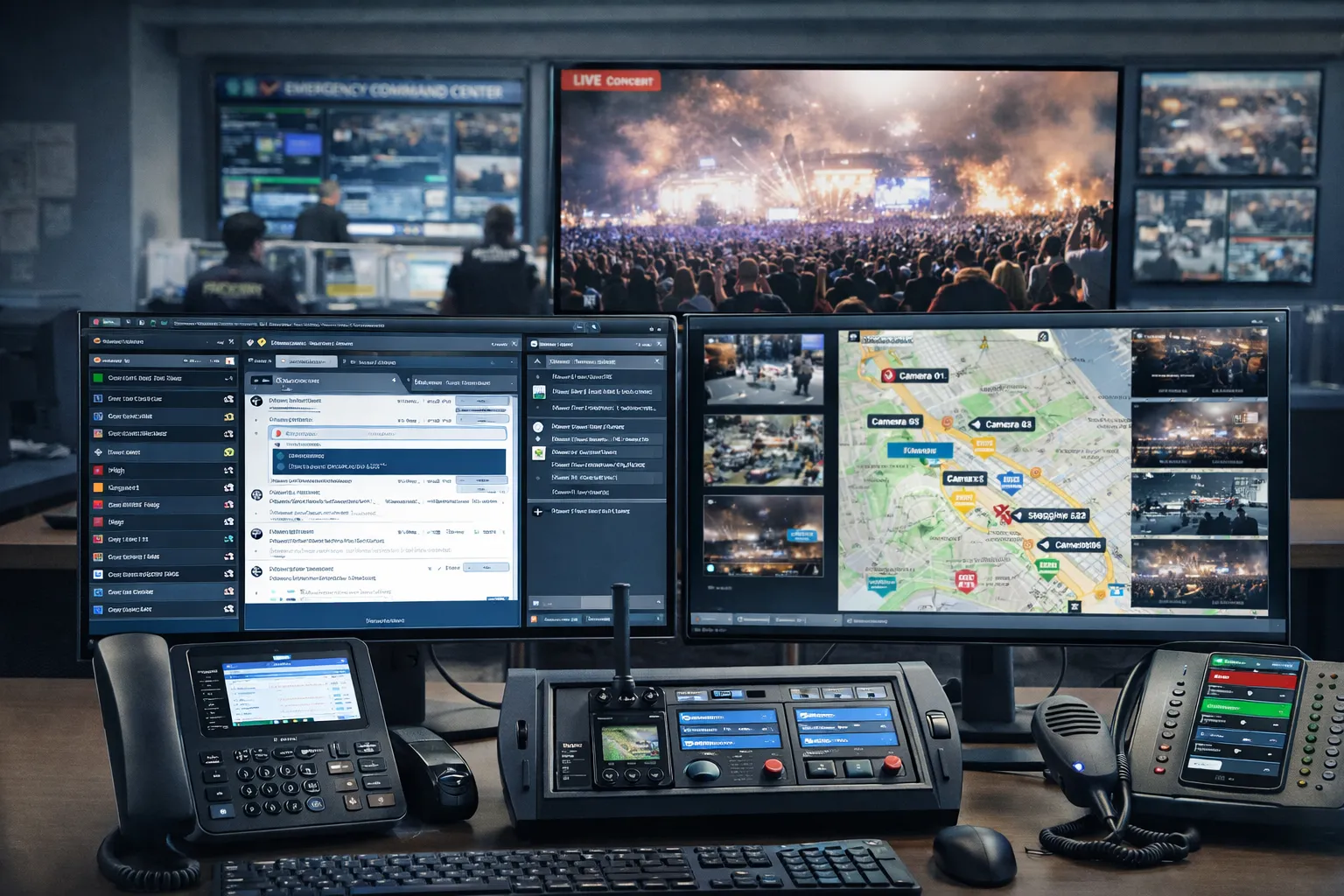
Major event operations involve a wide range of departments and participants. Security teams, police units, medical services, venue operators, technical staff, traffic coordinators, and temporary support teams often work at the same time under changing conditions. If communication tools are isolated or inconsistent, command efficiency can quickly decline.
A practical event communication system must do more than support basic calling. It must allow different teams to communicate through a shared platform, exchange instructions quickly, and escalate incidents in an organized way. This is especially important when site conditions change rapidly or when multiple teams need to respond together.
Large event venues and temporary activity zones usually include entrances, stands, backstage areas, control rooms, parking zones, VIP areas, checkpoints, emergency exits, and external support routes. Communication coverage must extend across all of these areas without creating blind spots or delays.
At the same time, many field personnel are mobile. Patrol teams, security supervisors, and temporary operation units may move constantly throughout the event site. This requires a communication system that supports both fixed terminals and mobile users while keeping command and field operations linked in real time.
During a major event, incidents such as crowd congestion, unauthorized access, equipment failures, sudden weather changes, medical emergencies, or evacuation alerts can occur at any time. When that happens, the command center must issue clear instructions immediately and reach the right teams without confusion.
For this reason, emergency communication must support rapid alerting, group communication, live coordination, and visible command collaboration. A unified system reduces the risk of fragmented information and helps teams respond faster under pressure.
Effective event communication is not only about staying connected. It is about turning communication into coordinated action when timing, safety, and clarity matter most.
Becke Telcom’s solution is built around a unified communication and dispatch platform for major event command and field operations. It connects command centers, field users, emergency help points, radio users, and collaboration terminals through one coordinated system architecture.
The solution supports routine communication, emergency dispatch, live announcements, cross-team coordination, and incident escalation. It is suitable for both permanent venues and temporary event deployments, including stadiums, convention centers, outdoor activity sites, public security operations, and temporary command posts.
Unlike isolated communication tools, this solution integrates multiple capabilities into one operational framework. These include IP telephony, real-time intercom, emergency broadcasting, alarm linkage, trunked radio interconnection, and multi-party video conferencing.
This integrated approach allows command personnel to coordinate fixed and mobile resources more efficiently. It also improves situational awareness by connecting voice dispatch, field communications, emergency alerts, and visual collaboration in a single platform.
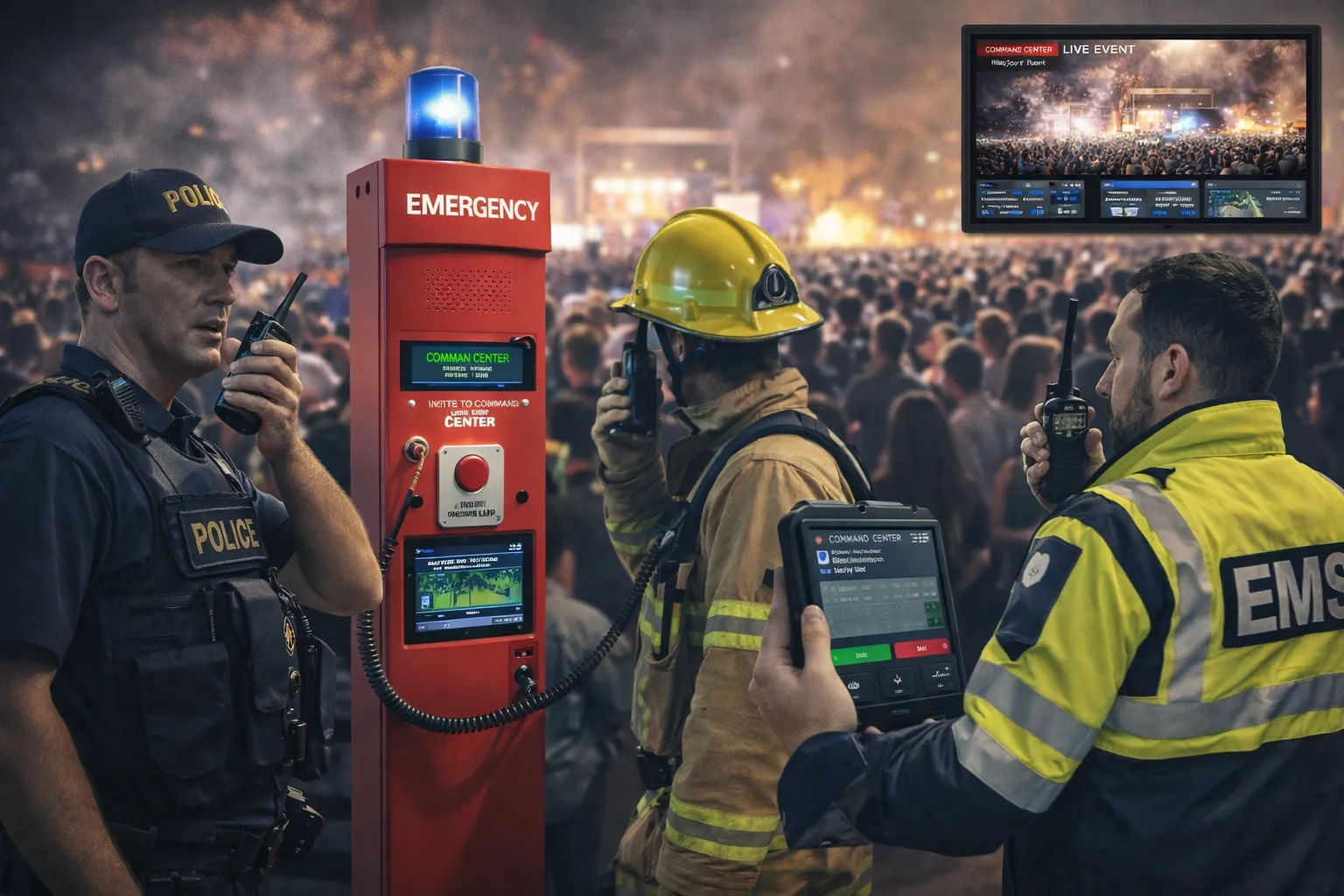
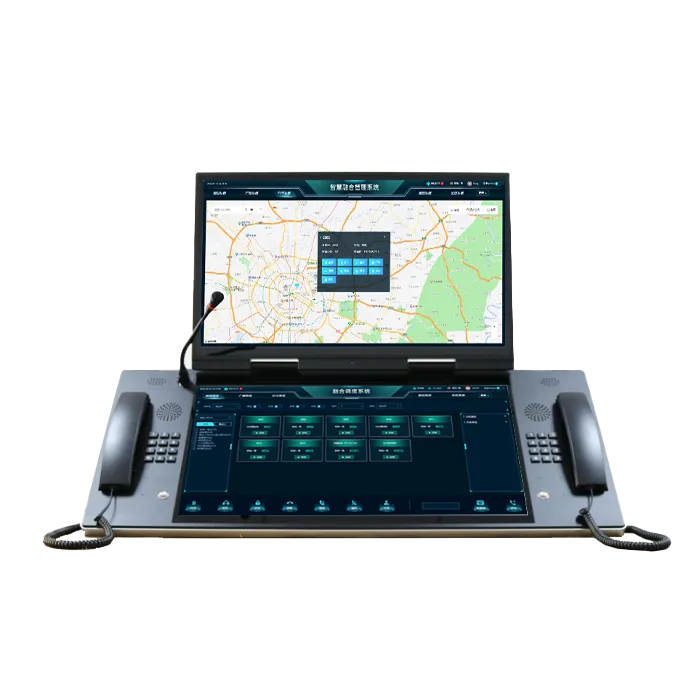
At the center of the solution is the communication and dispatch platform. It can be connected to dispatch consoles, IP PBX or communication servers, IP phones, operator terminals, alarm interfaces, recording servers, and management software. Command personnel can manage voice coordination, incident handling, zone announcements, and cross-department communication from one control point.
This architecture helps centralize key communication resources while keeping operations flexible. For large venues or temporary deployments, the platform can also support distributed sub-command points, mobile command units, and remote coordination positions.
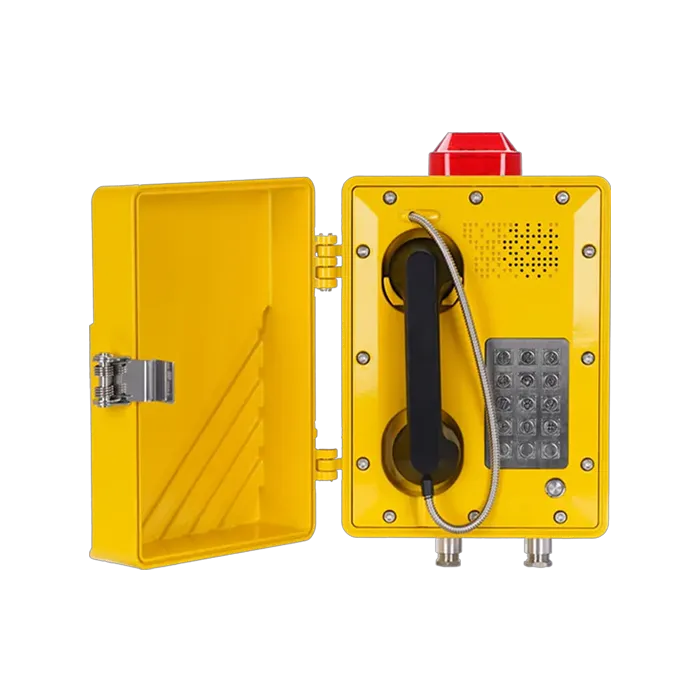
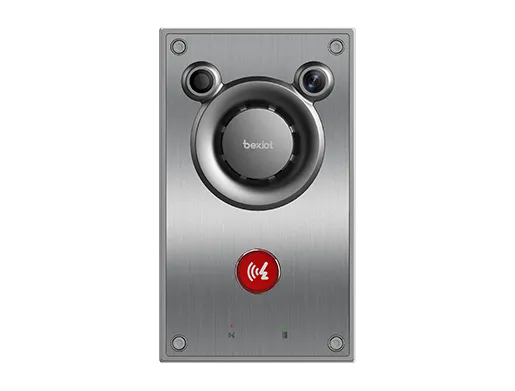
Field personnel can access the system through IP phones, help points, rugged terminals, intercom devices, and radio-connected endpoints. Different user groups can communicate through direct calls, group calling, dispatch channels, emergency announcements, or linked radio communication depending on the task.
This allows fixed site infrastructure and mobile operation units to work together more naturally. Whether the need is routine coordination or a time-critical emergency response, the communication path remains clear and organized.
The solution can integrate with existing communication and safety infrastructure, including public address systems, legacy telephony devices, CCTV platforms, alarm systems, and radio networks. This protects previous investments while improving operational consistency across the event environment.
For project-based deployments, the architecture can also be tailored to the venue size, command model, and emergency workflow. This gives organizers flexibility when building a new system or upgrading existing event communication resources.
| System Layer | Main Components | Operational Role |
|---|---|---|
| Command Layer | Dispatch console, IP PBX, management platform, recording server | Unified command, call control, incident coordination, logging |
| Field Layer | IP phones, help points, intercom devices, radio terminals | On-site communication, reporting, mobile coordination |
| Broadcast Layer | PA terminals, paging interfaces, emergency audio endpoints | Public notification, zone paging, evacuation alerting |
| Collaboration Layer | Video conferencing terminals, mobile command stations | Multi-party discussion, remote coordination, visual command |
The command center can manage routine communication and emergency coordination through one platform. Operators can quickly reach security teams, logistics staff, medical responders, technical support personnel, and other departments according to operational needs.
This reduces communication fragmentation and helps ensure that information flows in a consistent direction. It also supports faster decision-making when multiple departments must respond together.
Centralized voice dispatch
Cross-department coordination
Flexible group communication
The system supports point-to-point communication, group intercom, one-to-many announcements, and multi-party coordination. This makes it suitable for routine event scheduling as well as immediate field response when a situation changes unexpectedly.
Command teams can communicate with distributed field units more efficiently, and field personnel can report incidents or request support without relying on disconnected tools. The result is faster communication with fewer operational gaps.
Emergency broadcasting is an essential function in major event environments. The solution supports live paging, zone-based broadcasting, all-area announcements, and pre-recorded emergency messages for crowd guidance, operational notices, and evacuation instructions.
When integrated with event workflows, this capability helps the command center deliver accurate information to the right area at the right time. It supports both orderly operations and emergency response planning.
Issue zone-based safety notices
Trigger all-area emergency announcements
Support evacuation and crowd guidance
For major event security, mobile patrol, traffic control, and field response, trunked radio remains a highly practical communication method. Becke Telcom’s solution can integrate trunked radio systems through suitable gateways, allowing command platforms and fixed communication terminals to interconnect with radio users.
This capability helps bridge the gap between fixed command infrastructure and front-line mobile personnel. It is especially valuable in large outdoor events, VIP security tasks, and dynamic public operations where radio communication remains the fastest tool for mobile coordination.
In complex event operations, decision-making often requires multiple departments and remote stakeholders to communicate at the same time. The integrated video conferencing system supports real-time collaboration between the main command center, sub-command centers, temporary control points, mobile command vehicles, and remote expert teams.
Video conferencing improves command visibility and helps decision-makers assess situations more clearly. It also supports multi-party discussion, visual briefing, and real-time coordination during incident escalation, high-level event management, and emergency planning.
The solution can connect emergency help points, call stations, and alarm interfaces to the dispatch system. Once an alarm is triggered, the platform can notify the command center, open communication channels, and support faster incident confirmation.
This helps reduce response delays and creates a more structured emergency workflow. Instead of handling alarms as isolated signals, the system turns them into actionable communication events linked to dispatch and response procedures.
Communication records are important for post-event review, incident analysis, and operational improvement. The system can record calls, dispatch actions, alarm events, and communication logs to support traceability and management accountability.
These records can also help organizers refine emergency procedures and improve communication planning for future events. For professional venues and public security operations, this function adds practical management value beyond day-to-day communication.
A modern event communication system should not only connect people. It should connect decisions, field actions, emergency processes, and management visibility in one operational framework.
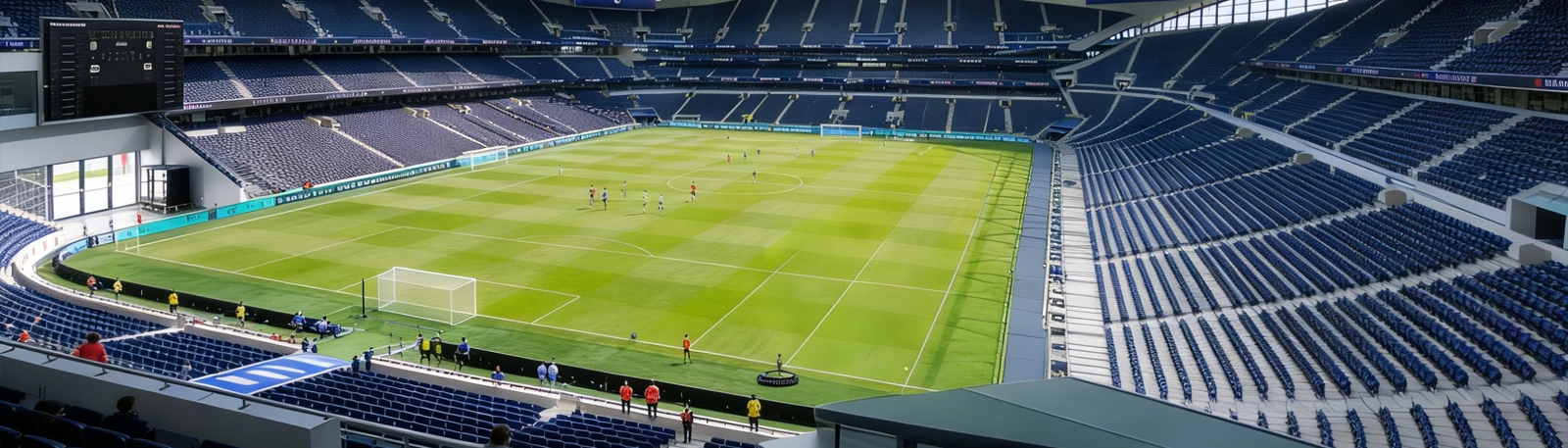
In sports venues, the solution supports communication between event command teams, venue operators, security departments, medical units, and technical service personnel. It can be used for crowd management, emergency coordination, routine dispatch, and zone-based public announcements.
Its integrated architecture is especially useful during high-attendance events where rapid communication and visible command are both critical to operational safety.
Concerts and festivals often involve temporary infrastructure, changing crowd flow, and wide-area field deployment. The solution helps connect backstage teams, stage management, security patrols, logistics support, and emergency staff through a coordinated communication network.
With support for broadcast, radio integration, and video collaboration, organizers can manage both routine operations and unexpected incidents more effectively.
In exhibitions, international meetings, public ceremonies, and official security operations, communication must support protocol management, access control, multi-department coordination, and emergency escalation. The solution provides a practical communication foundation for these high-demand environments.
It also supports temporary command deployment and cross-location coordination, which is valuable when a major event combines multiple sites or layered security zones.
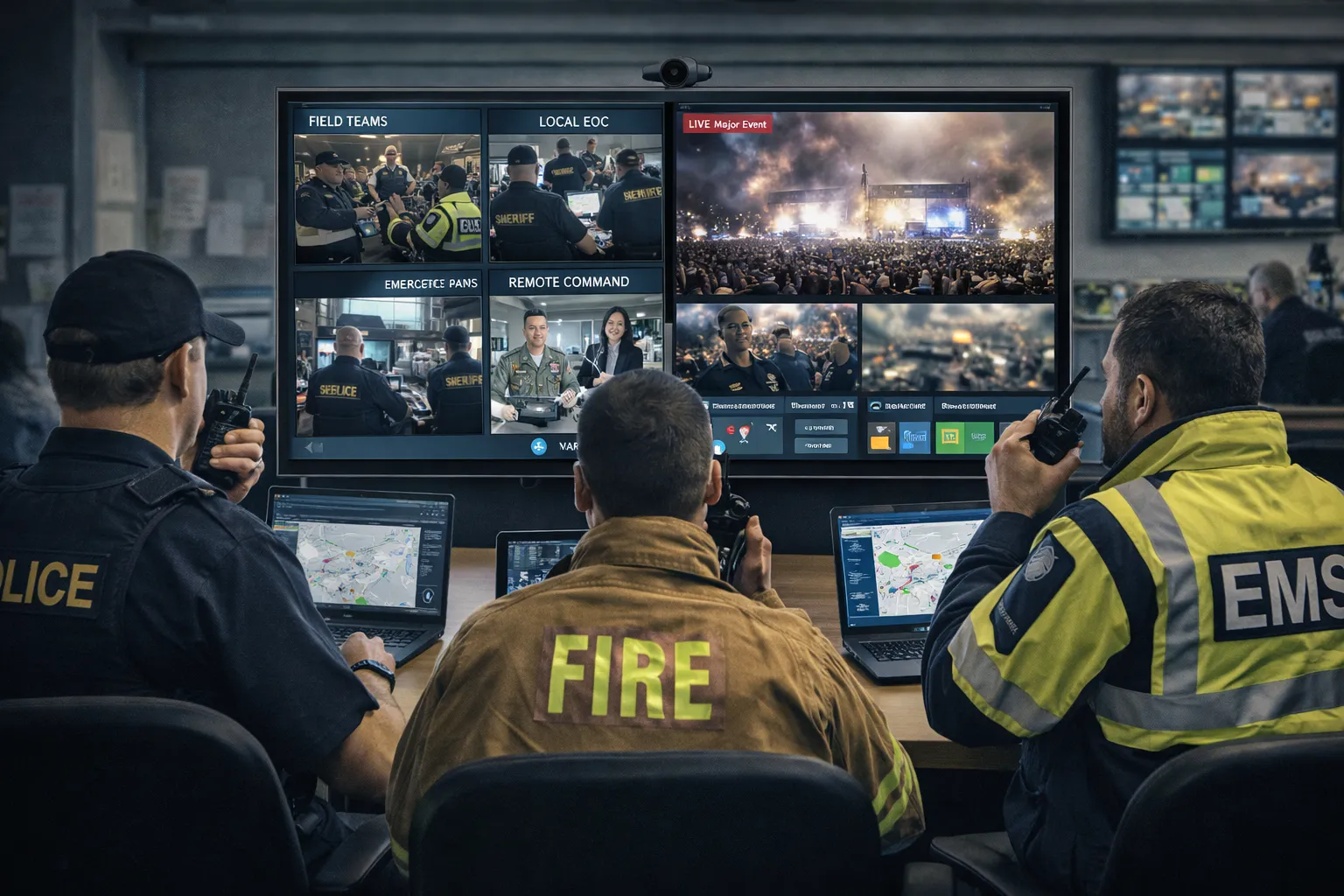
By combining dispatch, intercom, broadcast, alarm linkage, trunked radio, and video conferencing, the solution reduces communication delays and helps teams respond to incidents more quickly. Fast communication leads to faster action.
This is particularly important in crowd-related incidents, security alerts, medical emergencies, and temporary operational changes during major events.
The solution allows different departments to communicate through one coordinated framework instead of relying on disconnected tools. This improves information flow between the command center and field operations while reducing confusion.
For organizers, this means stronger operational control and a more orderly response process during both planned activities and urgent situations.
Major event communication must remain stable during peak traffic and under pressure. The solution supports flexible deployment, network integration, and practical redundancy options to help maintain communication continuity across the event site.
This gives operators more confidence when managing large-scale or high-risk public activities.
Becke Telcom’s Emergency Communication Solution for Major Event Command and Field Operations is designed to support safer, faster, and more coordinated event management. By integrating dispatch communication, IP telephony, emergency broadcasting, trunked radio interconnection, video conferencing, and alarm linkage, the solution helps command teams and field personnel work together more efficiently across complex event environments.
For stadiums, concerts, exhibitions, public gatherings, and official security tasks, this solution provides a practical communication foundation for routine coordination and emergency response alike. It is a strong fit for organizations that need visible command, rapid field communication, and flexible system integration in major event operations.
To build a communication system that matches your venue layout, security workflow, and emergency response requirements, Becke Telcom can provide solution planning, system integration support, and project-based deployment advice for major event environments.
It is an integrated communication system used to support command, coordination, broadcasting, intercom, alarm handling, and emergency response during large public events. It helps connect command centers with field teams and critical operation resources.
Trunked radio is widely used by security teams, patrol personnel, and mobile response units. Integrating it with the command platform helps fixed command positions communicate more effectively with mobile radio users during routine operations and emergency events.
Video conferencing enables command centers, sub-command points, and remote experts to communicate visually in real time. It supports faster decision-making, clearer situation assessment, and more effective coordination during complex event operations.
Yes. The solution can support both permanent venue installations and temporary command deployments for short-term events, outdoor gatherings, public ceremonies, and mobile operation scenarios.
The solution can integrate IP telephony, dispatch consoles, public address systems, help points, alarm interfaces, trunked radio systems, video conferencing platforms, and selected existing communication or security resources.