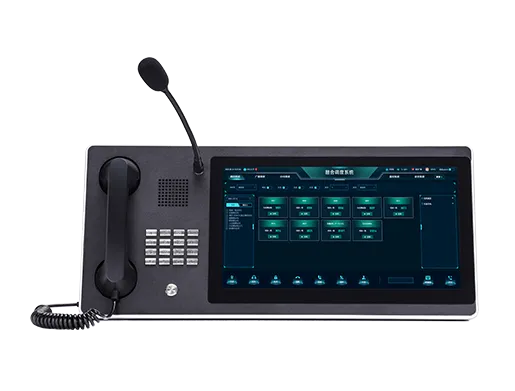
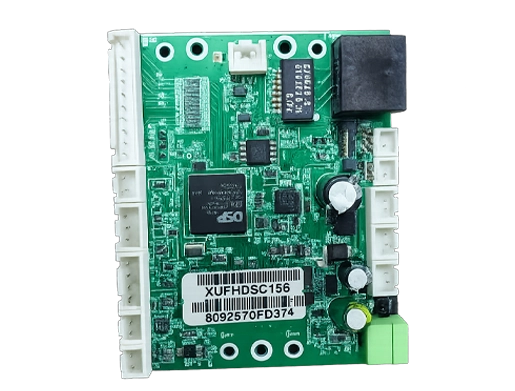
Command & Dispatch Systems for Voice, Video & Multi-Network Coordination

Unified Command, Faster Dispatch, Better Control.Coordinate telephone, radio, video, GIS, paging and field communication resources from a centralized dispatch environment built for control rooms and distributed operations.

Consult immediately
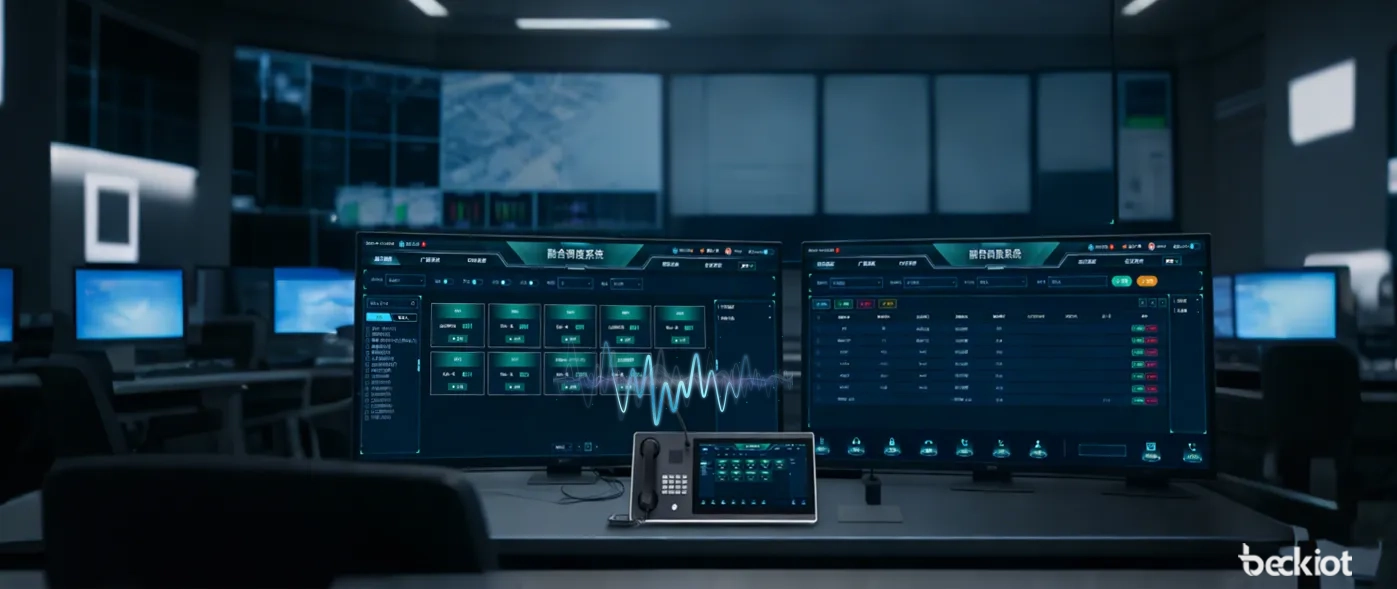
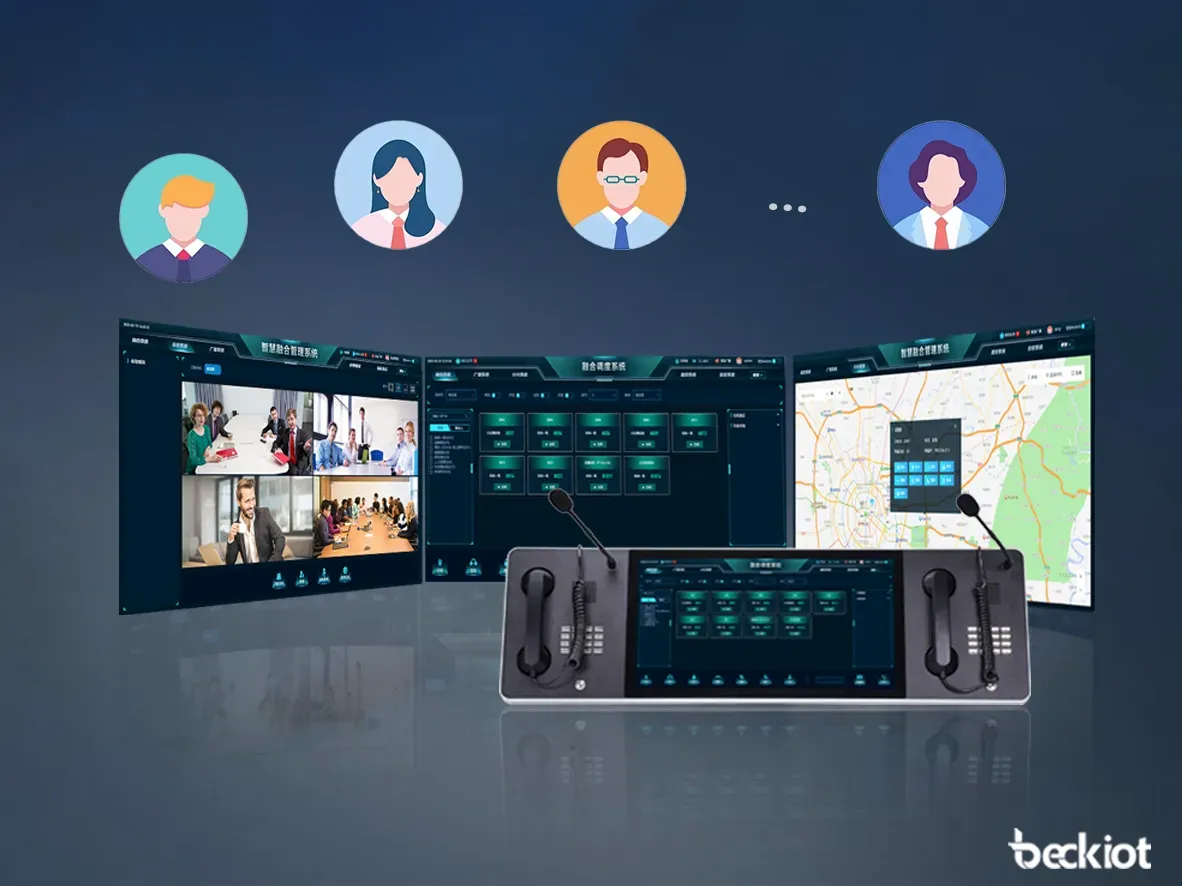

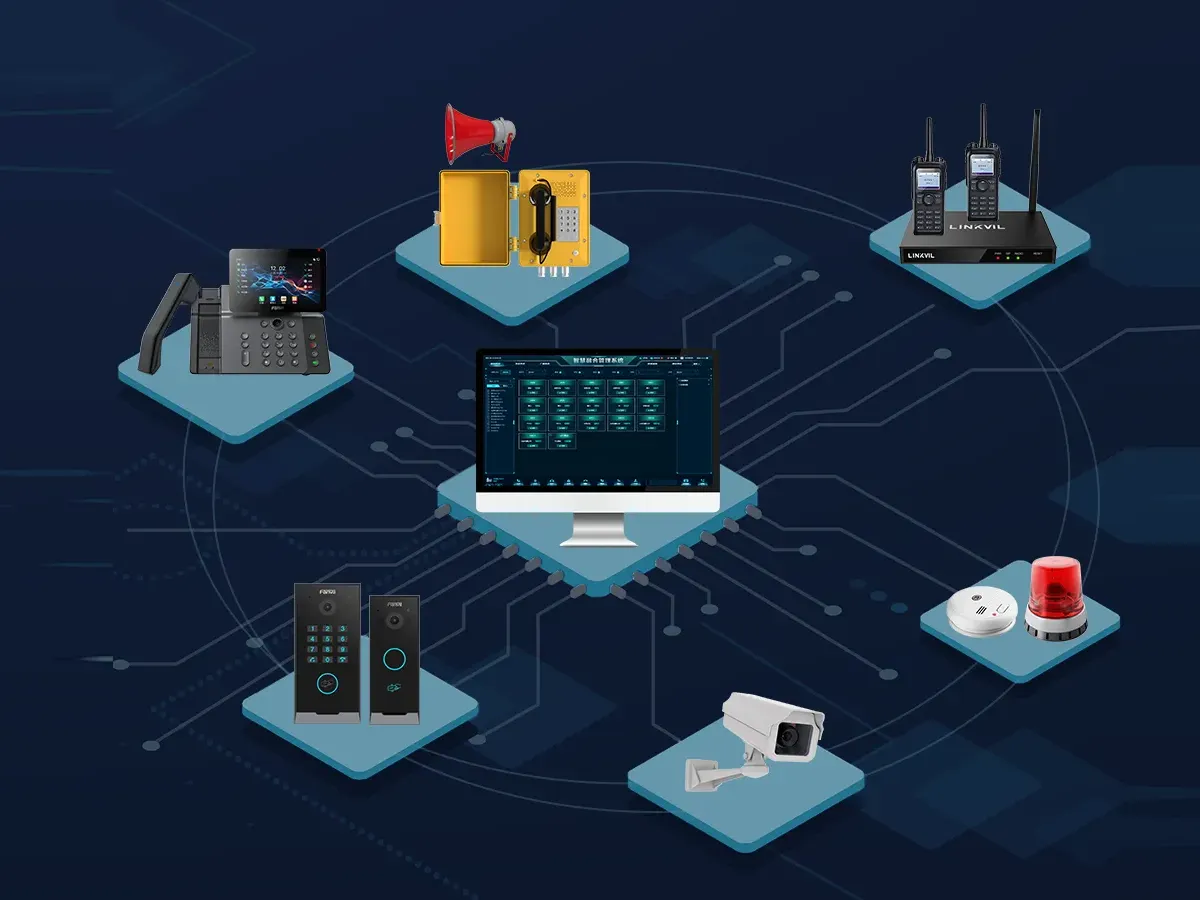
    Becke Telcom command and dispatch systems provide operators with a common interface for handling calls, viewing communication resources, coordinating field teams and responding to operational events. The platform is intended for control rooms where telephone, radio, intercom, video, paging and location information would otherwise be managed through separate systems.

    The focus is not simply to connect different networks. Once communication resources are available to the platform, operators need practical tools to call individuals or groups, establish conferences, view field information, issue instructions and escalate an event when several teams become involved.

    Radio systems such as DMR, PDT or TETRA are connected through supported gateways or system interfaces where required rather than being treated as native SIP endpoints. Telephone, intercom and paging resources may use SIP or other project interfaces depending on the equipment already deployed.

    Command & Dispatch Capabilities

Voice & Radio Dispatch

Operators can manage telephone calls, SIP endpoints and connected radio resources from the dispatch interface. Individual calls, group communication and conferences provide different ways to reach personnel according to the operating task, while supported radio gateways can bridge compatible DMR, PDT, TETRA or other radio networks into the dispatch workflow.

Voice & Radio Dispatch
Video Coordination

Video Coordination

Video calls and connected camera resources provide additional context when voice alone is not enough. Operators can view available field video, bring selected sources into the control-room workflow and use video conferences where the required terminals and platform functions are available.

GIS & Location Dispatch

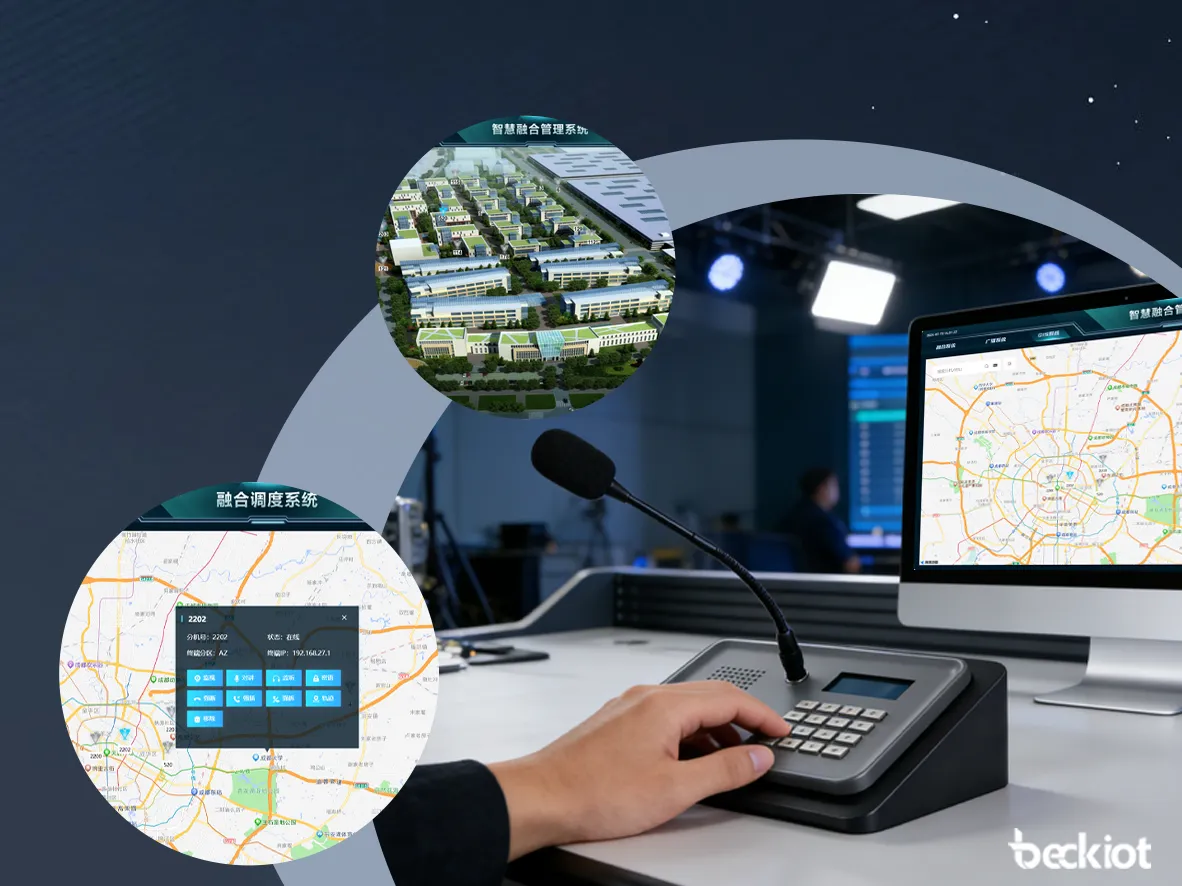
Location-enabled terminals can be displayed on supported map interfaces so dispatchers can identify where personnel or communication points are located before making a call or assigning an action. Track history, geofencing and map-based operations depend on the positioning data and GIS functions provided by the deployed system.

GIS & Location Dispatch
Group Calling & Command Delivery

Group Calling & Command Delivery

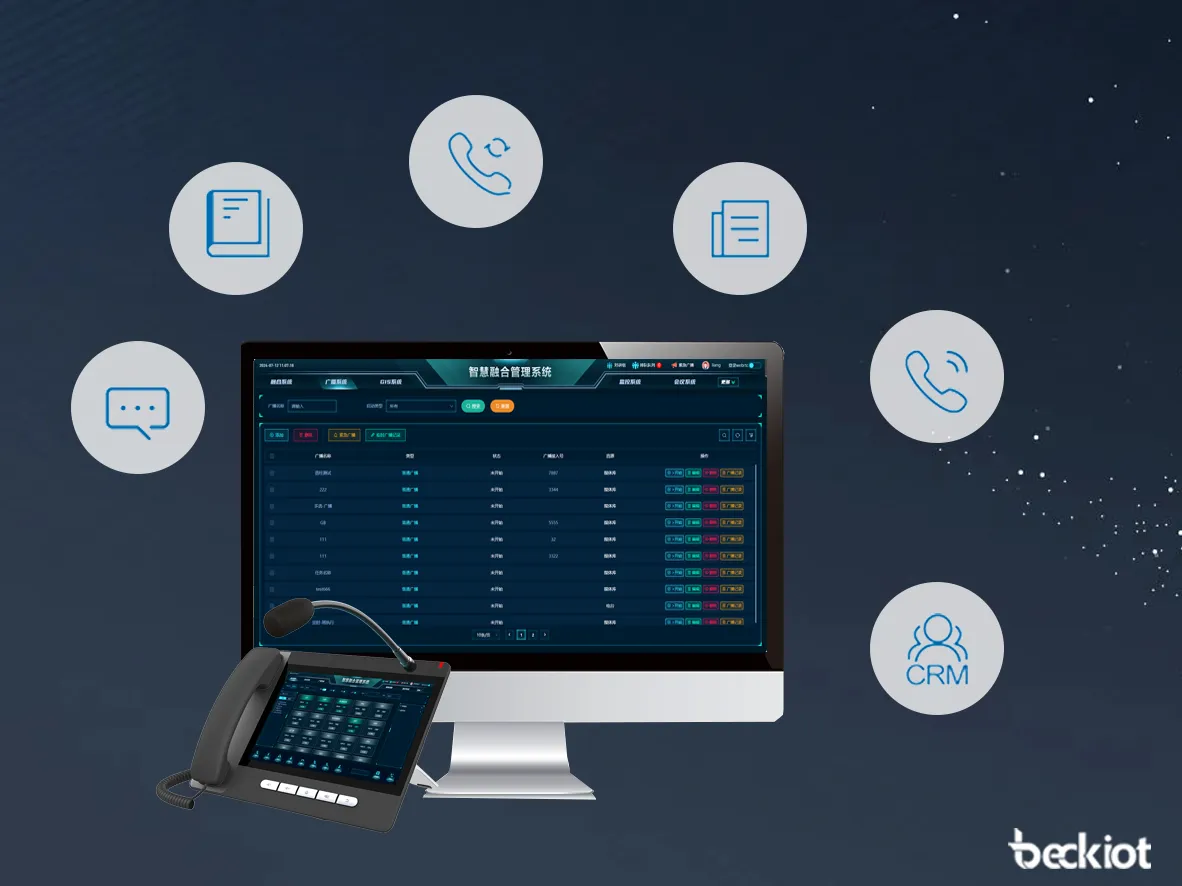
A dispatcher may need to reach one person, a defined group or several departments at the same time. Group calls, conferences and multimedia instructions can be used to distribute operational information without repeating the same message through separate communication channels. Text, voice, images, video or files can be included where the platform supports those message types.

Alarm & Event Coordination

Alarm inputs, sensor information or operational events can be brought into the dispatch environment through supported gateways and system interfaces. The operator can then use the available voice, video, GIS or messaging resources to verify the event and coordinate the required response instead of handling the alarm as an isolated notification.

Alarm & Event Coordination
Priority & Resource Control

Priority & Resource Control

Dispatchers can organize communication resources by role, group or operating priority so critical calls and response teams are easier to reach during busy periods. Where supported by the deployed platform, priority rules and operator permissions can also determine how calls are handled when several communication tasks occur at the same time.

Open Platform Integration

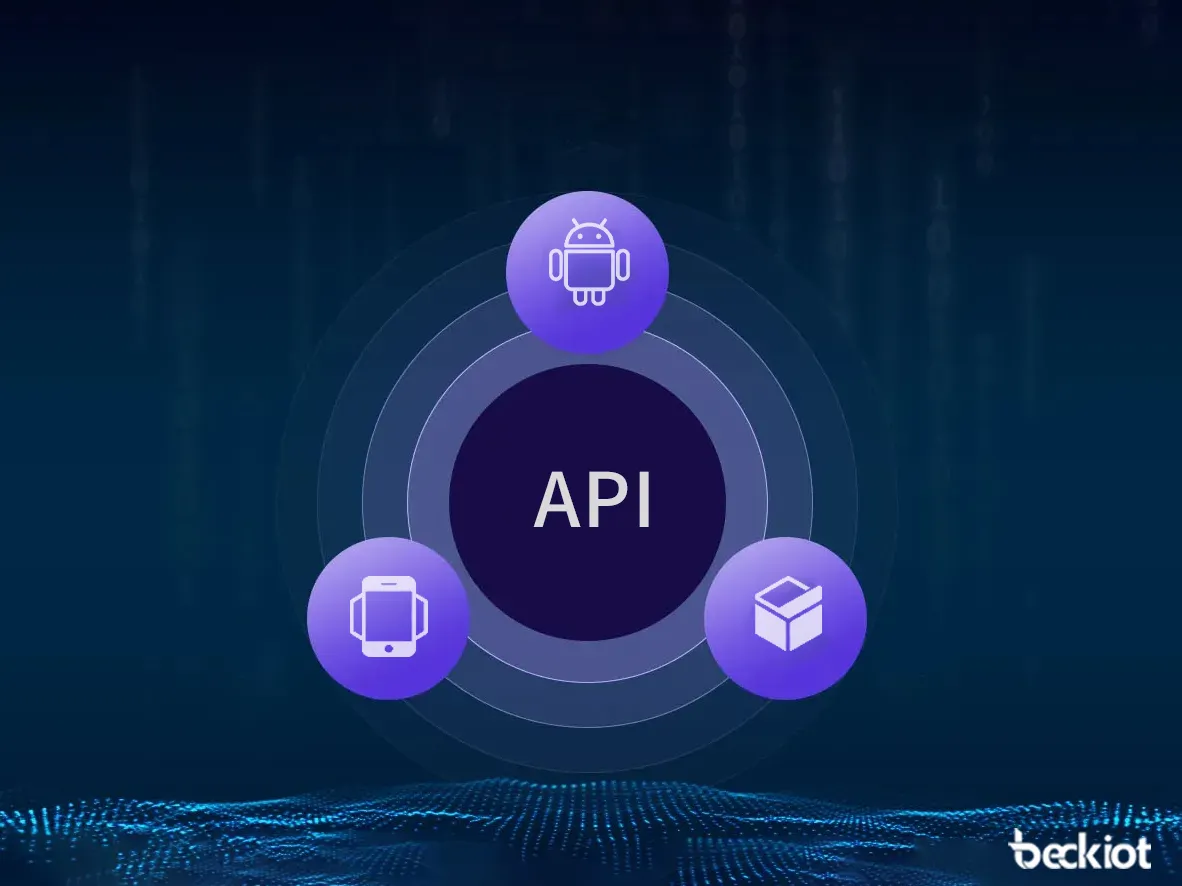
Available development interfaces can connect the dispatch platform with external applications and industry systems. Depending on the project, integration may use APIs, WebRTC, SDKs, OCX controls or communication gateways so existing business applications and communication resources do not have to be replaced solely to enter the dispatch environment.

Open Platform Integration

System Advantages

Multi-Network Access
Unified Dispatch Interface
Centralized & Distributed Deployment
Full Network Adaptability
Multi-Network Access

Multi-Network Access

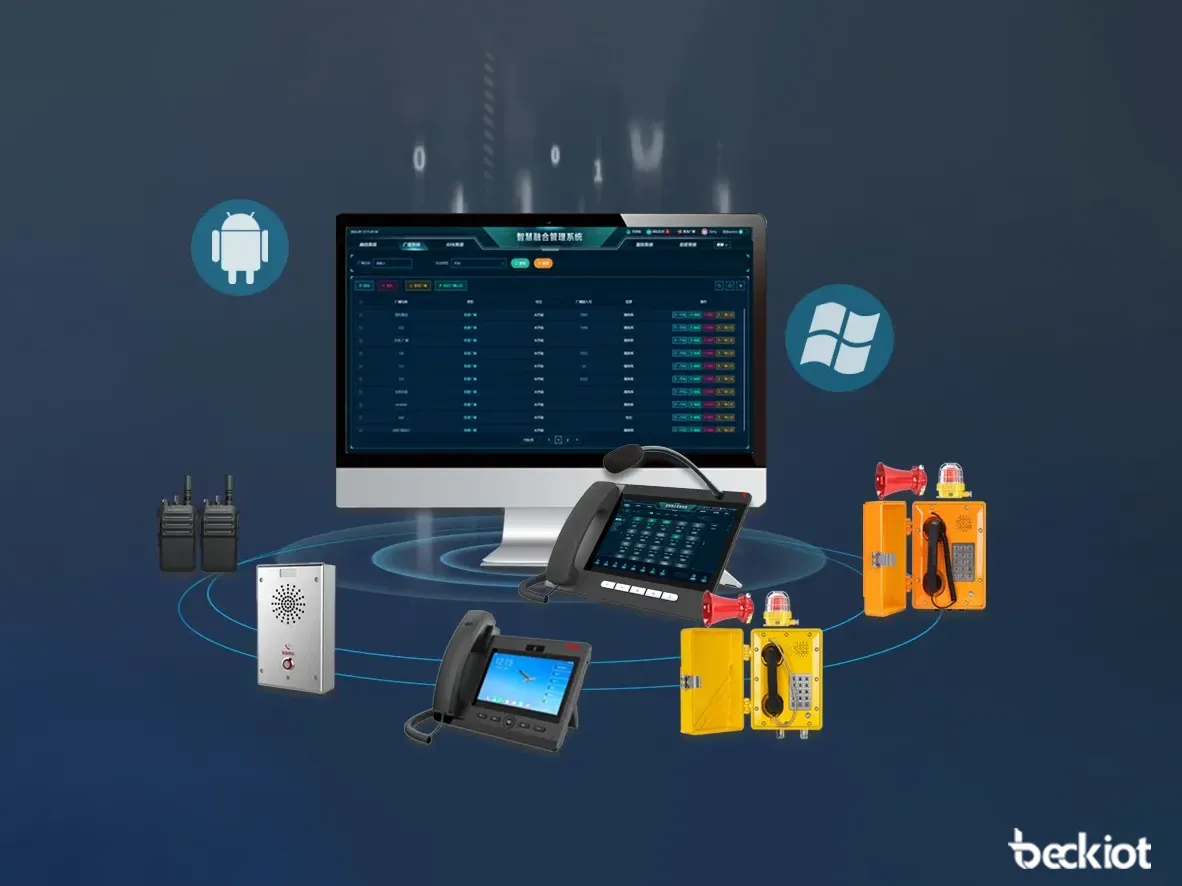
A control room may need to communicate with SIP phones, intercom terminals, industrial telephones, paging equipment and radio users at the same time. These resources enter the platform through the network, server or gateway appropriate to each device type, allowing the dispatcher to operate across different communication systems without treating every terminal as the same protocol endpoint.

Unified Dispatch Interface

Unified Dispatch Interface

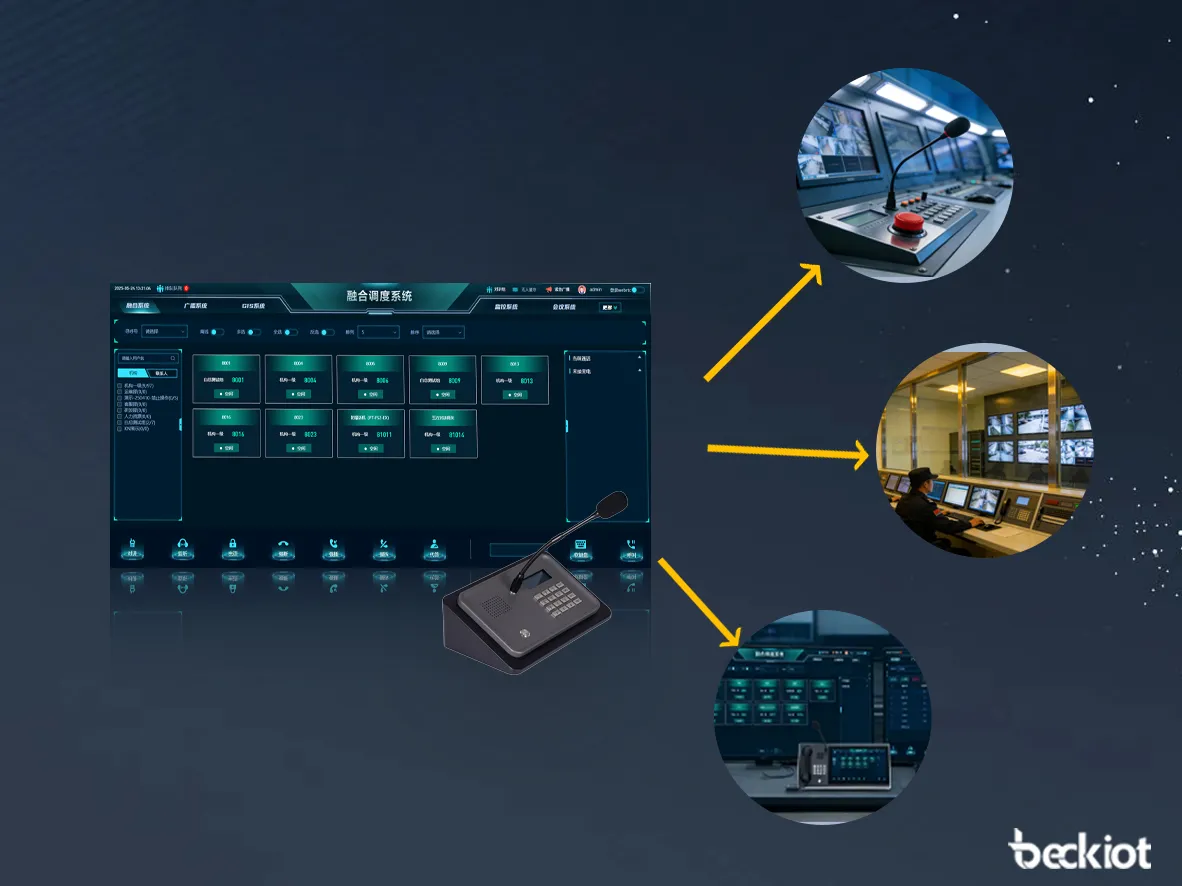
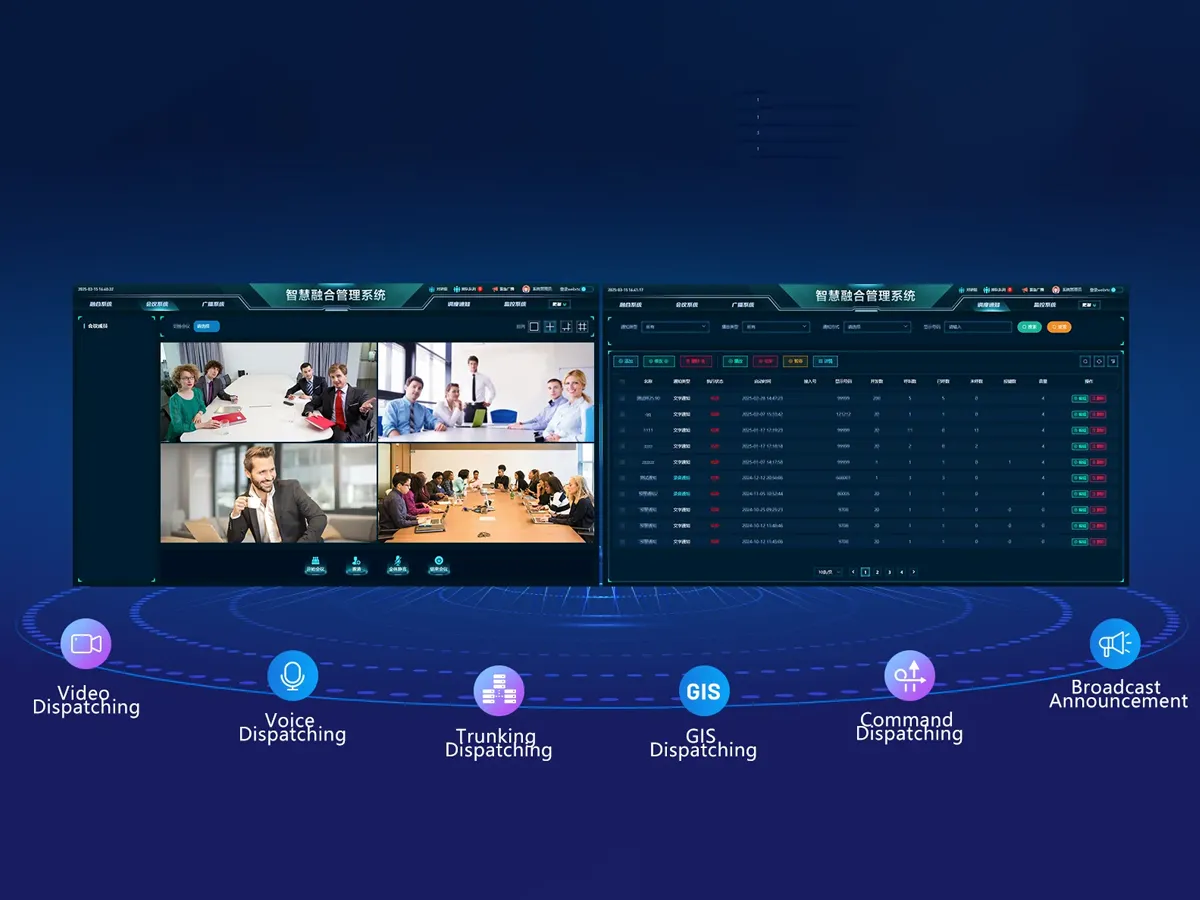
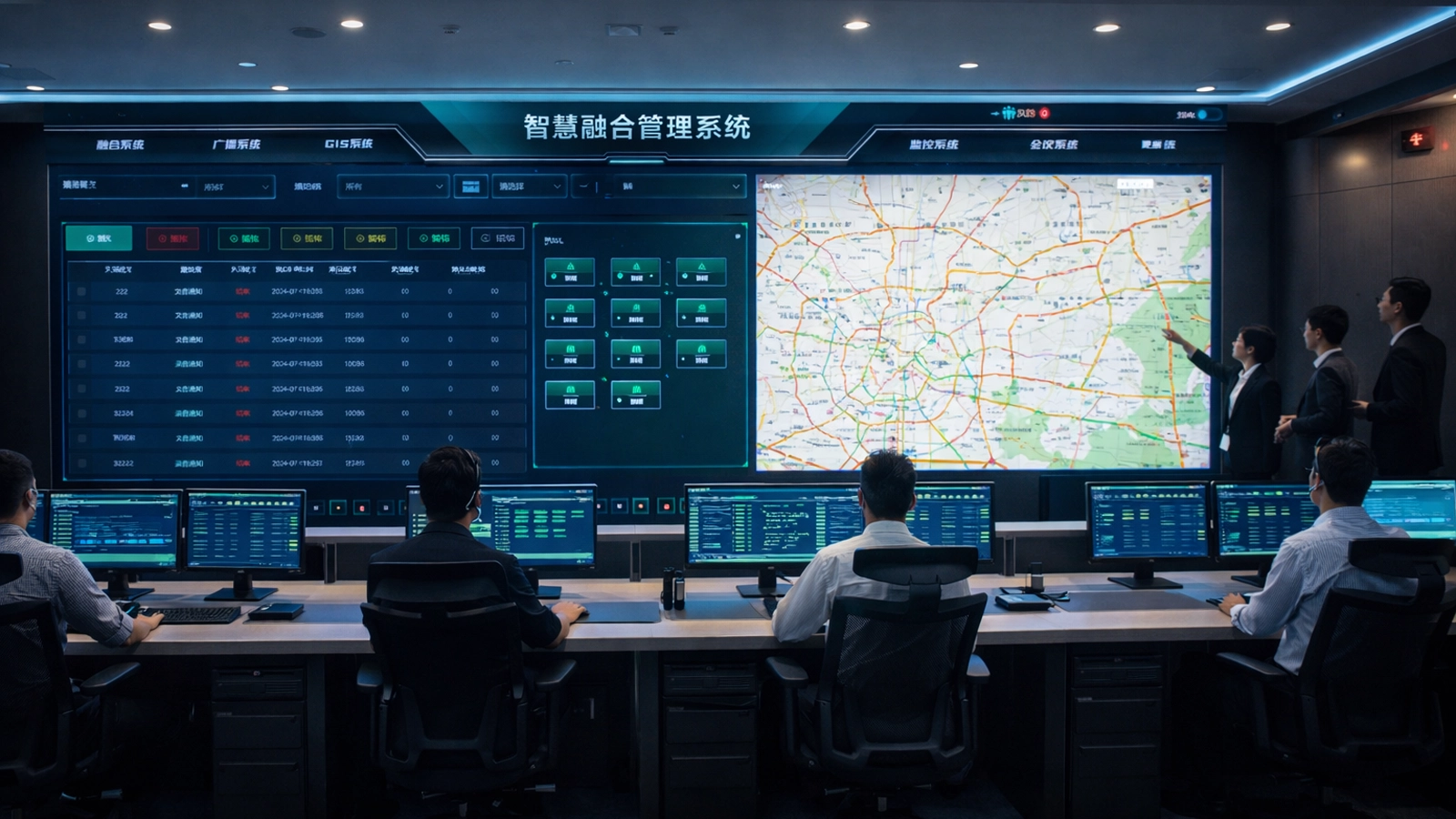
Voice, video, radio, GIS, command and paging functions can be presented through the operator interface according to the deployed modules. This gives the dispatcher one working position for routine calls and event coordination while the underlying communication systems continue to perform their own specialized roles.

Centralized & Distributed Deployment

Centralized & Distributed Deployment

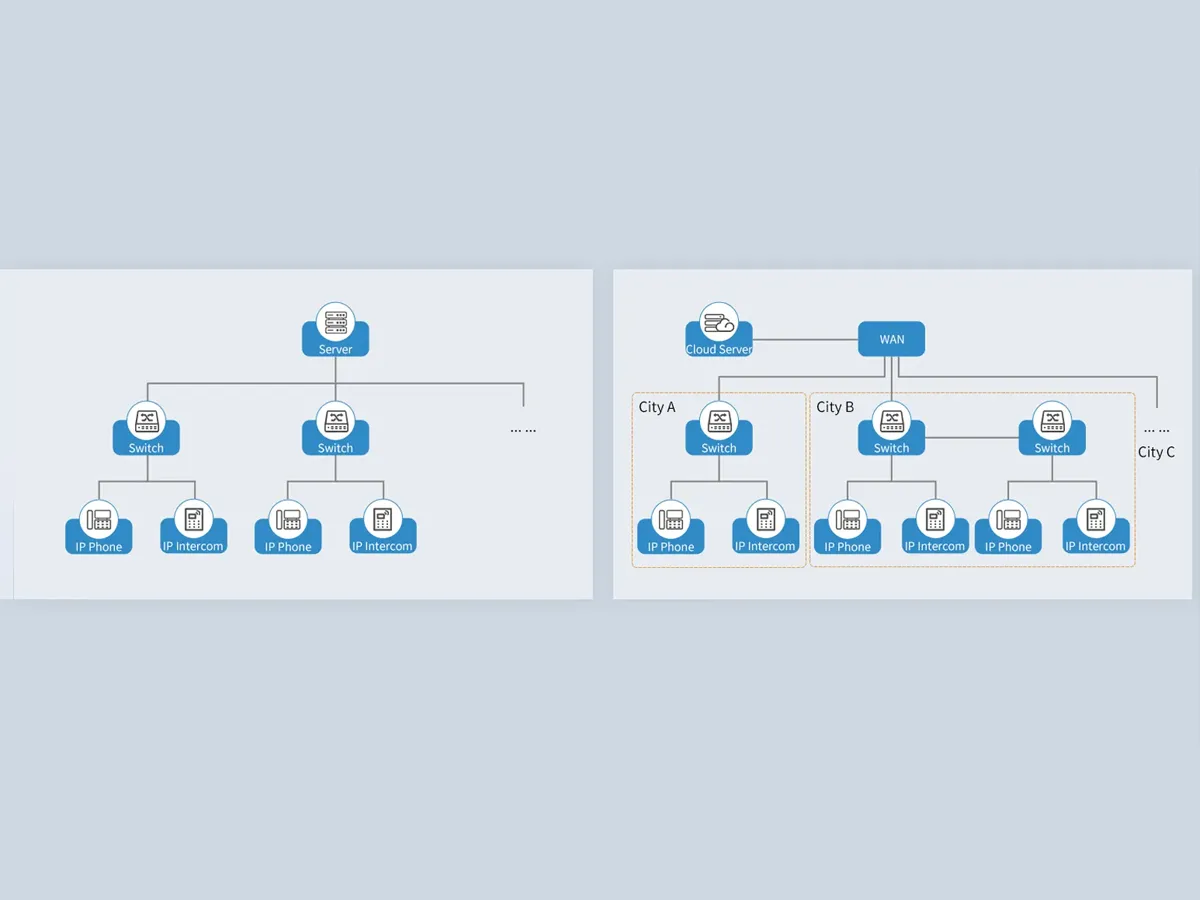
A single-site control center may use centralized servers and local endpoints, while multi-site projects can distribute communication resources across branches, operating areas or regional centers. The final server layout and failover design should be based on site structure, network availability and the continuity requirements of the project.

 Full Network Adaptability

Full Network Adaptability

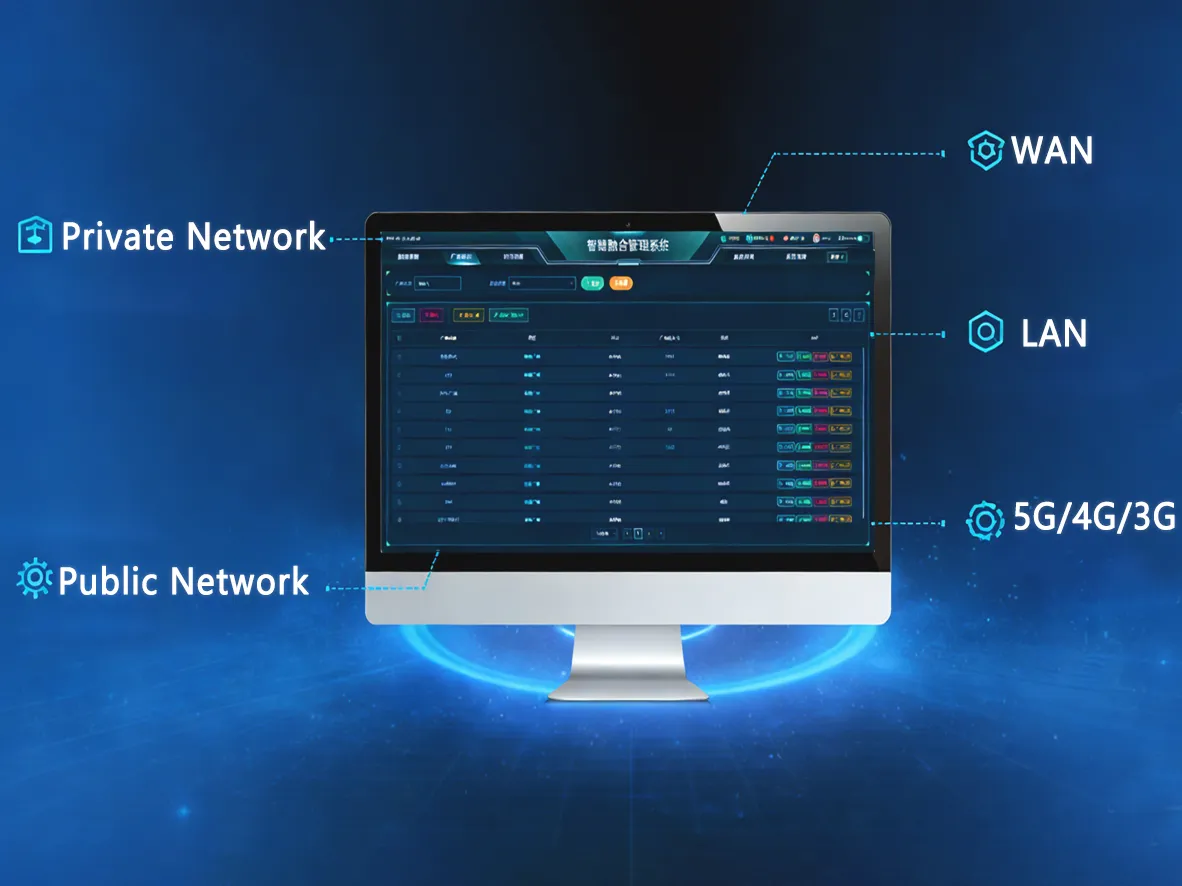
LAN, WAN & Wireless Connectivity Dispatch resources may be distributed across LANs, WANs, private networks or supported mobile networks. Routing, bandwidth, latency, firewall policies and any required VPN or cross-network gateways should be checked when voice, video or control traffic moves between different network segments.

Application scenario

Emergency Command
Transportation
Energy & Chemical Industry
Industrial Park
Smart City

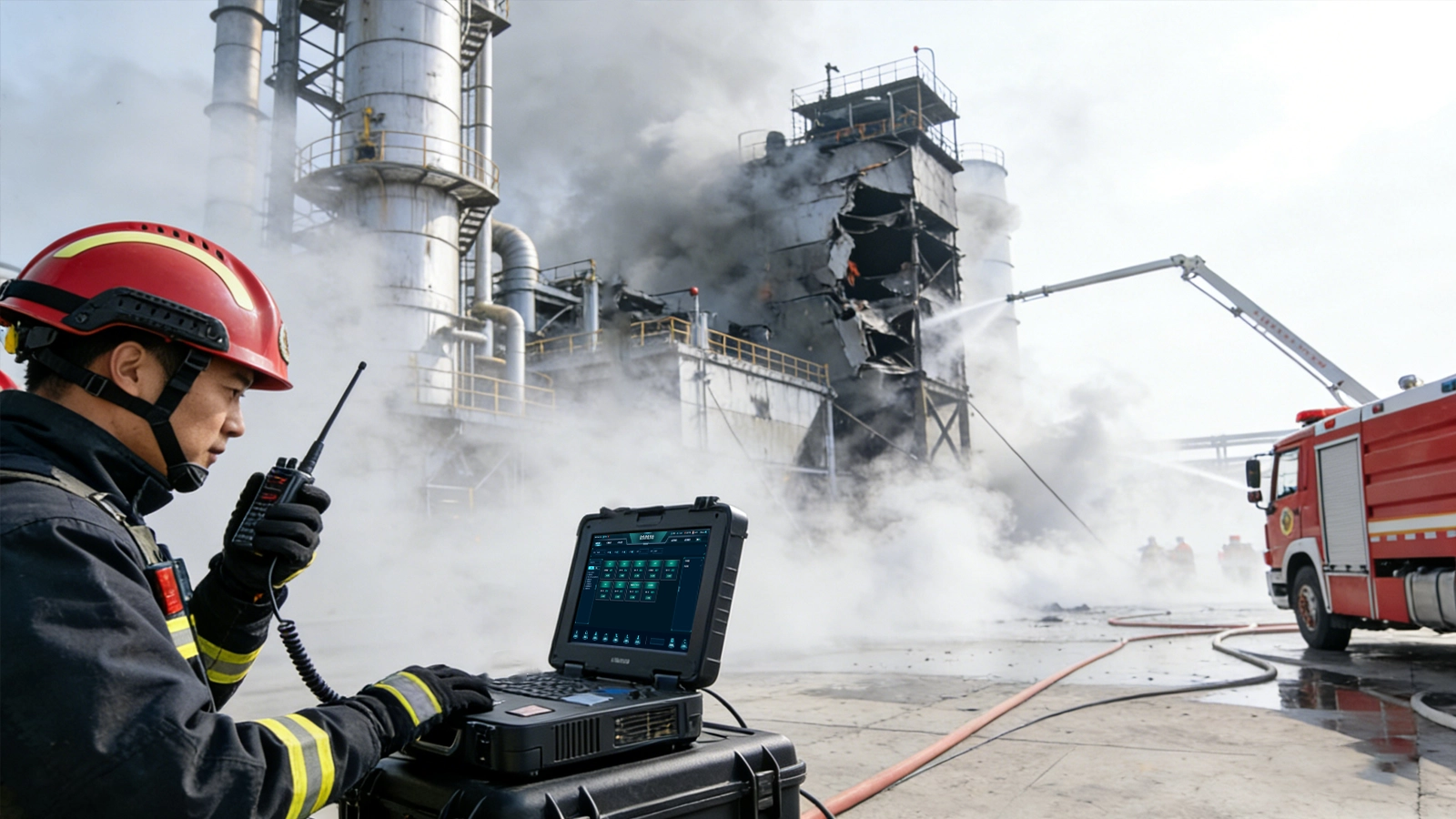
Integrated communication scheduling realizes interconnection between landline phones of multiple departments, emergency terminals and command center telephones. It supports one-key group calling, emergency broadcast interjection and multi-level transfer, enabling instructions to reach the site and all linked units rapidly. By breaking communication barriers, it ensures efficient and low-latency voice scheduling during emergencies and improves the response speed of emergency disposal.

Emergency Command

Adapted to expressways, ports, logistics parks and other scenarios, it connects communication links among dispatch center landlines, vehicle-mounted phones and on-site handheld terminals. It supports traffic scheduling, one-key calling for emergencies and cross-section voice collaboration, realizing efficient linkage of people, vehicles and roads, and ensuring seamless communication scheduling for transportation hubs and logistics links.

Transportation

Compatible with explosion-proof telephones, factory landlines and central control room communication terminals, it meets explosion-proof requirements of gas stations, refineries, mines and other sites. It supports one-key calling for production scheduling and hazard alarms, realizes cross-regional voice scheduling in the plant, and ensures stable and secure communication links adapted to high-risk industrial environments.

Energy & Chemical Industry

Integrates telephone terminals of the park management center, enterprise workshops and security booths to realize unified voice scheduling within the park. It supports daily office calls, park security emergency calls and inter-enterprise collaborative communication, with one-key transfer across enterprises and regions, improving communication efficiency for overall park management and operation.

Industrial Park

Connects the telephone communication systems of government service halls, urban management, traffic police, communities and other departments to realize integrated voice scheduling for urban management. It supports one-key transfer of public appeals and cross-department collaborative calling for urban operation emergencies, speeding up the delivery of urban management instructions and enhancing communication coordination for smart city governance.

Smart City

customer service Phone
We use cookie to improve your online experience. By continuing to browse this website, you agree to our use of cookie.

Cookies

This Cookie Policy explains how we use cookies and similar technologies when you access or use our website and related services. Please read this Policy together with our Terms and Conditions and Privacy Policy so that you understand how we collect, use, and protect information.

By continuing to access or use our Services, you acknowledge that cookies and similar technologies may be used as described in this Policy, subject to applicable law and your available choices.

Updates to This Cookie Policy

We may revise this Cookie Policy from time to time to reflect changes in legal requirements, technology, or our business practices. When we make updates, the revised version will be posted on this page and will become effective from the date of publication unless otherwise required by law.

Where required, we will provide additional notice or request your consent before applying material changes that affect your rights or choices.

What Are Cookies?

Cookies are small text files placed on your device when you visit a website or interact with certain online content. They help websites recognize your browser or device, remember your preferences, support essential functionality, and improve the overall user experience.

In this Cookie Policy, the term “cookies” also includes similar technologies such as pixels, tags, web beacons, and other tracking tools that perform comparable functions.

Why We Use Cookies

We use cookies to help our website function properly, remember user preferences, enhance website performance, understand how visitors interact with our pages, and support security, analytics, and marketing activities where permitted by law.

We use cookies to keep our website functional, secure, efficient, and more relevant to your browsing experience.

Categories of Cookies We Use

Strictly Necessary Cookies

These cookies are essential for the operation of the website and cannot be disabled in our systems where they are required to provide the service you request. They are typically set in response to actions such as setting privacy preferences, signing in, or submitting forms.

Without these cookies, certain parts of the website may not function correctly.

Functional Cookies

Functional cookies enable enhanced features and personalization, such as remembering your preferences, language settings, or previously selected options. These cookies may be set by us or by third-party providers whose services are integrated into our website.

If you disable these cookies, some services or features may not work as intended.

Performance and Analytics Cookies

These cookies help us understand how visitors use our website by collecting information such as traffic sources, page visits, navigation behavior, and general interaction patterns. In many cases, this information is aggregated and does not directly identify individual users.

We use this information to improve website performance, usability, and content relevance.

Targeting and Advertising Cookies

These cookies may be placed by our advertising or marketing partners to help deliver more relevant ads and measure the effectiveness of campaigns. They may use information about your browsing activity across different websites and services to build a profile of your interests.

These cookies generally do not store directly identifying personal information, but they may identify your browser or device.

First-Party and Third-Party Cookies

Some cookies are set directly by our website and are referred to as first-party cookies. Other cookies are set by third-party services, such as analytics providers, embedded content providers, or advertising partners, and are referred to as third-party cookies.

Third-party providers may use their own cookies in accordance with their own privacy and cookie policies.

Information Collected Through Cookies

Depending on the type of cookie used, the information collected may include browser type, device type, IP address, referring website, pages viewed, time spent on pages, clickstream behavior, and general usage patterns.

This information helps us maintain the website, improve performance, enhance security, and provide a better user experience.

Your Cookie Choices

You can control or disable cookies through your browser settings and, where available, through our cookie consent or preference management tools. Depending on your location, you may also have the right to accept or reject certain categories of cookies, especially those used for analytics, personalization, or advertising purposes.

Please note that blocking or deleting certain cookies may affect the availability, functionality, or performance of some parts of the website.

Restricting cookies may limit certain features and reduce the quality of your experience on the website.

Cookies in Mobile Applications

Where our mobile applications use cookie-like technologies, they are generally limited to those required for core functionality, security, and service delivery. Disabling these essential technologies may affect the normal operation of the application.

We do not use essential mobile application cookies to store unnecessary personal information.

How to Manage Cookies

Most web browsers allow you to manage cookies through browser settings. You can usually choose to block, delete, or receive alerts before cookies are stored. Because browser controls vary, please refer to your browser provider’s support documentation for details on how to manage cookie settings.

Contact Us

If you have any questions about this Cookie Policy or our use of cookies and similar technologies, please contact us at support@becke.cc .