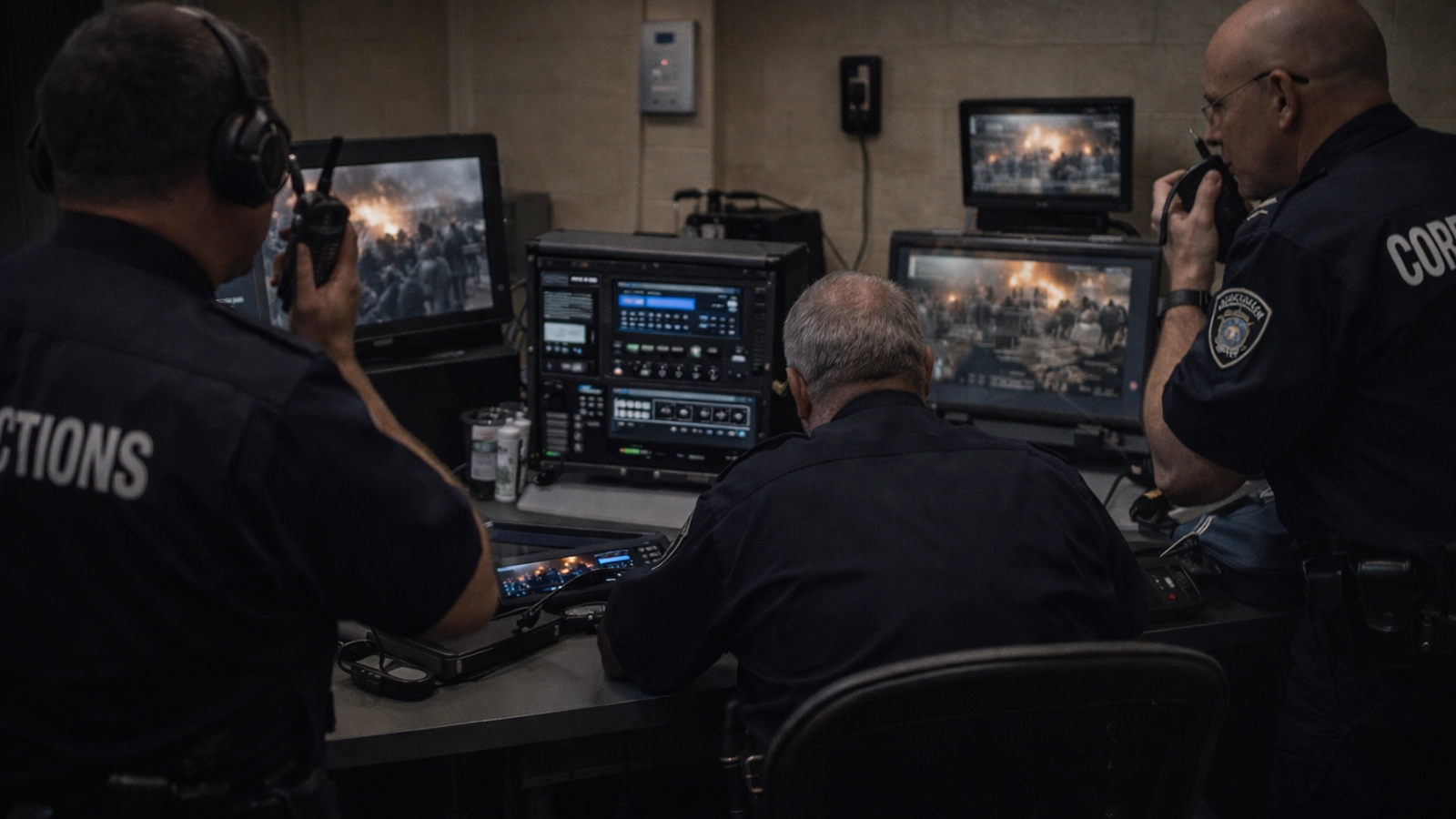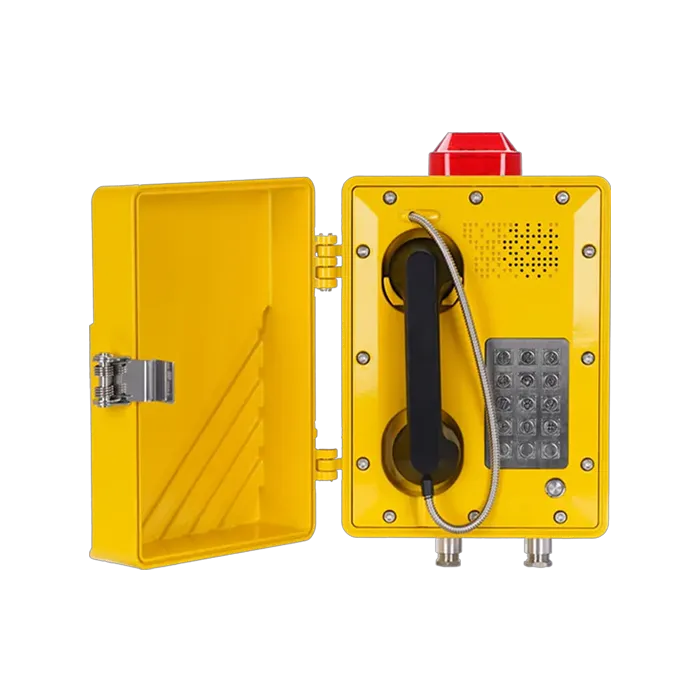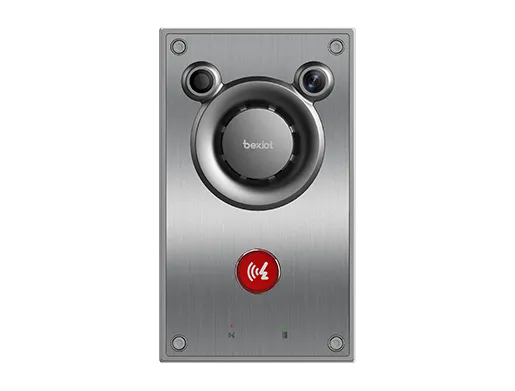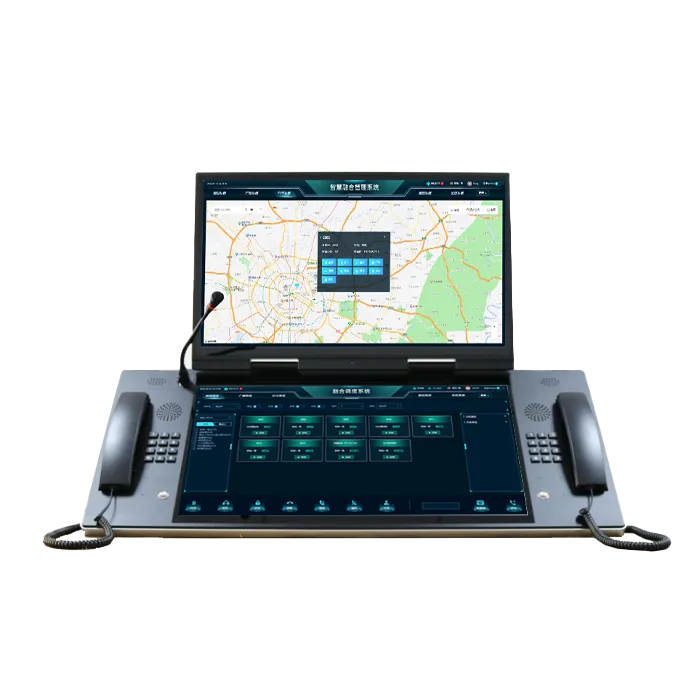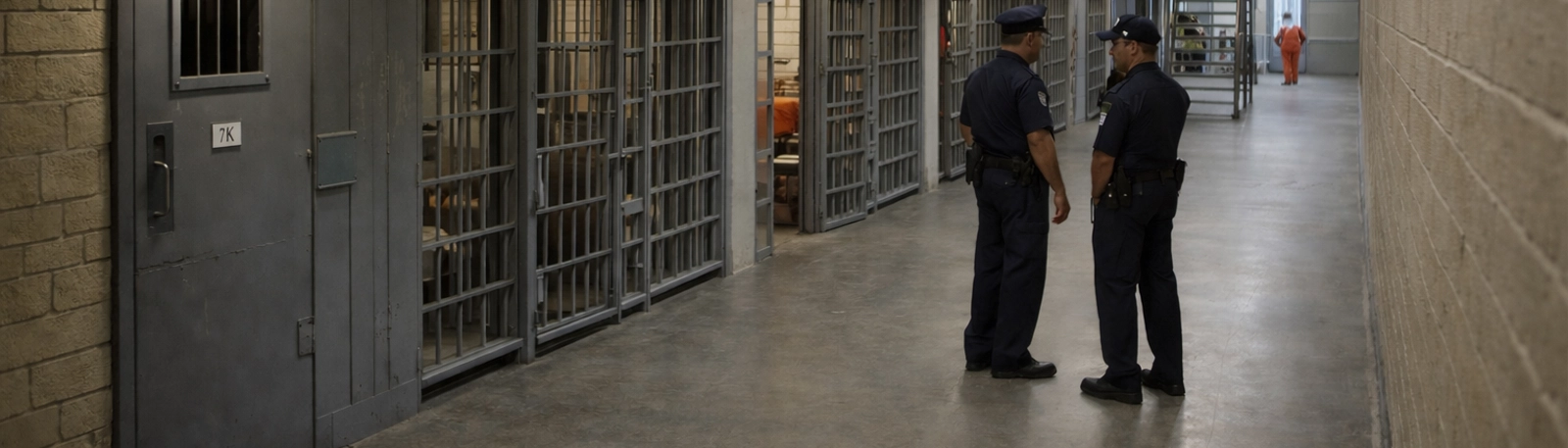
The system integrates prison intercom, emergency help points, public address, alarm triggering, and centralized dispatch into one secure architecture. It supports rapid officer coordination, zone-based communication, emergency broadcasting, incident reporting, and real-time command center response. Suitable for cell blocks, guard posts, perimeter areas, access points, medical rooms, and internal corridors, it improves operational control, communication reliability, and overall facility safety.
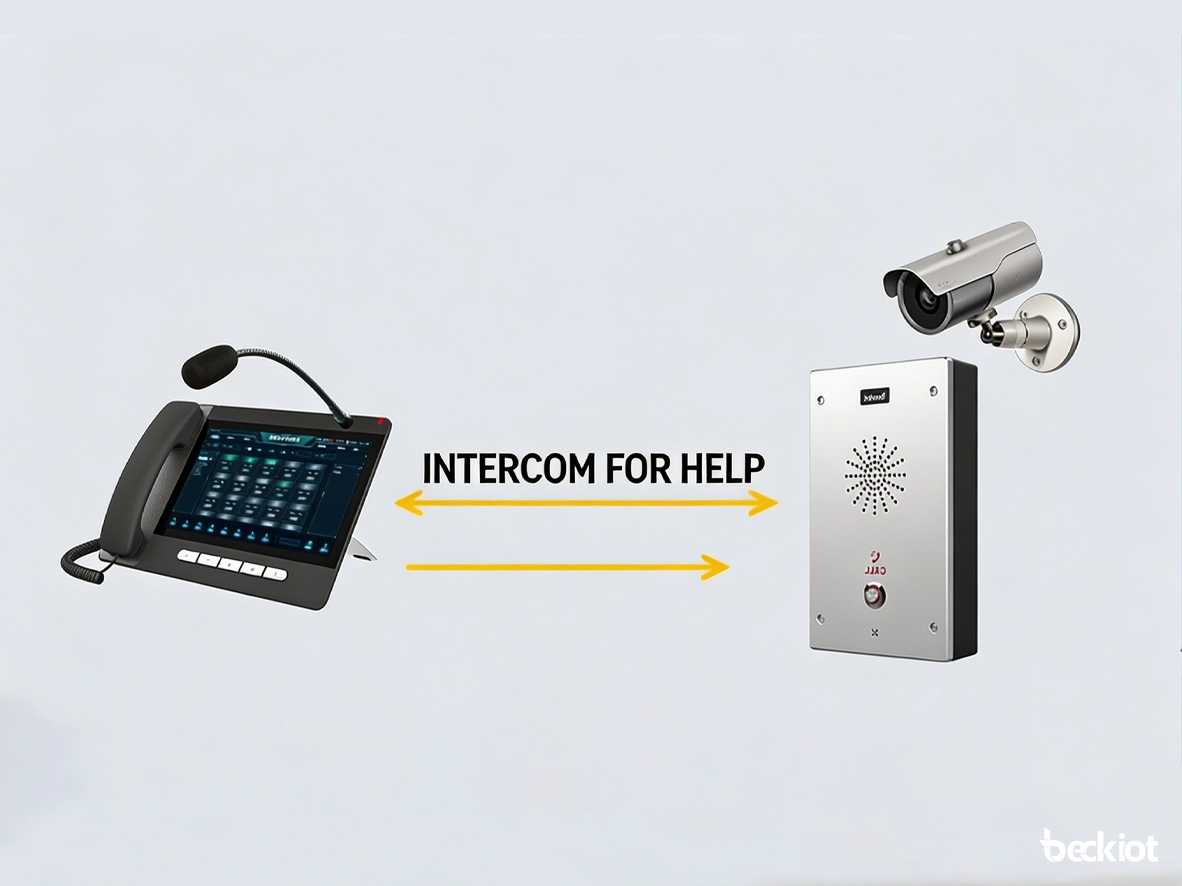
The system enables officers, staff members, control posts, perimeter points, workshops, healthcare rooms, and restricted areas to trigger a one-touch emergency alarm instantly. Once activated, the platform identifies the exact alarm point, pushes the event to the control room, opens the corresponding camera view, and launches the predefined escalation workflow. This supports the rapid-response logic widely used in modern correctional emergency management.
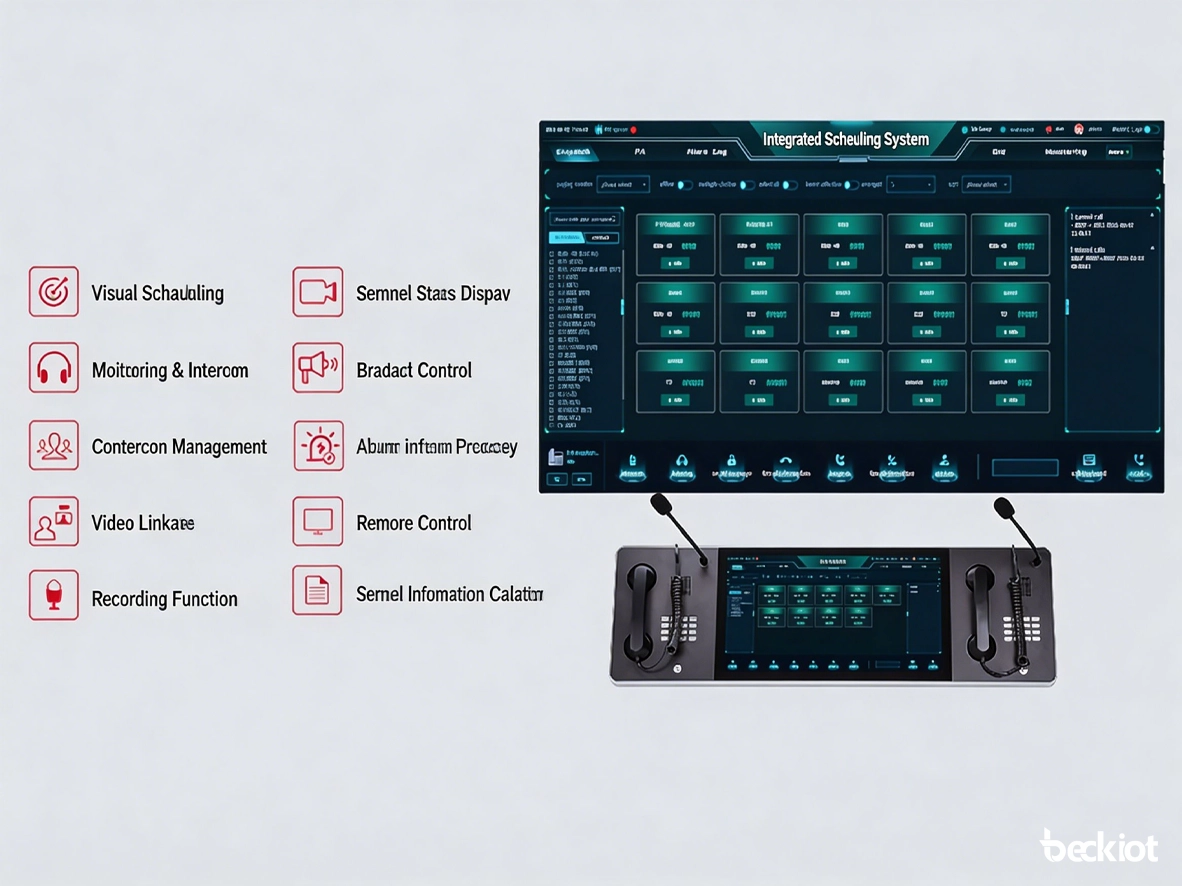
The platform converges secure telephony, emergency intercom, officer radio communications, paging, and public address into one command interface. Control room operators can handle individual calls, group calls, emergency broadcasts, radio dispatch, and command announcements without switching between isolated systems. In U.K. prison guidance, the communications room is expected to control the radio net, manage initial emergency response, maintain contingency awareness, and record incidents, which strongly supports this unified design approach.
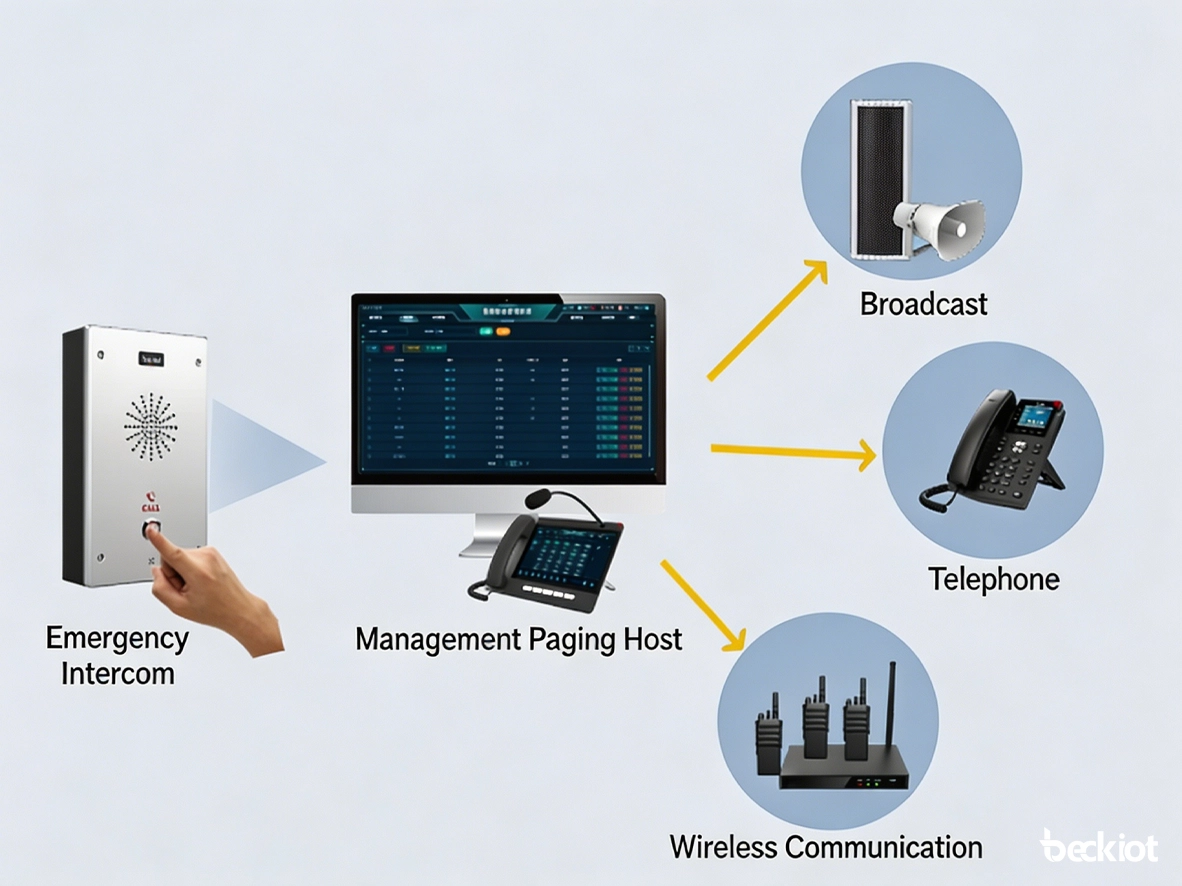
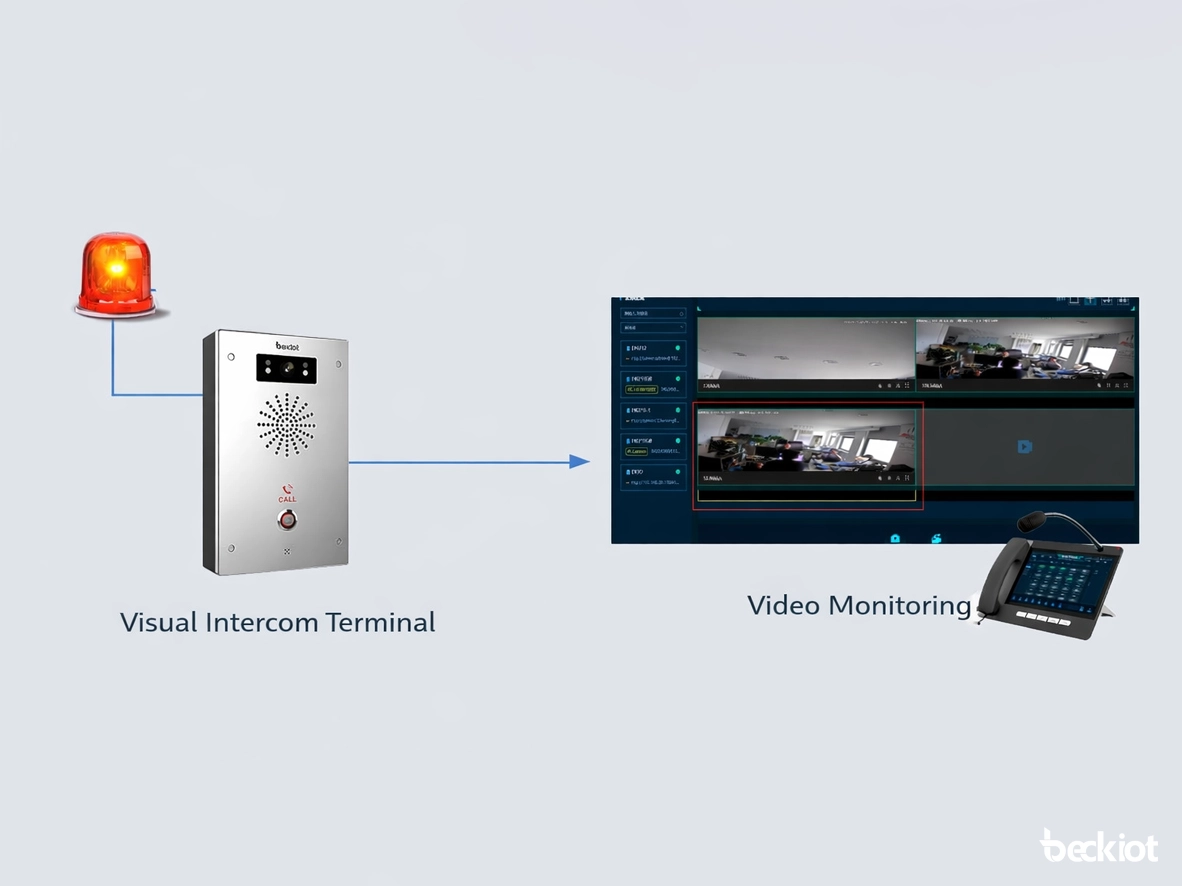
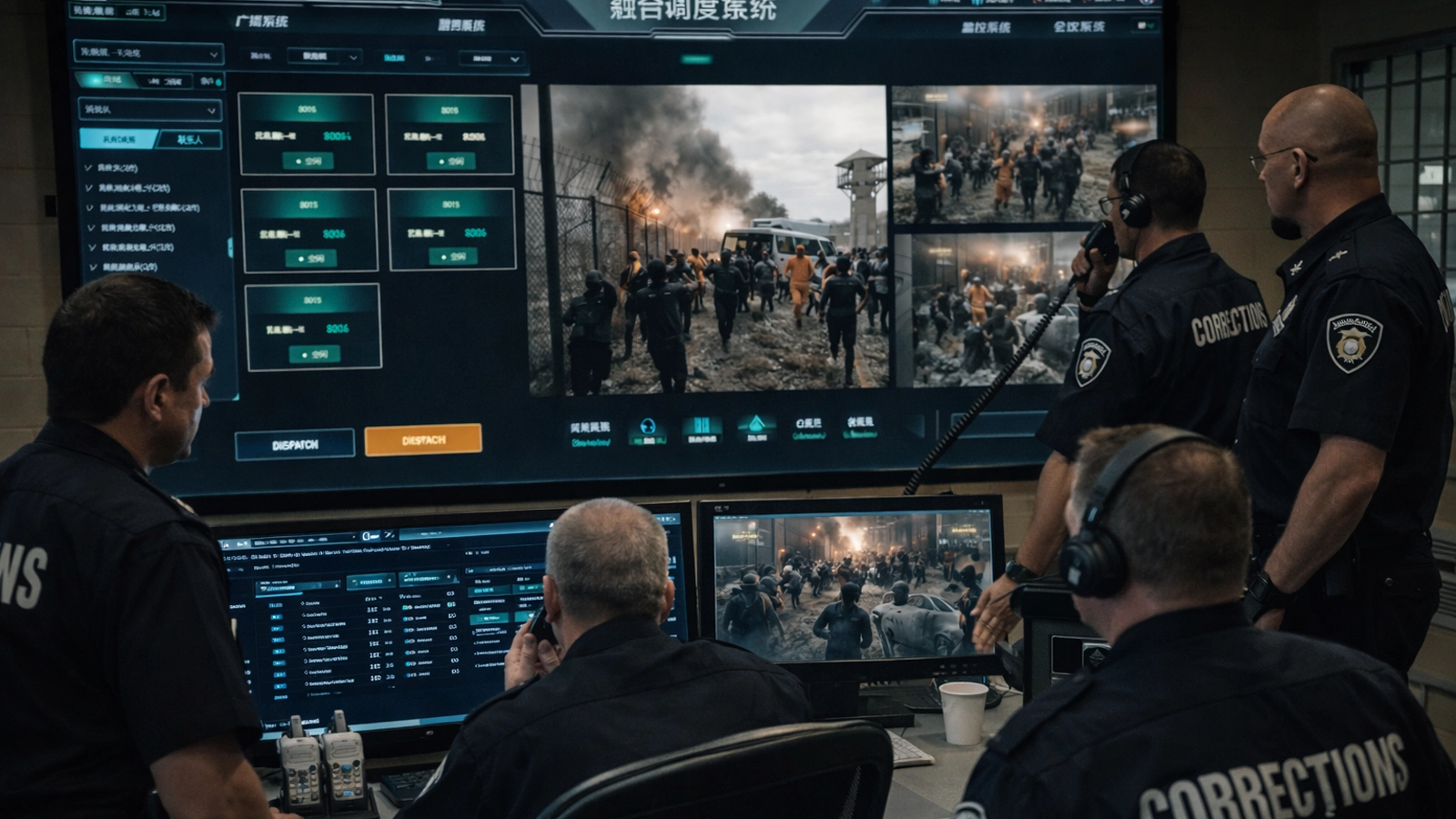
When an alarm is triggered, the system automatically links the relevant CCTV views, nearby cameras, and event data to the dispatcher’s console. This allows operators to verify the incident before escalating resources, issue live talk-down instructions when permitted, and preserve a complete incident timeline. Your source materials already describe this voice-video-alarm linkage as a core value of the solution.
The solution supports hierarchical incident handling, from routine officer assistance calls to major disturbances, fires, escapes, and lockdown operations. Supervisors, tactical teams, medical staff, fire response, and external law enforcement partners can be pulled into a secure conference or incident bridge under a structured command model. This aligns with U.S. correctional emergency management practice, which increasingly emphasizes all-hazards planning and ICS/NIMS-based coordination.
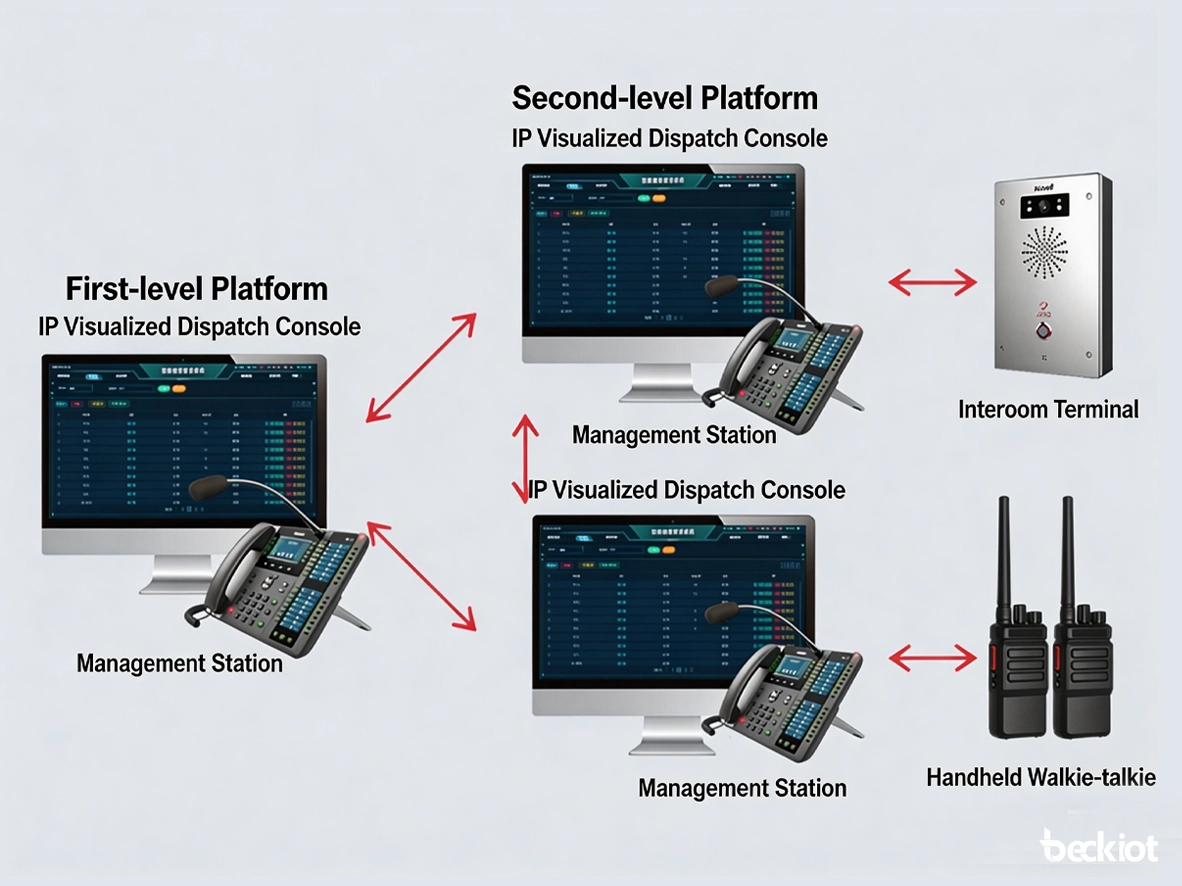
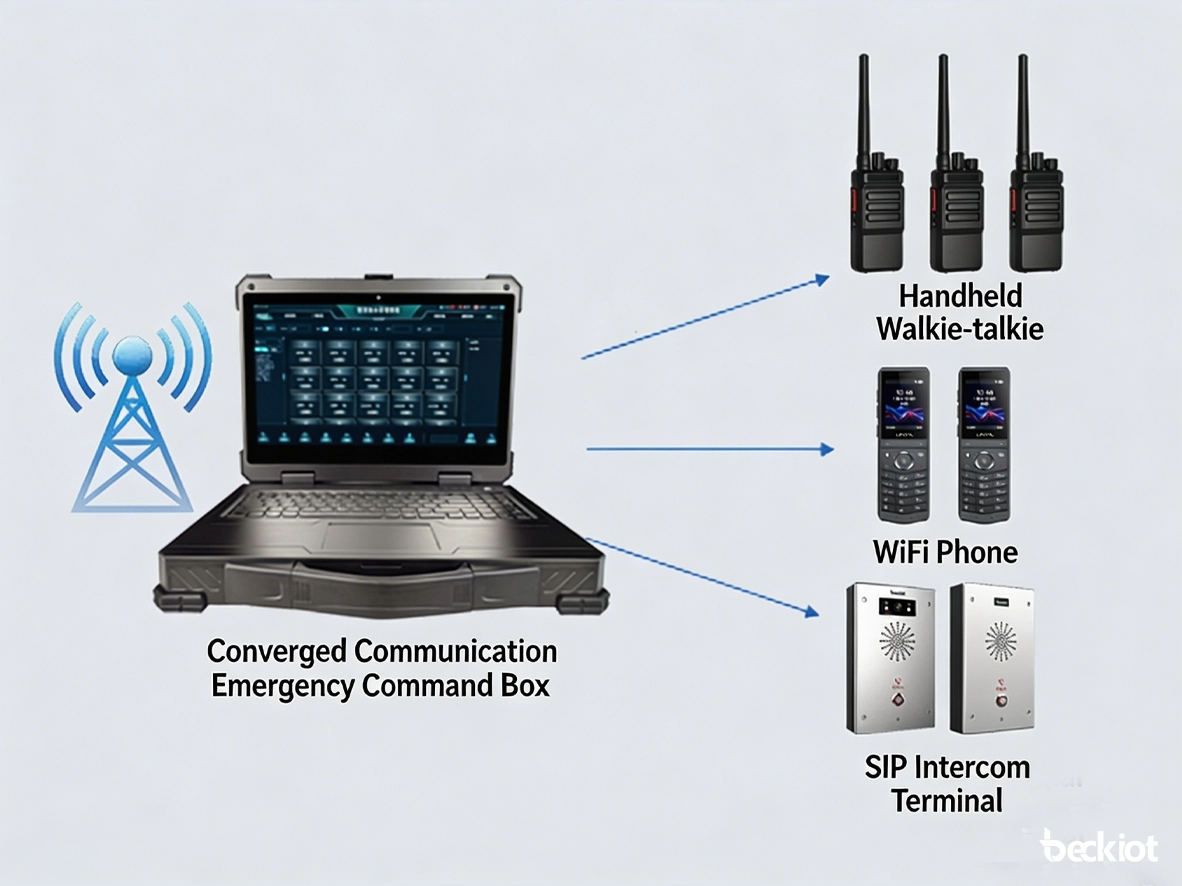
The system extends command capability beyond the main control room through secure mobile clients, rugged handheld devices, remote dispatch seats, and field supervisor terminals. Even if the control room is under pressure or partially degraded, authorized staff can continue communications, incident coordination, and field command. This matches the continuity and emergency operations mindset used in U.S. correctional preparedness and contingency planning.
All emergency calls, operator actions, conference sessions, linked camera events, dispatch actions, and response timelines can be recorded and archived for evidence, compliance, training, and post-incident review. U.K. prison communications-room guidance emphasizes maintaining records of occurrences, while U.S. correctional emergency planning also stresses documented procedures, contingency plans, and institutional review.
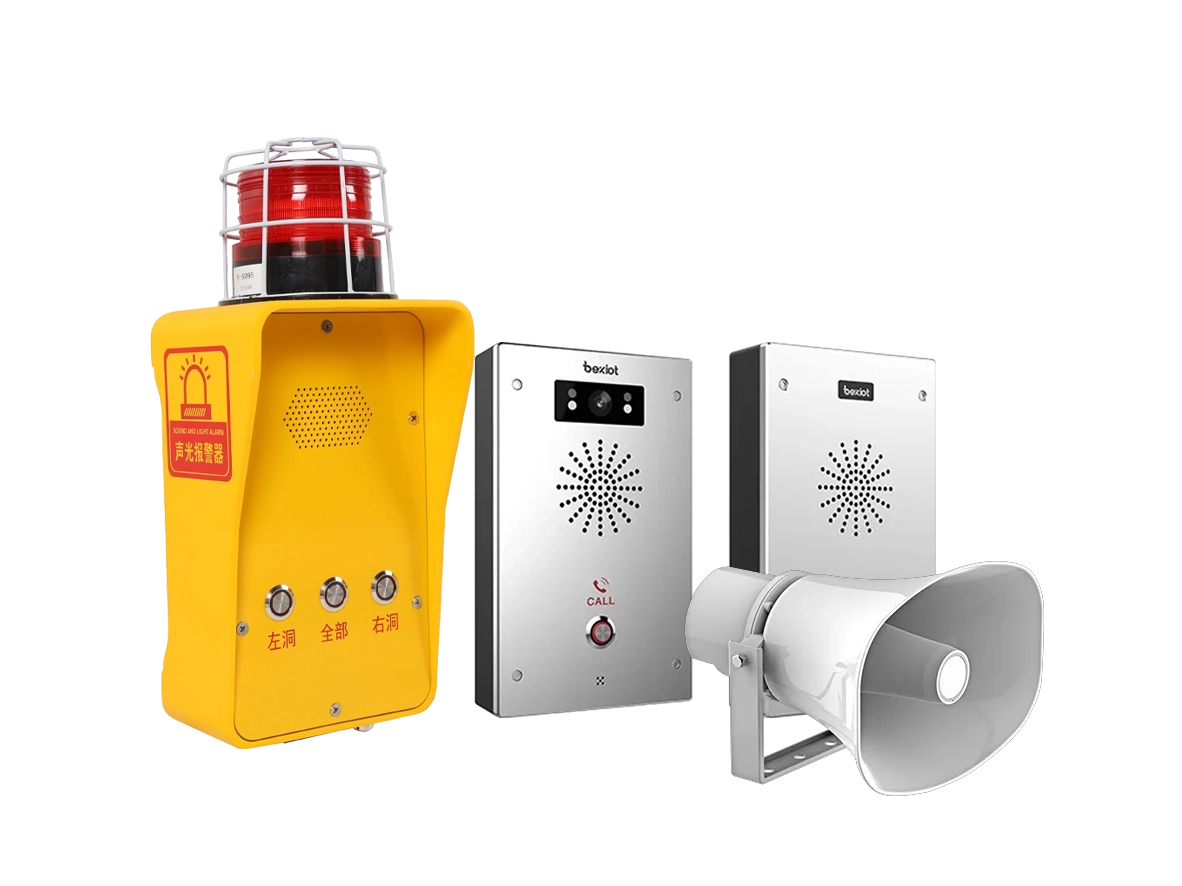
This layer includes emergency intercom stations, duress buttons, secure telephones, officer radios, gatehouse terminals, perimeter call points, PA speakers, emergency paging devices, healthcare alert terminals, and mobile supervisor endpoints. It forms the front line of alarm reporting, voice communication, emergency broadcasting, and on-site response.
Learn More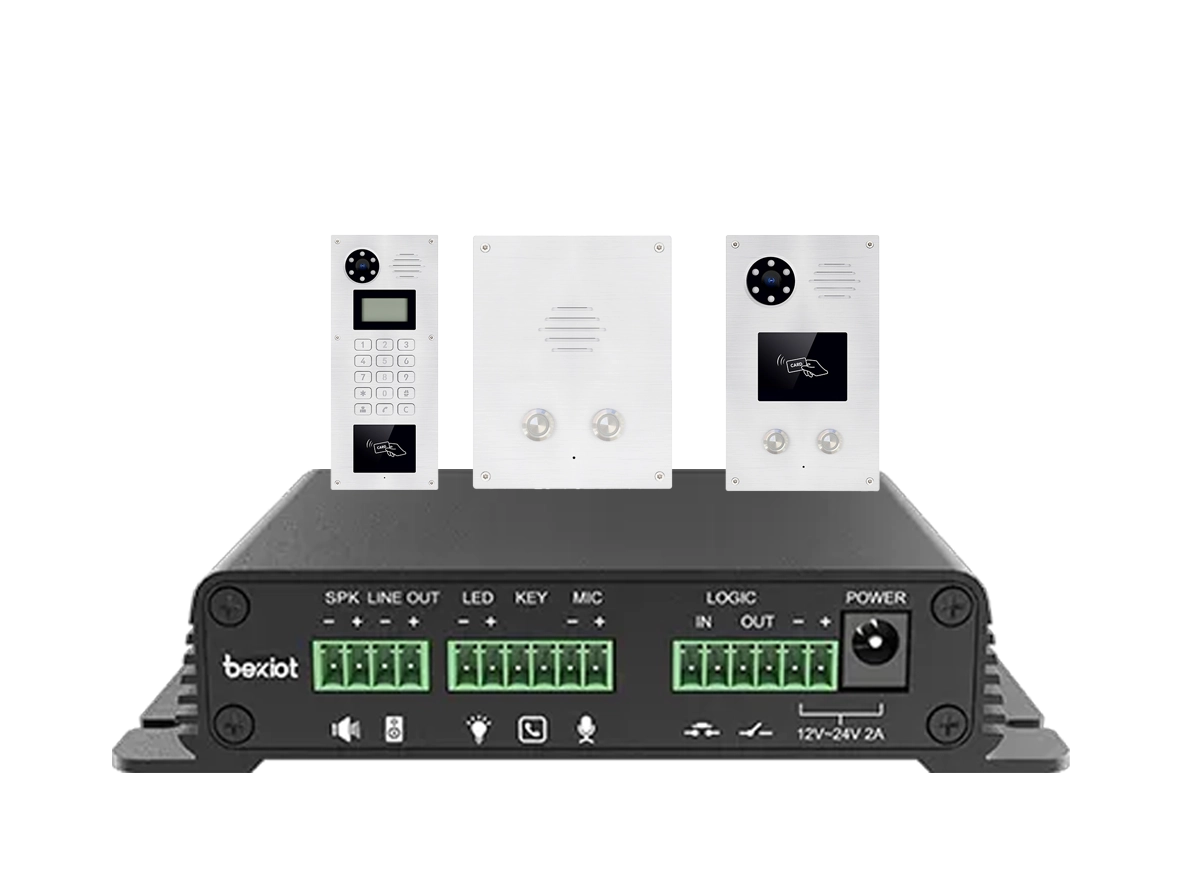
This layer connects the prison’s existing subsystems, including CCTV/video management, access control, fire alarm systems, building management, perimeter intrusion detection, nurse call or medical notification workflows, and external dispatch or public safety links. In Western deployments, this layer is typically built around open interfaces and standards-based integration so the prison can avoid another isolated subsystem.
Learn More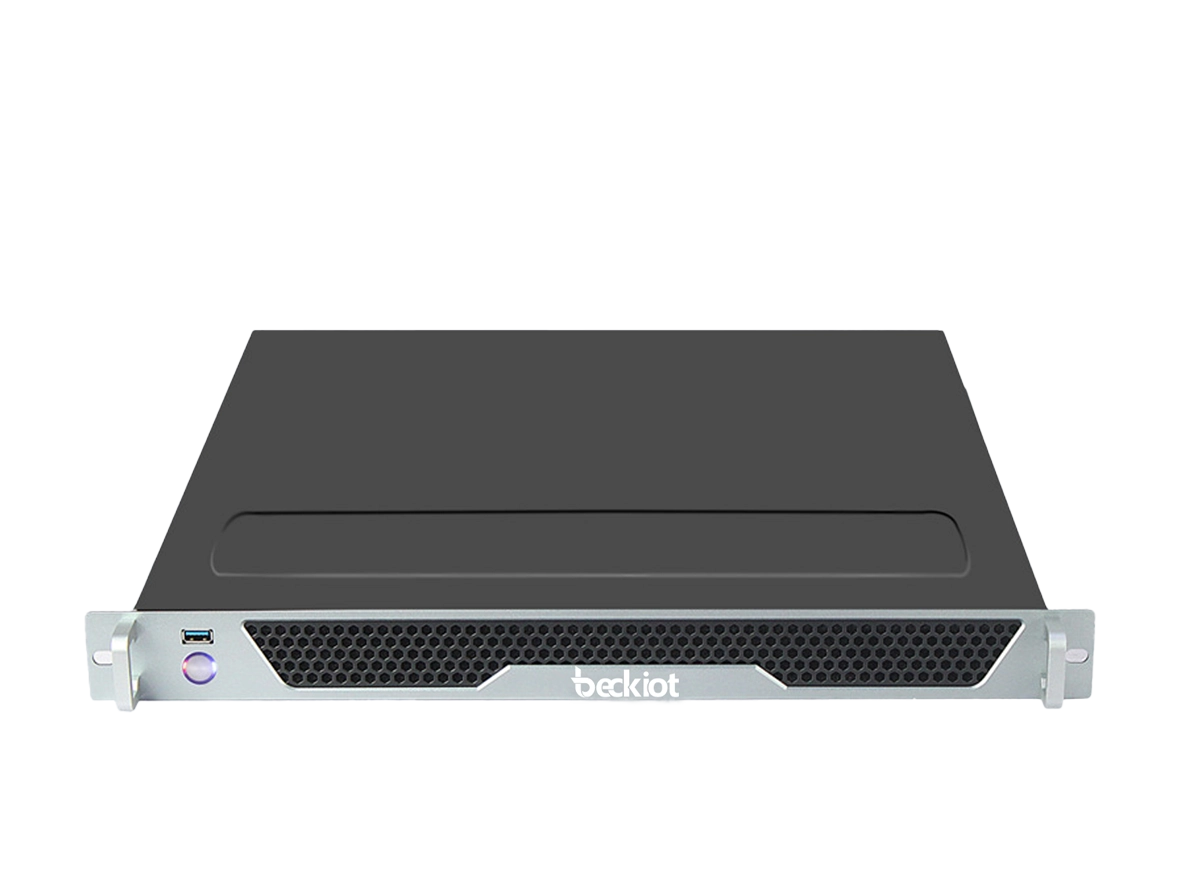
At the center is the unified communication and dispatch platform. It handles voice switching, intercom control, conference management, radio interoperability, public address control, alarm processing, event correlation, recording, operator permissions, and centralized device supervision. This is the operational brain of the system and should be deployed with redundancy for high availability.
Learn More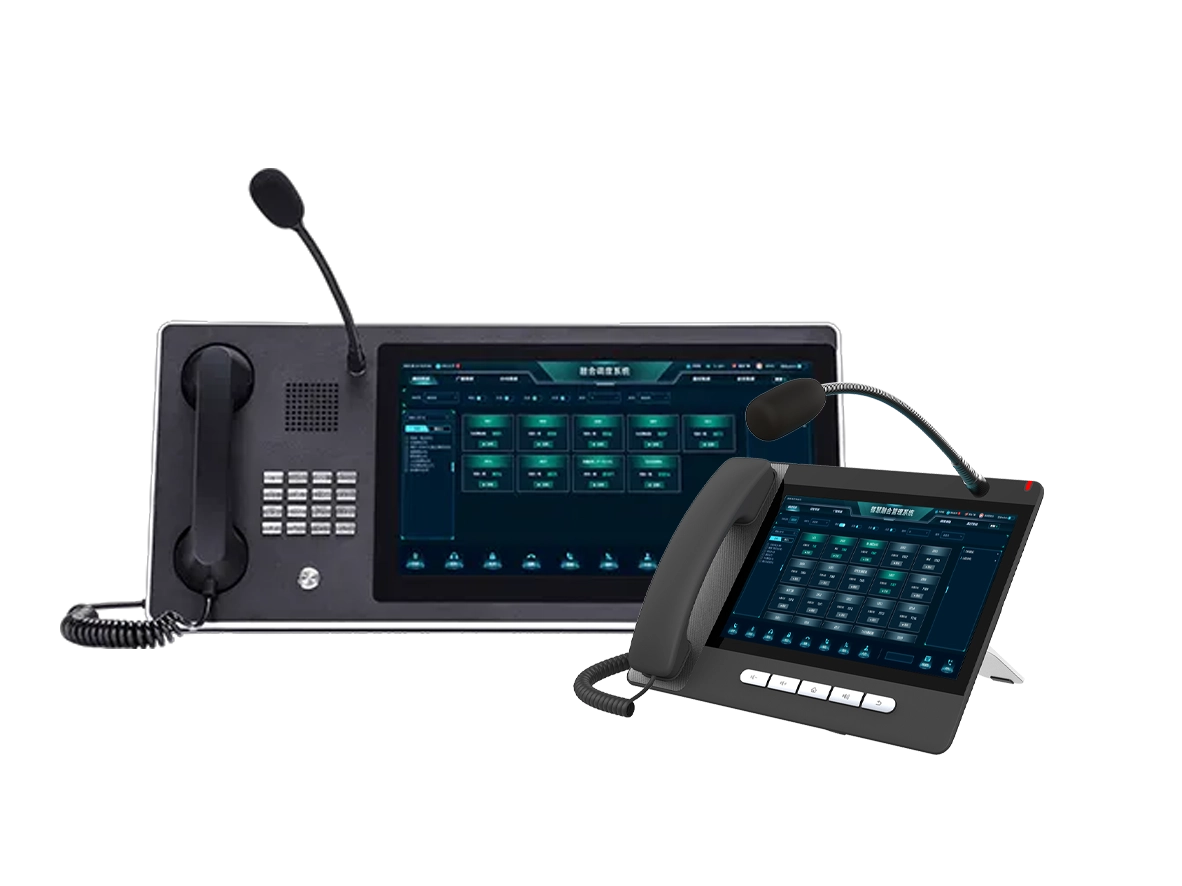
This layer provides dispatcher consoles, visual incident handling screens, alarm dashboards, map or floor-plan views, camera pop-up windows, conference management, incident logs, and emergency workflow automation. It allows operators and supervisors to move from alarm receipt to verification, dispatch, coordination, and closure in one interface. Similar concepts are reflected in official justice and emergency-management guidance, where dispatch, location verification, resource coordination, and record management are treated as essential command functions.
Learn More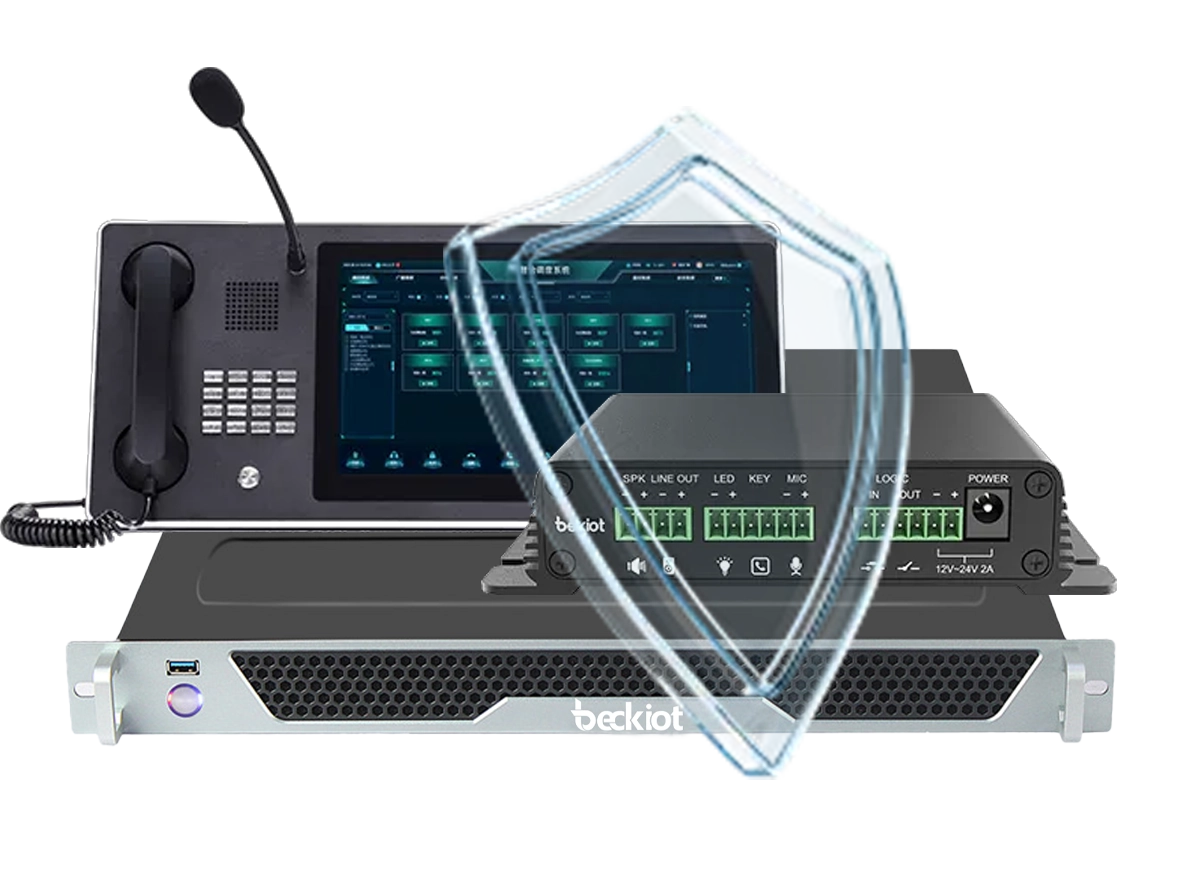
This layer provides network segmentation, secure communications paths, user authentication, logging, backup power, server redundancy, and disaster recovery. Because prisons are high-security environments, the communication platform should be isolated from nonessential networks and designed for continuity during high-risk incidents. Your source solution already emphasizes secure deployment, redundancy, and controlled integration, which fits Western correctional security expectations well.
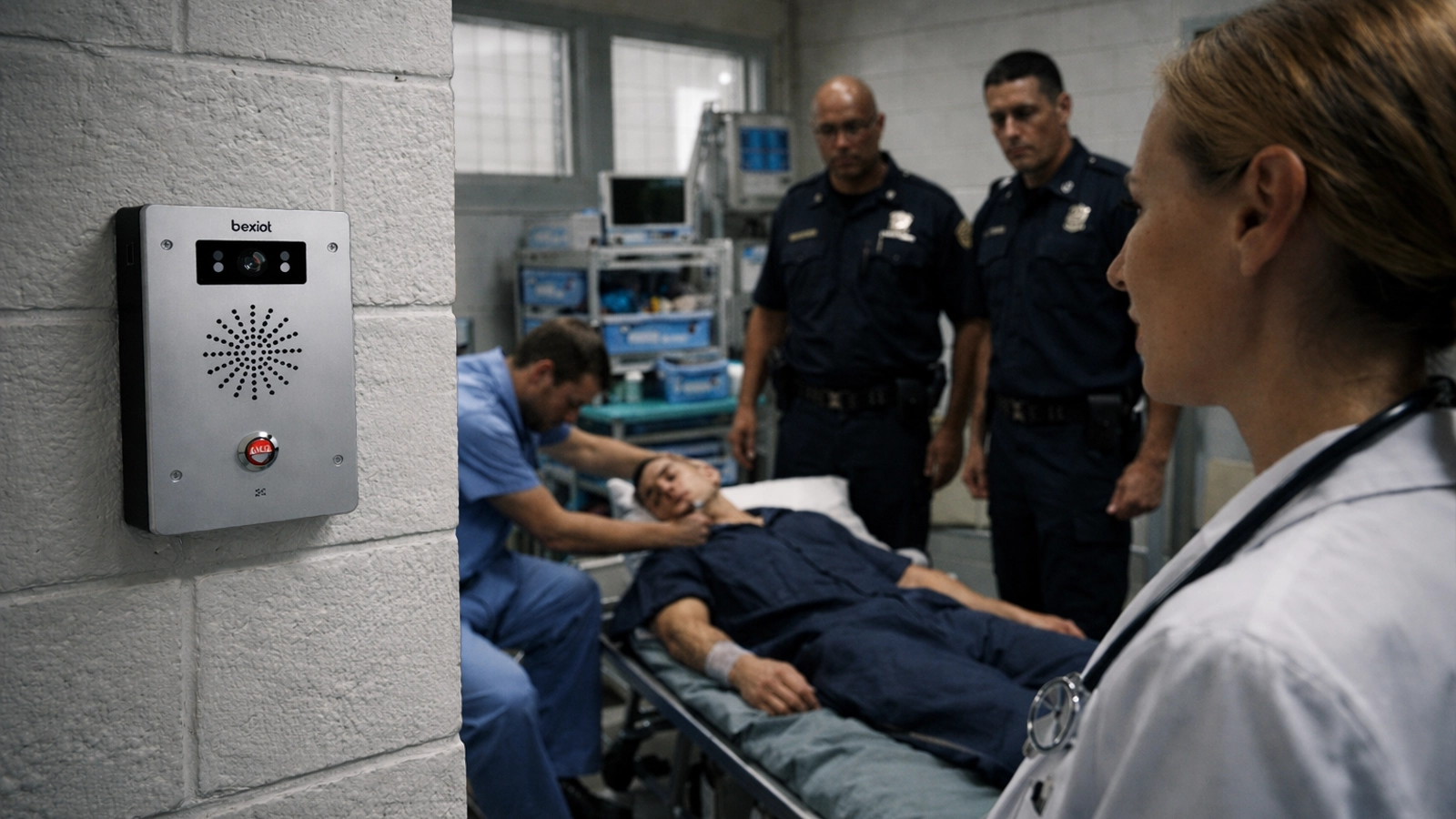
Learn MoreOfficers or medical staff can raise an urgent alert, establish immediate voice contact, route the event to healthcare teams, and coordinate escort, access, and scene verification. This is especially important in correctional facilities, where non-medical staff are often the first to detect emergencies and must act quickly before clinical teams arrive.
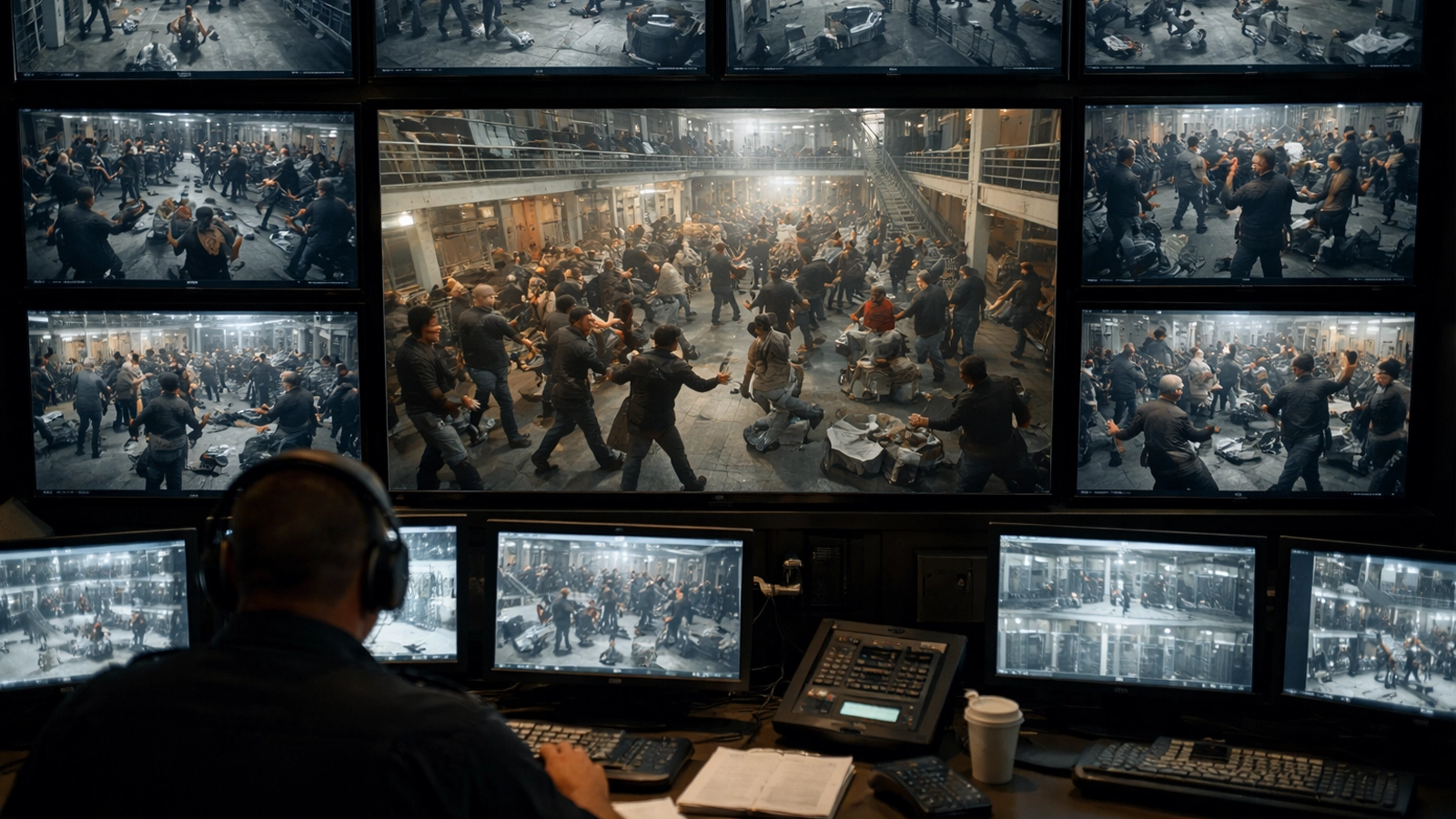
When a fight, disturbance, or organized disorder occurs, officers can trigger a duress alert, the control room can instantly verify the scene by video, and supervisors can create a secure command conference for response coordination. The system supports lockdown messaging, team dispatch, cross-wing communication, and evidence preservation throughout the event.
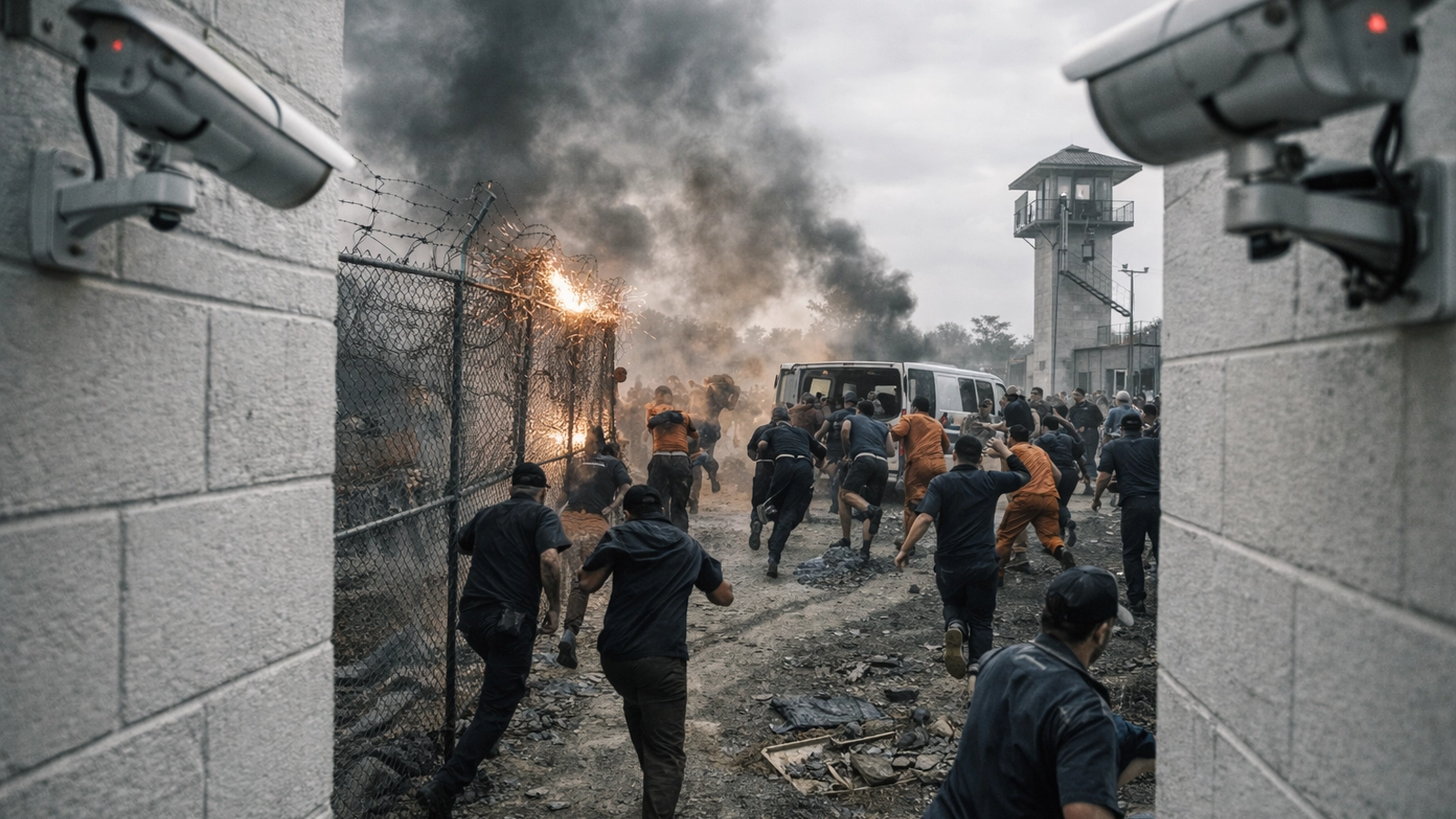
In an escape-related incident, the platform can prioritize perimeter alarms, open associated camera views, notify gatehouses and patrol units, and bridge internal command with external law enforcement if required. U.K. prison security policy places clear emphasis on communications-room control, movement control, and escape-related security management, making this a core use case.
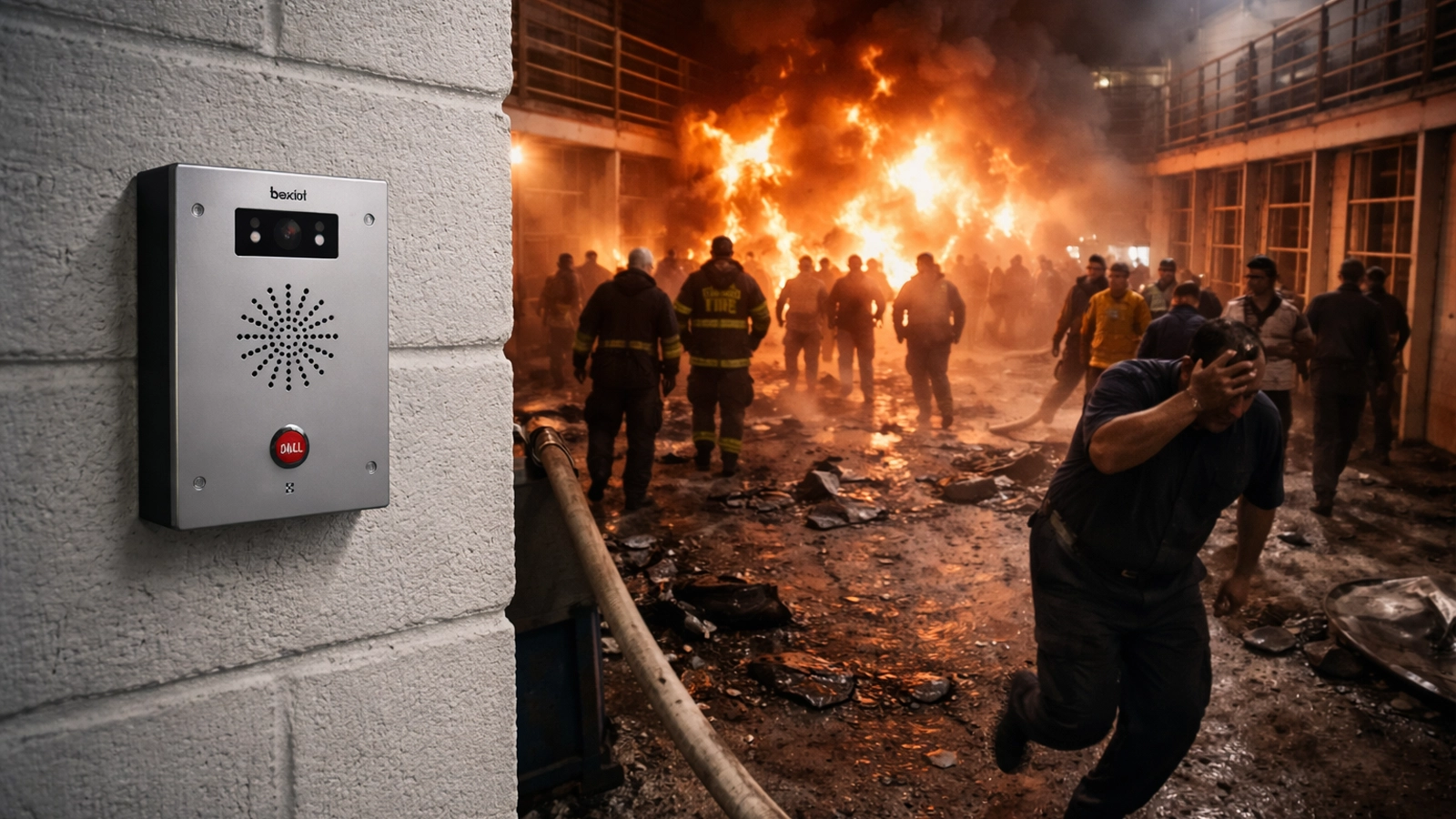
The system supports alarm verification, emergency voice communication, zoned announcements, controlled movement instructions, and coordination with fire response teams. In detention and correctional settings, fire response is more complex than in ordinary commercial buildings because movement is controlled and compartment-based strategies are often used; official U.S. correctional and fire-planning guidance reflects this reality.
The platform can establish a secure incident channel for command staff, isolate unnecessary communications, support tactical coordination, and preserve a complete evidentiary record. This allows prison leadership to manage violent critical incidents under tighter communications discipline and stronger decision control.
If the primary network or main control environment is disrupted, the system can fall back to redundant communications paths, local intercom survivability, radio dispatch, backup power, and alternate command positions. This reflects the resilience requirements found in correctional contingency planning and continuity-oriented fire and emergency policy.