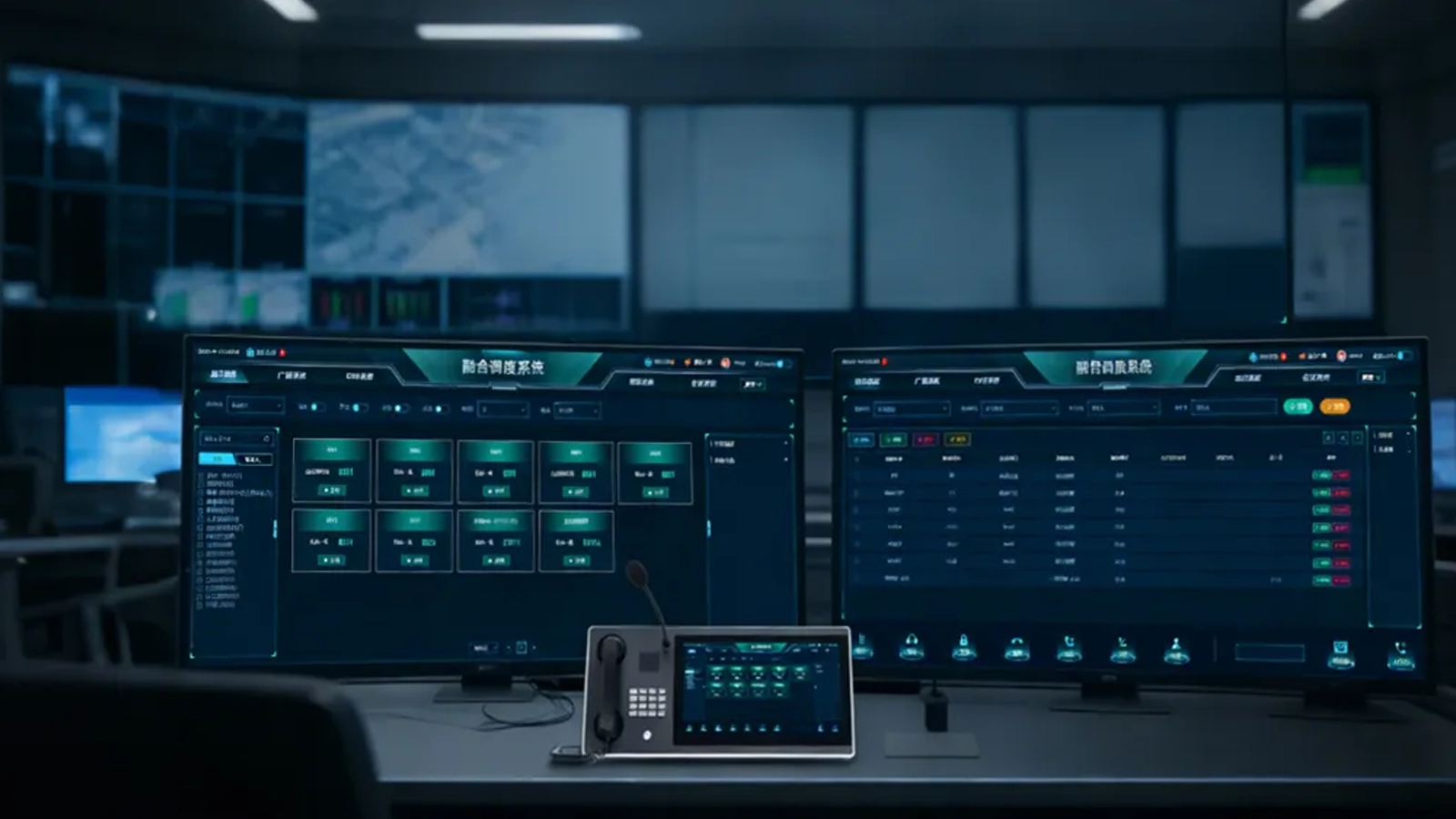
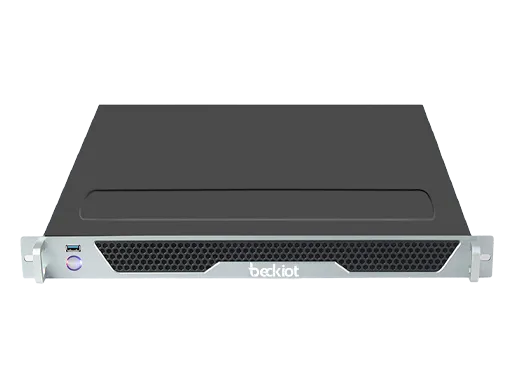

Becke BK-RCS-U100 Integrated Communication Machine is an all-in-one communication and dispatch platform built for organizations that need voice, intercom, paging, video linkage, alarm handling, recording, and visualized coordination in one unified system. Designed around standard SIP architecture and IP networking, it brings together the core communication resources that are often split across multiple devices and software layers, helping users simplify deployment, centralize management, and improve day-to-day operational response.
This model is positioned for projects that need more than a standalone PBX or a simple paging server. It is designed to act as the communication core for integrated command, emergency response, operational coordination, and routine service interaction. By combining calling, intercom, video preview, map-based dispatch, alarm workflow, recording, and broadcast capability in one server platform, BK-RCS-U100 supports a more structured and efficient communication system for industrial, transport, education, healthcare, utility, security, and smart-building applications.
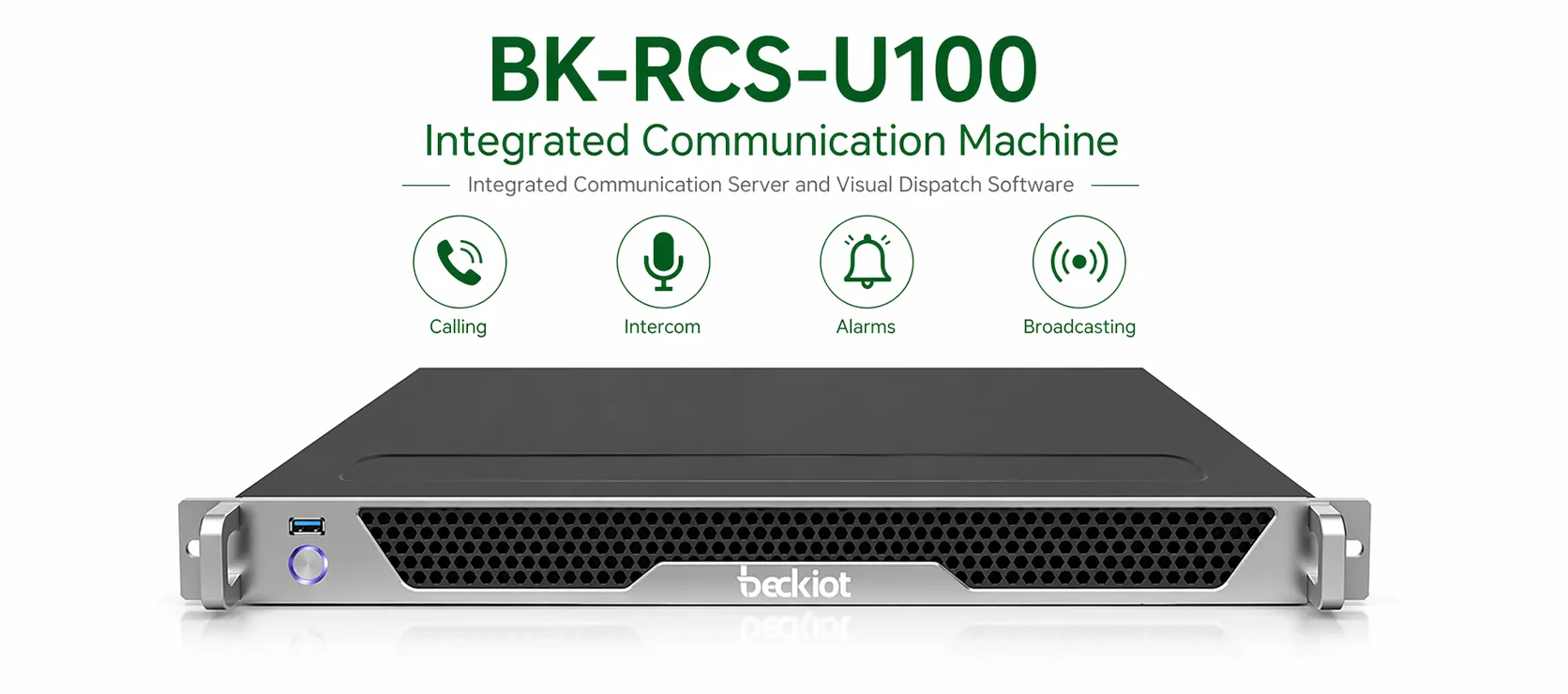
BK-RCS-U100 stands out because it consolidates multiple communication and coordination functions into one integrated platform. Instead of deploying isolated systems for telephony, intercom, paging, alarm linkage, recording, and conference handling, users can build around a single server architecture that supports these capabilities together. This reduces system fragmentation and helps create a cleaner operational model for both routine communication and emergency response.
For operators and system planners, this unified design improves visibility and consistency. Calls, intercom events, broadcasts, alarms, and linked video can be managed in a more coordinated way from the same communication environment, making the platform especially valuable in projects where speed of response and system-level awareness are important.
Built around standard SIP protocols, BK-RCS-U100 is designed for interoperability with a wide range of third-party devices and systems. It can work with SIP broadcast terminals, IP alarm devices, IP cameras, SIP phones, SIP intercom terminals, and gateway equipment to form a complete communication ecosystem. This open approach gives users more flexibility when designing around existing infrastructure or when expanding a system over time.
Its open platform positioning is particularly useful for projects that need to connect communication resources with other operational technologies. Rather than locking the system into one narrow device family, BK-RCS-U100 supports broader integration logic that better fits real-world deployment requirements.
A strong integrated communication platform is not only about handling more functions. It is about making calls, intercom, alarms, paging, and video work together as one operational system.
BK-RCS-U100 supports visualized dispatch software that helps operators manage communication events through a clearer, more unified interface. This is especially valuable in environments where staff must respond quickly to calls, alarms, broadcast tasks, or intercom requests while also maintaining awareness of location, status, and linked devices.
By providing a more visual operating workflow, the platform helps reduce coordination delay and improves usability for control rooms, service centers, and multi-site supervisory environments. It supports a more practical dispatch experience than traditional systems that require users to jump between isolated interfaces.
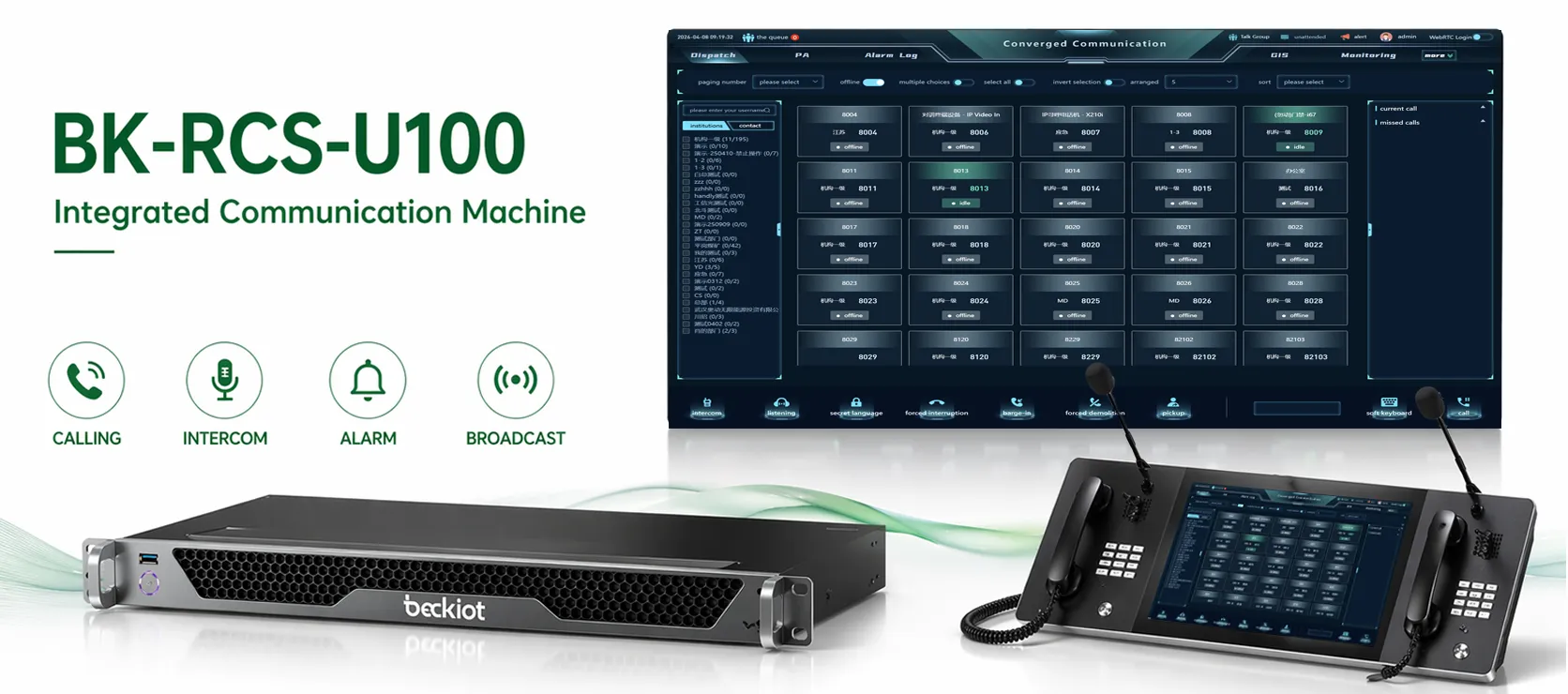
BK-RCS-U100 supports internal calling, outgoing calls, manual calls, and telephone conversations as part of its broader integrated communication structure. This allows the platform to serve not only as a dispatch center for alarms and paging, but also as a daily communication hub for routine voice traffic across facilities, departments, or service locations.
Because voice communication is handled as part of the wider platform rather than as a separate PBX-only layer, users can build more connected workflows between telephony, intercom, recording, and response tasks. This is valuable in projects where staff need to move quickly between normal calls and event-driven communication handling.
The platform supports full-duplex and video intercom communication, one-touch calling, intercom recording, monitoring, and related control functions. This makes it suitable for environments where operators need to communicate with field endpoints, verify incidents, listen in where authorized, and maintain recorded communication trails for review or auditing.
These capabilities are particularly useful in industrial facilities, service environments, security deployments, and unattended sites where fast voice confirmation and controlled supervision are part of normal operations. Instead of relying only on passive alerts, the system supports active communication and clearer event handling.
BK-RCS-U100 includes broadcast capability for zone-level announcements, paging, pre-recorded audio, and text-based broadcast workflows. This allows it to support daily operational notices as well as urgent messaging through one communication platform. For facilities that need both service communication and site-wide or zone-based audio delivery, this greatly improves system cohesion.
The ability to combine telephony, intercom, and broadcast in one platform is one of the product’s strongest operational advantages. It allows voice coordination and public audio delivery to be managed as connected functions rather than separate projects.
BK-RCS-U100 supports video preview and linked video interaction, allowing communication events to work alongside camera resources for stronger situational awareness. In addition, the platform supports map-related functions for graphical status presentation, monitoring preview, and location-linked calling or response actions.
This makes the system suitable for applications where operators need more than audio alone to make decisions. By connecting communication with video and visual location tools, the platform supports more informed dispatch, faster validation of events, and smoother coordination across larger or more complex sites.
The platform supports fire alarm, help alarm, alarm linkage, and alarm notification workflows, helping users build a more connected emergency communication structure. Instead of treating alarms as isolated signals, BK-RCS-U100 can turn them into actionable communication events that trigger voice response, broadcast activity, monitoring, or dispatch handling.
This is particularly valuable in environments where alarm events must quickly lead to operator action, field verification, or broadcast guidance. It helps bridge the gap between passive detection and active operational response.
BK-RCS-U100 is designed as a business-oriented integrated communication server with multiple functional modules, including communication services, broadcast services, recording, conferencing, and management. This modular service orientation helps the platform handle diverse workflows while still presenting users with a more unified operational experience.
Its visual software and API-oriented openness also support broader system interaction, making it suitable for integration with third-party business processes where communication events need to connect with other site applications or control workflows.
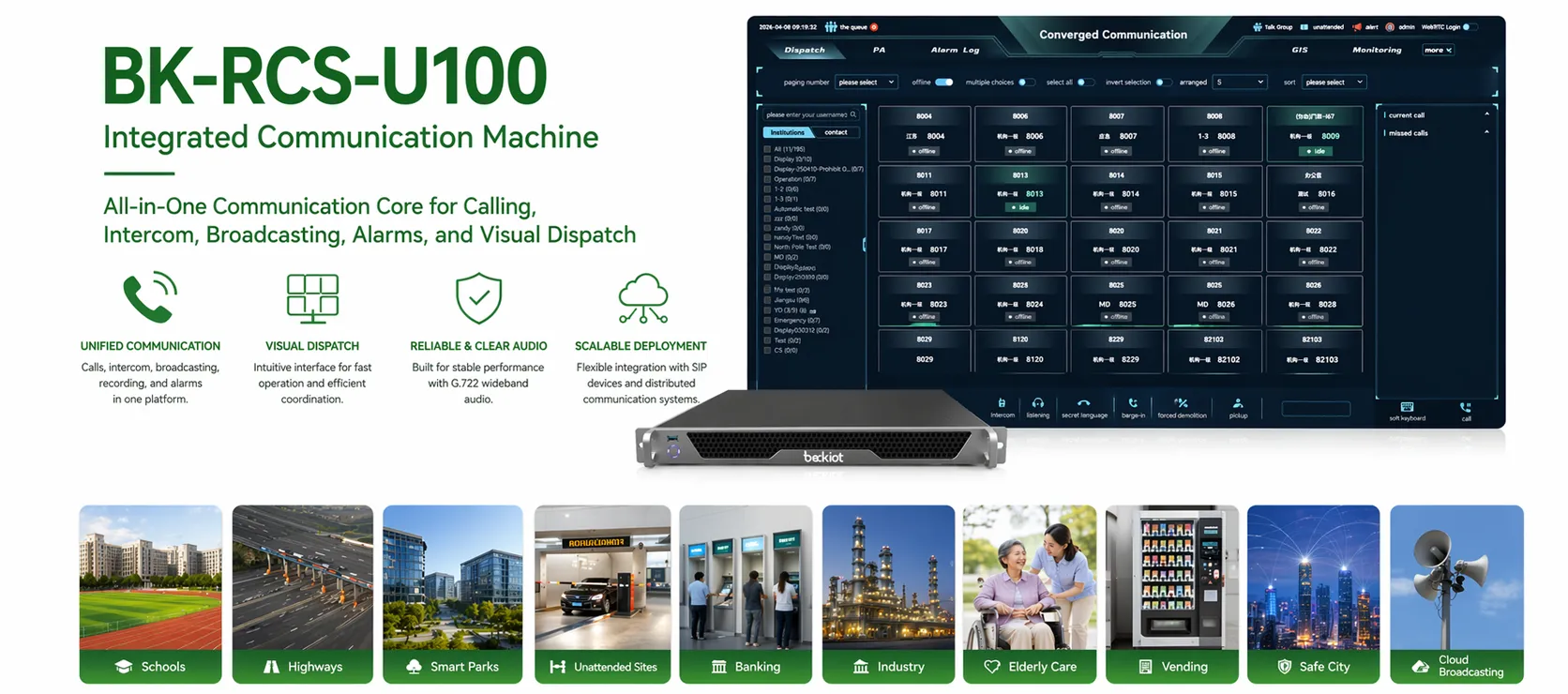
Educational environments often require a unified communication backbone for office calls, service intercom, emergency help points, zone paging, alarm handling, and campus-wide announcements. BK-RCS-U100 is well suited to these projects because it combines routine communication with event-driven response and visualized management in one platform.
Its ability to support calls, intercom, broadcasting, and alarm workflows together makes it especially useful in campuses where communication needs range from daily coordination to emergency notification and area-specific response.
Highways, roadside systems, safe-city projects, and public infrastructure environments often require communication platforms that connect help points, broadcasting, telephony, monitoring, and dispatch logic. BK-RCS-U100 fits these requirements well because it can unify voice, video linkage, alarm response, and operator-side visual handling into one communication core.
For these deployments, the product’s value comes from coordination. Rather than managing separate voice and response systems, operators can work through a more consolidated communication and control model.
Industrial enterprises and smart parks often need communication systems that support internal calls, workshop intercom, warning broadcasts, alarm response, and multi-point operational coordination. BK-RCS-U100 is a strong fit for these scenarios because it supports both routine production communication and linked emergency workflow in a centralized platform.
It is equally useful in unattended locations where voice confirmation, remote response, and linked monitoring are important. In these environments, the platform helps reduce operational gaps between event detection and human response.
Healthcare-related spaces, elderly care environments, bank service locations, self-service points, and similar operational settings often need communication systems that combine help calling, two-way voice, paging, visual awareness, and centralized management. BK-RCS-U100 supports these requirements by giving operators and administrators one platform for handling both service communication and event-triggered response.
This makes it suitable for projects where user interaction, safety, and operational continuity all matter, and where fragmented communication systems would create inefficiency or delay.
The platform is also well positioned for cloud-oriented and distributed broadcast projects where zone announcements, scheduled audio tasks, and multi-site communication must be coordinated centrally. Because broadcasting is integrated into the overall communication framework, users can build broader audio networks without separating broadcast logic from the rest of the operational system.
This helps create a more manageable deployment model for organizations that need scalable, connected communication resources across multiple locations.
BK-RCS-U100 stands out because it is designed as a true integrated communication core rather than as a single-purpose server. Its combination of SIP-based openness, telephony, intercom, broadcast, video linkage, alarm handling, map coordination, recording, and visual dispatch gives it a broader operational role than conventional standalone systems.
For system integrators, operators, and end users, the advantage is practical and immediate: fewer isolated subsystems, clearer workflows, stronger event linkage, and more efficient centralized operation. In projects where communication is closely tied to response, supervision, and dispatch, BK-RCS-U100 provides a more complete and better-organized solution.
BK-RCS-U100 is best suited for integrated communication and dispatch projects in schools, highways, industrial parks, unattended sites, healthcare facilities, banking environments, safe-city systems, and other locations that need calling, intercom, broadcasting, alarms, and visual response in one platform.
Yes. It is built around standard SIP architecture and is designed to connect with SIP phones, SIP intercom terminals, broadcast endpoints, IP cameras, alarm devices, and gateway equipment, making it suitable for open and expandable system design.
It combines telephony, intercom, broadcasting, alarm handling, recording, conferencing, video linkage, map-based coordination, and visual dispatch software in one integrated communication machine.
An integrated platform like BK-RCS-U100 can reduce system fragmentation, simplify deployment, improve linkage between communication and alarm events, and give operators a more unified interface for routine work and emergency response.
| Item | Specification |
|---|---|
| Product Model | BK-RCS-U100 |
| Communication Protocols | ARP, IP, ICMP, TCP, UDP, SIP, IGMP, RTP, H.264 |
| Technical Specifications | RFC3261, RFC3262, RFC3263, RFC3264, RFC1889, RFC1890 |
| Voice Codecs | G.722 (Wideband), G.711a, G.711u, AMR |
| Intercom Functions | Two-way intercom, video call, one-key help, intercom recording |
| Dispatching Functions | Paging group, call queuing, forced call disconnection, call barge-in, call monitoring, multi-party conference |
| Broadcasting Functions | Zone broadcast, live paging broadcast, timed broadcast, music broadcast, text broadcast |
| Video Functions | Video linkage |
| Telephone Functions | Incoming call, outgoing call, secondary dialing |
| Alarm Functions | Trigger alarm, alarm preset |
| Electronic Map | Supports calling, intercom, monitoring, call barge-in, forced call disconnection and other operations for terminals marked on the current map |
| Terminal Registration Capacity | 50 |
| Concurrent Calls | 50 |
| Concurrent Recording Channels | 50 |
| Dynamic Multicast Function (Broadcast concurrency equals terminal registration count) | Supported |
| Chassis Dimensions | 48.2cm * 40cm * 4.45cm |
| IP Visual Dispatching Console Access Quantity | Multiple (1 free authorization) |
| Processor | Intel Core I5 Quad-core CPU |
| Memory | 4GB / 8GB optional |
| Storage | 240GB / 480GB / 960GB Solid State Drive (SSD), configurable as required |
| Interfaces | Video ports: VGA+HDMI+DP, 4×USB ports, 2×1000M Ethernet ports |