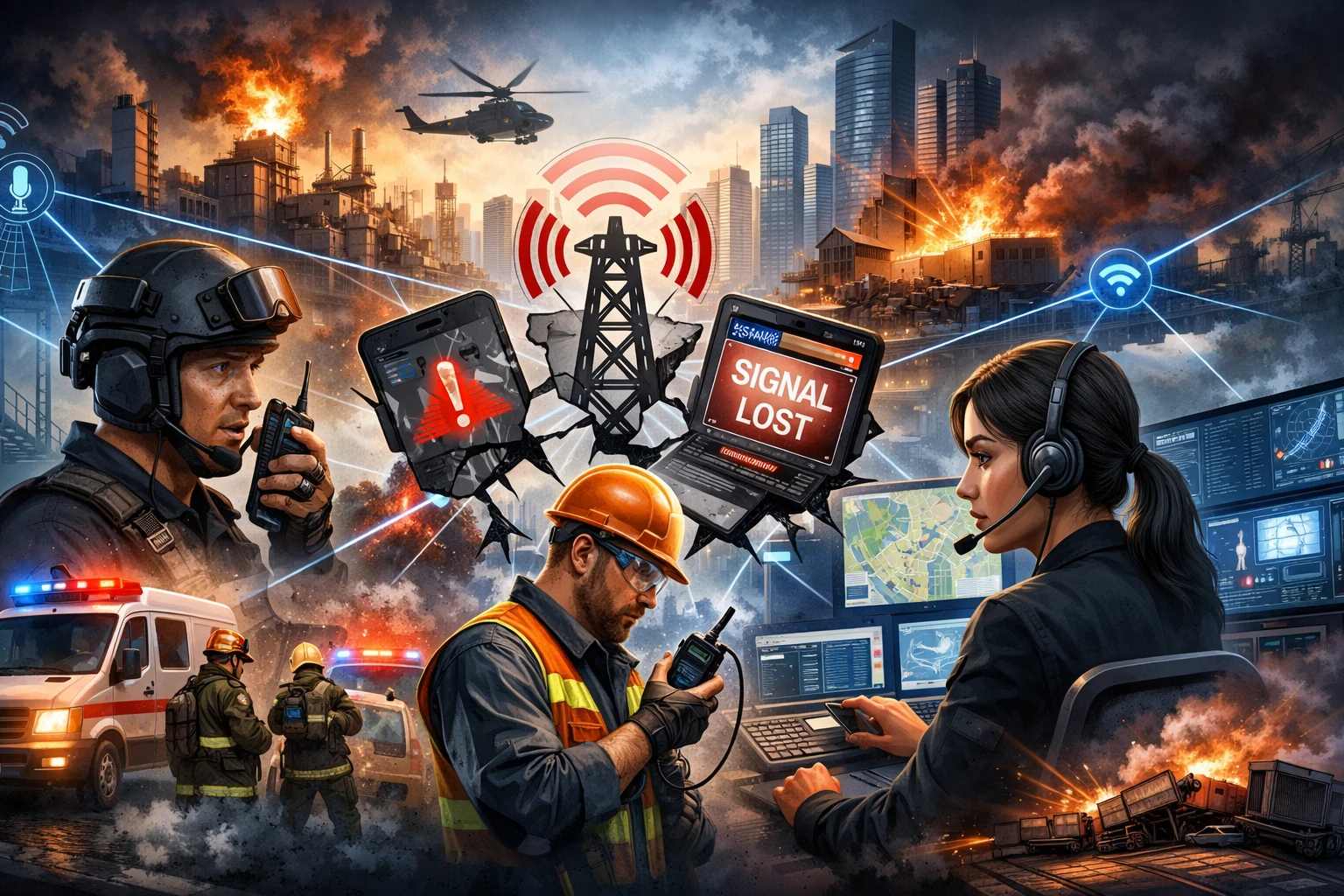
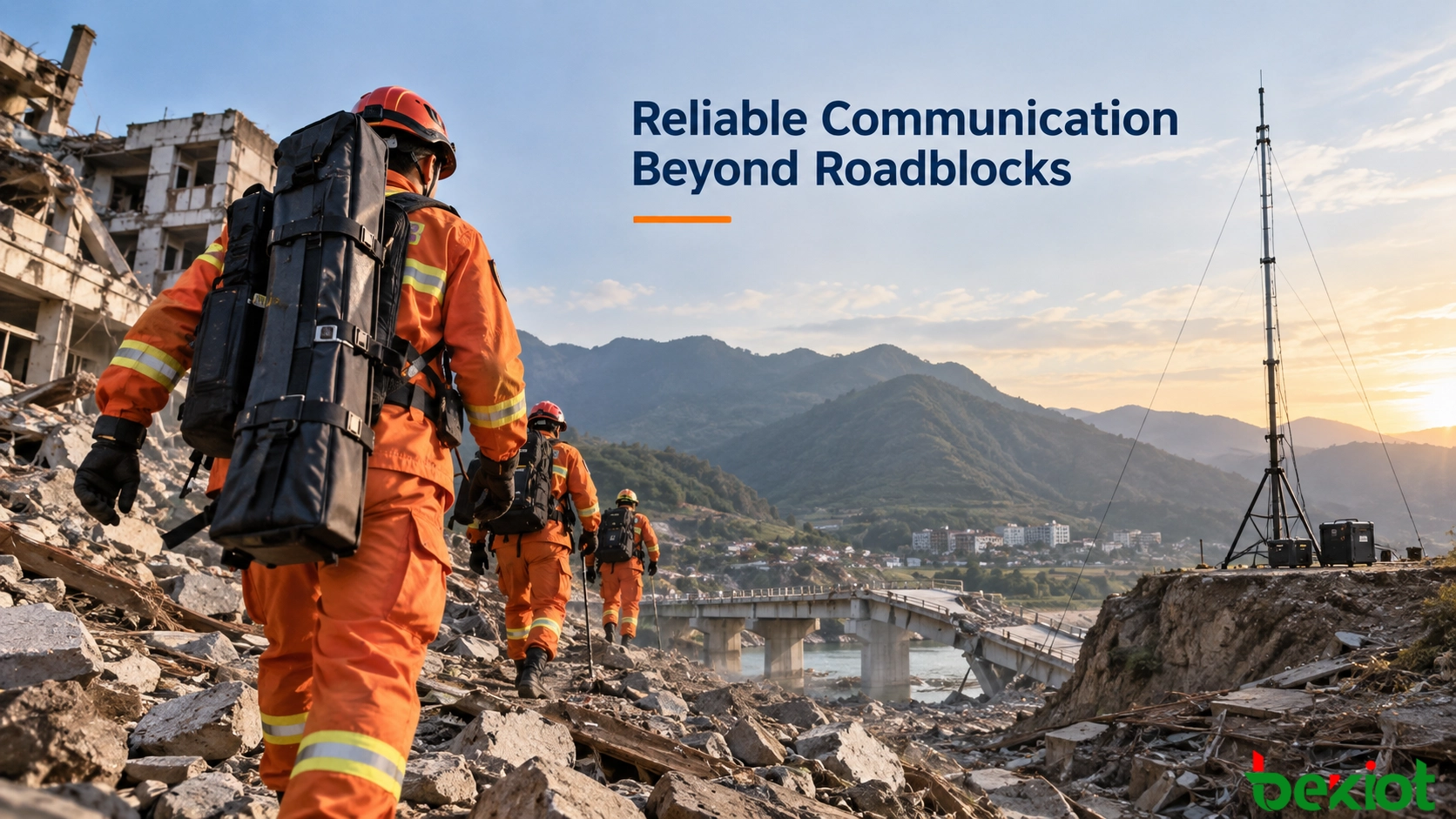
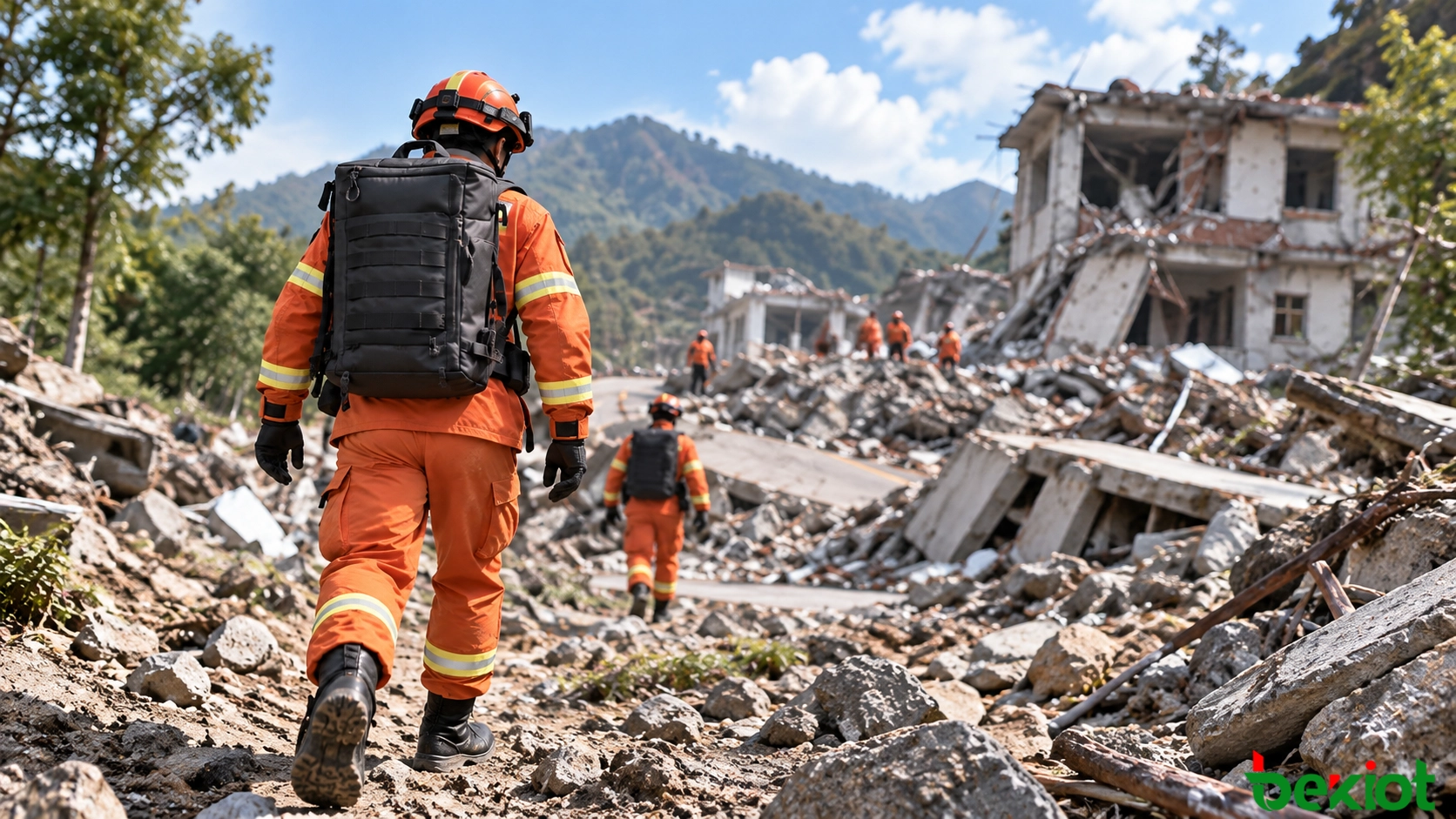
After an earthquake, flood or wildfire, the first communication problem may be physical access. A command vehicle can carry extensive equipment, yet a collapsed bridge, blocked mountain road or unstable slope may prevent it from reaching the response area. Rescue teams can continue on foot, but their radios may lose contact as terrain and distance separate them from the incident command post.
A man-portable antenna mast addresses this gap by bringing an elevated antenna position to places that heavy vehicles cannot enter. Carried in a compact package and raised near the operating area, it can support a temporary radio link without waiting for permanent infrastructure. The mast is not a complete communication network on its own; its value comes from making a suitable field radio system easier to position, deploy and relocate.
When Access Roads Are No Longer an Option
Large mobile communication stations are useful when crews can drive close to an incident, park safely and establish a stable operating position. Those assumptions may not hold during the first stages of a disaster. Debris may obstruct roads, floodwater may isolate communities, and search teams may have to cross steep or forested terrain. Even if a vehicle reaches the nearest staging area, the responders who need communication may be operating on the other side of a ridge or deep inside a valley.
In these conditions, the requirement is not always to recreate an entire public network. It may be to restore a dependable voice path between a search team and a local coordinator, place a temporary radio relay above an obstruction, or extend a field communication point toward a regional command center. A portable mast supports this narrower, time-critical task while vehicle-mounted and fixed systems continue to serve the wider operation.
The operational distinction matters: access, terrain and the required communication path should determine the deployment method. A team that can carry its antenna position forward is less dependent on roads being cleared before a basic field link can be established.
Lightweight Construction, Practical Deployment
Traditional metal masts can offer substantial load capacity, but their packed size, weight and handling requirements may limit dismounted use. Lightweight composite structures provide another option. By combining low mass with useful structural stiffness, they can reduce the burden on responders carrying communication equipment over rubble, trails or uneven ground. Depending on the design, a compact mast can be carried by one person while leaving the rest of the team free to transport medical, rescue or power supplies.
Portability must not be confused with unlimited strength. The deployed structure still has to suit its antenna load, mounting arrangement, wind exposure and anchoring method. A lightweight mast is valuable because it reduces transport and setup effort within its rated operating conditions, not because it eliminates the need for site assessment or secure installation.
Some rapid-deployment systems allow a trained operator to extend the mast in minutes with little or no specialist lifting equipment. This refers to raising the support structure under suitable conditions; achieving a working communication service also requires antenna alignment where applicable, radio configuration, a power source and successful link testing. Keeping these stages distinct leads to more realistic emergency readiness plans.
Putting a Temporary Site on Air
Choose the position before raising the structure
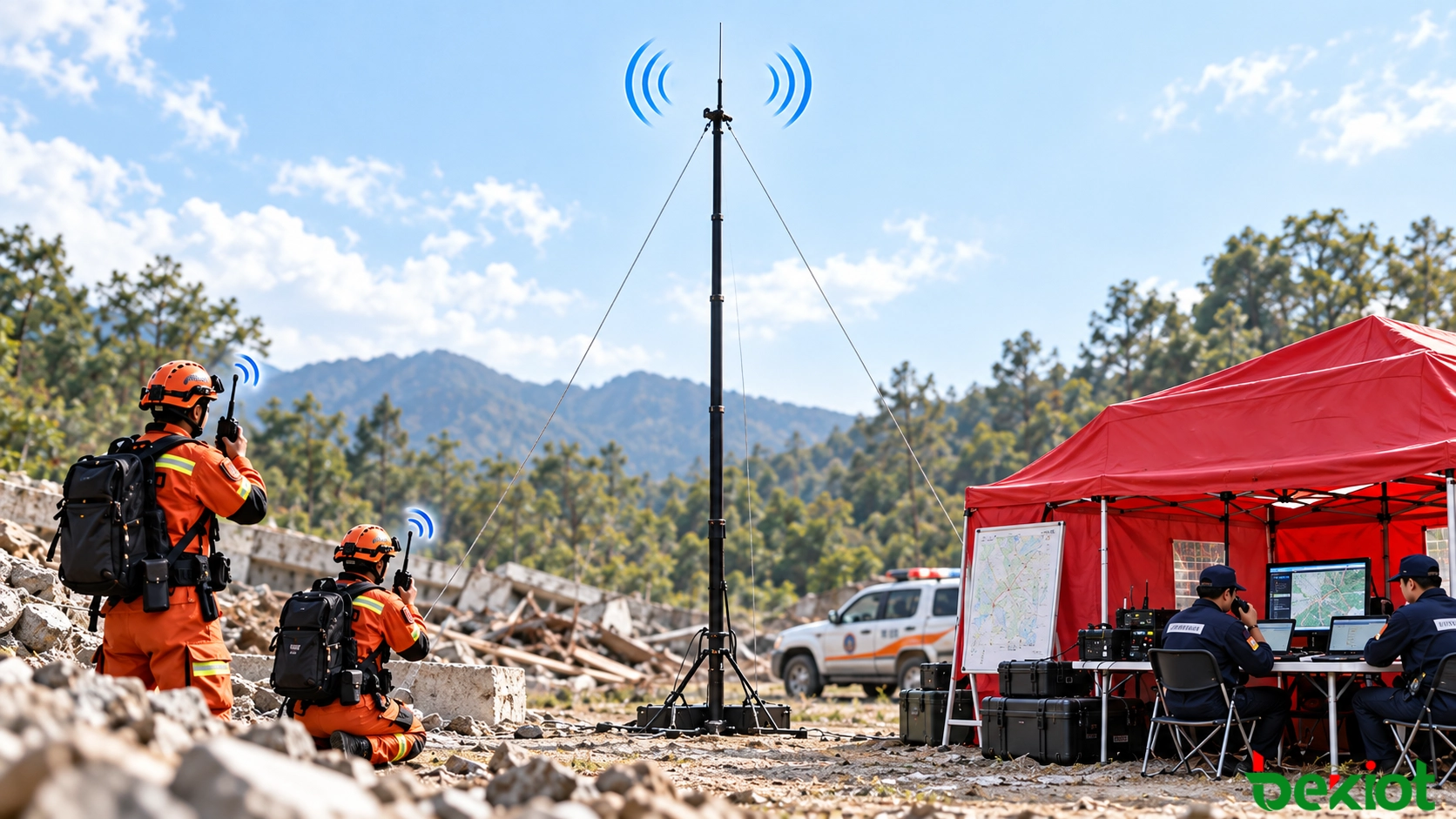
The field team first identifies the users who must communicate and the direction of the intended link. A position that is easy to reach is not necessarily the best radio location: surrounding ridges, buildings, dense vegetation and changes in ground elevation can obstruct the path. The selected site also needs safe footing, enough space for the base and any guy lines, and a practical route for cables and personnel.
Establish the antenna support safely
At the selected position, responders assemble or extend the mast according to its approved procedure, secure the base and any required anchors, and route cables so they do not create hazards. Personnel should keep clear of overhead electrical lines and should not raise a temporary mast during unsafe wind or lightning conditions. Where the terrain or loading demands it, more than one operator may be needed even when the packed mast can be transported by a single person.
Confirm the complete communication path
Once the antenna and radio equipment are connected, the team checks power, operating channels, signal quality and two-way audio with the intended users. If a remote command-center link is required, it must also be tested end to end. A successful local radio call does not by itself confirm that information can reach headquarters. The field team should establish a fallback calling procedure before treating the temporary site as operational.
This sequence turns rapid setup into usable service: reach the location, secure the support, connect the communication system, verify the path and then hand it over to the response team. The mast reduces one deployment bottleneck, but the entire sequence determines how quickly communication is restored.
Connecting the Incident Area to Command
Raising an antenna can improve the radio path by placing it above nearby obstacles and improving line-of-sight conditions. It may help a field radio reach an incident-area relay or allow a relay site to communicate with another elevated point. Actual coverage still depends on terrain, frequency, antenna characteristics, radio performance and interference. Additional height should never be presented as a guarantee of a wider or obstruction-free service area.
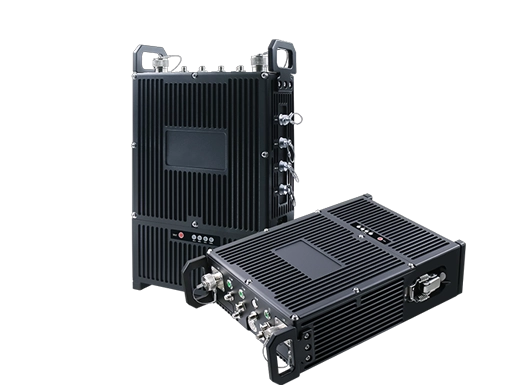
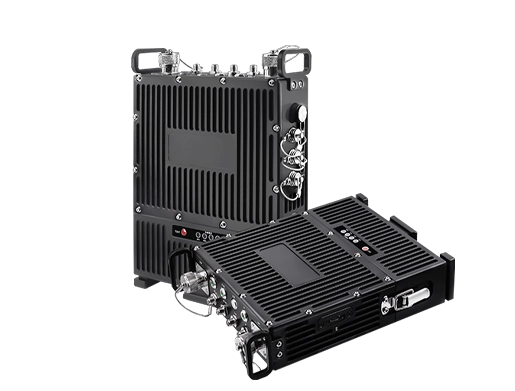
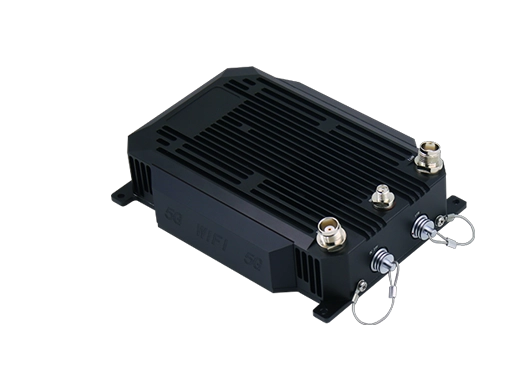
A typical local arrangement links frontline radios with a temporary elevated antenna and a compatible communication point at the incident command post. Where coordination is needed beyond the scene, a separate connection can carry the traffic toward a remote center through an available terrestrial, wireless or satellite route. The temporary mast provides the physical antenna position; the associated communication system provides radio service, traffic handling and onward connectivity.
For response operations, local voice communication is usually the first service to verify. Position reports, short operational messages and other data can be added when the chosen network supports them. A useful design also keeps local communication available if the onward connection to a distant command center fails, so teams in the immediate incident area can continue coordinating their work.
Where a Portable Mast Fits Best
Earthquakes and landslides
Collapsed structures and blocked access roads can separate rescue groups from vehicle-based command resources. A carry-in antenna position may help establish communication from a safer staging point or along the edge of a damaged area. Site stability must be assessed carefully because damaged ground and aftershocks can create additional risks for temporary installations.
Mountain and forest operations
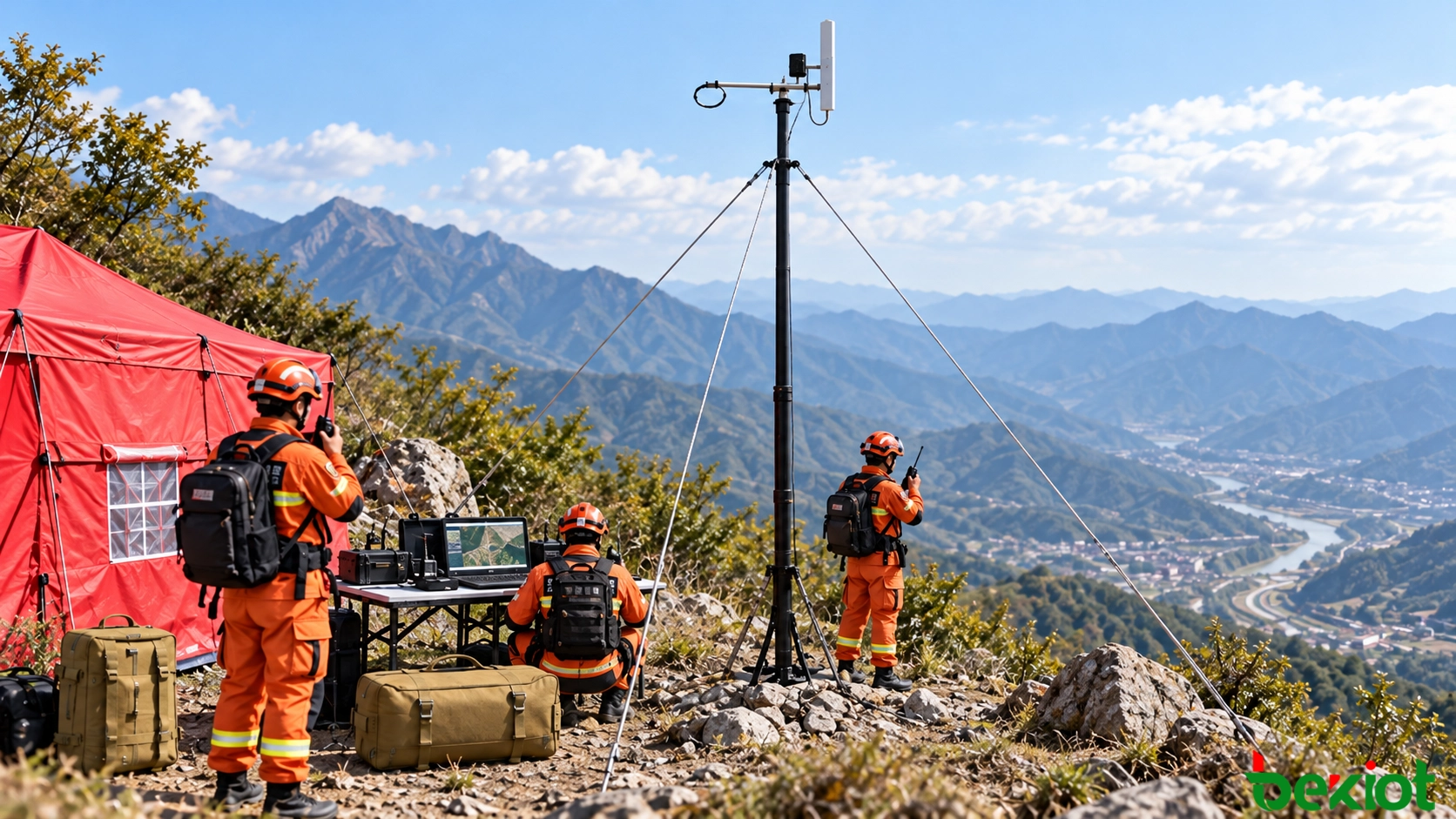
Search-and-rescue teams often move between valleys, ridgelines and wooded slopes where direct radio contact changes quickly. A mast positioned at a suitable high point may improve a local relay path without transporting a vehicle up the mountain. It will not remove every terrain shadow, so the selected position should be checked against the actual operating routes.
Flood and storm response
When roads are submerged or communities are cut off, portable field communications can support boat teams, temporary shelters and evacuation coordination. A raised antenna position may be useful at a dry, secure location outside the flooded area. Deployment must account for changing water levels, unstable soil and hazardous weather rather than assuming that a lightweight structure can be placed anywhere.
Temporary incident staging
Wildland firefighting, remote inspections and short-duration field missions may need an antenna point for only part of an operation. A packable mast can be moved as the command post or operating area changes, avoiding the need to construct a fixed site for a temporary task. Its strongest advantage in these situations is mobility combined with repeatable setup.
Designing for Safe and Reliable Service
Emergency conditions are not automatically suitable installation conditions. Before deployment, the team should evaluate mast and antenna loading, wind exposure, anchoring, nearby power lines, lightning risk, personnel movement and radio-frequency exposure. Guy lines and cables need to be visible to other responders, especially around paths used by stretchers, vehicles or night-shift personnel. If safe installation cannot be achieved, the team needs a different site or communication approach.
Communications continuity also depends on factors below the antenna. The radio equipment requires an appropriate power plan, weather protection, protected connectors and a defined response when the backhaul becomes unavailable. A temporary installation should have an identified operator and a clear method for reporting degradation, moving the site or handing responsibility to the next shift.
Field acceptance should be based on actual calls and operational reach, not simply on the mast reaching its intended height. Teams should test communication from representative rescue positions, verify intelligibility in both directions, confirm the remote command path where used, and record known dead zones and limitations. This provides a more useful operational result than a claimed coverage radius that has not been measured at the incident location.
A portable mast is therefore best planned as one element of a layered response capability. Vehicle stations provide greater capacity where roads are open, fixed systems serve established facilities, and portable antenna positions reach the places where neither can be deployed promptly. Together, these approaches help maintain communication as access conditions and rescue priorities change.
Frequently Asked Questions
Can several response agencies share one temporary mast?
They may be able to share the physical support, but each proposed antenna must be assessed for total structural load, mounting clearance, radio-frequency isolation and interference. Sharing a mast does not automatically make different radio networks interoperable.
Does a longer antenna cable improve the effective radio range?
Not necessarily. Longer feeder cables introduce signal loss, which can offset some of the benefit gained by raising the antenna. Cable type, routing, connector condition and operating frequency should be considered together when planning the installation.
Are special permissions needed for temporary emergency radio operation?
Radio operation must follow the applicable spectrum rules, licensing conditions and incident communication plan. The fact that a mast is temporary does not automatically grant permission to transmit on a frequency or access another agency's network.
What should be checked before storing a mast for the next deployment?
Inspect its sections, locks, base, anchors, guy lines and carrying case for damage or contamination. Clean and dry components as appropriate, then verify that the deployment kit is complete and ready for the next field operation.
Can the temporary installation remain in place after rescue operations end?
Extended use requires a separate assessment of site authorization, environmental exposure, inspection frequency and applicable structural requirements. Equipment intended for short-term deployment should not be treated as a permanent tower without verifying that the installation is suitable for that role.