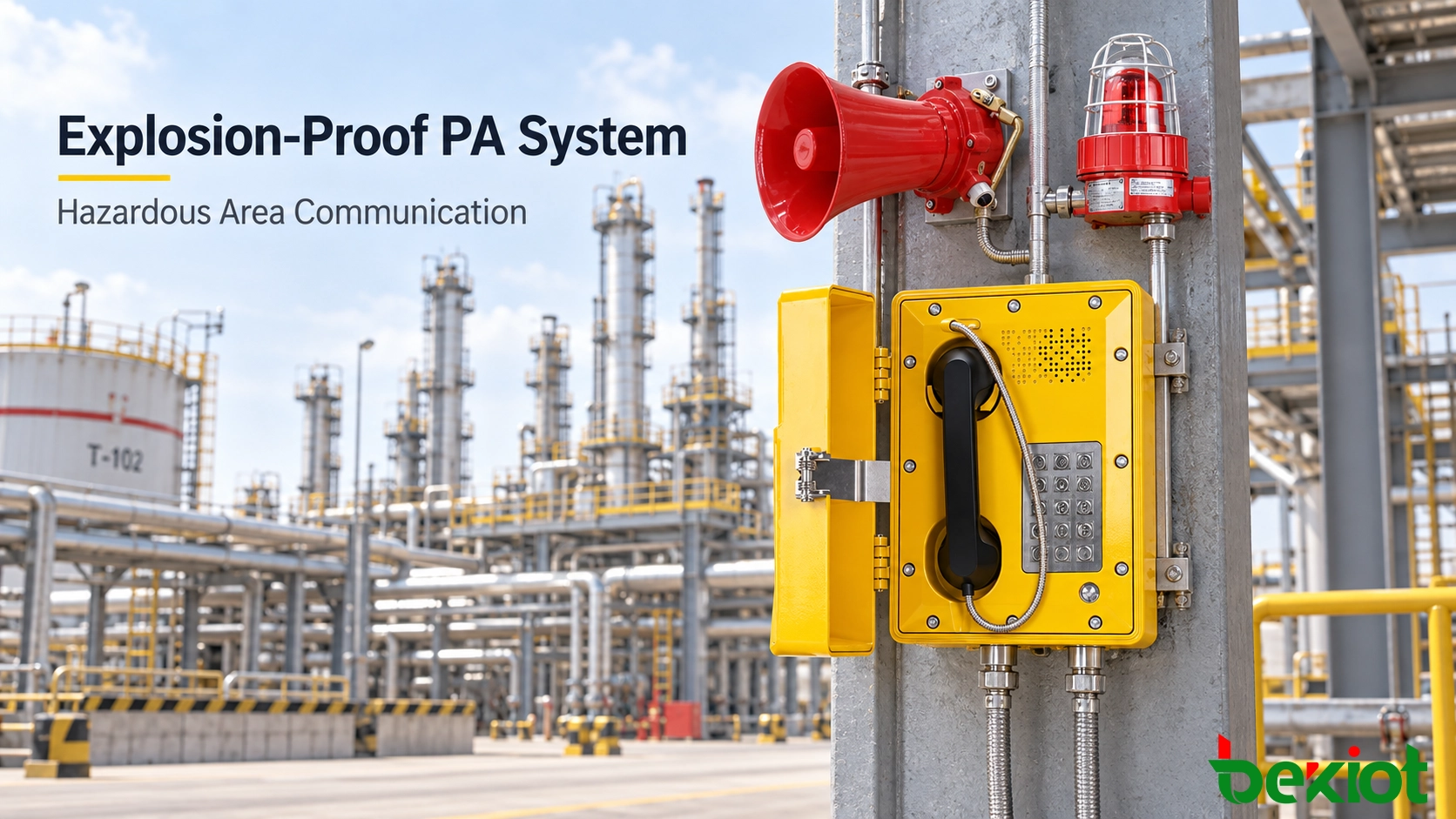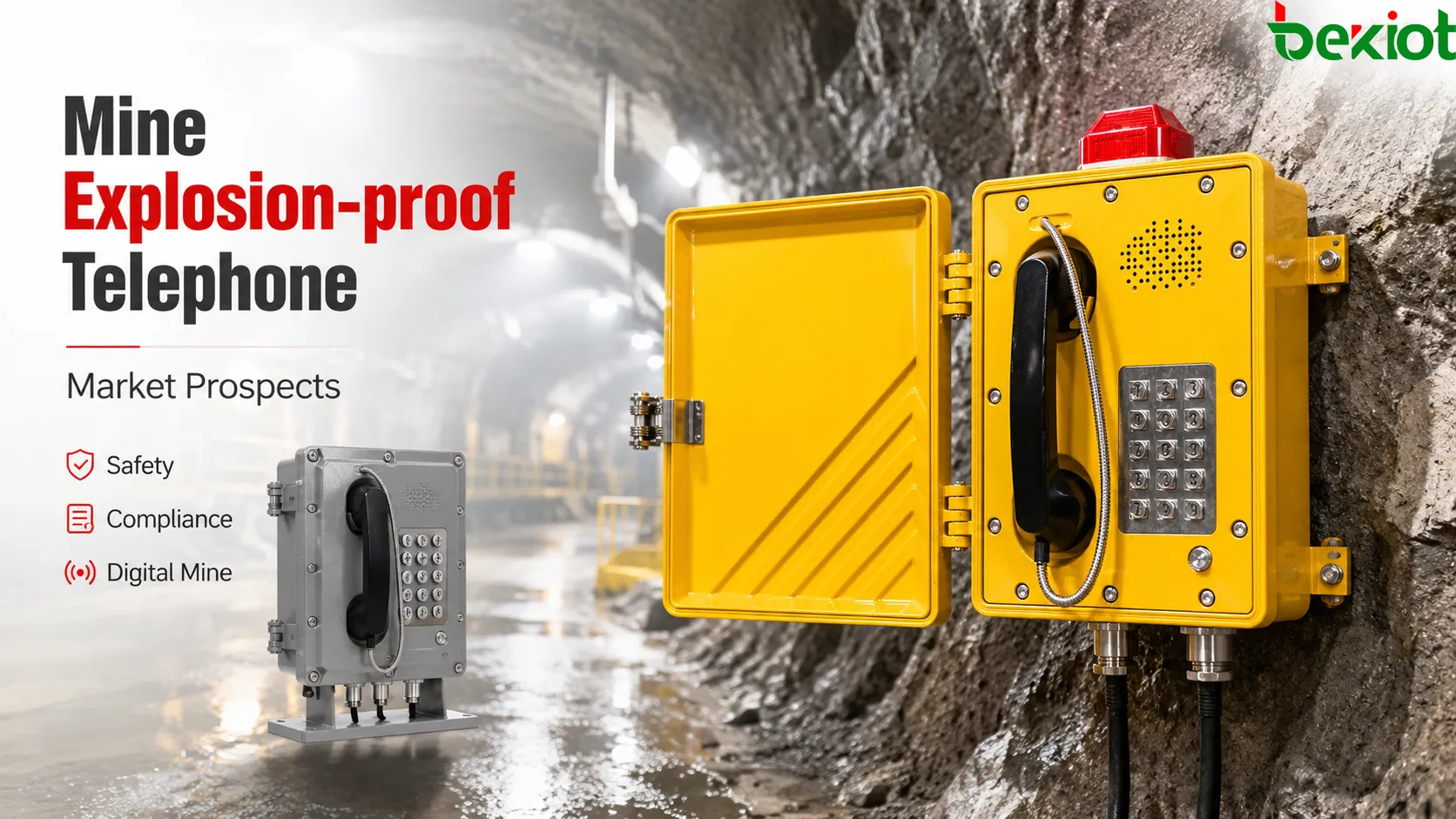
A mine does not become safer simply because it installs more equipment. It becomes safer when the right equipment remains usable at the moment workers need it. Mine explosion-proof telephones belong to this practical category. They are not decorative communication terminals, nor are they ordinary telephones placed inside a rugged box. Their value appears underground, at loading points, along haulage routes, near pump stations, in coal faces, in refuge areas, around shaft stations, and at surface control rooms where one clear call may change the response speed of an incident.
The market prospects for mine explosion-proof telephones should therefore be understood through safety demand, mining operation continuity, hazardous-area compliance, digital mine construction, and replacement cycles. As mines become more mechanized and more connected, communication equipment must also become more dependable. Wireless systems, tracking systems, automation platforms, and dispatch software are developing quickly, but fixed explosion-proof telephones still hold a stable position because they provide location-based, durable, and easy-to-operate voice access in harsh underground conditions.
Safety Demand Drives the Market
The first and most direct market driver is mine safety. Underground mines are complex working environments. They may include combustible gas, coal dust, high humidity, heavy equipment, narrow roadways, falling-rock risks, ventilation noise, power distribution points, and moving personnel. In such environments, communication is not only a convenience. It is part of the emergency response chain.
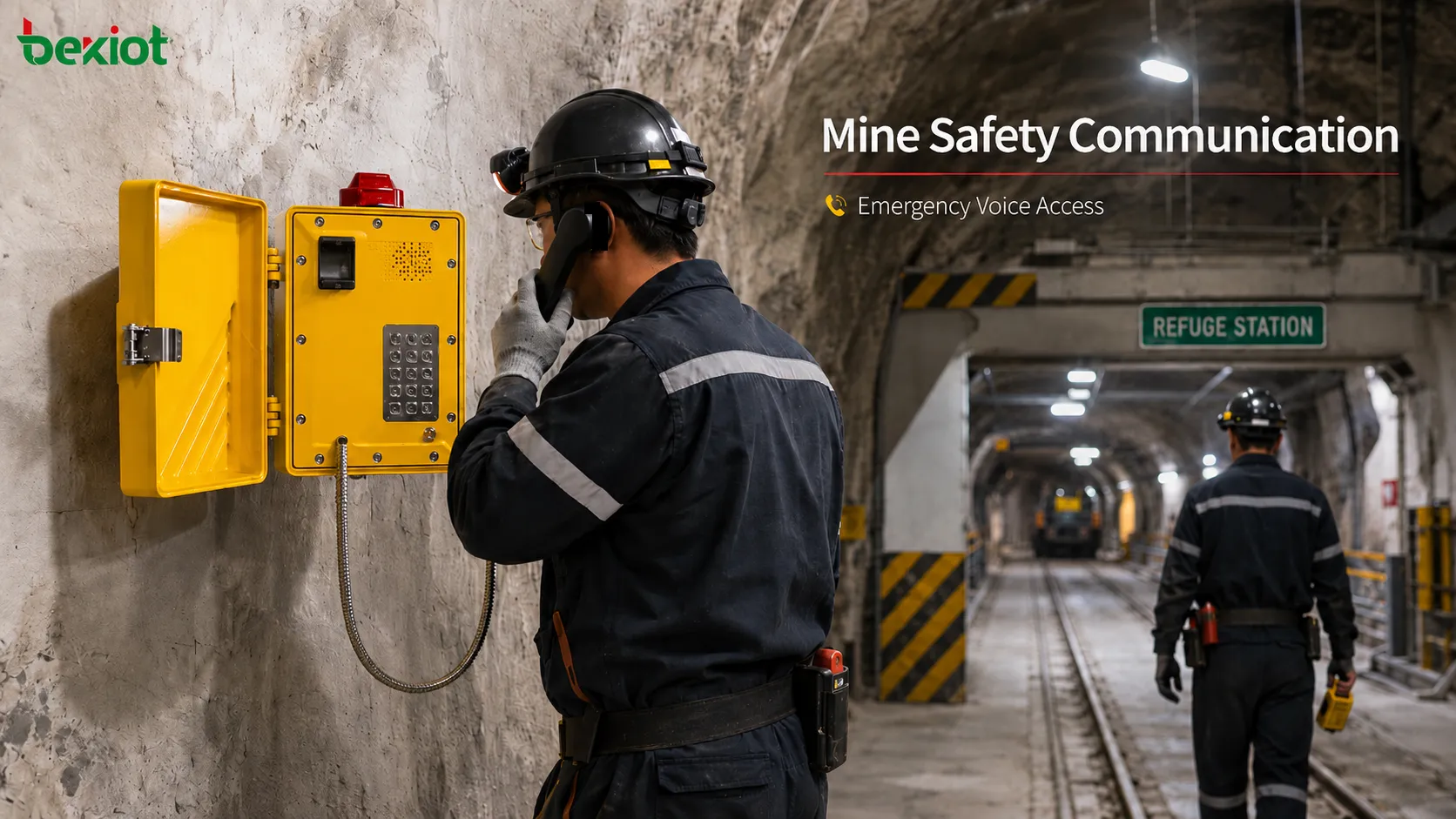
A mine explosion-proof telephone gives workers a fixed point for calling the control room, dispatch center, shaft station, maintenance team, or emergency response staff. This is especially important when personal devices are unavailable, radio coverage is weak, wireless nodes are damaged, or workers need a simple and familiar communication method. A visible wall-mounted or station-mounted telephone can still be useful when the user is under pressure and does not want to search menus, channels, or contact lists.
The safety value also comes from traceability. In many mine communication systems, a call from a fixed telephone can identify the location of the calling point. This helps operators judge where the incident is happening. In emergency conditions, location information may matter as much as the voice content itself. A short call such as “smoke near the belt conveyor” becomes more useful if the dispatch center knows exactly which telephone sent the call.
As safety management becomes more detailed, mines are less likely to accept communication blind spots. This creates ongoing demand for explosion-proof telephones at key underground positions, refuge chambers, power rooms, pump stations, transport points, and emergency routes. The market is not driven only by new mines. It is also driven by safety upgrades in existing mines.
Compliance Supports Stable Demand
Mining is a highly regulated industry. Communication equipment used in underground and hazardous areas must often meet specific safety, explosion-proof, environmental, and installation requirements. This gives mine explosion-proof telephones a more stable demand base than ordinary communication products. Mines cannot simply choose consumer-grade devices when the operating environment requires certified and protected equipment.
Compliance does not only influence the first purchase. It also affects equipment replacement, maintenance, inspection, and project acceptance. If a telephone enclosure is damaged, a cable gland is modified incorrectly, a handset becomes unsafe, or a device no longer meets the required protection level, the mine may need to repair or replace it. This creates a lifecycle market rather than a one-time installation market.
The compliance-driven market is especially visible in coal mines and other hazardous underground environments where gas and dust risks are part of daily safety management. Explosion-proof structure, sealed cable entry, rugged handset design, safe circuit layout, corrosion resistance, and clear labeling all become selection factors. Buyers are not only comparing price. They are comparing whether the equipment can pass site review and remain acceptable during long-term operation.
This also creates opportunities for manufacturers that can provide complete documentation, clear product specifications, installation guidance, and practical technical support. In mine projects, the purchasing decision often involves safety departments, electrical teams, dispatch system integrators, project contractors, and management units. A product that is easier to approve, install, maintain, and document has a stronger market position.
Digital Mines Need Fixed Voice
Modern mine construction increasingly uses digital platforms, monitoring systems, positioning systems, video surveillance, industrial Ethernet, wireless communication, remote control, and centralized dispatch. At first glance, this may seem to reduce the need for fixed telephones. In reality, digital mine construction often increases the need for reliable fixed voice points because the system needs dependable field interfaces at known locations.
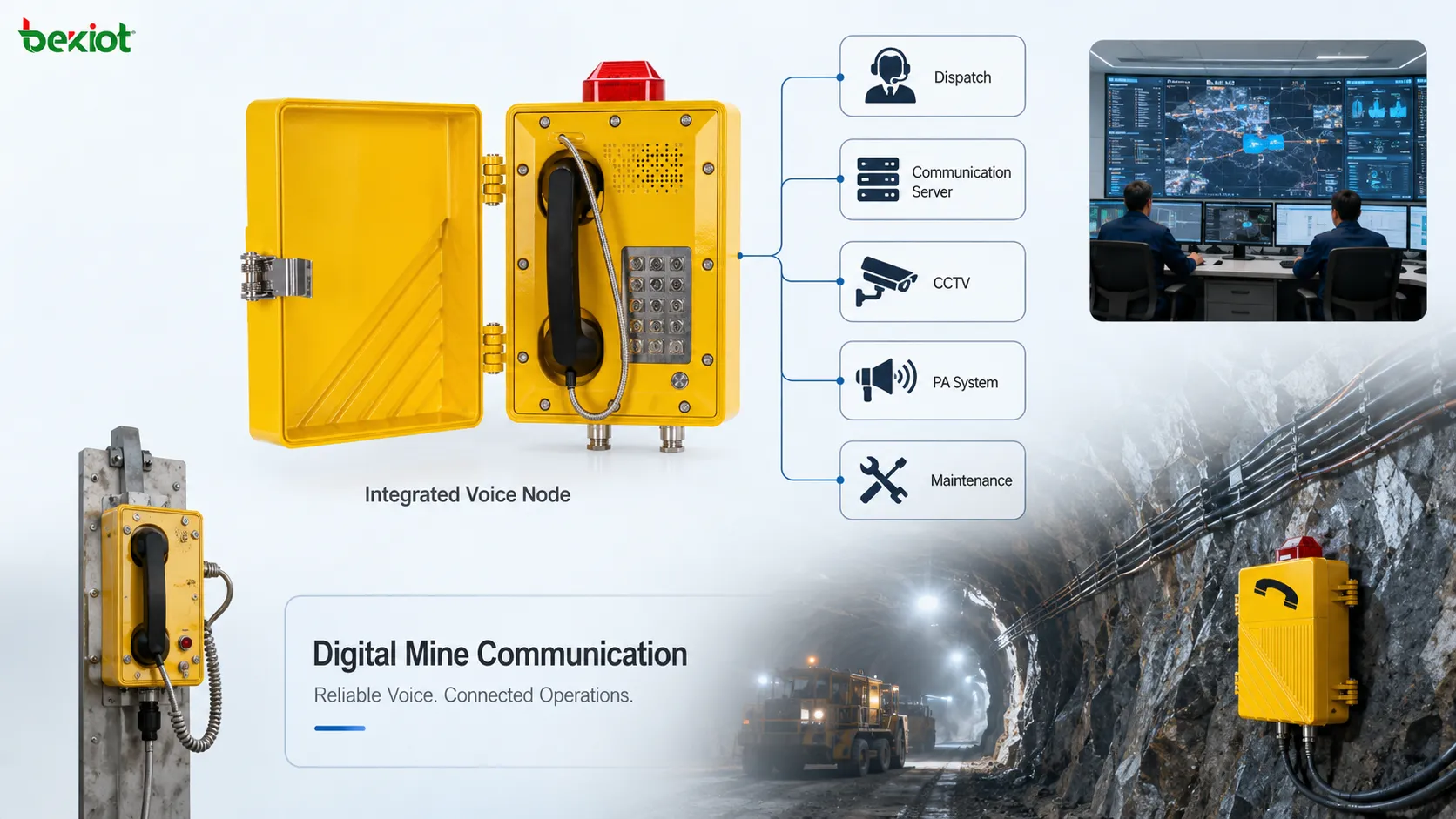
A digital mine depends on data, but emergency response still depends heavily on voice. Sensors can report gas concentration, belt status, equipment condition, and personnel location. Cameras can show an area when visibility is available. Positioning systems can track miners and vehicles. Yet when an abnormal event occurs, dispatchers still need to talk to people in the field. A fixed explosion-proof telephone gives the digital system a human communication node.
Another reason fixed telephones remain relevant is survivability. Wireless networks can be affected by roadway structure, equipment movement, metal reflection, power faults, or damaged access points. Radio communication can be affected by coverage gaps and channel congestion. A wired explosion-proof telephone, when correctly deployed and protected, can provide a stable alternative or complement to wireless systems.
Digital transformation also changes user expectations. Mines no longer want isolated telephones that only make calls. They increasingly expect integration with dispatch platforms, SIP systems, recording systems, alarm linkage, device status monitoring, and maintenance logs. This pushes the market from simple hardware supply toward system-compatible mine communication terminals.
Application Areas Are Expanding
The traditional market for mine explosion-proof telephones is underground coal mining, but the practical application range is wider. Metal mines, non-metal mines, tunnel construction, underground utility corridors, explosive material storage areas, coal washing plants, hazardous processing zones, shaft stations, conveyor systems, and surface industrial areas may all require rugged and protected communication points.
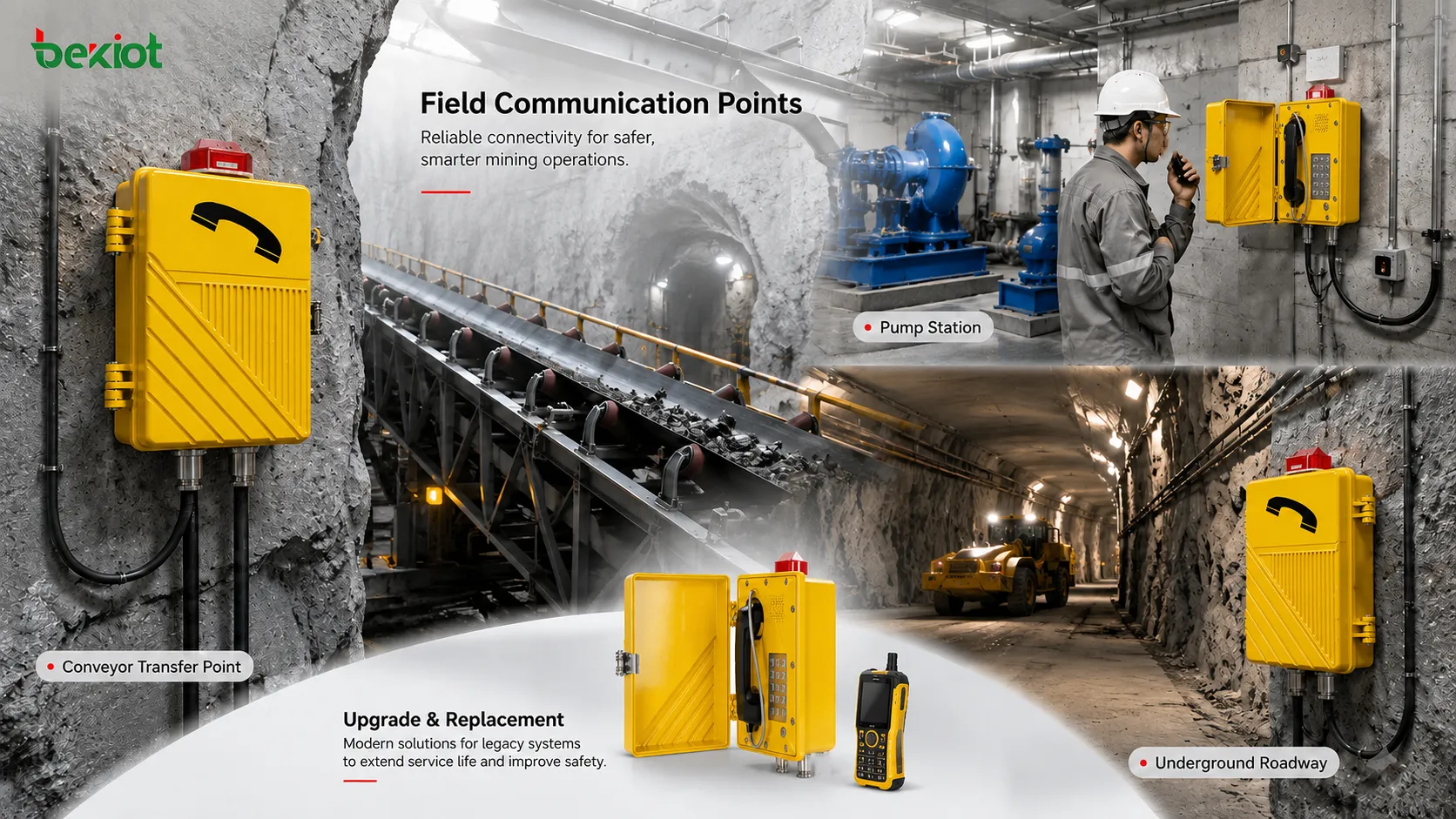
In coal mines, telephones are often installed in locations related to production safety and emergency evacuation: underground substations, pump rooms, belt conveyor transfer points, refuge chambers, working faces, roadway intersections, hoist rooms, and dispatch-linked areas. The focus is reliable voice communication under hazardous and dusty conditions.
In metal and non-metal mines, the risk structure may be different, but communication challenges remain. Long tunnels, complex routes, mobile equipment, blasting areas, ventilation noise, and remote work points make fixed communication valuable. Explosion-proof requirements may depend on the specific mine environment, but rugged mine telephones still serve dispatch and emergency needs.
Surface mining and processing facilities also create demand. Coal preparation plants, ore crushing areas, loading stations, fuel storage zones, and conveyor control points may require industrial or explosion-proof communication terminals depending on site hazards. This means the market should not be viewed only as “deep underground telephones.” It includes the wider mining production chain.
Product Upgrades Create Growth
A key growth point is product upgrading. Many older mine telephone systems were designed around analog voice, simple call functions, and limited management capability. These systems may still work, but they often struggle with modern dispatch integration, remote monitoring, call recording, status feedback, and centralized maintenance. As mines upgrade communication systems, explosion-proof telephones must also evolve.
SIP-based and IP-compatible models are becoming more attractive in projects where mines already use industrial Ethernet or digital dispatch platforms. A networked telephone can support flexible numbering, centralized routing, call recording, remote configuration, and integration with other communication services. This does not mean analog systems disappear immediately. In many mines, analog telephones remain useful because of simplicity and existing wiring. The market will likely include both replacement of old analog devices and new deployment of IP-based terminals.
Audio quality is another upgrade direction. Underground environments are noisy, and emergency calls may be short and urgent. Better handset design, stronger receiver output, microphone protection, echo control, and clearer speech transmission can improve practical user experience. Mines may not describe this demand in marketing terms, but dispatchers and workers know the difference between a phone that merely connects and a phone that can be understood.
Remote maintenance is also becoming more important. A telephone failure underground may not be discovered until someone tries to use it. Devices that support status feedback, online monitoring, fault indication, or platform-level health checks can reduce this risk. For large mines with many communication points, maintenance efficiency becomes a market value.
Manufacturers that can provide models suitable for both traditional mine telephone systems and newer digital platforms will have better long-term prospects. The market is moving from “install a telephone” toward “maintain a reliable communication endpoint inside a larger safety system.”
Replacement Cycles Build Continuity
The mine explosion-proof telephone market is not driven only by new construction. Replacement demand may be just as important. Underground equipment works in difficult conditions. Moisture, dust, corrosion, vibration, cable pulling, rough handling, and long service life can gradually damage devices. Even when the main enclosure remains intact, the handset, cord, buttons, speaker, microphone, cable entry, labels, and terminals may age.
Replacement cycles are usually tied to safety inspection, communication upgrade, production expansion, roadway extension, equipment damage, and system modernization. A mine may add new working areas, change a production route, extend a conveyor line, build a refuge chamber, or reorganize dispatch control. Each change may create new telephone points or require relocation of existing devices.
There is also a difference between “still powered on” and “still suitable.” An old telephone may ring, but the voice may be weak. It may connect, but the cable gland may be corroded. It may look usable, but the label may be unreadable or the handset cord may be damaged. In safety-related equipment, these small issues can trigger replacement demand.
This gives the market a relatively stable service component. Suppliers that can provide spare parts, compatible replacement models, installation accessories, and technical guidance may maintain customer relationships after the first project. Mines prefer equipment that can be maintained without excessive downtime.
Buying Decisions Are Practical
The buyers of mine explosion-proof telephones are usually practical. They care about certification, durability, system compatibility, ease of installation, after-sales support, price, and long-term stability. A product with many advanced features may not win if it is difficult to approve, difficult to wire, or difficult to maintain underground.
For mine operators, the first question is whether the device matches the hazardous environment. The second question is whether it can work with the existing communication system. The third question is whether it can survive the mine environment. Only after these points are satisfied do features such as remote management, IP networking, visual indicators, or special integration functions become decisive.
For system integrators, the important factors include wiring method, interface type, protocol compatibility, mounting design, cable entry, configuration process, and troubleshooting convenience. A telephone that causes repeated commissioning problems may increase project cost even if the device price is low.
For maintenance teams, accessible inspection and spare part continuity matter. If a handset, cable, or button is damaged, the team wants a practical repair path. If a model becomes unavailable quickly, long-term maintenance becomes difficult. This is why product stability and supplier continuity influence market competitiveness.
Becke Telcom can participate in this market by providing mine and hazardous-area communication products that focus on practical field reliability rather than only catalog specifications. In projects involving mine explosion-proof telephones, the product should be considered as part of the entire communication and safety workflow.
Regional Demand Looks Uneven
The market prospects for mine explosion-proof telephones vary by region. In areas with large coal production, underground mining, strict safety supervision, and ongoing mine modernization, demand tends to be stronger. In regions where surface mining dominates or underground hazardous-area requirements are limited, demand may be more selective.
Asia-Pacific remains an important demand region because of large coal, metal, and mineral production bases. Mines in this region often combine new construction, safety upgrades, and digital transformation. The need for explosion-proof communication equipment may come from both regulatory compliance and practical production management.
North America and parts of Europe have mature mining safety frameworks and established communication requirements. These markets may not always grow through rapid new mine construction, but they create steady demand through replacement, compliance maintenance, emergency communication upgrades, and integration with tracking or dispatch systems.
Latin America, Africa, Central Asia, and the Middle East may offer growth opportunities tied to mineral development, energy projects, and infrastructure investment. However, market access may depend on certification recognition, project financing, local partners, service capability, and adaptation to site conditions.
This uneven demand means suppliers should not use one sales logic for all regions. Some customers care most about certification and compliance. Some care about ruggedness and price. Some care about SIP integration. Some care about delivery time and spare parts. A strong market strategy should match the region’s mine type, safety rules, communication architecture, and maintenance culture.
Risks Should Be Recognized
The market prospects are positive, but not without challenges. The first challenge is competition from alternative communication systems. Wireless radios, leaky feeder systems, Wi-Fi phones, LTE/5G private networks, tracking devices, smart helmets, and mobile terminals can handle many communication tasks. Mine explosion-proof telephones must prove their value as fixed, reliable, easy-to-use, and location-known communication points.
The second challenge is cost pressure. Mining projects often control equipment budgets carefully. If buyers see telephones as simple accessories, they may choose the lowest-cost option. Suppliers need to explain lifecycle value: safety compliance, durability, reduced maintenance, clear audio, integration ability, and long service life.
The third challenge is harsh field reliability. A product that performs well in a test room may face problems underground if cable entries, sealing, acoustic openings, or mounting parts are not robust enough. Reputation in the mining sector is built slowly and can be damaged quickly by field failures.
The fourth challenge is technical transition. Some mines still use analog systems, while others move toward IP/SIP communication. Suppliers must support both existing infrastructure and future digital platforms. If a product line is too narrow, it may miss part of the market.
The fifth challenge is certification and localization. Mine safety requirements differ across countries and regions. Documentation, testing, labeling, language, installation practice, and after-sales service may need localization. Manufacturers that invest in compliance and support will be better positioned than those relying only on low-cost hardware.
Final Notes
The market prospects for mine explosion-proof telephones remain meaningful because mining still requires fixed, rugged, hazardous-area communication points. Even as wireless networks, digital dispatch, and smart mine platforms develop, a protected field telephone continues to provide a simple and dependable voice channel for workers, operators, and emergency teams.
Future growth will likely come from several directions: safety compliance, underground communication upgrades, digital mine integration, replacement of aging equipment, improved audio performance, remote status monitoring, and expansion into broader mining-related industrial areas. The strongest products will not be those that only look rugged, but those that can survive the site, pass project review, integrate with the system, and remain maintainable over time.
For mine projects that need reliable explosion-proof telephones, hazardous-area communication terminals, or dispatch-linked field voice devices, Becke Telcom can provide practical product options and technical support. The suitable model and configuration should be selected according to mine type, hazardous-area requirements, communication system, installation location, audio environment, and long-term maintenance plan.
FAQ
Why do mines still need fixed explosion-proof telephones?
Fixed explosion-proof telephones provide location-based voice access in hazardous areas. They remain useful when wireless coverage is weak, mobile devices are unavailable, or emergency calls need a known physical location.
What drives the market demand?
Main drivers include mine safety requirements, hazardous-area compliance, emergency communication needs, digital mine upgrades, replacement of aging devices, and integration with dispatch or monitoring systems.
Are IP-based models replacing analog mine telephones?
IP-based models are growing in digital mine projects, but analog systems remain common in many existing mines. The market will likely continue to include both technologies for some time.
What features are becoming more important?
Clear audio, rugged enclosure design, reliable cable entry, SIP compatibility, remote status monitoring, call recording support, alarm linkage, and easier maintenance are becoming more important in modern projects.
What should buyers consider before selection?
Buyers should consider hazardous-area classification, certification requirements, mine environment, communication platform, audio clarity, installation method, maintenance access, spare parts, and supplier support.