Emergency call-taking and dispatch systems are built to receive urgent reports quickly, record incident information accurately, and coordinate field response teams without delay. In many public safety environments, however, the dispatch center and front-line officers still depend on different communication tools. Call center seats mainly communicate through telephone systems, while field teams often rely on two-way radios, digital radio systems, or push-to-talk terminals.
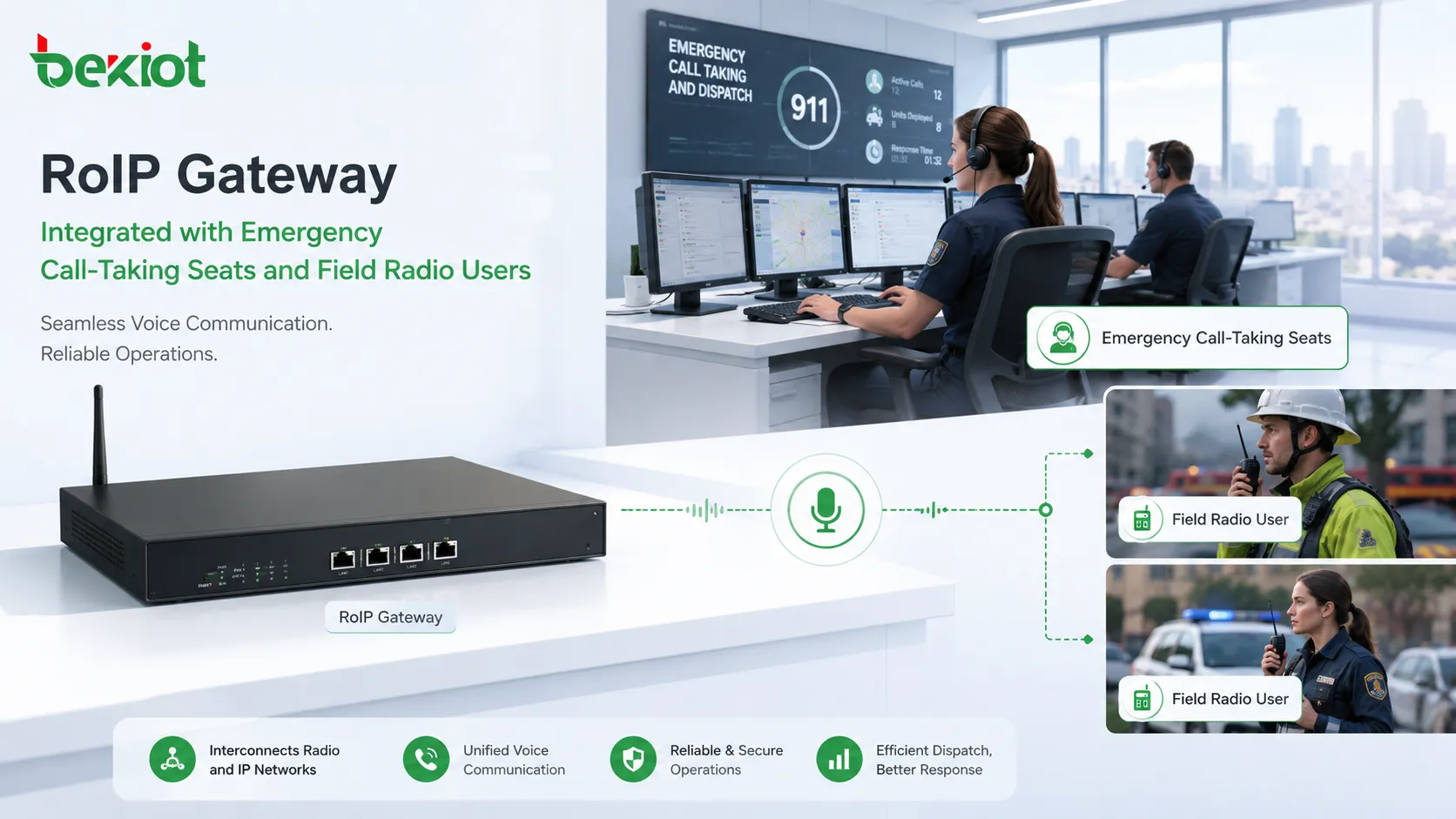
This separation creates a practical communication gap. The caller speaks to the dispatch center by phone, but the officer handling the incident may be using a radio network that is not directly connected to the call-taking platform. A RoIP gateway solution helps close this gap by converting radio voice into standard SIP communication, allowing dispatch seats, public safety radios, and different radio communication systems to work together within one operational workflow.
Why Dispatch Centers Need Better Voice Interconnection
Traditional emergency call-taking platforms were originally designed around telephone-based call center functions. Their main purpose was to receive incoming emergency calls, assign calls to operators, record the caller’s information, and create an incident handling record. As public safety informatization has developed, these platforms have gradually expanded to support command coordination, case tracking, resource dispatch, and communication with field personnel.
Even with these improvements, many systems are still built primarily on telephone communication. Some platforms may also support SMS, mobile applications, or online reporting channels, but the radio systems used by front-line personnel are often not fully integrated into the call-taking and dispatch workflow.
When radio users remain isolated from the dispatch platform, operators may need to relay information manually, call supervisors by phone, or depend on separate radio consoles. This slows down incident response and increases the risk of missed or repeated instructions.
The Role of a RoIP Gateway in the Dispatch Workflow
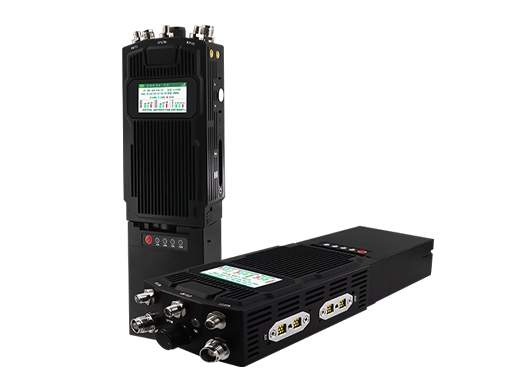
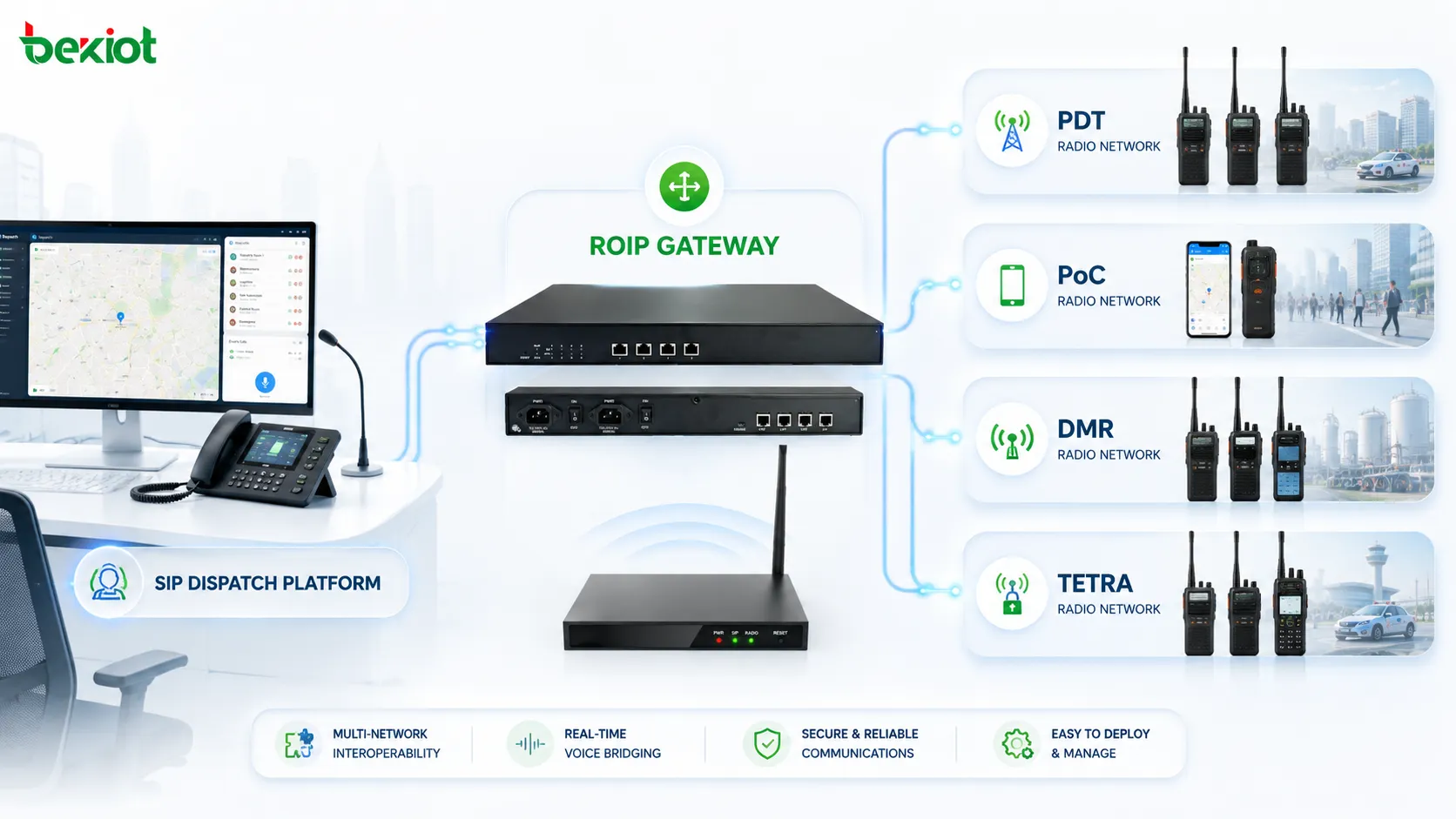
A RoIP gateway acts as an interconnection bridge between radio networks and SIP-based communication platforms. It can connect different radio and push-to-talk environments, such as PDT, PoC, DMR, TETRA, and other professional communication systems, then convert radio voice into standard SIP signaling and media streams.
Once integrated, the emergency dispatch platform can treat radio users and radio groups more like reachable communication endpoints. Operators do not need to change their familiar working habits. They can still use normal dialing, calling, transfer, conferencing, or group communication operations through the dispatch phone system or call center interface.
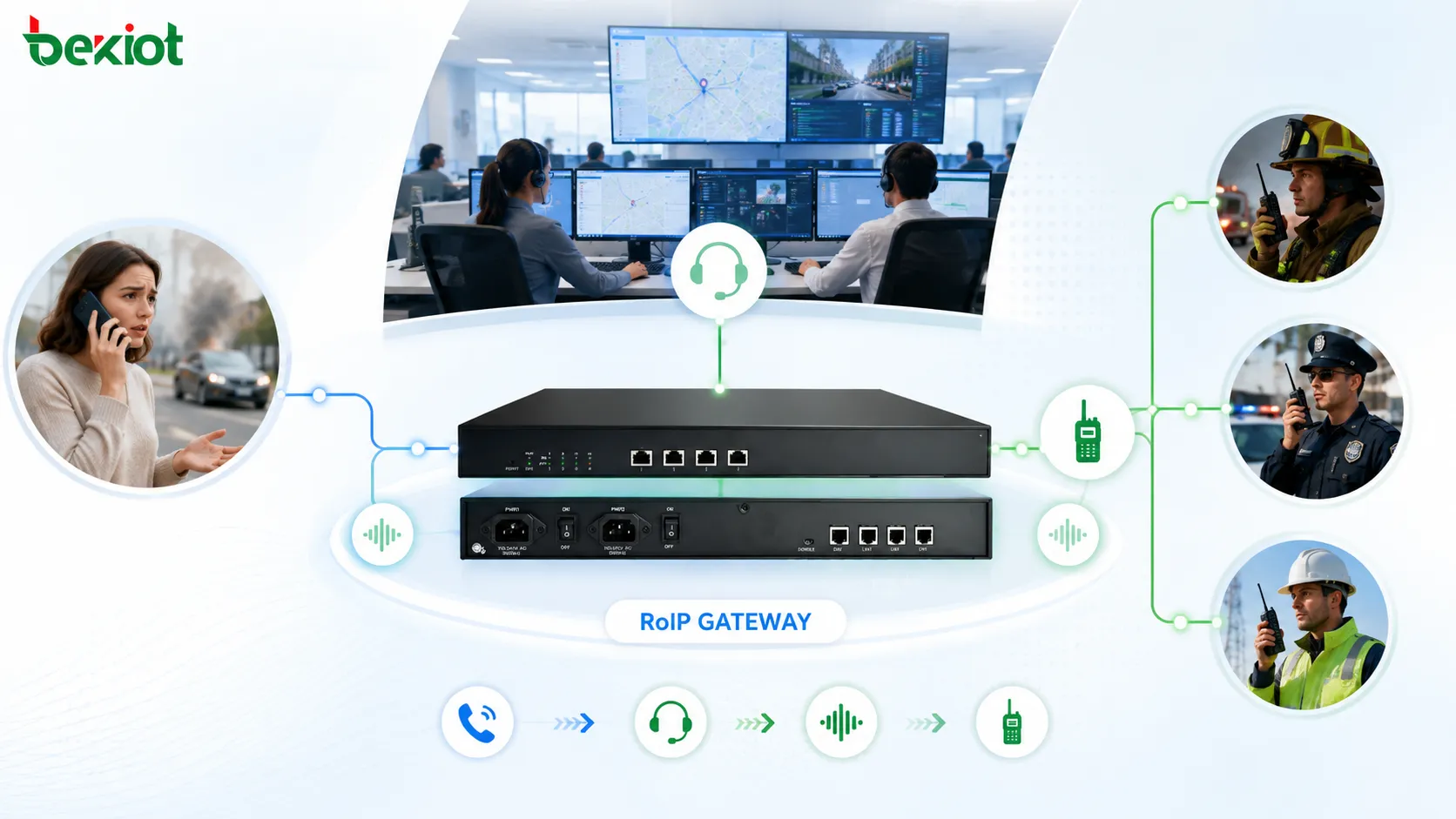
This architecture allows the platform to support three important communication scenarios: connecting a caller’s phone call with a field officer’s radio, allowing a dispatch seat to directly call a radio user, and bringing users from different radio systems into the same communication group when an incident requires cross-team cooperation.
Related Solution: RoIP Gateway and PAGA Integration Solution
System Architecture for Call Center and Radio Integration
A practical deployment usually includes the emergency call-taking platform, dispatch operator seats, SIP communication system, RoIP gateway, radio network interface, and field radio users. The RoIP gateway sits between the SIP side and the radio side, handling voice conversion, signaling adaptation, and communication routing.
On the platform side, the gateway connects to SIP-based dispatch servers, IP PBX systems, call center platforms, recording systems, and command center applications. On the radio side, it connects to professional radio systems, public network push-to-talk systems, or digital radio networks according to the project requirements.
When a call needs to be connected to a field officer, the dispatch seat can initiate the operation through the existing phone or dispatch interface. The gateway then converts the SIP call into the radio-side communication path, allowing the operator, caller, and field user to communicate more efficiently.
Core Capabilities for Emergency Response Operations
Caller-to-Field Officer Connection
In some incidents, the dispatch center may need to connect the person reporting the emergency directly with the field officer handling the case. Without radio integration, this may require repeated relays through the operator. With a RoIP gateway, the platform can establish a communication path between the caller’s phone and the officer’s radio terminal.
This improves information accuracy because the field officer can ask for location details, scene conditions, hazards, or other urgent information directly when needed. It also reduces the time lost in message relay.
Direct Calling from the Dispatch Seat
Dispatch operators can directly call front-line radio users through the existing communication platform. Instead of switching to a separate radio console or contacting another command layer, the operator can reach field personnel through a familiar phone-based workflow.
This is useful for police dispatch, emergency rescue, traffic incident handling, industrial security, utility repair, and other scenarios where the command center must quickly reach mobile teams.
Cross-System Group Communication
Public safety and emergency response operations often involve teams using different radio standards or communication systems. One department may use a professional digital radio system, another may use public network push-to-talk, while support teams may use different digital communication platforms.
A RoIP gateway can help bring these users into a shared communication group, making it easier for multi-agency teams to coordinate during a major incident. Instead of working in isolated channels, different users can participate in a unified voice group under the dispatch center’s control.
How the Solution Improves Incident Handling
The main value of the solution is workflow continuity. The emergency call-taking platform remains the central point for receiving alarms, recording information, and coordinating response actions, while the RoIP gateway extends its communication reach to field radio users.
This reduces the separation between call-taking and field command. Operators can communicate with callers, field officers, supervisors, and response groups through a more unified voice architecture. Incident instructions can be delivered more quickly, and front-line feedback can return to the command center with fewer intermediate steps.
For emergency organizations, this also supports more consistent operation management. Calls, dispatch actions, group communication, and command instructions can be planned around one platform instead of several disconnected voice systems.
The purpose of radio and SIP integration is not to replace the existing dispatch platform, but to make field communication reachable from the platform that operators already use every day.
Recommended Deployment Structure
| Layer | Main Component | Operational Purpose |
|---|---|---|
| Call-taking layer | Emergency call center seats | Receive reports, communicate with callers, and create incident records |
| Dispatch layer | SIP dispatch platform or IP PBX | Handle calling, routing, conferencing, transfer, and operator control |
| Interconnection layer | RoIP gateway | Convert radio voice into SIP and connect radio users with the platform |
| Radio layer | PDT, PoC, DMR, TETRA, or other radio systems | Support field officer communication and mobile team coordination |
| Management layer | Recording, logging, and monitoring systems | Support traceability, review, and operational supervision |
Application Scenarios
This solution is suitable for emergency call-taking centers, public safety command centers, traffic police dispatch rooms, fire and rescue coordination platforms, urban emergency management centers, industrial security control rooms, utility repair dispatch centers, and large-site command platforms.
It is especially useful when a project needs to connect telephone-based operators with mobile teams using radio communication. In public safety operations, it can support caller-to-officer communication, dispatch-to-radio calling, multi-team group coordination, and cross-standard radio interconnection.
In industrial and infrastructure environments, the same architecture can support security patrols, emergency repair teams, plant response groups, tunnel operation teams, airport ground teams, port operation teams, and railway maintenance personnel.
Planning Points Before Implementation
Before deploying a RoIP gateway solution, the organization should confirm what radio systems are already in use, what SIP platform or call center system needs to be connected, how users and groups should be mapped, and which dispatch workflows must be supported.
Network planning is also important. SIP registration, voice routing, codec compatibility, firewall traversal, recording interface, number planning, permission control, and redundancy design should be tested before the system goes live.
For projects that also require emergency broadcasting, radio interconnection, SIP dispatch, and command center integration, Becke Telcom can provide solution planning support and equipment adaptation suggestions for public safety, transportation, industrial, and emergency communication environments.
Operational Benefits
Shorter Communication Path
By connecting the call-taking platform with field radio users, the dispatch center can reduce unnecessary message relay. Operators can reach the right field team faster, and field personnel can receive clearer instructions from the command center.
Better Use of Existing Systems
The solution does not require every department to abandon its existing radio network immediately. Instead, it creates an interconnection layer between existing radio resources and SIP-based dispatch platforms, helping organizations modernize communication step by step.
Improved Cross-Team Collaboration
When different radio systems can be connected into a shared communication process, multi-agency cooperation becomes easier. This is valuable during traffic accidents, major public events, emergency rescue, urban incidents, and industrial safety operations.
More Consistent Command Management
With unified voice access, dispatch centers can manage calls, radio communication, group coordination, and operational records more consistently. This supports better supervision, incident review, and long-term system optimization.
FAQ
Can this solution work with an existing emergency call center platform?
In most projects, the goal is to integrate with the existing platform rather than replace it. Compatibility depends on SIP support, routing rules, recording requirements, and the available interface on the radio system side.
What should be prepared before connecting different radio systems?
The project team should prepare radio system information, talk group plans, user numbering rules, access permissions, required call scenarios, and network topology. A small pilot test is recommended before large-scale deployment.
How can organizations control who is allowed to call radio users?
Permission control can be planned through the dispatch platform, SIP routing policy, gateway configuration, and operator role management. Only authorized seats or users should be allowed to access specific radio groups.
Is call recording necessary for this type of solution?
For public safety and emergency response environments, recording is strongly recommended. It supports incident review, responsibility tracing, training improvement, and dispute handling, especially when caller communication and field radio instructions are connected.
What is the difference between radio interconnection and ordinary telephone dispatch?
Ordinary telephone dispatch mainly connects phone users. Radio interconnection extends the platform to field radio networks, allowing dispatch seats to reach mobile teams that normally operate outside the telephone system.