A command center is not a single platform or one isolated screen system. Whether it is built for emergency response, public safety, transportation, airport operations, port management, industrial production, or daily operation control, it is a large system project that combines multiple communication, visualization, collaboration, and dispatch technologies.
The key question in many command center projects is not simply which product should be purchased first, but which system should become the main operational platform. In practical deployment, the answer depends on the user’s core business process. Some command centers are driven by video surveillance, some are driven by private digital radio communication, and others are driven by converged communication and dispatch workflows.
Choosing the Right Core Platform
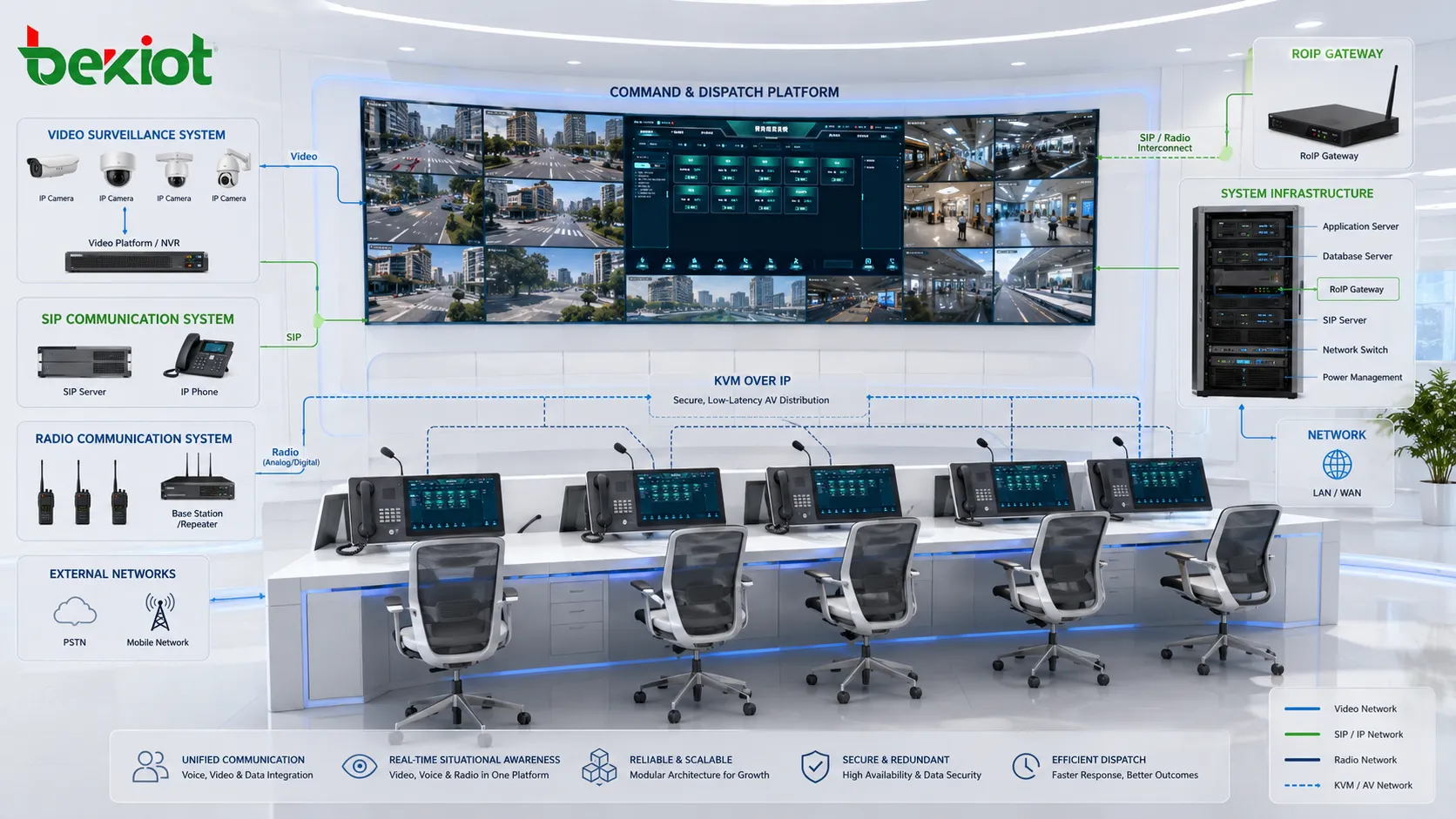
The upper-layer systems of a command center can usually be divided into three major types. The first type is a video-surveillance-led command center. The second type is a private digital radio-led command center. The third type is a converged communication-led command center. These three directions may all appear in one project, but their importance is different depending on the industry, operation scenario, and user workflow.
For example, a city monitoring center may place video resources at the center of daily operation. A public safety, airport, port, or transportation command center may rely heavily on private radio dispatch. A production operation center or emergency communication center may focus more on voice dispatch, SIP calling, conference coordination, public-network push-to-talk, and multi-channel communication integration.
A practical solution should not force every project into the same architecture. Instead, it should identify the user’s dominant command process first, then integrate other systems around that core process. This prevents the command center from becoming a collection of disconnected screens, devices, and platforms.
When Video Becomes the Operational Center
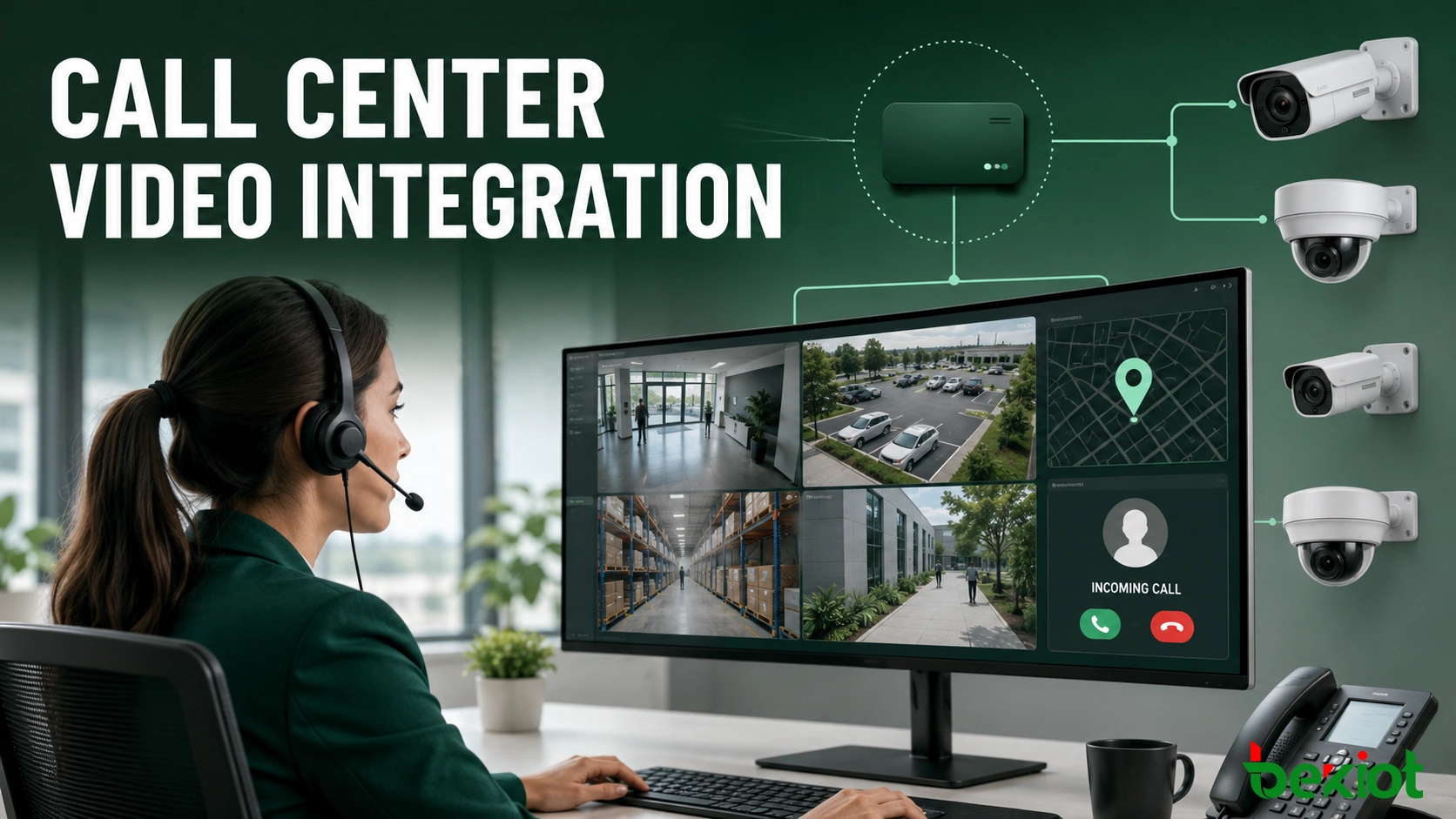
Video surveillance command and dispatch is usually built on video monitoring systems. Through video networking platforms, video middleware, and resource aggregation technologies, surveillance cameras and other video sources can be unified, displayed, managed, and dispatched from the command center.
In many current projects, video surveillance command systems use GB/T28181 as the video networking protocol. This allows camera resources, video platforms, and monitoring systems to be connected in a standardized way. When combined with dispatch software and distributed KVM seating systems, operators can flexibly control video resources, switch monitoring views, share field images, and collaborate across multiple workstations.
This type of architecture is suitable when the main operational task is visual verification, scene monitoring, security inspection, incident confirmation, or real-time situational awareness. However, video alone is not enough for a complete command center. Operators still need voice calls, radio communication, alarm linkage, conference coordination, and field personnel communication to complete the response loop.
When Private Radio Is the Critical Channel
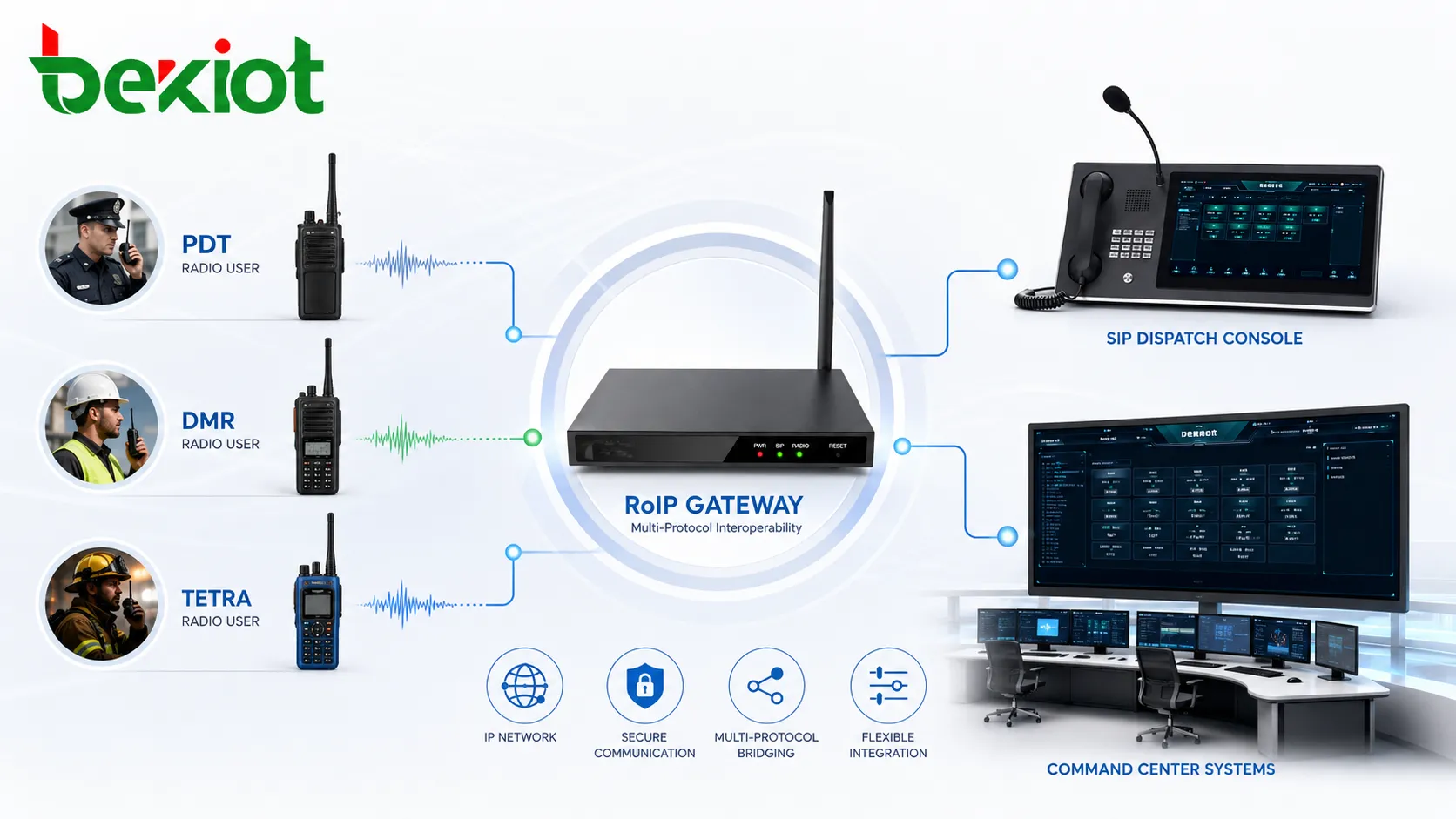
Private digital radio dispatch is a dedicated voice command solution. It is widely used in public safety, transportation, airports, ports, utilities, and industrial sites. Common radio standards include PDT, DMR, and TETRA. These systems are designed for stable voice communication, group calling, field dispatch, and mission-critical push-to-talk coordination.
Private digital radio is often an independent system. It mainly carries voice communication and usually belongs to a narrowband communication system. Because of this narrowband nature, its business functions are not as rich as broadband video or SIP-based converged communication. However, in many industries, it remains irreplaceable because of its reliability, dedicated network structure, group dispatch capability, and suitability for field operations.
The challenge is that radio systems cannot always communicate directly with SIP phones, command consoles, video platforms, or public-network communication tools. A RoIP gateway is therefore needed to connect private radio channels with IP-based dispatch platforms. Through RoIP gateway integration, radio users, dispatch operators, SIP endpoints, and other communication systems can be placed into the same command workflow.
When Converged Communication Leads the Design
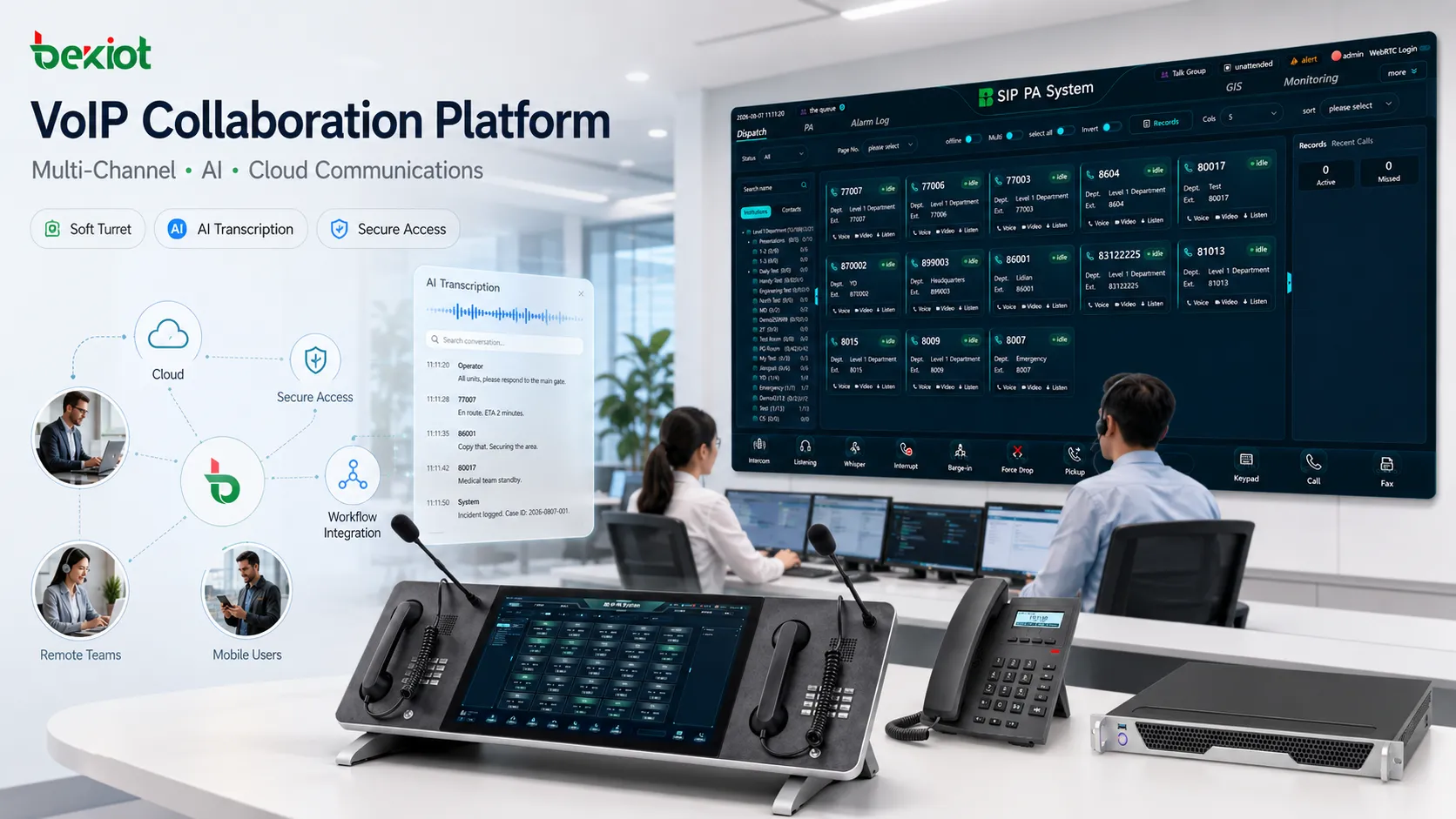
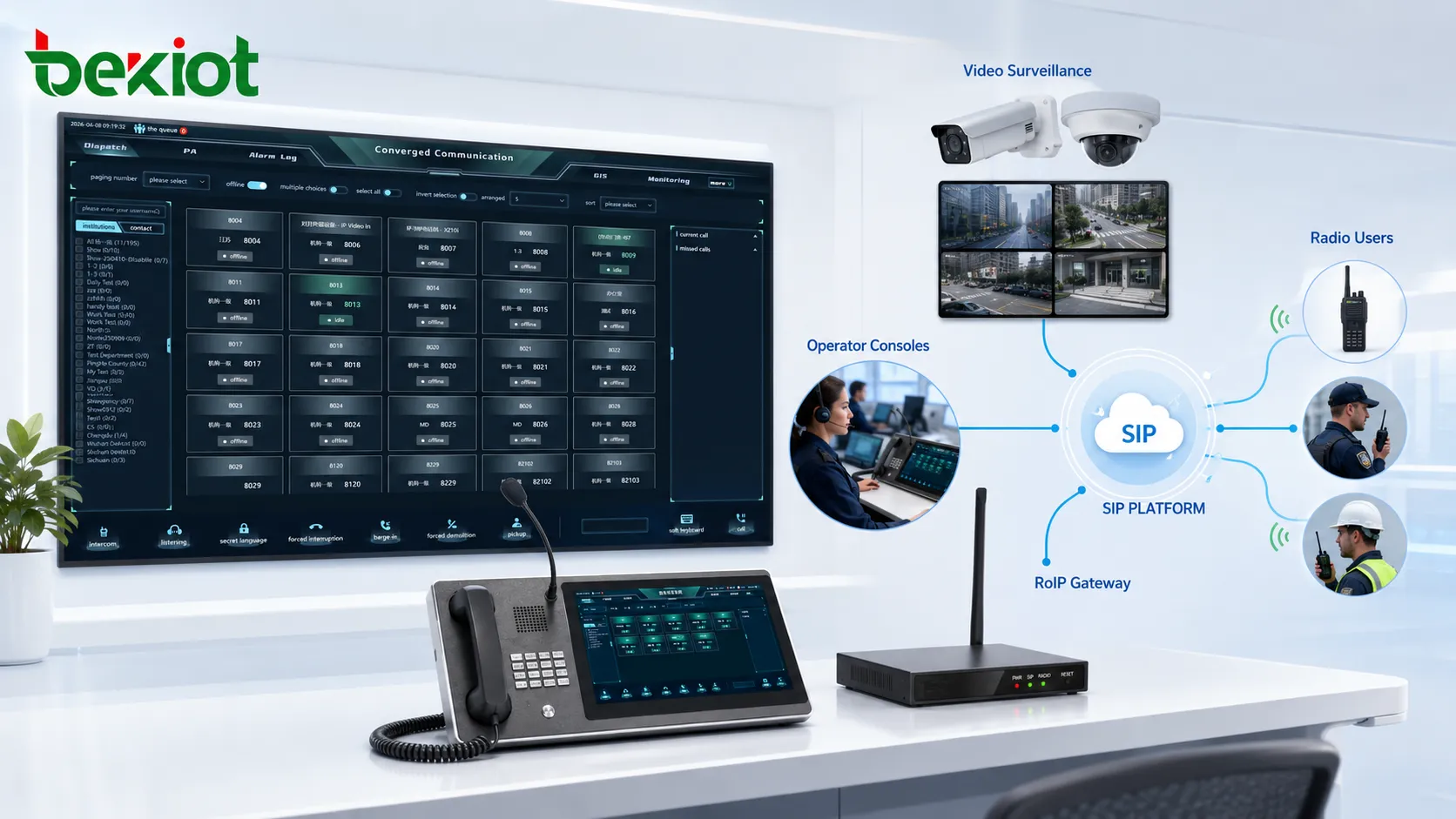
Converged communication command and dispatch systems are usually built on SIP-based softswitch platforms. After years of development, these systems can integrate multiple communication methods, including telephone calling, SIP intercom, video conferencing, public-network push-to-talk, mobile communication, and dispatch console operation.
In recent command center projects, converged communication systems are increasingly required to integrate video surveillance systems and private digital radio systems. The goal is no longer simple voice dispatch, but the real fusion of multiple communication methods. Operators need to call, view, conference, broadcast, dispatch, record, and coordinate from one unified workspace.
SIP is an important reason why this direction is easier to expand. SIP is open, widely used, and supported by many communication platforms and endpoints. With SIP-based gateway devices, a converged communication system can interconnect with telephone systems, video surveillance platforms, and digital radio systems more efficiently.
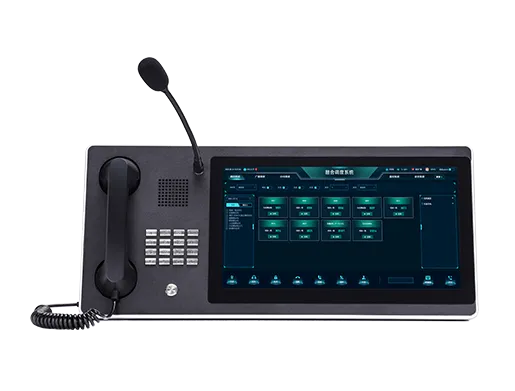
Related solution: Command and Dispatch System — Becke Telcom’s command and dispatch system integrates voice dispatch, video dispatch, GIS-based coordination, instruction delivery, information convergence, emergency management, and open integration on one unified platform. It supports radio and telephone interconnection, live video return, map-based operations, multimedia command issuing, IoT data access, and emergency workflow management, helping organizations improve visibility, response speed, coordination efficiency, and system scalability.
The Main System Should Follow the Mission
After understanding the three major command center directions, the most important decision becomes clear: the main platform should follow the user’s mission. If the command business is mainly based on monitoring and visual verification, the project can expand command and dispatch capabilities around the video surveillance platform. If the core workflow is communication and coordination, a converged communication platform may be the better construction direction. If the main operation depends on digital radio, the system can be expanded around private radio dispatch.
This selection should be made according to the real command process rather than the name of the system. A video-led center still needs communication integration. A communication-led center still needs video access. A radio-led center still needs SIP, recording, GIS, alarm linkage, and dispatch console integration. The difference is which system acts as the operational center and which systems become integrated resources.
For decision makers, this approach reduces repeated investment and avoids unclear system ownership. For operators, it creates a more natural working interface because the most frequently used function becomes the center of the workflow. For system integrators, it provides a clear architecture path before gateways, protocols, endpoints, seats, and dispatch applications are configured.
Why Gateway Integration Matters
Command center integration is complex because each subsystem may use different protocols, different platforms, different terminals, and different control logic. Video surveillance may use GB/T28181. Converged communication may use SIP. Private digital radio may use PDT, DMR, or TETRA. KVM systems may focus on workstation control and visual presentation. Alarm systems, GIS platforms, public-address systems, and IoT devices may all have their own interfaces.
If every system must be fully opened and deeply customized, the integration workload can become very large. Project cost, commissioning time, and maintenance difficulty will all increase. Gateway-based interconnection provides a more practical path. A dedicated gateway can translate protocols, connect media streams, link communication channels, and make different systems visible to each other without rebuilding the entire platform.
| Integration Requirement | Typical Protocol or System | Recommended Integration Method | Operational Value |
|---|---|---|---|
| Video surveillance access | GB/T28181 video platform | Video access gateway with SIP interconnection | Allows dispatch users to call, view, and coordinate video resources |
| Voice dispatch and calling | SIP softswitch platform | SIP endpoints, dispatch console, and communication gateways | Creates unified voice calling, conferencing, and dispatch control |
| Private radio interconnection | PDT, DMR, TETRA, or analog radio networks | RoIP gateway | Connects radio users with IP dispatch platforms and SIP communication |
| Operator seat collaboration | Distributed KVM system | KVM integration with command display and dispatch workflow | Supports flexible screen control and multi-seat collaboration |
Connecting Video Platforms and SIP Communication
When a video surveillance system needs to work with a converged communication system, a video access gateway can help open SIP calling capabilities on a GB/T28181 platform. In this model, SIP devices under the communication platform can interact with the video platform, allowing operators to combine voice communication with video resources during command operations.
The integration can also work in the opposite direction. If a converged communication system needs to access video surveillance resources, a video access gateway can convert video devices under the GB/T28181 platform into SIP-accessible resources. This enables SIP-based dispatch consoles, SIP phones, or communication platforms to call or access video surveillance resources through a familiar communication interface.
This two-way integration is valuable because it helps operators move from “watching video separately and calling separately” to a more unified workflow. A dispatcher can confirm a scene visually, communicate with field personnel, launch a conference, and coordinate next actions within the same command environment.
Bridging Radio Users with IP Dispatch
When video surveillance systems and converged communication systems need to interconnect with private digital radio networks, a RoIP gateway becomes the key integration component. It allows radio channels to be converted into IP-based communication resources, making it possible for radio users and dispatch platform users to communicate across systems.
In field operations, this is especially useful because radio users may still be the most reliable front-line communication group. Police officers, airport ground teams, port staff, transportation teams, plant security personnel, and emergency responders may all depend on push-to-talk radio communication. Without RoIP gateway integration, these users may remain outside the command center’s IP communication workflow.
With RoIP gateway access, the command center can bridge radio channels into dispatch consoles, SIP communication systems, recording systems, and emergency coordination workflows. This makes the radio network part of the larger command system while preserving its dedicated voice advantages.
A Practical Architecture for Multi-System Projects
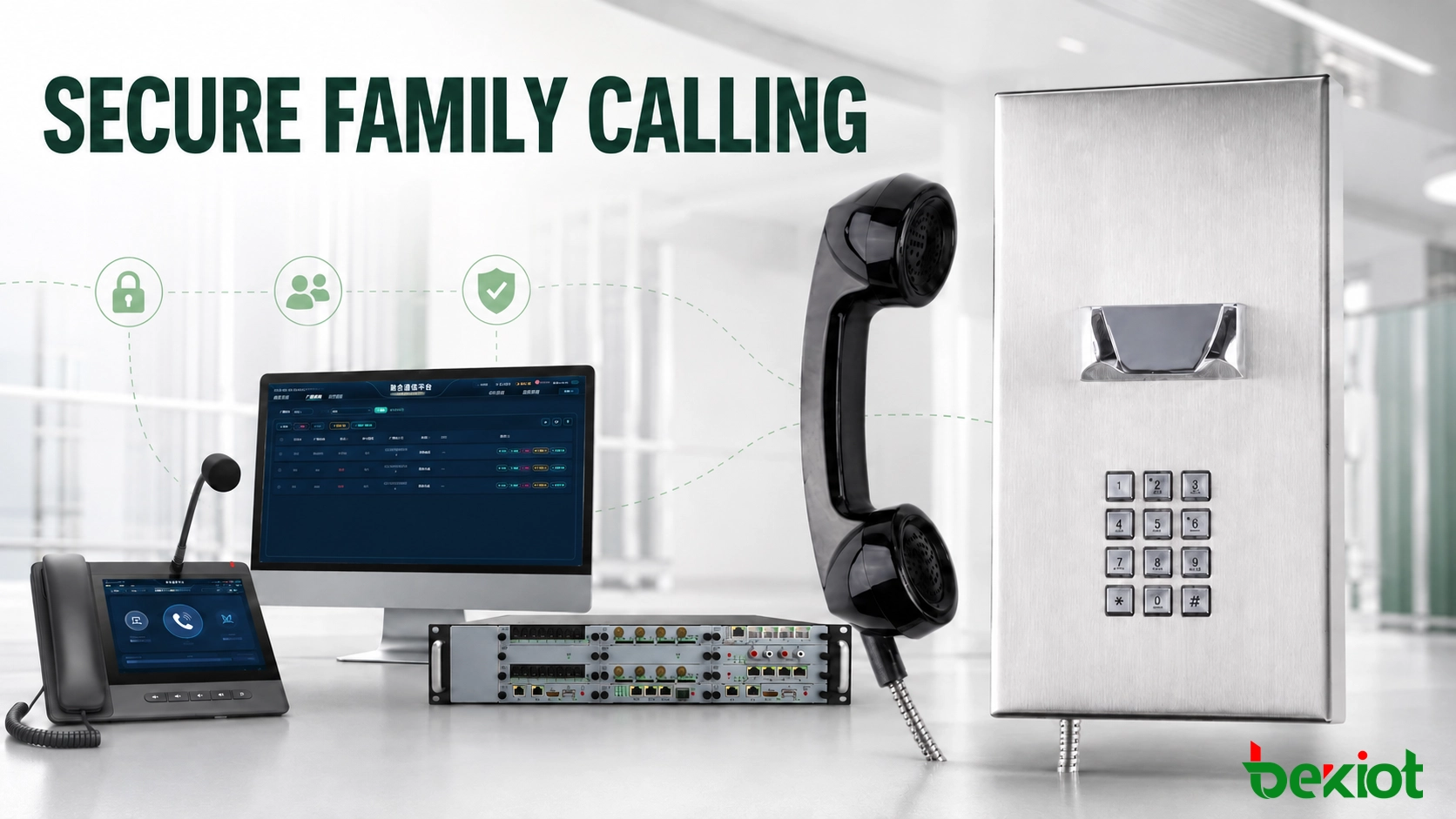
In a real command center project, no single vendor or platform can usually cover all equipment, terminals, subsystems, and industry-specific applications. A complete system may include video platforms, SIP communication servers, dispatch consoles, RoIP gateways, video access gateways, public-address systems, alarm inputs, GIS maps, recording systems, KVM seats, large-screen display systems, and third-party business platforms.
A practical architecture should therefore be layered. The resource layer includes cameras, radios, phones, intercoms, mobile terminals, sensors, alarms, and public-address devices. The gateway layer handles protocol conversion and system interconnection. The platform layer manages SIP communication, video access, dispatch control, recording, and event coordination. The presentation layer provides command seats, KVM control, large-screen display, GIS visualization, and operator dashboards.
This layered design makes expansion easier. If a new video platform is added, it can be connected through video access integration. If a new radio network is introduced, it can be bridged through a RoIP gateway. If new SIP endpoints or dispatch seats are added, they can join the converged communication platform without changing the entire command center architecture.
Deployment and Commissioning Considerations
Before deployment, the project team should confirm which system is the operational center, which systems are supporting resources, and which protocols must be interconnected. This includes checking GB/T28181 video access, SIP registration and calling, radio channel mapping, RoIP gateway configuration, KVM seat control, recording requirements, alarm linkage, network planning, and user permission design.
Commissioning should not only test whether each subsystem works independently. It should test the full command workflow. For example, an operator should be able to receive an event, open the related video, communicate with field users, bridge radio channels if needed, launch a group call or conference, record the process, and complete the dispatch action. This is the real measure of whether the command center system is integrated successfully.
Reliability also needs attention. Command centers often serve emergency or mission-critical work, so network redundancy, gateway stability, power backup, recording continuity, permission control, and fault recovery should be included in the system design. A system that works only under normal conditions is not enough for serious command and dispatch environments.
Business Value of the Integrated Approach
A gateway-based command center solution reduces integration difficulty and helps different systems work together more quickly. Instead of replacing existing video platforms, radio networks, KVM systems, or communication systems, organizations can connect them through dedicated gateways and a unified dispatch architecture.
This approach protects previous investment, shortens project delivery time, reduces deep customization pressure, and gives operators a more complete command view. It also supports gradual construction. A project can begin with the user’s main operational platform, then add video access, RoIP gateway interconnection, SIP dispatch, recording, GIS linkage, and other modules step by step.
For public safety, transportation, airports, ports, industrial parks, energy sites, campuses, and emergency management organizations, the final goal is not simply to connect devices. The goal is to make information visible, communication reachable, dispatch actions traceable, and cross-system coordination faster during real incidents.
FAQ
Can a command center start with one core platform and expand later?
Yes. Many projects begin with the most important operational system, such as video surveillance, radio dispatch, or SIP communication, and then add gateway integration, GIS, recording, alarm linkage, and additional seats later.
Does RoIP gateway integration replace the existing radio network?
No. A RoIP gateway usually keeps the existing radio network in place and connects it to IP-based dispatch systems. Radio users can continue using their familiar terminals while dispatch operators gain cross-system communication access.
What should be tested during acceptance?
Acceptance testing should cover cross-system calling, video access, radio bridging, dispatch console operation, recording, permission control, alarm linkage, failover behavior, and complete event-handling workflows rather than only single-device functions.
How can a command center avoid becoming too complicated for operators?
The interface should be designed around real tasks. Frequently used actions should be placed in the main workflow, while advanced system controls, maintenance tools, and rarely used functions should be organized separately.
Is deep customization always required for third-party integration?
Not always. If the involved systems support standard protocols or can be connected through dedicated gateways, many integration goals can be achieved with less customization and lower project risk.