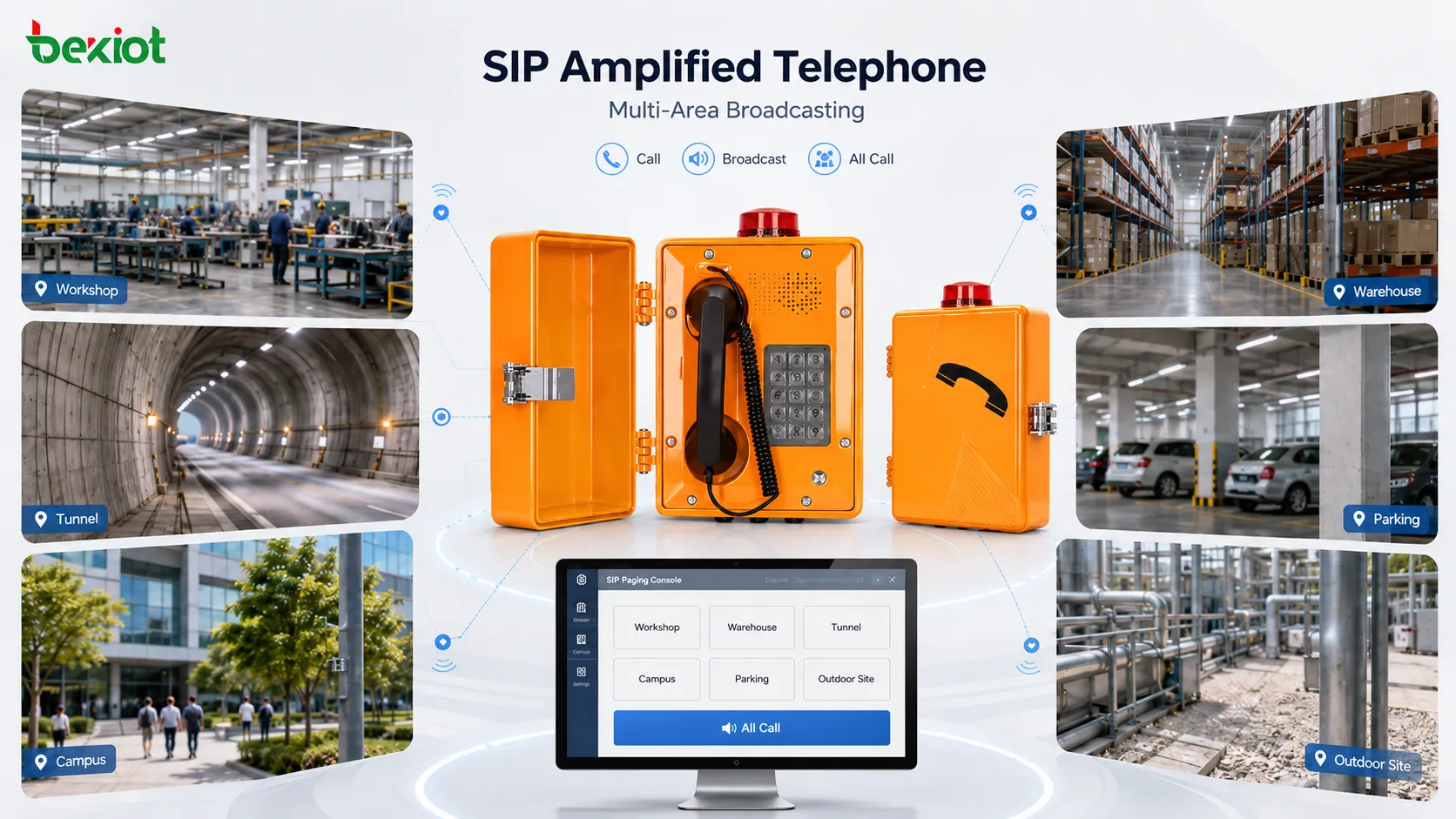
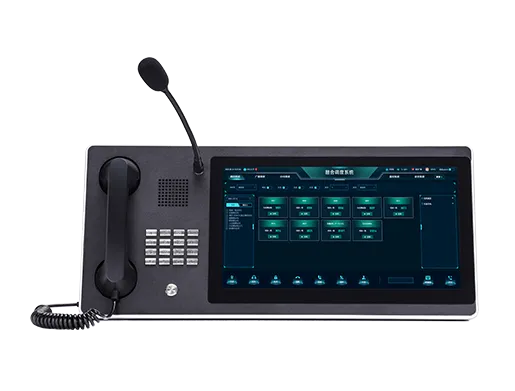
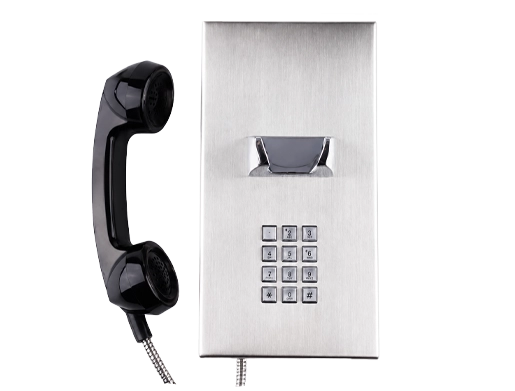
IK10 is a mechanical impact resistance rating used for electrical enclosures, control devices, housings, and other equipment that may be exposed to knocks, vandalism, accidental strikes, or harsh physical handling. In practical terms, when a product is marked IK10, it is being presented as having a high level of resistance to external mechanical impact under the test framework defined by the relevant standard.
This rating is especially important in places where equipment is installed in exposed or demanding environments. A wall-mounted communication terminal in a station, an industrial control box in a factory, an outdoor access panel, or a charger placed in a public area may all face repeated contact, tool strikes, or rough treatment. In those cases, mechanical durability is not just a cosmetic issue. It affects service life, reliability, safety, and maintenance costs.
At the same time, IK10 is often misunderstood. Many people assume it refers to water resistance, dust protection, or general ruggedness in a broad marketing sense. It does not. IK10 is specifically about resistance to external mechanical impact. It should therefore be read alongside other ratings, especially IP ratings, if the equipment also needs protection against dust, water, or environmental ingress.
What Is IK10 Impact Resistance Rating?
IK10 is one of the highest commonly used IK levels in the IEC impact classification system for enclosures. The IK code indicates how well an enclosure can resist external mechanical impacts. Within that scale, IK10 corresponds to an impact energy level of 20 joules, which is why many product datasheets describe IK10 as “IK10 (20 J).”
That 20-joule value gives engineers and buyers a clearer way to compare products. Instead of relying on vague descriptions such as heavy-duty, anti-vandal, or impact-resistant, the IK system provides a standardized reference point. In real product selection, that matters because a terminal installed in a protected indoor office does not need the same mechanical resistance as equipment installed in a tunnel, a transit platform, a plant perimeter, or an unsupervised outdoor public space.
In plain language, IK10 means the enclosure has been designed and tested to withstand a relatively severe level of mechanical shock under the applicable standard method. It does not mean the product is indestructible, nor does it mean the whole device will survive every type of abuse in every field condition. It means the enclosure’s resistance to impact has been classified at that level under defined test conditions.
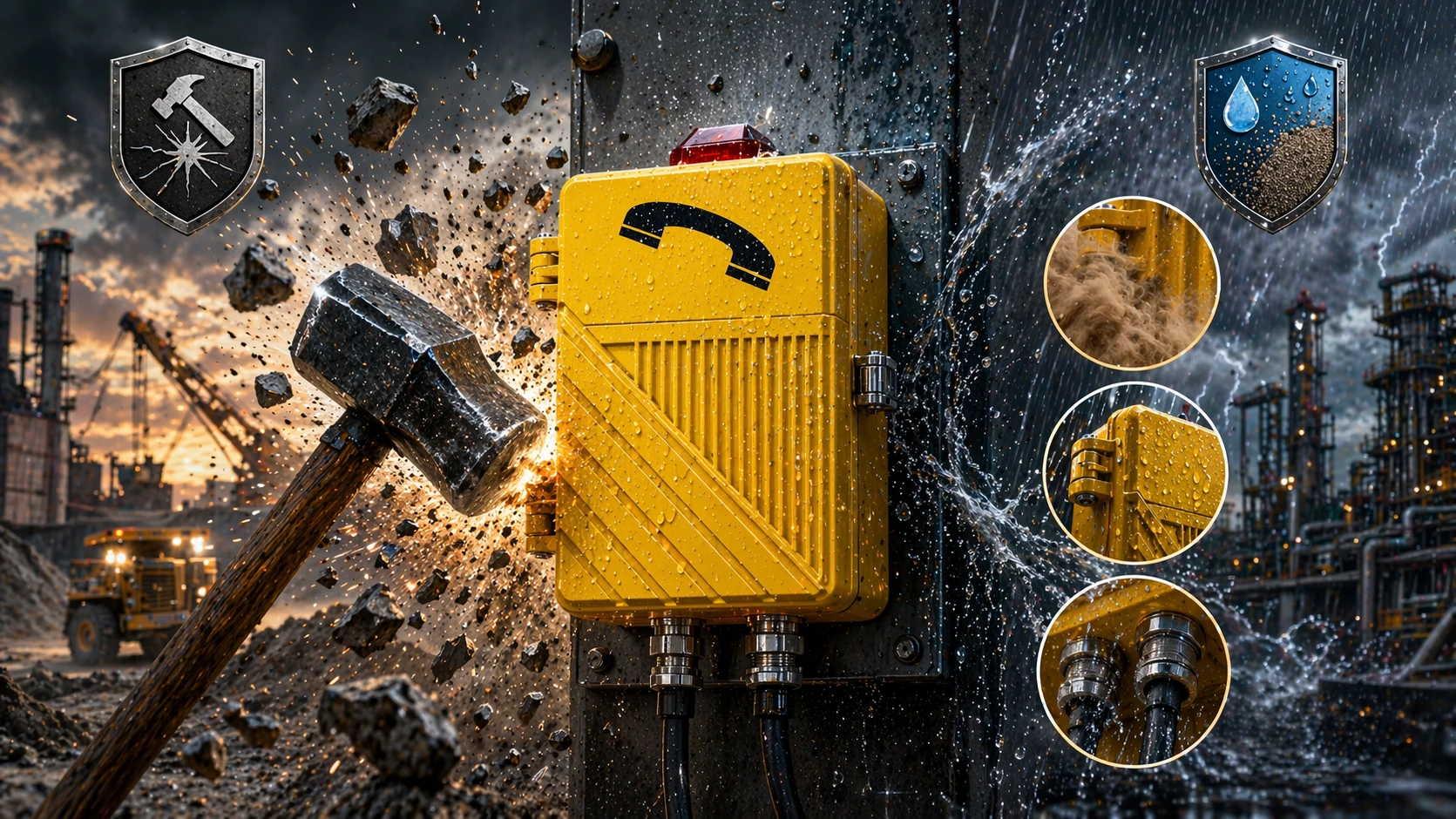
IK10 is commonly used to describe enclosures and terminals that must tolerate strong external impacts in industrial, transport, and public-access environments.
Which Standards Define IK10?
The primary standard behind the IK code is IEC 62262, which defines the degrees of protection provided by enclosures against external mechanical impacts. This is the document that establishes the IK code framework and the impact energy levels associated with each class. In short, IEC 62262 tells you what IK07, IK08, IK09, or IK10 means in classification terms.
However, classification alone is not the whole story. The actual impact testing method is associated with IEC 60068-2-75, which sets out hammer test methods used to determine how a specimen withstands specified impact severities. That is why technical discussions about IK ratings often reference both IEC 62262 and IEC 60068-2-75 together: one provides the enclosure impact classification system, and the other provides the coordinated impact test methods behind that evaluation.
In many product catalogs, especially in Europe and international industrial markets, the same framework may also appear as EN 62262 because the IEC document has corresponding regional adoption routes. In practical engineering work, buyers should focus less on label wording and more on whether the product documentation clearly states the relevant standard and the claimed IK level.
What Does IK10 Mean in Joules?
The most familiar shorthand for IK10 is 20 J, meaning 20 joules of impact energy. This number is important because the IK scale is not just a sequence of arbitrary labels. Each IK level corresponds to a defined impact energy. As the code increases, the enclosure is expected to withstand stronger mechanical shocks.
For engineers, the joule value is often more intuitive than the code itself because it helps translate the rating into a test severity. Product literature therefore commonly states the full description in a form such as IK10 according to IEC 62262 or IK10 (20 J). When you see that notation, it is telling you that the enclosure has been classified to the 20-joule level of the IK scheme.
This does not mean every point, component, or accessory on the product is equally resistant in all configurations. Windows, displays, transparent covers, protruding operators, cable glands, and mounting accessories may have different limitations. That is why responsible product selection always goes beyond the headline rating and checks the detailed construction of the actual assembly.
IK07 is used where moderate impact resistance is needed.
IK08 is common in more demanding commercial and industrial installations.
IK09 is often selected for tougher exposed applications.
IK10 is a high-impact classification widely used for heavy-duty or anti-vandal enclosure designs.
IK10 vs IP Rating: What Is the Difference?
This is one of the most important distinctions to understand. IK and IP do not measure the same thing. An IK rating describes resistance to mechanical impact. An IP rating describes resistance to ingress, especially solid objects, dust, and water, depending on the code. One tells you how well the enclosure handles being struck. The other tells you how well the enclosure resists intrusion from the environment.
Because they address different risks, they are often used together rather than instead of each other. For example, an outdoor terminal may need both a high IP rating for rain and dust protection and an IK10 rating for impact resistance. A product marked only IK10 is not automatically suitable for washdown, heavy dust, or weather exposure. In the same way, a product marked only IP66 is not automatically ready for strong mechanical impacts or vandal-prone locations.
In real specification work, this combination matters a lot. A communication terminal in a tunnel may need high IP protection against water and dust, plus IK10 to handle accidental strikes and rough public use. A plant-side field enclosure may need both ratings because it is exposed to weather, dust, cleaning procedures, and tools or moving equipment. This is why good datasheets list both values separately.
Use IK to evaluate resistance to external impact.
Use IP to evaluate protection against dust and water ingress.
Read them together when choosing equipment for industrial, outdoor, or public environments.
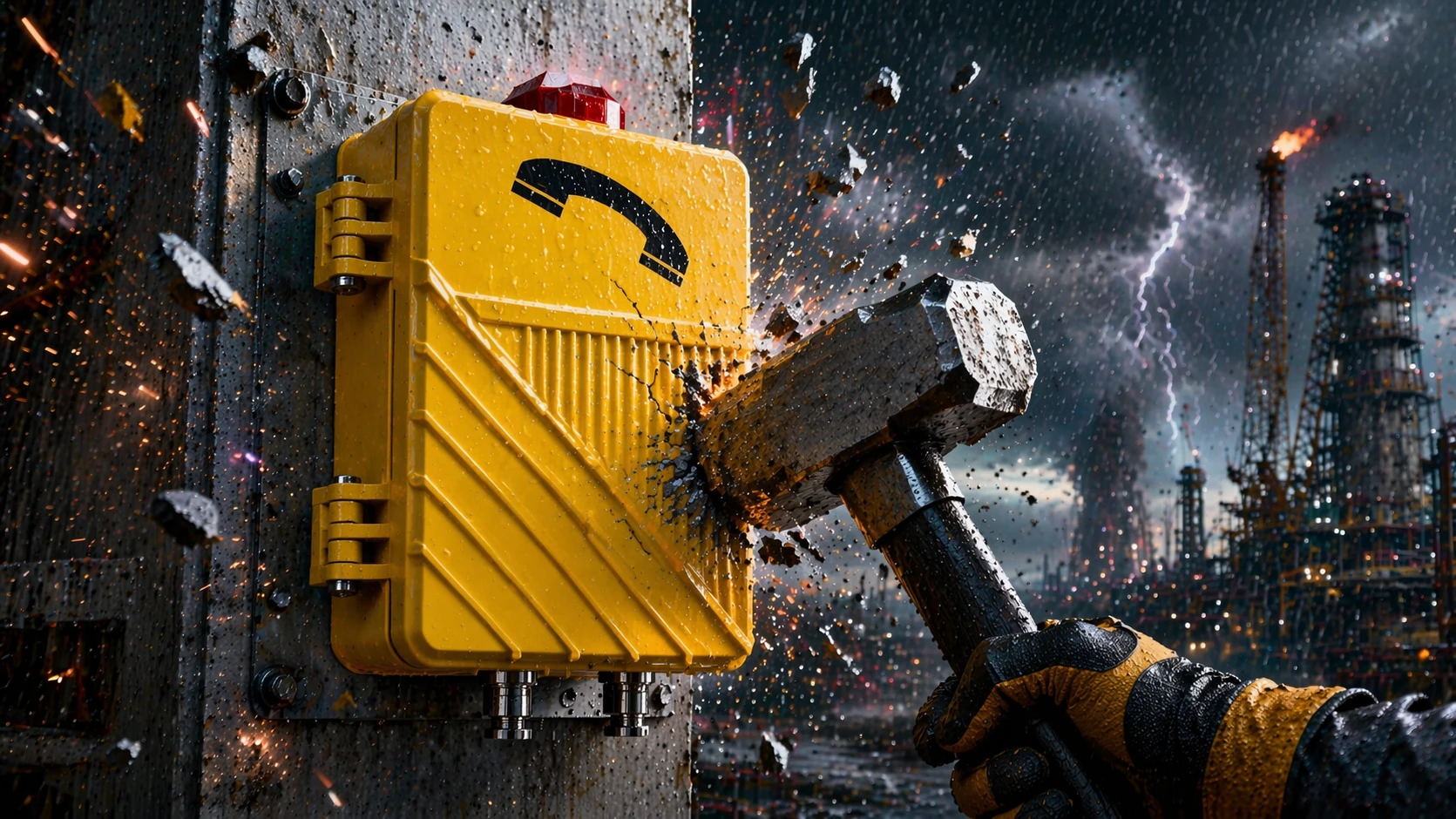
IK and IP ratings solve different problems: IK addresses impact resistance, while IP addresses dust and water ingress.
How Is IK10 Tested?
IK10 classification is linked to standardized impact testing rather than informal drop tests or vendor-defined toughness claims. The testing approach is tied to the impact test methods referenced by IEC 60068-2-75, which defines coordinated hammer test methods for determining whether a specimen can withstand specified severities of impact.
In practical terms, that means the enclosure is subjected to controlled impacts with defined energy levels and specified test arrangements. The goal is not to imitate every possible real-world accident in a perfectly literal way. Instead, it is to provide a repeatable and standardized way to assess resistance to mechanical shocks and compare enclosure performance more consistently across products and manufacturers.
This is also why engineers should be careful with marketing language. Claims such as anti-collision, anti-damage, or vandal-proof are not substitutes for a real IK classification. If a project specification requires a known level of enclosure robustness, the better practice is to ask for the actual IK code and the relevant standard reference.
What Kind of Products Commonly Use IK10?
IK10 is most common on products that are exposed, touchable, and expected to remain reliable even when the environment is rough or unpredictable. That includes public infrastructure, industrial housings, outdoor terminals, heavy-duty operator stations, communication panels, and equipment likely to be installed where tools, carts, baggage, vehicles, or human contact may lead to impact.
It is also widely used in products that need an anti-vandal positioning. In transportation hubs, campuses, public walkways, car parks, stations, and open industrial sites, physical abuse is not merely theoretical. Equipment may be kicked, hit by moving objects, or subjected to repeated low-level impacts over time. In those settings, a higher IK rating helps reduce cracked housings, broken windows, failed interfaces, and unplanned maintenance work.
For industrial communication and control products, IK10 often appears on robust wall enclosures, intercom stations, emergency call points, field junction boxes, outdoor operator panels, and charging equipment. In these cases, the rating supports both survivability and service continuity.
Industrial control enclosures
Factory floor equipment, distribution boxes, machine-side control points, and utility enclosures may all benefit from IK10 when accidental tool strikes or handling damage are realistic risks.
Public communication terminals
Emergency phones, help points, intercom stations, and platform communication devices often use IK10-rated housings to improve durability in exposed public locations.
Outdoor infrastructure equipment
Charging stations, access control cabinets, roadside equipment, and transport-side terminals often combine IP protection with IK10 for weather exposure and physical toughness.
Commercial and institutional environments
Schools, hospitals, parking facilities, logistics yards, and campus installations often choose IK10 products where many users interact with equipment and accidental impacts are common.
Why IK10 Matters in Equipment Selection
Mechanical durability directly affects maintenance frequency, uptime, and total cost of ownership. A device that looks acceptable in a catalog may perform poorly in the field if the enclosure is not physically robust enough for its real environment. Cracked housings, damaged operating surfaces, broken lens covers, and deformed doors often lead to nuisance failures, safety concerns, and unnecessary service calls.
That is why IK10 is not just a specification detail for extreme cases. It is a practical selection factor wherever equipment is mounted in a vulnerable location. Even if a site does not face intentional vandalism, it may still involve accidental impact from carts, tools, luggage, forklifts, maintenance work, or dense human traffic. In those cases, a stronger enclosure can make the installation far more dependable over time.
For project engineers and system integrators, the real question is not whether IK10 is always necessary. It is whether the installation environment justifies a higher level of impact resistance than a lighter-duty enclosure can offer. In many public and industrial settings, the answer is yes.
How to Evaluate an IK10 Product Properly
An IK10 label is useful, but it should not be read in isolation. Buyers should verify exactly which part of the product carries the rating and under what configuration. On some products, the base enclosure may be IK10 while a transparent door, viewing window, touchscreen surface, or external accessory is rated lower. That distinction matters in real-world installations.
It is also wise to check whether the IK claim appears in a formal datasheet, test record, or compliance document rather than only in promotional material. Serious engineering projects should confirm the rating, relevant standard references, and any environmental limitations before finalizing a product selection.
Check the full assembly: Some doors, windows, or external accessories may not match the main enclosure’s IK level.
Review IP and IK together: Outdoor or industrial equipment often needs both impact protection and ingress protection.
Look for standard references: A reliable claim should point to IEC 62262 and the relevant testing framework.
Consider mounting location: Height, accessibility, public exposure, and nearby traffic all affect real impact risk.
Typical Applications of IK10-Rated Equipment
IK10-rated products are especially relevant in sectors where enclosure damage can interrupt service or create safety concerns. In rail and metro projects, for example, emergency help points, tunnel-side communication terminals, and platform equipment benefit from stronger housings. In factories and utilities, control enclosures and field boxes may need to withstand routine maintenance contact, tools, and heavy equipment movement. In public buildings, schools, hospitals, and parking areas, exposed devices often need better physical protection simply because they are easy to reach.
The value of IK10 becomes even clearer when equipment is expected to remain operational for years with limited intervention. A stronger housing can reduce replacement frequency, preserve interface integrity, and help the equipment continue working even after hard knocks that would damage lighter-duty designs.
FAQ
Is IK10 the same as waterproof or dustproof?
No. IK10 is an impact resistance rating. Waterproof and dustproof characteristics are expressed through IP ratings, not IK ratings.
Does IK10 mean the product cannot be broken?
No. IK10 indicates resistance to a defined level of mechanical impact under standardized test conditions. It does not guarantee immunity to all real-world abuse, misuse, or structural damage.
Is IK10 higher than IK09?
Yes. IK10 represents a higher impact energy level than IK09 within the IK classification system.
Why do many datasheets write IK10 as 20 J?
Because IK10 corresponds to 20 joules of impact energy in the IK coding framework. This helps engineers interpret the severity level more easily.
Should outdoor equipment always be IK10?
Not always. The correct rating depends on the installation environment. Some outdoor products need high impact resistance, while others are sufficiently protected by location, mounting, or shielding.
Can a product have both IP66 and IK10?
Yes. That is common in robust outdoor and industrial equipment. IP66 and IK10 address different protection concerns and can appear together on the same product.
Conclusion
IK10 is a standardized way to describe a high level of enclosure resistance to external mechanical impact. It is not a water-resistance rating, and it is not just a marketing phrase for ruggedness. Under the IEC framework, it points to a defined impact classification that helps engineers compare products more reliably and choose equipment suited to real mechanical risk.
For industrial systems, public infrastructure, outdoor terminals, and exposed control equipment, IK10 can be an important part of long-term reliability. The most useful way to read it is in context: combine the IK rating with IP protection, enclosure design details, installation conditions, and the actual operating risks of the site. When used that way, IK10 becomes a practical engineering selection tool rather than just another line in a catalog.