Priority calling is a telephony capability that gives selected calls a higher level of treatment than ordinary calls. In practical terms, it means the phone system does not process every call equally. Some calls may receive stronger alerting, faster routing, preferential queue handling, the ability to bypass user states such as Do Not Disturb, or, in specialized mission-critical systems, the ability to preempt lower-priority calls altogether. The exact behavior depends on the platform, but the core idea remains the same: certain calls are considered more important and the system treats them accordingly.
This feature appears in more than one form across modern communications systems. In enterprise phone systems, priority calling may mean that a designated caller, extension, department, or inbound service number is routed ahead of other traffic or receives special handling rules. In more specialized secure or mission-critical environments, priority calling can be implemented as precedence and preemption, where users with the proper authorization place higher-precedence calls and, if necessary, interrupt lower-priority calls already using the destination or network resources. Cisco documents this model under MLPP, while Avaya IP Office also documents a Priority Call feature that can call a user even when Do Not Disturb is enabled. Microsoft Teams, by contrast, uses call priorities in call queues to control the order in which calls are presented to agents rather than to preempt active calls.
Because of these variations, priority calling is best understood as a family of priority-aware call treatment methods rather than a single identical feature on every platform. What links them together is the system objective: make sure urgent, important, or business-critical calls receive better access to people, devices, or communication resources than routine traffic does.
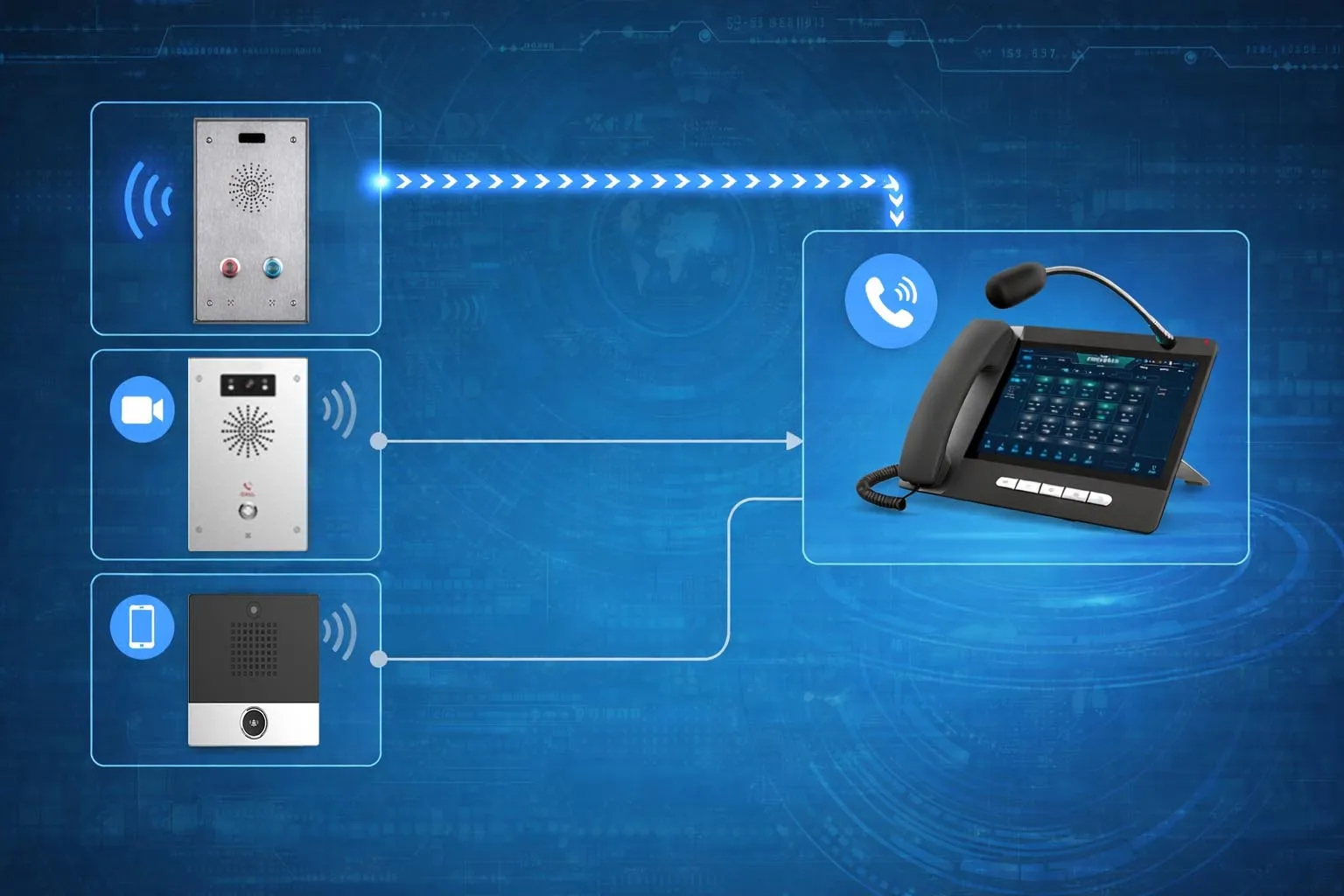
Priority calling gives certain calls a higher level of treatment based on urgency, policy, or operational importance.
What Priority Calling Means in Telephony
A Priority-Aware Call Treatment Model
At its core, priority calling means that the phone system evaluates a call according to a defined importance level rather than processing it only in simple arrival order. The priority may be based on the caller, the called number, the user role, the service class, the application flow, or a formal precedence level assigned by the platform. Once the system identifies the call as higher priority, it applies different handling rules than it would for a routine call.
This difference in treatment can take several forms. In a business platform, it may mean placing the call at the front of a queue, associating it with a preferred route, or allowing it to alert a user more aggressively. In a special-purpose environment, it may mean that a higher-precedence call is allowed to displace a lower-priority one so the more urgent communication can proceed. These are different implementation models, but they serve the same broader purpose: the system is intentionally favoring one call over another.
This is why priority calling should not be reduced to a simple ringtone or label. The true feature lies in the call control decisions behind the scenes. Priority calling changes how the system allocates attention, resources, and access when not all calls can or should be treated equally.
Different from Call Priority in Paging or Queuing Alone
Priority calling overlaps with several adjacent concepts, but it is not identical to any one of them. It is different from priority paging, which focuses on one-to-many voice announcements. It is also different from ordinary call queuing, even though queue priority can be one implementation of priority calling in customer service environments. And it is different from call forwarding or call pickup, which control where a call goes rather than how much precedence it has.
That distinction matters because the same organization may use all of these features together. A hospital, for example, might use priority paging for urgent announcements, queue priority for incoming service lines, and priority calling for selected internal users or escalation workflows. Each tool has its place, but priority calling is specifically about giving certain calls a higher treatment level than other calls.
Priority calling is not only about who is calling. It is about how the system changes call treatment when a call is considered more important than the ordinary traffic around it.
How Priority Calling Works
Priority Assignment and Policy Rules
The first step in priority calling is assigning a priority level to the call. Depending on the platform, this can happen in different ways. A user may manually invoke a precedence level, an administrator may assign priority rights to specific lines or extensions, an auto attendant may mark a transferred call with a higher priority, or the system may infer priority from the called number, service type, or caller identity. In Microsoft Teams call queues, for example, call priorities can be assigned on a scale from very high to very low, and agents receive the highest-priority call that has been waiting the longest.
In more specialized precedence systems, the call priority is explicit and formal. Cisco’s MLPP documentation describes precedence as the priority level associated with a call and preemption as the process of terminating lower-precedence calls so a higher-precedence call can proceed. Cisco also documents multiple precedence levels such as Routine, Priority, Immediate, Flash, and Flash Override or their domain equivalents, depending on the network domain.
Once the priority is assigned, the call controller compares that priority against the current state of users, devices, trunks, and routing rules. The system then decides whether the call should be treated as normal, moved ahead of other calls, allowed to bypass a restriction, or given preemptive behavior.
Alerting, Routing, and Optional Preemption
After the priority level is known, the platform determines what special treatment should happen. In a business phone system, a priority call may use stronger alerting, targeted routing, or earlier presentation to an agent. In some platforms, the priority call can also override user states. Avaya documents a Priority Call feature that allows a user to call another user even if the destination is set to Do Not Disturb.
In mission-critical precedence systems, the behavior can go further. Cisco’s MLPP documentation explains that validated users can place priority calls and, if necessary, preempt lower-priority calls. That means the system may terminate an existing lower-precedence call that is using the target device or constrained resource so that the higher-precedence call can be completed. Cisco positions this behavior for network stress situations and critical communications.
Not every system supports that kind of preemption, and many ordinary business platforms do not. That is why deployment design should always distinguish between priority treatment and preemptive precedence. They are related, but they are not the same operationally.
Interaction with Call States and Features
Priority calling also interacts with other call features. Depending on the implementation, a priority call may override DND, change how forwarding is handled, affect queue order, influence hunt-group presentation, or alter which trunks or network resources are chosen. Cisco’s MLPP documentation also notes that precedence calls can interact with functions such as call forward, call transfer, call waiting, and attendant-console diversion, while Cisco CME documents that calls above routine can override ordinary call-forward behavior and be diverted to an attendant application instead.
This is one reason priority calling should be tested in real workflows rather than assumed from the feature name alone. A system may support “priority calls,” but the exact effect on DND, forwarding, busy states, queues, or active calls can differ considerably by vendor and deployment model.Priority calling works by assigning a precedence level to a call and then applying routing, alerting, or override rules based on that level.
Main Functions of Priority Calling
Priority-Based Call Alerting
One important function of priority calling is differentiated alerting. Higher-priority calls can be given special ringtones, labels, tones, or visual indicators so the receiving user understands that the call requires faster attention. In precedence systems, the call display may also indicate the precedence level of the call itself. Cisco documents precedence indications and related alerts for MLPP users, showing that the system can signal the difference between routine and higher-precedence calls.
This alerting function is valuable even when the system does not support hard preemption. Users can still recognize that an incoming call is more important than ordinary traffic and respond accordingly.
Priority Routing and Queue Handling
Another core function is routing preference. Priority calls may be placed ahead of lower-priority calls within a queue, directed to preferred agents or teams, or associated with special inbound numbers that map to faster handling. Microsoft Teams documents that call priorities in call queues determine the order in which calls are presented to agents and that agents always receive the highest-priority call first, regardless of how long lower-priority calls have already been waiting.
This function is particularly useful in customer service and operations environments where premium callers, emergency lines, or escalation paths need faster response than routine traffic.
Override of User States or Restrictions
Priority calling may also function as an override mechanism. In some business systems, the feature allows certain calls to reach a destination even when the destination is in Do Not Disturb or under another soft restriction. Avaya’s Priority Call feature is a clear example of this model.
This is valuable when a user needs protection from ordinary interruptions but must still remain reachable for selected high-importance calls, such as executive support, clinical escalation, or operational incidents.
Preemption in Mission-Critical Environments
The most forceful function of priority calling is preemption. In MLPP-style environments, if the target device or resource is unavailable because it is occupied by a lower-precedence call, the system can terminate the lower-precedence call so that the higher-precedence call can proceed. Cisco and Poly both document MLPP in this precedence-and-preemption context.
This is not a normal office-phone feature in most business deployments, but it is highly relevant in mission-critical communications, assured services, and highly controlled operational domains.
The functions of priority calling range from gentle preference, such as queue ordering and special ringing, all the way to full preemptive call control in specialized networks.
System Value of Priority Calling
Faster Response for Critical Communication
The most obvious value of priority calling is faster response to calls that matter more. In normal systems, all calls compete more or less equally for the same people and resources. Priority calling changes that by allowing the system to favor urgent, sensitive, or high-value calls. This can reduce delay in situations where a missed or slow call has outsized consequences.
That value appears in many forms. It may mean faster handling of a VIP service line, quicker access to a supervisor, or reliable contact during a degraded network condition. The underlying value is the same: the system becomes better at separating critical communication from ordinary traffic.
Better Resource Use Under Stress
Priority calling also adds structure when communication resources are limited. In busy hours, incident conditions, or network stress situations, not every call can receive the same treatment. Cisco’s MLPP guidance explicitly positions precedence and preemption as a way to assure communication for critical organizations and personnel during national emergencies or degraded network situations.
Even in less extreme business environments, queue priority and selective routing serve the same principle on a smaller scale. They make sure the most important traffic is not lost in the general flow.
Improved Service Differentiation
In customer-facing environments, priority calling supports differentiated service. High-value customers, premium support lines, emergency intake paths, and escalation channels can be treated differently from routine inquiries. Microsoft’s call-priority model for Teams call queues is one example of how platforms support this business value operationally.
This creates a measurable service advantage because it allows the business to match communication treatment with the value or urgency of the interaction.
More Disciplined Escalation Paths
Priority calling also improves governance. Instead of relying on informal workarounds, organizations can build formal escalation paths into the phone system itself. Certain users, departments, or numbers can be granted elevated call treatment according to policy. This reduces confusion and helps organizations align call handling with actual operational priorities.
When implemented carefully, priority calling becomes part of the wider communications design rather than a hidden or improvised privilege.
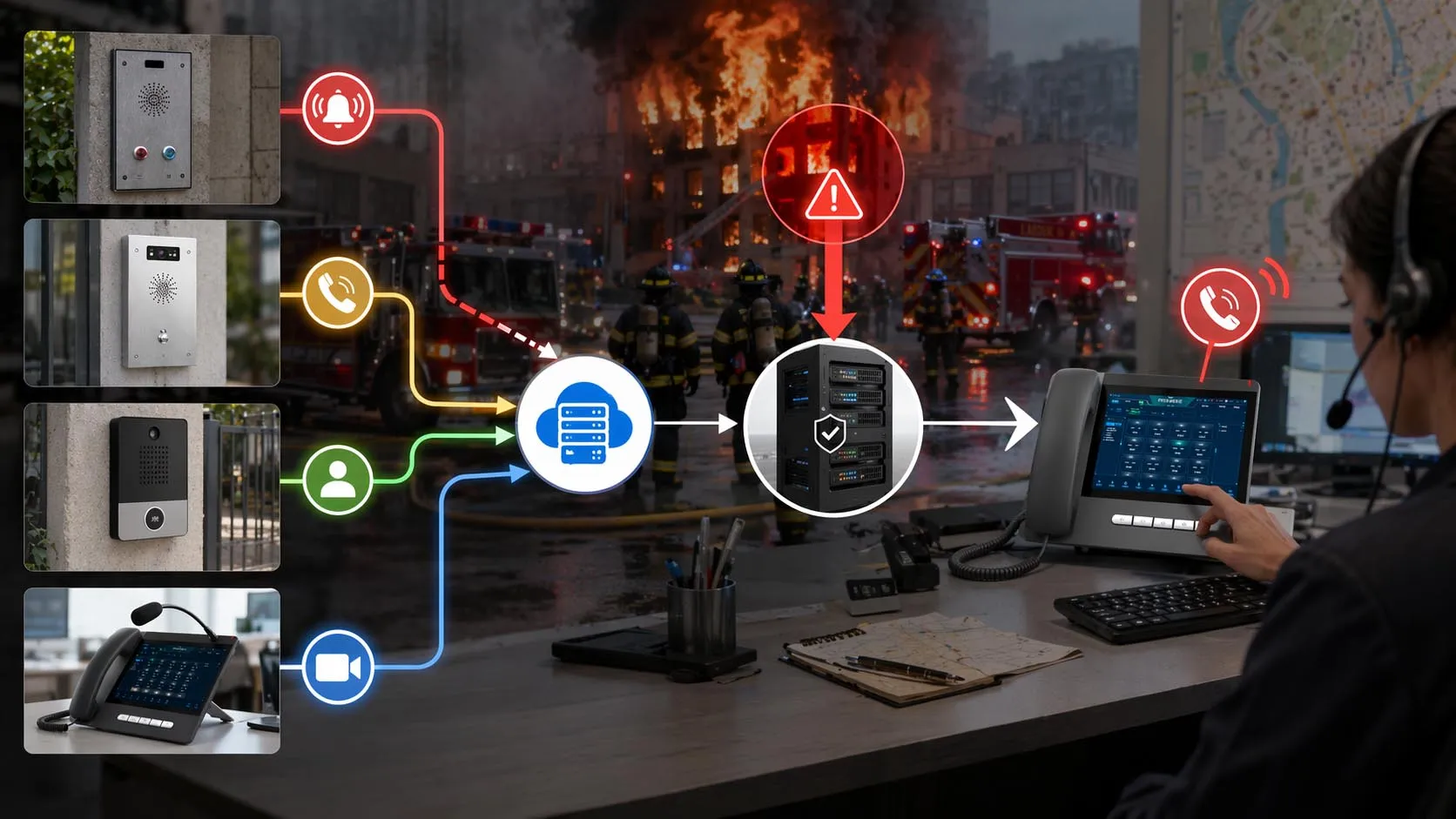
Priority calling creates value by aligning call treatment with urgency, business importance, and operational responsibility.
Applications of Priority Calling
Mission-Critical and Assured Communications
One of the clearest applications is in assured or mission-critical communications networks where some users must be able to place higher-precedence calls and, if necessary, preempt lower-precedence traffic. Cisco documents this under MLPP and Assured Services for SIP Lines, describing the option to place priority calls and preempt lower-priority phone calls.
This model is suited to defense, emergency coordination, protected operational domains, and other environments where communication access must be preserved under stress or congestion.
Executive and Administrative Telephony
In ordinary enterprise environments, priority calling is often used more gently. Executives, administrators, managers, or critical support roles may need selected callers to bypass DND or receive stronger alerting. In these cases, the system value lies less in preemption and more in reachability and faster response for key relationships.
This makes priority calling useful in headquarters offices, executive support models, legal or financial coordination, and any workflow where certain calls should not be treated like routine interruptions.
Healthcare and Clinical Escalation
Healthcare environments often need layered communication urgency. A clinician, supervisor, or specialist may need to remain reachable for urgent internal calls even when ordinary interruptions are limited. Priority calling can help establish that distinction, especially when combined with paging, intercom, and escalation workflows.
In this setting, the feature supports response discipline rather than general convenience. The phone system becomes part of the clinical communication model.
Contact Centers and Premium Support
Priority calling also appears in customer-service platforms through queue priority, preferred routing, and caller-based priority treatment. Microsoft Teams documents how call priorities can be assigned to specific numbers or transfer paths so agents receive higher-priority calls first.
This is useful for premium support tiers, emergency service lines, partner support, VIP customer handling, and time-sensitive inbound operations where waiting time is part of service quality.
Industrial, Utilities, and Transport Operations
Operational industries such as utilities, transport, manufacturing, and infrastructure management often need stronger communication hierarchy than ordinary office systems. Supervisors, dispatchers, control-room staff, and field coordination teams may require selected calls to break through busy periods or restrictive phone states.
In such environments, priority calling can support faster incident escalation, clearer operational hierarchy, and more reliable access to the people responsible for critical actions.
Priority calling is most valuable where not all calls carry the same operational consequence and the phone system must reflect that reality instead of pretending every call is equal.
Deployment Considerations and Best Practices
Define What “Priority” Actually Means
The first design step is deciding what kind of priority calling the organization actually needs. Some businesses only need queue priority for selected inbound calls. Others need DND override for certain users. A small number of highly specialized environments may need formal precedence and preemption. These are very different goals, and the correct design depends on using the right model.
Clear policy is essential here. If “priority” is assigned too broadly, the feature loses meaning. If it is assigned too narrowly or without operational clarity, the feature may not help when it matters most.
Separate Preferential Treatment from Preemption
Administrators should be careful not to assume that every platform offering “priority calls” supports full preemption. In many business systems, priority calling means routing preference or DND override, not forced displacement of active lower-priority calls. Preemption is a specialized behavior and should be treated as such.
This distinction affects both user expectations and risk. A business may want high-priority handling but not the operational disruption of terminating other active calls.
Test Feature Interactions Thoroughly
Priority calling often interacts with forwarding, queues, busy states, alerting, DND, conferencing, and mobile clients. Those interactions should be tested before rollout. The feature is only useful if the organization knows exactly what happens when a priority call reaches a busy user, an auto attendant, a queue, or a forwarded extension.
Good testing prevents false assumptions and ensures that the system behaves consistently during urgent situations.
FAQ
What is priority calling in simple terms?
Priority calling is a phone-system capability that gives selected calls better treatment than ordinary calls, such as faster routing, stronger alerting, queue preference, or in some systems the ability to override restrictions or preempt lower-priority calls.
Is priority calling the same as call queue priority?
No. Call queue priority is one application of the broader idea. Priority calling can also include DND override, special alerting, or formal precedence and preemption depending on the platform.
Can priority calling interrupt active calls?
In some specialized systems, yes. Cisco MLPP is an example of a precedence-and-preemption model where higher-precedence calls can preempt lower-precedence calls. Many ordinary business systems do not support that behavior.
Can priority calls bypass Do Not Disturb?
On some platforms, yes. Avaya documents a Priority Call feature that allows a call to reach a user even if that user has Do Not Disturb enabled.
Where is priority calling most useful?
It is especially useful in mission-critical communications, executive support, healthcare escalation, premium customer service, operational control environments, and any phone system where some calls are more important than others.