An alarm button is a manual emergency trigger used when a person faces danger, needs assistance, discovers a fault, or must notify a control room quickly. It may also be called a panic button, emergency button, SOS button, help button, duress button, or manual alarm trigger.
Unlike automatic sensors, an alarm button depends on human action. By pressing it, a user can request help, report an incident, start an emergency workflow, or activate a connected notification system.
The core value of an alarm button is speed. It gives people a simple, direct, and visible way to turn an emergency into a system-recognized event.
Basic Meaning and System Role
In the “Basic Meaning and System Role” stage, the alarm button should be designed around the real risk scenario. The system must receive the alarm, identify the location, record the event, and send it to the right response role. This requirement should be confirmed in the context of “Basic Meaning and System Role”.
For “Basic Meaning and System Role”, the key is to let users act quickly under pressure while giving the control center enough information about event type, location, and priority. This requirement should be confirmed in the context of “Basic Meaning and System Role”.
Manual Alarm Trigger
The alarm button should not be treated as isolated hardware. It should work with security, dispatch, access control, fire alarm, public address, industrial control, and communication platforms, so triggering, confirmation, linkage, dispatch, and reset form a complete workflow. This requirement should be confirmed in the context of “Manual Alarm Trigger”.
In real projects, “Manual Alarm Trigger” must balance reliability, maintainability, and site conditions. Installation, signal path, power, logs, and testing records should all be checked. This requirement should be confirmed in the context of “Manual Alarm Trigger”.
Local and Remote Response
In the “Basic Meaning and System Role” stage, the alarm button should be designed around the real risk scenario. The system must receive the alarm, identify the location, record the event, and send it to the right response role. This requirement should be confirmed in the context of “Local and Remote Response”.
For “Local and Remote Response”, the key is to let users act quickly under pressure while giving the control center enough information about event type, location, and priority. This requirement should be confirmed in the context of “Local and Remote Response”.
How an Alarm Button Works
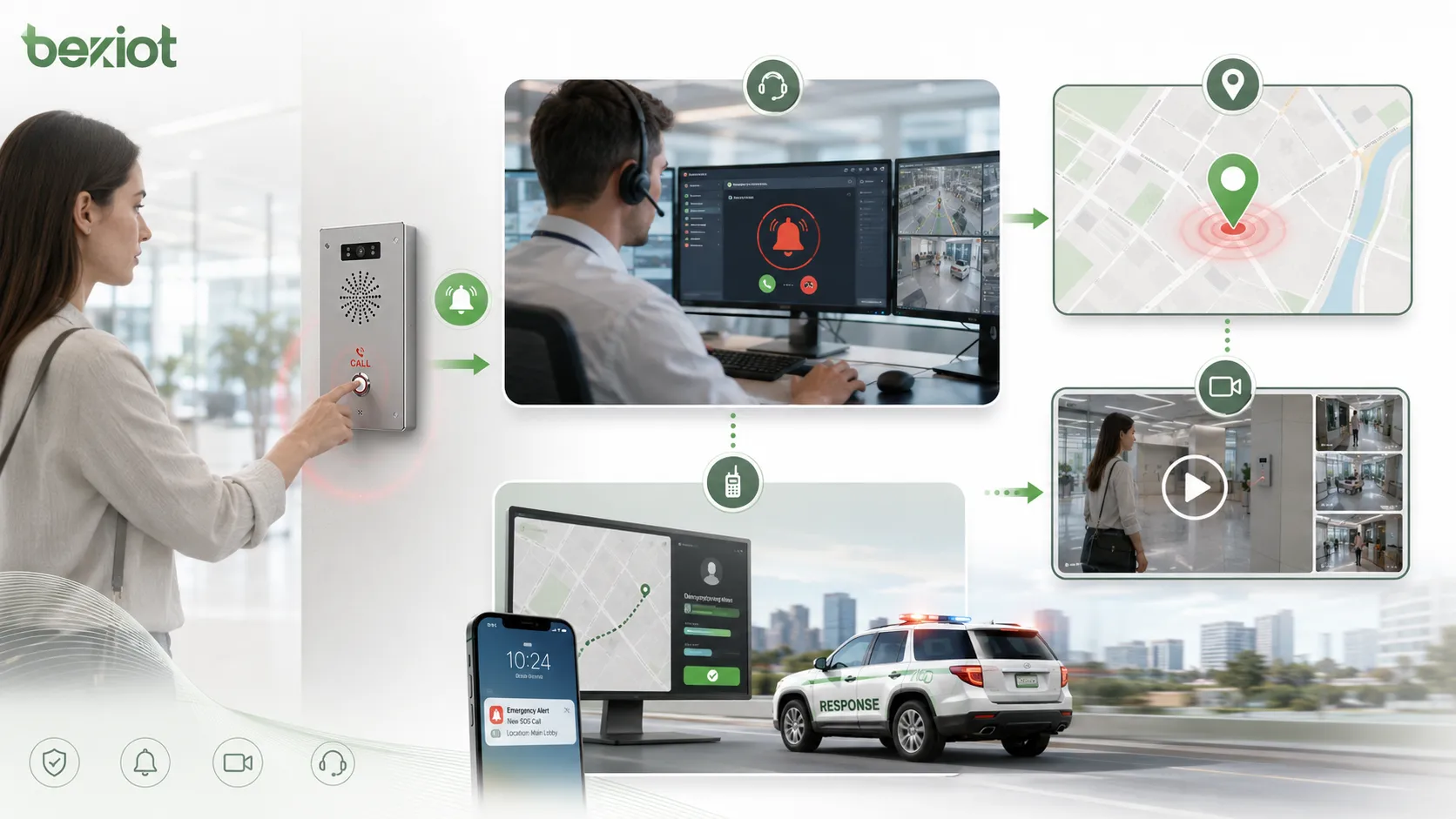
The alarm button should not be treated as isolated hardware. It should work with security, dispatch, access control, fire alarm, public address, industrial control, and communication platforms, so triggering, confirmation, linkage, dispatch, and reset form a complete workflow. This requirement should be confirmed in the context of “How an Alarm Button Works”.
In real projects, “How an Alarm Button Works” must balance reliability, maintainability, and site conditions. Installation, signal path, power, logs, and testing records should all be checked. This requirement should be confirmed in the context of “How an Alarm Button Works”.
Signal Output Types
In the “How an Alarm Button Works” stage, the alarm button should be designed around the real risk scenario. The system must receive the alarm, identify the location, record the event, and send it to the right response role. This requirement should be confirmed in the context of “Signal Output Types”.
For “Signal Output Types”, the key is to let users act quickly under pressure while giving the control center enough information about event type, location, and priority. This requirement should be confirmed in the context of “Signal Output Types”.
Alarm Confirmation
The alarm button should not be treated as isolated hardware. It should work with security, dispatch, access control, fire alarm, public address, industrial control, and communication platforms, so triggering, confirmation, linkage, dispatch, and reset form a complete workflow. This requirement should be confirmed in the context of “Alarm Confirmation”.
In real projects, “Alarm Confirmation” must balance reliability, maintainability, and site conditions. Installation, signal path, power, logs, and testing records should all be checked. This requirement should be confirmed in the context of “Alarm Confirmation”.
Reset and Recovery
In the “How an Alarm Button Works” stage, the alarm button should be designed around the real risk scenario. The system must receive the alarm, identify the location, record the event, and send it to the right response role. This requirement should be confirmed in the context of “Reset and Recovery”.
For “Reset and Recovery”, the key is to let users act quickly under pressure while giving the control center enough information about event type, location, and priority. This requirement should be confirmed in the context of “Reset and Recovery”.
Main Features of a Practical Alarm Button
The alarm button should not be treated as isolated hardware. It should work with security, dispatch, access control, fire alarm, public address, industrial control, and communication platforms, so triggering, confirmation, linkage, dispatch, and reset form a complete workflow. This requirement should be confirmed in the context of “Main Features of a Practical Alarm Button”.
Clear Physical Design
In real projects, “Clear Physical Design” must balance reliability, maintainability, and site conditions. Installation, signal path, power, logs, and testing records should all be checked. This requirement should be confirmed in the context of “Clear Physical Design”.
In the “Main Features of a Practical Alarm Button” stage, the alarm button should be designed around the real risk scenario. The system must receive the alarm, identify the location, record the event, and send it to the right response role. This requirement should be confirmed in the context of “Clear Physical Design”.
Reliable Signal Transmission
For “Reliable Signal Transmission”, the key is to let users act quickly under pressure while giving the control center enough information about event type, location, and priority. This requirement should be confirmed in the context of “Reliable Signal Transmission”.
The alarm button should not be treated as isolated hardware. It should work with security, dispatch, access control, fire alarm, public address, industrial control, and communication platforms, so triggering, confirmation, linkage, dispatch, and reset form a complete workflow. This requirement should be confirmed in the context of “Reliable Signal Transmission”.
Location Identification
In real projects, “Location Identification” must balance reliability, maintainability, and site conditions. Installation, signal path, power, logs, and testing records should all be checked. This requirement should be confirmed in the context of “Location Identification”.
In the “Main Features of a Practical Alarm Button” stage, the alarm button should be designed around the real risk scenario. The system must receive the alarm, identify the location, record the event, and send it to the right response role. This requirement should be confirmed in the context of “Location Identification”.
System Linkage
For “System Linkage”, the key is to let users act quickly under pressure while giving the control center enough information about event type, location, and priority. This requirement should be confirmed in the context of “System Linkage”.
The alarm button should not be treated as isolated hardware. It should work with security, dispatch, access control, fire alarm, public address, industrial control, and communication platforms, so triggering, confirmation, linkage, dispatch, and reset form a complete workflow. This requirement should be confirmed in the context of “System Linkage”.
Deployment Benefits
In real projects, “Deployment Benefits” must balance reliability, maintainability, and site conditions. Installation, signal path, power, logs, and testing records should all be checked. This requirement should be confirmed in the context of “Deployment Benefits”.
Faster Emergency Reporting
In the “Deployment Benefits” stage, the alarm button should be designed around the real risk scenario. The system must receive the alarm, identify the location, record the event, and send it to the right response role. This requirement should be confirmed in the context of “Faster Emergency Reporting”.
For “Faster Emergency Reporting”, the key is to let users act quickly under pressure while giving the control center enough information about event type, location, and priority. This requirement should be confirmed in the context of “Faster Emergency Reporting”.
Improved Safety Coverage
The alarm button should not be treated as isolated hardware. It should work with security, dispatch, access control, fire alarm, public address, industrial control, and communication platforms, so triggering, confirmation, linkage, dispatch, and reset form a complete workflow. This requirement should be confirmed in the context of “Improved Safety Coverage”.
In real projects, “Improved Safety Coverage” must balance reliability, maintainability, and site conditions. Installation, signal path, power, logs, and testing records should all be checked. This requirement should be confirmed in the context of “Improved Safety Coverage”.
Simple Operation Under Stress
In the “Deployment Benefits” stage, the alarm button should be designed around the real risk scenario. The system must receive the alarm, identify the location, record the event, and send it to the right response role. This requirement should be confirmed in the context of “Simple Operation Under Stress”.
For “Simple Operation Under Stress”, the key is to let users act quickly under pressure while giving the control center enough information about event type, location, and priority. This requirement should be confirmed in the context of “Simple Operation Under Stress”.
Better Traceability and Accountability
The alarm button should not be treated as isolated hardware. It should work with security, dispatch, access control, fire alarm, public address, industrial control, and communication platforms, so triggering, confirmation, linkage, dispatch, and reset form a complete workflow. This requirement should be confirmed in the context of “Better Traceability and Accountability”.
In real projects, “Better Traceability and Accountability” must balance reliability, maintainability, and site conditions. Installation, signal path, power, logs, and testing records should all be checked. This requirement should be confirmed in the context of “Better Traceability and Accountability”.
Common Application Scenarios
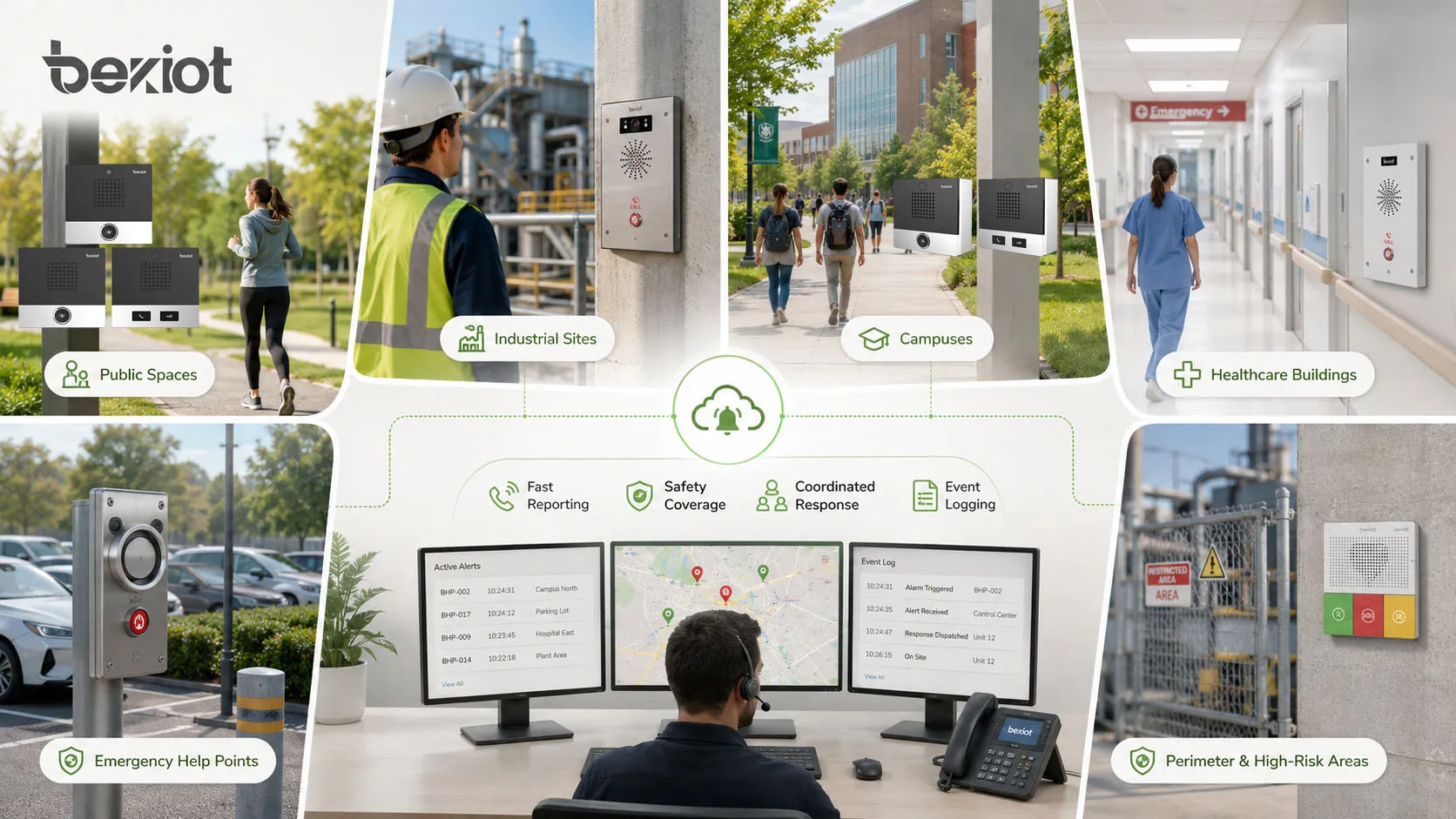
In the “Common Application Scenarios” stage, the alarm button should be designed around the real risk scenario. The system must receive the alarm, identify the location, record the event, and send it to the right response role. This requirement should be confirmed in the context of “Common Application Scenarios”.
Public Safety and Help Points
For “Public Safety and Help Points”, the key is to let users act quickly under pressure while giving the control center enough information about event type, location, and priority. This requirement should be confirmed in the context of “Public Safety and Help Points”.
The alarm button should not be treated as isolated hardware. It should work with security, dispatch, access control, fire alarm, public address, industrial control, and communication platforms, so triggering, confirmation, linkage, dispatch, and reset form a complete workflow. This requirement should be confirmed in the context of “Public Safety and Help Points”.
Industrial and Utility Sites
In real projects, “Industrial and Utility Sites” must balance reliability, maintainability, and site conditions. Installation, signal path, power, logs, and testing records should all be checked. This requirement should be confirmed in the context of “Industrial and Utility Sites”.
In the “Common Application Scenarios” stage, the alarm button should be designed around the real risk scenario. The system must receive the alarm, identify the location, record the event, and send it to the right response role. This requirement should be confirmed in the context of “Industrial and Utility Sites”.
Healthcare and Care Facilities
For “Healthcare and Care Facilities”, the key is to let users act quickly under pressure while giving the control center enough information about event type, location, and priority. This requirement should be confirmed in the context of “Healthcare and Care Facilities”.
The alarm button should not be treated as isolated hardware. It should work with security, dispatch, access control, fire alarm, public address, industrial control, and communication platforms, so triggering, confirmation, linkage, dispatch, and reset form a complete workflow. This requirement should be confirmed in the context of “Healthcare and Care Facilities”.
Schools, Campuses, and Commercial Buildings
In real projects, “Schools, Campuses, and Commercial Buildings” must balance reliability, maintainability, and site conditions. Installation, signal path, power, logs, and testing records should all be checked. This requirement should be confirmed in the context of “Schools, Campuses, and Commercial Buildings”.
In the “Common Application Scenarios” stage, the alarm button should be designed around the real risk scenario. The system must receive the alarm, identify the location, record the event, and send it to the right response role. This requirement should be confirmed in the context of “Schools, Campuses, and Commercial Buildings”.
Transportation and Infrastructure
For “Transportation and Infrastructure”, the key is to let users act quickly under pressure while giving the control center enough information about event type, location, and priority. This requirement should be confirmed in the context of “Transportation and Infrastructure”.
The alarm button should not be treated as isolated hardware. It should work with security, dispatch, access control, fire alarm, public address, industrial control, and communication platforms, so triggering, confirmation, linkage, dispatch, and reset form a complete workflow. This requirement should be confirmed in the context of “Transportation and Infrastructure”.
Integration with Communication and Response Systems
In real projects, “Integration with Communication and Response Systems” must balance reliability, maintainability, and site conditions. Installation, signal path, power, logs, and testing records should all be checked. This requirement should be confirmed in the context of “Integration with Communication and Response Systems”.
Voice Call Linkage
In the “Integration with Communication and Response Systems” stage, the alarm button should be designed around the real risk scenario. The system must receive the alarm, identify the location, record the event, and send it to the right response role. This requirement should be confirmed in the context of “Voice Call Linkage”.
For “Voice Call Linkage”, the key is to let users act quickly under pressure while giving the control center enough information about event type, location, and priority. This requirement should be confirmed in the context of “Voice Call Linkage”.
Video and Map Linkage
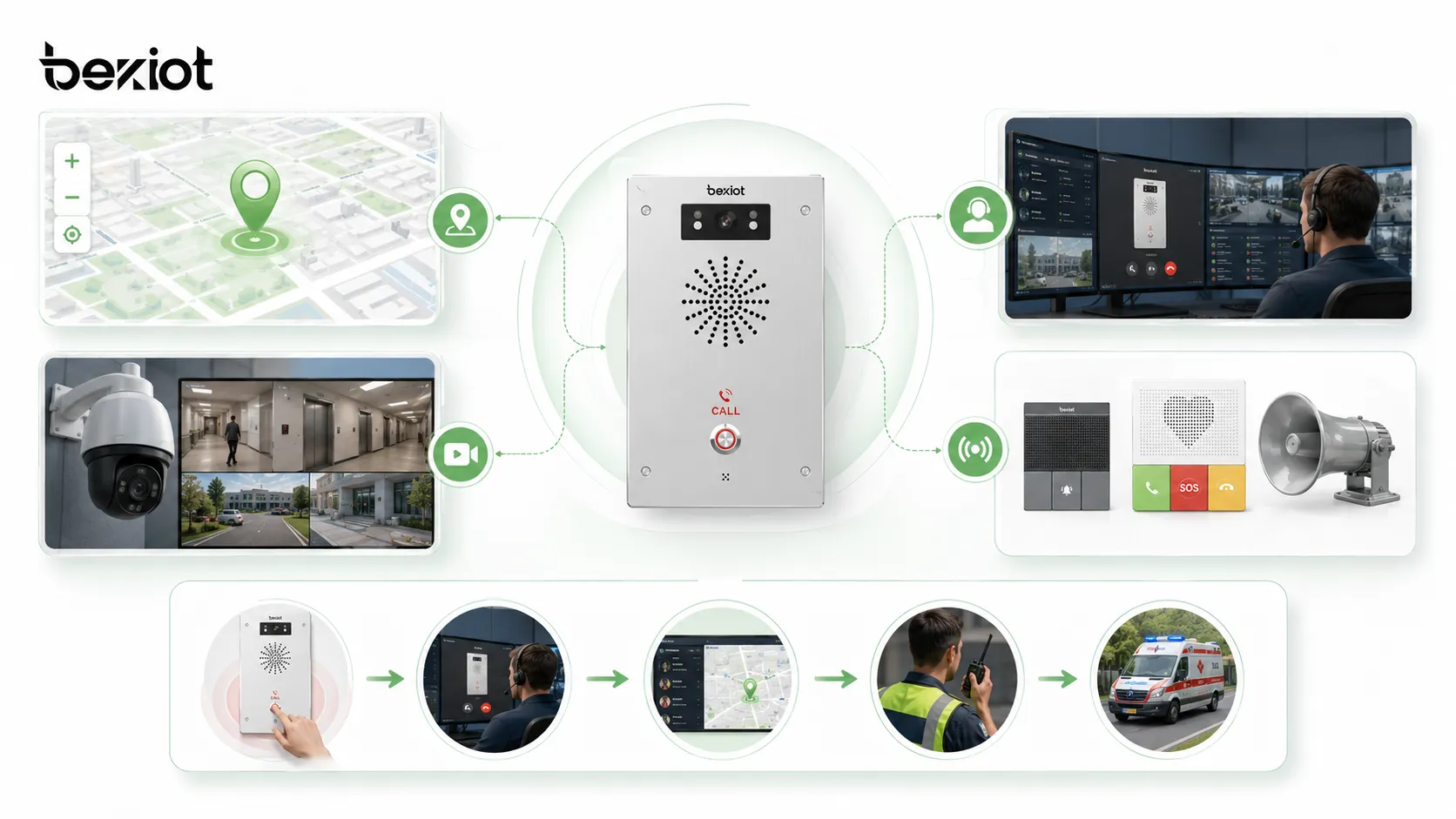
The alarm button should not be treated as isolated hardware. It should work with security, dispatch, access control, fire alarm, public address, industrial control, and communication platforms, so triggering, confirmation, linkage, dispatch, and reset form a complete workflow. This requirement should be confirmed in the context of “Video and Map Linkage”.
In real projects, “Video and Map Linkage” must balance reliability, maintainability, and site conditions. Installation, signal path, power, logs, and testing records should all be checked. This requirement should be confirmed in the context of “Video and Map Linkage”.
Broadcast and Notification Linkage
In the “Integration with Communication and Response Systems” stage, the alarm button should be designed around the real risk scenario. The system must receive the alarm, identify the location, record the event, and send it to the right response role. This requirement should be confirmed in the context of “Broadcast and Notification Linkage”.
For “Broadcast and Notification Linkage”, the key is to let users act quickly under pressure while giving the control center enough information about event type, location, and priority. This requirement should be confirmed in the context of “Broadcast and Notification Linkage”.
Product Selection Considerations
The alarm button should not be treated as isolated hardware. It should work with security, dispatch, access control, fire alarm, public address, industrial control, and communication platforms, so triggering, confirmation, linkage, dispatch, and reset form a complete workflow. This requirement should be confirmed in the context of “Product Selection Considerations”.
| Selection Factor | Why It Matters | What to Check |
|---|---|---|
| Installation environment | Device must withstand site conditions | Indoor, outdoor, dust, moisture, corrosion, impact, temperature |
| Signal method | Determines system compatibility | Dry contact, relay, IP, wireless, SIP, serial communication |
| Operation design | Controls ease of use and false alarm risk | Large button, cover, long press, key reset, indicator light |
| Location display | Response teams need accurate position | Device ID, zone, map point, camera linkage, room label |
| Maintenance access | Long-term reliability depends on testing and service | Accessible mounting, status monitoring, test mode, replaceable parts |
Match Device Type to Response Workflow
In real projects, “Match Device Type to Response Workflow” must balance reliability, maintainability, and site conditions. Installation, signal path, power, logs, and testing records should all be checked. This requirement should be confirmed in the context of “Match Device Type to Response Workflow”.
In the “Product Selection Considerations” stage, the alarm button should be designed around the real risk scenario. The system must receive the alarm, identify the location, record the event, and send it to the right response role. This requirement should be confirmed in the context of “Match Device Type to Response Workflow”.
Consider False Alarm Prevention
For “Consider False Alarm Prevention”, the key is to let users act quickly under pressure while giving the control center enough information about event type, location, and priority. This requirement should be confirmed in the context of “Consider False Alarm Prevention”.
The alarm button should not be treated as isolated hardware. It should work with security, dispatch, access control, fire alarm, public address, industrial control, and communication platforms, so triggering, confirmation, linkage, dispatch, and reset form a complete workflow. This requirement should be confirmed in the context of “Consider False Alarm Prevention”.
Check Accessibility and Visibility
In real projects, “Check Accessibility and Visibility” must balance reliability, maintainability, and site conditions. Installation, signal path, power, logs, and testing records should all be checked. This requirement should be confirmed in the context of “Check Accessibility and Visibility”.
In the “Product Selection Considerations” stage, the alarm button should be designed around the real risk scenario. The system must receive the alarm, identify the location, record the event, and send it to the right response role. This requirement should be confirmed in the context of “Check Accessibility and Visibility”.
Deployment Best Practices
For “Deployment Best Practices”, the key is to let users act quickly under pressure while giving the control center enough information about event type, location, and priority. This requirement should be confirmed in the context of “Deployment Best Practices”.
Plan Locations by Risk and User Access
The alarm button should not be treated as isolated hardware. It should work with security, dispatch, access control, fire alarm, public address, industrial control, and communication platforms, so triggering, confirmation, linkage, dispatch, and reset form a complete workflow. This requirement should be confirmed in the context of “Plan Locations by Risk and User Access”.
In real projects, “Plan Locations by Risk and User Access” must balance reliability, maintainability, and site conditions. Installation, signal path, power, logs, and testing records should all be checked. This requirement should be confirmed in the context of “Plan Locations by Risk and User Access”.
Define Alarm Levels and Response Rules
In the “Deployment Best Practices” stage, the alarm button should be designed around the real risk scenario. The system must receive the alarm, identify the location, record the event, and send it to the right response role. This requirement should be confirmed in the context of “Define Alarm Levels and Response Rules”.
For “Define Alarm Levels and Response Rules”, the key is to let users act quickly under pressure while giving the control center enough information about event type, location, and priority. This requirement should be confirmed in the context of “Define Alarm Levels and Response Rules”.
Test with Real Operators
The alarm button should not be treated as isolated hardware. It should work with security, dispatch, access control, fire alarm, public address, industrial control, and communication platforms, so triggering, confirmation, linkage, dispatch, and reset form a complete workflow. This requirement should be confirmed in the context of “Test with Real Operators”.
In real projects, “Test with Real Operators” must balance reliability, maintainability, and site conditions. Installation, signal path, power, logs, and testing records should all be checked. This requirement should be confirmed in the context of “Test with Real Operators”.
Maintenance Tips for Reliable Operation
In the “Maintenance Tips for Reliable Operation” stage, the alarm button should be designed around the real risk scenario. The system must receive the alarm, identify the location, record the event, and send it to the right response role. This requirement should be confirmed in the context of “Maintenance Tips for Reliable Operation”.
Perform Regular Function Tests
For “Perform Regular Function Tests”, the key is to let users act quickly under pressure while giving the control center enough information about event type, location, and priority. This requirement should be confirmed in the context of “Perform Regular Function Tests”.
The alarm button should not be treated as isolated hardware. It should work with security, dispatch, access control, fire alarm, public address, industrial control, and communication platforms, so triggering, confirmation, linkage, dispatch, and reset form a complete workflow. This requirement should be confirmed in the context of “Perform Regular Function Tests”.
Inspect Physical Condition
In real projects, “Inspect Physical Condition” must balance reliability, maintainability, and site conditions. Installation, signal path, power, logs, and testing records should all be checked. This requirement should be confirmed in the context of “Inspect Physical Condition”.
In the “Maintenance Tips for Reliable Operation” stage, the alarm button should be designed around the real risk scenario. The system must receive the alarm, identify the location, record the event, and send it to the right response role. This requirement should be confirmed in the context of “Inspect Physical Condition”.
Check Power and Communication Status
For “Check Power and Communication Status”, the key is to let users act quickly under pressure while giving the control center enough information about event type, location, and priority. This requirement should be confirmed in the context of “Check Power and Communication Status”.
The alarm button should not be treated as isolated hardware. It should work with security, dispatch, access control, fire alarm, public address, industrial control, and communication platforms, so triggering, confirmation, linkage, dispatch, and reset form a complete workflow. This requirement should be confirmed in the context of “Check Power and Communication Status”.
Review Logs and Response Records
In real projects, “Review Logs and Response Records” must balance reliability, maintainability, and site conditions. Installation, signal path, power, logs, and testing records should all be checked. This requirement should be confirmed in the context of “Review Logs and Response Records”.
In the “Maintenance Tips for Reliable Operation” stage, the alarm button should be designed around the real risk scenario. The system must receive the alarm, identify the location, record the event, and send it to the right response role. This requirement should be confirmed in the context of “Review Logs and Response Records”.
Common Mistakes to Avoid
For “Common Mistakes to Avoid”, the key is to let users act quickly under pressure while giving the control center enough information about event type, location, and priority. This requirement should be confirmed in the context of “Common Mistakes to Avoid”.
The alarm button should not be treated as isolated hardware. It should work with security, dispatch, access control, fire alarm, public address, industrial control, and communication platforms, so triggering, confirmation, linkage, dispatch, and reset form a complete workflow. This requirement should be confirmed in the context of “Common Mistakes to Avoid”.
In real projects, “Common Mistakes to Avoid” must balance reliability, maintainability, and site conditions. Installation, signal path, power, logs, and testing records should all be checked. This requirement should be confirmed in the context of “Common Mistakes to Avoid”.
FAQ
What is an alarm button?
An alarm button is a manual emergency trigger that sends an alert to monitoring, control room, security, dispatch, or local alarm systems so users can request help quickly.
What is the difference between an alarm button and a panic button?
The terms are similar. A panic button usually refers to duress or personal safety, while an alarm button is broader and can cover SOS, help, fault, emergency, and security triggers.
Where should alarm buttons be installed?
Alarm buttons should be installed where people may need fast assistance, such as reception areas, parking lots, elevators, corridors, industrial areas, laboratories, campuses, and public help points.
Can an alarm button trigger a voice call?
Yes. Some alarm button systems can trigger a voice call or intercom session so an operator can communicate with the person who pressed the button and confirm the situation.
How often should alarm buttons be tested?
Testing frequency depends on site risk and maintenance policy. Critical emergency buttons should be tested regularly with records of device ID, time, result, operator response, and corrective action.
Can Becke Telcom BHP-SOS series be used for emergency alarm applications?
Yes. Becke Telcom BHP-SOS series can be used for SOS help points, emergency calling, security notification, and response linkage when matched to the environment and platform.