IndustryInsights
2026-05-17 14:53:48
Radio over IP Device vs Traditional Radio: Why RoIP Wins
Radio over IP devices extend traditional radio networks through IP connectivity, improving coverage, interoperability, dispatch control, resilience, and communication scalability.

Becke Telcom

Radio over IP Device vs Traditional Radio: Why RoIP Wins

For decades, traditional two-way radio systems have been the backbone of critical communications. Public safety agencies, transportation operators, industrial sites, security teams, mining companies, utilities, and emergency response groups have relied on dedicated radio towers, licensed frequency bands, repeaters, and purpose-built hardware to keep field teams connected.

Traditional radio remains valuable because it is immediate, rugged, and familiar. A handheld radio can still deliver fast push-to-talk communication in harsh environments where mobile phones or office communication tools may not be practical. However, as organizations expand across multiple sites, remote regions, mobile teams, and digital command centers, traditional radio infrastructure begins to show clear limitations.

This is where a Radio over IP device changes the communication model. Instead of keeping radio traffic locked inside a local RF coverage area, a RoIP device converts radio audio and control signals into IP data, allowing radio networks to connect through LAN, WAN, VPN, private fiber, cellular LTE/5G, satellite links, or secure Internet connections.

Radio over IP device connecting traditional two-way radios with IP dispatch center and remote communication network
A Radio over IP device bridges traditional radio systems with IP-based dispatch, remote control, and multi-site communication networks.

The Limitations of Traditional Radio

Traditional radio systems, whether analog or digital, operate around a dedicated RF structure. A radio transmitter sends voice over a specific frequency, and receivers within range can hear the communication. Repeaters can extend coverage, and digital systems such as DMR, P25, or TETRA can add encryption, trunking, and advanced management features.

This architecture is reliable for local field communication, but it also creates several operational challenges when the organization needs wider coverage, cross-system connection, centralized dispatch, or integration with modern IP communication platforms.

Range Is Limited by Geography

Radio waves are affected by terrain, buildings, tunnels, underground areas, mountains, dense urban structures, antenna height, repeater placement, and frequency conditions. In open areas, traditional radio may perform well. In complex industrial plants, transport tunnels, ports, mines, campuses, and city environments, coverage gaps are common.

Extending coverage usually requires additional repeater sites, higher antennas, RF planning, tower access, backup power, cabling, combiners, and sometimes new frequency coordination. This makes wide-area expansion expensive and slow.

Systems Often Become Isolated

Many radio networks are built around specific hardware vendors, frequency bands, radio protocols, and operational departments. A VHF analog system may not easily communicate with a UHF digital system. A security team, fire team, maintenance group, and external emergency agency may all use different radios or channels.

Without additional bridging equipment, these systems can become separate communication islands. During routine work, this may only reduce efficiency. During emergencies, it can delay coordination and weaken situational awareness.

Infrastructure Costs Can Be High

Traditional radio expansion often requires dedicated RF infrastructure. Every new site may involve repeaters, antennas, tower leasing, RF cabling, lightning protection, backup batteries, site engineering, maintenance visits, and licensing work.

For organizations with multiple sites, remote facilities, or temporary operation areas, the cost of building and maintaining dedicated radio infrastructure can become a major burden.

Integration with Digital Systems Is Limited

Traditional radio is excellent for voice communication, but it was not originally designed to integrate deeply with IP PBX systems, SIP phones, command platforms, CCTV systems, alarm platforms, GPS tracking, recording servers, or unified dispatch software.

As modern control rooms become more software-driven, this separation becomes a problem. Operators need not only to hear radio traffic, but also to record it, dispatch it, route it, link it with events, and coordinate it with other communication systems.

What Is a Radio over IP Device?

A Radio over IP device, also known as a RoIP gateway, RoIP adapter, or radio IP gateway, is a hardware or software interface that converts radio audio and control signals into digital IP packets. These packets can then travel across an IP network and be converted back into radio audio, dispatch audio, SIP voice, or another communication format at the destination.

A typical RoIP device connects to a radio base station, mobile radio, repeater, or dispatch console through audio input, audio output, PTT, COR/COS, and control interfaces. On the network side, it connects to Ethernet, private WAN, VPN, cellular router, satellite terminal, or other IP infrastructure.

In simple terms, a RoIP device acts as a bridge between the traditional radio world and the modern IP communication world. It allows field radio users, remote dispatchers, SIP users, control rooms, and multi-site teams to communicate through one connected system.

For projects that need to connect walkie-talkies, VHF/UHF radio systems, DMR networks, SIP phones, IP PBX platforms, dispatch consoles, and command centers, Becke Telcom provides Radio over IP gateway solutions designed for radio-to-IP interconnection, remote dispatch access, SIP integration, and multi-site communication expansion.

Radio over IP Device vs Traditional Radio

Coverage: Local RF Range vs Wide-Area IP Connectivity

Traditional radio coverage is mainly determined by RF propagation. The communication range depends on transmission power, antenna height, terrain, obstacles, repeater design, and frequency conditions. This makes local communication reliable, but wide-area communication difficult.

A Radio over IP device extends radio communication through IP connectivity. If a site has a suitable network connection, radio traffic can be transported across cities, regions, countries, or remote operational areas. A dispatcher in one location can communicate with a radio site in another location without needing a direct RF path between them.

This does not mean RoIP is unlimited in a technical sense. It still depends on network quality, latency, bandwidth, routing, and security design. But compared with traditional RF-only infrastructure, RoIP provides a far more flexible way to expand communication coverage.

Cost: Dedicated RF Expansion vs Network-Based Extension

Expanding a traditional radio system often requires new repeaters, tower space, RF engineering, physical installation, and long-term maintenance. When multiple sites must be linked together, dedicated microwave links, leased lines, or complex radio backbone systems may also be required.

RoIP reduces this burden by using existing or planned IP infrastructure. Many organizations already have fiber networks, enterprise WANs, VPN links, cellular routers, or satellite connectivity. A RoIP gateway can use these connections to extend radio communication without rebuilding the entire RF network.

This makes RoIP especially attractive for organizations that want to connect remote facilities, branch sites, mobile command vehicles, temporary work zones, or distributed operations at a lower infrastructure cost.

Interoperability: Isolated Radio Islands vs Unified Communication Paths

Traditional radio systems can become fragmented when different teams use different radio types, frequency bands, or communication standards. A maintenance team may use analog UHF, a security team may use digital DMR, and an emergency response group may use a separate public safety system.

A Radio over IP device helps solve this problem by using the IP network as a common transport layer. Different radio systems can be connected through RoIP gateways, allowing audio from one radio network to be routed to another radio channel, dispatch console, SIP endpoint, or PTT application.

This is one of the strongest reasons RoIP wins. It helps turn disconnected radio islands into a coordinated communication environment.

RoIP gateway architecture connecting VHF radio UHF radio DMR system SIP phone dispatch console and command center
RoIP improves interoperability by linking different radio systems, SIP endpoints, and dispatch platforms through an IP network.

Dispatch Control: Fixed Console Hardware vs Software-Based Operations

Traditional radio dispatch often depends on dedicated console hardware, fixed control rooms, and direct connections to radio base stations. This can limit flexibility when dispatchers need to work from different locations or manage multiple remote radio sites.

RoIP allows dispatch operations to become more flexible. A dispatcher can use a software console, IP dispatch platform, SIP phone, or command system to monitor and talk across connected radio channels. Remote dispatch, centralized monitoring, call recording, channel grouping, and event-based communication become easier to implement.

For multi-site organizations, this can significantly improve command efficiency. A central control room can manage radio communication across factories, stations, campuses, ports, tunnels, or remote field locations.

Unified Communications: Radio-Only Voice vs Integrated Voice Ecosystem

Traditional radio systems are usually separate from office telephony, SIP communication, video surveillance, alarm systems, access control, public address systems, and enterprise collaboration tools. This separation forces operators to switch between systems during incidents.

A Radio over IP device can bring radio communication into a broader unified communication environment. Radio users can be connected with SIP phones, IP PBX systems, dispatch consoles, emergency broadcast systems, recording servers, and monitoring platforms.

For example, an office worker using a SIP desk phone may be able to speak with a field worker using a walkie-talkie. A control room operator may receive an alarm, view a CCTV feed, call a radio group, and trigger a public announcement from the same workflow.

Resilience: Single-Purpose Links vs Multiple IP Backup Paths

Traditional radio networks can be very reliable locally, but site-to-site links may still create single points of failure. If a microwave link, leased line, repeater controller, or tower site fails, communication between areas may be affected.

RoIP systems can be designed with multiple network paths. A site may use fiber as the main link, cellular LTE/5G as backup, and satellite as an emergency path. With proper network planning, a Radio over IP device can support failover strategies that improve communication continuity.

This does not remove the need for good engineering. RoIP resilience depends on network design, QoS, power backup, cybersecurity, device reliability, and monitoring. But it gives system designers more options than traditional point-to-point radio links alone.

Why RoIP Wins in Modern Communication

RoIP Extends Existing Radio Investment

Many organizations already own radios, repeaters, antennas, licenses, and field communication workflows. Replacing everything at once is expensive and unnecessary. RoIP provides a practical upgrade path by keeping existing radio assets in service while adding IP-based connectivity and control.

This is especially important for industrial sites, transportation systems, utilities, and public safety-related operations where field teams are already trained to use radios. RoIP modernizes the infrastructure without forcing users to abandon familiar push-to-talk communication.

RoIP Connects Remote and Multi-Site Teams

Modern operations are rarely limited to one building or one local coverage area. Companies may manage several factories, stations, warehouses, terminals, campuses, substations, or remote project sites. Traditional radio systems often require separate local networks for each location.

RoIP allows these sites to be connected through IP networks. A headquarters dispatch center can communicate with remote teams, local radio users can be linked to regional command, and separate channels can be managed from one platform.

RoIP Improves Emergency Coordination

During emergencies, communication must be fast, clear, and coordinated. Traditional radio helps field teams talk quickly, but RoIP helps connect those field conversations with command centers, SIP users, alarm systems, recording platforms, and emergency broadcast workflows.

When an incident occurs, operators can contact radio users, call supervisors, trigger announcements, coordinate response teams, and preserve communication records. This makes RoIP valuable not only for daily operations, but also for emergency response and incident review.

RoIP Supports Smarter Command Centers

Control rooms are becoming more integrated. Operators need voice dispatch, video monitoring, alarms, maps, access control, event logs, and reporting tools in one operating environment. A Radio over IP device helps radio communication become part of this command center ecosystem.

Instead of treating radio as a standalone voice tool, organizations can manage radio as part of a connected operational communication platform.

Typical Applications of Radio over IP Devices

Industrial Facilities

Factories, power plants, chemical facilities, mines, oil and gas sites, and utility plants often depend on radio communication for maintenance, patrol, production coordination, and emergency response. RoIP helps connect these radio users with control rooms, IP dispatch systems, SIP phones, and alarm platforms.

Transportation and Logistics

Railways, metro systems, highways, airports, ports, logistics parks, and fleet operations require communication across wide areas and multiple sites. RoIP enables dispatch centers to coordinate radio users through IP networks, improving command efficiency and operational visibility.

Public Safety and Security

Security teams, emergency response units, campus patrols, and command centers often need cross-team communication. RoIP helps bridge radio systems, dispatch consoles, SIP users, and mobile command locations so different teams can coordinate more effectively.

Remote Sites and Temporary Operations

Construction zones, temporary event sites, remote mines, disaster response areas, and mobile command vehicles may not have permanent RF infrastructure. A Radio over IP device can use cellular, satellite, or portable IP links to connect local radio users with distant command centers.

Key Features to Look for in a Radio over IP Device

Radio Interface Compatibility

The device should support the required radio connection methods, including audio input, audio output, PTT control, COR/COS detection, and suitable interface wiring for base stations, repeaters, or mobile radios.

Low-Latency Voice Transmission

Push-to-talk communication requires fast response. A good RoIP device should provide stable, low-latency audio transmission with proper jitter handling and packet loss tolerance.

SIP and Dispatch Integration

For organizations using VoIP, IP PBX, SIP servers, or command platforms, SIP compatibility is valuable. It allows radio channels to connect with office phones, dispatch consoles, recording systems, and broader unified communication workflows.

In Becke Telcom project applications, RoIP gateway deployment is often considered together with SIP phones, IP PBX systems, dispatch platforms, emergency communication systems, and public address solutions. This helps users build a connected workflow from field radio communication to control-room command, recording, paging, and emergency response.

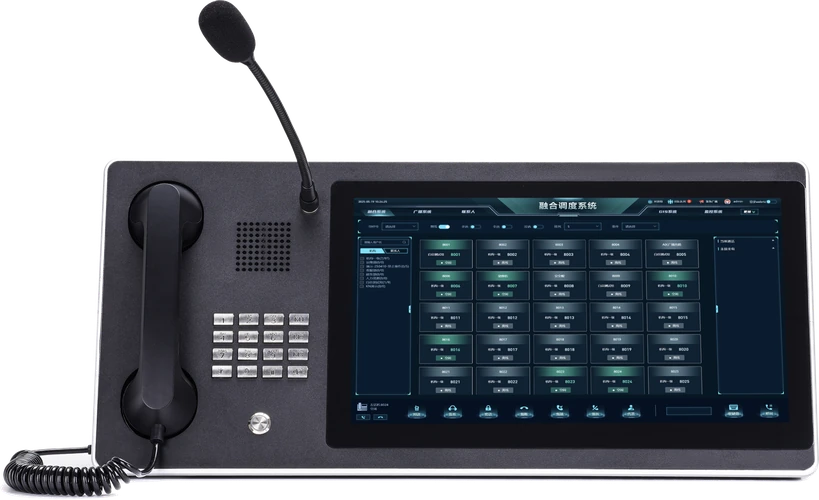
View RoIP Gateway Product : roip

Network Security

RoIP traffic should be protected through proper network design. VPN, firewall rules, authentication, private network access, user permissions, and secure management practices help prevent unauthorized communication access.

Remote Management and Monitoring

For distributed deployments, remote configuration, device status monitoring, diagnostics, firmware management, and event logs can reduce maintenance workload and improve system reliability.

Radio over IP Does Not Replace Radio

RoIP should not be understood as a replacement for traditional radio. The real value of RoIP is that it upgrades radio infrastructure. Field users can continue using rugged handheld radios, vehicle radios, and familiar push-to-talk workflows, while the organization gains IP-based extension, remote dispatch, integration, recording, and centralized management.

This hybrid model is why RoIP is so practical. It protects existing radio investment while giving organizations the flexibility required for modern communication.

Conclusion

The comparison between a Radio over IP device and traditional radio is not simply about old technology versus new technology. Traditional radio is still strong for local, immediate, and rugged field communication. But when communication must cross distance, connect multiple sites, integrate with dispatch systems, and support modern command workflows, traditional radio alone is no longer enough.

RoIP wins because it extends radio coverage through IP networks, lowers infrastructure expansion costs, improves interoperability, supports remote dispatch, connects radio with SIP and unified communication systems, and creates more resilient communication paths.

For organizations that want to expand coverage, connect different radio systems, modernize dispatch operations, and future-proof critical communication infrastructure, a Radio over IP device is one of the most practical bridges between proven radio technology and modern IP-based command communication.

Becke Telcom Radio over IP gateway solutions can support this bridge by helping project teams connect radio networks with IP dispatch, SIP communication, command centers, and emergency response workflows in a more flexible and scalable architecture.

FAQ

What is a Radio over IP device?

A Radio over IP device is a gateway or adapter that converts radio audio and control signals into IP data packets, allowing radio communication to travel across LAN, WAN, VPN, cellular, satellite, or Internet-based networks.

Is RoIP better than traditional radio?

RoIP is better for wide-area communication, multi-site connection, remote dispatch, interoperability, and system integration. Traditional radio remains useful for local push-to-talk communication, but RoIP extends and modernizes what radio systems can do.

Can RoIP work with existing two-way radios?

Yes. RoIP is often used to connect existing radios, repeaters, base stations, and dispatch consoles to IP networks. Compatibility depends on the radio interface, wiring, signaling requirements, and gateway configuration.

Does RoIP require the Internet?

Not always. RoIP can work over private LAN, enterprise WAN, VPN, private fiber, cellular networks, satellite links, or the public Internet. For critical communication, private and secured networks are usually preferred.

Where are Radio over IP devices commonly used?

Radio over IP devices are commonly used in industrial plants, transportation systems, mining sites, energy facilities, ports, airports, campuses, public safety operations, remote sites, and multi-site security networks.

Recommended Products
catalogue
customer service Phone
We use cookie to improve your online experience. By continuing to browse this website, you agree to our use of cookie.

Cookies

This Cookie Policy explains how we use cookies and similar technologies when you access or use our website and related services. Please read this Policy together with our Terms and Conditions and Privacy Policy so that you understand how we collect, use, and protect information.

By continuing to access or use our Services, you acknowledge that cookies and similar technologies may be used as described in this Policy, subject to applicable law and your available choices.

Updates to This Cookie Policy

We may revise this Cookie Policy from time to time to reflect changes in legal requirements, technology, or our business practices. When we make updates, the revised version will be posted on this page and will become effective from the date of publication unless otherwise required by law.

Where required, we will provide additional notice or request your consent before applying material changes that affect your rights or choices.

What Are Cookies?

Cookies are small text files placed on your device when you visit a website or interact with certain online content. They help websites recognize your browser or device, remember your preferences, support essential functionality, and improve the overall user experience.

In this Cookie Policy, the term “cookies” also includes similar technologies such as pixels, tags, web beacons, and other tracking tools that perform comparable functions.

Why We Use Cookies

We use cookies to help our website function properly, remember user preferences, enhance website performance, understand how visitors interact with our pages, and support security, analytics, and marketing activities where permitted by law.

We use cookies to keep our website functional, secure, efficient, and more relevant to your browsing experience.

Categories of Cookies We Use

Strictly Necessary Cookies

These cookies are essential for the operation of the website and cannot be disabled in our systems where they are required to provide the service you request. They are typically set in response to actions such as setting privacy preferences, signing in, or submitting forms.

Without these cookies, certain parts of the website may not function correctly.

Functional Cookies

Functional cookies enable enhanced features and personalization, such as remembering your preferences, language settings, or previously selected options. These cookies may be set by us or by third-party providers whose services are integrated into our website.

If you disable these cookies, some services or features may not work as intended.

Performance and Analytics Cookies

These cookies help us understand how visitors use our website by collecting information such as traffic sources, page visits, navigation behavior, and general interaction patterns. In many cases, this information is aggregated and does not directly identify individual users.

We use this information to improve website performance, usability, and content relevance.

Targeting and Advertising Cookies

These cookies may be placed by our advertising or marketing partners to help deliver more relevant ads and measure the effectiveness of campaigns. They may use information about your browsing activity across different websites and services to build a profile of your interests.

These cookies generally do not store directly identifying personal information, but they may identify your browser or device.

First-Party and Third-Party Cookies

Some cookies are set directly by our website and are referred to as first-party cookies. Other cookies are set by third-party services, such as analytics providers, embedded content providers, or advertising partners, and are referred to as third-party cookies.

Third-party providers may use their own cookies in accordance with their own privacy and cookie policies.

Information Collected Through Cookies

Depending on the type of cookie used, the information collected may include browser type, device type, IP address, referring website, pages viewed, time spent on pages, clickstream behavior, and general usage patterns.

This information helps us maintain the website, improve performance, enhance security, and provide a better user experience.

Your Cookie Choices

You can control or disable cookies through your browser settings and, where available, through our cookie consent or preference management tools. Depending on your location, you may also have the right to accept or reject certain categories of cookies, especially those used for analytics, personalization, or advertising purposes.

Please note that blocking or deleting certain cookies may affect the availability, functionality, or performance of some parts of the website.

Restricting cookies may limit certain features and reduce the quality of your experience on the website.

Cookies in Mobile Applications

Where our mobile applications use cookie-like technologies, they are generally limited to those required for core functionality, security, and service delivery. Disabling these essential technologies may affect the normal operation of the application.

We do not use essential mobile application cookies to store unnecessary personal information.

How to Manage Cookies

Most web browsers allow you to manage cookies through browser settings. You can usually choose to block, delete, or receive alerts before cookies are stored. Because browser controls vary, please refer to your browser provider’s support documentation for details on how to manage cookie settings.

Contact Us

If you have any questions about this Cookie Policy or our use of cookies and similar technologies, please contact us at support@becke.cc .