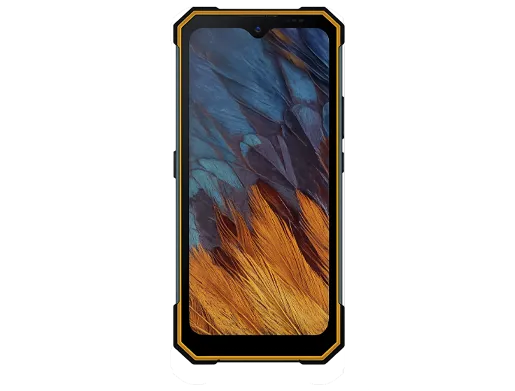
Explosion-Proof Cell Phones for Hazardous Areas

Rugged industrial smartphones for oil and gas, chemical processing and other hazardous worksites, supporting voice calls, mobile data, video calling and push-to-talk on compatible models.

Consult immediately

    The range combines mobile voice and data communication with functions used in inspection, maintenance and team coordination. Depending on the model, devices may support 4G or 5G networks, PTT, Wi-Fi, positioning, barcode scanning, NFC, imaging and other tools used during daily site work.

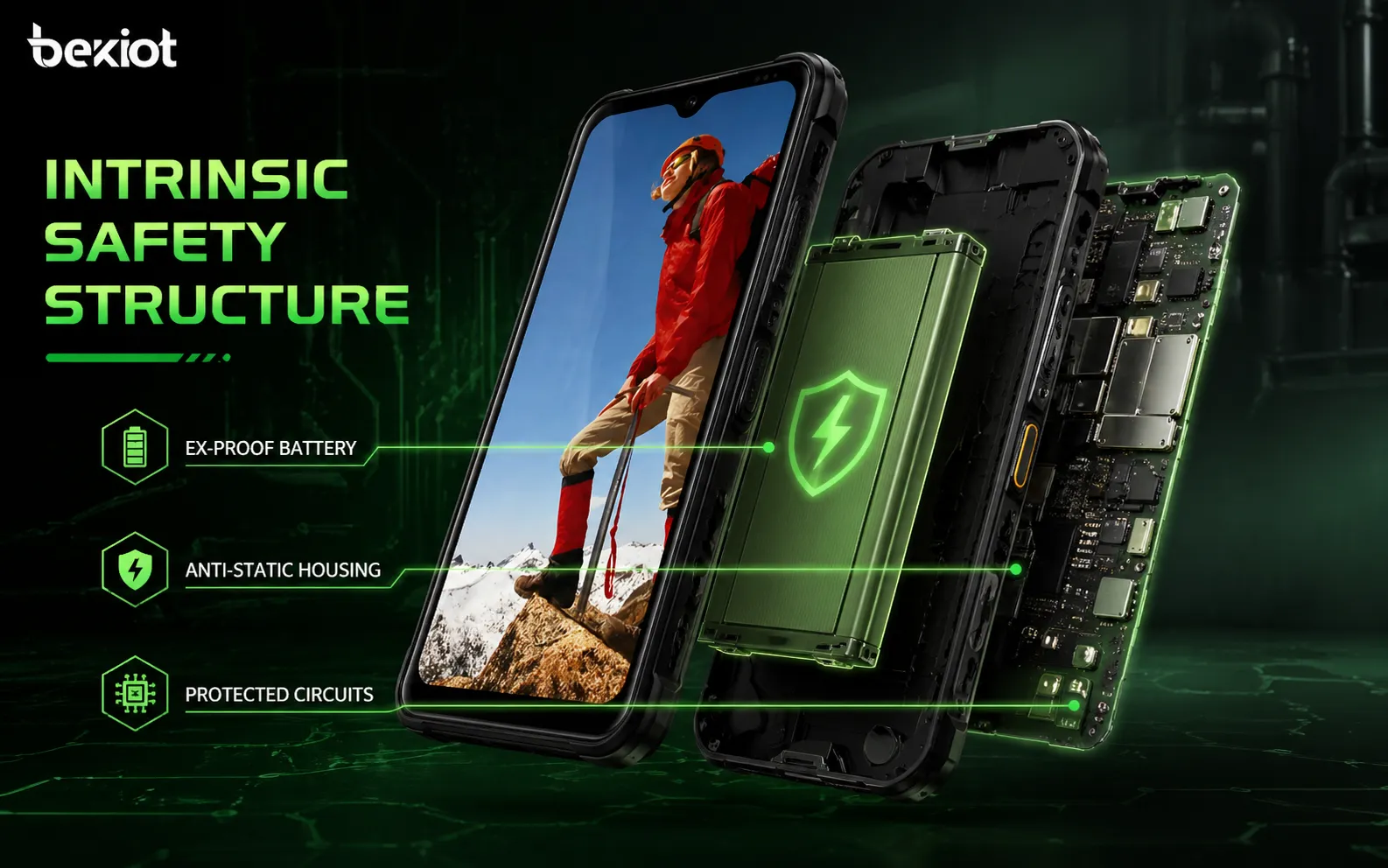
    Explosion protection is model-specific. An IP rating, reinforced enclosure or drop-resistant body does not by itself make a mobile phone suitable for a classified area. The explosion-protection marking and applicable certification of the selected device should be checked against the site classification before deployment.

    Different models also target different workflows. Some emphasize PTT and mobile communication, while others add identification, data capture or optional thermal imaging for inspection tasks.

Features and Benefits

Explosion-Proof Design

Explosion-Proof Design

Models intended for classified locations use product-specific explosion-protection measures for battery-powered mobile operation. Certification, protection marking and approved use conditions vary by device, so selection should be based on the requirements of the actual installation area.

Protection for Daily Site Use

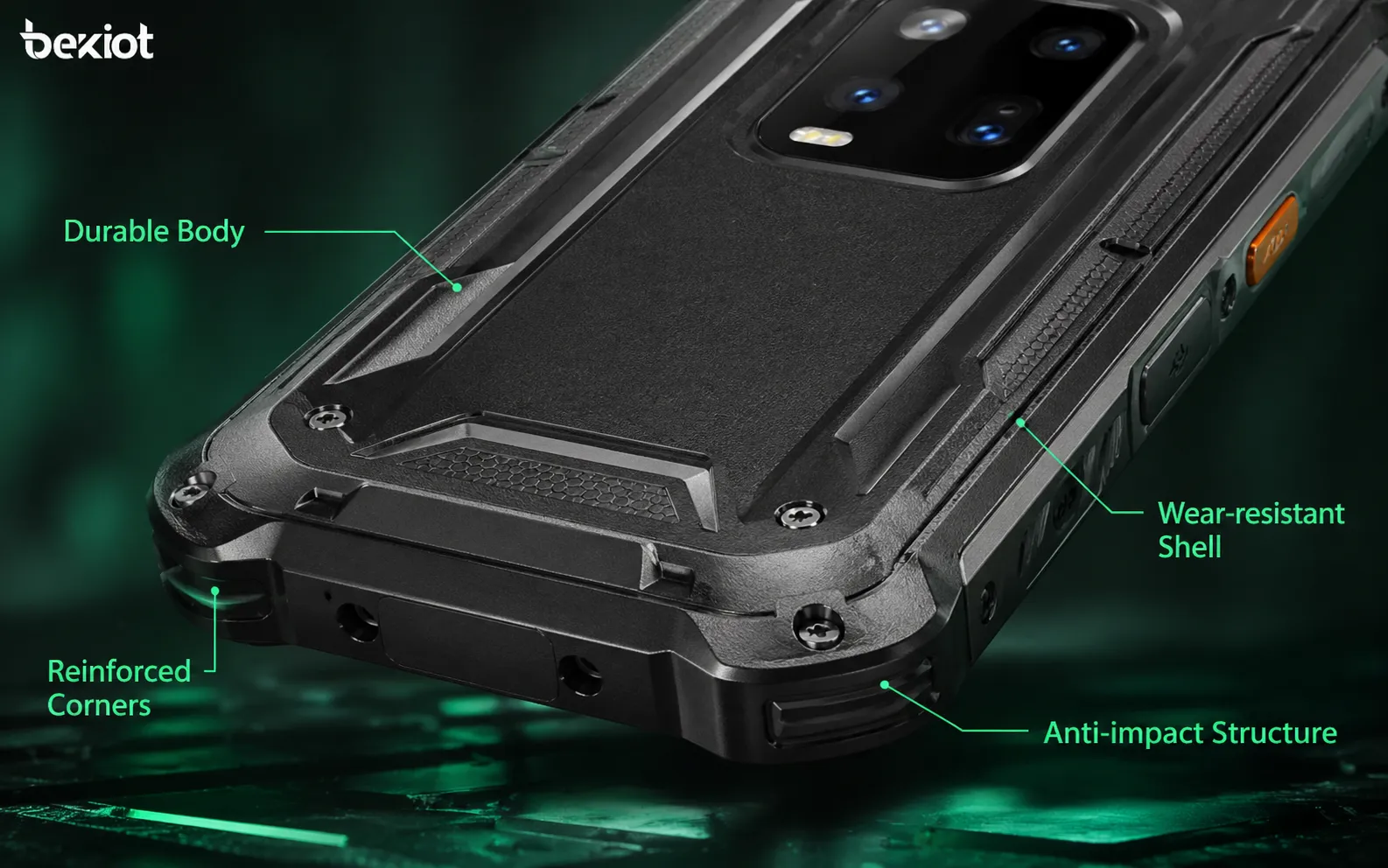
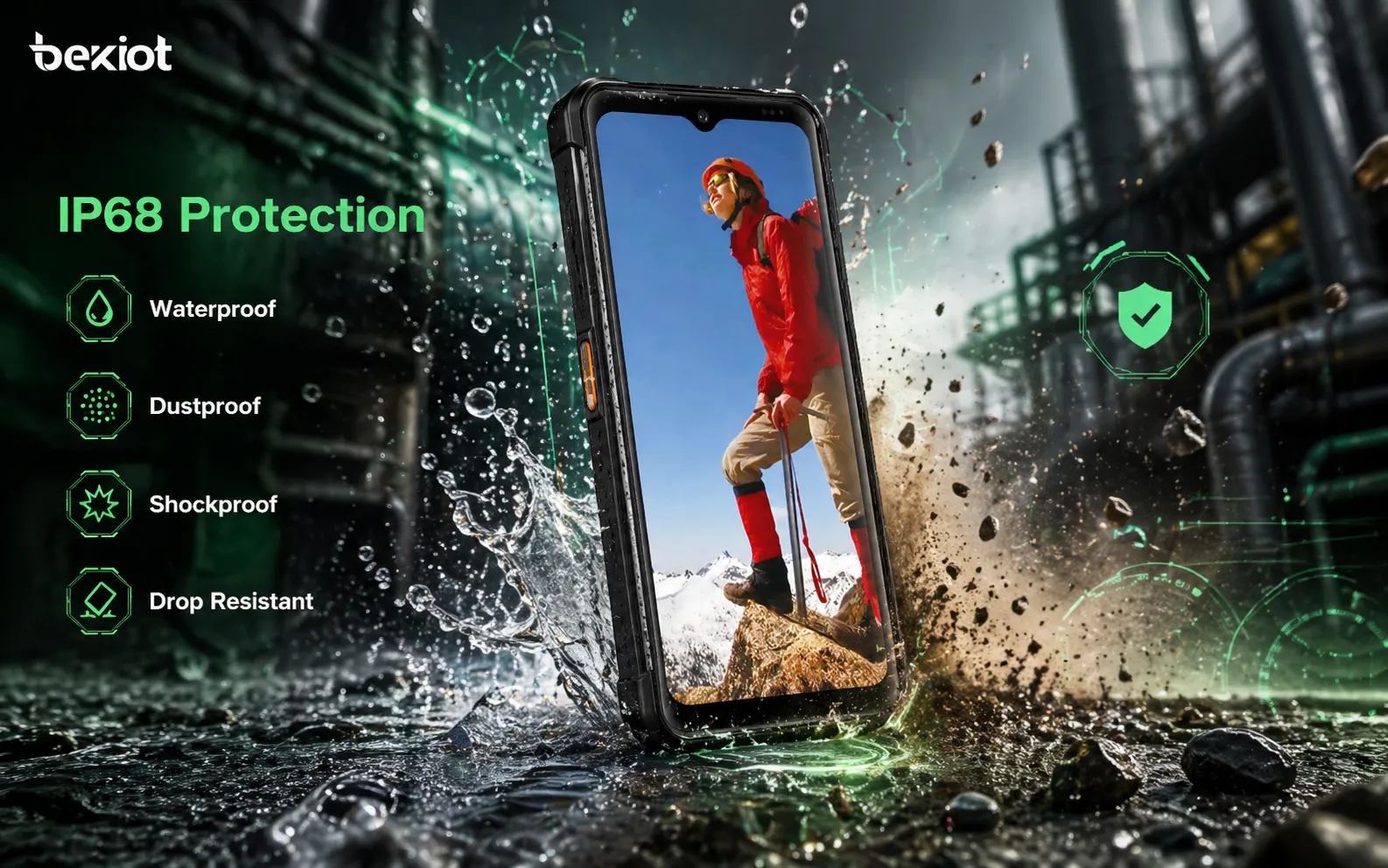
Industrial mobile phones are frequently exposed to dust, moisture, vibration, impact and repeated handling. Reinforced housings and protected external interfaces help the device cope with these conditions, while specific ingress and impact ratings remain dependent on the selected model.

Protection for Daily Site Use
4G/5G, Wi-Fi & PTT

4G/5G, Wi-Fi & PTT

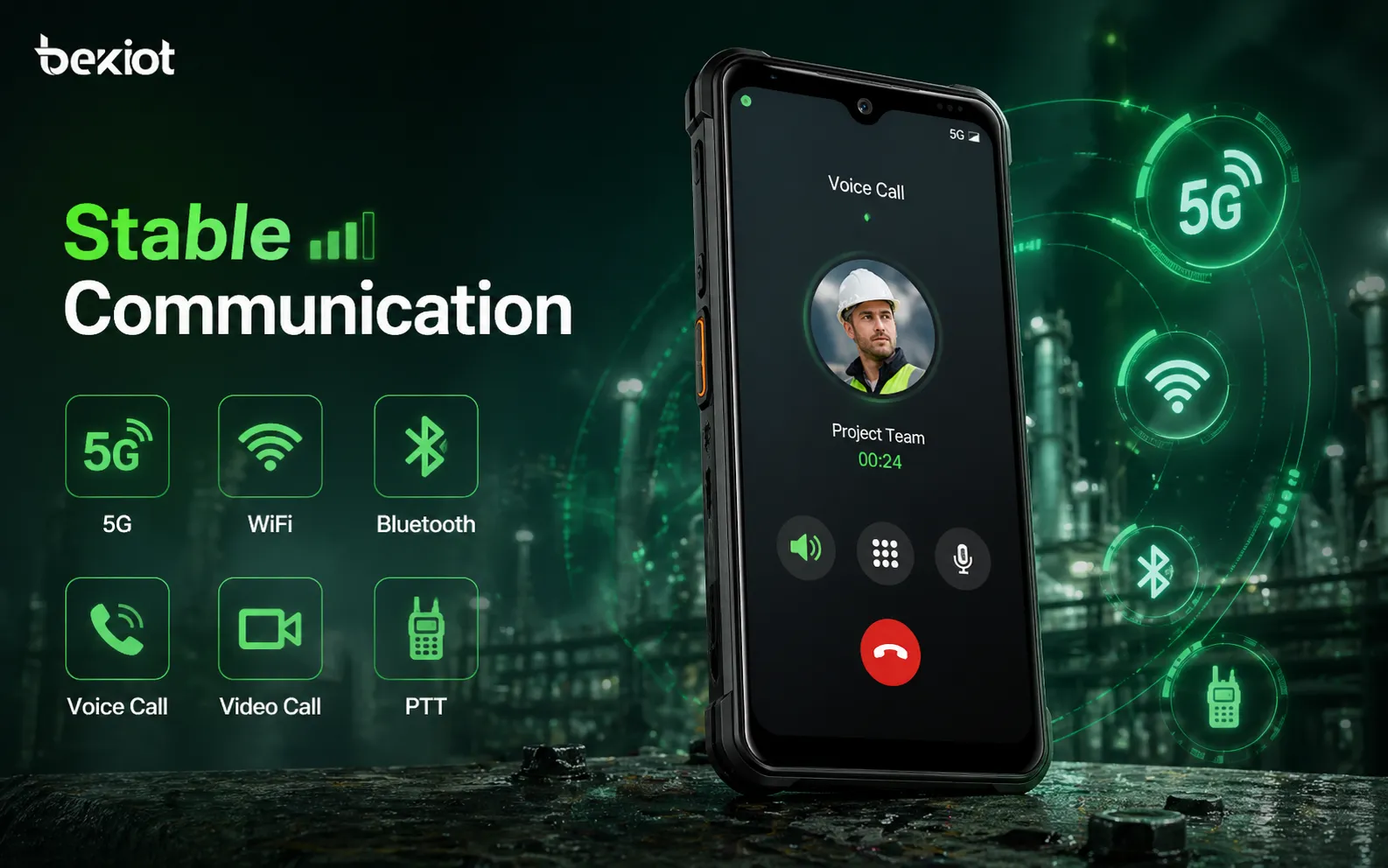
Available communication options may include 4G or 5G cellular service, Wi-Fi, Bluetooth, voice, video and PTT. Push-to-talk is useful when maintenance or operating teams need rapid group communication without placing a conventional telephone call for every exchange.

Positioning & Team Coordination

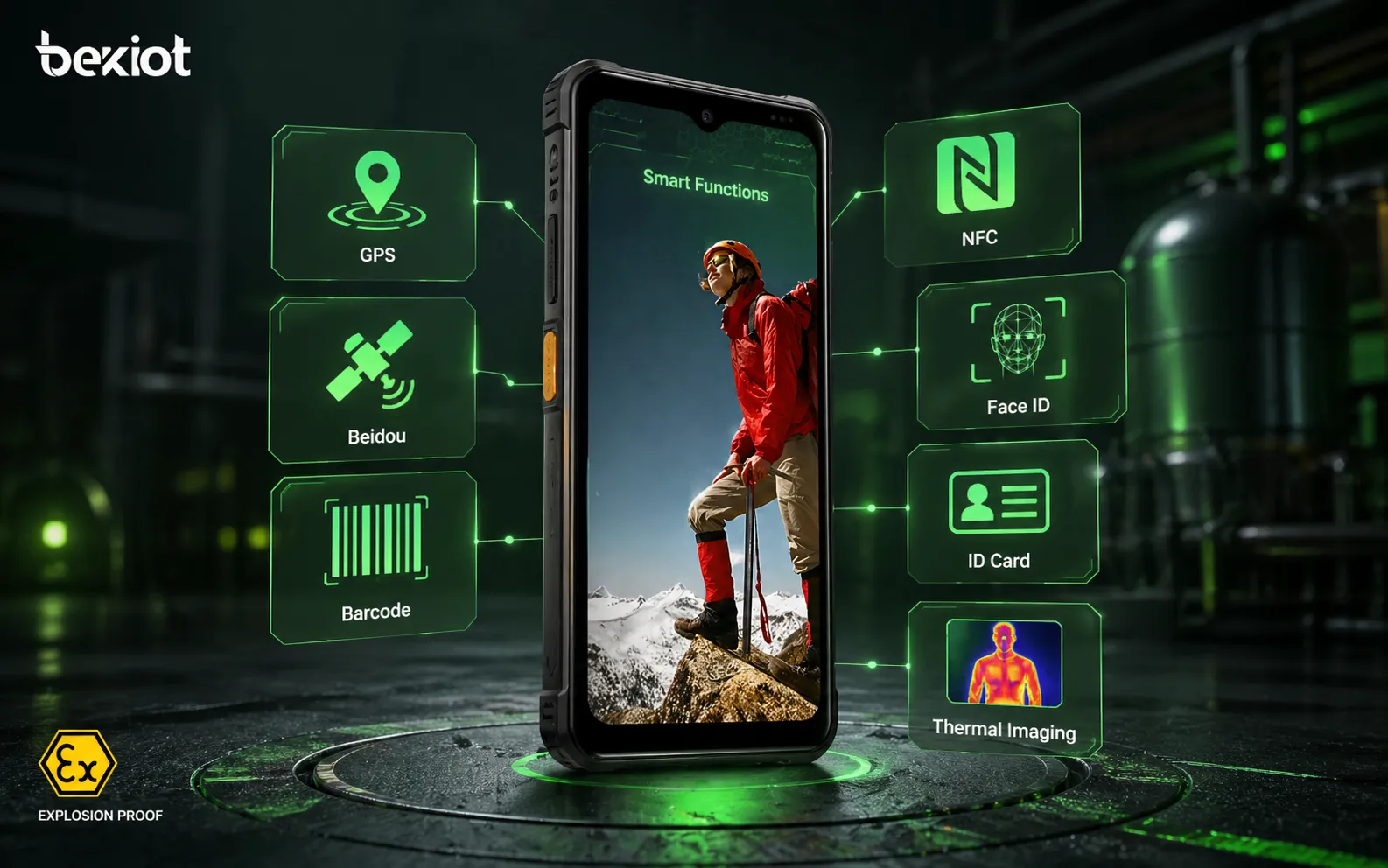
Selected phones provide GPS, BeiDou or other satellite positioning functions. When connected to a compatible application platform, location data can assist with personnel coordination, inspection routes or incident response across large industrial sites.

Positioning & Team Coordination
Identification & Data Capture

Identification & Data Capture

Barcode readers, NFC, cameras, face recognition, ID-card functions and other data-capture options are available on selected configurations. These tools allow technicians to identify equipment, document conditions and submit inspection records directly from the mobile terminal. Thermal imaging is available only on models or configurations that specifically provide it.

Battery for Mobile Work

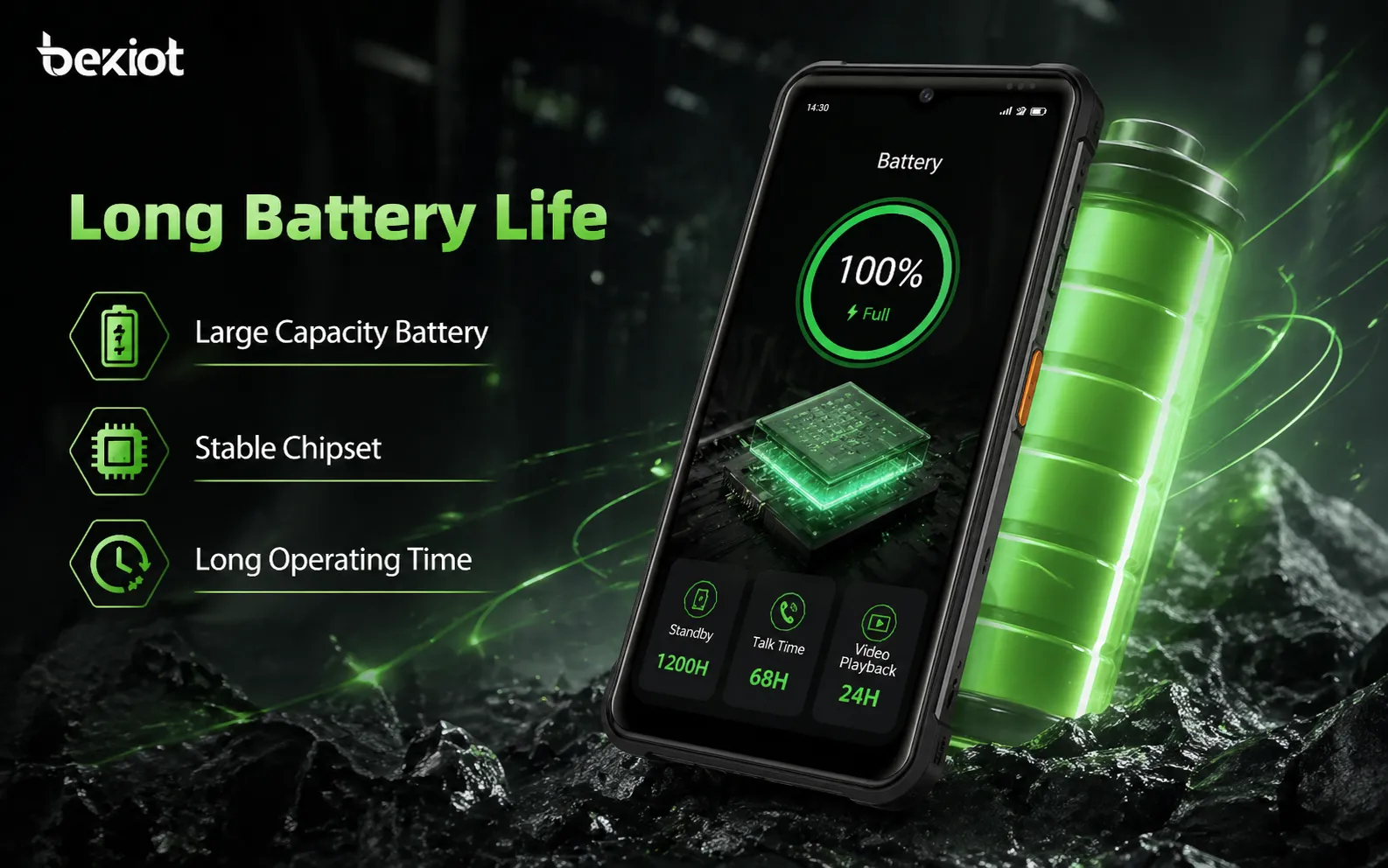
Inspection and maintenance personnel may work for extended periods away from fixed charging points. Battery capacity and power-management design therefore play an important role in device selection. Actual operating time varies with network signal, screen use, PTT activity, positioning and other applications running on the phone.

Battery for Mobile Work

Typical Applications

Oil&Gas

Oil&Gas

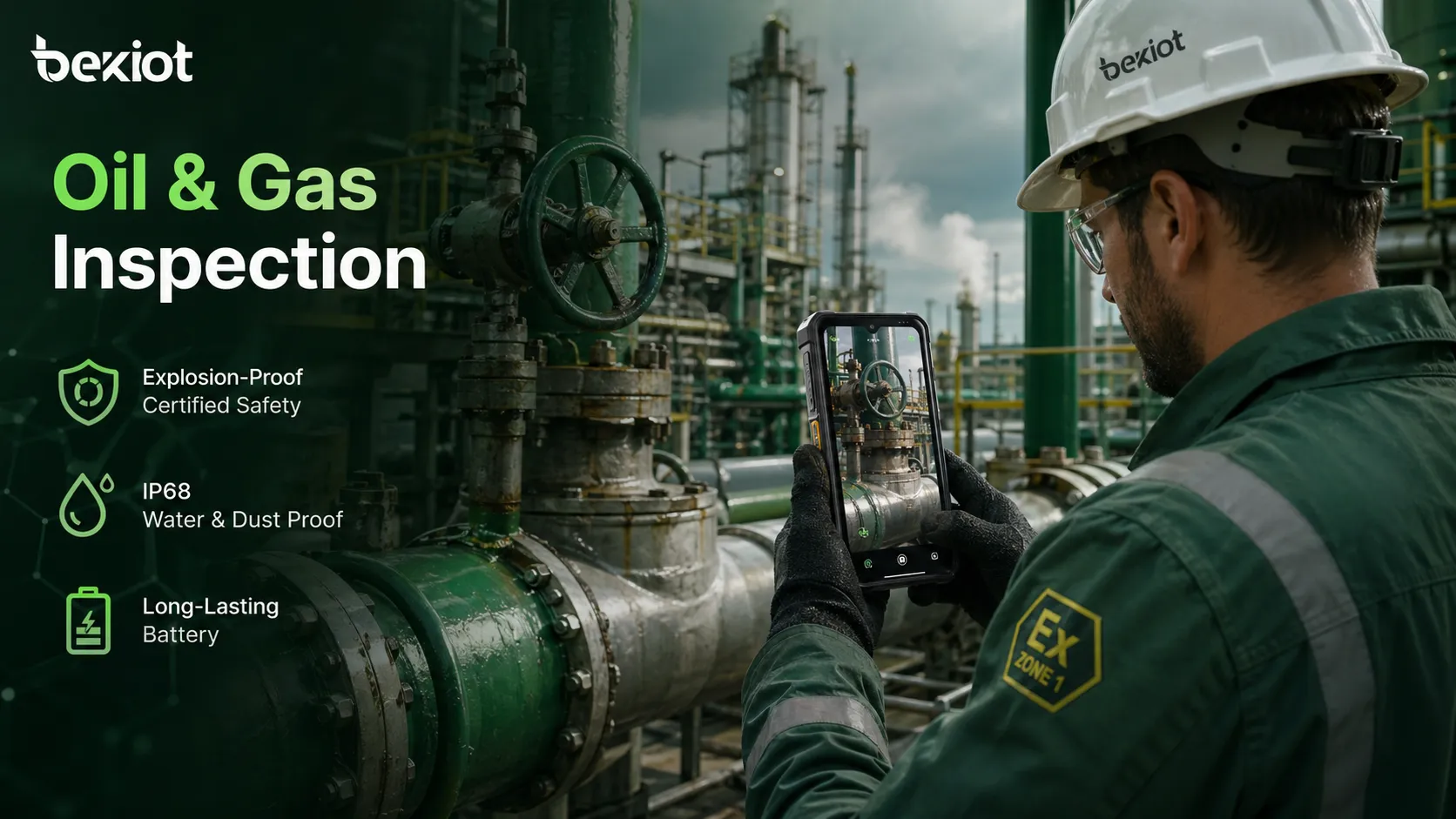
Technicians working around oil fields, refineries, storage areas and pipelines often need to communicate while completing inspection rounds. A suitably certified explosion-proof phone can combine PTT or mobile calling with fault reporting and digital inspection records, reducing the need to carry separate communication and data-entry devices.

Mining

Mining

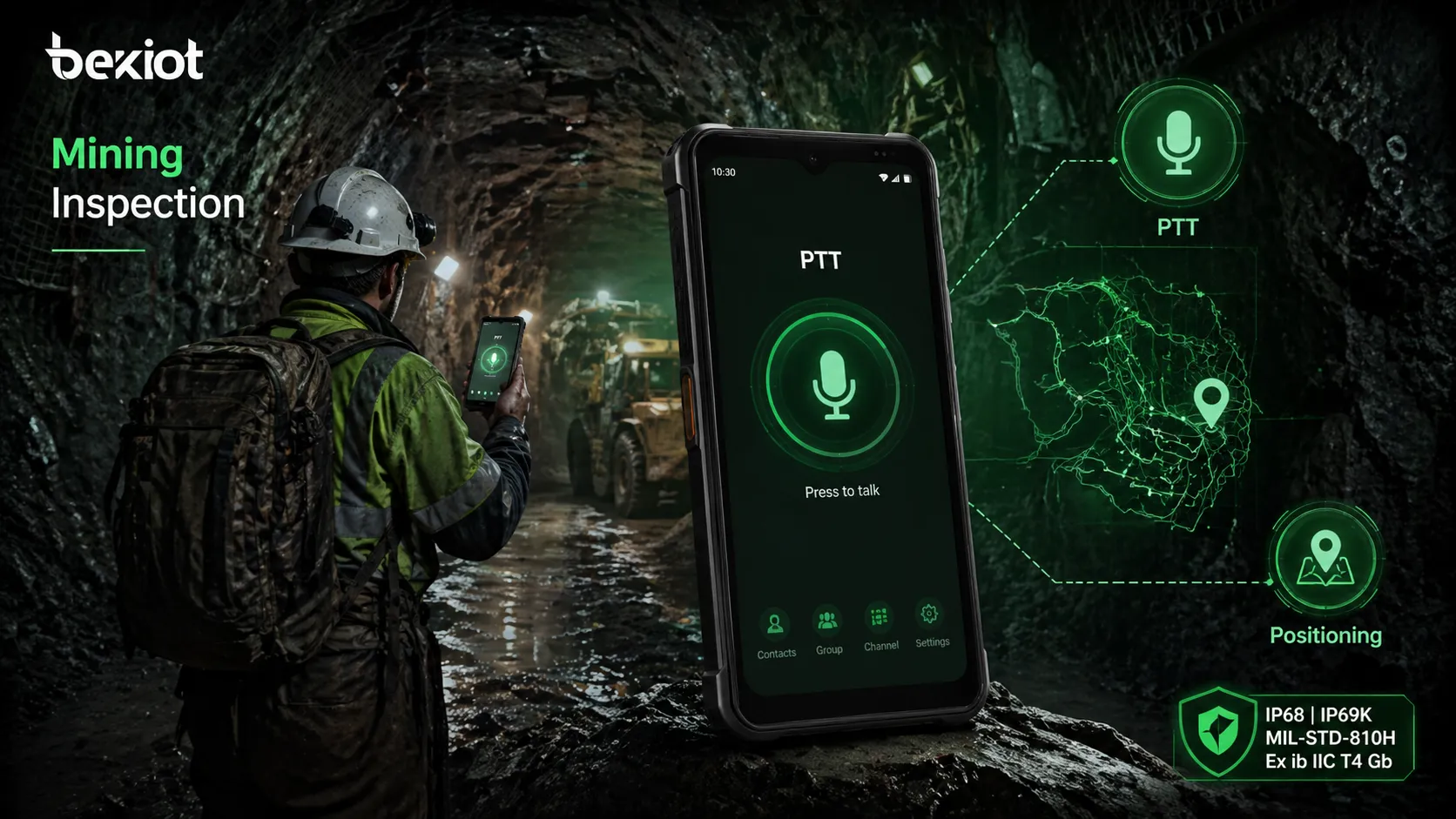
In mining operations, rapid contact between work groups and control personnel is often more important than conventional one-to-one calling. PTT and positioning functions available on selected devices can support team coordination, while inspection information is recorded on the same handheld terminal. Device certification must match the specific mine environment.

Chemical

Chemical

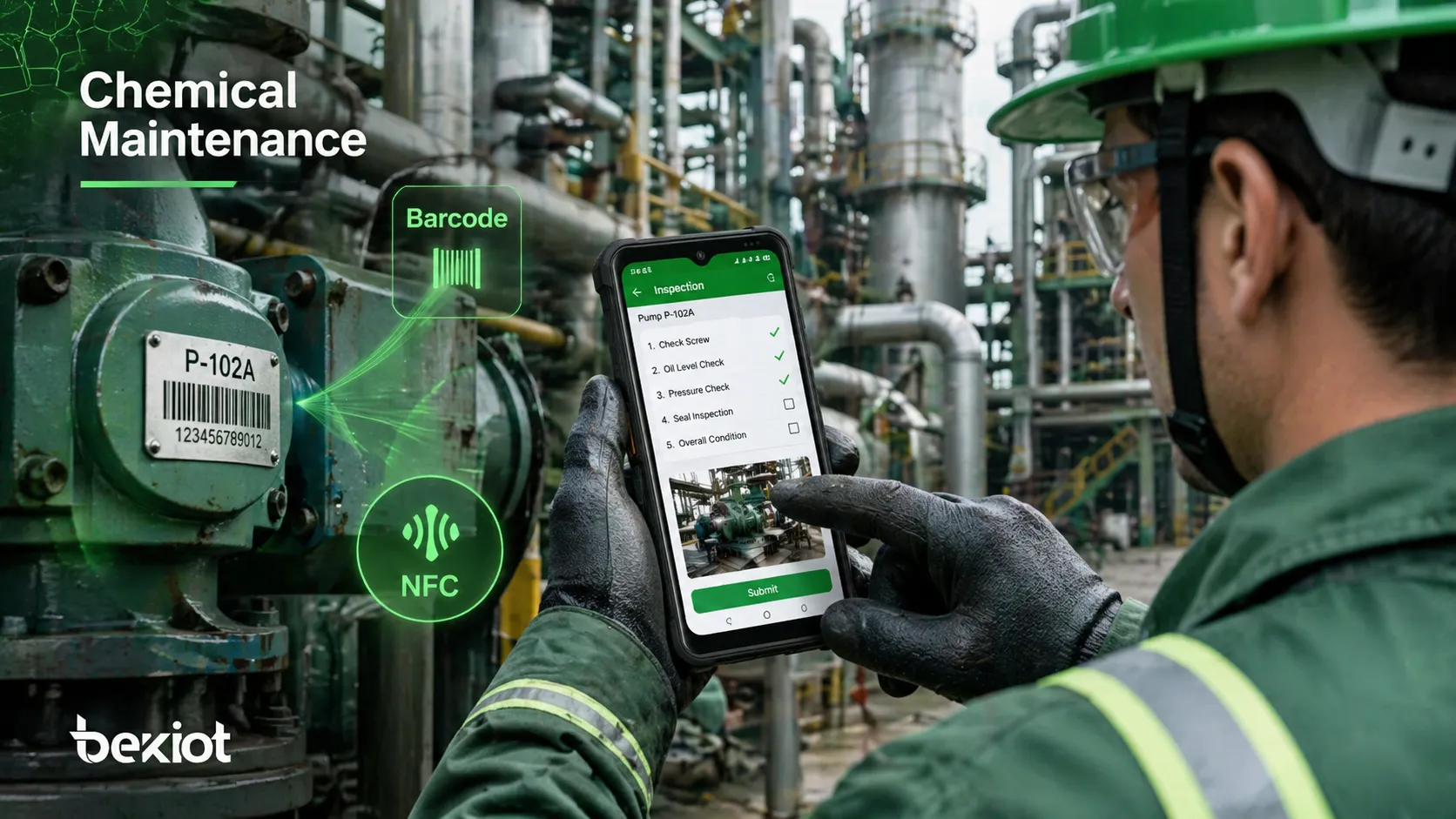
Equipment rounds in chemical plants frequently involve checking asset identity, recording operating condition and reporting maintenance issues. Phones equipped with barcode or NFC functions can link inspection records to specific equipment, while the camera provides a direct way to document visible faults.

Power

Power

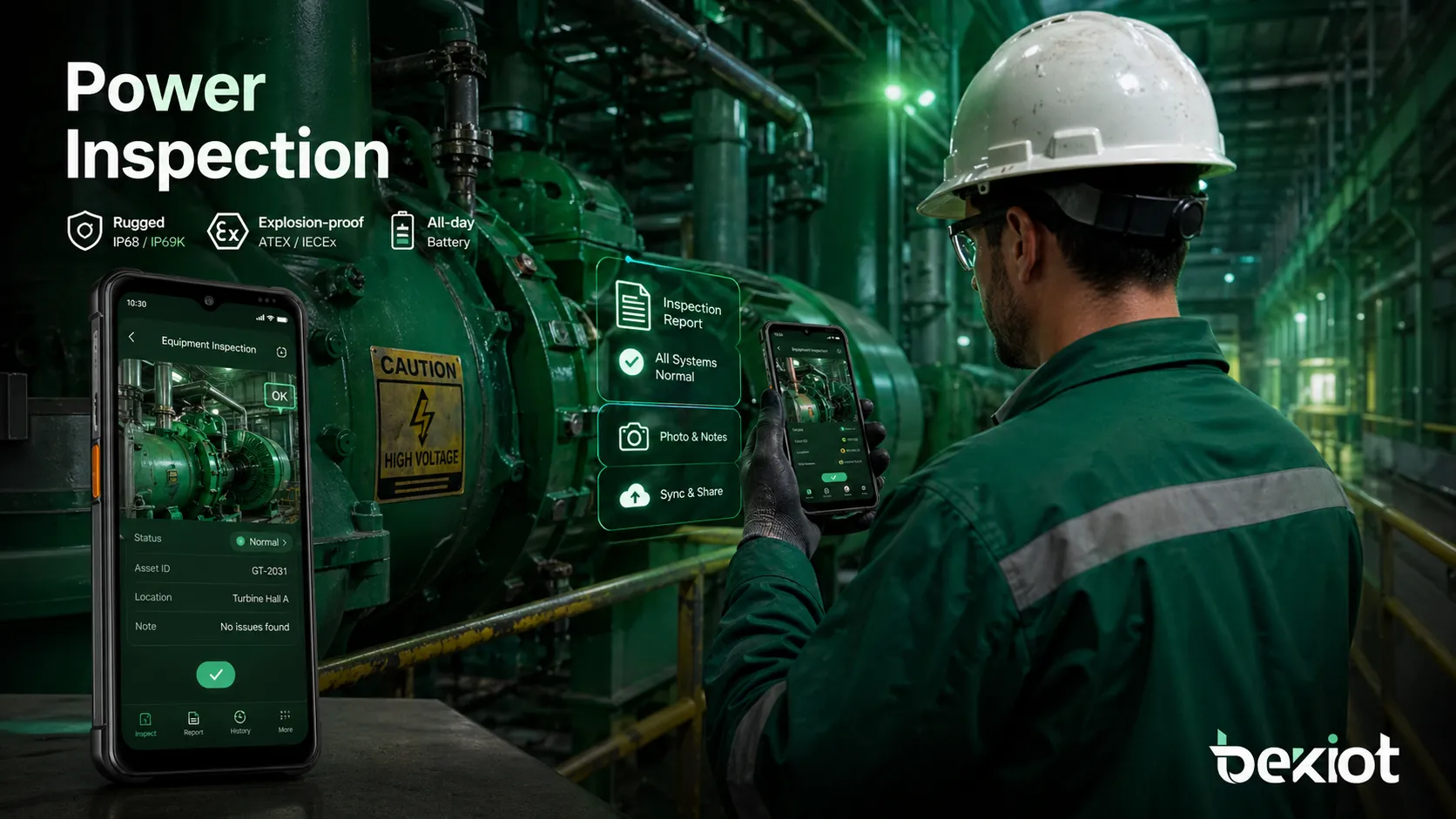
Power plants, substations and utility teams can use industrial smartphones for maintenance communication, inspection records and asset identification. Selected configurations with thermal imaging provide an additional inspection tool where temperature checks form part of the maintenance procedure.

Emergency Rescue

Emergency Rescue

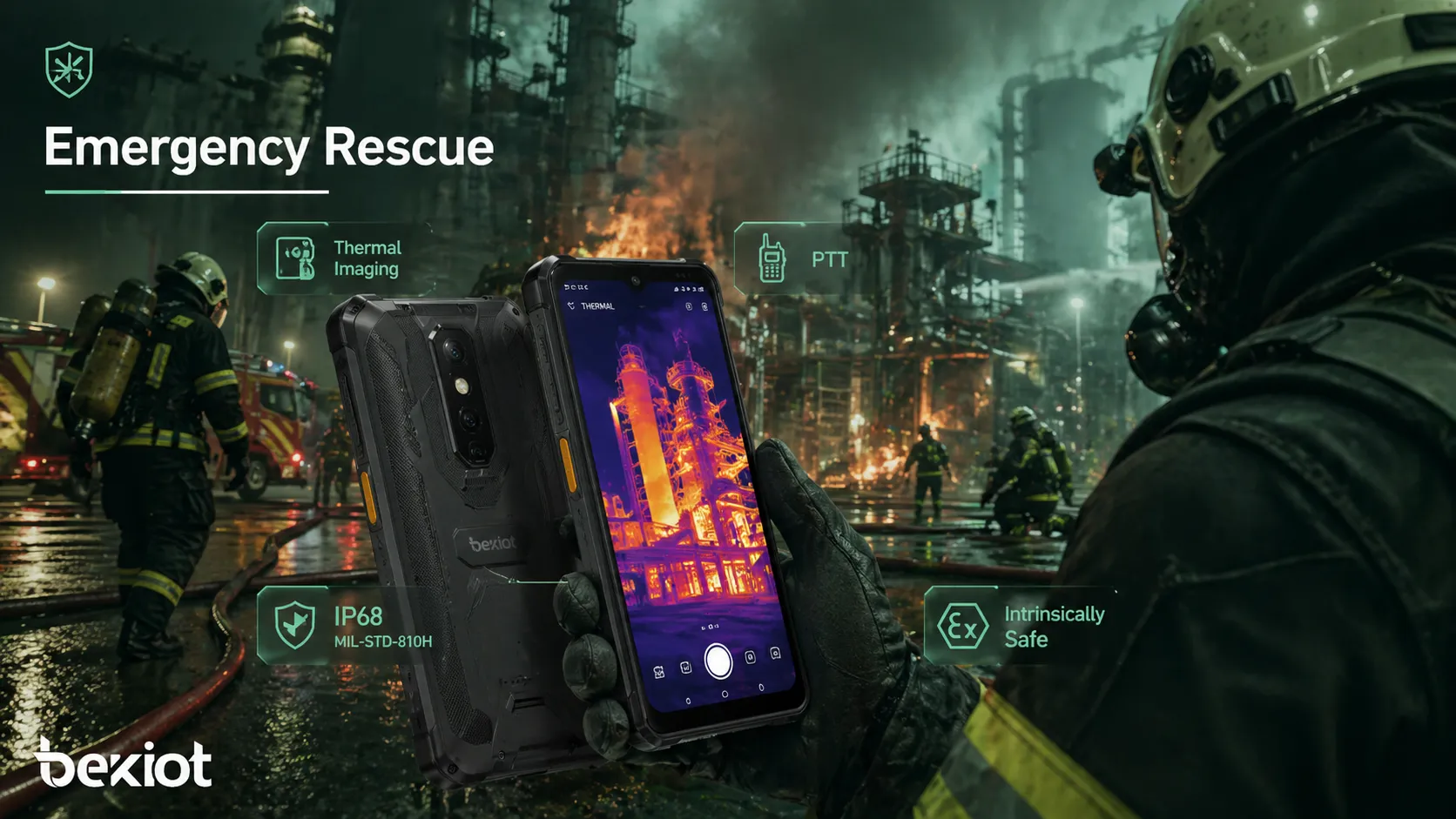
During industrial incidents, response teams may need voice, PTT and location information while moving between operating areas. A mobile terminal keeps these functions with the responder, while optional imaging or thermal functions can provide additional information when the selected device is equipped for them.

Offshore

Offshore

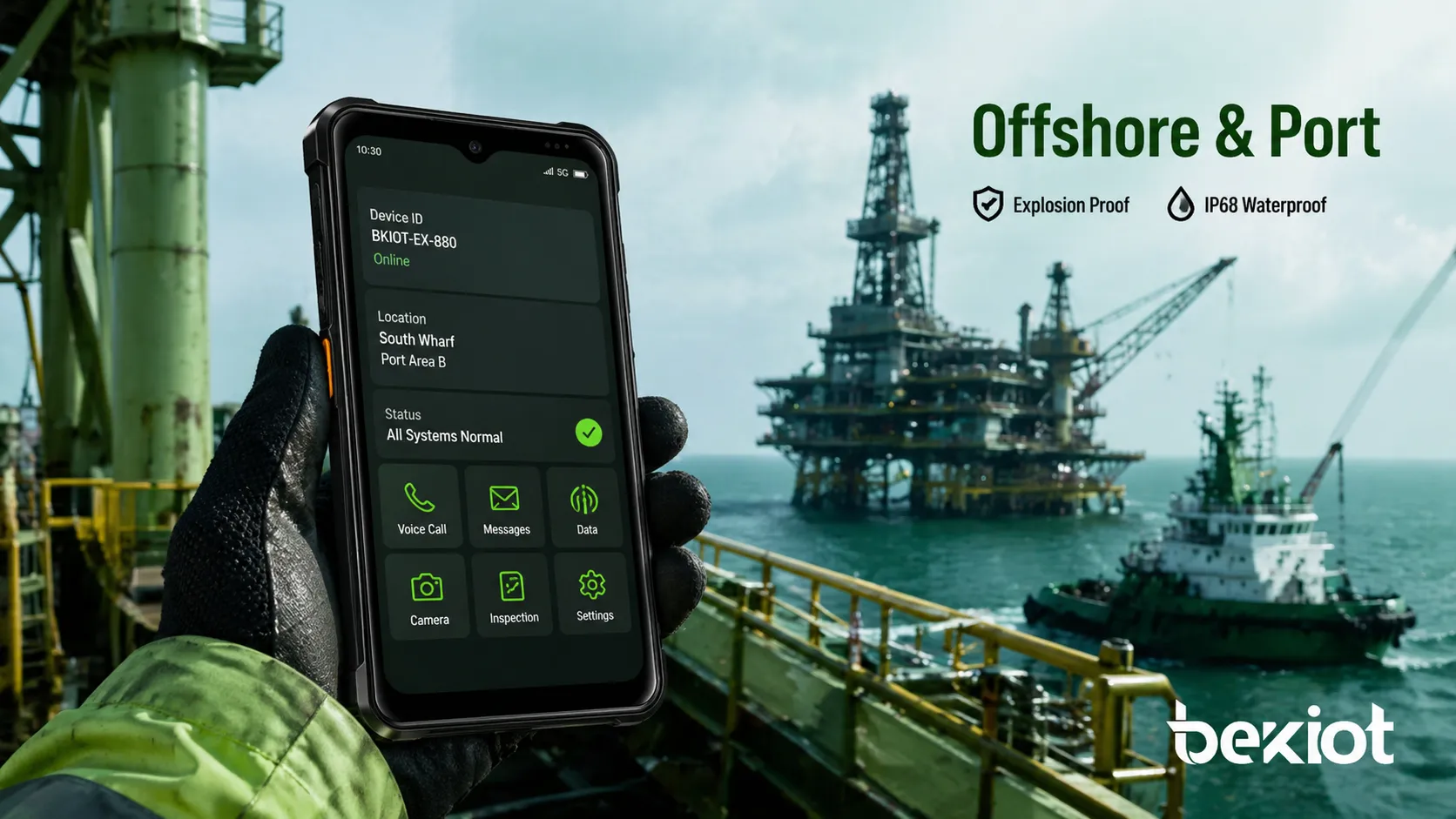
Offshore installations combine mobile maintenance work, exposed weather and long distances between operating areas. Personnel can use an appropriately selected explosion-proof smartphone for communication, inspection records and maintenance reporting while moving between decks, equipment areas and service locations.

customer service Phone
We use cookie to improve your online experience. By continuing to browse this website, you agree to our use of cookie.

Cookies

This Cookie Policy explains how we use cookies and similar technologies when you access or use our website and related services. Please read this Policy together with our Terms and Conditions and Privacy Policy so that you understand how we collect, use, and protect information.

By continuing to access or use our Services, you acknowledge that cookies and similar technologies may be used as described in this Policy, subject to applicable law and your available choices.

Updates to This Cookie Policy

We may revise this Cookie Policy from time to time to reflect changes in legal requirements, technology, or our business practices. When we make updates, the revised version will be posted on this page and will become effective from the date of publication unless otherwise required by law.

Where required, we will provide additional notice or request your consent before applying material changes that affect your rights or choices.

What Are Cookies?

Cookies are small text files placed on your device when you visit a website or interact with certain online content. They help websites recognize your browser or device, remember your preferences, support essential functionality, and improve the overall user experience.

In this Cookie Policy, the term “cookies” also includes similar technologies such as pixels, tags, web beacons, and other tracking tools that perform comparable functions.

Why We Use Cookies

We use cookies to help our website function properly, remember user preferences, enhance website performance, understand how visitors interact with our pages, and support security, analytics, and marketing activities where permitted by law.

We use cookies to keep our website functional, secure, efficient, and more relevant to your browsing experience.

Categories of Cookies We Use

Strictly Necessary Cookies

These cookies are essential for the operation of the website and cannot be disabled in our systems where they are required to provide the service you request. They are typically set in response to actions such as setting privacy preferences, signing in, or submitting forms.

Without these cookies, certain parts of the website may not function correctly.

Functional Cookies

Functional cookies enable enhanced features and personalization, such as remembering your preferences, language settings, or previously selected options. These cookies may be set by us or by third-party providers whose services are integrated into our website.

If you disable these cookies, some services or features may not work as intended.

Performance and Analytics Cookies

These cookies help us understand how visitors use our website by collecting information such as traffic sources, page visits, navigation behavior, and general interaction patterns. In many cases, this information is aggregated and does not directly identify individual users.

We use this information to improve website performance, usability, and content relevance.

Targeting and Advertising Cookies

These cookies may be placed by our advertising or marketing partners to help deliver more relevant ads and measure the effectiveness of campaigns. They may use information about your browsing activity across different websites and services to build a profile of your interests.

These cookies generally do not store directly identifying personal information, but they may identify your browser or device.

First-Party and Third-Party Cookies

Some cookies are set directly by our website and are referred to as first-party cookies. Other cookies are set by third-party services, such as analytics providers, embedded content providers, or advertising partners, and are referred to as third-party cookies.

Third-party providers may use their own cookies in accordance with their own privacy and cookie policies.

Information Collected Through Cookies

Depending on the type of cookie used, the information collected may include browser type, device type, IP address, referring website, pages viewed, time spent on pages, clickstream behavior, and general usage patterns.

This information helps us maintain the website, improve performance, enhance security, and provide a better user experience.

Your Cookie Choices

You can control or disable cookies through your browser settings and, where available, through our cookie consent or preference management tools. Depending on your location, you may also have the right to accept or reject certain categories of cookies, especially those used for analytics, personalization, or advertising purposes.

Please note that blocking or deleting certain cookies may affect the availability, functionality, or performance of some parts of the website.

Restricting cookies may limit certain features and reduce the quality of your experience on the website.

Cookies in Mobile Applications

Where our mobile applications use cookie-like technologies, they are generally limited to those required for core functionality, security, and service delivery. Disabling these essential technologies may affect the normal operation of the application.

We do not use essential mobile application cookies to store unnecessary personal information.

How to Manage Cookies

Most web browsers allow you to manage cookies through browser settings. You can usually choose to block, delete, or receive alerts before cookies are stored. Because browser controls vary, please refer to your browser provider’s support documentation for details on how to manage cookie settings.

Contact Us

If you have any questions about this Cookie Policy or our use of cookies and similar technologies, please contact us at support@becke.cc .