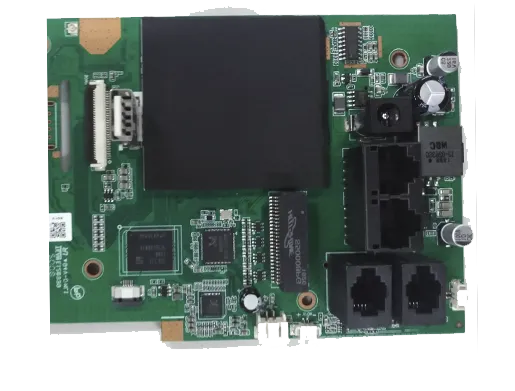

BMX7A is a fully digital SIP audio and video Android VOIP Phone mainboard designed for OEM and device developers building IP phones, intercoms, service terminals, and other connected voice communication products. Based on a mature VoIP architecture and powered by the Rockchip PX30 platform, it combines stable SIP communication, flexible interface expansion, and practical hardware integration in one compact board.
The board is positioned for products that need more than basic telephony. In addition to standard handset and headset connectivity, BMX7A supports hands-free audio, dual Gigabit Ethernet, PoE, USB, keypad expansion, status LED expansion, hook switch input, and a 7-inch color display interface. This makes it suitable for desktop business phones, specialized communication terminals, and customized embedded voice devices.
BMX7A is built for developers who need a ready SIP communication core with the flexibility to adapt it to different terminal structures, user interfaces, and voice interaction requirements.
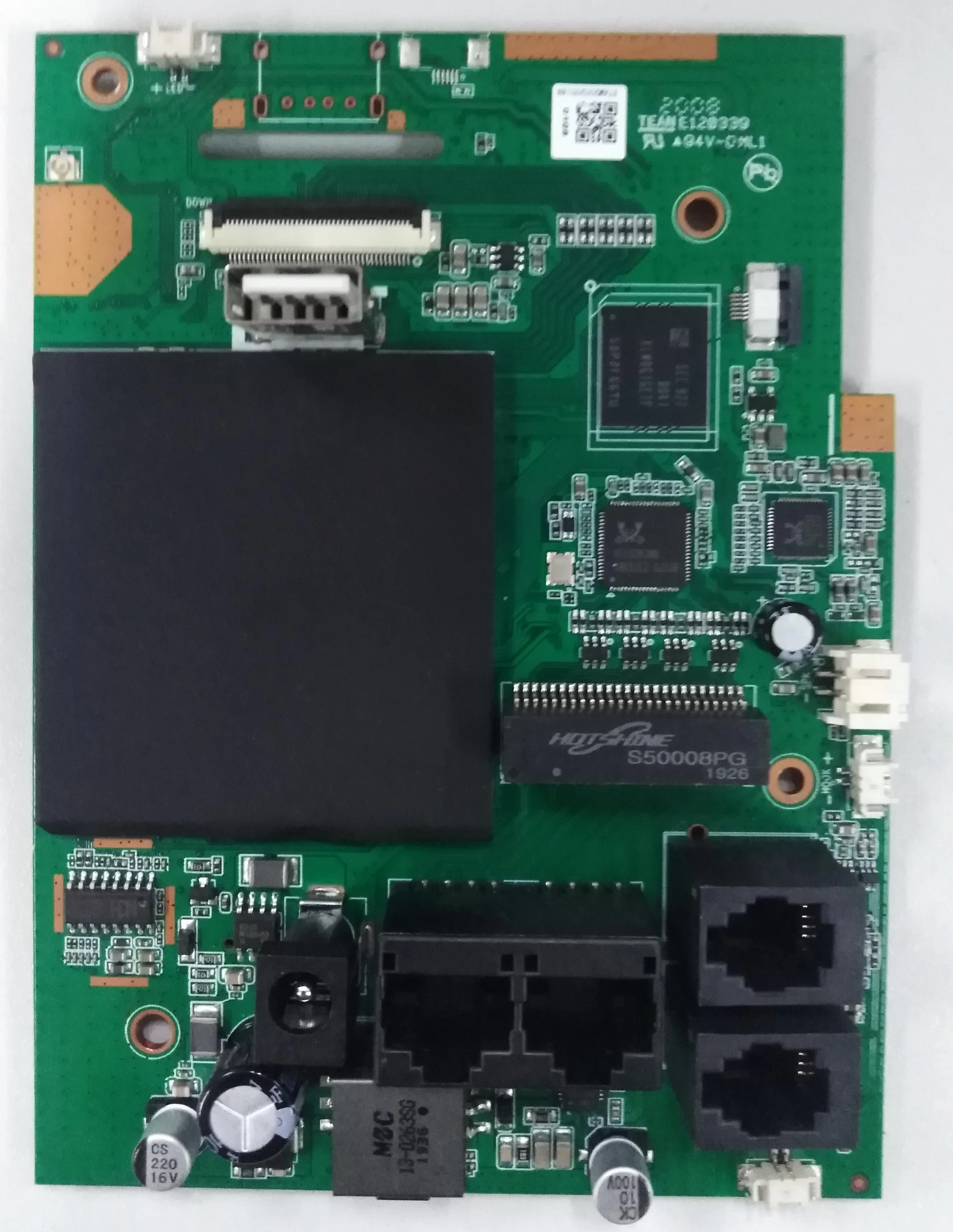
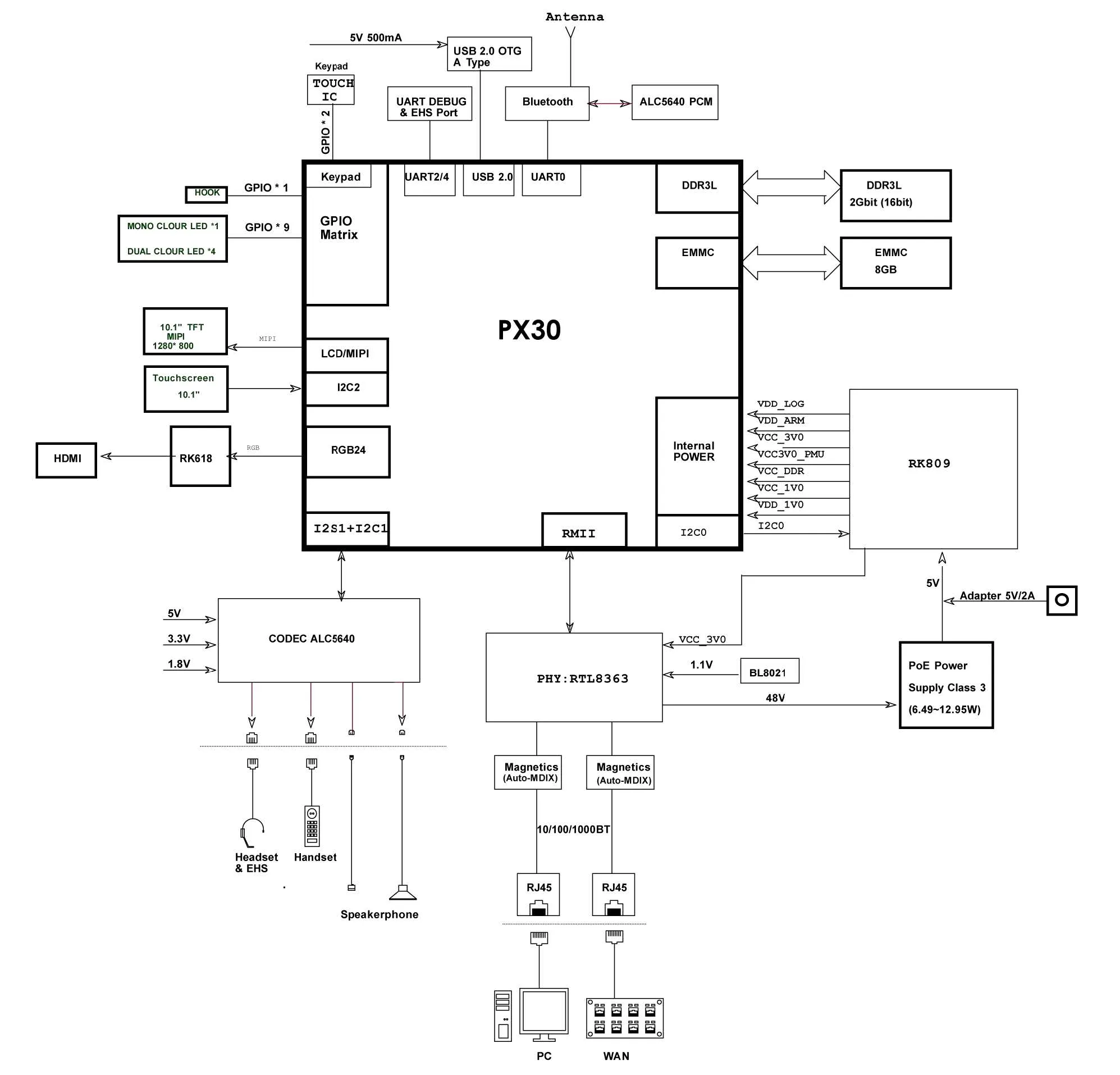
BMX7A runs on Android 9.0 and supports standard SIP 2.0 with related RFC protocols, giving product designers a familiar and widely compatible foundation for IP voice communication. It can support up to 20 SIP lines, making it suitable for terminals that need multi-line call handling, feature-rich extension behavior, or more advanced call management logic.
Because the board is designed as a VOIP Phone mainboard rather than a sealed end product, it is especially useful in development programs that require custom industrial design, dedicated function keys, tailored displays, or application-layer integration. The platform gives hardware teams and software teams a practical bridge between embedded design and deployable SIP communication products.
Voice performance is a central advantage of BMX7A. The board uses a digital full-duplex hands-free design to provide loud and clear communication, which is important for terminals used in noisy working areas, public service points, or communication-intensive workstations. It also includes echo cancellation support, helping improve conversation clarity in hands-free scenarios.
Multiple codec options are supported, including G.729AB, G.711A/U, iLBC, G.722, and Opus. This gives developers flexibility when balancing bandwidth, compatibility, and audio quality across different SIP servers and deployment environments.
BMX7A includes dual 10/100/1000 Mbps Ethernet ports for WAN and LAN connectivity, enabling high-speed network access and straightforward integration into IP communication systems. PoE support adds deployment convenience, especially for terminals installed where separate power routing is less desirable or where simplified cabling is a priority.
The board also supports 5V/2A DC power input, one USB 2.0 port, RJ9 handset and headset interfaces, and dedicated connectors for a hands-free microphone and speaker. For product teams building desk phones, help points, or integrated SIP terminals, these interfaces reduce development complexity while preserving design flexibility.
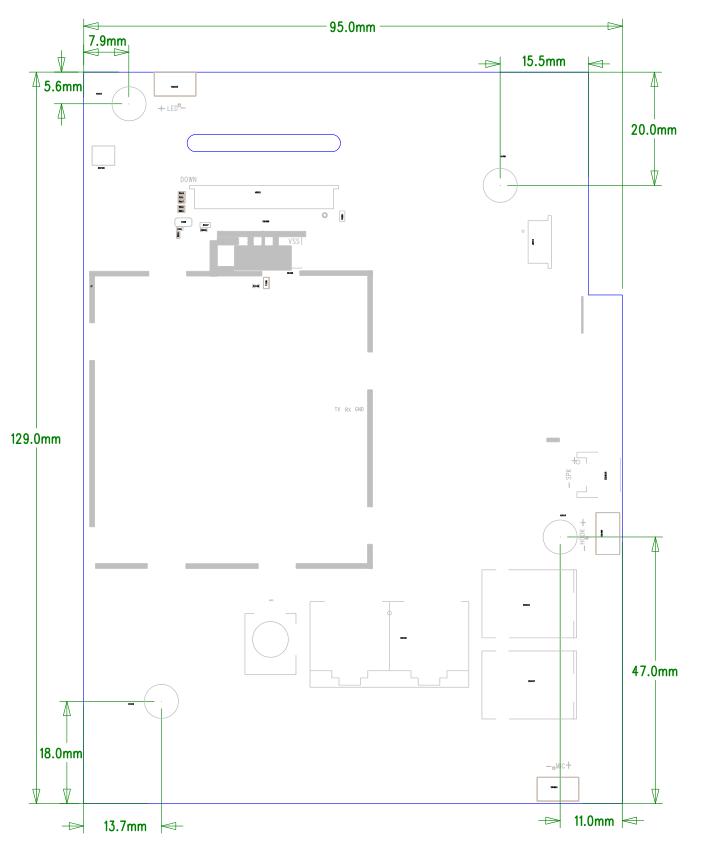
A 40-pin FPC connector is provided for a 7-inch color display, opening the door to richer user interfaces, menu-driven operation, visual status display, and custom touchscreen-based product experiences. This is useful for communication terminals that require more than a simple monochrome phone interface, such as smart reception devices, operator endpoints, or multifunction communication panels.
Beyond the display interface, BMX7A supports digital keypad expansion I/O, LED expansion I/O, and a hook switch interface. These expansion resources allow developers to build products with dedicated function keys, visual call-state indication, mechanical handset status detection, and more specialized operating logic.
The value of BMX7A is not only in SIP calling itself, but in how easily the board can be adapted into different terminal forms with customized controls, displays, and user interaction methods.
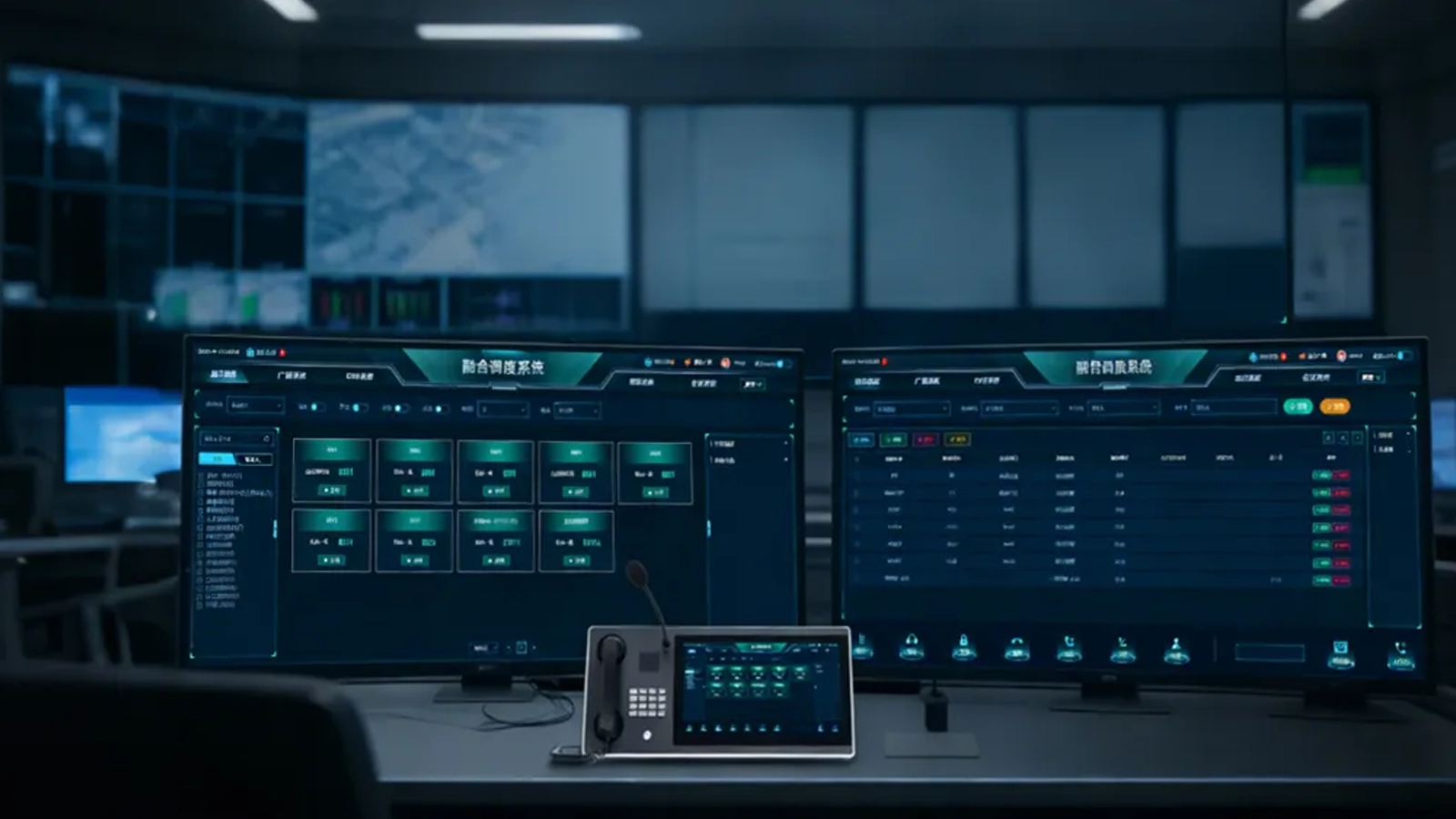
BMX7A is a suitable hardware core for business IP phones that need Android-based software capability, multi-line SIP support, and a richer display environment. It can serve products aimed at executive communications, service desks, dispatch workstations, or advanced office terminals where display interaction and peripheral integration matter.
For developers building smart desk communication devices, the combination of handset mode, headset mode, and hands-free mode creates flexibility for different calling habits and work styles.
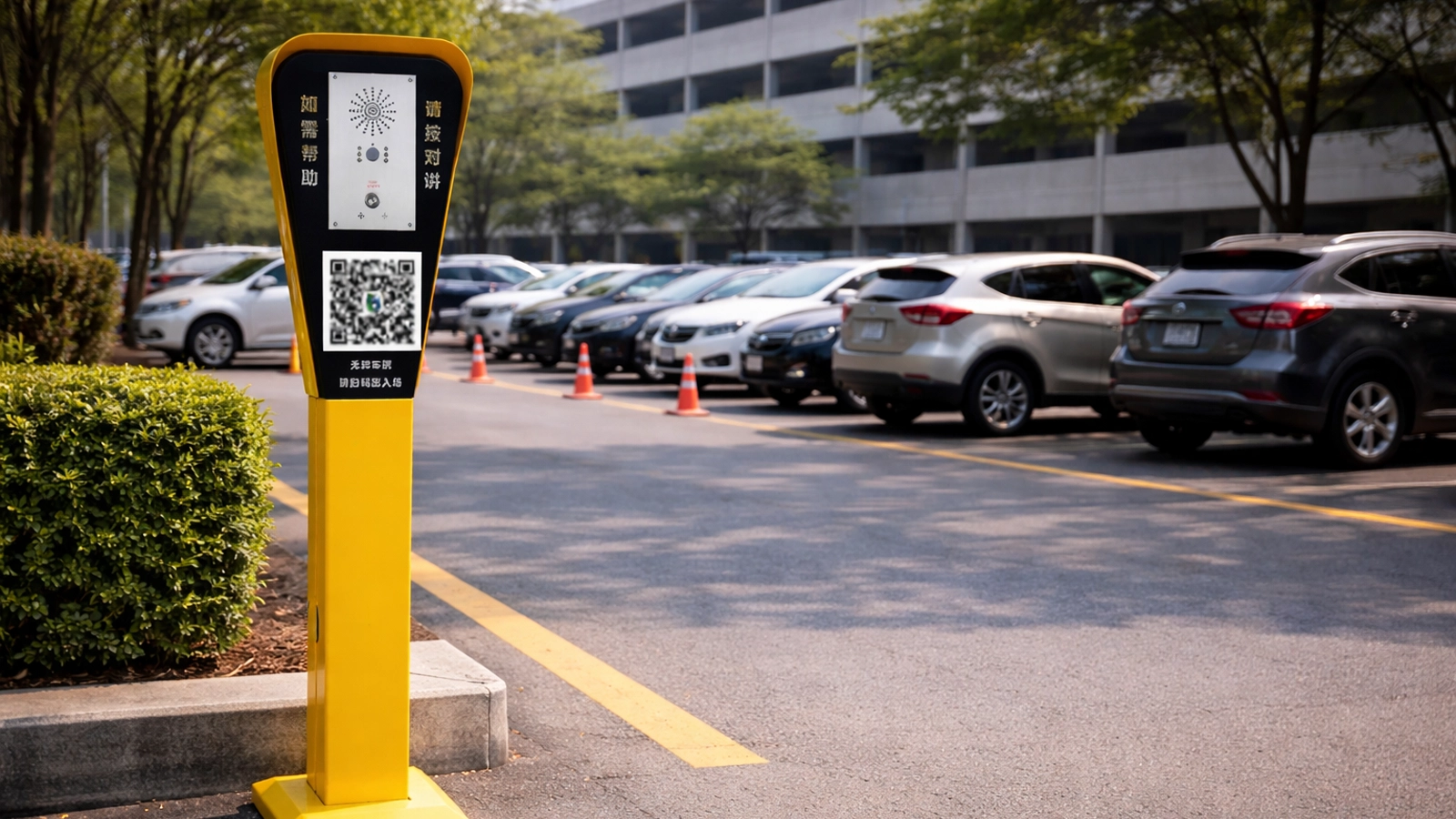
The board also fits custom intercom and service terminal applications. With support for full-duplex audio, status indication, keypad extension, and screen connection, BMX7A can be adapted to visitor communication terminals, indoor service stations, information desks, and specialized support endpoints that require SIP voice and a configurable embedded hardware foundation.
In these scenarios, developers can use the board as the communication engine while designing an enclosure, keypad layout, visual interface, and system behavior around the specific requirements of the target application.
OEM projects often need a balance between mature communication capability and hardware design freedom. BMX7A addresses this need by offering a proven SIP and Android platform alongside the interfaces necessary to integrate a display, keypad, audio modules, LEDs, and local peripherals. This shortens development cycles compared with building a communication platform entirely from scratch.
It is particularly suitable for projects where the final product requires a branded front end, a dedicated enclosure, or industry-specific operating logic while still depending on standardized SIP communication in the backend.
One of the strongest practical benefits of BMX7A is that it allows engineering teams to focus on terminal differentiation instead of rebuilding the underlying VoIP platform. The board already provides the communication framework, audio path, networking base, and core hardware interfaces needed for a SIP endpoint.
This can reduce integration risk, help control development timelines, and make it easier to create several product variants from one VOIP Phone mainboard platform. A team may use the same board architecture across different models while changing only the casing, keypad arrangement, display style, or front-end software experience.
BMX7A is not limited to one narrow device category. Its interface set makes it useful wherever a project requires SIP voice, user interaction, and embedded flexibility in the same platform. For manufacturers and developers, that balance is often more valuable than a fixed-function board that cannot be adapted to wider product planning.
With Android 9.0, up to 20 SIP lines, Gigabit networking, PoE, USB, display support, and multiple expansion interfaces, BMX7A provides a well-rounded hardware basis for communication terminal development.
BMX7A is a compact yet capable SIP Android VOIP Phone mainboard for developers creating custom IP communication terminals. It combines a stable VoIP foundation, clear full-duplex audio, flexible interface expansion, and practical network connectivity into a board that can support business phones, intercom devices, service terminals, and embedded OEM communication products.
For teams evaluating a customizable SIP hardware platform, BMX7A offers a solid starting point for turning communication requirements into finished products with their own interface style, mechanical structure, and operating logic.