touchpoint

In addition to terminal devices, all personnel, places, and things connected to the network should also be considered.

View Details

resource

Understand best practices, explore innovative solutions, and establish connections with other partners throughout the Baker community.

×

touchpoint

touchpoint

In addition to terminal devices, all personnel, places, and things connected to the network should also be considered.

Learn more

resource

resource

Understand best practices, explore innovative solutions, and establish connections with other partners throughout the Baker community.

Contact Us

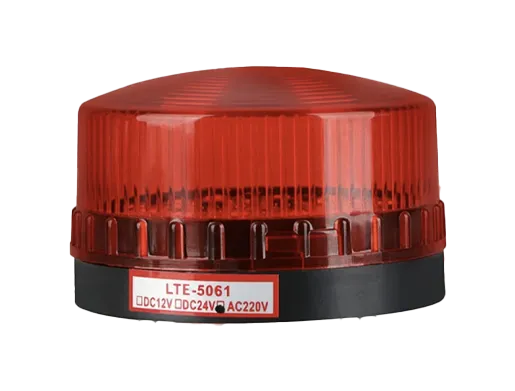
       The coming call indicator is a compact visual alert device designed for industrial telephones, emergency phones, outdoor communication terminals, and harsh-environment call systems. When an incoming call is received, the indicator flashes to provide a clear visual reminder, helping operators, workers, and maintenance personnel notice calls quickly even in noisy, busy, or outdoor locations.

Related Products Overview:BKTS2 Wall-Mounted Sound and Light PA Telephone

    With a rugged structure, IP65-rated protection, multiple color options, and simple screw-mounted installation, this call indicator is suitable for factories, tunnels, petrochemical plants, ports, offshore platforms, power facilities, mining sites, transportation systems, and other industrial communication environments.

Amber coming call indicator for industrial telephone systems
Amber coming call indicator for industrial telephone and emergency call applications.

    Product Overview

    Clear Visual Alert for Incoming Calls

    In industrial environments, voice ringing alone may not be enough. Background noise, machinery, distance, protective equipment, and outdoor conditions can make it difficult for workers to hear a telephone ring. The coming call indicator solves this problem by providing a flashing visual signal when a call is coming in.

    The flashing light helps improve call awareness, reduce missed calls, and support faster response in emergency communication and daily dispatching scenarios. It can be used together with industrial telephones, weatherproof phones, emergency call stations, help points, and other field communication terminals.

    Compact and Easy to Install

    The indicator is designed for simple installation with two screws. Its compact size makes it suitable for wall mounting, panel mounting, telephone enclosure integration, or installation near a communication terminal. The device has a diameter of approximately 70–72 mm and a height of about 51 mm, allowing it to be installed in limited spaces.

    The product supports DC12V power input or line-powered operation, depending on system requirements. This flexible power design makes it easier to integrate into different industrial telephone and call alert systems.
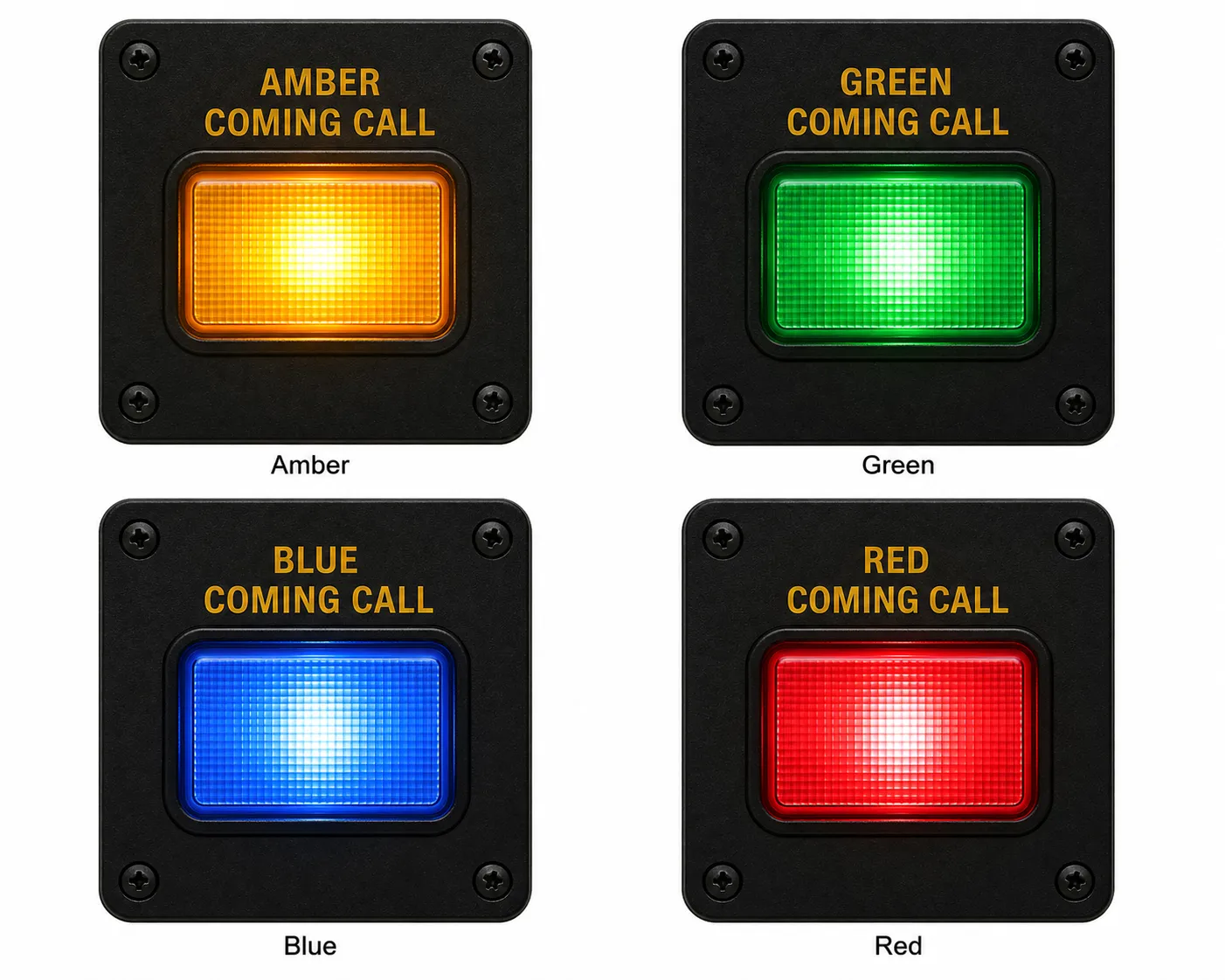
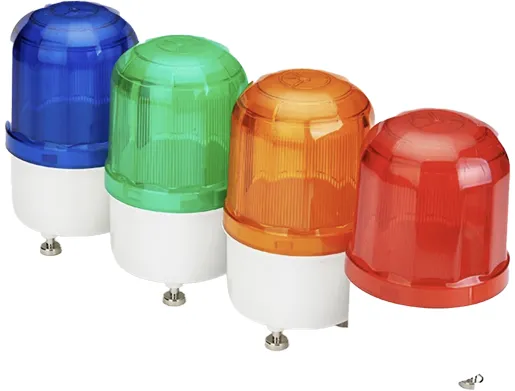
Optional color coming call indicators in amber green blue and red
Multiple color options are available for different visual alert requirements.

    Key Features

    Flashing Call Reminder

    The coming call indicator flashes when a call is received, providing a direct visual signal for workers and operators. The flashing frequency is approximately 90 times per minute, making the signal noticeable without being overly disruptive.

    This function is especially useful in high-noise environments, unmanned equipment areas, emergency help points, tunnels, platforms, workshops, and outdoor industrial sites where reliable call recognition is important.

    IP65 Protection for Industrial Environments

    The device is rated IP65, providing protection against dust and water jets. This makes it suitable for many outdoor and industrial locations where equipment may be exposed to dust, moisture, splashing water, or changing weather conditions.

    Its lightweight and durable construction supports long-term use in communication systems that require both reliability and easy maintenance.

    Multiple Colors for Different Applications

    The standard indicator color is amber, which is commonly used for warning and call notification purposes. Other colors, such as green, blue, and red, can also be selected according to project requirements, site standards, or different signaling purposes.

    For example, amber can be used for incoming call indication, red for emergency alarms, green for normal status indication, and blue for special notification scenarios. This helps system integrators create clearer visual signaling rules for industrial sites.

    Application Scenarios

    Industrial Telephone and Emergency Call Systems

    The coming call indicator can be used as an accessory for industrial telephones, weatherproof telephones, help points, emergency call stations, and dispatch communication terminals. It helps users identify incoming calls quickly, especially when the telephone is installed in a noisy or remote area.

    In emergency communication systems, the visual alert can improve response efficiency by making calls more visible to nearby personnel.

    Harsh Outdoor and Industrial Sites

    The IP65-rated design allows the call indicator to be used in factories, ports, offshore platforms, tunnels, power plants, petrochemical facilities, mining areas, transportation systems, and outdoor public safety communication points.

    It is suitable for environments where telephone communication must remain visible, reliable, and easy to recognize under demanding working conditions.

    Why Use a Coming Call Indicator?

    Reduce Missed Calls

    In many industrial sites, missed calls can lead to delayed maintenance, slower emergency response, or inefficient coordination. A flashing call indicator provides an additional visual reminder, helping personnel notice incoming calls even when audible ringing is not enough.

    Improve On-Site Communication Awareness

    By combining visual signaling with telephone ringing, the system improves communication awareness in workshops, control areas, platforms, tunnels, and other working environments. This is especially valuable for emergency communication, dispatch coordination, and safety-related calling.

    Simple Integration with Industrial Communication Terminals

    The product is compact, lightweight, and easy to install. It can be integrated with different telephone systems and site communication solutions according to project requirements.

        A coming call indicator is not a telephone itself. It is a visual alert accessory that works together with industrial telephones and emergency communication terminals to make incoming calls easier to notice.

    Becke Telcom Industrial Communication Solution

    Becke Telcom provides industrial communication terminals and system solutions for harsh environments, including industrial telephones, emergency phones, SIP intercoms, paging systems, dispatch platforms, and related accessories. The coming call indicator can be used as part of a complete on-site communication solution to improve call visibility and response efficiency.

    For industrial plants, tunnels, ports, offshore platforms, mines, transportation facilities, and public safety projects, Becke Telcom can support integrated communication designs based on site conditions, terminal requirements, alarm linkage, and dispatching workflows.

Specifications

Product Type                Coming Call Indicator / Incoming Call Flashing Light
Rated Voltage                DC12V or line powered
Function                Flashing indication for incoming calls
Standard Color                Amber
Optional Colors                Green, blue, red, and other colors by request
Current Rating                120mA
Flashing Frequency                90 times per minute
Installation                Two-screw mounting
Diameter                70–72mm
Height                51mm
IP Rating                IP65
Net Weight                0.10kg
Gross Weight                0.20kg
Professional industrial communication manufacturer, providing high reliability communication guarantee!
Cooperation Consultation
customer service Phone
We use cookie to improve your online experience. By continuing to browse this website, you agree to our use of cookie.

Cookies

This Cookie Policy explains how we use cookies and similar technologies when you access or use our website and related services. Please read this Policy together with our Terms and Conditions and Privacy Policy so that you understand how we collect, use, and protect information.

By continuing to access or use our Services, you acknowledge that cookies and similar technologies may be used as described in this Policy, subject to applicable law and your available choices.

Updates to This Cookie Policy

We may revise this Cookie Policy from time to time to reflect changes in legal requirements, technology, or our business practices. When we make updates, the revised version will be posted on this page and will become effective from the date of publication unless otherwise required by law.

Where required, we will provide additional notice or request your consent before applying material changes that affect your rights or choices.

What Are Cookies?

Cookies are small text files placed on your device when you visit a website or interact with certain online content. They help websites recognize your browser or device, remember your preferences, support essential functionality, and improve the overall user experience.

In this Cookie Policy, the term “cookies” also includes similar technologies such as pixels, tags, web beacons, and other tracking tools that perform comparable functions.

Why We Use Cookies

We use cookies to help our website function properly, remember user preferences, enhance website performance, understand how visitors interact with our pages, and support security, analytics, and marketing activities where permitted by law.

We use cookies to keep our website functional, secure, efficient, and more relevant to your browsing experience.

Categories of Cookies We Use

Strictly Necessary Cookies

These cookies are essential for the operation of the website and cannot be disabled in our systems where they are required to provide the service you request. They are typically set in response to actions such as setting privacy preferences, signing in, or submitting forms.

Without these cookies, certain parts of the website may not function correctly.

Functional Cookies

Functional cookies enable enhanced features and personalization, such as remembering your preferences, language settings, or previously selected options. These cookies may be set by us or by third-party providers whose services are integrated into our website.

If you disable these cookies, some services or features may not work as intended.

Performance and Analytics Cookies

These cookies help us understand how visitors use our website by collecting information such as traffic sources, page visits, navigation behavior, and general interaction patterns. In many cases, this information is aggregated and does not directly identify individual users.

We use this information to improve website performance, usability, and content relevance.

Targeting and Advertising Cookies

These cookies may be placed by our advertising or marketing partners to help deliver more relevant ads and measure the effectiveness of campaigns. They may use information about your browsing activity across different websites and services to build a profile of your interests.

These cookies generally do not store directly identifying personal information, but they may identify your browser or device.

First-Party and Third-Party Cookies

Some cookies are set directly by our website and are referred to as first-party cookies. Other cookies are set by third-party services, such as analytics providers, embedded content providers, or advertising partners, and are referred to as third-party cookies.

Third-party providers may use their own cookies in accordance with their own privacy and cookie policies.

Information Collected Through Cookies

Depending on the type of cookie used, the information collected may include browser type, device type, IP address, referring website, pages viewed, time spent on pages, clickstream behavior, and general usage patterns.

This information helps us maintain the website, improve performance, enhance security, and provide a better user experience.

Your Cookie Choices

You can control or disable cookies through your browser settings and, where available, through our cookie consent or preference management tools. Depending on your location, you may also have the right to accept or reject certain categories of cookies, especially those used for analytics, personalization, or advertising purposes.

Please note that blocking or deleting certain cookies may affect the availability, functionality, or performance of some parts of the website.

Restricting cookies may limit certain features and reduce the quality of your experience on the website.

Cookies in Mobile Applications

Where our mobile applications use cookie-like technologies, they are generally limited to those required for core functionality, security, and service delivery. Disabling these essential technologies may affect the normal operation of the application.

We do not use essential mobile application cookies to store unnecessary personal information.

How to Manage Cookies

Most web browsers allow you to manage cookies through browser settings. You can usually choose to block, delete, or receive alerts before cookies are stored. Because browser controls vary, please refer to your browser provider’s support documentation for details on how to manage cookie settings.

Contact Us

If you have any questions about this Cookie Policy or our use of cookies and similar technologies, please contact us at support@becke.cc .