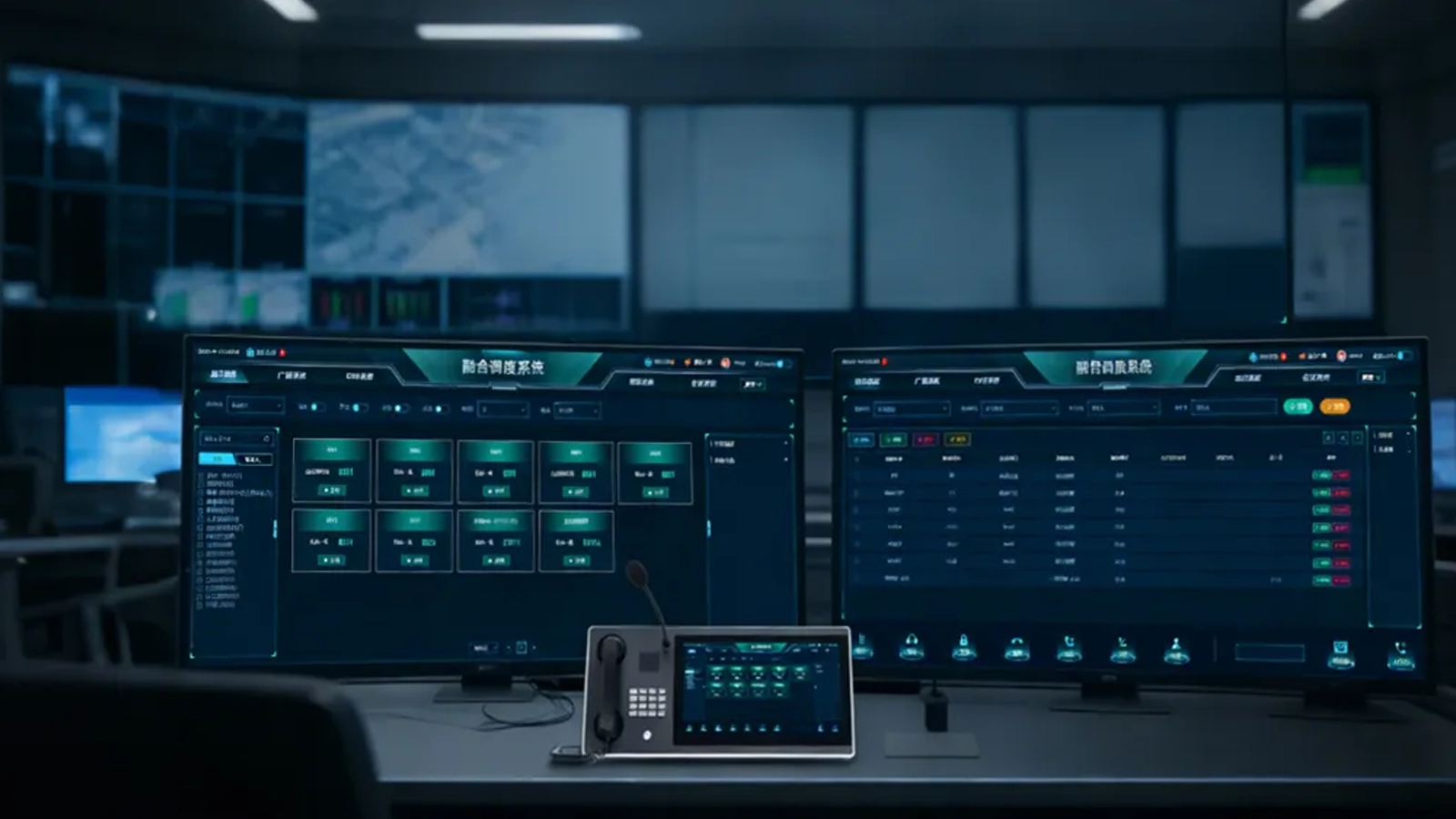
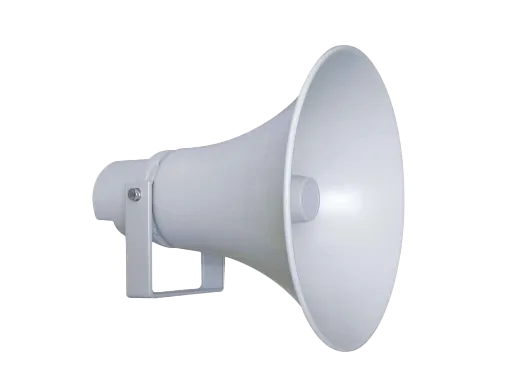

PA-BHS-IP50 SIP Speaker is built for projects that need strong voice projection, stable network audio performance, and a more durable speaker structure for demanding broadcast environments. With its all-aluminum waterproof horn construction, built-in 50W digital amplifier, and industrial-grade decoding architecture, it is designed for sites where announcements must remain clear, direct, and dependable in daily operation.
This model is especially suitable for industrial plants, campuses, warehouses, transport areas, utility sites, and other facilities that require a network speaker capable of handling routine paging, scheduled broadcasting, emergency voice delivery, and wider-area sound reinforcement. It combines practical installation value with robust audio transmission and flexible IP-based management, making it a strong fit for modern SIP audio deployments.

PA-BHS-IP50 is designed around a full aluminum alloy waterproof horn body, giving it a more rugged mechanical structure for sites where ordinary indoor speakers are not appropriate. This construction supports more stable use in exposed or semi-exposed environments where moisture resistance, structural durability, and long-term reliability all matter.
For installers and project planners, this means the speaker is not only an audio endpoint, but also a field-ready device that fits real industrial and infrastructure conditions. Whether mounted in workshops, plant corridors, loading zones, outdoor covered areas, or public service sites, it is positioned to deliver more dependable service in environments that place higher demands on hardware.
Equipped with a 50W high-frequency horn and a built-in 50W digital power amplifier, PA-BHS-IP50 is suited to applications where speech needs to cut through distance, ambient activity, or broader open coverage areas. Its output capability makes it useful for operational announcements, warning messages, scheduled notices, and zone-level paging where stronger projection is required.
Rather than acting as a simple low-power endpoint, the unit is positioned as a more capable network speaker for facilities that need voice delivery with presence and direction. This is particularly useful in industrial or commercial spaces where intelligibility is more important than background music style playback.
A practical horn speaker for IP paging should do more than connect to the network. It should combine durable construction, strong output, and reliable broadcast control in one field-ready device.
PA-BHS-IP50 uses an industrial-grade audio decoding chip that supports CD-level audio playback quality and works with MP3 and WAV formats. This gives the speaker the flexibility to handle both spoken announcements and pre-recorded broadcast content with stable, consistent performance across managed IP audio systems.
Its industrial-grade ARM architecture platform further strengthens the product’s deployment value by supporting web-based access and configuration tool management. This helps the device fit modern projects that require centralized adjustment, repeatable setup, and efficient maintenance rather than isolated standalone speaker operation.
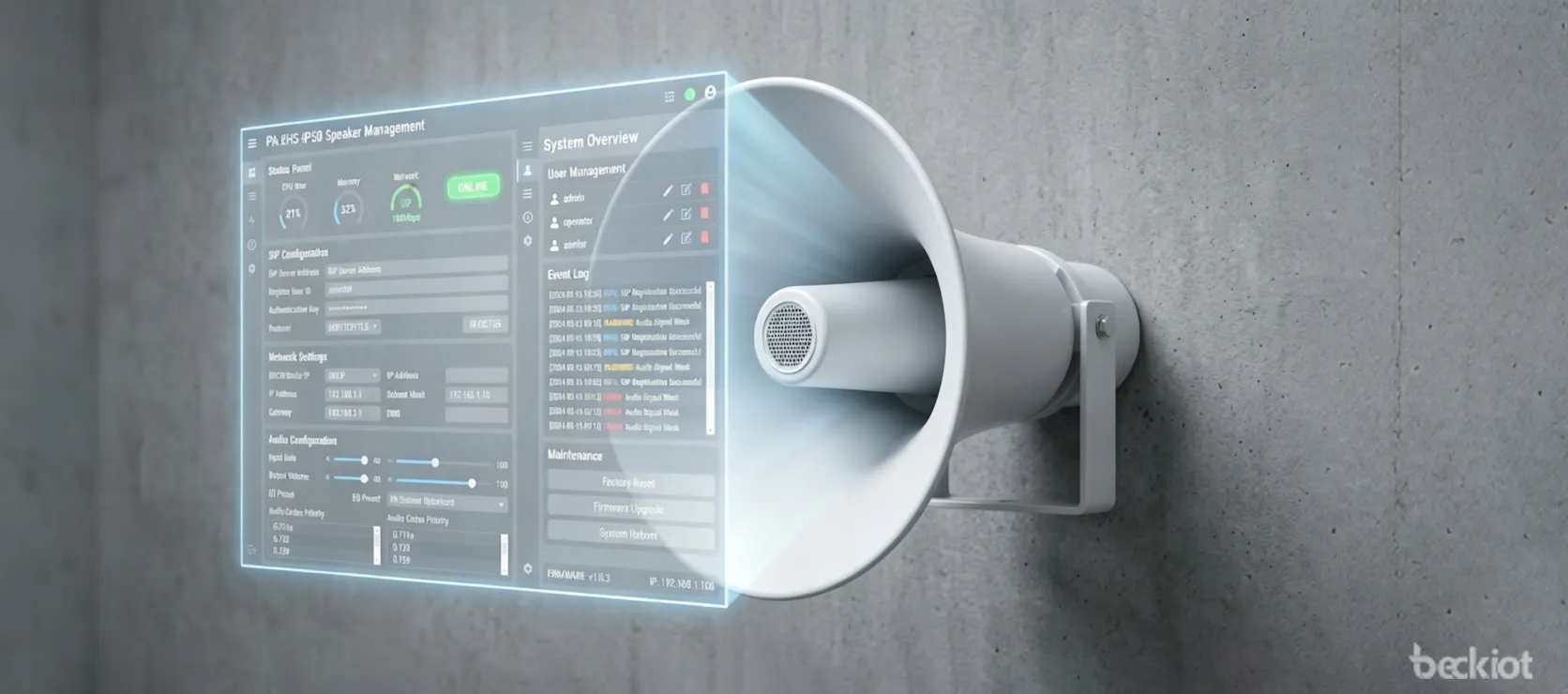
PA-BHS-IP50 can receive network broadcast signals directly, making it suitable for centralized paging systems where voice announcements and audio messages are distributed over LAN or wider IP infrastructure. This allows it to fit neatly into unified audio projects where speaker endpoints need to be controlled from a central room, platform, or software interface.
Because the unit is built for IP-based audio delivery rather than isolated analog-only use, it supports cleaner system planning in multi-zone deployments. It is well suited to projects where multiple horn speakers are installed across buildings, yards, production zones, corridors, and perimeter areas for routine information delivery and operational coordination.
Beyond routine paging, PA-BHS-IP50 is also positioned for emergency voice use by supporting fire broadcast signal reception. This makes it valuable in projects where daily operational announcements and emergency communication may need to coexist within one broader audio system architecture.
For sites that must maintain a structured response capability, this dual-use positioning improves deployment efficiency. Instead of separating all routine voice delivery from emergency voice channels, the speaker can serve as part of a more integrated communication layer for safety-related and operational audio needs.
PA-BHS-IP50 supports text-to-speech broadcasting, which adds a practical layer of automation for facilities that need repeatable notifications, service prompts, operational reminders, or scheduled announcements without relying entirely on live personnel input. This is especially useful in environments where the same types of messages are delivered frequently across different times or zones.
By supporting automated voice output, the speaker becomes more than a passive playback terminal. It can help support a more efficient broadcast workflow in campuses, factories, transport nodes, and service facilities where consistency, timing, and reduced operator workload are all important.
With one RJ45 network port supporting both local area and internet access, PA-BHS-IP50 is designed for straightforward integration into existing network infrastructure. This helps simplify installation planning and allows the speaker to be used in both localized paging systems and wider distributed IP audio environments.
For integrators, this means the device can be placed more flexibly within structured networks without requiring unnecessarily complicated connection methods. It supports practical rollout in projects where fast deployment, centralized access, and clear network integration are all important.
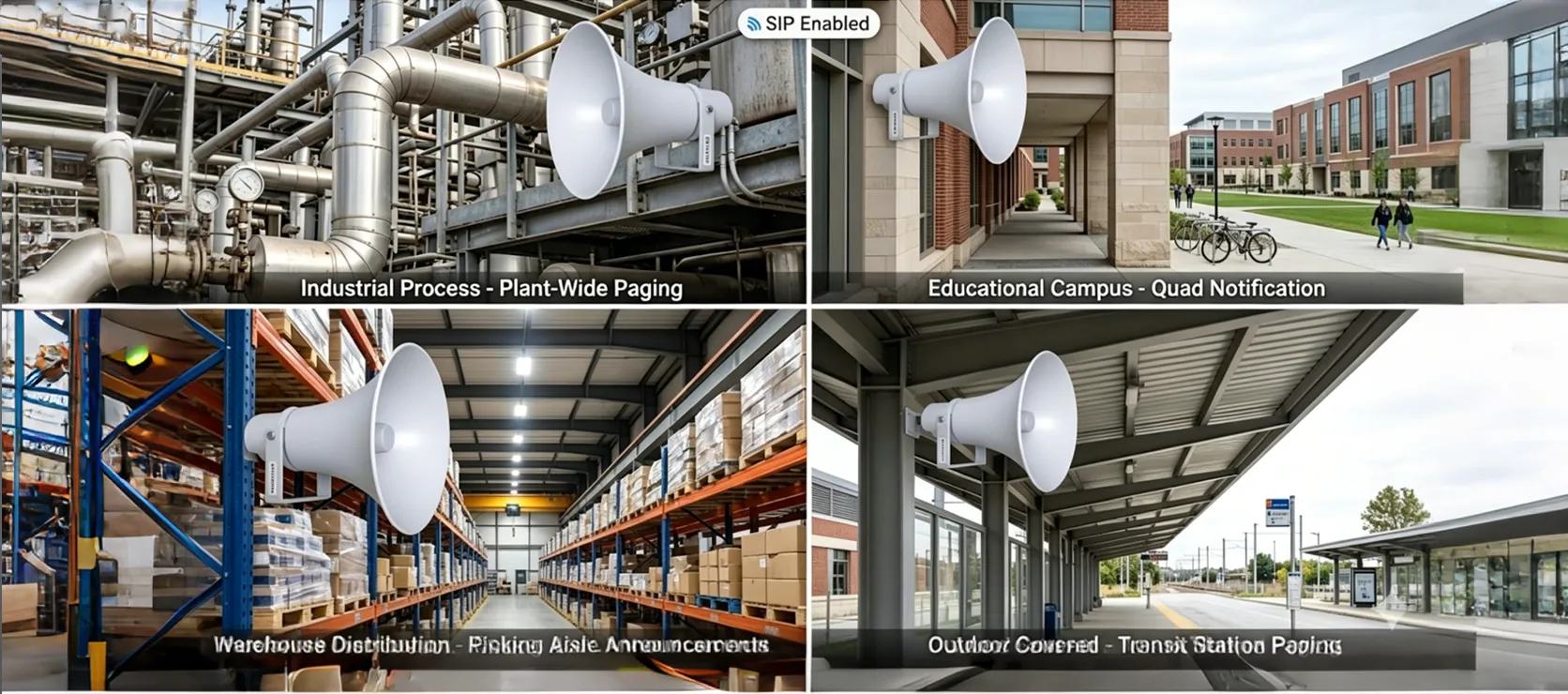
Factories, workshops, utility rooms, production zones, and process-support spaces often require speakers that can deliver direct and intelligible voice output rather than soft ambient playback. PA-BHS-IP50 is well suited to these environments because its horn structure, durable metal body, and built-in amplifier support stronger operational communication in working areas where announcements need to be heard clearly.
Its support for network broadcasting and automated voice functions also makes it a practical choice for shift notices, safety reminders, production messages, and emergency voice delivery in structured industrial communication systems.
Warehouses and logistics areas typically include larger open spaces, active vehicle movement, and distributed work zones that benefit from stronger directional audio. PA-BHS-IP50 can support these conditions by acting as a networked horn speaker for routine instructions, dispatch-related paging, operational alerts, and general facility communication.
Its weather-resistant structural direction and IP audio integration make it useful in covered outdoor edges, shipping areas, loading sections, and internal logistics corridors where a more durable and project-ready horn speaker is required.
Education campuses, public halls, municipal buildings, and service environments often need speakers for routine notices, timed announcements, and emergency guidance. PA-BHS-IP50 offers a strong fit when the project calls for a horn-style audio endpoint with better projection and more structured network control than standard ceiling or wall speakers can provide.
Because it supports centralized management and text-to-speech broadcasting, it can help improve consistency in daily information delivery while remaining suitable for broader safety-related communication planning.
Transport-related facilities, utility compounds, and infrastructure environments often require reliable voice endpoints that can operate as part of a managed network audio system. PA-BHS-IP50 is positioned for these applications through its industrial-grade decoding platform, durable physical design, and support for both regular and emergency broadcast tasks.
For these projects, the value comes from combining sturdy hardware, IP-based deployment, and efficient voice coverage in one speaker platform that supports long-term operational use.
PA-BHS-IP50 stands out because it combines several practical deployment advantages in one product: an all-aluminum waterproof horn structure, 50W amplified output, industrial-grade decoding, web-based management, text-to-speech broadcasting, and support for both routine network paging and fire broadcast integration. This makes it more suitable for real project conditions than a simple low-power speaker endpoint.
For system designers, contractors, and facility operators, the advantage is straightforward. PA-BHS-IP50 offers stronger voice delivery, more durable field construction, and easier integration into IP-based broadcast systems. In projects where clarity, reliability, and deployment practicality all matter, it provides a focused and professional solution.
PA-BHS-IP50 is best suited for industrial plants, campuses, warehouses, logistics zones, transport-related sites, and public facilities that need network-based horn speaker paging with stronger voice projection and dependable daily operation.
Yes. It can receive network broadcast signals for everyday announcements and also supports fire broadcast signal reception, making it suitable for projects that combine operational communication with emergency voice delivery requirements.
Its web-based access, configuration tool support, standard RJ45 network connection, and industrial ARM-based platform help make installation, setup, and maintenance more efficient in managed IP audio systems.
A horn speaker like PA-BHS-IP50 is often the better choice when the site needs more focused voice projection, clearer long-distance announcement performance, and a stronger physical structure for industrial or semi-exposed environments.
| Item | Specification |
|---|---|
| Product Model | PA-BHS-IP50 |
| Material | Waterproof horn speaker with full aluminum alloy |
| Audio Decoding | Industrial-grade audio decoding chip, supports CD-level sound quality, supports MP3 and WAV audio formats |
| Main Processor | Industrial-grade ARM architecture chip, supports WEB login access and configuration tool management |
| Horn Power | 50W high-pitch horn |
| Built-in Amplifier | Built-in 50W digital power amplifier |
| Broadcast Functions | Receives network broadcast signals and fire broadcast signals; supports text-to-speech (TTS) broadcast |
| Network Interface | 1×RJ45 port, supports LAN and Internet access |
| Rated Power | 50W |
| Input Voltage | 70V / 100V |
| Frequency Response | 380–6.5KHz |
| Dimensions | 325×325×350 mm |
| Weight | 2.3Kg |