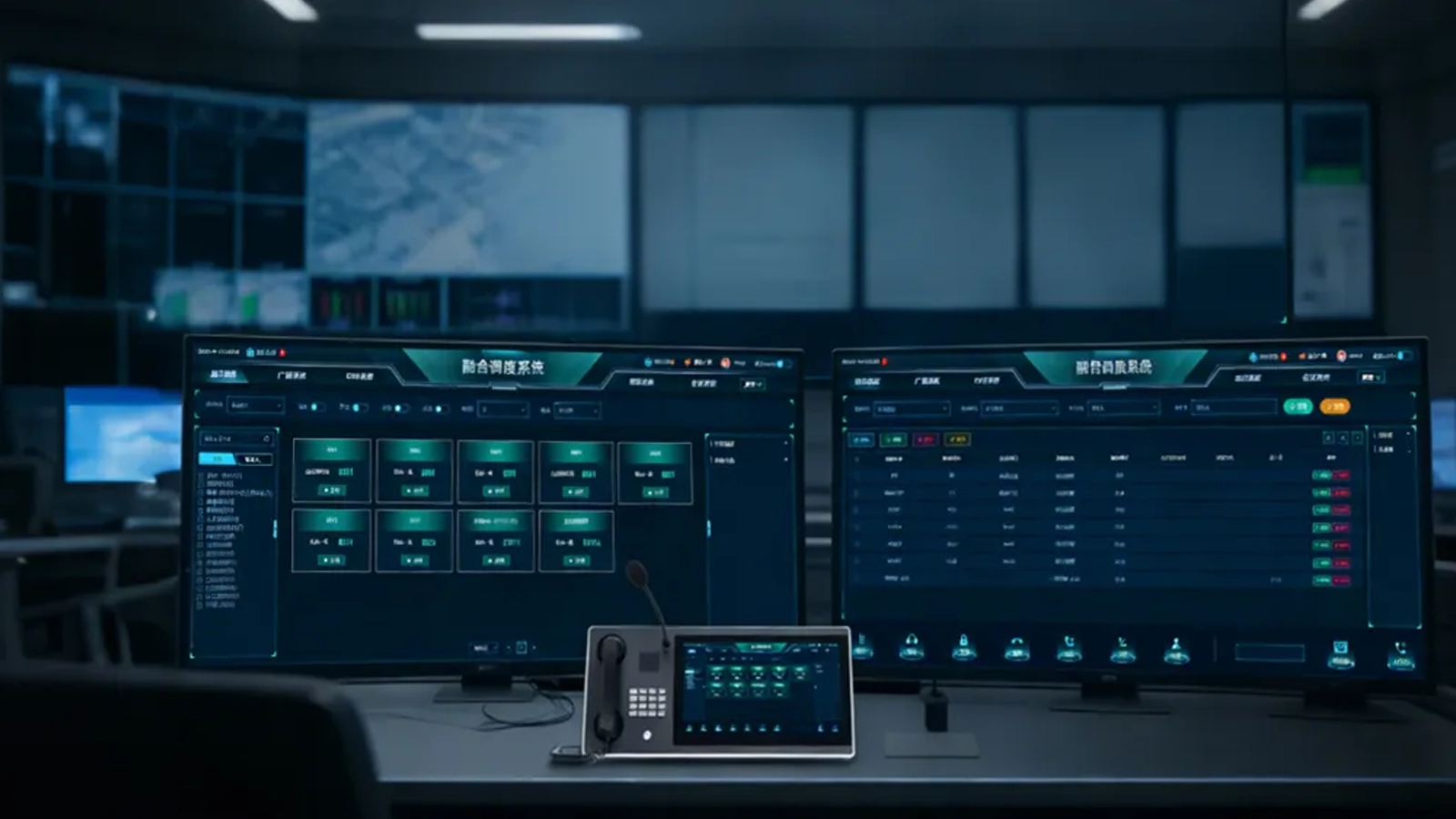

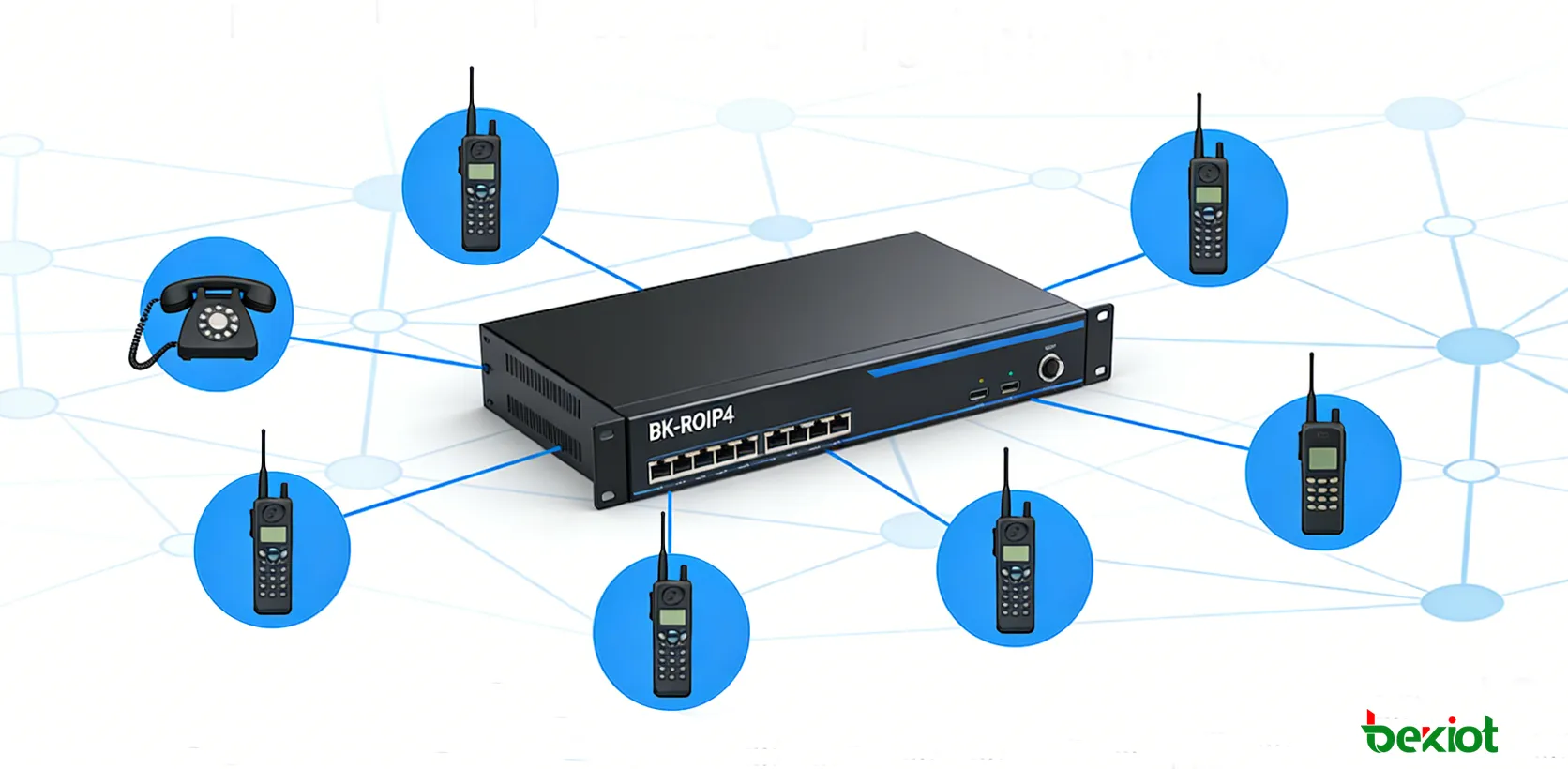
BK-ROIP4 ROIP Gateway is a 4-channel radio over IP gateway designed for projects that require stable radio interconnection, flexible dispatch integration, and practical multi-site voice networking. Positioned for field command, control room coordination, and cross-system communication, it helps connect radio resources more efficiently across distributed teams and demanding operational environments.
Rather than serving as a simple interface device, BK-ROIP4 is built for communication workflows where interoperability, deployment flexibility, and day-to-day operating stability matter. It is well suited to users that need to link radio systems with dispatch platforms, extend communication reach between locations, and improve coordination efficiency across complex operations.
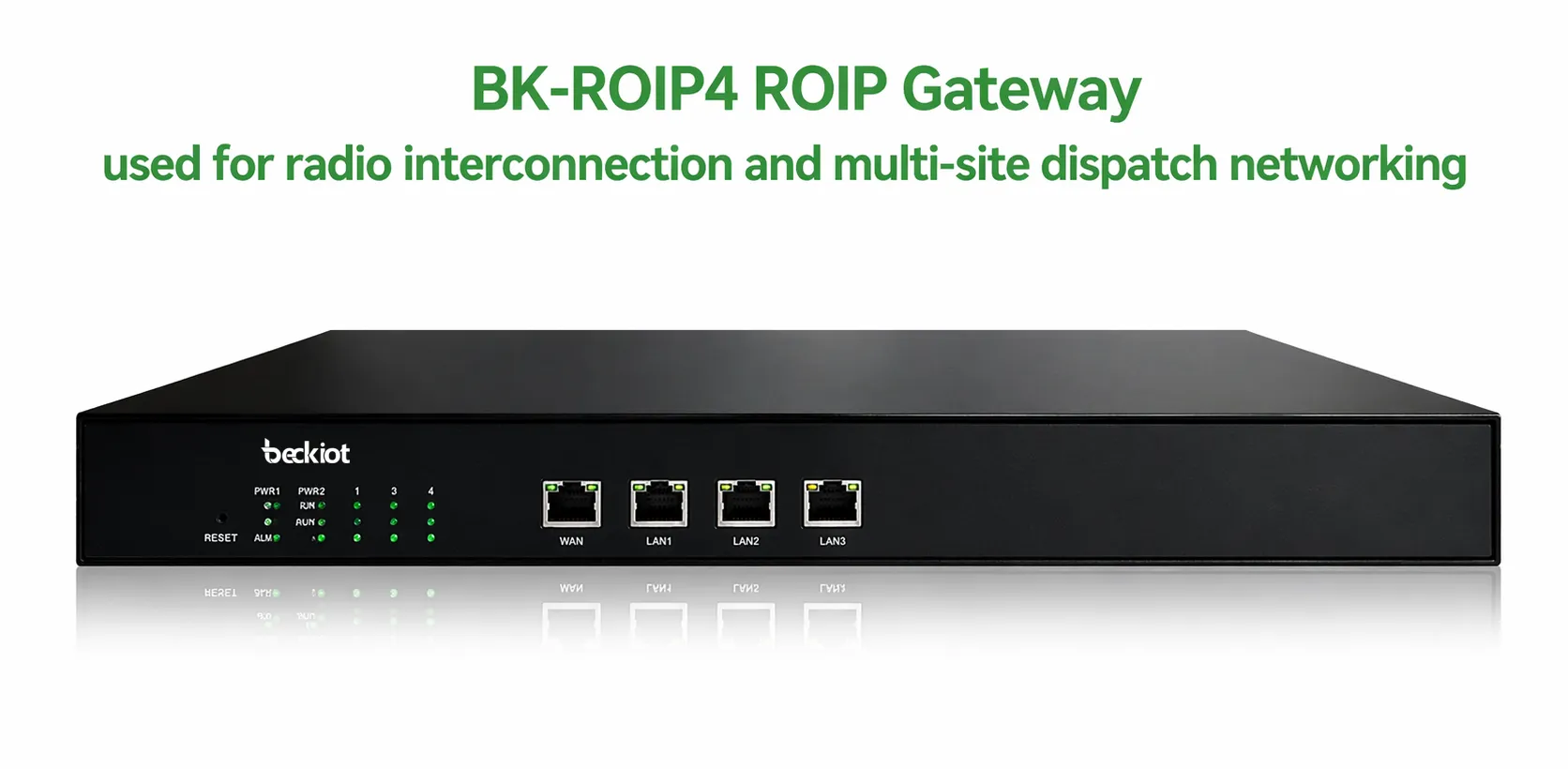
BK-ROIP4 is built around a 4-channel design that gives integrators and end users a practical balance between capacity, flexibility, and deployment efficiency. It fits applications that require multiple radio links in one device while keeping the overall architecture clear and manageable.
This 4-channel structure is especially useful in projects where several operational groups, radio resources, or remote communication points need to be brought into one coordinated framework. It helps reduce interface complexity while making future networking and service adjustment easier to handle.
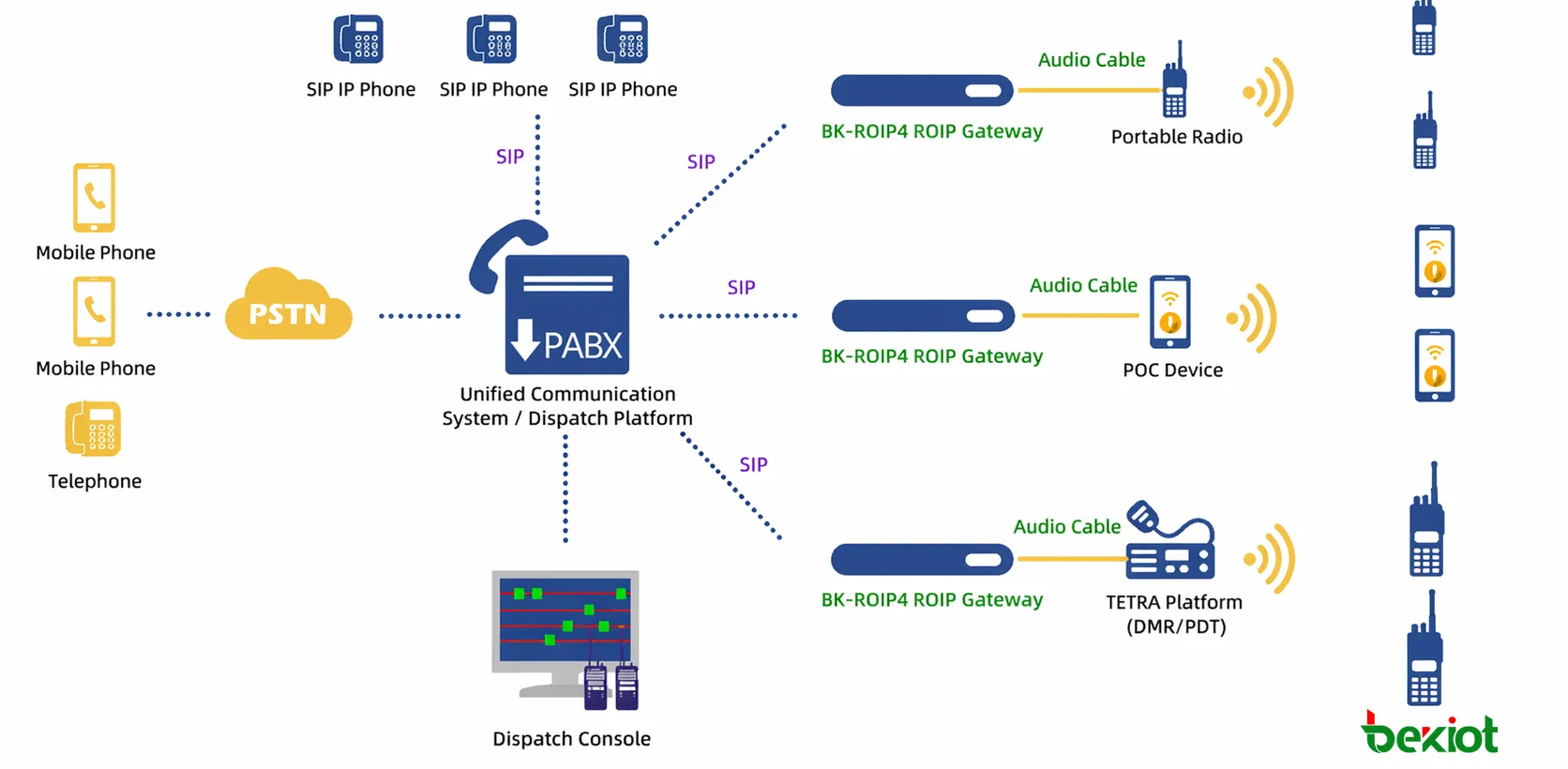
One of the strongest values of BK-ROIP4 is its positioning as an interconnection gateway for mixed communication environments. It is suitable for linking radio resources into broader dispatch and command workflows, helping users bridge isolated communication segments and improve voice collaboration between teams and sites.
For organizations operating across multiple systems, this kind of interoperability is critical. It allows communication resources to be used more efficiently and supports a more unified operating model across field units, control rooms, and remote points.
BK-ROIP4 is well aligned with communication environments that focus on command, coordination, and operational response. In these scenarios, a gateway must do more than pass audio. It must support clearer communication paths between field personnel, dispatch operators, and decision-making centers.
By fitting into dispatch-oriented architectures, BK-ROIP4 helps improve communication responsiveness in daily operations as well as in time-sensitive events. This makes it a practical choice for users that need stronger voice coordination rather than isolated radio access alone.
BK-ROIP4 is well suited to multi-site voice networking where geographically separated teams still need fast and reliable communication. It can be positioned in projects that extend radio connectivity between facilities, operational zones, or remote command locations, helping create a more connected communication structure.
This capability is valuable in organizations that operate across large areas or multiple facilities, where communication continuity between sites directly affects coordination efficiency and response speed.
A strong ROIP gateway should fit naturally into larger communication systems, and BK-ROIP4 is positioned for that role. It can be used where radio systems need to work alongside dispatch applications, command terminals, or integrated voice coordination platforms.
This flexible integration approach makes the gateway suitable for projects that are expanding from standalone radio usage toward more centralized communication control. It helps users move toward a more unified architecture without forcing overly complicated redesigns.
In operational communication networks, stability is not a secondary feature. BK-ROIP4 is intended for continuous service scenarios where communication must remain available for routine dispatch, maintenance coordination, and emergency response. Stable gateway behavior helps reduce communication disruption and supports greater confidence in mission-critical workflows.
This is particularly important in industries where voice communication is tied closely to safety, operational continuity, and rapid coordination under pressure.
BK-ROIP4 is especially relevant in projects that aim to combine different voice communication resources into one usable framework. It supports a more integrated deployment direction for users that want to bring radio communication closer to broader command and dispatch infrastructure.
That makes the gateway a good fit not only for current operational requirements, but also for future communication planning where interoperability and system expansion are increasingly important.
BK-ROIP4 is a strong fit for rail and transportation communication environments where teams across stations, lines, operational zones, and control points need efficient voice coordination. In these deployments, radio interconnection and dispatch linkage can improve both routine operations and incident handling.
For chemical plants, power facilities, and heavy industrial operations, communication must remain dependable across structured operational areas. BK-ROIP4 can support integrated voice coordination between field staff, control rooms, and operational centers, helping strengthen daily command efficiency and response readiness.
Mining operations and underground environments often require stronger communication continuity across dispersed work areas. BK-ROIP4 can be positioned in these projects to support interconnection between communication points and improve coordination between underground teams and surface-level command functions.
In emergency communication projects, the ability to interconnect voice systems quickly and clearly can be critical. BK-ROIP4 is suitable for deployments where dispatch integration and coordinated response communication are central requirements, especially in multi-unit or cross-location response structures.
Large properties, utility-style facilities, and wide-area managed environments can also benefit from a more unified voice framework. BK-ROIP4 helps support communication coordination across distributed staff, operational posts, and management centers where reliable voice interconnection is needed.
BK-ROIP4 is positioned as a 4-channel ROIP gateway for radio interconnection, dispatch integration, and multi-site operational voice networking.
It is suitable for command and dispatch projects, industrial communication networks, transportation operations, emergency response systems, and other applications that require connected radio communication across teams or locations.
A 4-channel structure provides practical capacity for linking multiple radio resources while keeping deployment efficient and system architecture easier to manage.
Its value lies in helping bridge radio communication with broader dispatch and coordination platforms, making voice resources more usable, more unified, and better aligned with real operational workflows.
| Parameter | Description |
|---|---|
| Model | BK-ROIP4 ROIP Gateway |
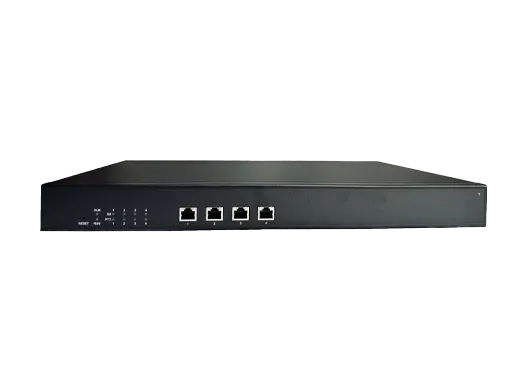
| EM Interface | 4 x RJ45 Ports |
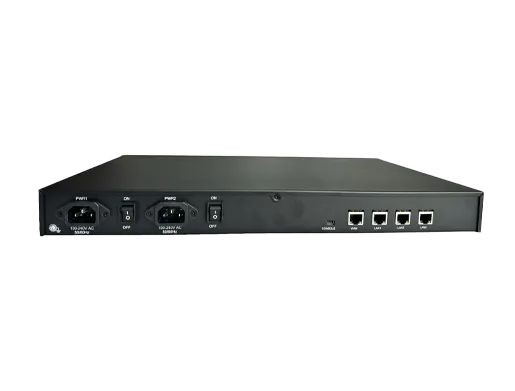
| Debug Interface | 1 x Mini-USB Port |
| Network Interface | 4 x Gigabit Ethernet Ports |
| RST Button (Factory Reset) | Restores the gateway to factory default settings |
| Accessories | None |
| SS Indicator |
Channel Status • Steady On: SIP account registered successfully • Off: Unregistered or registration failed • Blinking: In call • Fast Blinking: COR indication detected on the channel |
| PTT Indicator |
PTT Status • Lit: PTT pressed on EM side • Off: PTT not pressed on EM side |
| RUN Indicator |
Operation Status • Off: System not powered on • Lit: System booting up • Blinking: Device operating normally |
| ALM Indicator |
Alarm Status • Off: No device alarm • Lit: Normal during startup, abnormal during operation • Blinking: Device abnormal |
| Power Consumption | 12W |
| Operating Temperature | 0~40 °C |
| Storage Temperature | -20~85 °C |
| Operating Humidity | 8%~90% non-condensing |
| Storage Humidity | 8%~90% non-condensing |
| Dimensions (mm) | 440 × 267 × 444 mm (corrected from original typo "mm³") |
| Weight | Approx. 3kg |