A wall intercom system is no longer just a buzzer that lets you know someone is at the front door. It has evolved into a sophisticated communication and security hub. Whether you are managing a multi-tenant apartment building or upgrading a single-family home, understanding how these systems work and where they fit best is the first step to making a smart investment.
Related Product Introduction:SIP intercom
In this guide, we break down the inner workings of modern wall intercoms and explore the most common places they are used.
How Do Wall Intercom Systems Work?
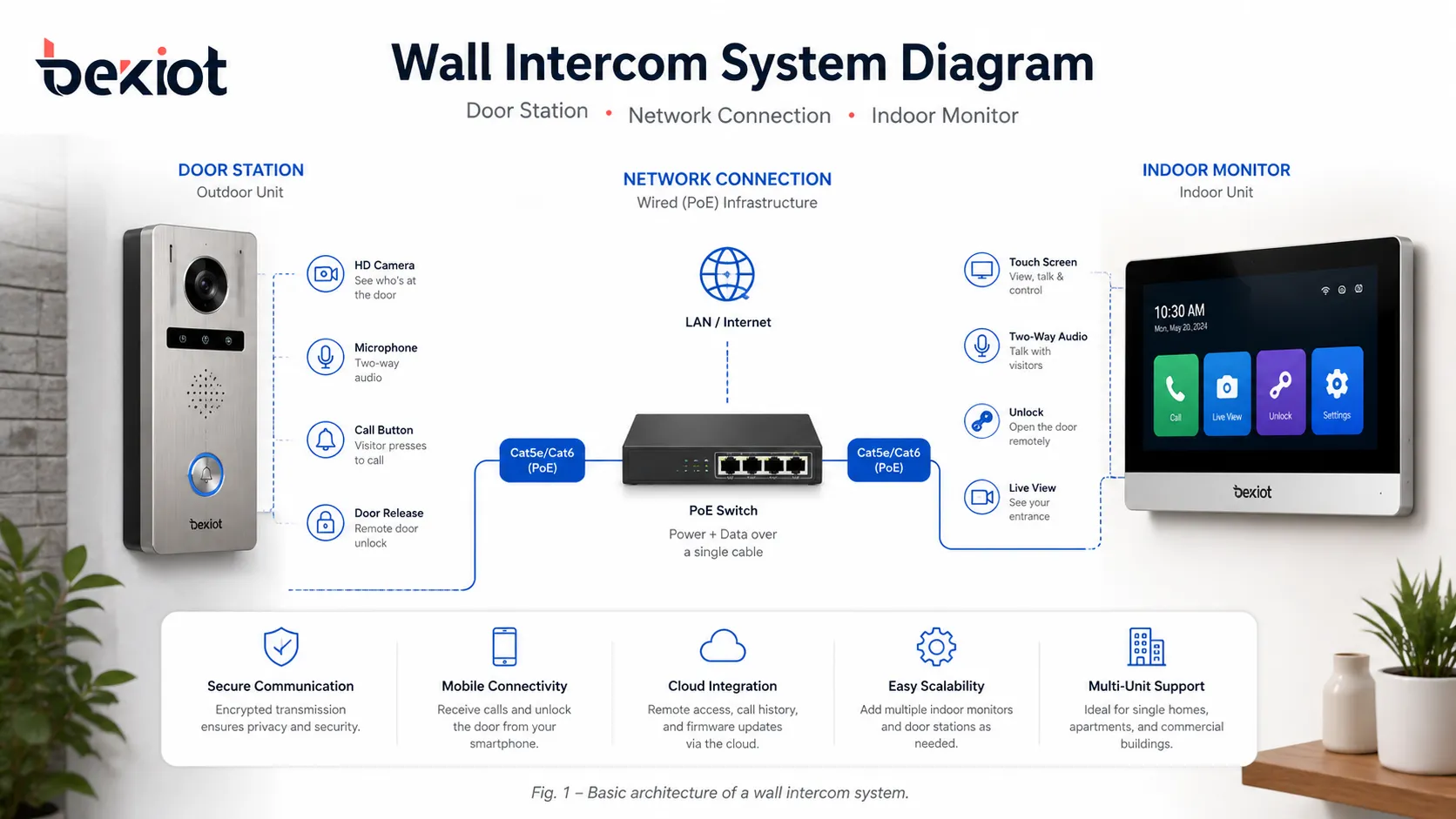
At its core, a wall intercom system consists of a door station (the unit outside) and one or more indoor monitors (the units mounted on your wall). When a visitor presses the call button, the system establishes a communication link. The underlying technology, however, can vary significantly.
1. Wired vs. Wireless Infrastructure
Wired Systems: These use physical cables (such as Cat5e/Cat6 or traditional 2-wire setups) to connect the outdoor panel to the indoor monitor. They are extremely reliable, have no interference issues, and are the standard for new constructions. Power is often supplied via Power over Ethernet (PoE), which carries both data and electricity over a single cable.
Wireless Systems: These rely on Wi-Fi or radio frequencies (like DECT). They are much easier to install in existing properties since you don't have to drill holes or run wires through walls. The trade-off is that they depend on your network’s stability.
2. Audio vs. Video Communication
Analog Audio Intercoms: The simplest form. The outdoor station picks up the visitor’s voice, transmits it through a dedicated circuit, and plays it on the indoor handset. It’s a closed-loop circuit with a simple mechanism: press a button to talk, release to listen (half-duplex).
IP Video Intercoms: The modern standard. When a visitor presses the doorbell, the outdoor station activates a high-definition camera. The video feed and two-way audio are compressed into digital packets and sent over an IP network to the indoor touchscreen monitor. Because it's digital, you can achieve full-duplex audio (speak and listen simultaneously, like a phone call).
3. Smart Integration and Mobile Connectivity
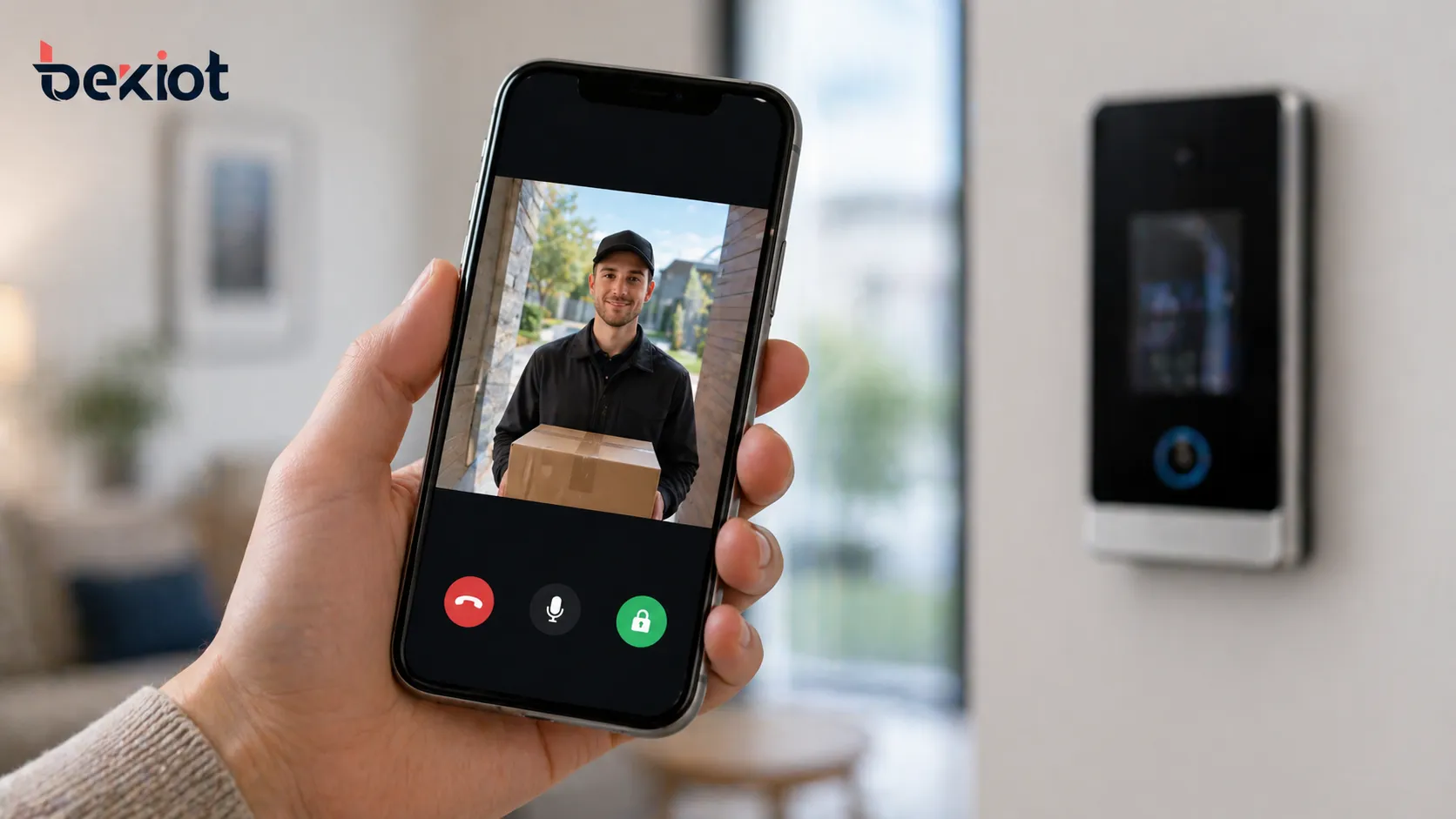
Modern wall intercom systems are essentially specialized computers. An IP video intercom connects to your home or building’s network switch. This allows it to interface with the cloud. When a visitor calls, the system doesn't just ring the monitor on the wall—it also sends a push notification to your smartphone. You can see the visitor, talk to them, and unlock the door remotely, even if you are miles away. Integration with ONVIF protocols also lets these systems tie into broader security camera networks (NVRs).
Where Are Wall Intercom Systems Used?
The use case dictates the type of system you need. Here are the primary environments where wall intercom systems are installed.
1. Multi-Tenant Apartment Buildings
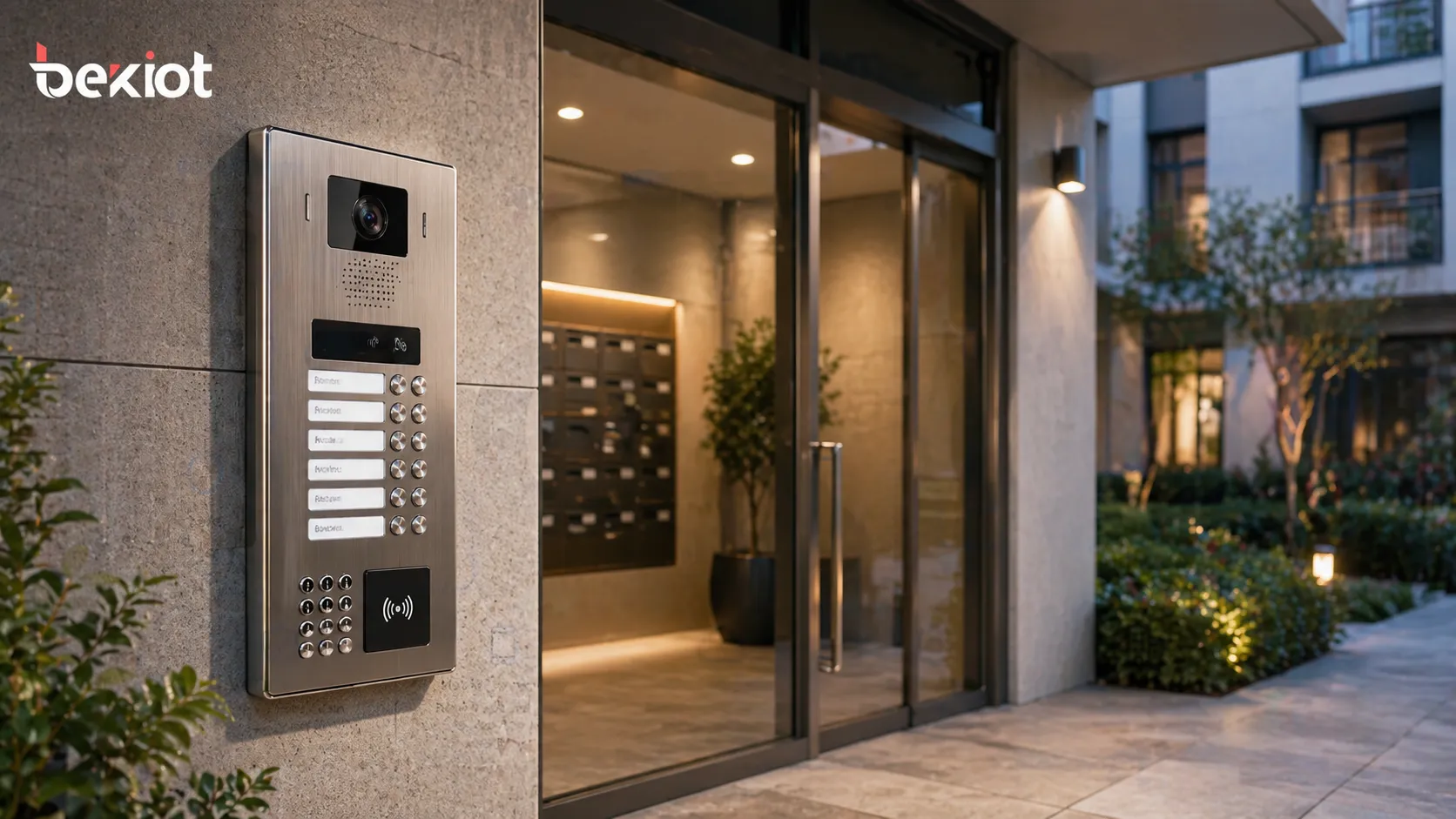
This is the most classic application. A robust multi-tenant intercom system features a directory at the main entrance. Visitors scroll through a list of tenants, press the corresponding call button, and the tenant answers from a wall-mounted monitor inside their unit. Key features include:
Tenant Directory: A digital or analog listing of occupants.
Remote Unlock: Tenants can press a button to open the main building door.
Integration with Property Management Systems: Advanced systems log entry times and allow management to update tenant names remotely.
2. Single-Family Homes and Villas
In residential settings, the focus shifts from a tenant directory to lifestyle and security. A smart video doorbell intercom mounted on the front gate wall allows homeowners to monitor package deliveries, deter porch pirates, and communicate with guests. These systems often double as a home automation hub, triggering lights or scenes based on a specific user’s unlock code.
3. Commercial Offices and Co-Working Spaces
Offices use wall intercoms to control visitor flow while maintaining a clean reception area. Instead of a person sitting at the front desk, an intercom connects directly to the office manager. Keyless entry intercoms with NFC/RFID card readers or QR code scanners allow employees to badge in while guests use the video call function. This method is extremely popular in co-working spaces that require 24/7 access control without full-time staff.
4. Industrial and High-Security Facilities
Warehouses, gated factories, and pharmaceutical clean rooms often use flush-mount stainless steel wall intercoms. These are ruggedized, vandal-resistant, and designed for hands-free communication with vehicle operators. They may not need video, but they require harsh-environment durability and high-decibel audio to overcome background noise.
5. Healthcare and Educational Campuses
In hospitals and schools, wall intercoms serve dual purposes: access control and emergency communication. A classroom wall intercom can connect directly to the main office, while hospital intercoms are often integrated with the nurse call system to ensure instant response.
Key Benefits of Installing a Wall Intercom System
Enhanced Security: Verify the identity of every visitor before granting physical access.
Convenience: No need to walk to the door; communication and unlocking happen directly from the wall station or phone.
Property Value: A modern IP video intercom system adds a layer of smart-home appeal to any property.
Access Logs: Digital systems keep a timestamped log of every call and unlock event, creating an audit trail.
Choosing the Right System: 3 Critical Questions
Before selecting a wall intercom, answer these:
Is the building pre-wired? If so, look for IP or analog wired systems that use existing cabling. If not, a wireless video intercom might save significant installation costs.
Do you need mobile app support? If you want to answer the door when you are away, you must choose an IP wall intercom that connects to the internet.
How many units do you need? A single-family home needs one indoor monitor (or just a chime and phone). A commercial building may need advanced software to manage hundreds of door stations and monitors.
Conclusion
Wall intercom systems have transformed from simple buzzer boxes into intelligent security nodes. Whether it’s a luxury villa requiring a seamless wall-mounted video intercom or a retrofitted apartment building moving to a wireless setup, there is a solution for every wall.
By understanding how the technology works behind the panel and identifying the specific use case—be it residential, commercial, or industrial—you can deploy a system that not only controls access but also enhances the daily experience of everyone who lives or works there.
FAQ
What is a wall intercom system?
A wall intercom system is a communication device mounted on a wall, typically consisting of an outdoor station (camera/speaker) and one or more indoor monitors. It allows occupants to see, speak to, and remotely grant access to visitors.
How does a wireless video wall intercom work?
A wireless video intercom uses Wi-Fi or radio frequency, such as DECT, instead of physical cables. The outdoor unit transmits video and audio signals to the indoor monitor or your smartphone via your home network, allowing two-way communication without drilling holes.
Can I answer the door remotely with a wall intercom?
Yes, if you choose an IP-based, internet-connected wall intercom. These systems send push notifications to your smartphone, allowing you to see the visitor, talk to them, and unlock the door from anywhere with an internet connection.
What is the difference between a 2-wire and an IP intercom?
A 2-wire intercom uses simple analog wiring, like existing doorbell wires, and typically supports audio only or basic video. An IP intercom uses network cables, such as Cat5e or Cat6, and provides high-definition video, full-duplex audio, and smart features like remote access and integration with other security systems.
Are wall intercom systems difficult to install?
Wired systems are more intrusive if retrofitting an existing building, but wireless systems are very easy to install, often just requiring a power source and Wi-Fi connection. For multi-tenant buildings, professional installation is recommended to ensure all units work correctly.
How do I choose the right wall intercom for an apartment building?
Look for a multi-tenant model with a digital directory, remote unlock capability, and the ability to integrate with property management software. Consider whether you need video and mobile app support for residents, and whether the system can scale with the number of units.