
The Becke IPGA-16S FXS Gateway is designed for organizations that need higher-density analog endpoint connectivity in a modern SIP-based voice environment. With 16 FXS ports, it is well suited for connecting analog telephones and legacy PBX resources into IP telephony systems while keeping deployment practical, stable, and easy to manage. For many businesses, analog voice endpoints still remain widely used in offices, service counters, hotels, campuses, factories, dormitories, and branch locations. The IPGA-16S allows these devices to continue working inside a newer SIP communications architecture, helping organizations extend the useful life of installed terminals while improving overall network flexibility.
In real-world migration projects, analog replacement is often not immediate. Many enterprises still have a large number of working analog phones, fax-capable interfaces, or traditional extension devices that support day-to-day communication. Replacing all of them at once can increase cost, prolong deployment time, and create unnecessary disruption. The IPGA-16S offers a more practical path by acting as a dependable bridge between analog endpoints and modern SIP-based platforms. It helps organizations modernize in stages, preserve previous investment, and build a more centralized voice system without giving up operational continuity.
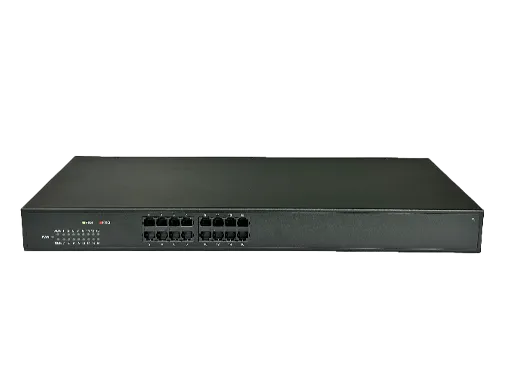
The biggest product advantage of the IPGA-16S is its 16-port FXS capacity. This makes it a strong fit for projects that need more analog extension access than entry-level gateways can provide, while still keeping the deployment compact and cost-effective. A 16-port design is especially useful for locations where several analog telephones must be connected in one place, such as branch offices, call handling teams, reception areas, service desks, dormitory floors, hotel sections, or distributed administrative departments.
Compared with lower-density models, a 16 FXS gateway offers better deployment efficiency when multiple analog lines must be retained. It reduces the number of devices required, simplifies structured installation, and creates a cleaner approach to analog access inside a broader SIP network. For buyers looking for a balance between port count and manageable scale, the IPGA-16S is positioned as a practical mid-density solution rather than a minimal or overly oversized platform.
The gateway supports standard SIP protocol and is positioned for compatibility with leading IMS, NGN, softswitch, IP PBX, and SIP-based telephony platforms. This gives integrators and enterprise users more flexibility when building mixed-vendor voice systems. Interoperability is critical in projects where existing equipment, carrier platforms, and new voice applications must all work together under a stable communication framework.
This compatibility also improves deployment freedom. Instead of being locked into a narrow ecosystem, users can integrate the IPGA-16S into different business voice environments, including centralized PBX systems, hosted voice deployments, distributed branch architectures, and enterprise migration projects. That makes the product useful not only as a hardware endpoint bridge, but also as part of a broader long-term communications strategy.
For many organizations, analog devices still play an important role in daily communications. The IPGA-16S helps preserve those resources while bringing them into a more flexible IP communications architecture, making migration smoother and less disruptive. This is valuable in projects where budgets must be controlled, rollout schedules are phased, or analog endpoints are still performing reliably in operational environments.
Instead of forcing every site to complete a full terminal replacement at once, the gateway supports a staged transformation model. Enterprises can keep the analog side working where needed, while moving call control, SIP registration, and voice services toward more centralized and modern platforms. This staged approach often reduces project risk and makes voice modernization easier to execute across multiple departments or locations.
A strong 16-port FXS gateway should not only add analog capacity. It should also help businesses modernize communications without forcing them to replace every working endpoint at once.
The IPGA-16S supports flexible dial plans and call routing, helping businesses adapt the system to extension structures, branch calling needs, internal communication flows, and broader SIP deployment strategies. This improves practical usability in real business environments. Instead of following a fixed and inflexible numbering model, users can build call behavior that fits the way their own organization operates.
Flexible routing is especially important in enterprises with multiple departments, branch sites, or different types of analog endpoints. By supporting adaptable dialing behavior and route logic, the gateway can align more naturally with company numbering plans, office structures, or regional deployment requirements. This makes it more than a simple analog interface device. It becomes part of the logic layer that helps the overall voice network operate more smoothly.
The gateway supports a broad set of business voice functions, including call waiting, call transfer, call forwarding, speed dial, do not disturb, hunting group, voice mail, music on hold, MWI, and 3-way conference. These capabilities make it suitable for more than simple analog access. They allow analog endpoints connected through the gateway to participate more effectively in modern office communication workflows.
In many business scenarios, analog devices are still expected to support daily productivity rather than act only as emergency backup terminals. Reception desks may need transfer functions, shared office staff may require hunting groups, branch users may depend on forwarding, and service teams may need smoother inbound call handling. The IPGA-16S addresses these real operational needs by combining analog access with a richer set of telephony capabilities that improve practical value for end users.
The platform supports TLS and SRTP for secure signaling and media, along with embedded system design, carrier-grade reliability, and main or secondary SIP server failover. These strengths help improve service continuity and deployment confidence in professional voice environments. For enterprise networks, secure communication and dependable service behavior are often as important as port density.
Stability becomes especially important when the gateway is used across branch offices, customer-facing environments, or daily business operations where voice interruption can affect productivity and responsiveness. The IPGA-16S is designed to support more dependable operation by combining secure protocols with a platform structure intended for professional communications deployment. This makes it better suited for serious business use rather than casual analog conversion only.
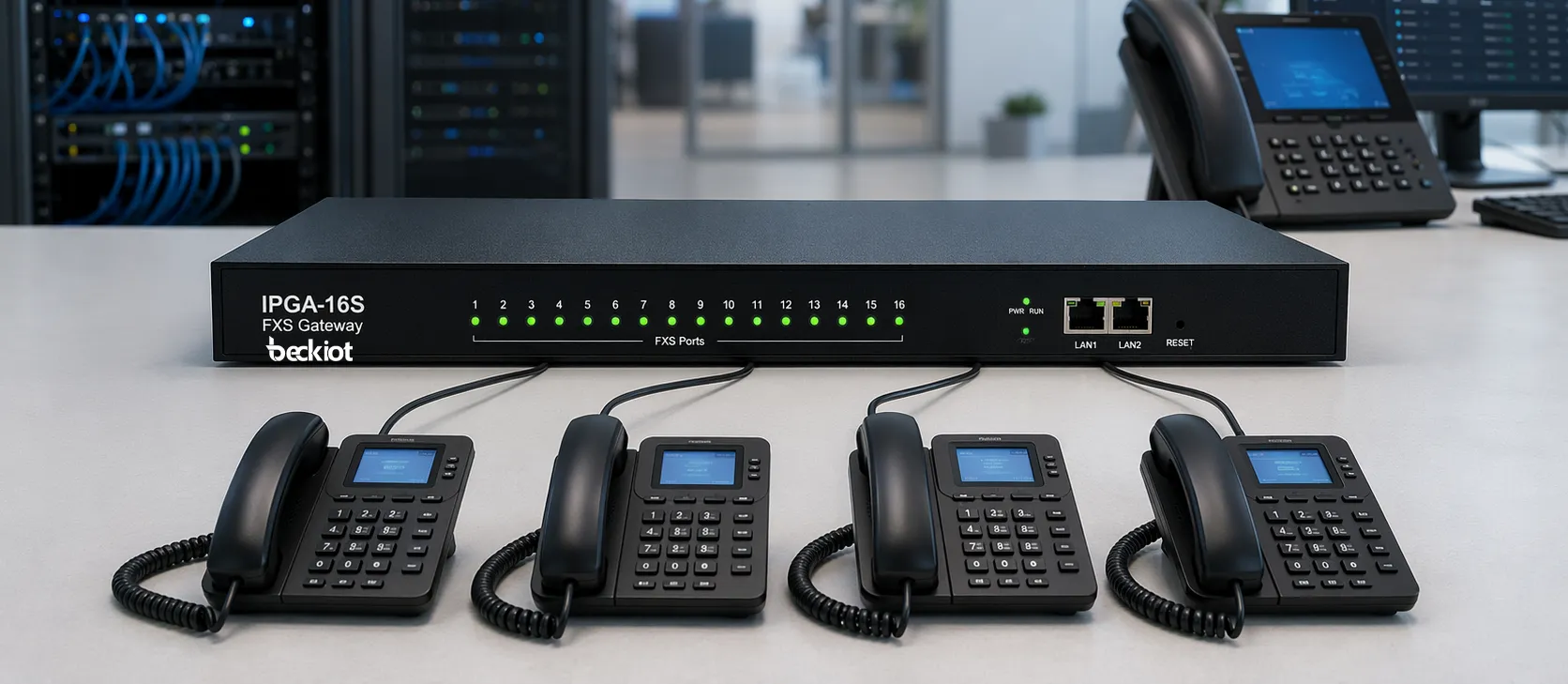
The IPGA-16S includes an intuitive web management interface with quick installation guidance, making setup and routine administration easier for installers, resellers, and IT teams. This helps reduce deployment time and ongoing maintenance effort. A browser-based interface is particularly useful in projects where technical teams need fast access to device settings without relying on overly complex management tools.
Easier setup also matters for long-term service. When a gateway is deployed in multiple offices or customer environments, simplified configuration can reduce errors, speed up provisioning, and improve maintenance efficiency over the life of the project. For integrators and service providers, that means lower operational friction and a better experience during both installation and support.
Support for SNMP, TR-069, automated provisioning, backup and restore, and cloud-based management makes the gateway easier to deploy and maintain across branch offices and distributed sites. This is especially useful for service providers and enterprises managing multiple locations. Remote support capability becomes increasingly valuable as voice systems spread across offices, retail outlets, dormitory buildings, administrative facilities, and regional branches.
In these environments, sending technicians on site for every adjustment can increase cost and slow down service response. The IPGA-16S helps reduce that burden by supporting more centralized and remote-oriented management methods. This makes the product especially attractive for organizations that need consistent analog access across a wide geographic footprint while still keeping maintenance efficient and scalable.
With support for IPv4, IPv6, QoS, and VLAN tagging, the gateway is easier to integrate into structured enterprise and operator networks where segmentation, traffic prioritization, and stable voice performance are important. This helps the IPGA-16S fit more naturally into managed IT environments rather than operating as an isolated analog edge device.
For enterprise deployments, voice quality often depends on how well the device behaves inside the broader network. Features such as QoS and VLAN support contribute to more predictable integration with managed switches, segmented traffic environments, and business network policies. This improves deployment confidence for IT teams that need analog voice access without sacrificing network discipline or service stability.
The IPGA-16S is a strong option for SMB users that need to retain analog telephones while moving call control and voice services into a SIP-based platform. It offers a practical balance of port density, feature support, and deployment efficiency. Many small and medium-sized businesses want to modernize their phone systems, but still depend on analog desk phones, analog wiring, or existing extension habits that remain functional in daily work.
In these cases, the gateway provides a realistic migration path. It helps SMB users connect familiar analog endpoints to a more modern platform without making the transition overly expensive or operationally disruptive. This can be especially useful in offices, retail operations, local service businesses, clinics, schools, and administrative workplaces where analog phones continue to be used.
In call center or service-oriented scenarios, the gateway provides enough analog extension capacity for daily operations while supporting integration with broader voice systems that depend on call handling, conferencing, and stable communications. It is suitable for environments where analog handsets may still be used by teams, counters, or support personnel while the core call platform operates over SIP.
The value in these scenarios is not only the availability of analog ports, but also the ability to bring these ports into a more structured voice workflow. Features such as transfer, forwarding, call waiting, and hunting functions make the gateway more useful for customer-facing communication tasks where responsiveness and continuity matter.
The IPGA-16S is also well positioned for branch offices and remote locations that need local analog endpoint connectivity while remaining part of a wider enterprise communication strategy. Many branch environments still use analog phones for administrative desks, internal service positions, or local operations, yet they also need to connect back to a central SIP platform for unified management.
By serving as the local analog access point inside a SIP-based architecture, the gateway helps these branch sites maintain usability while fitting into the broader communication framework of the company. This is especially practical for distributed businesses that want centralized voice policy and platform control without fully standardizing every endpoint at the same time.
For enterprises with multiple sites, the gateway helps standardize analog access inside a broader SIP communications architecture. This makes it easier to scale voice deployments without replacing every analog endpoint at the same time. In large organizations, voice migration often happens unevenly across regions, departments, and facilities. Some locations may be ready for fully IP-based phones, while others still depend on analog terminals.
The IPGA-16S supports this mixed deployment reality. It allows enterprises to connect and manage analog access in a more standardized way while still moving the wider system toward SIP-based communications. This makes the product a practical component in phased modernization, multi-site governance, and long-term enterprise voice planning.
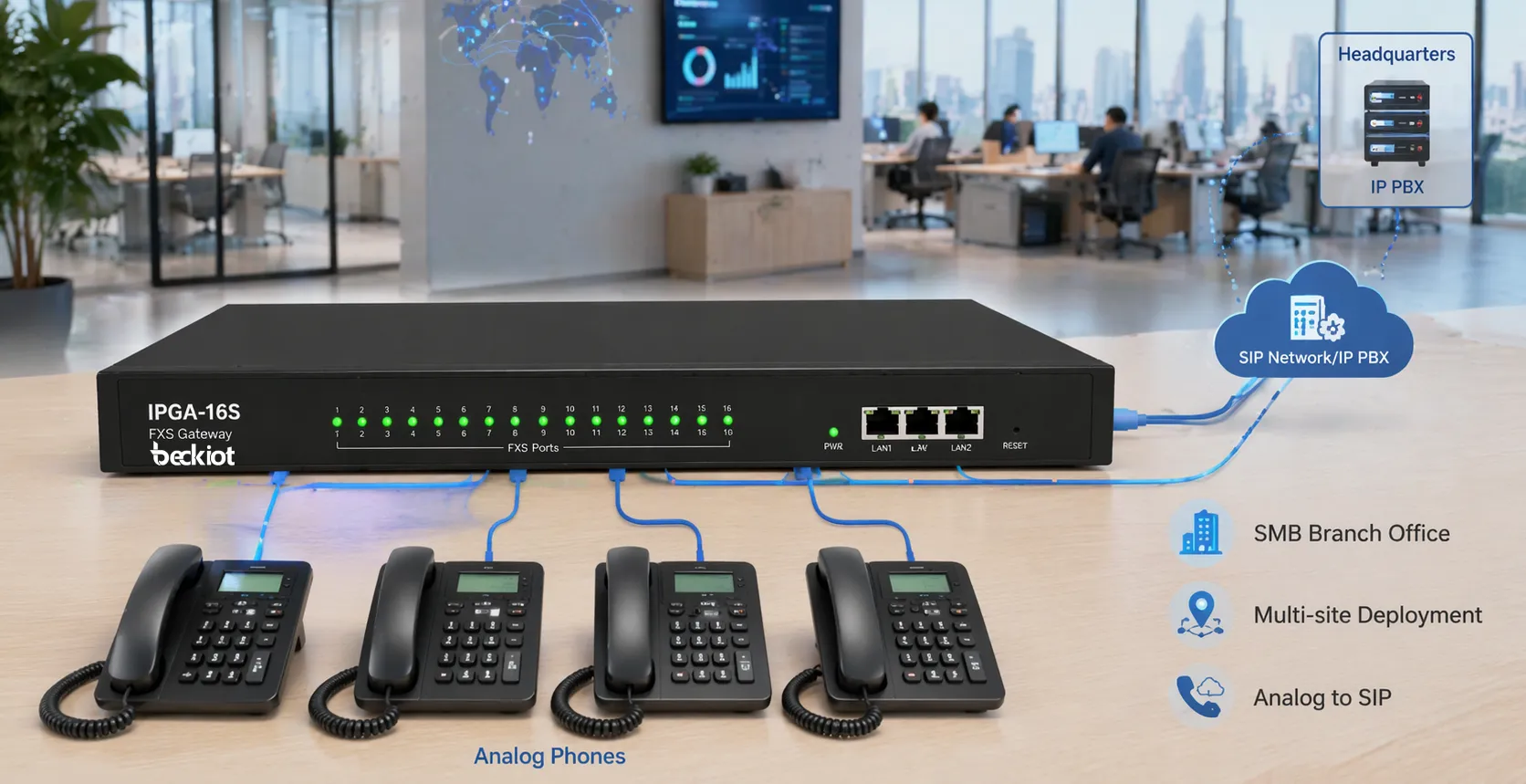
The Becke IPGA-16S stands out by combining 16 FXS analog access ports, strong SIP interoperability, flexible dial plans, practical business telephony features, secure voice support, and manageable deployment in one platform. For buyers who need a scalable analog gateway without unnecessary complexity, it offers a strong balance between current operational needs and long-term migration value.
It is particularly suitable for projects that require more than simple analog preservation. The IPGA-16S helps organizations keep existing endpoints in service, integrate them into modern voice platforms, support multi-site operations, and maintain better control over deployment and maintenance. For enterprises, integrators, and service providers that need a dependable 16-port analog-to-SIP gateway, it delivers practical business value with a clear deployment purpose.
Its main value is providing 16 FXS ports for analog telephones and legacy voice devices while integrating them into SIP and IMS communication environments in a way that is practical, scalable, and easier to manage.
It is well suited for small and medium-sized businesses, call centers, branch offices, remote sites, and enterprises with multiple locations that still use analog endpoints.
Yes. It is designed for compatibility with leading IMS, NGN, softswitch, IP PBX, and SIP-based telephony systems, making it suitable for mixed-vendor and enterprise deployment environments.
Yes. Flexible dial plans and routing are part of its core strengths, making it useful in branch, multi-site, hybrid voice, and analog-to-IP migration deployments.
Yes. It supports TLS and SRTP, helping protect signaling and media traffic in professional voice networks while improving suitability for enterprise communication environments.
Yes. Web-based management, SNMP, TR-069, automated provisioning, backup and restore, and cloud management support make it easier to deploy and maintain across multiple sites.
Yes. It is a practical choice for branch offices that need local analog endpoint access while remaining connected to a broader SIP-based communication system and centralized voice strategy.
A 16 FXS gateway is a better fit when a site needs more analog extension capacity, easier scaling, fewer separate devices, and more centralized control without moving to a much larger chassis.
| Item | Specification |
|---|---|
| Product Model | IPGA-16S FXS Gateway |
| Voice Interface | 16×FXS Ports (RJ11×16) |
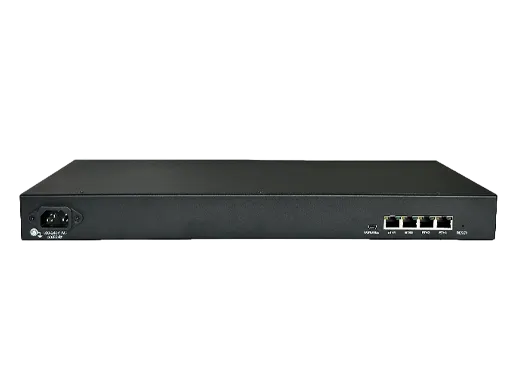
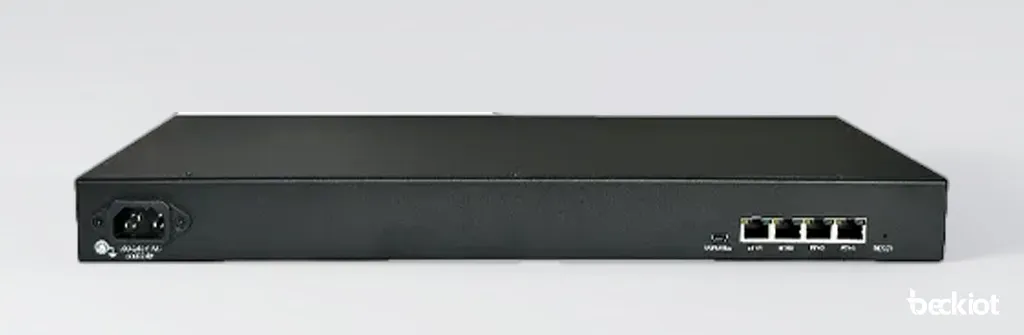
| Ethernet Interface | 4×10/100/1000Mbps RJ45 Ports |
| USB Interface | 1×Mini USB Port |
| Concurrent Calls | 16 Channels |
| Supported Protocols | SIP/IMS, DHCP, TCP/UDP, HTTP/HTTPS, TLS, ARP/RARP, DNS, NTP, TFTP, SRTP, TELNET, STUN, TR-069, SNMP |
| Audio Codecs | G.711a/u, G.723, G.729A/B, iLBC, AMR |
| DTMF Modes | In-band, RFC2833, SIP INFO |
| Echo Cancellation | Hardware AEC |
| IP Mode | IPv4/IPv6 |
| VPN | VPN Client Supported |
| Lightning Protection | Class 4 |
| Reset Button | Press and hold for 8 seconds to restore factory settings |
| Status Indicators | PWR (Power), RUN, ALM (Alarm), Network, FXS Channel Status |
| Product Dimensions | 440×44×202 mm |
| Net Weight | 2.7 kg |
| Operating Temperature | 0°C ~ 45°C |
| Storage Temperature | -20°C ~ 85°C |
| Operating Humidity | 8% ~ 90% Non-condensing |
| Storage Humidity | 8% ~ 90% Non-condensing |