Tunnels require more than basic audio coverage. In road tunnels, railway tunnels, metro tunnels, and utility tunnels, operators must maintain clear voice communication across long, enclosed, and acoustically difficult spaces. Daily operation depends on timely announcements, maintenance coordination, and control room communication. Emergency situations demand even more. When accidents, fire, smoke, traffic congestion, equipment faults, or personnel distress occur, the tunnel operator needs a reliable way to issue warnings, guide evacuation, receive help requests, and maintain real-time voice coordination with the field.
A professional Tunnel PA and Intercom Solution combines public address, zoned broadcasting, emergency intercom, SOS help point communication, live paging, and centralized control into one unified platform. Instead of treating broadcasting and intercom as separate systems, the solution connects them through a common architecture so that routine communication and emergency response can work together more efficiently.
Becke Telcom provides industrial communication solutions for harsh and mission-critical environments. For tunnel projects, the solution can integrate PA, intercom, industrial telephones, SIP communication, alarm linkage, and dispatch control into a reliable communication network that improves tunnel safety, operational efficiency, and response capability.
Tunnel environments create unique communication challenges. The space is long and narrow, background noise can be high, sound reflection is complex, and visibility may be reduced during incidents. Operators often need to communicate across entrances, exits, cross passages, service areas, equipment rooms, and evacuation routes. In normal conditions, communication supports maintenance work, patrol coordination, traffic instruction, and general safety notification. In abnormal conditions, the same system must support emergency warning, tunnel closure notices, evacuation voice guidance, and direct two-way communication between affected personnel and the control center.
Conventional loudspeaker-only solutions are often not enough because they cannot provide reliable help point communication or centralized intercom coordination. Likewise, a standalone emergency phone system cannot replace area-wide broadcasting during evacuation. A tunnel project therefore benefits most from a unified solution that covers both one-to-many communication and point-to-point or point-to-center communication.
Long and enclosed physical structure that requires distributed communication coverage
Complex acoustic conditions caused by reflection, reverberation, and moving vehicles
Harsh environmental exposure such as humidity, dust, vibration, and temperature change
Need for routine announcements and emergency communication on the same infrastructure
Requirement for fast emergency help access and real-time voice confirmation
Need to link broadcasting, intercom, CCTV, fire alarm, ventilation, and control systems
In tunnel safety management, communication is effective only when the right message can reach the right location at the right time, and when people in the tunnel can also call back for help without delay.
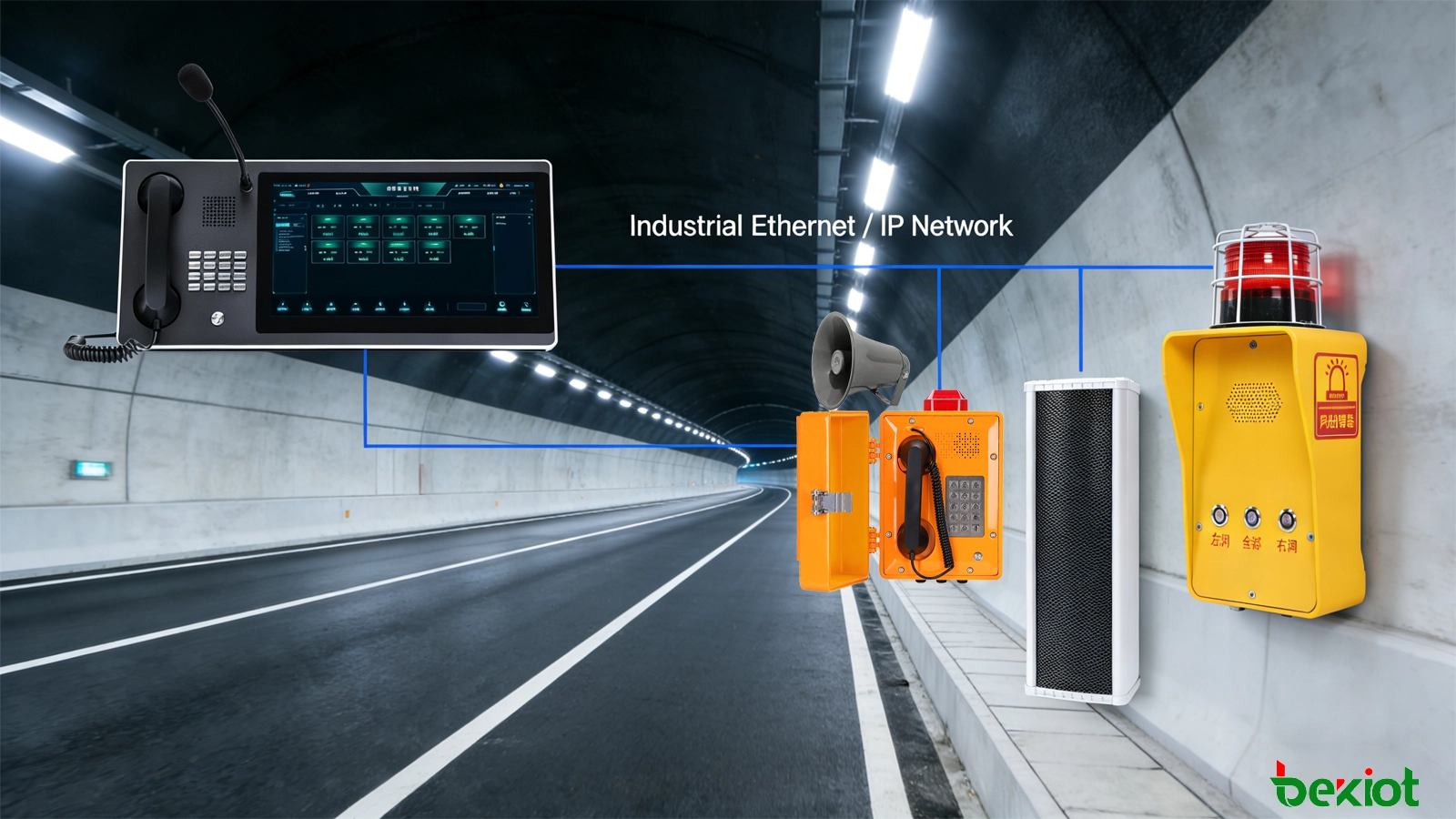
The Tunnel PA and Intercom Solution serves as a voice communication platform for both routine operation and emergency handling. It supports tunnel-wide or zone-based announcements, real-time operator paging, emergency help point calls, control room intercom, and system linkage with safety subsystems. In practical deployment, it becomes a communication backbone that connects tunnel users, maintenance staff, patrol teams, and central operators.
This solution is especially valuable in projects where fast response and coordinated action are critical. When an incident occurs, the control center can broadcast a warning to affected sections, communicate directly with field personnel or trapped users through intercom points, verify the situation through linked systems, and guide evacuation through live or pre-recorded voice instructions. This combination of broad coverage and direct interaction is what makes the solution effective in tunnel environments.
The central control platform manages the overall communication logic of the system. It handles zone configuration, broadcast routing, call management, event records, priority control, device monitoring, and system linkage. In most projects, this platform is installed in the tunnel control center or operation room and may support redundant deployment for higher availability.
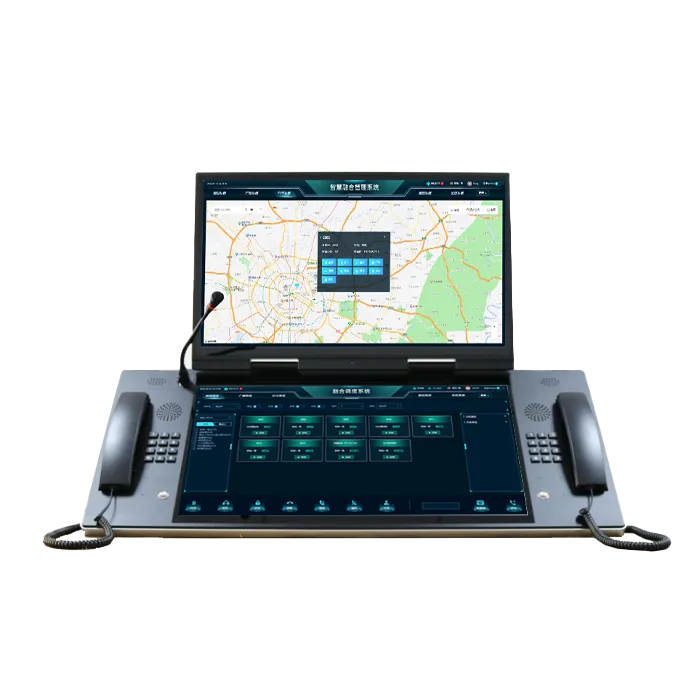
Operator terminals allow authorized personnel to make live announcements, answer help point calls, start emergency broadcasts, monitor device status, and coordinate field communication. These workstations are essential for daily supervision and rapid incident handling.
The PA section of the system includes amplifiers and distributed loudspeakers placed along the tunnel or at key points such as entrances, exits, emergency bays, cross passages, and evacuation zones. Speaker selection depends on tunnel structure, required audibility, and environmental conditions. In some projects, horn speakers are used for strong directional output, while other projects may use wall-mounted or ceiling-mounted speakers in enclosed zones.
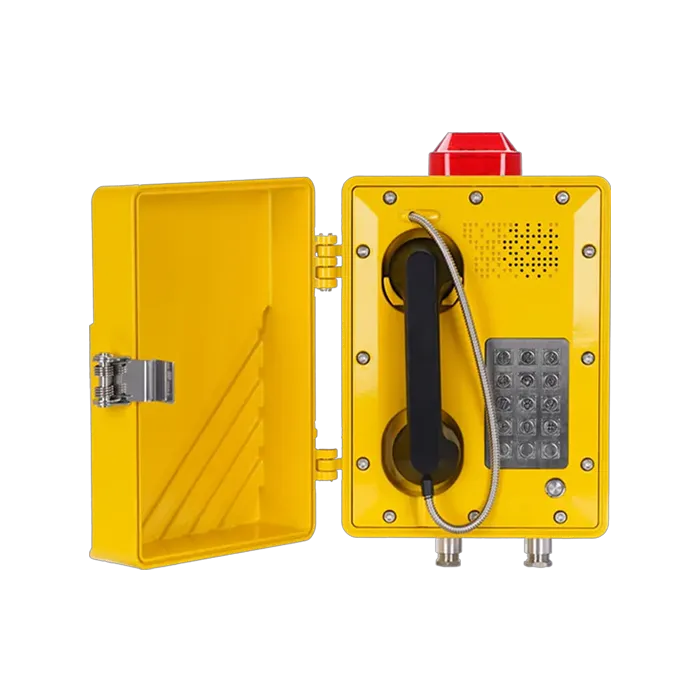
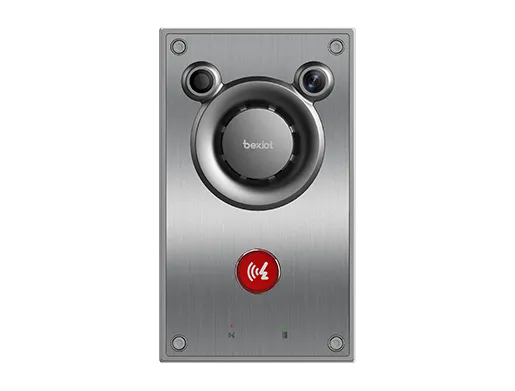
Emergency intercom terminals provide direct voice access from the tunnel to the control center. These devices are commonly installed at emergency lay-bys, refuge areas, cross passages, service corridors, and other critical points. A single button can initiate a help request, enabling fast response during accidents, breakdowns, or personal emergencies.
Depending on project scope, the solution can also integrate industrial telephones or SIP-based communication endpoints for maintenance staff, technical rooms, or tunnel operation points. This extends communication beyond emergency help points and supports wider operational coordination.
The system can record broadcasts, intercom calls, dispatch activity, and key events for future review. This is useful for incident reconstruction, maintenance validation, operator training, and compliance documentation.
These modules connect the communication system with other tunnel subsystems such as CCTV, fire alarm, ventilation control, SCADA, lighting control, traffic signs, and emergency command platforms. This integration increases the practical value of the solution during both routine operations and emergency events.
| Component | Main Role | Typical Deployment |
|---|---|---|
| Central Control Platform | System management, zone control, event processing, alarm logic | Control center or operation room |
| Operator Workstation | Live paging, call handling, monitoring, emergency command | Control desk or dispatch room |
| Amplifier and PA Devices | Voice broadcasting and warning output | Tunnel sections, entrances, exits, emergency zones |
| Emergency Intercom / SOS Point | One-touch help request and two-way voice communication | Cross passages, refuge bays, lay-bys, maintenance zones |
| Interface Module | System linkage with CCTV, fire alarm, ventilation, and SCADA | Equipment room or control platform layer |
The system supports daily operation through routine voice broadcasting. Operators can deliver safety reminders, maintenance notices, tunnel access instructions, traffic management messages, or work coordination announcements. This helps maintain communication discipline across the full tunnel environment.
Instead of forcing every message to cover the full tunnel, the solution supports zone-based announcements. Operators can address one section, several sections, or the full tunnel depending on operational needs. This is important because incidents may affect only a limited area, and over-broadcasting can create confusion in unaffected sections.
Typical broadcast zones may include:
Tunnel entrance area
Tunnel exit area
Middle tunnel sections
Emergency lay-bys
Cross passages
Evacuation routes
Service corridors
Equipment rooms
Maintenance access areas
When an incident occurs, the control center can use the system to issue urgent warnings and guidance. Pre-recorded messages can be used for fast, consistent notification, while live operator messages allow situation-specific instructions. Common emergency broadcasts include fire warning, smoke alert, accident notice, evacuation instruction, restricted access warning, and rescue guidance.
Emergency help points enable stranded drivers, tunnel users, or staff members to contact the control center quickly. This function is particularly important in long tunnels where immediate physical assistance may take time to arrive. Once the call is connected, operators can assess the incident and provide instructions until field teams respond.
The system supports real-time two-way communication between field points and the control room. This function helps operators confirm conditions on site, coordinate response actions, guide maintenance teams, or talk directly with people affected by an incident. Two-way intercom also reduces uncertainty because the control center can hear the现场 situation instead of relying only on alarms or video.
Operators can make manual announcements to selected zones or the full tunnel at any time. This is useful in dynamic incidents where standard recorded messages are not enough. Live paging supports clearer command, better situational control, and faster coordination with field personnel.
The system can assign priority levels to routine announcements, live paging, emergency calls, and alarm broadcasts. Emergency communication always takes precedence over normal operation content. This ensures that urgent messages are delivered first and that help calls are not delayed by lower-priority activities.
Broadcast records, help point calls, and operator actions can be stored for later review. This improves traceability, supports event investigation, and helps tunnel operators refine emergency procedures through real cases.
The solution can monitor amplifier status, speaker lines, intercom terminals, communication links, and key nodes across the system. Centralized supervision improves maintenance efficiency and reduces the risk of unnoticed communication failure.
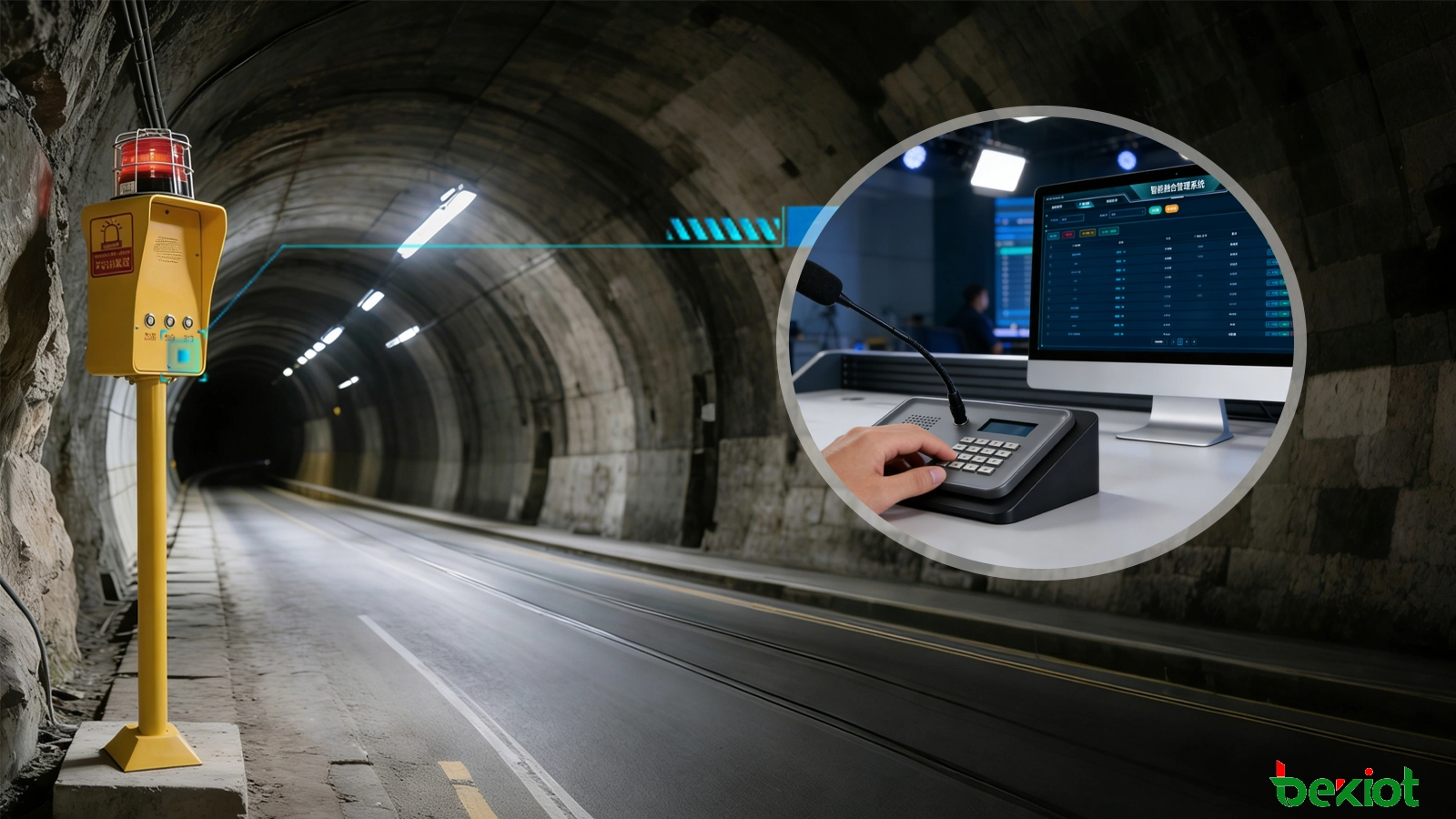
A tunnel communication solution must be planned according to real operating conditions and emergency routes. Coverage design is not only about where to place devices, but also about how to support likely incident scenarios. Key locations should be chosen based on personnel movement, vehicle risk, access difficulty, and evacuation logic.
These areas are important for traffic guidance, warning messages, and transition communication. They also serve as major points for notifying approaching traffic or coordinating controlled access.
These locations are common points for emergency stops, assistance requests, or temporary protection. Intercom terminals and clear voice guidance are particularly valuable here.
In emergency conditions, cross passages and evacuation routes become critical guidance paths. Broadcasting devices in these areas can help direct people toward safe exit routes and reduce panic or misdirection.
Technical spaces require communication support for maintenance, coordination, and incident handling. These are also practical areas for system interfaces and technical management devices.
The control center is the decision-making hub. Here, operators supervise device status, answer help calls, trigger broadcasts, issue manual announcements, and coordinate linked systems.
| Deployment Area | Communication Purpose | Recommended Devices |
|---|---|---|
| Entrance / Exit | Traffic instruction, warning broadcast, operational announcement | PA speakers, control-linked broadcast points |
| Emergency Lay-By | Help request, local warning, emergency voice guidance | SOS intercom, speaker, optional beacon |
| Cross Passage | Evacuation instruction and refuge communication | PA speakers, intercom station |
| Equipment Room | Technical coordination, maintenance communication | Industrial phone or SIP terminal |
| Control Center | System command, call answering, monitoring, recording | Operator console, management platform |
The value of the solution increases significantly when it is linked with other tunnel systems. A well-integrated design allows communication to support broader operational and safety workflows instead of acting as an isolated subsystem.
CCTV integration: operators can verify incidents visually while speaking with field personnel or tunnel users
Fire alarm integration: alarm events can automatically trigger warning broadcasts and evacuation messages
Ventilation system integration: voice instructions can be coordinated with smoke extraction or airflow control actions
SCADA or PLC integration: system events can be linked with technical automation and tunnel operation logic
Lighting and guidance integration: broadcasts can support directional evacuation and incident management
SIP or telephony integration: the solution can extend to broader voice networks for maintenance and operational communication
For example, when a fire alarm is triggered in one tunnel section, the system can automatically start a zone-specific evacuation broadcast, alert the operator, open an intercom path to nearby help points, and allow the control center to coordinate field teams through linked communication channels. This kind of integrated response improves both speed and clarity during emergencies.
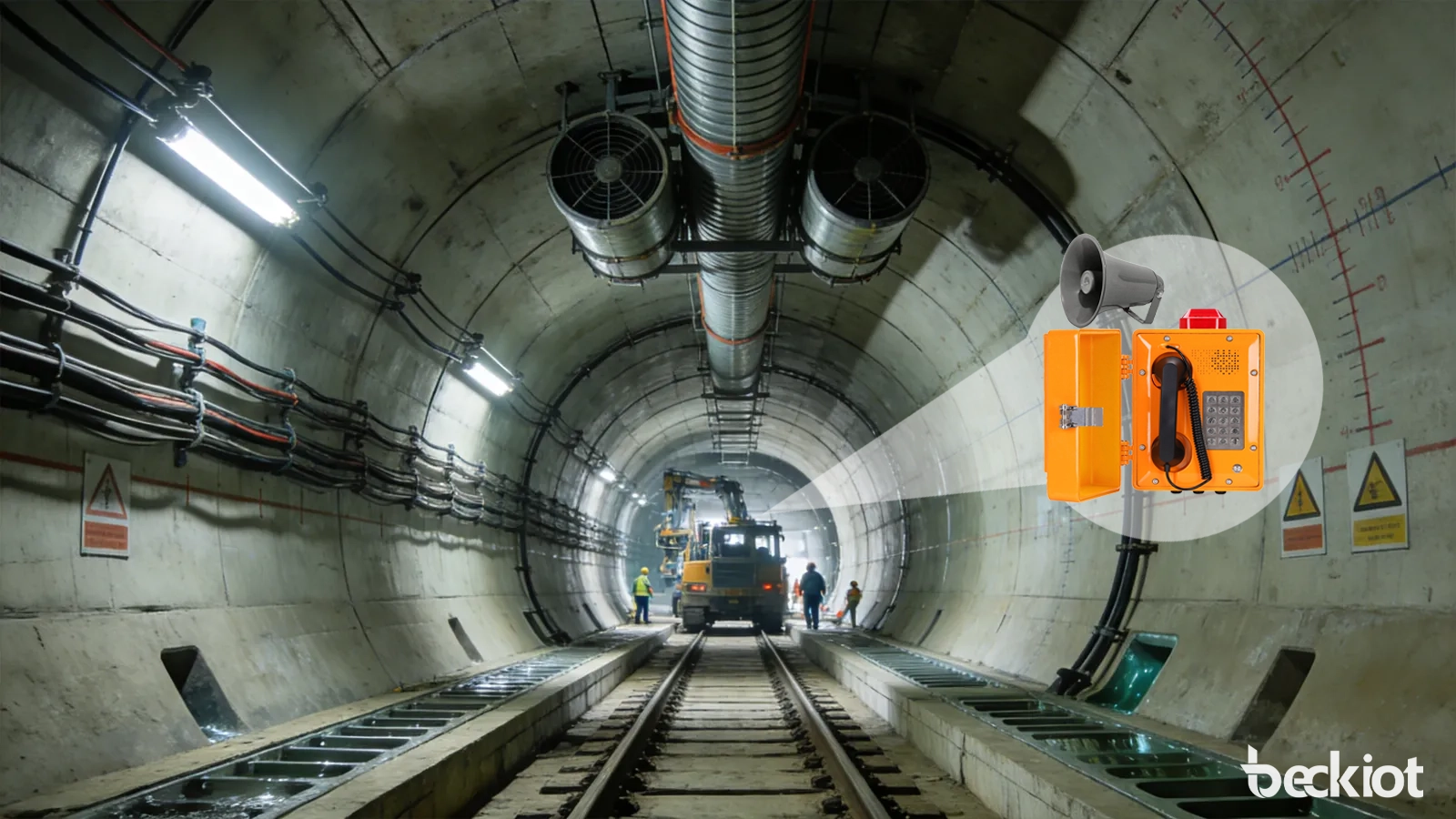
In a tunnel, loud sound alone is not enough. The system must deliver speech that people can actually understand. Acoustic design, speaker spacing, output control, and zone planning all affect intelligibility.
Devices should be suitable for tunnel conditions such as moisture, dust, vibration, and temperature variation. Long-term reliability matters because maintenance access may be limited in some sections.
Tunnel communication systems often span long linear routes. The solution must support stable transmission and manageable control across distributed sections.
Help requests should connect quickly and reliably. Emergency communication design should minimize waiting time and ensure that the control center can respond immediately.
Because tunnels are safety-critical environments, the communication platform should support resilient architecture, including protected power design, reliable network topology, and fault supervision.
Centralized diagnostics and status monitoring reduce the workload for maintenance teams and help operators identify failures before they affect emergency readiness.
A strong tunnel communication system is not defined only by how far sound can travel, but by how well operators can inform, guide, and communicate with people under pressure.
Becke Telcom focuses on communication solutions for industrial and high-risk scenarios. In tunnel applications, its PA and intercom solution is designed to support both daily communication needs and emergency incident response through a unified platform architecture.
The solution can integrate public address, emergency intercom, industrial telephony, SIP communication, centralized monitoring, and safety linkage functions into one manageable system. This helps tunnel operators reduce communication fragmentation and build a more responsive safety communication network across entrances, sections, evacuation routes, and control points.
Unified solution for one-to-many broadcasting and two-way emergency communication
Flexible zoning for tunnel sections, refuge areas, and evacuation routes
Fast integration with CCTV, fire alarm, ventilation, and technical control systems
Reliable communication support for harsh tunnel operating environments
Scalable design for road tunnels, railway tunnels, metro tunnels, and utility tunnels
For tunnel operators, EPC contractors, and system integrators, an integrated PA and intercom solution provides value far beyond basic audio coverage. It improves how communication works before, during, and after an incident.
Improves routine communication across long tunnel environments
Supports faster emergency warning and more orderly evacuation guidance
Provides direct help access from the tunnel to the control center
Strengthens coordination between field personnel and control room operators
Improves incident verification and response through linked systems
Reduces risk caused by delayed instructions or incomplete communication
A Tunnel PA and Intercom Solution is an essential part of modern tunnel safety and operation infrastructure. In environments where distance, enclosure, noise, and emergency response pressure all affect communication, a unified platform for broadcasting and intercom provides a more effective way to inform, guide, and protect tunnel users and staff.
By combining public address, zoned broadcasting, SOS help point communication, live paging, and system linkage into one architecture, tunnel operators can improve daily coordination and strengthen emergency readiness. When communication becomes clearer, faster, and more interactive, tunnel management becomes safer and more controllable.
It is an integrated communication system for tunnels that combines public address, emergency intercom, live paging, help point communication, and centralized control for routine operation and emergency response.
Two-way intercom allows the control center to communicate directly with tunnel users or field staff, confirm the situation, provide guidance, and coordinate response actions in real time.
Yes. The solution can broadcast to individual tunnel sections, selected zones, or the entire tunnel, which helps deliver more precise instructions without causing unnecessary confusion.
Yes. It can be linked with CCTV, fire alarm, ventilation, SCADA, lighting, and SIP communication systems to support more coordinated tunnel operation and emergency management.