Power plants and substations require reliable voice communication systems to support both routine operation and emergency response. Across control rooms, turbine halls, boiler areas, coal handling corridors, switchyards, cable tunnels, auxiliary workshops, and outdoor equipment zones, operators need a unified platform that can deliver routine announcements, zoned paging, general alarm, and evacuation guidance clearly and quickly. In these environments, communication is not only an operational tool. It is also a critical part of plant safety, personnel coordination, and incident management.
A professional Power PAGA Solution combines public address, paging, and general alarm into one centralized communication platform. It helps plant operators issue shift notices, maintenance messages, area-specific instructions, emergency warnings, and live voice commands across the full site. Instead of relying on separate and fragmented communication channels, the solution creates one coordinated framework for daily plant operation and abnormal event response.
Becke Telcom provides industrial communication solutions for demanding and mission-critical environments. For power generation and power distribution projects, the solution can integrate PAGA, industrial telephones, SIP communication, emergency intercom, dispatch coordination, and third-party system linkage into a scalable plant-wide safety communication network.
Power industry environments have several communication challenges that make ordinary broadcast solutions insufficient. Facilities are often large, segmented, and continuously operating. Different areas such as turbine halls, boiler sections, fuel handling systems, cable tunnels, substations, relay rooms, pump rooms, water treatment zones, and outdoor yards each have different noise conditions, operational priorities, and safety requirements. Communication must therefore be both wide in coverage and precise in zone control.
During normal operation, the system may be used for shift change announcements, maintenance instructions, safety reminders, outage coordination, and plant-wide notices. During emergencies, it must quickly deliver fire warnings, equipment fault alerts, restricted-area notifications, personnel evacuation messages, and live operator instructions. These needs require a platform that supports clear speech delivery, priority management, system monitoring, and integration with the wider plant control and safety environment.
Large and distributed plant areas with multiple functional zones
High ambient noise in turbine halls, boiler areas, and fuel handling sections
Harsh industrial conditions such as heat, humidity, dust, vibration, and outdoor exposure
Continuous operation that demands high system availability
Need for both daily production communication and emergency alarm on one platform
Requirement for integration with fire alarm, CCTV, telephony, and control systems
In power facilities, communication must do more than reach people. It must reach the correct area, at the correct time, with the correct priority.
The power PAGA system functions as a centralized voice communication backbone for plant operation and emergency response. It supports routine public address, zoned paging, general alarm, pre-recorded emergency messages, and live control-room announcements. For plant operators, it becomes a practical tool for maintaining order in normal production and improving response speed when abnormal events occur.
In real projects, the PAGA platform is typically part of a broader industrial communication structure. It may work alongside industrial telephones, SIP communication systems, emergency intercom terminals, CCTV, fire alarm systems, DCS, SCADA, and plant dispatch platforms. This integration makes the solution more valuable than a standalone speaker network, because communication can follow real plant events and support coordinated action.
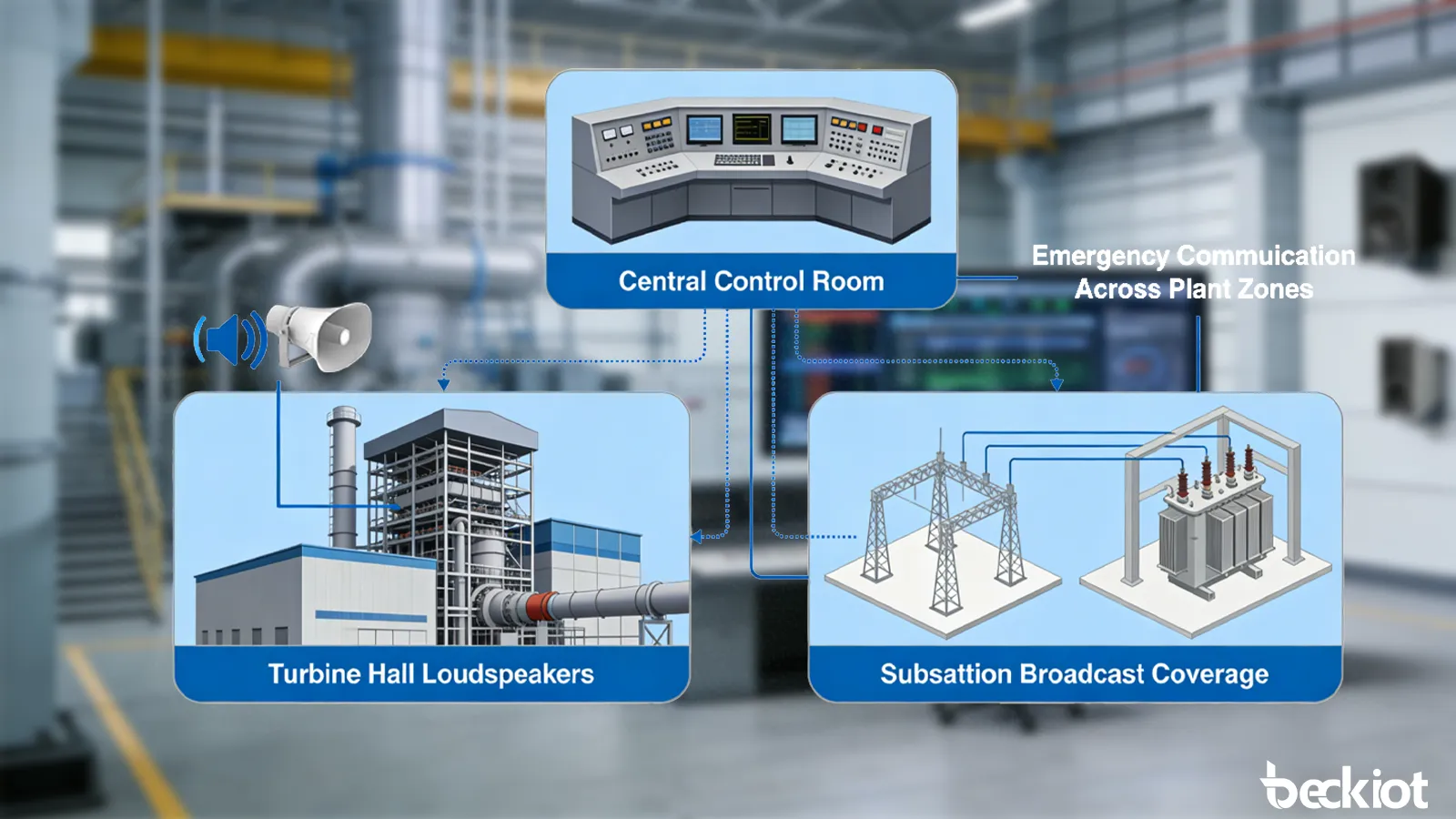
The central control platform is the core of the system. It manages broadcast routing, zone definitions, priority logic, event handling, scheduling, and system supervision. It is usually located in the main control room, operation center, or dispatch room. For critical projects, the control platform can support redundant deployment to improve continuity.
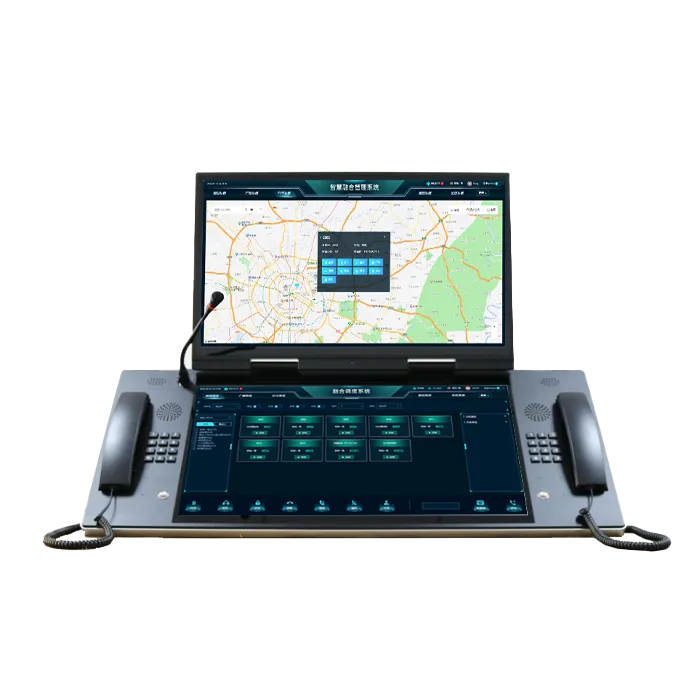
Paging consoles allow authorized staff to make live announcements to one zone, multiple zones, or the full plant. Operator workstations may also provide alarm monitoring, event logging, call handling, and system management functions. These terminals are important for both daily plant coordination and emergency communication control.
The audio output layer includes industrial amplifiers and distributed loudspeakers installed across indoor and outdoor plant areas. Depending on acoustic and environmental conditions, the project may use horn speakers, wall-mounted speakers, column speakers, or industrial-grade outdoor speakers. In designated areas, additional ruggedized or site-suitable speaker types may be selected according to project requirements.
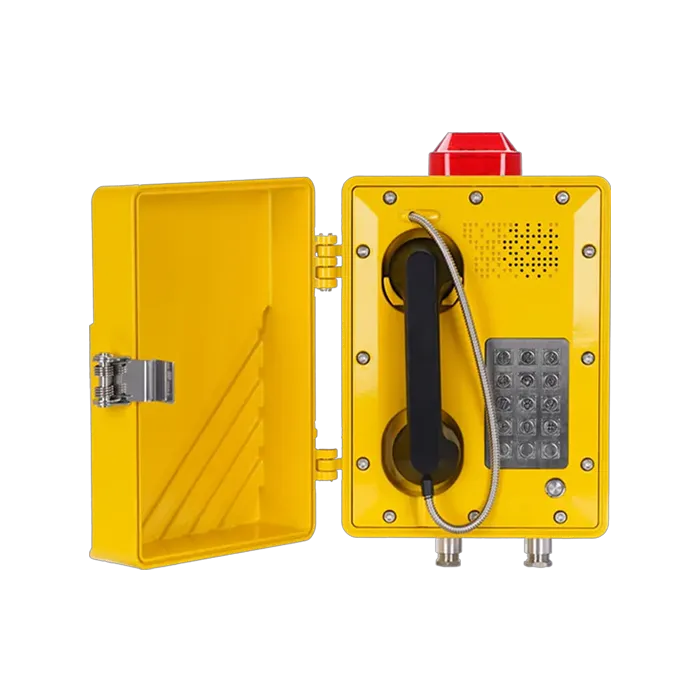
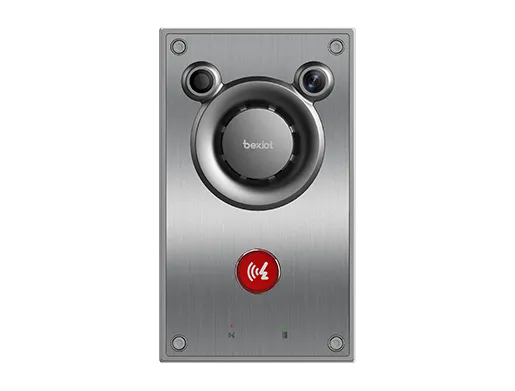
Emergency communication endpoints such as industrial telephones, SIP terminals, or intercom devices can be installed in production zones, service corridors, substations, cable tunnels, auxiliary workshops, and restricted work areas. These terminals complement plant-wide broadcasting by supporting direct communication between field personnel and the control center.
The system can record live announcements, alarm activations, paging events, and selected operational actions for later review. These records support training, incident reconstruction, audit requirements, and communication process improvement.
Interface modules connect the PAGA platform with other plant systems such as fire alarm, CCTV, SIP telephony, DCS, SCADA, and dispatch platforms. This linkage allows plant communication to react more quickly and more intelligently to real events.
| Component | Main Role | Typical Deployment |
|---|---|---|
| Central Control Platform | Zone management, broadcast control, alarm logic, system supervision | Main control room, operation center |
| Paging Console | Live announcements, zoned paging, emergency voice command | Dispatch desk, operator workstation, duty room |
| Industrial Amplifier and Speaker Network | Routine broadcasting, alarm output, evacuation messaging | Turbine hall, boiler area, corridors, substations, outdoor yards |
| Emergency Communication Terminal | Direct voice communication and incident reporting | Service zones, cable tunnels, workshops, restricted areas |
| Interface Module | Integration with fire alarm, CCTV, DCS, SCADA, and telephony | System layer, equipment room, control platform |
The system supports day-to-day plant communication through routine voice broadcasting. Typical applications include shift change notices, maintenance schedules, outage coordination, safety reminders, work instructions, and general operational announcements. This helps keep communication organized across different plant departments and field areas.
Different power plant areas often require different messages. The solution therefore supports area-based paging so that operators can deliver instructions only to the relevant zone. This reduces unnecessary disturbance and improves message accuracy.
Typical broadcast and paging zones may include:
Main control room
Turbine hall
Boiler area
Coal handling corridor
Water treatment area
Auxiliary workshop
Substation and switchyard
GIS room or relay protection room
Cable tunnel
Emergency assembly point
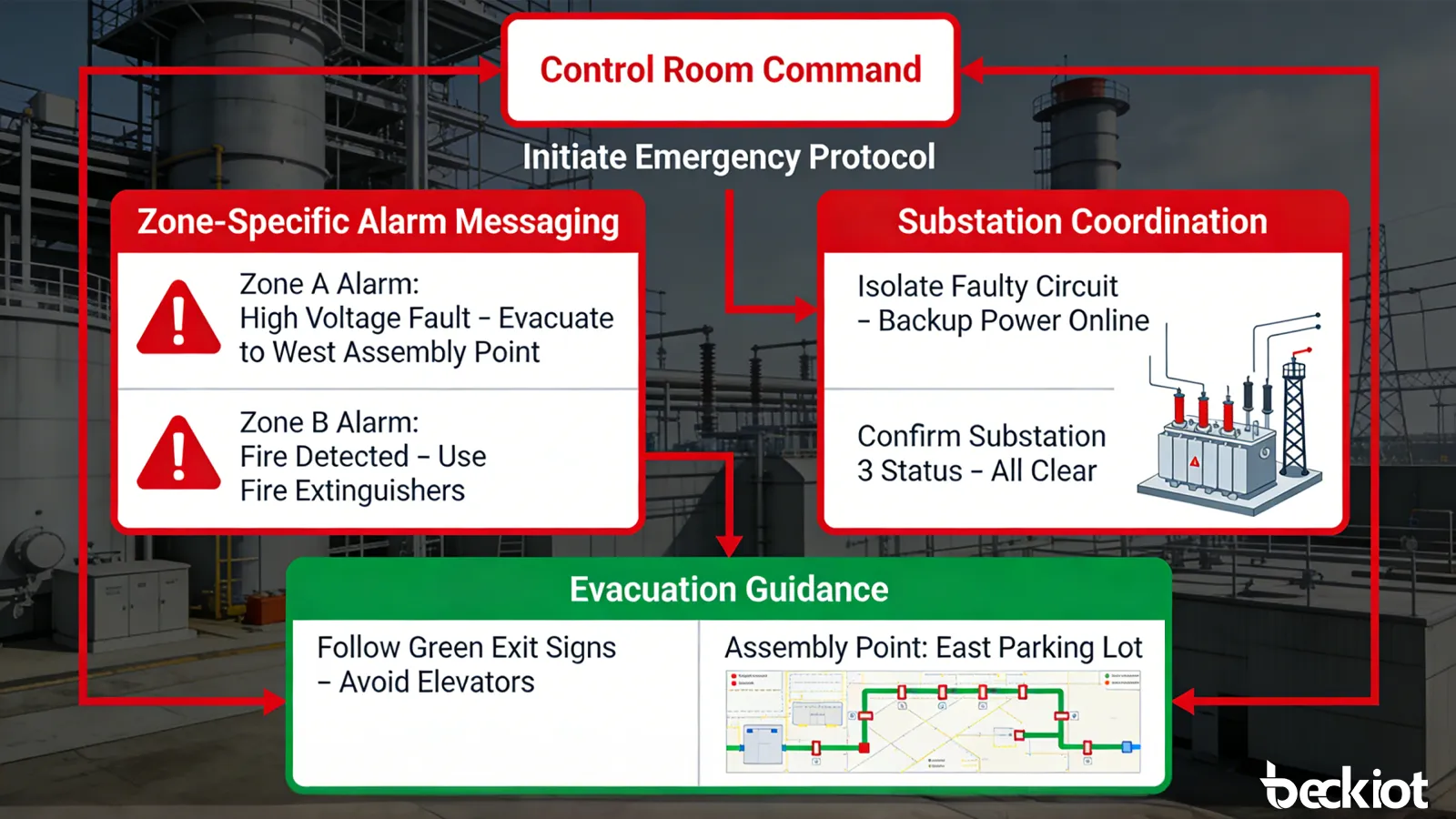
When a serious event occurs, the system can trigger a plant-wide or area-specific general alarm. This function is used for incidents such as fire, electrical fault, equipment failure, restricted-area control, evacuation order, or major operational abnormality. General alarm capability is especially important in facilities where quick awareness across multiple zones is essential.
The solution supports both pre-recorded and live emergency messages. Pre-recorded content provides fast and consistent instruction delivery, while live announcements allow operators to respond to evolving situations. Typical emergency messages may include evacuation instruction, hazard warning, equipment incident notice, restricted-area announcement, and emergency guidance for field teams.
Operators in the control room or dispatch center can broadcast live messages to one zone, multiple zones, or the entire plant. This is useful when incidents change quickly and require manual direction. Live paging supports faster coordination with maintenance teams, operation staff, security personnel, and contractors on site.
The system can assign different priorities to routine announcements, live paging, emergency communication, and alarm messages. High-priority alarm content automatically overrides lower-priority routine audio, ensuring that critical instructions are delivered first.
Announcement records and alarm event logs can be stored for operational review and incident analysis. Playback functions help plant managers verify communication actions, improve procedures, and support training programs based on real operating situations.
The solution can supervise amplifiers, speaker lines, terminals, network links, and key zones. Centralized status monitoring helps maintenance teams detect failures early and maintain better communication readiness across the plant.
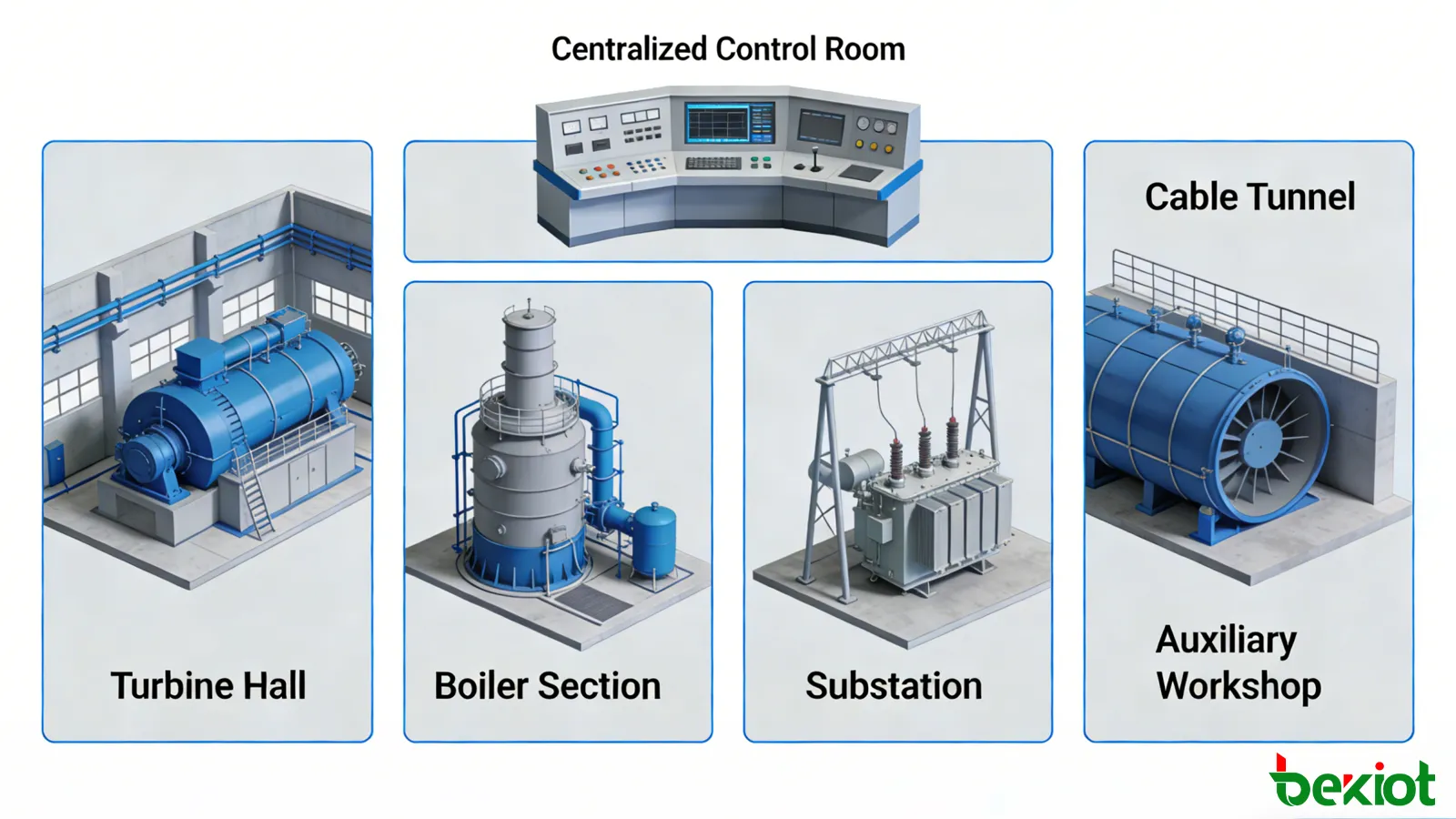
Deployment planning should follow plant layout, process risk, personnel movement, noise conditions, and emergency route design. In power environments, communication coverage must extend well beyond office buildings and include the technical and operational areas where real production activity takes place.
Typical deployment areas include the main control room, turbine hall, boiler section, coal handling area, ash handling zone, cable tunnel, water treatment area, auxiliary workshop, pump room, and emergency assembly locations. These zones need reliable daily communication as well as high-priority emergency voice coverage.
In substations and outdoor distribution environments, the system may cover switchyards, transformer zones, GIS rooms, relay protection rooms, cable trenches, operation rooms, and outdoor duty areas. These spaces require clear and reliable communication support for both operational instructions and abnormal event response.
Service corridors, maintenance rooms, technical spaces, and restricted access zones also benefit from integrated communication support. These are often the areas where coordination between control staff and field workers becomes most important during inspection or fault handling.
| Deployment Area | Main Communication Need | Recommended System Role |
|---|---|---|
| Turbine Hall / Boiler Area | Production coordination, safety notices, emergency warning | Routine broadcasting and high-priority alarm delivery |
| Coal Handling / Auxiliary Workshop | Maintenance notice, work instruction, area paging | Zoned public address and live operator paging |
| Substation / Switchyard | Operational communication and fault-related notification | Distributed paging and alarm communication |
| Cable Tunnel / Technical Corridor | Inspection support, incident alert, field communication | Linked communication terminals and area broadcast |
| Control Room / Dispatch Center | Centralized command and plant-wide communication control | Paging console, system supervision, event management |
| Emergency Assembly Area | Evacuation instruction and emergency guidance | Priority voice broadcast and alarm messaging |
The value of a power PAGA system increases when it is integrated with other plant systems. This makes communication part of the wider operational and safety workflow rather than a standalone announcement tool.
Fire alarm integration: fire events can trigger automatic warning messages and evacuation instructions
CCTV integration: operators can verify现场 conditions while broadcasting instructions and coordinating response
DCS or SCADA integration: process events and plant alarms can be linked with communication actions
SIP telephony integration: operational voice communication can be extended across a broader plant network
Dispatch platform integration: response teams and plant operators can be coordinated more efficiently during incidents
For example, when a fire alarm is triggered in a designated boiler area, the system can automatically issue a zone-specific warning, notify the control room, and allow operators to start live paging for evacuation or operational isolation. This coordinated communication flow reduces delay and improves clarity during time-sensitive events.
In turbine halls, boiler sections, and fuel handling areas, communication must remain understandable under real operating noise conditions. System design should therefore focus on practical intelligibility, not only on audio output level.
Devices may be exposed to heat, humidity, dust, vibration, and outdoor weather. Equipment selection should reflect both environmental suitability and long-term reliability.
Power facilities are typically wide and segmented. The communication platform should support plant-wide coverage while preserving flexible zone-based message delivery.
Power operations place a high value on communication continuity. Redundant architecture for control hosts, transmission networks, power supply, and amplifier paths can improve availability and reduce operational risk.
The solution should support rapid alarm activation, immediate message playback, and live operator takeover when conditions change. This is especially important where incident response time directly affects plant safety.
The PAGA platform should integrate smoothly with existing plant systems to avoid isolated communication islands and improve coordination across control, safety, and operational layers.
A strong power PAGA solution is not just a speaker system. It is a plant-wide communication framework for informing, warning, guiding, and coordinating people under both routine and emergency conditions.
Becke Telcom focuses on industrial communication solutions for harsh and high-demand environments. In power plants, substations, and energy facilities, its PAGA solution is designed to support daily operation and emergency response through a unified and scalable architecture.
The solution can integrate public address, general alarm, industrial telephony, emergency intercom, SIP communication, distributed speaker systems, and dispatch coordination into one manageable communication platform. This helps power operators improve communication efficiency, reduce fragmentation, and strengthen plant-wide safety communication capability.
Unified architecture for public address, alarm, telephony, intercom, and dispatch
Flexible zone-based communication for complex plant environments
Integration support for fire alarm, CCTV, DCS, SCADA, and SIP systems
Reliable industrial communication design for indoor and outdoor plant areas
Scalable deployment for power generation, substations, and integrated energy facilities
For plant owners, EPC contractors, operators, and system integrators, a professional power PAGA solution brings value in both operational efficiency and safety management.
Improves plant-wide voice communication efficiency
Supports unified management of routine broadcasting and emergency alarm
Enhances response speed during faults and evacuation scenarios
Strengthens coordination between control centers and field teams
Reduces delay, confusion, and missed instructions during abnormal events
Supports safer and more manageable power facility operation
A Power PAGA Solution is an essential part of modern power facility safety communication. In environments where noise, distance, operational continuity, and emergency response pressure all affect communication quality, a unified platform for public address, paging, and general alarm provides a more reliable way to support daily plant activity and incident handling.
By combining routine broadcasting, zoned paging, general alarm, live voice command, and system integration into one coordinated architecture, power operators can improve communication efficiency, strengthen safety response, and build a plant-wide communication framework better suited to real industrial conditions.
It is an integrated communication system that combines public address, paging, and general alarm to support routine broadcasting, area-based voice communication, and emergency warning in power plants and substations.
Zoned paging allows operators to send messages only to the relevant area, which improves communication accuracy and avoids unnecessary disturbance across unrelated plant sections.
Yes. The solution can issue evacuation instructions through pre-recorded messages or live operator announcements, depending on the event and plant procedure.
Yes. It can integrate with fire alarm systems, CCTV, DCS, SCADA, SIP telephony, and dispatch platforms to support more coordinated plant communication and response.