Metro, railway, and station environments require fast, clear, and reliable communication for both routine operation and emergency response. From station halls and platforms to transfer corridors, equipment rooms, depots, and control centers, operators need a unified system that can deliver service announcements, passenger guidance, emergency warnings, and live voice instructions without delay. In these complex transportation environments, communication is not only an operational tool. It is also a core part of safety management, crowd control, and incident handling.
A professional PAGA system combines public address, paging, and general alarm into one centralized platform. For metro, railway, and station projects, it can be further integrated with telephony, dispatch consoles, video communication, and trunking radio systems to form a broader rail transit communication network. This approach allows operators to manage routine broadcasting, multi-zone paging, emergency evacuation guidance, and multi-party coordination through one unified architecture.
Becke Telcom provides industrial and mission-critical communication solutions for demanding environments. For rail transit projects, its integrated PAGA solution can connect public address, general alarm, SIP telephony, emergency intercoms, telephone conferencing, video conferencing, and trunking radio interworking into a reliable, scalable, and easy-to-manage communication platform.
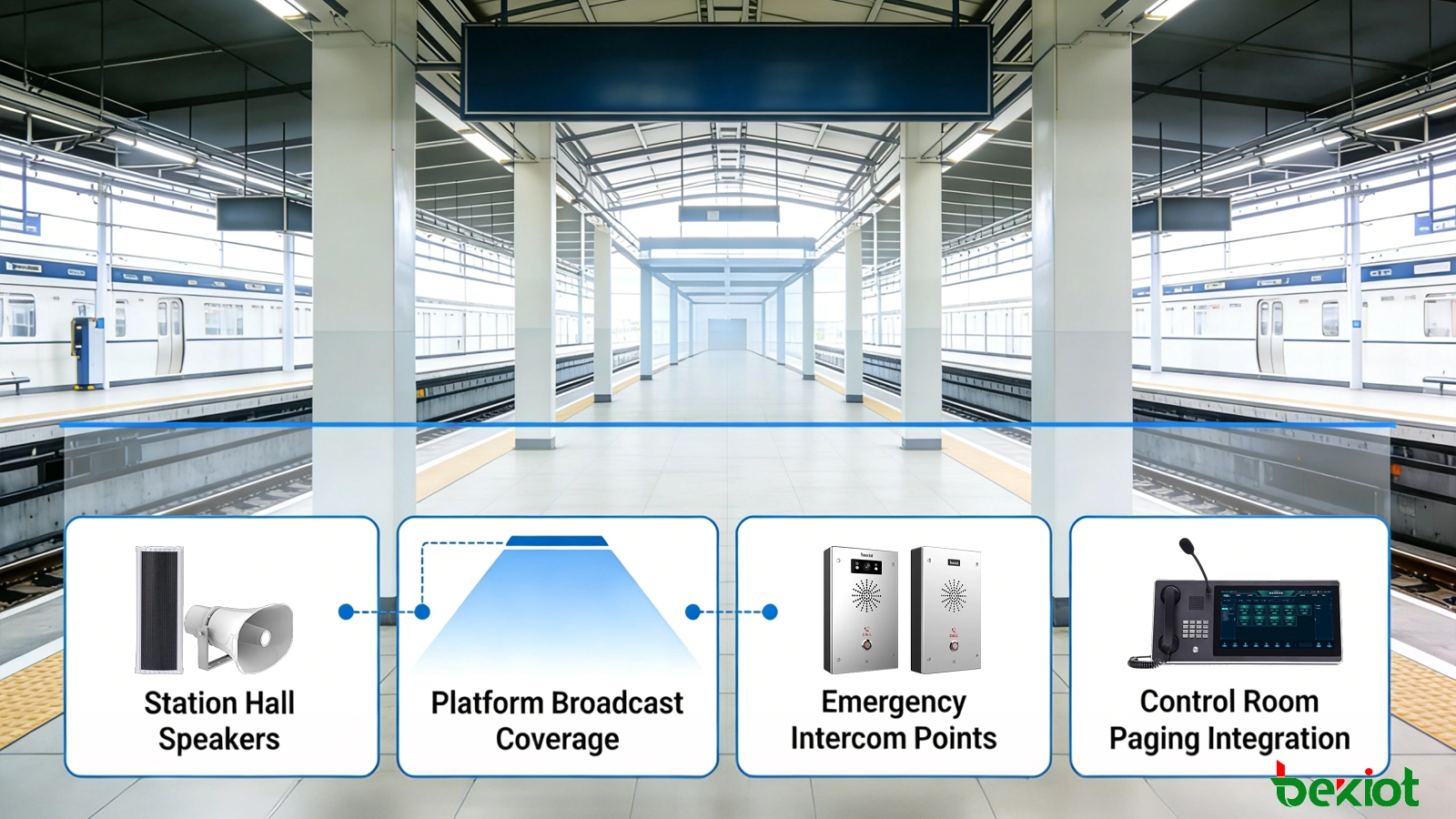
Rail transit environments are characterized by high passenger density, large and segmented spaces, complicated acoustic conditions, and strict operational continuity requirements. A single station may include entrances and exits, ticketing areas, concourses, platforms, transfer passages, escalator zones, back-of-house rooms, equipment rooms, and control spaces. At the network level, the situation becomes even more complex, as multiple stations, depots, operation control centers, and field maintenance teams must communicate efficiently.
During normal operation, the system must support arrival and departure notices, passenger guidance, transfer information, crowd control messages, and operational announcements. During emergencies, it must quickly deliver fire alarms, security alerts, service suspension notices, evacuation guidance, and incident instructions. Conventional broadcast tools often lack flexible zoning, alarm priority control, conference collaboration, and cross-system interworking. A modern rail transit communication solution therefore needs more than simple speakers. It needs an integrated PAGA-centered platform.
In rail transit, communication quality directly influences passenger guidance, incident response speed, operational coordination, and public safety performance.
In metro, railway, and station projects, the PAGA system serves as the voice notification and alarm backbone of the site. It supports routine broadcast, zoned paging, live announcements, general alarm, and evacuation messaging. When integrated with conference and dispatch resources, it also becomes a collaborative communication platform that links station operators, control centers, maintenance teams, security staff, and emergency responders.
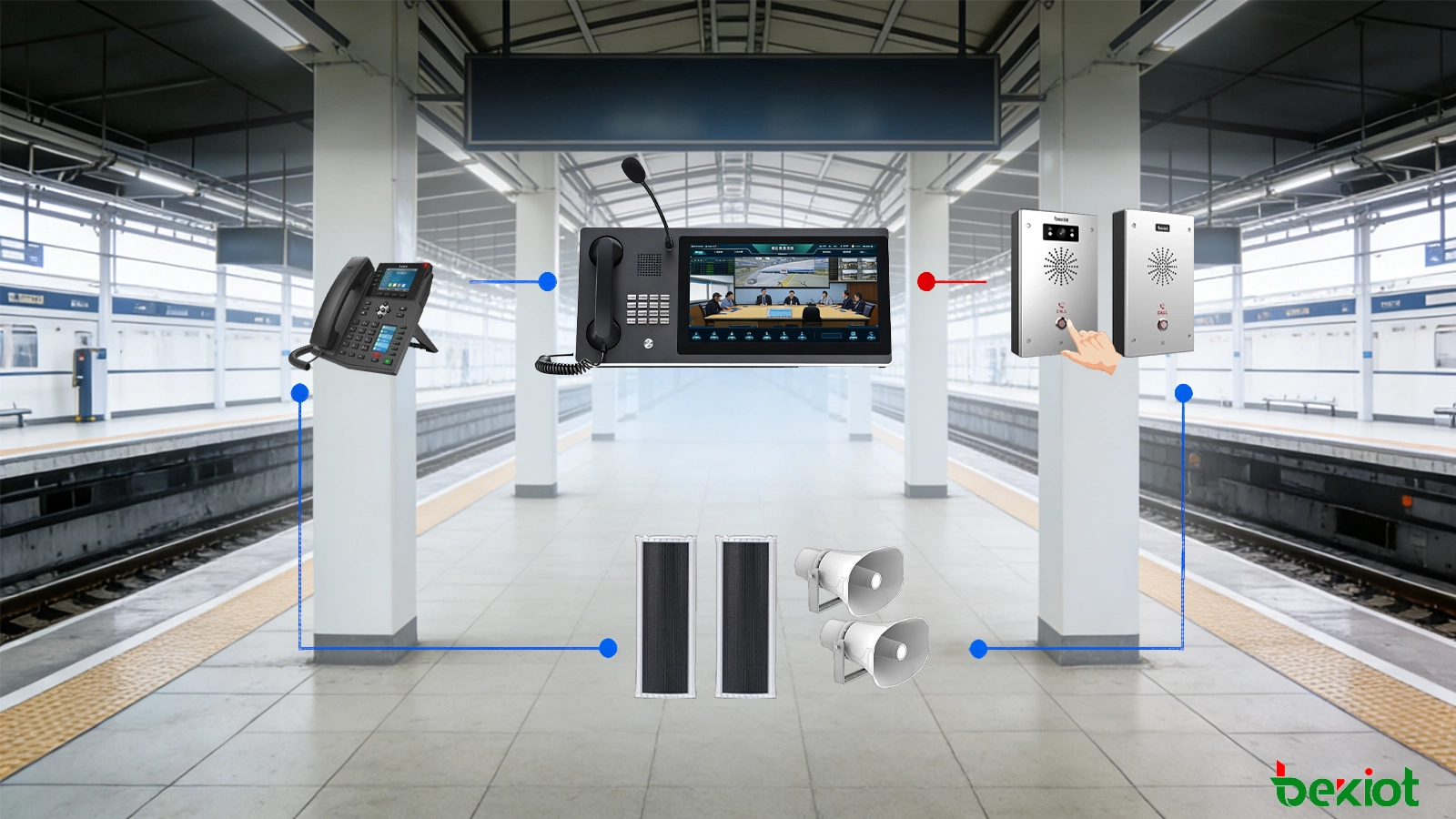
Rather than operating as an isolated subsystem, the PAGA platform can work together with fire alarm systems, CCTV, station control systems, passenger information systems, emergency help points, SIP telephony, conference terminals, and trunking radio networks. This integrated approach helps reduce communication silos and improves coordination across daily operations and abnormal events.
The central control platform is the core of the solution. It manages zone configuration, broadcast priority, live paging, alarm triggering, scheduling logic, device status, and event records. In large projects, the platform may be deployed at the operation control center while allowing station-level operators to control local functions based on authority rules.
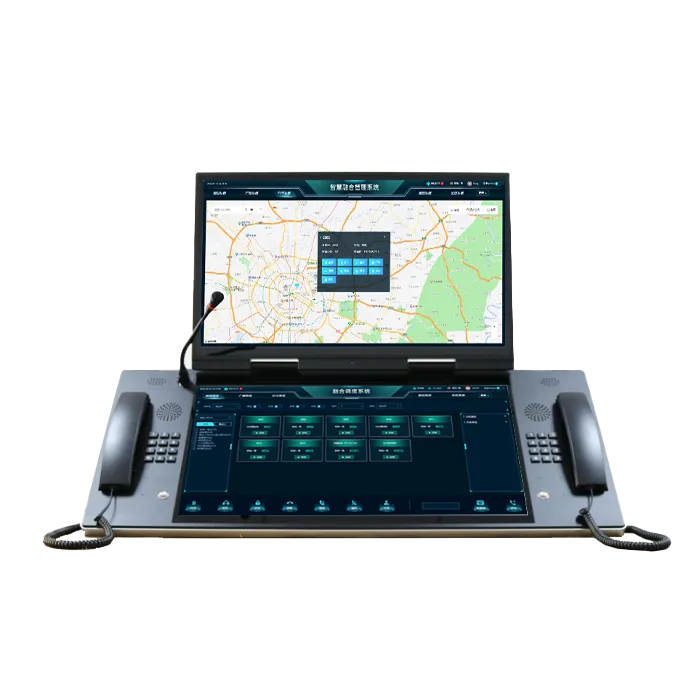
Operator terminals are installed in station control rooms, dispatch centers, and operation centers. These consoles support one-zone paging, multi-zone paging, full-station broadcasting, emergency announcement override, and integrated communication control.
Amplifiers drive ceiling speakers, wall-mounted speakers, column speakers, or horn speakers installed across public and operational areas. Different speaker types can be selected according to station hall acoustics, platform length, open-air conditions, or depot environments.
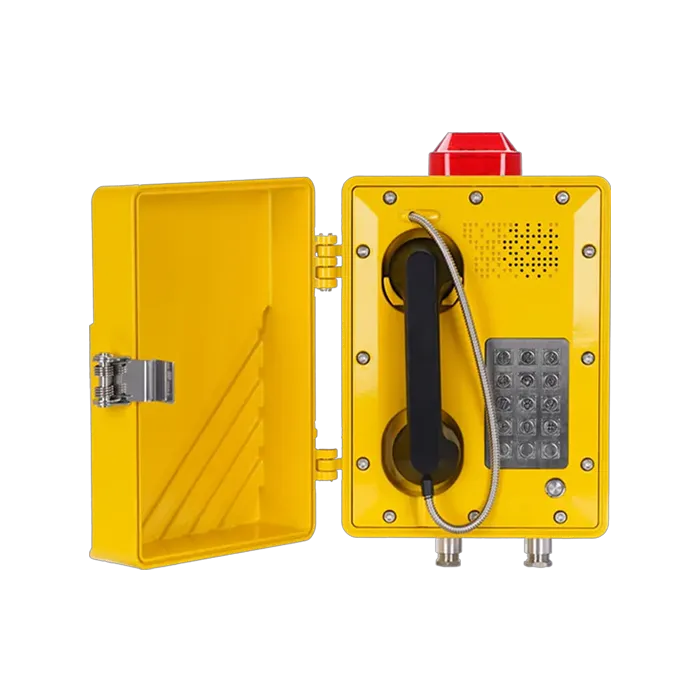
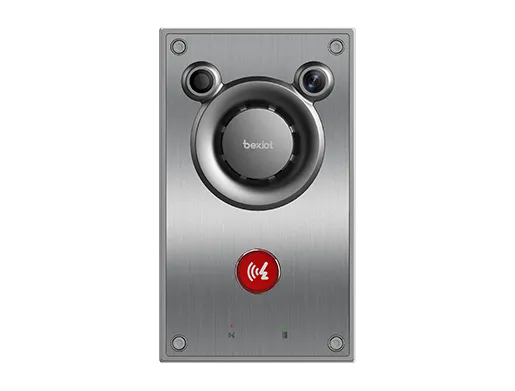
The solution can include emergency intercom points, help points, industrial telephones, or SIP terminals located at key positions such as platforms, service corridors, equipment zones, depots, and restricted areas. These endpoints allow passengers or staff to initiate communication when assistance is required.
Telephone conference capability allows multiple departments to join one voice session for rapid coordination. This is especially useful when operation control centers, station managers, maintenance teams, and security personnel need to make synchronized decisions during service disruptions or emergencies.
Video conferencing extends communication beyond voice broadcasting. By linking control centers, major stations, dispatch rooms, and emergency command locations, the system supports face-to-face command discussion, remote coordination, and visual situation reporting.
Trunking radio integration enables communication between the PAGA platform, dispatch consoles, radio users, and field teams carrying handheld terminals. Through gateways or interworking modules, station control staff can cooperate more effectively with mobile personnel during crowd management, security incidents, or maintenance activities.
These modules connect the platform with fire alarm systems, CCTV, passenger information systems, station SCADA, emergency help points, SIP servers, and dispatch systems. This makes the overall solution more responsive and easier to manage during complex events.
The system supports daily operational broadcasting for train information, transfer reminders, service updates, safety notifications, and general passenger guidance. This helps maintain an orderly travel environment while improving service communication efficiency.
Operators can broadcast to one area, multiple selected areas, or the full station. This zoning capability is essential in metro and railway projects, where a platform announcement may not need to be heard in office areas, and a back-of-house instruction may not be suitable for public zones.
Typical broadcast zones include:
When fire, security threats, equipment incidents, or evacuation conditions arise, the system can trigger a general alarm across the whole station or selected zones. Emergency alarm messages can automatically interrupt routine announcements to ensure priority delivery.
Pre-recorded emergency messages help maintain consistency and speed when an incident occurs. These messages can be associated with different scenarios and triggered automatically or manually.
In many real events, operators need to speak directly to passengers or staff. The system therefore supports live paging from the control room, station duty room, or dispatch center. Manual control is especially important when the situation changes rapidly and standardized messages are no longer sufficient.
Telephone conferencing allows multiple voice participants to join one coordinated session without requiring them to be physically in the same room. In rail transit operations, this function is valuable for communication among the operation control center, station duty officers, line maintenance teams, security units, and emergency response coordinators.
Typical use cases include incident escalation, equipment fault coordination, peak-hour passenger flow control, and recovery planning after service interruption. Because conference participants can join quickly through telephones or SIP terminals, decision-making becomes faster and more structured.
Video conferencing provides a higher level of situational communication for complex incidents. Control center personnel, station managers, security teams, and technical support staff can hold visual command meetings, review field conditions, discuss service recovery, and coordinate resources in real time.
In multi-station networks, video conference capability is also useful for daily operation briefings, cross-station coordination, and emergency drills. When combined with voice broadcast and CCTV information, it helps decision-makers respond with better visibility and stronger command efficiency.
Field personnel in metro and railway projects often rely on trunking radio terminals for mobile communication. By integrating the trunking radio system with the PAGA and dispatch platform, operators can bridge fixed-site communication and mobile field communication. This is highly useful for station patrol teams, maintenance crews, security units, and emergency responders working across wide or moving environments.
For example, when an abnormal crowd event occurs on a platform, the station control room can issue a public announcement through the PAGA system, start a telephone conference with the control center, and simultaneously coordinate with mobile security teams through trunking radio interworking. This creates a more complete command chain across voice broadcast, fixed communication, and mobile radio dispatch.
The system can record broadcasts, paging sessions, conference events, and key alarm actions for later review. These records support operational tracing, incident analysis, personnel training, and service quality management.
Rail transit communication infrastructure must continue working under demanding conditions. The solution can support redundant hosts, backup amplifiers, redundant network design, and protected power architecture to reduce service interruption risk.
The true value of the solution is most visible when it is connected with the broader rail transit ecosystem. Instead of acting as a standalone alarm tool, the PAGA-centered platform becomes part of a larger operational and safety network.
This kind of integration supports a more unified communication workflow. A fire signal can trigger a priority broadcast, operators can verify the situation through CCTV, station managers can join a conference call, and mobile field teams can respond through radio terminals, all within one coordinated communication structure.
Station halls, platforms, concourses, transfer corridors, entrances, exits, and escalator areas are the most visible deployment zones. These areas require clear passenger-facing announcements and strong emergency voice guidance capability.
Equipment rooms, service corridors, staff rooms, operation rooms, power rooms, and maintenance spaces also need reliable communication support. In these areas, the solution helps staff coordination, technical notification, and emergency response.
Depots and yards involve vehicle movement, maintenance work, and coordination across wider spaces. Public address, telephony, and radio interworking can work together to improve operational efficiency and safety control in these semi-public or restricted zones.
Operation control centers, station control rooms, and emergency command rooms are the decision-making core of the system. Paging consoles, conference terminals, and integration interfaces installed here enable unified coordination across the network.
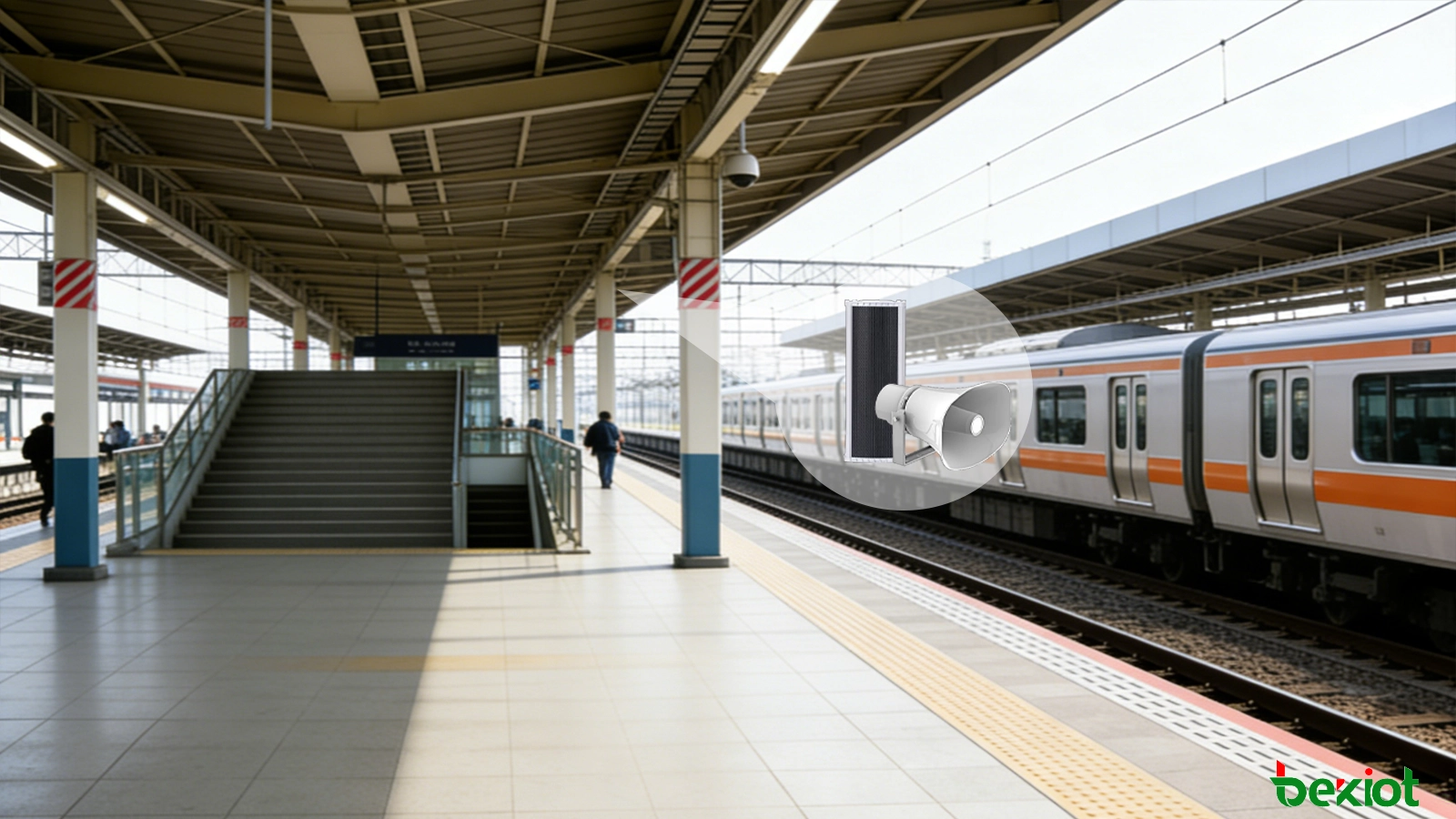
Stations contain constant background noise from trains, ventilation, equipment, and passenger activity. System design should therefore focus not only on sound coverage, but on speech intelligibility and practical announcement clarity.
Different operating areas have different communication needs. The solution should support flexible zoning by station, floor, platform, corridor, depot section, or functional room so that operators can communicate with precision.
Emergency content must override normal service announcements. Priority design ensures that evacuation messages and critical alerts are delivered first and without conflict.
Because rail transit incidents often involve multiple departments, telephone conference, video conference, and radio interworking should be considered part of the communication design rather than optional extras.
Large rail networks benefit from a management model that combines central control with local station autonomy. This improves consistency across the network while preserving fast response at the site level.
The communication platform should support future expansion, additional stations, new integration points, and evolving dispatch requirements without requiring a complete redesign.
A strong rail transit communication solution does more than broadcast messages. It connects passengers, station operators, control centers, and field teams through one coordinated operational framework.
Becke Telcom provides professional communication solutions for complex and high-demand environments. In metro, railway, and station applications, its integrated PAGA solution is designed to support routine operation, emergency communication, and multi-department collaboration through one open architecture.
The platform can combine public address, general alarm, SIP telephony, emergency intercom, telephone conference, video conference, dispatch management, and trunking radio interworking into one communication framework. This helps rail transit operators build a unified system that is easier to manage, easier to expand, and better suited to modern transportation safety requirements.
For metro operators, railway authorities, EPC contractors, and system integrators, an integrated PAGA solution brings both operational and safety value.
PAGA solutions for metro, railway, and stations have evolved from simple public announcement systems into integrated communication platforms. In modern rail transit environments, operators need more than broadcast coverage. They need zoned paging, general alarm, emergency guidance, conference collaboration, and mobile team coordination working together as one system.
By combining public address, general alarm, telephone conference, video conference, and trunking radio interworking into a unified architecture, rail transit operators can improve daily operation, strengthen emergency response, and build a more efficient communication framework across stations, depots, and control centers. This is the direction of modern rail communication design and an important foundation for safer, smarter, and more manageable transportation systems.
PAGA stands for Public Address and General Alarm. In metro, railway, and station environments, it is used for routine broadcasting, zoned paging, emergency warning, and evacuation voice communication.
Because rail transit incidents often require coordination among multiple departments. Telephone and video conference capabilities help control centers, station managers, maintenance teams, and security personnel communicate more quickly and make decisions more efficiently.
Trunking radio integration connects mobile field teams with fixed-site communication infrastructure. It helps stations and control centers coordinate more effectively with security staff, maintenance crews, and emergency responders using handheld radio terminals.
Yes. The solution can be adapted to metro stations, railway stations, depots, yards, transfer hubs, and multi-site rail networks that require integrated broadcasting, alarm, and operational communication.