Healthcare environments depend on fast, accurate, and well-coordinated communication. A delayed response to a patient call, a missed emergency alert in a bathroom, or a slow reaction to staff distress can directly affect safety, care quality, and operational efficiency. For hospitals, clinics, nursing homes, rehabilitation centers, and assisted living facilities, communication infrastructure must support both daily care workflows and urgent incident handling.
A modern nurse call and emergency alert solution is no longer limited to simple bedside buttons and corridor lamps. It has evolved into a connected communication system that links patient rooms, bathrooms, nurse stations, staff work areas, intercom terminals, IP phones, mobile devices, alarm indicators, and centralized management software. This allows care teams to receive requests quickly, identify where help is needed, communicate with the scene, and manage response actions more efficiently.
Becke Telcom provides a practical healthcare communication approach by integrating nurse call devices, emergency alert points, SIP intercom, IP telephony, paging, visual notification, and centralized alarm management into one unified framework. The solution helps healthcare facilities improve patient support, strengthen staff safety, and build a more reliable response workflow across wards, departments, and buildings.
Healthcare staff work in environments where response time matters. Patients may need help with mobility, medication, pain management, or sudden discomfort. Elderly residents may require assistance after a fall or incontinence event. In emergency departments and intensive care settings, the urgency can be even higher, with rapid deterioration requiring immediate action. A fragmented or outdated call system can create delays, confusion, and unnecessary workload.
At the same time, care teams are expected to cover more rooms, more shifts, and more communication channels than before. Nurses, supervisors, and support staff need a solution that not only receives alerts, but also presents them clearly, prioritizes them correctly, and routes them to the right person or team. A well-designed system reduces missed calls, shortens response cycles, and improves service continuity.
Healthcare communication is not limited to patient requests. Staff members may also need fast assistance in difficult situations such as aggressive behavior, falls, medical incidents, isolation-room support, or security-related events. A complete healthcare solution must therefore support both routine nurse call workflows and higher-priority emergency alerts for staff protection and incident escalation.
When these functions are separated across disconnected systems, facilities often face inconsistent workflows and weak visibility. Operators may know an alarm occurred, but not its exact location, severity, or context. By combining nurse call and emergency alerting on one platform, healthcare facilities can manage patient assistance and urgent response more effectively.
In healthcare, communication systems must support comfort, care, safety, and escalation at the same time. The real value comes from turning a simple call request into a clear and manageable response process.
A nurse call and emergency alert solution for healthcare facilities is a communication and alarm system designed to help patients request assistance, enable staff to call for urgent support, and allow supervisors or control teams to coordinate response actions from a central platform. It is used in hospitals, clinics, nursing homes, assisted living centers, rehabilitation facilities, outpatient departments, and specialized care units.
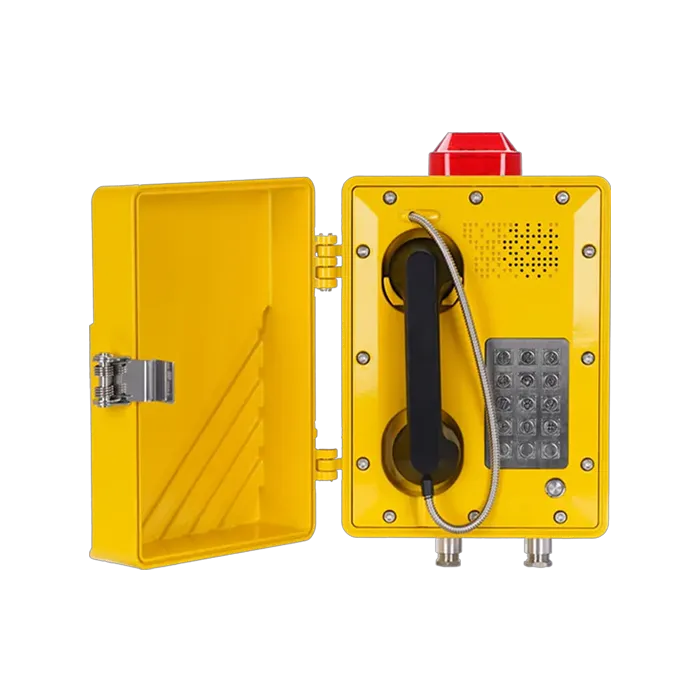
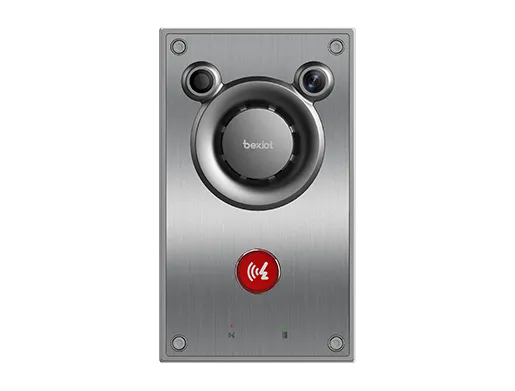
The system typically includes bedside call buttons, bathroom pull cords, wall-mounted emergency buttons, nurse station consoles, corridor indicators, SIP intercom terminals, IP phones, mobile alerts, and alarm management software. Together, these components create a structured workflow that supports request reception, prioritization, acknowledgement, voice communication, and response tracking.
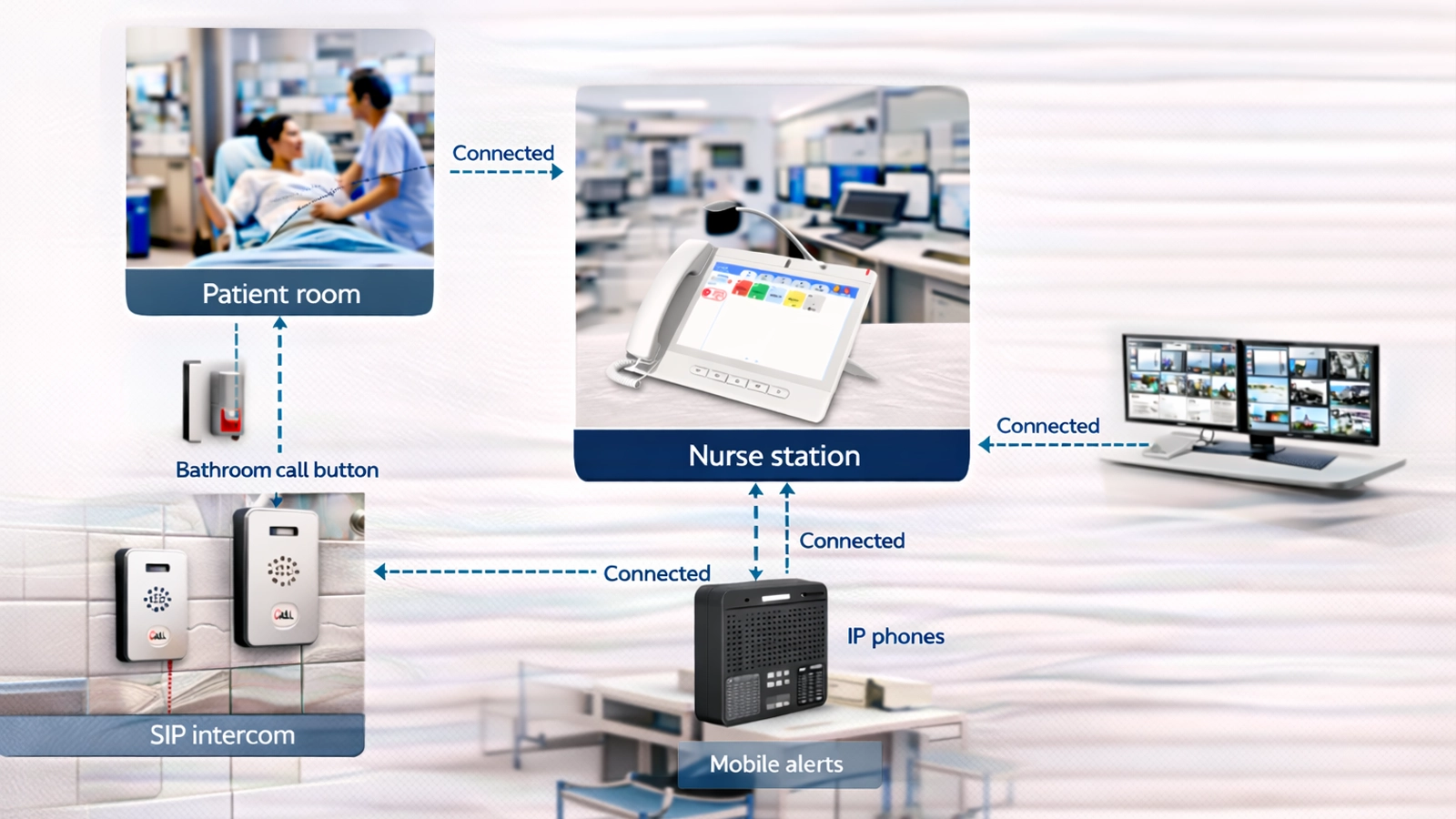
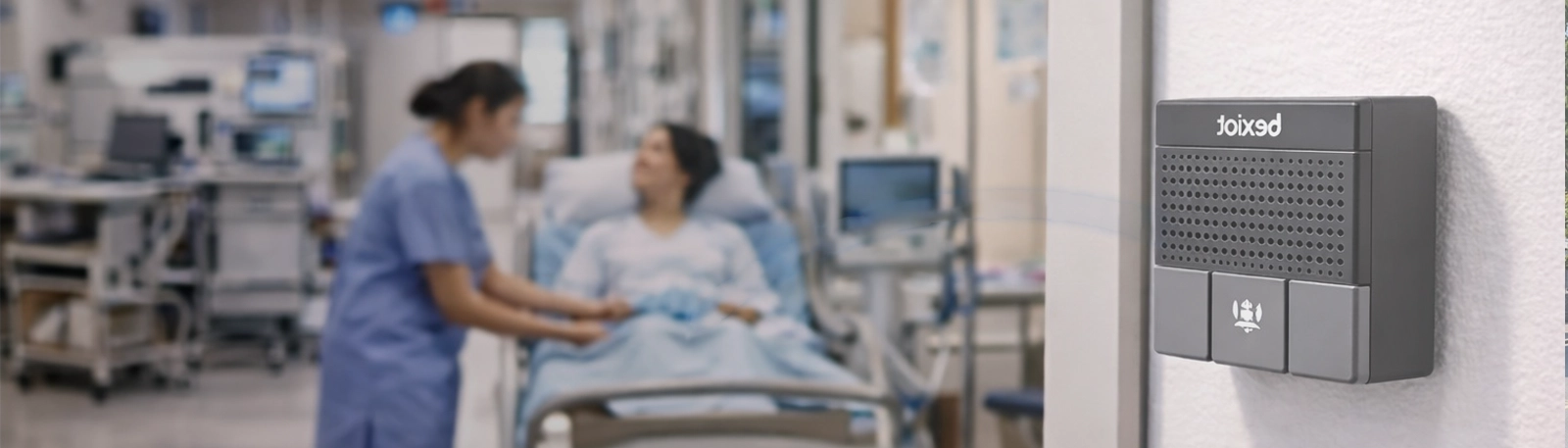
When a patient presses a bedside call button or pulls an emergency cord in a bathroom, the system sends the request to the nurse station and the central management platform. The alert is associated with a specific room, bed, bathroom, or care area. Staff receive a visible and audible notification and can acknowledge the event through a console, phone, or mobile device. If voice communication is enabled, the nurse station can open two-way audio to confirm the request before arrival.
If the event is a staff emergency, such as a duress alert or urgent assistance call, the system can apply a higher priority level. It may notify security personnel, supervisors, or designated responders immediately, while also displaying the alarm location and triggering escalation rules if there is no timely acknowledgement. This structured approach improves both patient care efficiency and emergency handling capability.
Bedside call buttons for routine patient assistance requests
Bathroom pull cords for emergency calls in high-risk areas
Emergency buttons for staff distress or urgent medical assistance
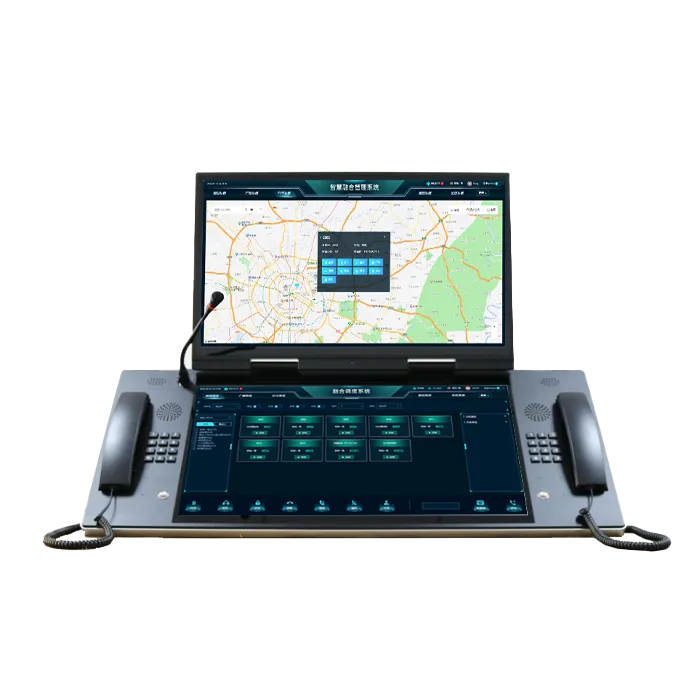
Nurse station consoles for event monitoring and call handling
Corridor dome lights or room indicators for local visual notification
SIP intercom terminals and IP phones for real-time voice communication
Mobile alerting for nurses, supervisors, and response personnel
Central management software for alarm visibility, logging, and escalation
At the room level, the system can include patient bedside buttons, wall-mounted call units, bathroom emergency cords, and room indicators. These endpoints provide the first layer of communication between the patient area and the care team. In critical care or specialized environments, additional devices can be added for staff assistance, sanitary areas, consultation rooms, treatment spaces, and observation units.
Nurse station consoles act as the primary local coordination point. They display active calls, room numbers, alert types, and status information. SIP intercom stations or IP phones can also be used by charge nurses, ward supervisors, and service desks to communicate with patients or staff at the scene. This helps facilities build a flexible response model that is not tied to a single desk or device.
Beyond the ward, the central platform provides broader visibility across departments and buildings. It can receive and classify events from multiple nurse stations, floors, or facilities, allowing supervisors and administrators to monitor active calls, event history, response performance, and alarm categories. This is especially useful in larger hospitals, healthcare campuses, and group care organizations.
Becke Telcom can integrate healthcare call devices, SIP voice terminals, IP phones, visual alarms, and dispatch or monitoring software into one network-based architecture. This helps healthcare operators reduce isolated systems and create a scalable communication framework for both current use and future expansion.
Patient or staff triggers a call or emergency alert.
The system identifies the room, zone, or endpoint.
The alert is displayed at the nurse station and central platform.
Staff acknowledge the event through console, phone, or mobile device.
Two-way voice communication can be established if required.
If no response is confirmed, the event can escalate automatically.
All actions are logged for review, reporting, and process improvement.
The foundation of the solution is enabling patients to request help quickly and easily. Bedside call buttons allow patients to contact nurses for assistance with mobility, medication, comfort, or general care needs. In outpatient or recovery areas, wall call points can support short-term patients who need a simple and reliable method to request attention.
A clear and responsive nurse call workflow reduces uncertainty for patients and reduces unnecessary movement for staff. Instead of relying on informal requests or repeated room checks, care teams can prioritize calls based on real demand and maintain a more organized service pattern throughout the shift.
Bathrooms, accessible toilets, shower rooms, and rehabilitation areas are common high-risk locations in healthcare facilities. Patients may slip, fall, or experience distress when alone. Emergency pull cords or wall-mounted buttons provide a reliable way to call for urgent help from these spaces, and the system can immediately identify the exact room or area involved.
This type of alert must be handled differently from routine nurse calls. Facilities often configure these alarms with a higher urgency, different visual indicators, and faster escalation rules. When integrated into the full communication platform, bathroom alarms can be routed to the most appropriate nurse group or supervisor without delay.
Healthcare workers also need protection. In psychiatric wards, emergency rooms, admission counters, isolation areas, and late-night duty zones, staff may encounter violence, distress, or incidents that require immediate support from colleagues or security teams. A dedicated emergency assistance button or silent duress trigger helps them request help without leaving the scene.
This function is especially valuable in facilities that handle challenging patient behavior, high visitor traffic, or critical care workflows. By integrating staff alerts with voice communication and response coordination, the healthcare organization can improve workplace safety and reduce the risk of unmanaged escalation.
In many cases, sending a call is only the first step. The care team also needs to understand what kind of help is required. By integrating SIP intercom terminals or compatible IP voice devices, the nurse station can establish real-time two-way audio with the room or call point. This makes it easier to verify the situation, reassure the patient, and decide whether a nurse, caregiver, support staff member, or security responder is needed.
Voice communication also improves efficiency in larger facilities. Staff do not need to physically visit every room just to determine whether the request is routine or urgent. This helps reduce unnecessary movement while still supporting compassionate and responsive patient care.
Two-way communication adds context to an alert. It helps healthcare teams distinguish between a routine assistance request and a high-priority emergency before they arrive on site.
Speed depends on clarity. The solution should always identify where the call originated, whether by ward, room number, bed position, bathroom, treatment area, or corridor zone. Nurse station screens, central software, and local visual indicators can all work together to guide response personnel quickly to the right place.
Corridor dome lights, zone indicators, and console displays remain important in healthcare because they provide immediate local visibility even when staff are moving through ward areas. When combined with digital alerts on phones or workstations, the facility gains both traditional visual guidance and modern centralized monitoring.
Not every event should be treated the same way. A routine patient assistance request, a bathroom emergency, and a staff duress alert each require different handling logic. Centralized alarm management allows the healthcare facility to classify event types, assign priorities, set escalation paths, and record the full response timeline.
For example, if a routine call is not acknowledged within a certain time window, it can be forwarded to another nurse. If an emergency alert is triggered, it can immediately notify supervisors or security personnel. Event history, acknowledgements, and response records can then be reviewed later to support quality improvement and operational accountability.
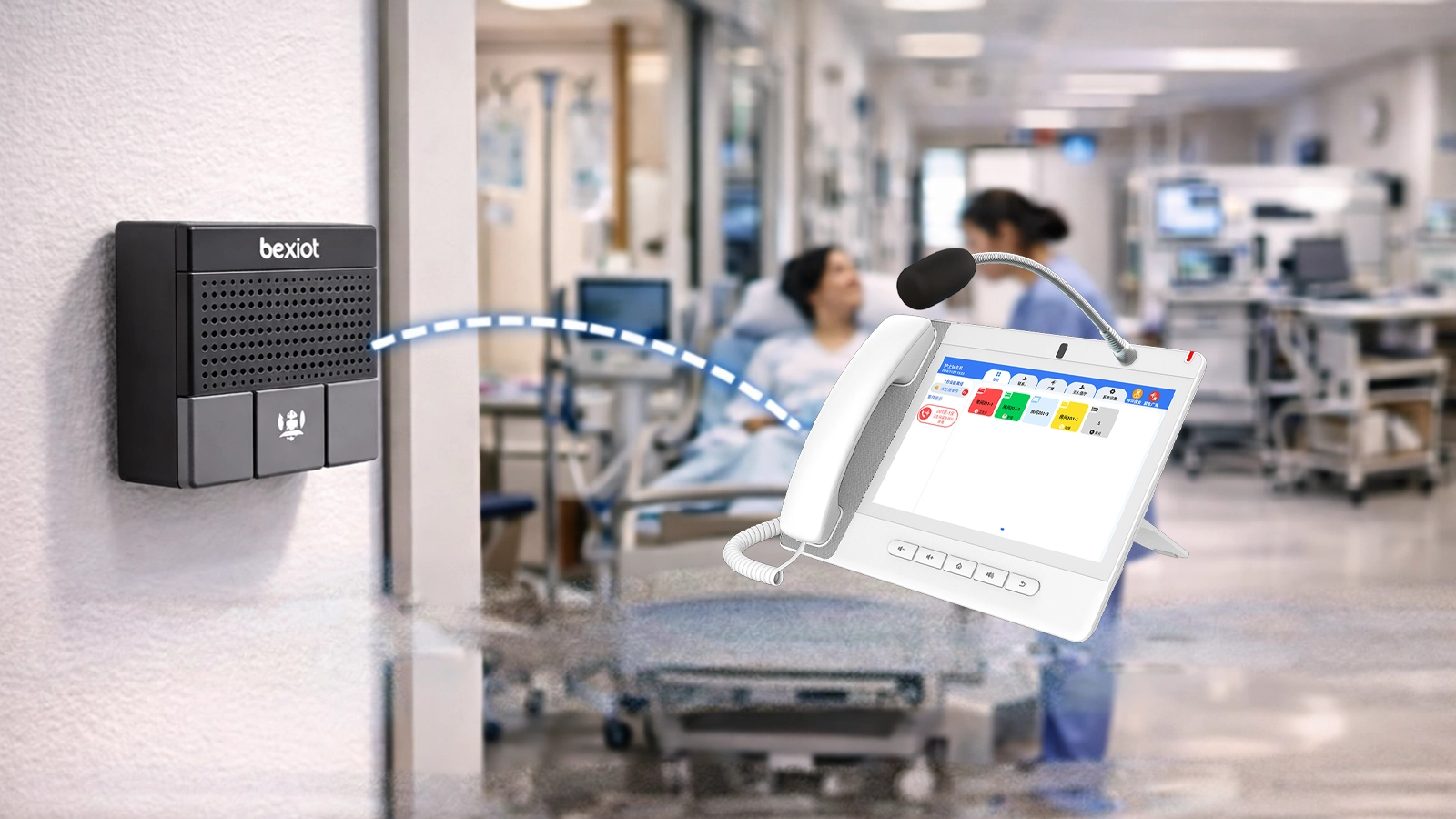
Healthcare communication systems increasingly rely on IP networks. SIP intercom and IP phone integration allow nurse calls and emergency alerts to become part of a broader communication environment rather than remaining isolated in one closed subsystem. Nurse stations, charge desks, reception points, treatment areas, and support teams can all participate in a more connected workflow.
This architecture also supports easier expansion. As wards are renovated or departments are added, new endpoints can be integrated into the existing IP-based framework. For healthcare organizations seeking long-term scalability, this is a strong advantage over rigid legacy systems.
Nurses and caregivers are not always at the station. In modern hospitals and care facilities, staff move constantly between rooms, corridors, treatment areas, and administrative spaces. Mobile alerting helps ensure that important calls reach the responsible person even when they are away from the main console.
Alerts can be delivered to mobile devices, duty phones, or wireless handsets, depending on deployment requirements. This improves flexibility, shortens response time, and supports better workload distribution across the team.
Some healthcare events require a broader response. Integration with paging or public address systems allows facilities to notify staff groups, announce emergency instructions, or coordinate support across a ward or building. This is useful for code events, evacuation support, restricted-area incidents, and operational emergencies that affect multiple teams.
Becke Telcom can support integration between healthcare alerts, SIP communication, IP phones, paging systems, and central management platforms, helping customers build a more unified emergency communication architecture for clinical and operational use.
Standard patient rooms remain the most common nurse call deployment environment. Bedside call buttons, room indicators, and nurse station displays help create a basic but essential support workflow. In post-operative recovery, step-down care, and observation spaces, the need for prompt response is equally important, especially where patient mobility is limited.
When these areas are linked to voice communication and central monitoring, the solution becomes more effective and easier to manage at scale, especially across large inpatient departments.
These areas present elevated risk because patients may be unattended, unstable, or physically vulnerable. Emergency pull cords and dedicated alarm points are essential for safe design. The system should clearly distinguish these events from standard room calls so staff understand the urgency immediately.
In elderly care and rehabilitation settings, this function is particularly important because fall risk and mobility limitations are common. A well-positioned emergency alert point can directly improve safety outcomes.
Critical care areas require rapid coordination, high visibility, and clear prioritization. In the ICU, even minor communication delays can disrupt patient care. In emergency departments, staff may face urgent treatment situations, unpredictable visitor behavior, and high patient turnover. Specialized units such as psychiatric wards, maternity departments, dialysis centers, and isolation rooms may also require different call categories and staff emergency functions.
An integrated solution makes it easier to adapt the workflow to each clinical area while preserving centralized oversight and common management standards.
Long-term care providers need communication systems that support both routine comfort requests and urgent safety events. Residents may require help with movement, hygiene, medication, or nighttime assistance, while caregivers need reliable tools to manage response across multiple rooms and shifts.
The combination of bedside calling, bathroom emergency alerting, voice communication, and mobile notification is especially useful in these environments because staff are often distributed and response teams may be smaller than in large acute hospitals.
Hospitals and general wards
Emergency departments and ICU units
Outpatient clinics and day-care centers
Nursing homes and assisted living facilities
Rehabilitation and recovery centers
Psychiatric and behavioral care units
Maternity, pediatric, and specialist departments
Multi-building healthcare campuses
Patients want confidence that help is available when needed. A responsive nurse call system improves comfort, trust, and perceived care quality because patients know their request is received and managed promptly. In urgent situations, faster alarm delivery can also reduce risk and improve the overall safety environment.
For staff, clear event presentation and better prioritization reduce confusion during busy shifts. This supports more efficient workflows and allows teams to focus their attention where it is needed most.
Healthcare workers need dependable ways to request urgent assistance. Integrated emergency alerting gives staff more confidence in difficult situations and provides management with clearer visibility into incidents and response patterns. Logged event history, acknowledgement records, and escalation data can all be used for review, training, and continuous improvement.
From a technical perspective, IP-based integration also supports flexibility, easier maintenance, and better coordination with broader communication systems inside the facility.
Faster patient assistance and nurse response
Clear identification of room, bed, or bathroom location
Higher safety for staff in critical or high-risk areas
Two-way communication for better incident understanding
Improved workflow through priority-based event handling
Mobile and multi-station support for distributed teams
Centralized management across wards and buildings
Reliable event logs for analysis and quality control
A nurse call and emergency alert solution for healthcare facilities should do more than transmit a basic call signal. It should help patients request assistance, enable staff to raise urgent alarms, provide room-level visibility, support real-time communication, and coordinate response actions through a unified platform. That is how healthcare organizations improve both care quality and operational safety.
By integrating bedside call devices, bathroom emergency alarms, SIP intercom, IP phones, visual indicators, mobile notifications, and central management, Becke Telcom helps hospitals, clinics, and care providers create a more connected and more responsive healthcare communication environment. The result is better patient support, improved staff protection, and a stronger foundation for efficient day-to-day operations.
For healthcare projects that require scalable communication, faster assistance workflows, and integrated emergency response, a tailored nurse call and emergency alert solution offers practical long-term value.
If you are planning a healthcare communication project for hospitals, clinics, nursing homes, or assisted living facilities, Becke Telcom can help you design a nurse call and emergency alert solution that matches your workflow, site structure, and response requirements.
A nurse call is usually a routine patient assistance request, such as help with movement, comfort, or care needs. An emergency alert is a higher-priority event, such as a bathroom emergency, staff duress call, or urgent medical support request that requires faster escalation.
Yes. A complete healthcare solution can support bedside patient calls, bathroom emergency alarms, and staff assistance or duress alerts within one unified communication and management platform.
Yes. When integrated with SIP intercom or compatible IP voice devices, nurse stations can establish two-way audio communication with patient rooms or specific call points to confirm needs and improve response efficiency.
Yes. It is well suited for long-term care environments where residents need routine support, bathroom emergency coverage, and reliable communication between rooms, caregivers, and supervisors.
Yes. Centralized software can monitor and manage events across multiple wards, departments, or facilities, helping healthcare organizations maintain consistent response workflows and better operational visibility.