Visitor attractions are designed to welcome people, guide movement, and create positive public experiences, but they also have to manage safety across large, open, and constantly changing environments. A single site may include entrances, ticketing areas, visitor centers, scenic walkways, observation decks, parking lots, waterfront areas, cableway stations, shuttle stops, rest zones, and remote outdoor sections. When an incident happens in one of these places, whether it is a medical issue, a lost visitor, a fall, a crowd disturbance, a weather-related risk, or an equipment failure, the site operator needs more than a basic call button. They need a communication system that can connect the scene to the people responsible for handling it.
That is why a visitor attraction emergency intercom and help point solution should be planned as a complete communication and response framework rather than as a collection of isolated devices. The real goal is to help visitors request assistance quickly, allow operators to understand the situation clearly, identify the exact location, notify the right teams, and organize a structured response across the site. In public visitor environments, speed matters, but clarity matters just as much.
A modern solution combines outdoor help points, hands-free emergency intercom, SIP communication, telephone system integration, paging, visual alerts, CCTV linkage, and centralized management into one coordinated platform. It supports both visitor assistance and emergency response, helping operators manage routine service requests, safety incidents, and multi-zone coordination with far greater efficiency. When emergency command tools are also integrated, the attraction gains a stronger ability to coordinate patrol teams, control rooms, service desks, and field staff under one operating model.
Unlike a closed office or a compact building, a visitor attraction often stretches across multiple operating zones. People move between entry gates, ticket counters, scenic routes, transport points, waiting areas, viewing platforms, and commercial service spaces throughout the day. Some areas remain crowded, while others may be exposed, quiet, and far from staffed positions. If a visitor needs urgent assistance in a remote or semi-supervised area, the site cannot rely on the assumption that help will already be nearby.
Many attractions still manage communication through a patchwork of separate systems such as telephones, radios, local loudspeakers, CCTV screens, and independent emergency call devices. Each one may be useful on its own, but when they are not integrated, response becomes slower and less predictable. The operator may receive a call without location context, see a camera view without being able to talk to the scene, or issue a broadcast without knowing which staff have already been alerted. These gaps become even more serious when large visitor volumes and time-sensitive situations are involved.
In a visitor environment, not every help request is a major emergency, but many ordinary requests can quickly become operationally important. A lost child, an elderly visitor feeling unwell, a person reporting a slippery path, or a tourist stranded at a shuttle stop may begin as a service issue and then require security, medical support, or crowd guidance. This is why the solution should not be built only around alarm logic. It should also support practical communication between visitors, service teams, and security personnel.
That is also where help points and intercom stations become more valuable than simple alarm buttons. They allow hands-free voice communication, which gives operators immediate context. A visitor can explain the issue, the control center can ask follow-up questions, and the responder can be dispatched with a much clearer understanding of the situation. This makes the entire site feel more responsive and more professionally managed.
At visitor attractions, the quality of emergency response depends not only on how fast an alarm is triggered, but on how quickly the operator can understand the scene, locate it accurately, and coordinate the right people.
An emergency intercom and help point solution for visitor attractions is a communication system designed to support public assistance, emergency reporting, voice interaction, zone-based notification, and centralized response coordination across open and semi-open visitor environments. It typically includes outdoor help points, SOS pillars, hands-free intercom stations, SIP communication devices, IP phones, paging or public address integration, visual alarm indicators, CCTV linkage, and a central software platform for monitoring and dispatch.
The solution is suitable for scenic areas, parks, cultural heritage sites, theme parks, botanical gardens, waterfront visitor zones, mountain trails, resorts, cableway systems, public recreation areas, and transport-connected tourist facilities. Its role is not limited to emergency calling. It also supports visitor guidance, service requests, remote communication, and coordinated site operations in areas where direct staff presence may be limited.
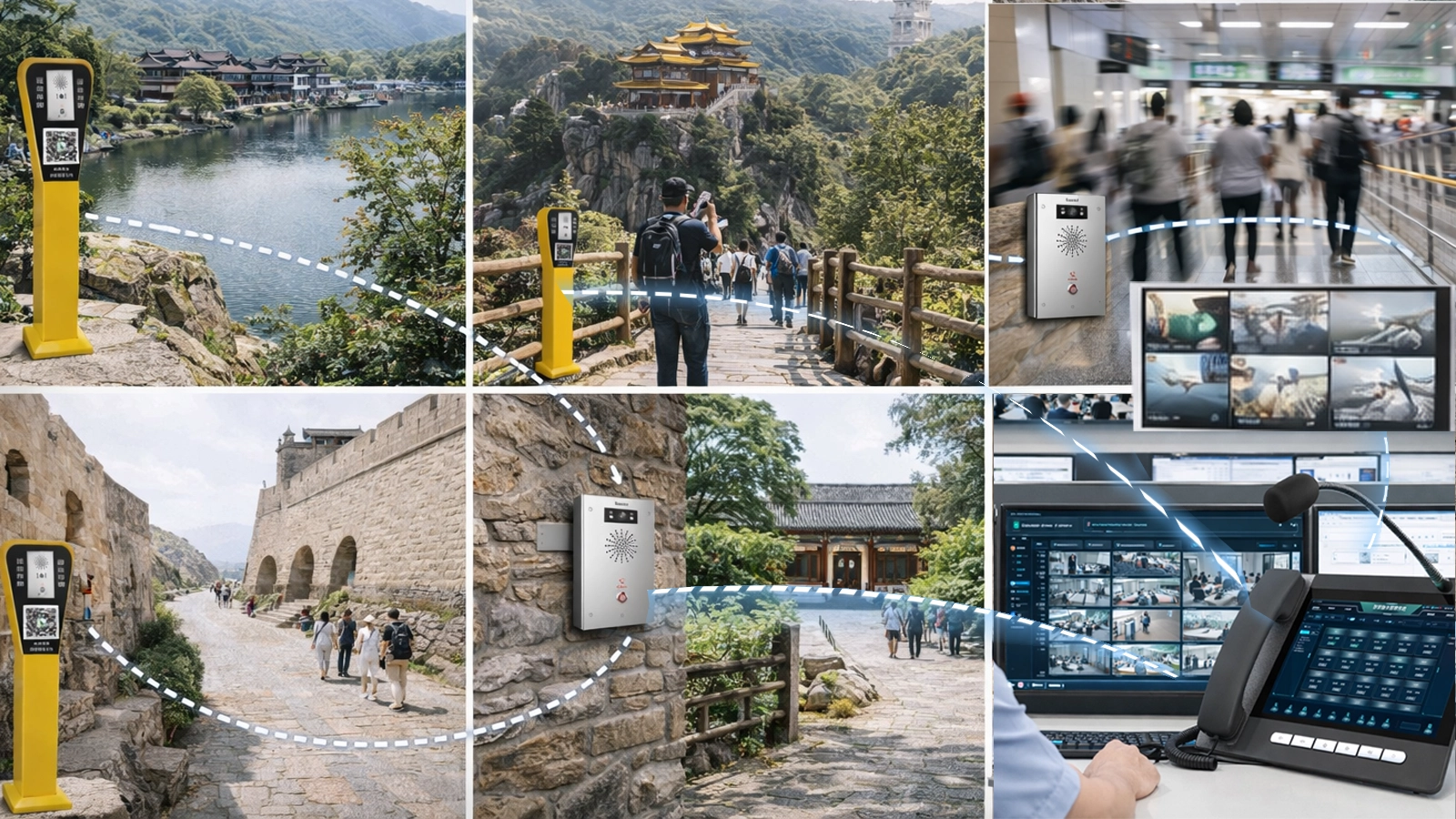
When a visitor presses a help point button or initiates an emergency intercom call, the event is sent to the control center, service desk, or designated response group. The platform immediately identifies the location, such as an entrance zone, scenic path marker, observation deck, parking sector, shuttle station, or cableway terminal. The operator can open a two-way voice session, assess what is happening, and decide whether the issue requires security, medical support, technical staff, visitor services, or a broader operational response.
If required, the system can also trigger local sound and light indicators, call up linked cameras, notify patrol personnel by phone or mobile terminal, and activate zone-specific announcements through the paging system. When integrated with emergency command tools, the operator can escalate the event, assign response teams, track progress, and coordinate actions across multiple zones. This turns a single help request into a managed response workflow rather than a disconnected call for assistance.
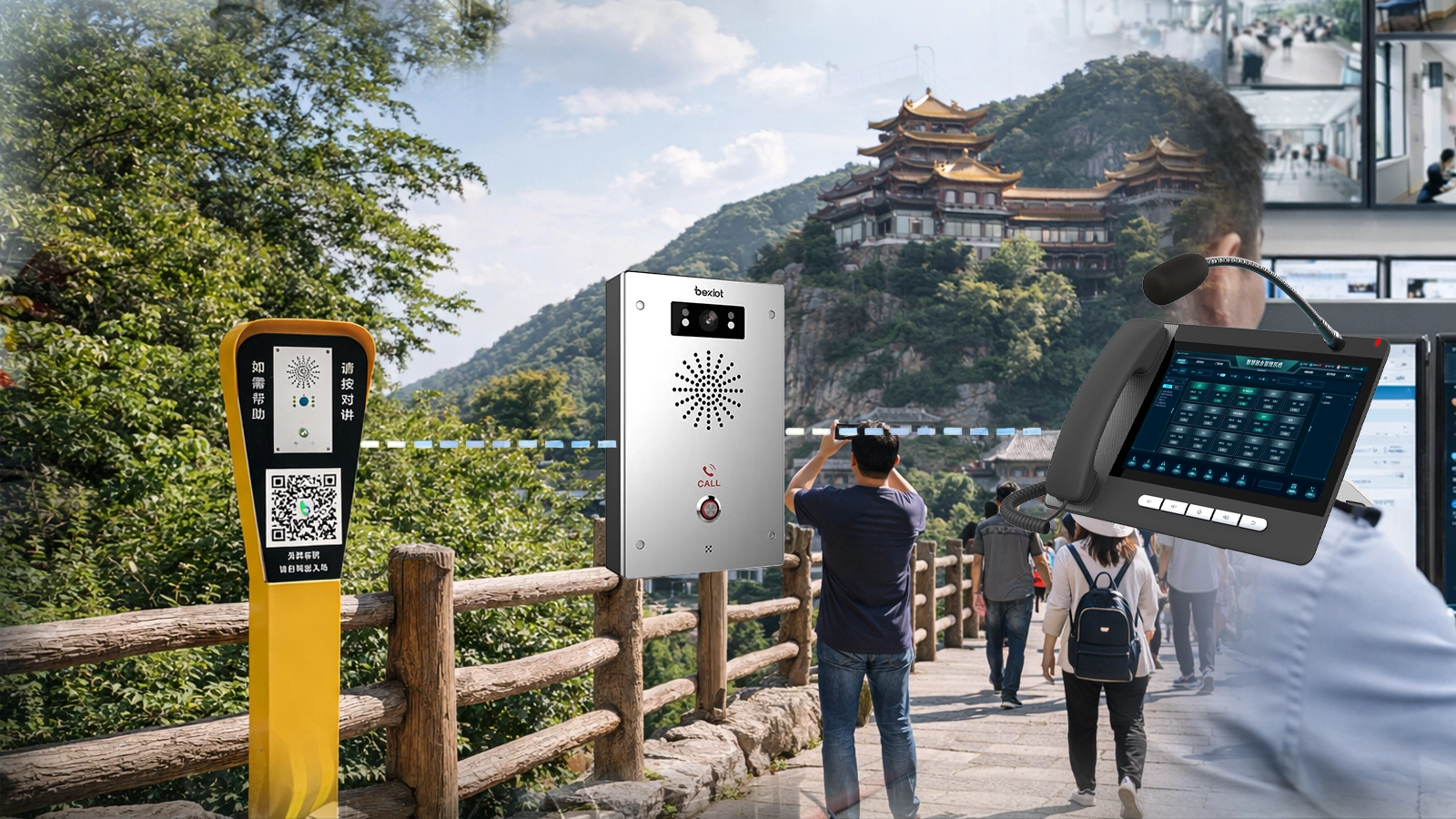
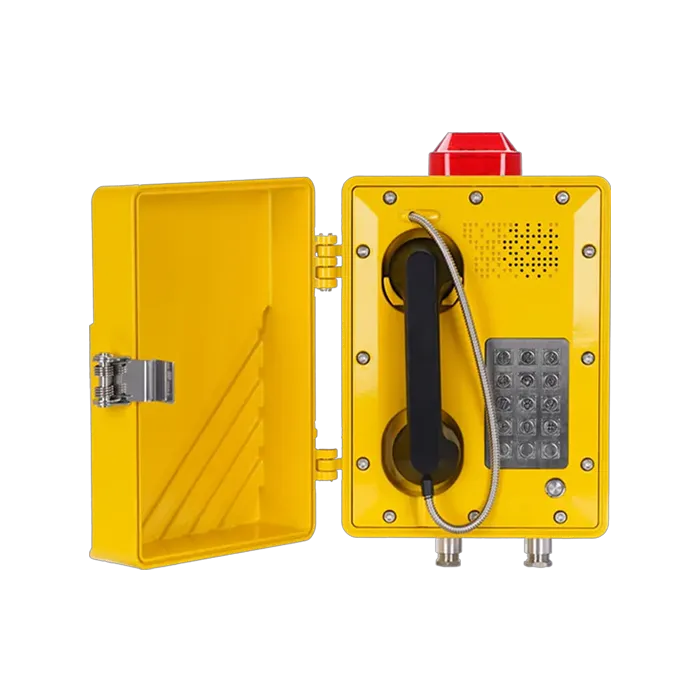
Outdoor help points are the visible front line of the solution. They may be installed at entrances, ticketing areas, visitor centers, scenic pathways, observation decks, parking lots, waterfront edges, cableway boarding points, rest areas, and remote public locations. In many projects, these units are designed to be weather-resistant, vandal-resistant, and clearly recognizable so visitors can identify them quickly when they need assistance.
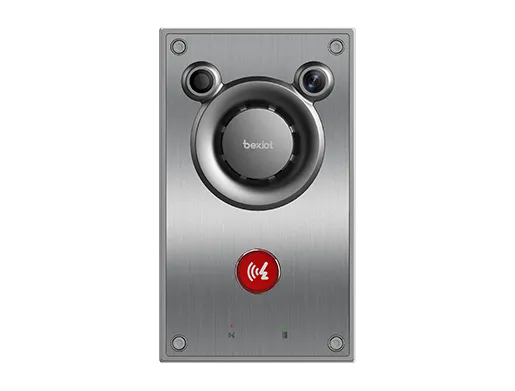
Emergency intercom terminals provide hands-free voice communication, which is especially useful in public environments where a distressed or injured visitor may not be able to use a handset comfortably. Some units may support one-touch help, while others may differentiate between assistance calls and higher-priority emergency calls. This makes the deployment more flexible and allows operators to adapt the response workflow according to the location and risk profile of each zone.
A strong visitor attraction solution should not stop at the intercom endpoint. It should also fit naturally into the wider site communication system. By integrating SIP intercom devices with IP phones, office telephones, service desks, guard posts, and PBX or IP PBX platforms, operators can route calls intelligently across the organization. A help request from a remote scenic point can ring the control room, a visitor service desk, a duty manager, or a defined response group depending on the site design.
This telephone system convergence is especially useful for larger attractions where different teams handle different responsibilities. A visitor service inquiry may go to a front-office team, while a safety issue may be routed to security, maintenance, or field operations. When intercoms and telephones are part of the same communication framework, the attraction gains more flexible call handling, easier escalation, and a more consistent operating model across departments.
Paging integration allows operators to communicate beyond the original help point. In some cases, this may mean issuing targeted instructions to a nearby zone, guiding visitors away from a restricted area, or coordinating staff movement during an incident. In others, it may support broader safety messaging, evacuation guidance, or public service announcements. The ability to notify only the relevant area is particularly important in visitor attractions, where unnecessary site-wide broadcasts can create confusion or disrupt the visitor experience.
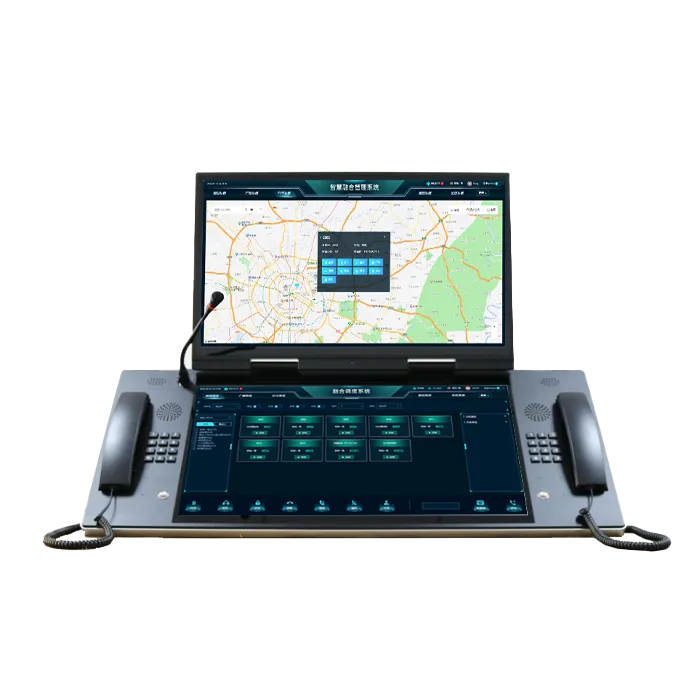
Centralized management software ties the system together. It presents active calls, event locations, alarm status, linked cameras, device health, and response actions in one interface. Instead of switching between separate voice, video, and alarm tools, the operator works from a unified view of the site. This improves decision-making and creates better event traceability afterward.
Outdoor help points and SOS pillars for visitor assistance and emergency calling
Hands-free SIP intercom terminals for real-time voice communication
IP phones and desk phones for control rooms, service centers, and operational offices
PBX or IP PBX integration for call routing, group ringing, transfer, and escalation
Paging and public address linkage for zone announcements and guidance
Visual alarms for local awareness in high-noise or open public areas
CCTV linkage for rapid scene verification and situational awareness
Centralized monitoring and dispatch software for coordination and event logging
The most immediate value of the system is that it gives visitors a clear and simple way to ask for help. In open public environments, that matters a great deal. A visible help point reassures visitors that assistance is available, while also giving site operators a structured way to receive and manage requests. Whether the issue is a minor service concern or a serious incident, the communication starts quickly and with less uncertainty.
Because the system can distinguish between different types of calls, operators are better positioned to prioritize their response. A lost-property question, a report of someone feeling unwell, and a security-related emergency do not require the same workflow. A good solution supports this distinction without making the interface difficult for the public to use.
Voice interaction is one of the strongest advantages of an intercom-based solution. It allows the control center to understand what is happening before dispatching staff. This can be critical when the site is large, the scene is remote, or the event is evolving. The operator can ask simple but important questions, such as whether someone is injured, whether the visitor is alone, whether the issue is ongoing, or whether the area is safe to approach.
From the visitor's point of view, this also improves confidence. Instead of pressing a button and waiting in uncertainty, the person can hear that the site has received the request and is taking action. In public-facing environments, this human element is just as important as the technical infrastructure.
A large attraction cannot afford vague event information. Every help point and intercom station should be linked to a precise location description, such as a gate number, scenic trail marker, parking zone, viewing platform, service point, or transport station. The central platform should display this clearly so the operator can dispatch the nearest or most appropriate team without delay.
On more complex sites, the system can group endpoints by zone, route, facility type, or operating sector. This helps response teams work faster and also supports maintenance, reporting, and long-term operational planning.
In visitor attractions, public messaging must be handled carefully. Some incidents should remain localized and discreet, while others require clear public guidance. Integrated paging allows the site to send live or pre-recorded messages to the appropriate zone, whether that means warning visitors away from a blocked path, coordinating movement near a transport station, or supporting evacuation in a defined area.
Because the intercom and paging systems are connected, operators do not have to treat voice assistance and site notification as separate processes. They can manage both from one communication framework, which is especially useful during time-sensitive public safety events.
When an incident becomes more complex, the communication system should support more than basic call answering. Emergency command functions help operators organize multi-team response, assign responsibilities, escalate serious events, and keep track of who has been notified and what has been done. This is particularly important for attractions that have their own patrol teams, shuttle operations, maintenance staff, service centers, and supervisory control rooms.
For example, a control center may receive an emergency intercom call from a remote cliffside walkway during severe weather. The operator may need to speak to the visitor, dispatch the nearest patrol team, notify the duty manager, activate a zone announcement, and inform transport personnel to adjust access. A solution with emergency command capability makes this coordination far more structured and far less dependent on improvised phone calls and manual relay.
A visitor or staff member presses a help point or emergency intercom button.
The platform identifies the exact location and presents the event to the operator.
The operator opens hands-free voice communication to assess the situation.
Security, service, medical, maintenance, or patrol teams are notified through the integrated phone and command system.
Linked CCTV and local indicators are activated if required.
Paging or zone announcements are used when broader guidance is needed.
The incident is tracked, escalated if necessary, and logged for review.
A well-designed visitor attraction communication system does more than let people call for help. It helps operators command the response, coordinate multiple teams, and maintain control across a dynamic public environment.
These areas are often the first point of contact between the public and the attraction, which makes them important for both service and safety. Visitors may need help with access, ticketing, navigation, group coordination, or urgent assistance. Because these locations are also operationally sensitive, intercom and phone integration can help front-office staff, supervisors, and security teams respond quickly and consistently.
In many deployments, these areas also serve as escalation points for wider incidents. A well-integrated solution allows the visitor center or entrance management team to communicate directly with the control room and field staff without relying on disconnected tools.
Open pathways and remote scenic points are among the most important locations for help point deployment because direct staff presence is often limited there. Visitors may become disoriented, slip, feel unwell, or encounter sudden weather-related issues in exactly these places. A help point with clear identification and reliable voice communication can make a meaningful difference in how quickly the site responds.
These areas also highlight the importance of durable outdoor equipment, clear location mapping, and dependable centralized monitoring. Without those elements, even a working help point may not deliver the response quality the site expects.
Transport-connected areas create a different set of communication needs. Parking facilities, shuttle boarding points, and cableway or funicular stations often involve queueing, directional movement, equipment interaction, and changing crowd conditions. Incidents in these zones may involve technical issues, medical requests, lost visitors, or movement control concerns. An integrated intercom and telephone solution helps operators manage both visitor-facing communication and back-end coordination.
This is also where emergency command functions become particularly useful, because the response may involve transport staff, security teams, operations supervisors, and public announcements at the same time.
These areas may appear less critical at first glance, but they often involve broad public access, changing visitor density, and less structured movement. A rest zone, waterfront path, or open recreation area may require quick response to medical incidents, visitor distress, or environmental safety concerns. Help points and intercom stations give these spaces a dependable communication layer, especially when combined with centralized visibility and clear response procedures.
Telephone integration is not just a technical addition. It changes how the attraction operates. When help points and emergency intercoms are connected with PBX or IP PBX systems, calls can be routed according to time of day, duty schedules, service teams, or emergency priority. Calls can ring multiple positions, transfer between departments, and escalate automatically if the first recipient does not answer.
This gives operators a more flexible way to manage both routine service communication and urgent incidents. It also reduces the need for staff to monitor separate systems manually. For visitor attractions that already rely on telephones for internal coordination, this convergence creates a more natural and sustainable workflow.
Attractions rarely respond to incidents with one team alone. A visitor assistance request may involve guest services. A technical report may require maintenance. A crowd issue may involve security and operations. A medical event may require a patrol team, supervisory staff, and external emergency services. Dispatch coordination functions help organize these different roles within one operational process.
Instead of relying on informal relays, the control center can notify the right people through integrated phones, intercom groups, mobile terminals, or response consoles. This improves accountability and makes the site feel more coordinated during both routine and high-pressure situations.
When a situation expands beyond a single call point, emergency command capabilities become increasingly important. These functions help the operator move from answering calls to directing action. The control center can coordinate multiple responders, manage zone notifications, share event status across departments, and support a structured response timeline.
Becke Telcom can integrate emergency intercom, help points, telephone systems, paging, video linkage, dispatch, and emergency command functions into one unified platform for visitor attractions. This helps site operators build a communication framework that supports public assistance during everyday operations while also strengthening response capability for more serious incidents and multi-zone events.
From the visitor's perspective, the biggest benefit is simple: help feels reachable. Visible help points and clear voice communication reassure the public that assistance is available when needed. From the operator's perspective, the benefit is that requests are handled through a structured system rather than through guesswork or delayed discovery.
This improves not only emergency handling but also the overall quality of visitor support. A site that communicates clearly during uncertain moments often leaves a stronger impression of professionalism and care.
Large attractions are inherently decentralized. Teams may be spread across entrances, service centers, transport areas, scenic zones, and patrol routes. Integrated voice, telephone, paging, and command functions help bring these areas together under one response model. The result is faster coordination, better information flow, and more consistent handling across the site.
After an incident, operators often need to know what happened, who responded, and whether procedures were followed. Centralized event records, call logs, acknowledgement history, and location-based reporting help management review performance and improve operations over time. This is especially valuable for public-facing sites where safety, service quality, and operational resilience all matter.
Faster visitor assistance across large and distributed public areas
Reliable hands-free communication from the scene to the control center
Clear location visibility for more accurate dispatch
Telephone system convergence for better call routing and escalation
Integrated paging for targeted guidance and emergency notification
More effective coordination between service, security, and operations teams
Improved incident traceability through centralized event records
Stronger emergency command capability for complex site events
No two visitor attractions operate in exactly the same way. A mountain scenic area has different communication needs from a heritage site, a theme park, a waterfront destination, or a botanical garden. Some projects focus on remote-area assistance, while others place more emphasis on entrance control, transport nodes, or visitor service integration. That is why a practical solution should be planned around the actual site layout, operating model, staffing pattern, and response process.
For operators looking to improve visitor safety, strengthen site communication, and support more organized incident handling, an integrated emergency intercom and help point solution offers a strong foundation. With the right mix of help points, SIP intercom, telephone system convergence, paging, CCTV, dispatch, and command functions, Becke Telcom can help build a communication framework that fits the real needs of visitor attractions without adding unnecessary complexity.
An emergency intercom and help point solution for visitor attractions should be understood as a complete public assistance and response system rather than a simple collection of call points. Its purpose is to help visitors ask for help quickly, allow operators to understand the situation clearly, support accurate location-based dispatch, and coordinate action across distributed public areas. When voice communication, telephone integration, paging, video linkage, and emergency command are brought together, the attraction gains a far more capable and manageable response framework.
For scenic areas, tourist sites, parks, resorts, transport-connected visitor zones, and other public destinations, this kind of integrated design improves both safety performance and day-to-day service quality. It helps operators respond faster, communicate more clearly, and maintain better control across dynamic and open environments.
A help point is the public-facing assistance endpoint, often installed in visible outdoor or public areas. An emergency intercom is the voice communication function that allows the person at the scene to speak directly with the control center or service team. In many systems, both functions are combined in one device.
Yes. A modern solution can integrate with PBX or IP PBX systems so calls from help points and intercom stations can be routed to control rooms, service desks, duty managers, or response groups according to the attraction's workflow.
No. It can support both emergency communication and general visitor assistance. This is especially useful in attractions where public service requests, safety concerns, and site guidance often overlap.
Telephone integration improves call routing, escalation, and team coordination. It allows the attraction to connect help points and intercom devices with the wider operational communication system rather than managing them as isolated endpoints.
Emergency command functions help operators manage larger or more complex incidents by coordinating multiple teams, handling escalations, controlling notifications, and maintaining a structured response process across the site.
Common deployment areas include entrances, visitor centers, scenic paths, observation decks, parking zones, shuttle stops, cableway stations, waterfront areas, rest zones, and other remote or high-traffic public locations.