PTT, short for Push-to-Talk, is a communication method that allows a user to press a button to speak and release it to listen. It is widely used in environments where fast voice coordination matters more than long conversational calls. Instead of dialing a number, waiting for the other side to answer, and holding a full-duplex call, PTT enables immediate voice transmission to one person or an entire group. This makes it highly practical for field operations, transportation teams, industrial sites, security staff, emergency response units, and many other organizations that need efficient real-time coordination.
Although many people associate Push-to-Talk with traditional two-way radios, modern PTT has expanded far beyond radio-only systems. Today it can operate over land mobile radio networks, private wireless infrastructure, Wi-Fi, LTE, and even IP-based communication platforms. In practical deployments, PTT may appear on handheld radios, rugged smart devices, dispatch consoles, IP phones, or integrated communication terminals. Its continuing relevance comes from one core advantage: it helps people exchange voice information quickly, clearly, and with minimal operating steps.
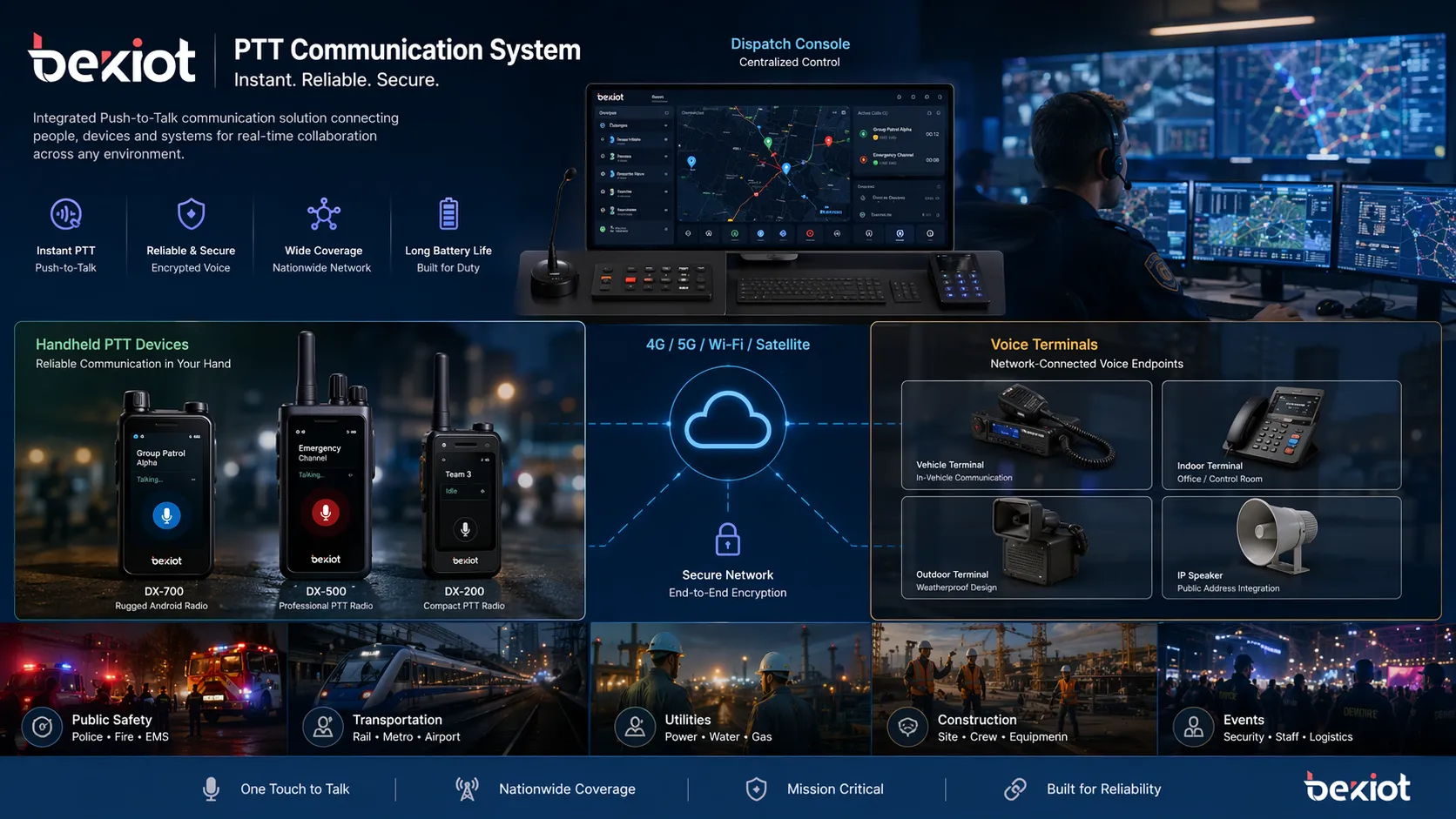
Understanding PTT in Practical Communication Systems
The Basic Meaning of Push-to-Talk
Push-to-Talk describes a user interaction model in which speech transmission starts when a button is pressed. In most implementations, the channel is half-duplex, meaning one party speaks at a time while others listen. This differs from a standard telephone call, where both sides can usually talk simultaneously. The half-duplex model may sound simple, but it is extremely effective in task-oriented communication because it reduces overlap, shortens message duration, and keeps traffic focused on operational information.
Related Products:ROIP(Radio Over IP )_RoIP Gateway Equipment & Software
In day-to-day use, a PTT user typically presses the transmit key, delivers a short message, then releases the key so others can respond. This pattern is ideal for status updates, dispatch instructions, route changes, equipment alerts, security coordination, and incident notifications. The goal is not prolonged conversation but structured and efficient voice exchange.
How PTT Works
A Push-to-Talk system includes user devices, a transmission medium, and a control method that determines who can speak and who receives the message. In a conventional radio environment, the user device transmits through a radio network on an assigned channel. In an IP-based environment, the voice may travel over Ethernet, Wi-Fi, 4G, 5G, or private IP infrastructure. In both cases, the user experience remains similar: press to speak, release to listen.
More advanced systems add dispatch logic, group membership control, priority settings, recording, emergency alert triggers, and integration with other platforms. This means modern PTT is no longer limited to a simple radio link. It can become part of a larger operational communication architecture that includes control rooms, paging systems, intercom endpoints, alarm systems, video surveillance, and command software.
Core Features of PTT
Instant Voice Communication
The most recognizable feature of PTT is immediacy. Users do not need to search for contacts, dial numbers, or wait for call setup in the same way they would with conventional telephony. A message can be sent almost instantly to an individual or a predefined talk group. In fast-moving environments, this speed directly supports quicker response and better situational awareness.
This instant access is one reason PTT remains highly valuable in operational settings. Warehouse supervisors, maintenance engineers, security teams, and dispatch operators often need to coordinate actions in seconds rather than minutes. Push-to-Talk is designed for exactly that type of communication behavior.
Group Communication Efficiency
PTT is especially strong when one person needs to reach multiple people at the same time. Rather than placing separate calls to different team members, the speaker can transmit to an entire workgroup, shift team, patrol unit, or site department through a shared communication channel or talk group. This is more efficient for coordination, task assignment, and rapid information sharing.
Group communication is important in transportation hubs, industrial operations, campuses, and public safety environments where several roles may need the same instruction at once. A single message can synchronize movement, improve response speed, and reduce communication fragmentation.
Simple Operation and Low Training Burden
Another major feature of PTT is operational simplicity. The user interface is usually straightforward and easy to learn. Press the key, speak clearly, release the key, and listen for the reply. This simplicity helps reduce user error and makes onboarding easier for teams that include non-technical staff, contractors, drivers, guards, and mobile workers.
In environments with rotating personnel or high operational pressure, communication tools that require fewer steps often perform better. PTT works well because the interaction model is direct, familiar, and efficient under stress.
Priority and Emergency Functions
Many professional PTT systems include emergency communication functions such as emergency call buttons, priority override, lone worker protection, man-down alerts, or dispatch escalation. These features make the platform more than a convenience tool. In many organizations, PTT also serves as a safety-supporting communication layer.
Priority logic becomes especially important when multiple teams share the same communication environment. Supervisors, control room personnel, or emergency responders may require higher transmission priority so urgent messages are not delayed by routine traffic. This helps maintain communication order during incidents and high-load periods.
Integration with Broader Communication Infrastructure
Modern PTT can be integrated with IP PBX systems, SIP-based intercoms, paging platforms, command-and-control software, radio gateways, and recording systems. In practical terms, this means a PTT user in the field may be able to communicate not only with another handheld device but also with a dispatcher, a control room operator, or a connected communication terminal elsewhere in the network.
This integration capability is particularly valuable for organizations moving from isolated radio systems toward unified operational communications. It allows legacy workflows and newer IP-based communication platforms to work together more effectively.
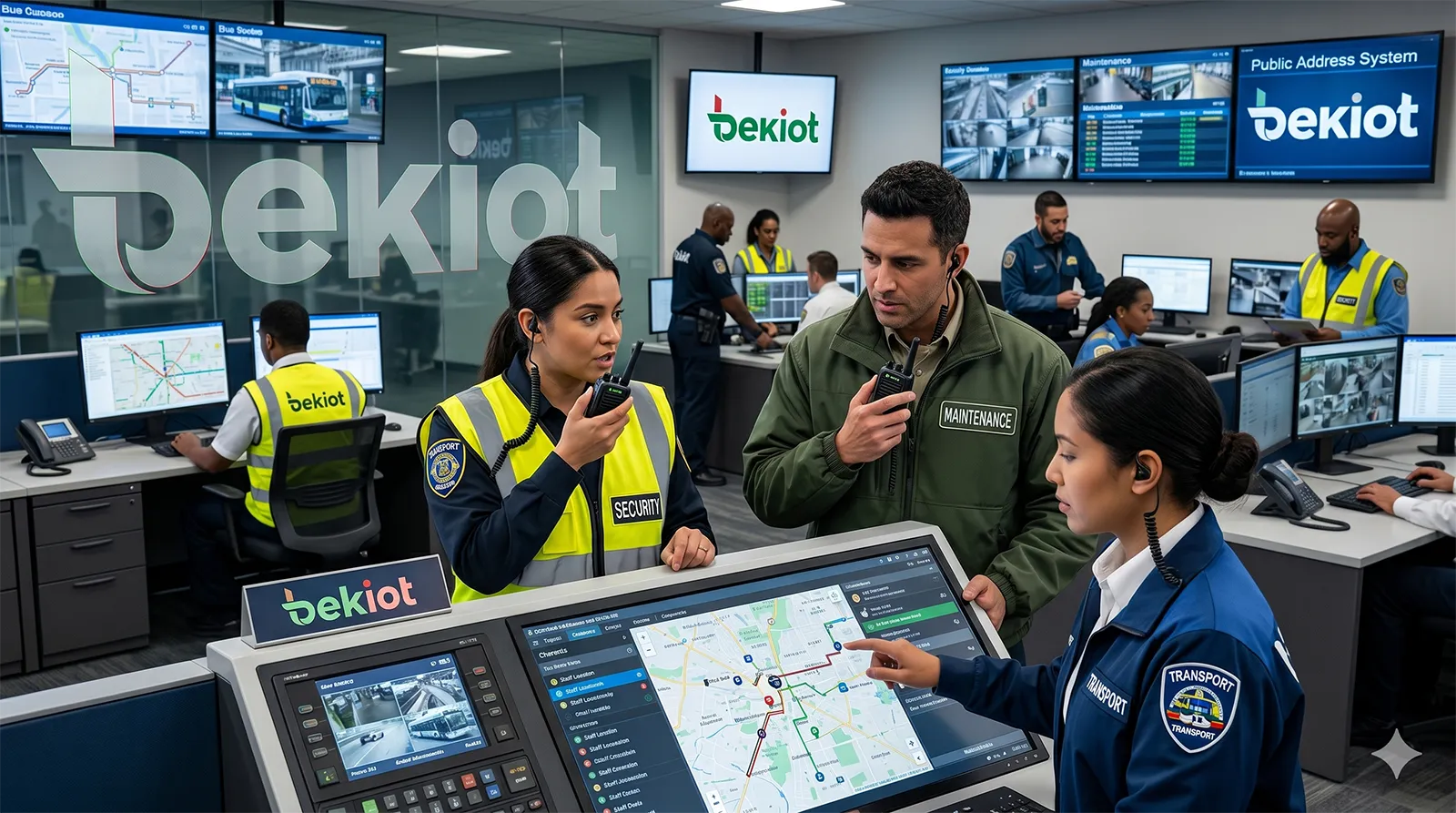
Benefits of PTT for Organizations
Faster Coordination and Decision Execution
The most direct benefit of Push-to-Talk is speed. It shortens the time between noticing a situation and informing the people who need to act. This helps organizations handle tasks, route changes, safety issues, service requests, and incident updates more quickly. In many operational environments, communication delay becomes an operational delay. PTT helps reduce that gap.
Fast coordination is especially useful when the communication is brief, repetitive, and action-oriented. Dispatching a technician, redirecting a vehicle, reporting a fault, or confirming site status are all examples where PTT performs efficiently.
Improved Team Awareness
Because PTT commonly supports group communication, it improves shared awareness across a team. Multiple users can hear the same instruction or status report at the same time, which reduces confusion and helps teams stay aligned. This is different from one-to-one calling, where information often remains fragmented unless repeated several times.
Better shared awareness can support smoother workflows in logistics, facility management, event operations, school administration, utility maintenance, and industrial production environments. It also helps reduce duplicated actions and missed updates.
Stronger Support for Safety and Emergency Communication
In safety-critical and high-risk settings, communication must remain accessible under pressure. PTT supports this need with simple operation, fast group reach, and the possibility of emergency priority handling. On a busy site, workers do not always have time to unlock a phone, navigate menus, and place a traditional call. A dedicated Push-to-Talk control is often much more practical.
For organizations with field exposure, hazardous zones, large facilities, or mobile teams, this ease of use can contribute to quicker reporting and faster escalation when abnormal conditions occur.
Scalability Across Different Environments
PTT can be deployed in small teams or large organizations. A local facility may use it for maintenance and security coordination, while a regional transportation operator may use it across multiple stations, routes, and dispatch centers. Depending on the platform, the system can expand through additional devices, expanded network coverage, new talk groups, or integration with centralized control systems.
This scalability makes PTT suitable for both growing enterprises and specialized industrial users. It can start with a limited communication need and evolve into a wider operational voice network.
Common Applications of Push-to-Talk
Industrial and Manufacturing Sites
Factories, process plants, utility sites, warehouses, and maintenance operations often rely on Push-to-Talk for quick coordination between field workers and supervisors. Teams use it to report equipment issues, confirm task completion, coordinate inspections, and respond to abnormal operating conditions. In these environments, communication must often be fast, durable, and easy to use while workers are moving or handling equipment.
PTT is also valuable where workers are spread across large areas and need immediate access to operations staff. When integrated with industrial communication systems, it can become part of a broader safety and operational coordination framework.
Transportation and Logistics
Transportation operators, fleet managers, warehouse coordinators, and delivery teams use PTT to maintain real-time communication between mobile personnel and central operations. Drivers, dispatchers, station staff, and loading teams often need short, structured exchanges rather than long conversations. Push-to-Talk fits this pattern well.
In logistics environments, fast voice coordination can improve routing efficiency, reduce loading delays, support issue escalation, and strengthen communication across distributed teams.
Security and Emergency Response
Security guards, patrol teams, event staff, and emergency support personnel frequently depend on PTT because it allows instant communication with minimal distraction. It is especially effective for reporting incidents, requesting backup, sharing location-related updates, or broadcasting instructions to a group.
Where response time matters, a fast-access voice channel is often more practical than a standard phone call. This is one reason Push-to-Talk remains common in security operations, campus safety, site protection, and emergency coordination scenarios.
Healthcare, Campuses, and Large Facilities
Hospitals, schools, universities, and large commercial facilities may use PTT for internal coordination among support teams, engineering staff, security personnel, and operations managers. These environments often require quick communication without disrupting workflow with repeated phone dialing.
In such deployments, PTT can help support maintenance coordination, incident notification, visitor management, access control response, and general operational efficiency across large sites.
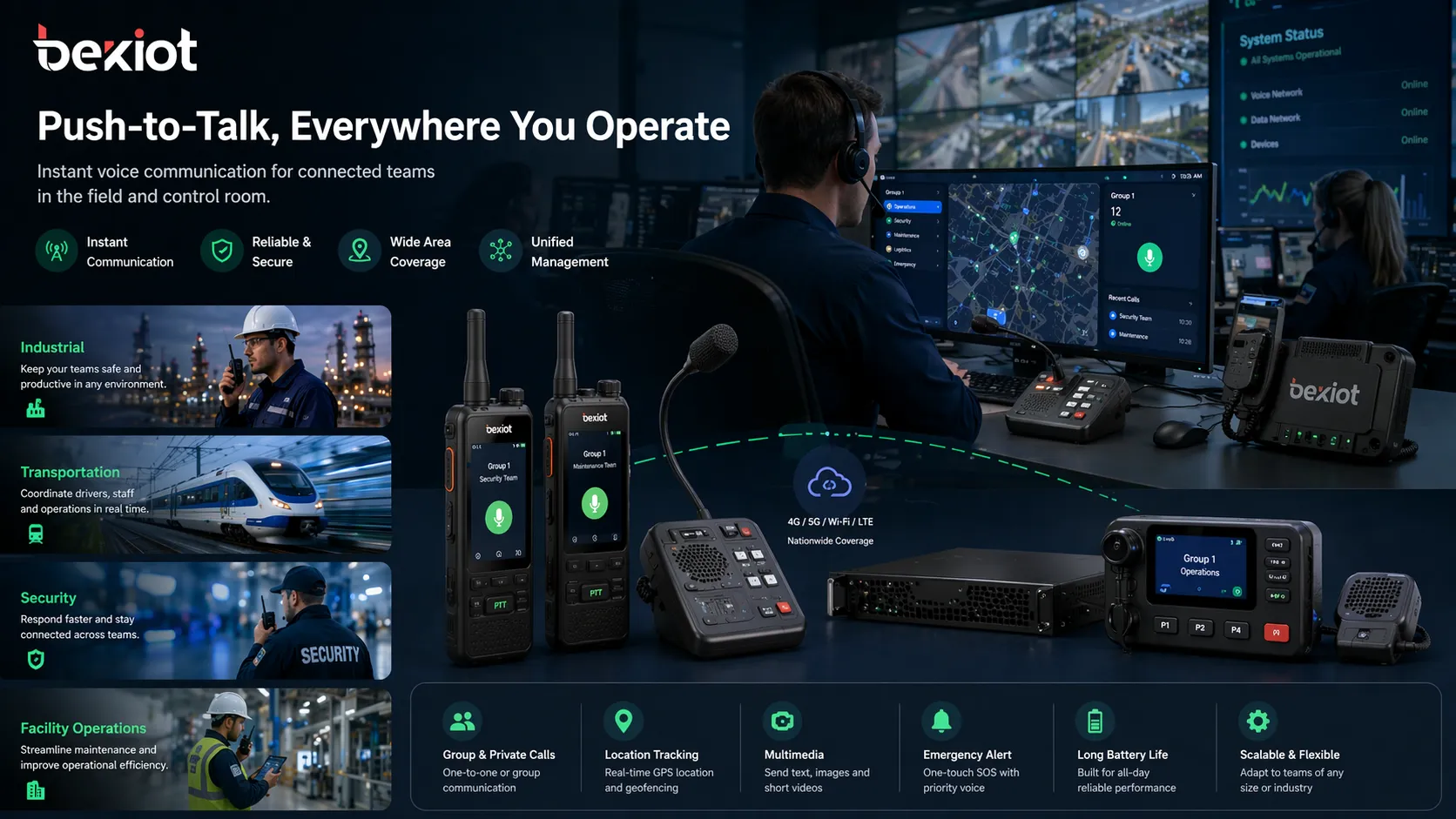
PTT Compared with Other Communication Methods
PTT vs Traditional Phone Calls
A traditional phone call is designed for conversational exchange, often between two parties, with both sides able to talk at the same time. PTT, by contrast, is optimized for short operational messages, faster access, and group communication. A phone call may be more suitable for detailed discussion, while Push-to-Talk is usually better for rapid coordination and concise instructions.
The difference is not only technical but also behavioral. Phone systems support dialogue. PTT supports action-oriented voice exchange.
PTT vs Full-Duplex Communication
In full-duplex communication, both parties can speak and hear simultaneously. In most Push-to-Talk systems, communication is half-duplex, so users take turns transmitting. Full-duplex communication feels more natural for conversation, but half-duplex PTT often works better in controlled operational traffic because it keeps messages short and reduces overlapping speech.
This is why PTT remains widely preferred for dispatch, patrol, routing, field updates, and command communication, even in an era of advanced mobile communications.
PTT vs Consumer Messaging Apps
Consumer voice messaging apps may seem similar on the surface because they also allow recorded or immediate voice delivery. However, professional Push-to-Talk is built for operational reliability, organized talk groups, dispatch workflows, emergency handling, and integration with dedicated communication infrastructure. It is usually easier to manage, more structured for teamwork, and better aligned with enterprise communication needs.
For organizations that need dependable, policy-driven, and role-based voice coordination, professional PTT remains a more suitable option than consumer communication tools.
Deployment Considerations for PTT Systems
Coverage, Audio Quality, and Device Choice
Before deploying a PTT solution, organizations should evaluate where users work, how mobile they are, and what type of environment the devices must withstand. Coverage planning is essential, whether the system uses radio, Wi-Fi, cellular, or hybrid connectivity. Audio quality, background noise handling, and device ruggedness also matter, especially in industrial and outdoor environments.
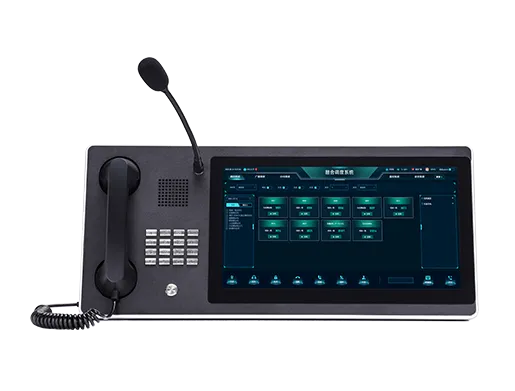
The right hardware may vary significantly by use case. A dispatcher may use a desktop console, while field personnel may require a handheld device, a rugged smart terminal, or a vehicle-mounted unit. Device choice should follow workflow, not just cost.
Integration, Control, and Reliability
Organizations should also consider whether the PTT platform needs to connect with IP telephony, intercom, paging, CCTV, recording, alarm systems, or dispatch software. In many business and industrial cases, the value of PTT increases when it is part of a larger communication ecosystem rather than a standalone tool.
Reliability planning is equally important. Power backup, network resilience, priority logic, user management, and maintenance processes all affect long-term performance. A well-designed PTT deployment should support daily operations as well as abnormal and emergency conditions.
Conclusion
Push-to-Talk remains one of the most effective voice communication methods for organizations that depend on speed, simplicity, and coordinated action. It allows users to communicate immediately, reach groups efficiently, and support operational workflows without the overhead of conventional calling. While it began as a radio-style communication method, modern PTT now extends across IP networks, enterprise platforms, and integrated dispatch environments.
For industrial operations, transportation systems, security teams, campuses, healthcare facilities, and other coordination-heavy environments, PTT continues to offer practical value. Its strength lies not in replacing every form of communication, but in doing one job exceptionally well: delivering fast, direct, and actionable voice communication when timing matters.
FAQ
What does PTT stand for?
PTT stands for Push-to-Talk. It refers to a communication method where the user presses a button to transmit speech and releases it to listen.
Is Push-to-Talk the same as a walkie-talkie?
Not exactly. A walkie-talkie is one common type of device that uses Push-to-Talk, but PTT can also be delivered through radios, smartphones, rugged terminals, IP phones, and dispatch platforms.
Is PTT always half-duplex?
Most classic Push-to-Talk systems are half-duplex, which means users speak one at a time. Some modern platforms may combine PTT-style control with broader communication features, but the traditional model is half-duplex.
Where is PTT most commonly used?
PTT is commonly used in industrial sites, logistics operations, transportation systems, security services, campuses, healthcare facilities, public safety support, and other environments where fast team coordination is important.
Why do businesses still use PTT?
Businesses still use PTT because it provides fast communication, simple operation, efficient group coordination, and strong suitability for field and operational workflows.