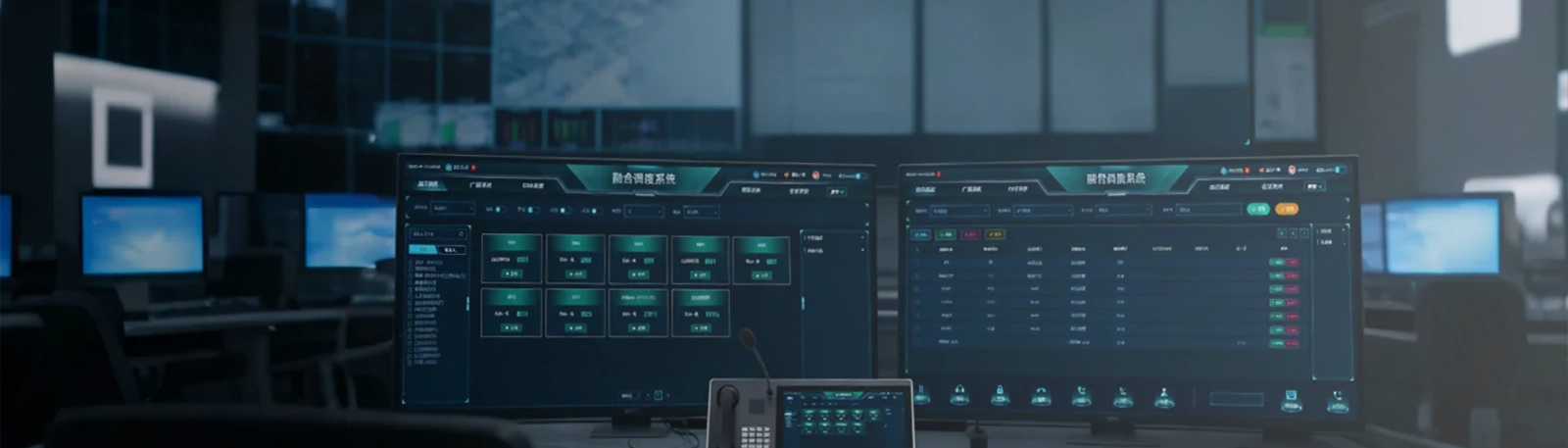
BK-RCS Unified Communications System is a solution that integrates multiple communication methods, including voice, video, intercom, broadcast, conferencing, alarms, radio, dispatch ,and instant messaging, onto a unified platform. It breaks down traditional communication silos, enabling seamless collaboration across devices, networks, and applications. The system supports IP telephony, video conferencing, voice conferencing, emergency broadcasting, and mobile office functions, improving enterprise communication efficiency and flexibility. Through cloud deployment or a hybrid architecture, the unified communications system assists enterprises in digital transformation, reduces operational costs, and enhances business continuity and security.
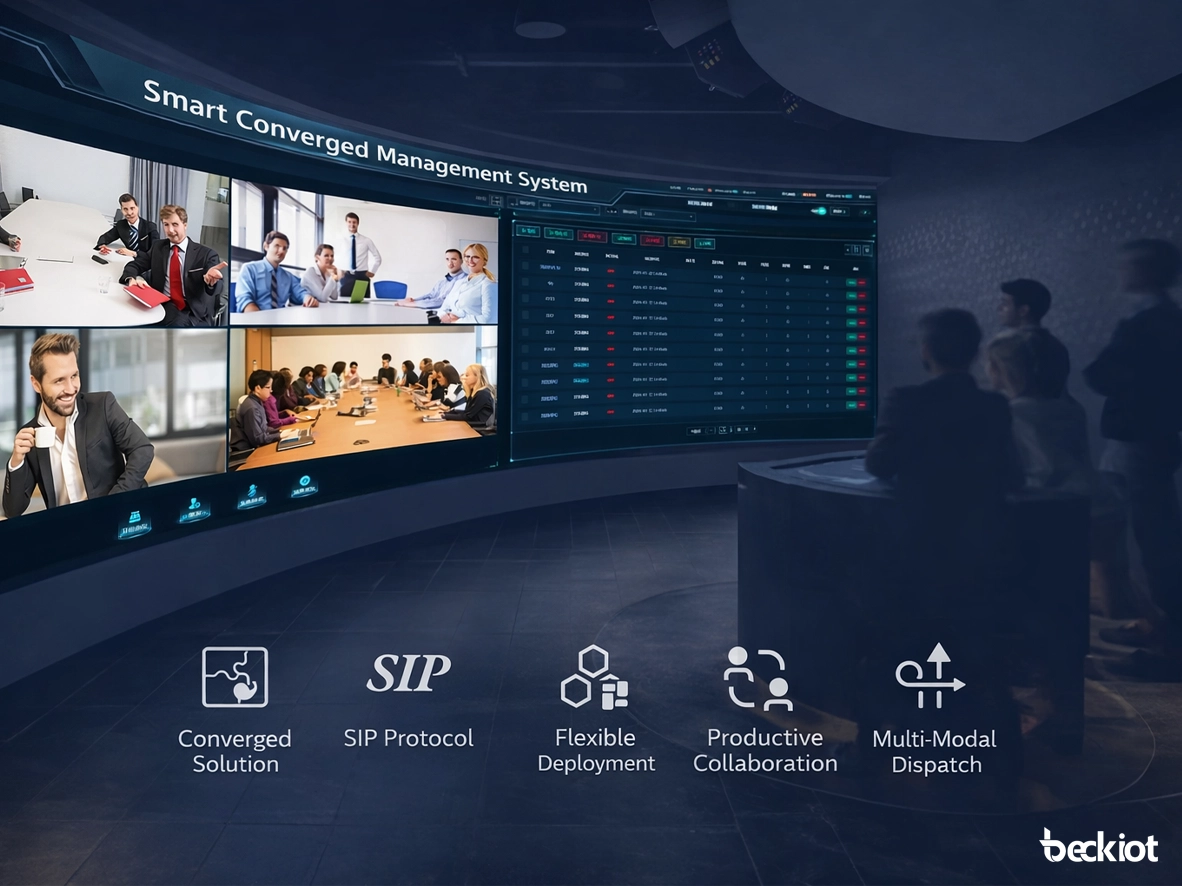
The Becke Telcom BK-RCS Smart Converged Communication System brings multiple communication tools together for efficient cross-platform dispatch and collaboration. Built on SIP, it delivers HD voice, plug-and-play deployment, flexible integration, and no server dependency. With support for video, voice, GIS, command, and broadcast dispatch, it helps improve coordination and emergency response across government, enterprise, and security environments.
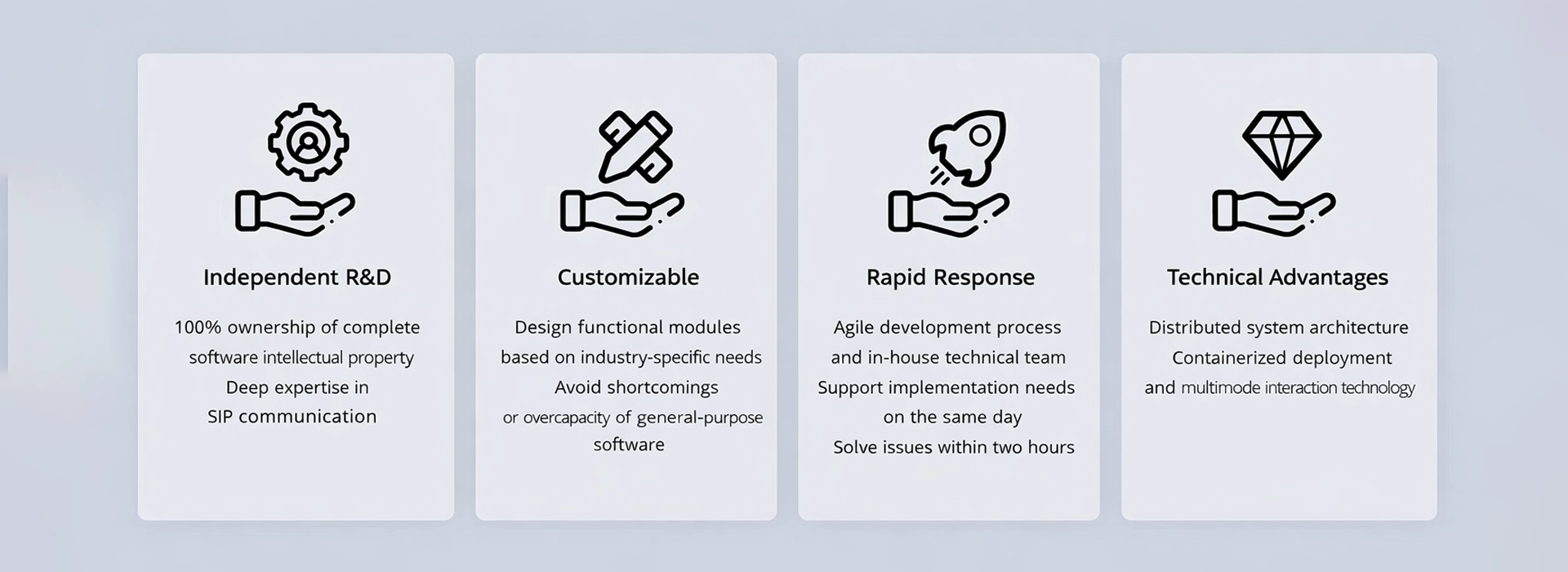
The first self-developed embedded unified communication scheduling platform in China, the system is stable and rock-solid.

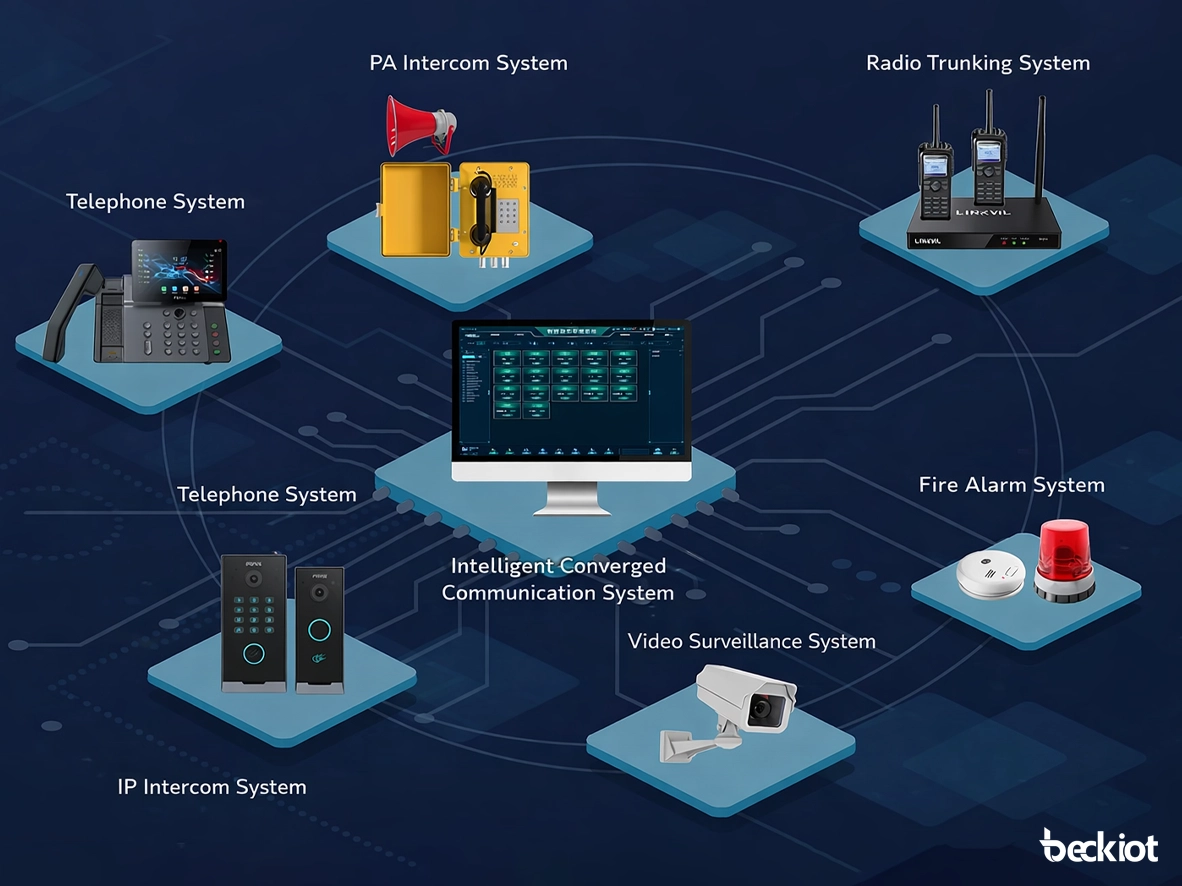
The BK-RCS Smart Unified Communication System integrates broadcast intercom, telephone systems, trunking intercom systems, fire alarm systems, monitoring systems, and IP intercom systems, supporting network interconnection and multi-terminal convergence to provide customers with diversified dispatch services.
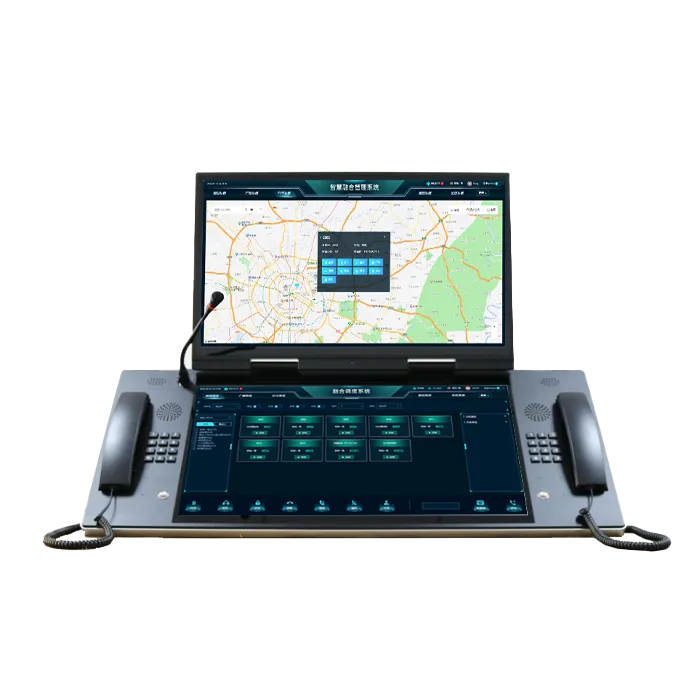
Based on the standard SIP protocol, the system supports third-party device access, open APIs, and SDK interfaces for easy integration with existing IP communication and IMS systems. It combines voice, video, broadcast, recording, conferencing, alarm, and remote control into one unified platform, with a single dispatch console for streamlined operation. By supporting multi-zone deployment and collaboration between multiple dispatch consoles, the system improves monitoring center efficiency and enables more coordinated response.
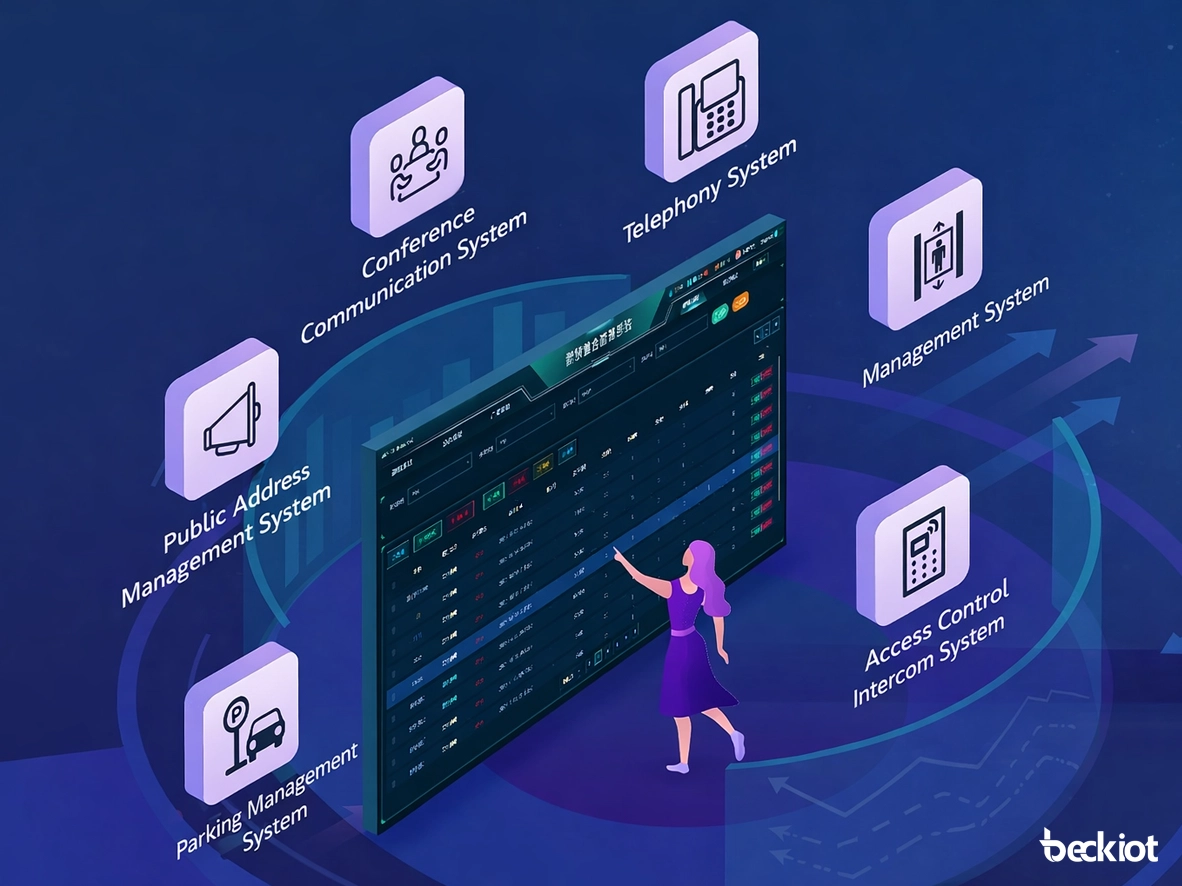
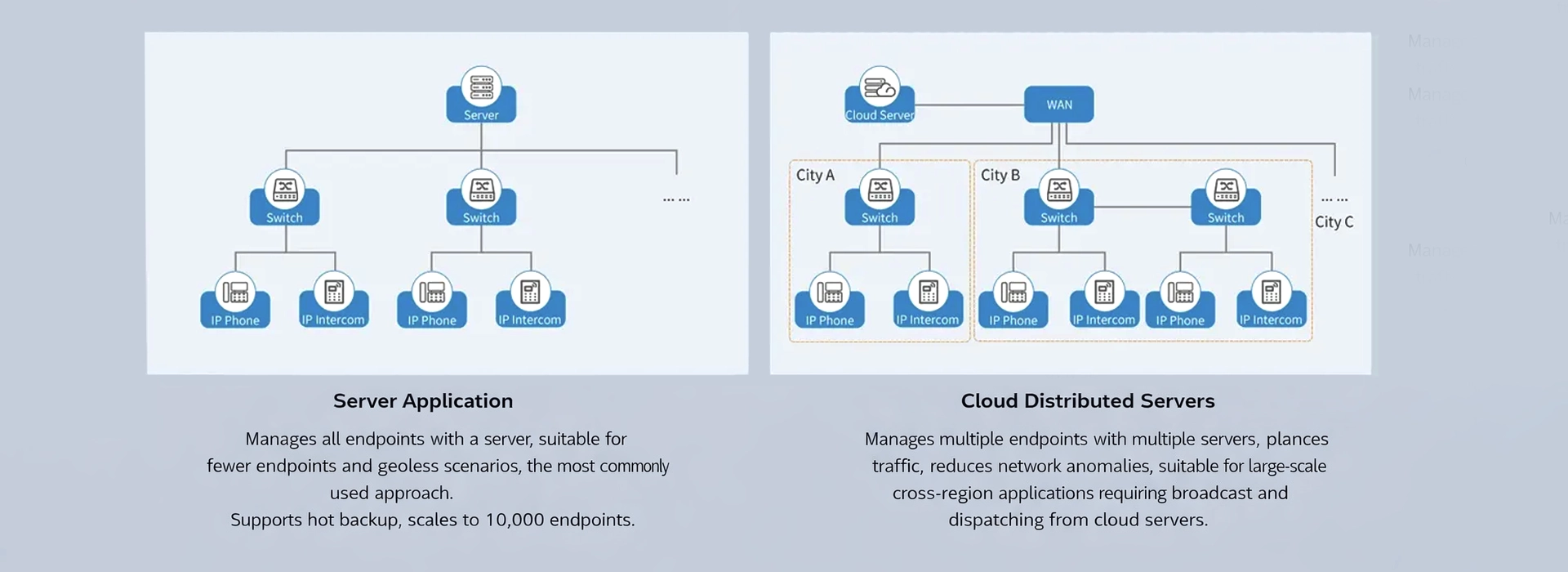
The system supports multiple deployment methods, flexibly adapting to different project scenarios and meeting diverse needs.
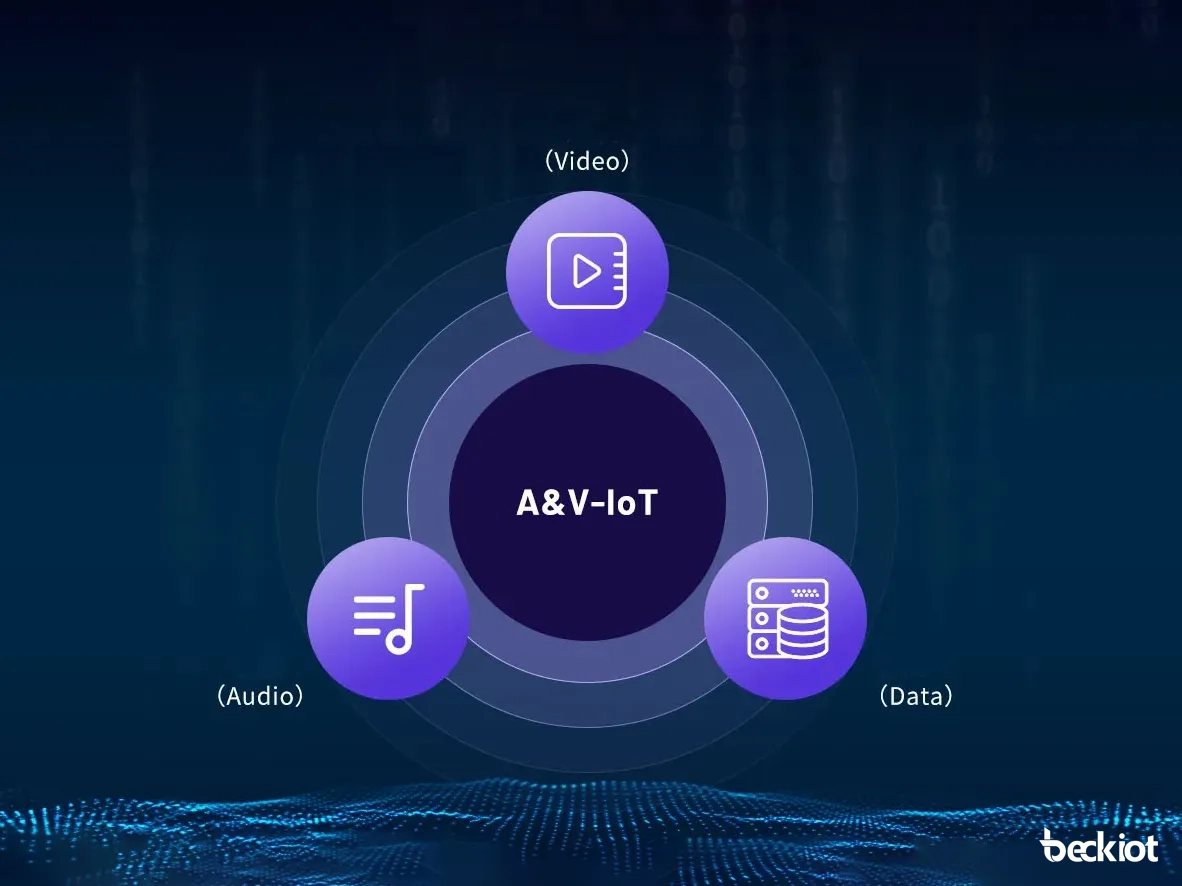
Built on the standard SIP protocol, the system supports third-party device access, open APIs, and SDK integration for seamless connectivity with IP communication and IMS systems. It unifies voice, video, broadcast, recording, conferencing, alarm, and remote control on one platform with a single dispatch console. Multi-zone architecture and collaborative dispatch consoles improve coordination and increase monitoring center efficiency.
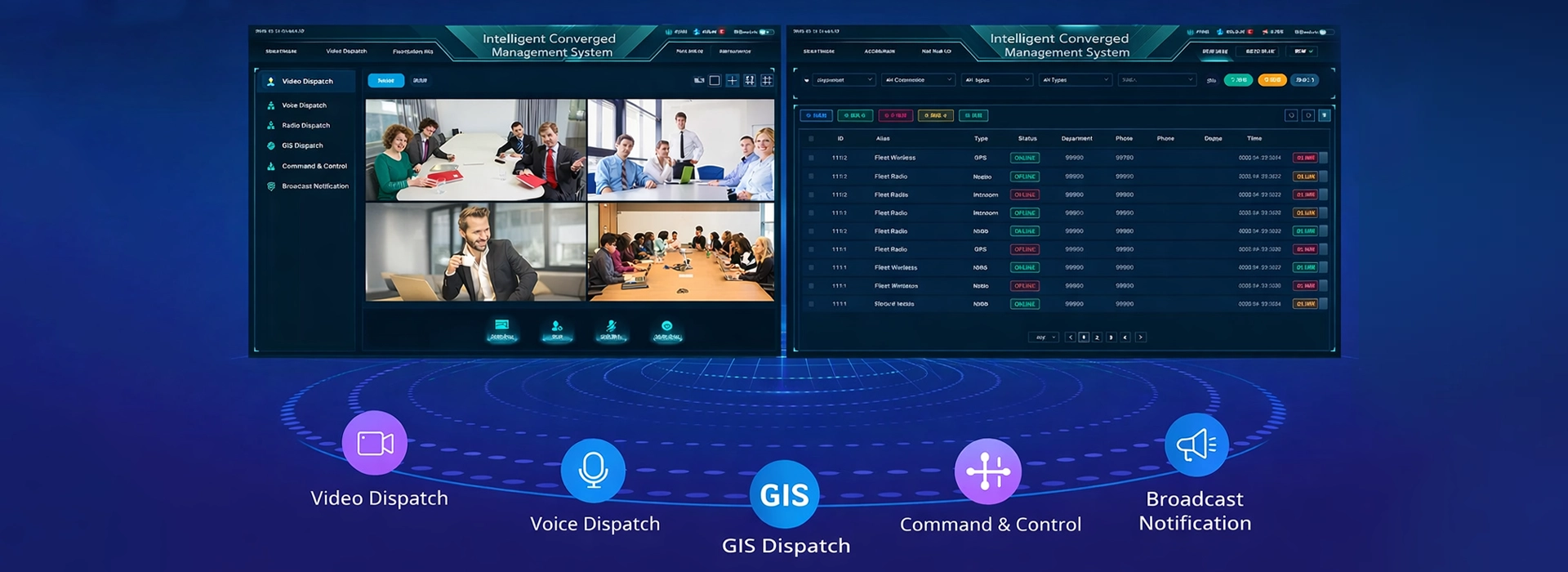
The system supports various dispatch methods such as audio/video dispatch, GIS dispatch, and broadcast notifications, ensuring flexible and efficient resource allocation and information transmission in different scenarios to meet diverse user needs.
The server runs on domestic operating systems (such as Kylin and Tongxin UOS), uses domestic CPU chips (such as Loongson, Phytium, and Kunpeng), and incorporates a self-developed communication protocol stack.

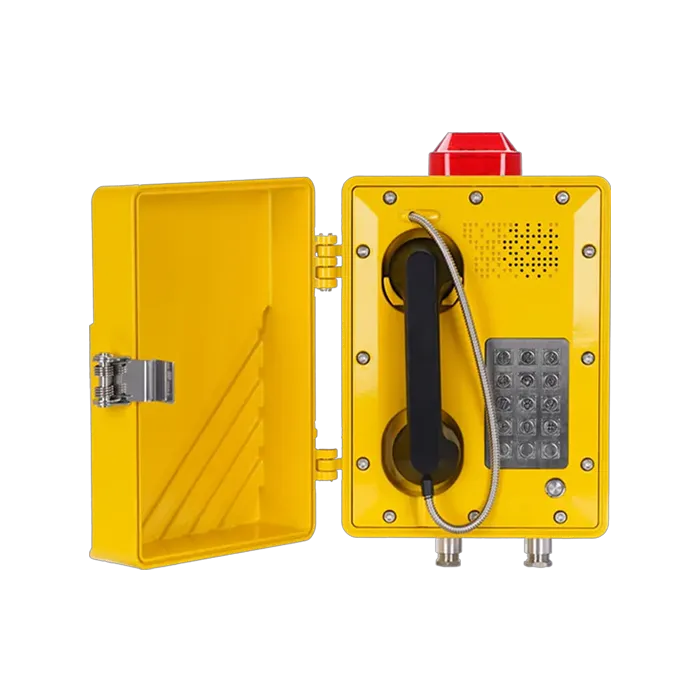
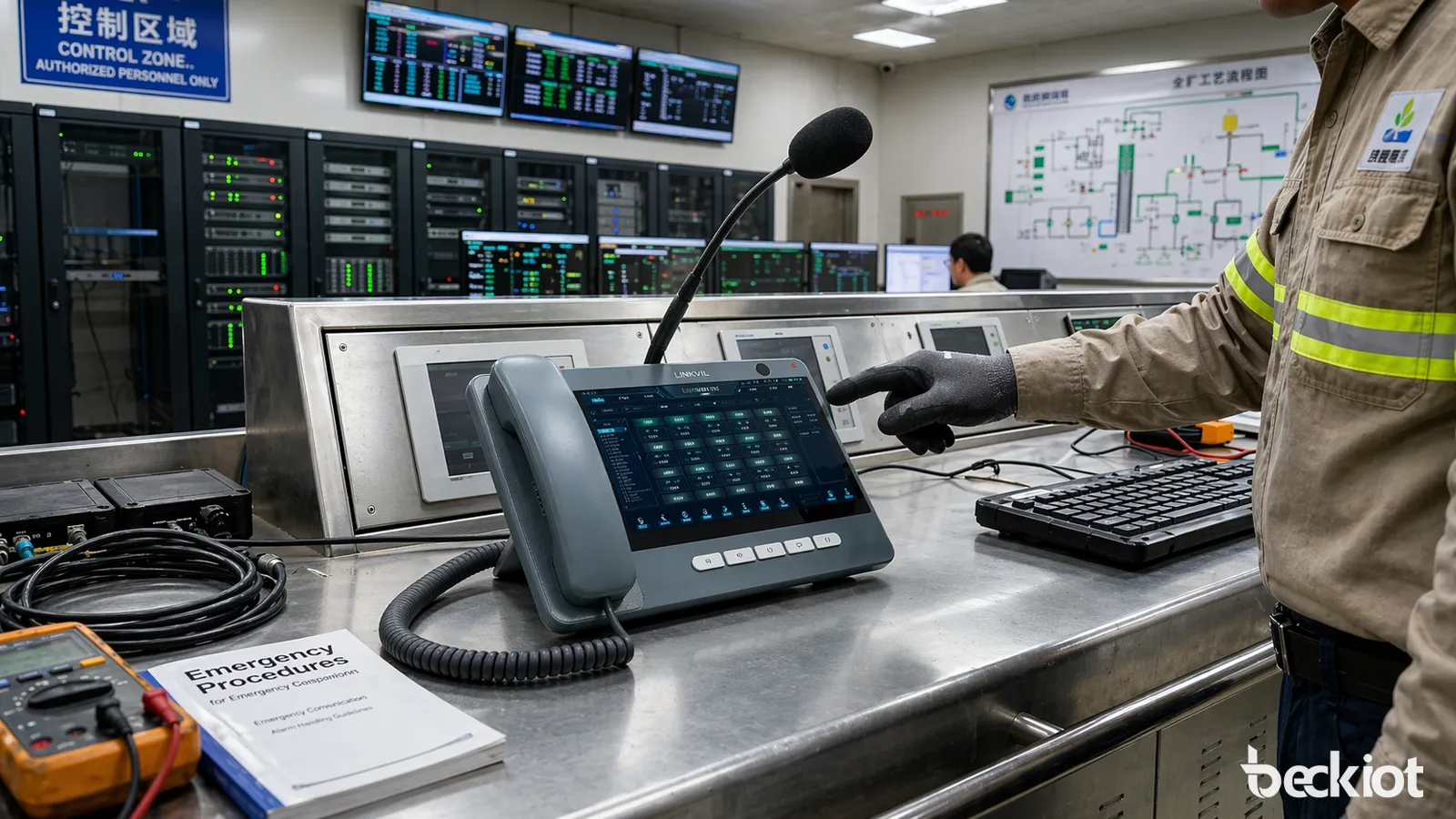
Used in factories, power plants, petrochemical sites, and mining environments to enable reliable voice communication, emergency dispatch, paging, and alarm integration under harsh conditions.
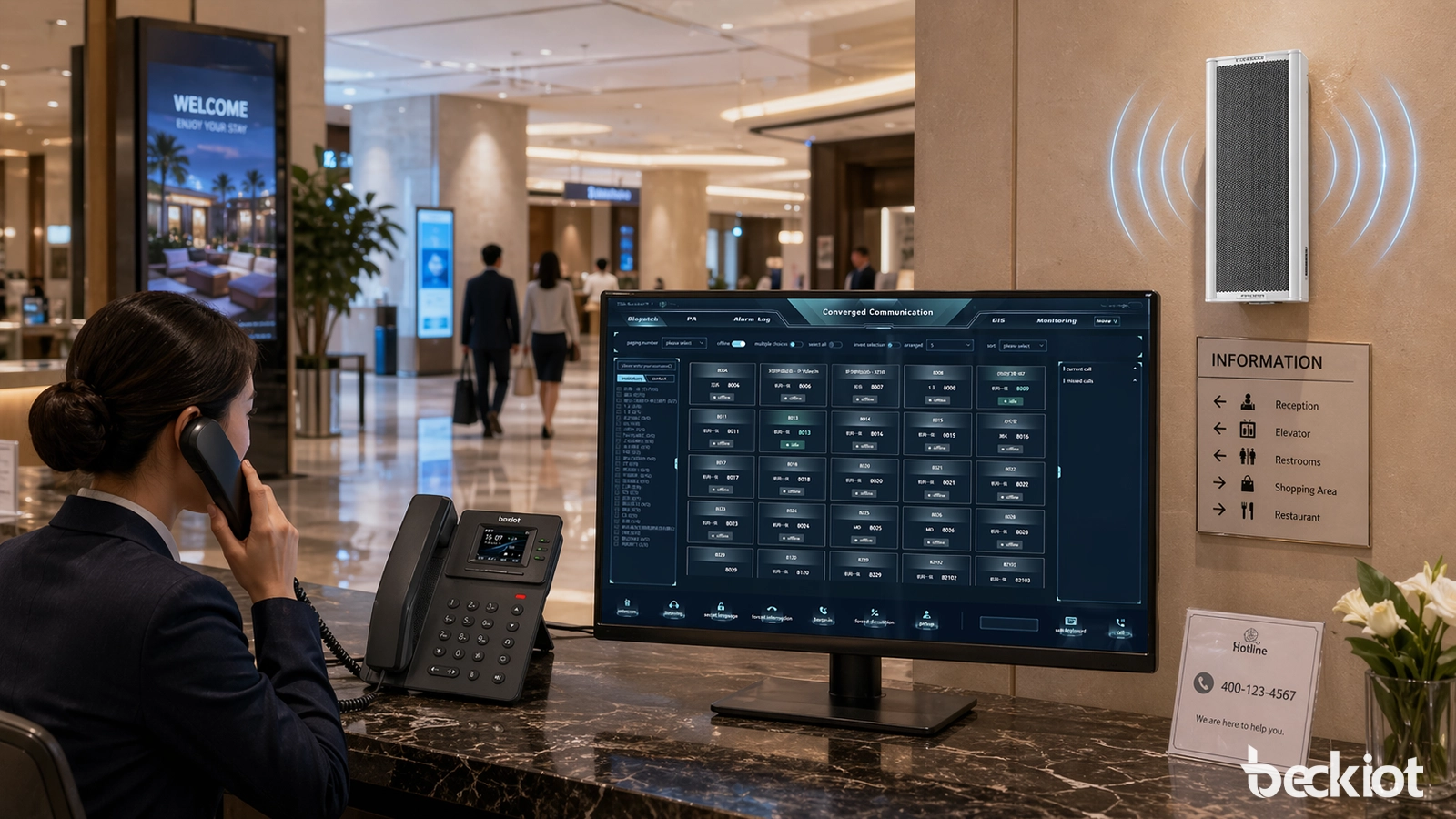
Used in hotels, hospitals, shopping malls, and retail chains to provide internal calling, customer service communication, paging, and operational coordination.
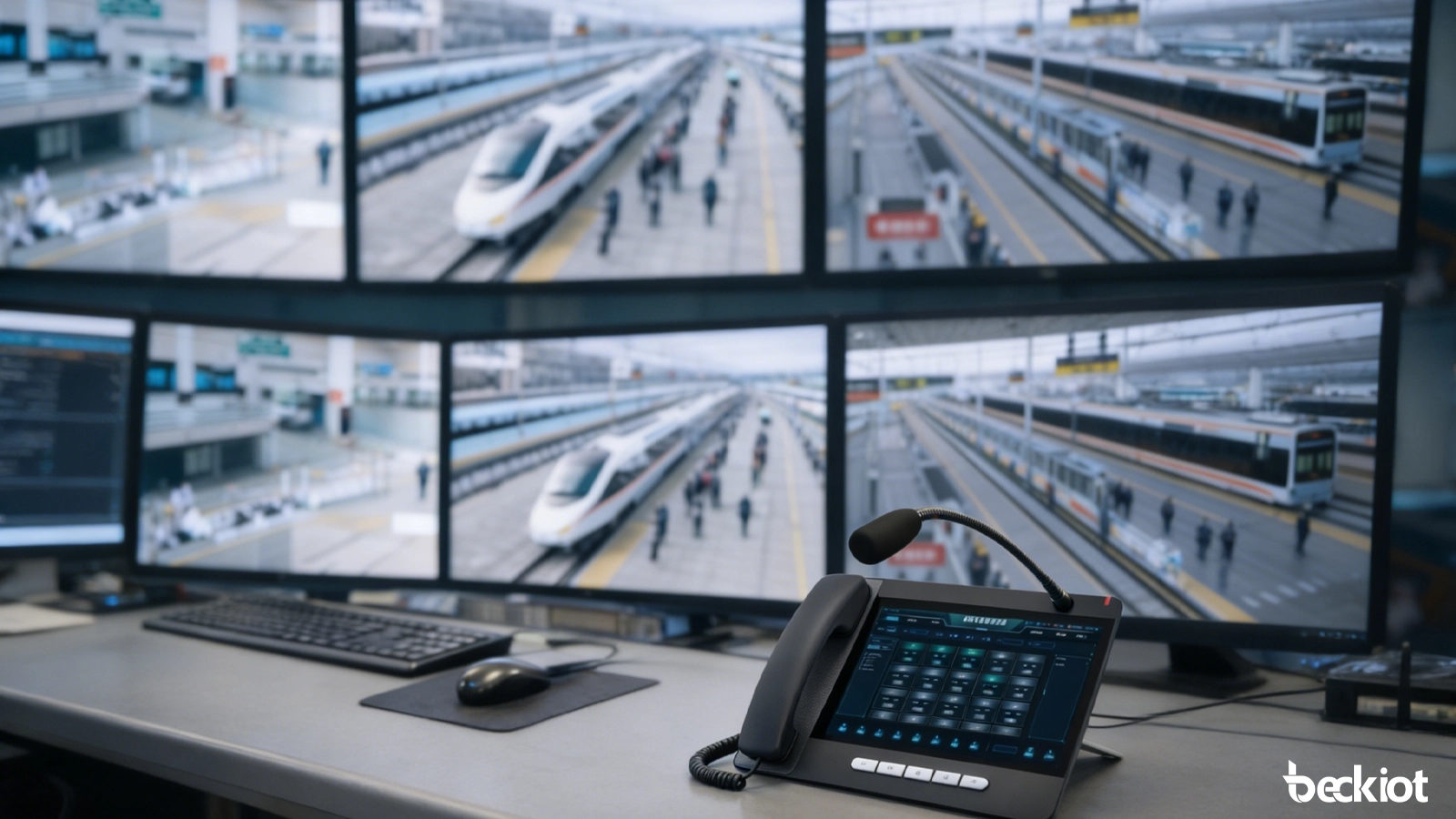
Applied in metro, railway, highway, tunnel, and airport scenarios for emergency communication, help points, centralized dispatching, and real-time coordination across large transport networks.
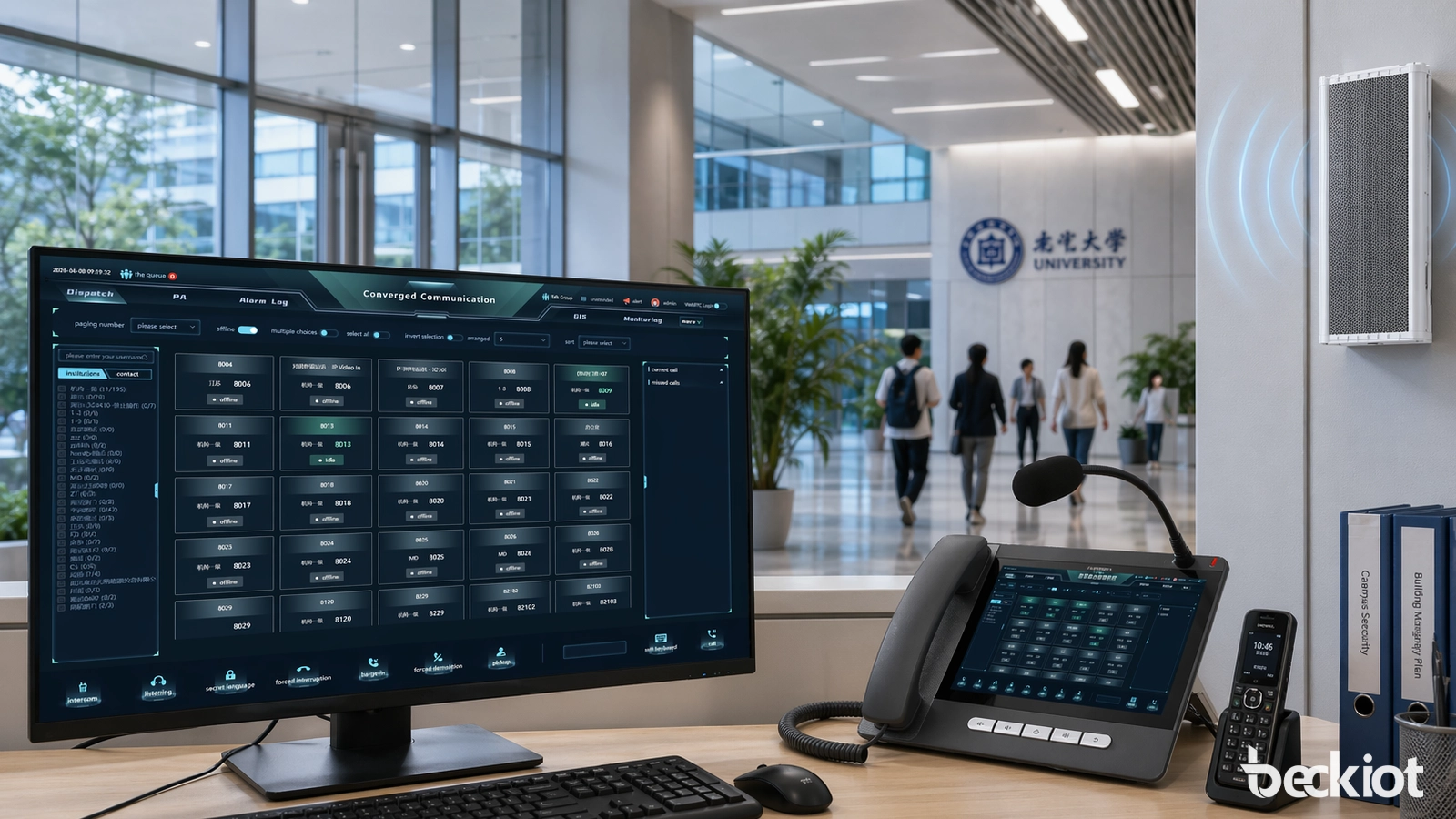
Deployed in schools, universities, office buildings, and business parks to support internal communication, IP paging, security intercom, and unified management across multiple departments.
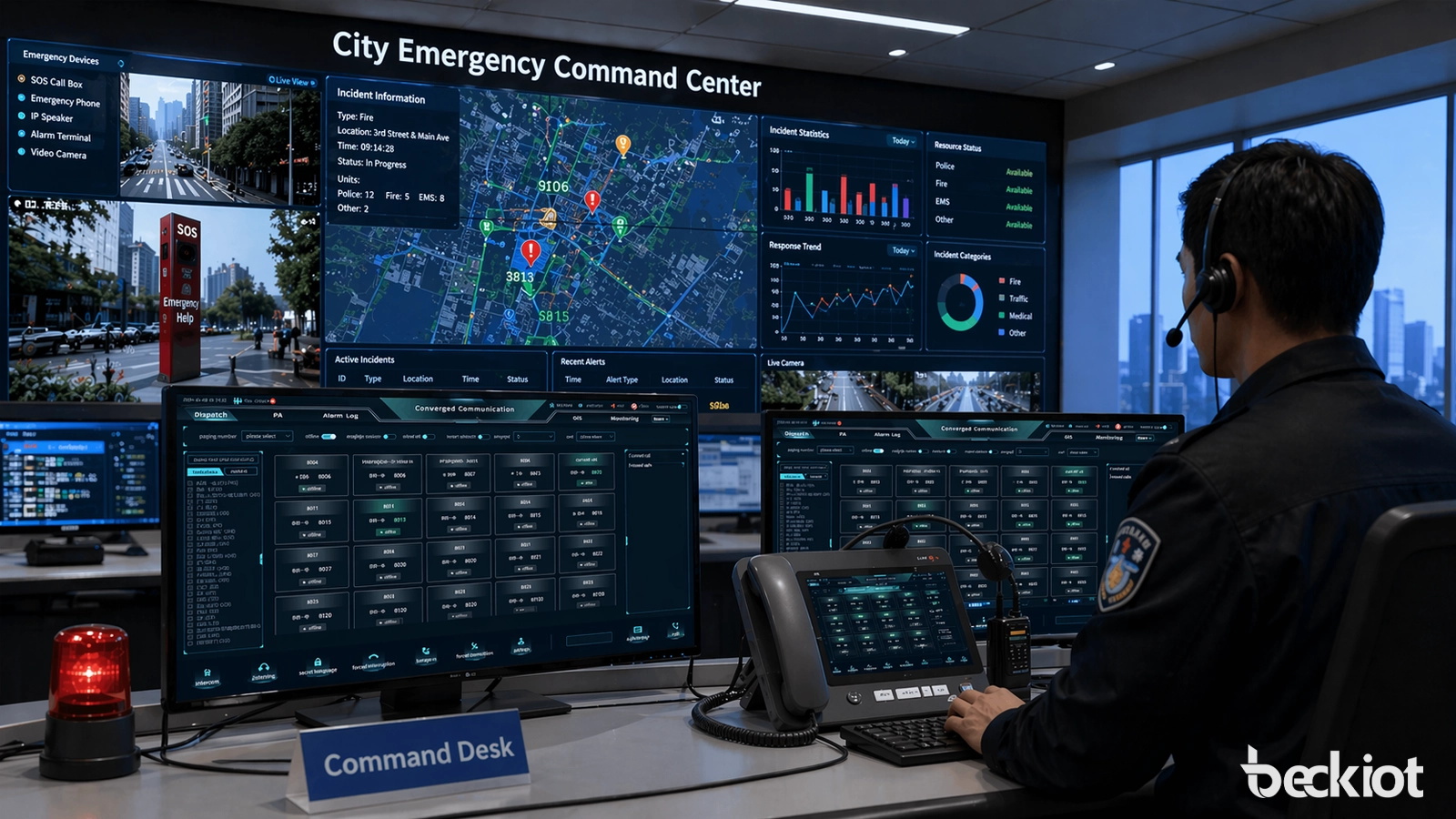
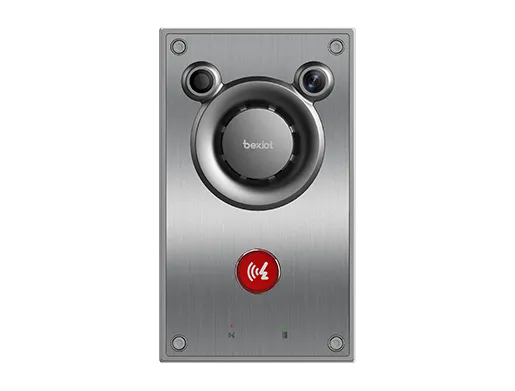
Supports city emergency systems, SOS call boxes, command centers, and incident response platforms, enabling fast communication between field devices and control rooms.