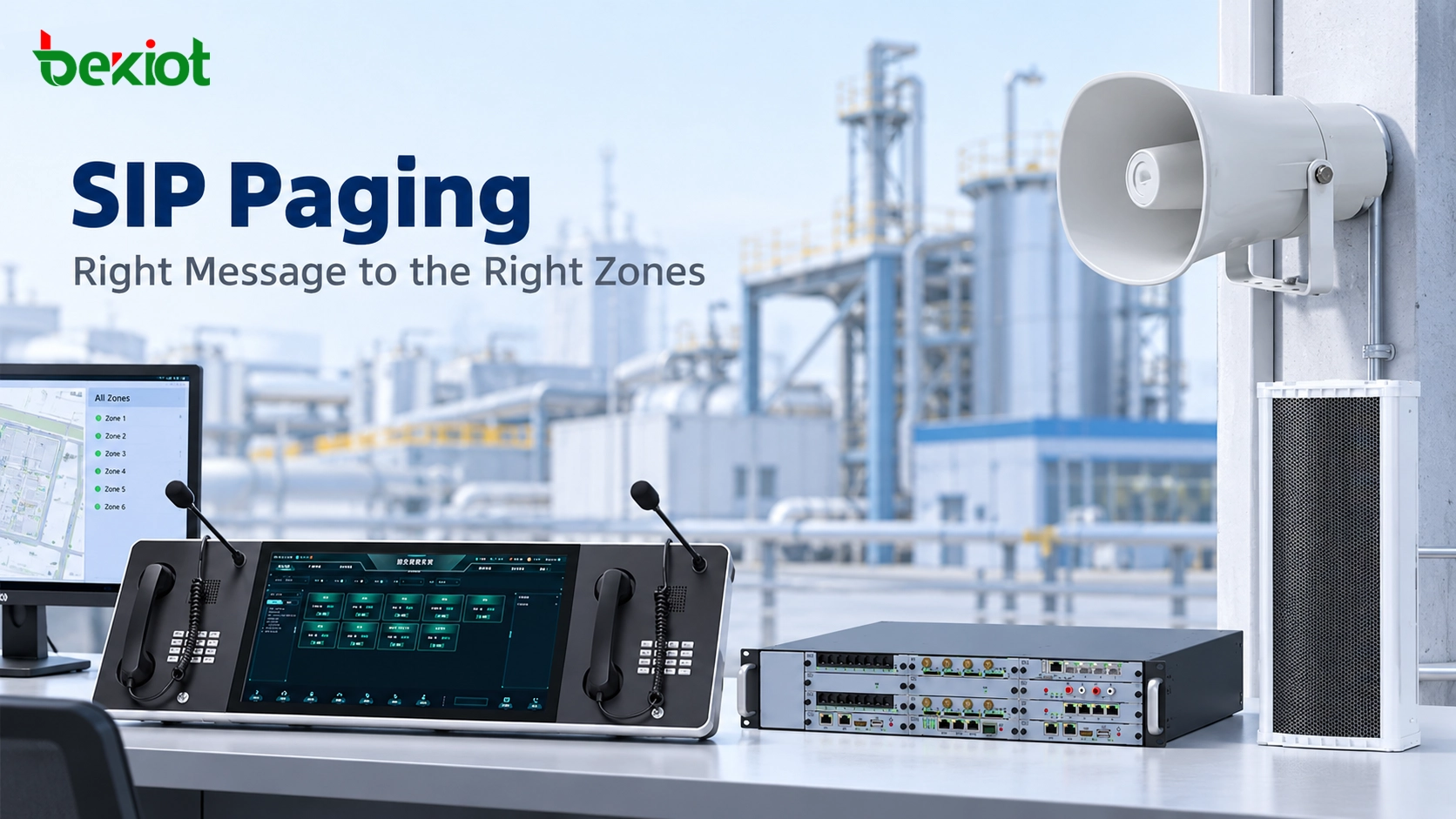
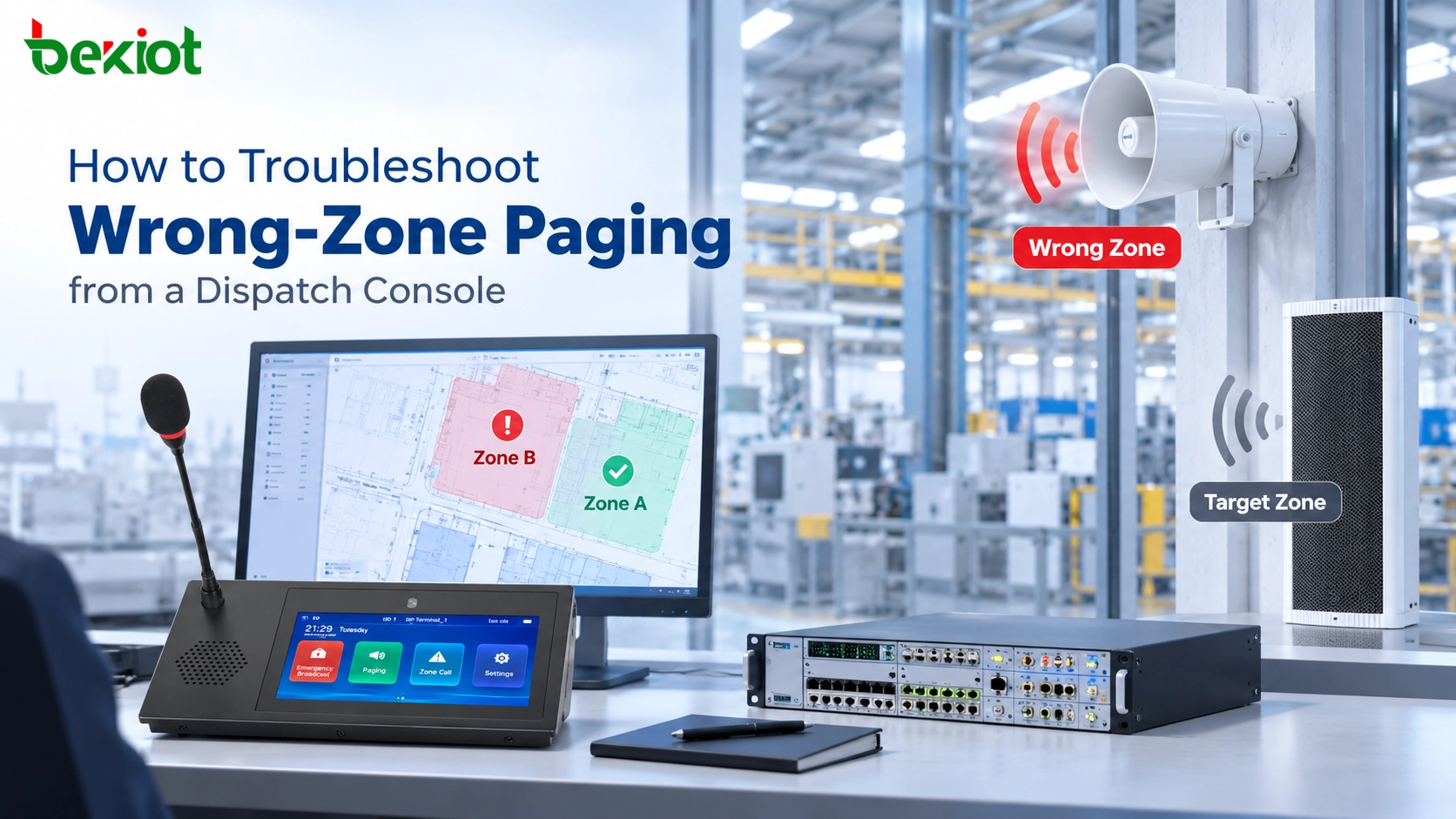
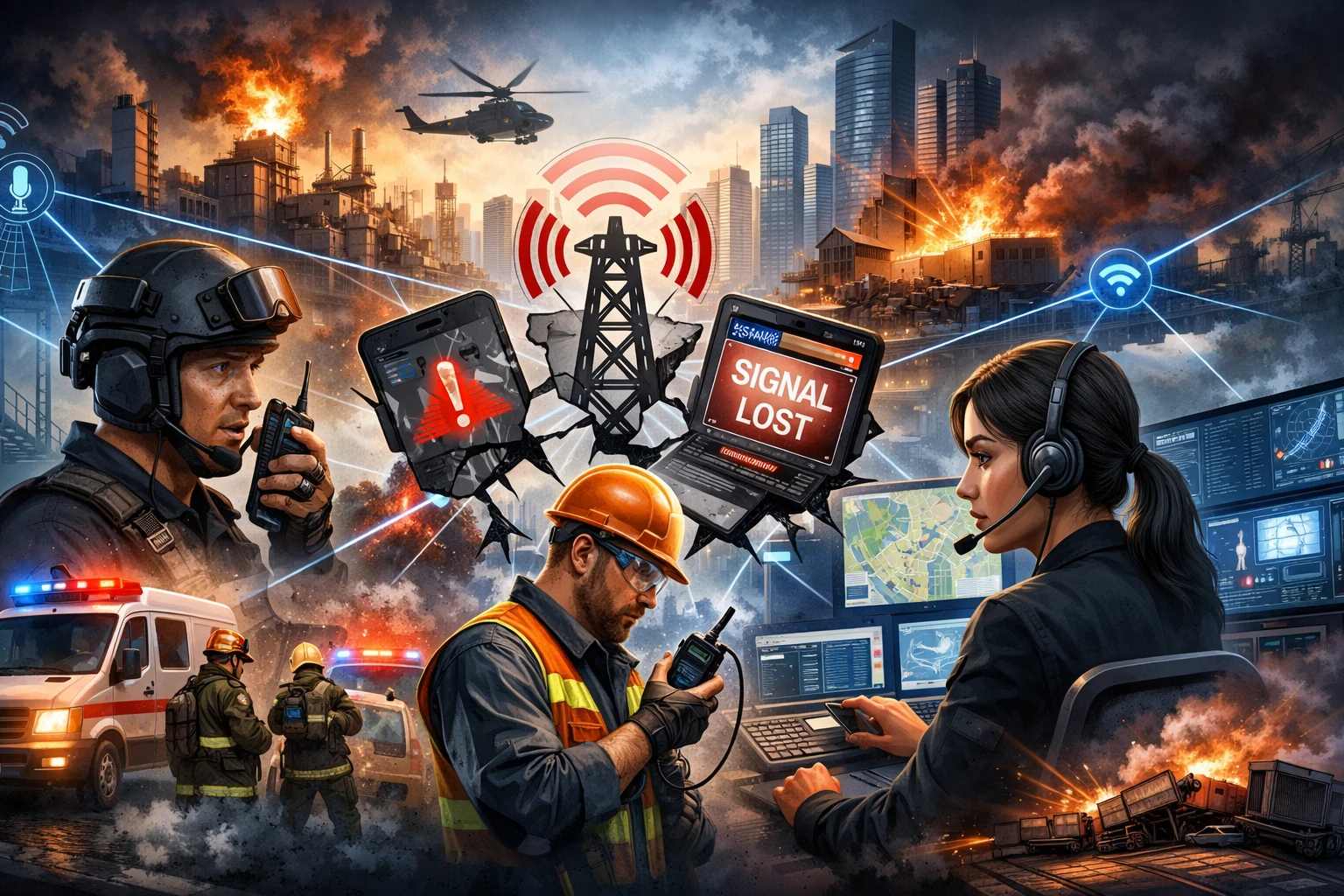
In a crisis, communication is not a support function. It is the first response. When a fire alarm is triggered, a worker presses an emergency call button, a passenger asks for help, or a security incident occurs on campus, the speed and clarity of communication directly affect how quickly people can understand the risk and take action.

A modern emergency communication system is designed to cut through confusion. It connects emergency phones, intercom terminals, public address devices, dispatch consoles, monitoring systems, alarm inputs, and control room workflows into one coordinated communication architecture. Instead of relying on isolated devices or fragmented messages, organizations can build a system that helps people call, hear, verify, broadcast, dispatch, and respond with greater confidence.
Every second matters in an emergency, but every word matters too. A strong emergency communication system must deliver speed without chaos and clarity without delay.
What Is an Emergency Communication System?
An emergency communication system is a unified platform used to support urgent calling, alarm notification, voice broadcasting, dispatch coordination, monitoring linkage, and event management during critical situations. It is not limited to one phone, one speaker, or one alarm button. It is a connected system that allows field devices and control rooms to work together.
Typical system components include SIP emergency phones, industrial telephones, blue light emergency phones, vandal-resistant call stations, explosion-proof call stations, intercom terminals, IP speakers, horn speakers, paging gateways, IP PBX or SIP servers, dispatch consoles, CCTV systems, alarm systems, and network infrastructure. In many modern projects, these devices are connected through IP networks and SIP-based communication platforms.
The goal is simple: when an incident happens, the right people should receive the right information through the right channel as quickly and clearly as possible.
Why Faster Response Starts with Better Communication
Many emergency delays are not caused by a lack of people or equipment. They are caused by slow communication paths. A person may not know which number to call. A mobile phone may have weak signal. An alarm may ring locally but fail to reach the control room. A security team may receive a message without knowing the exact location. These small delays can quickly become serious problems.
A well-designed emergency communication system reduces these gaps by creating direct, predefined communication routes between incident points and response teams. One-touch emergency calling, automatic location identification, alarm pop-ups, priority call routing, and dispatch notification can help the control room understand the event faster and start the response process sooner.
One-Touch Emergency Calling
Emergency phones and call stations allow users to contact the control room with one button. This is especially important in outdoor areas, tunnels, industrial plants, parking lots, public walkways, campuses, and facilities where people may be under stress and unable to search for a number.
When connected to a SIP server or IP PBX, each emergency terminal can be assigned a location, extension number, call route, and response rule. Operators can immediately know where the call comes from and how to respond.
Priority Alerts and Dispatch Notification
Emergency events should not be treated like ordinary calls. The system can prioritize emergency calls, trigger visual or audible alerts on the dispatch console, and push event information to operators. This helps prevent urgent calls from being missed during busy operations.
In larger projects, the system can also support escalation rules. If one operator does not answer, the call can be routed to another desk, a security center, a duty phone, or a backup control room.
Faster Area-Wide Instructions
Sometimes a single call is not enough. During evacuation, fire response, equipment failure, severe weather, or public safety incidents, many people need instructions at the same time. Public address broadcasting allows operators to send live or pre-recorded messages to a selected zone, multiple zones, or the entire facility.
Why Clearer Communication Improves Decision-Making
Fast messages are useful only when they are clear. During emergency response, unclear voice, background noise, missing location information, or fragmented reports can create confusion. Operators need to understand what happened, where it happened, who is affected, and what action is required.
A strong emergency communication system improves clarity by combining two-way voice, visual alarm information, device location, event records, and optional video linkage. Instead of receiving disconnected information from different systems, the control room can build a more complete picture of the situation.
Clear Two-Way Voice
Two-way voice communication allows operators to ask questions, confirm details, calm the caller, and provide instructions before response teams arrive. This is valuable in high-noise industrial environments, transportation facilities, campus areas, hospitals, public buildings, and remote service zones.
For harsh environments, field terminals should be selected according to noise level, weather exposure, impact risk, corrosion risk, and installation conditions. Clear audio is not only about volume; it is about intelligibility, reliability, and environmental suitability.
Targeted Public Address Broadcasting
Broadcasting makes emergency instructions consistent. Instead of relying on scattered verbal communication, operators can send the same message to the affected area. Zone control also helps avoid unnecessary panic by limiting announcements to the right locations.
For example, a control room may broadcast evacuation instructions to one building, send a warning message to a tunnel section, or issue a safety reminder across a production area. This improves both speed and message consistency.
Monitoring and Alarm Linkage
Emergency communication becomes more effective when it is linked with monitoring and alarm systems. When an emergency phone is activated, the control room can view the related device location, nearby camera, alarm status, or event record. This helps operators verify the situation and make better decisions.
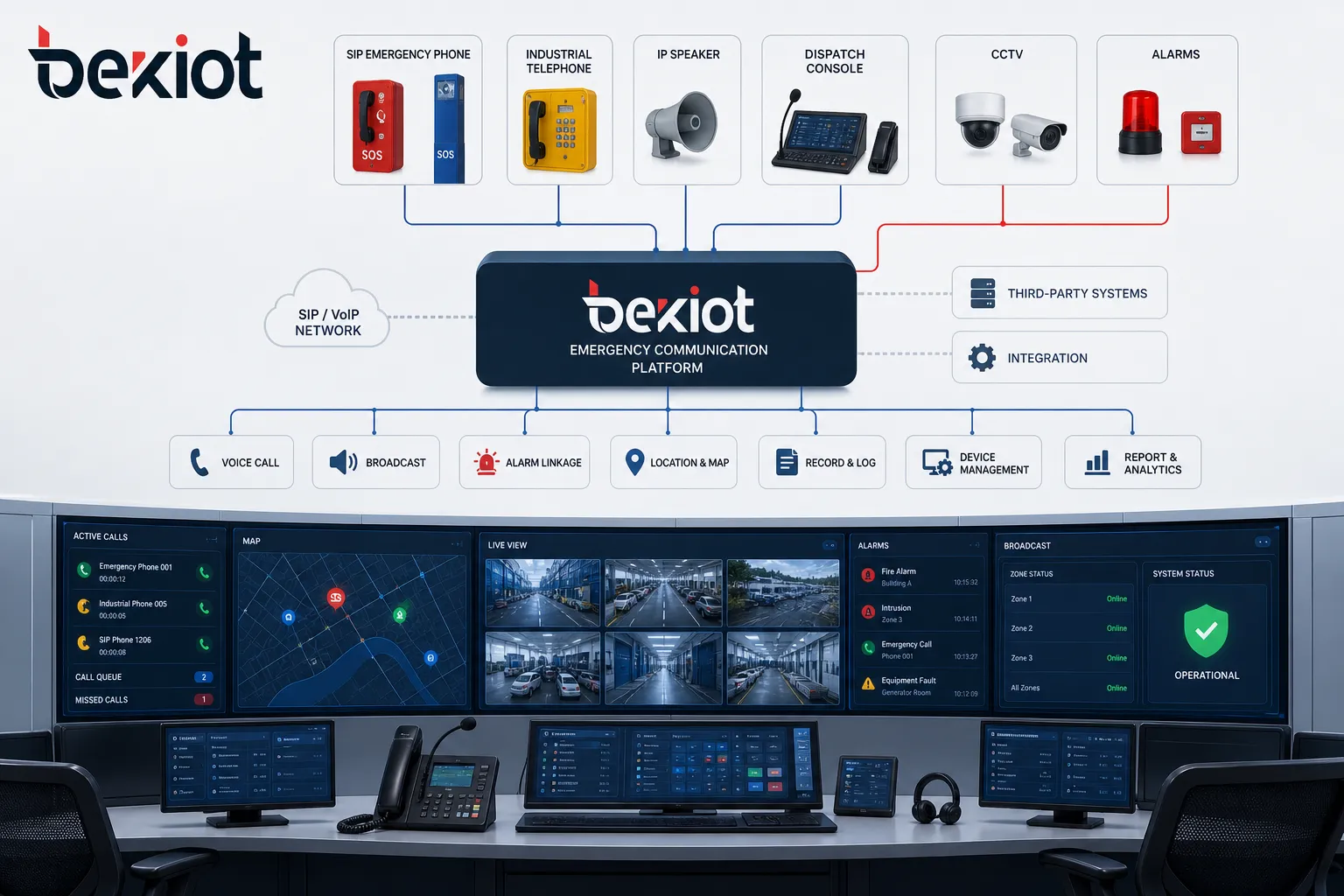
Core Functions of a Modern Emergency Communication System
Emergency Calling and Help Points
Emergency phones, blue light phones, intercom stations, and rugged call points provide visible and reliable access to help. They can be installed in areas where mobile communication may not be dependable or where a fixed emergency access point is required.
Depending on the environment, devices may need weatherproof housings, anti-vandal structures, stainless steel panels, explosion-proof designs, handset or hands-free operation, sound and light indication, or wall-mounted and column-mounted installation.
Public Address and Emergency Broadcasting
Public address devices allow control rooms to send instructions across large spaces. IP speakers, horn speakers, paging gateways, and PA interfaces can be used for emergency evacuation, warning messages, safety reminders, and routine announcements.
Broadcast priority is important. Emergency announcements should be able to override routine background audio or lower-priority paging when required by the project design.
Dispatch and Command Coordination
The dispatch platform is the operational center of the system. It helps operators answer calls, manage broadcast zones, monitor device status, view alarm events, coordinate teams, and maintain response records. This reduces the need to switch between separate systems during urgent situations.
For multi-area facilities, dispatch functions may include group calling, priority calling, call transfer, conference communication, map-based device display, event logging, and integration with security or facility management systems.
System Integration
Modern emergency communication should not work in isolation. It may need to connect with CCTV, access control, fire alarm systems, intrusion alarms, public address networks, IP PBX systems, SIP trunks, and third-party dispatch platforms.
Integration allows a single incident to trigger multiple actions. A call button can create a dispatch alert, open a camera view, activate a warning light, start a broadcast, and record the event for later review.
System Architecture: From Isolated Devices to Unified Response
A practical emergency communication system usually includes three layers: field communication devices, network and SIP infrastructure, and centralized control. Field devices include emergency phones, intercom terminals, speakers, alarm buttons, and call stations. The infrastructure layer includes PoE switches, SIP servers, IP PBX systems, gateways, routers, and network security devices. The control layer includes dispatch software, operator consoles, monitoring interfaces, event logs, and integration modules.
This structure allows organizations to start with essential emergency calling and later add public address, video linkage, alarm integration, multi-site management, or backup communication paths. It also makes maintenance easier because devices can be monitored, configured, and managed from a central platform.
For sites with existing analog systems, gateways can help connect legacy telephones, PA systems, or external lines to an IP-based emergency communication architecture. This supports gradual migration without forcing all equipment to be replaced at once.
Application Scenarios
Industrial Facilities
Factories, power plants, chemical facilities, mines, warehouses, ports, and energy sites often have high noise, large areas, harsh conditions, and strict safety procedures. Emergency communication systems help workers contact the control room, support area broadcasting, and coordinate response during equipment faults, safety incidents, or evacuation events.
Transportation Networks
Tunnels, metro stations, railway platforms, airports, highways, and transport hubs need reliable communication between field points and operation centers. Emergency phones, PA speakers, CCTV linkage, and dispatch platforms can help operators respond faster and guide passengers or staff more clearly.
Campuses and Public Areas
Schools, universities, parks, parking lots, public buildings, and outdoor walkways use emergency communication systems to improve safety coverage. Visible emergency phones, blue light stations, broadcast speakers, and control room dispatch help security teams respond to incidents more effectively.
Healthcare and Secure Facilities
Hospitals, laboratories, care centers, correctional facilities, and restricted buildings require dependable communication for assistance calls, security incidents, controlled access areas, and emergency instructions. A unified system helps reduce confusion and supports faster coordination.
How Becke Telcom Supports Emergency Communication Projects
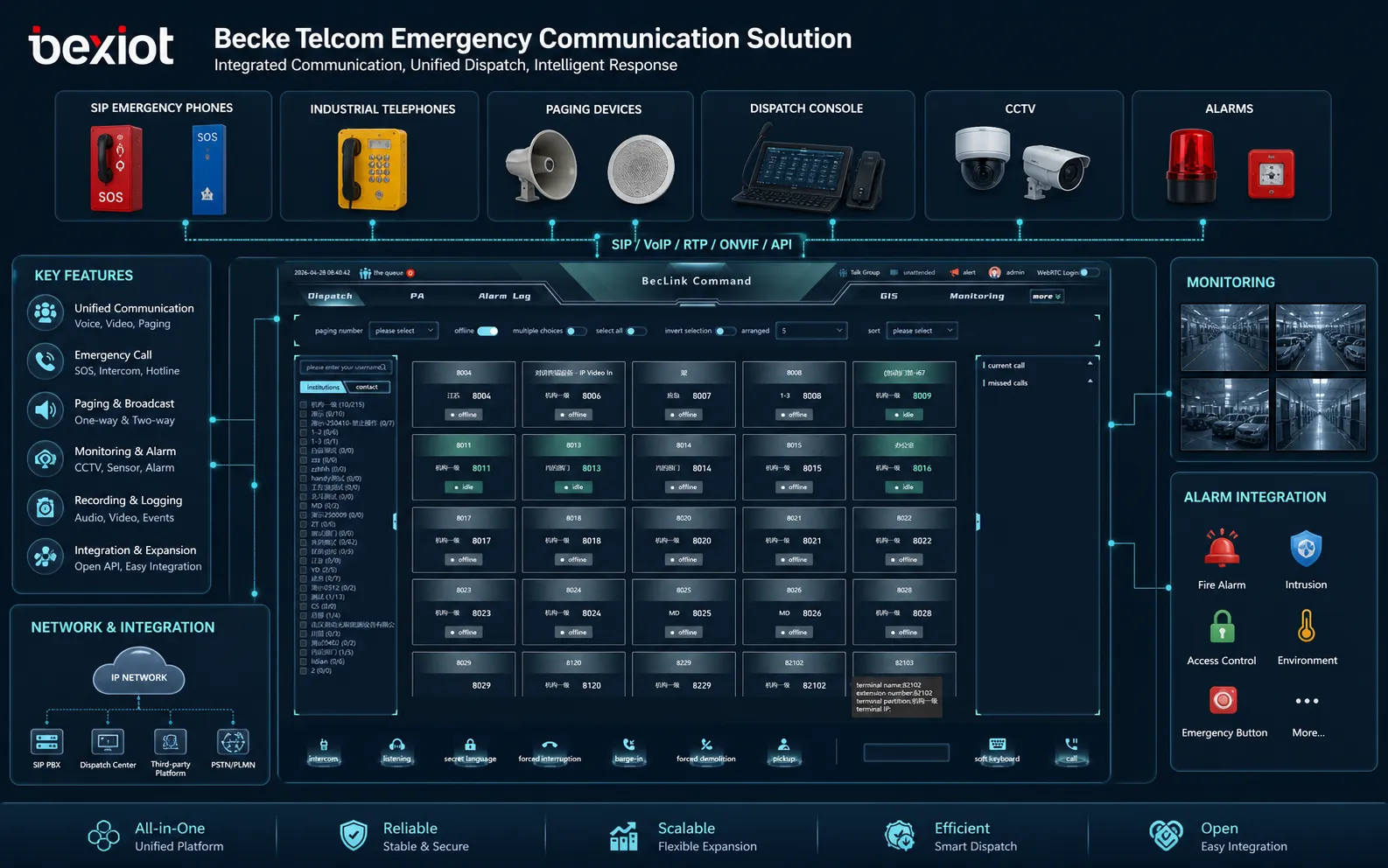
Becke Telcom provides emergency communication products and system solutions for demanding project environments. Its product range includes SIP emergency phones, industrial weatherproof telephones, explosion-proof call stations, vandal-resistant telephones, intercom terminals, paging devices, gateways, and related communication equipment.
Introduction to Relevant Solutions:Emergency Communication System Manufacturer for Reliable Emergency Phones
The Becke Telcom Converged Communication System is designed to integrate telephone communication, public address broadcasting, monitoring, alarm linkage, and dispatch functions into a unified platform. This allows projects to move beyond standalone emergency call points and build a more coordinated safety communication architecture.
For industrial sites, transportation facilities, campuses, healthcare buildings, and public safety projects, Becke Telcom can support system planning around emergency calling, SIP communication, broadcasting, control room dispatch, CCTV linkage, alarm integration, and long-term operation requirements.
A reliable emergency communication system does not replace emergency teams. It gives them faster information, clearer instructions, and a stronger command path.
Selection Considerations
Match Devices to the Environment
Different environments require different terminals. Outdoor walkways need weather resistance. Public areas may need vandal-resistant design. Industrial plants may need high-noise audio performance. Hazardous areas may require explosion-proof call stations. Device selection should always start with the real installation environment.
Plan the Communication Network
Projects should define whether the system will use SIP, VoIP, analog lines, fiber, LTE, private network, or hybrid communication. SIP-based systems are often suitable for modern projects because they support flexible routing, centralized management, system integration, and future expansion.
Define Emergency Workflows
A system is only useful when the workflow is clear. Project teams should define who receives emergency calls, how alarms are displayed, which zones receive broadcasts, what happens if an operator does not answer, and how events are recorded.
Consider Maintenance and Expansion
Long-term reliability depends on monitoring, testing, and maintenance. Device status monitoring, remote configuration, event logs, spare capacity, and clear network documentation can reduce maintenance pressure and support future system expansion.
Conclusion
An emergency communication system is more than a collection of phones and speakers. It is a connected response architecture that helps people report danger, helps operators understand events, and helps organizations coordinate emergency instructions across voice, broadcasting, monitoring, alarm, and dispatch systems.
For critical environments, faster response and clearer communication should be designed into the system from the beginning. With reliable field terminals, SIP-based infrastructure, public address capability, alarm linkage, and centralized dispatch, organizations can build a stronger foundation for crisis response.
The real value of an emergency communication system is not only that it sends messages. It helps turn scattered signals into coordinated action.
FAQ
What is an emergency communication system?
An emergency communication system is an integrated platform that supports emergency calling, alarm notification, public address broadcasting, dispatch coordination, monitoring linkage, and event management during critical situations.
Why is an emergency communication system important?
It helps reduce response delays, improve voice clarity, coordinate multiple safety systems, and deliver instructions to the right people during urgent events.
What devices are used in an emergency communication system?
Common devices include SIP emergency phones, industrial telephones, intercom terminals, call stations, horn speakers, IP speakers, paging gateways, dispatch consoles, IP PBX systems, CCTV systems, and alarm interfaces.
Can an emergency communication system connect with CCTV and alarms?
Yes. A modern system can link emergency calls with CCTV cameras, alarm systems, access control, public address devices, and dispatch platforms to improve situation awareness and response coordination.
Where are emergency communication systems commonly used?
They are commonly used in industrial facilities, tunnels, railways, campuses, hospitals, public buildings, transportation hubs, parking areas, energy sites, and other critical environments.