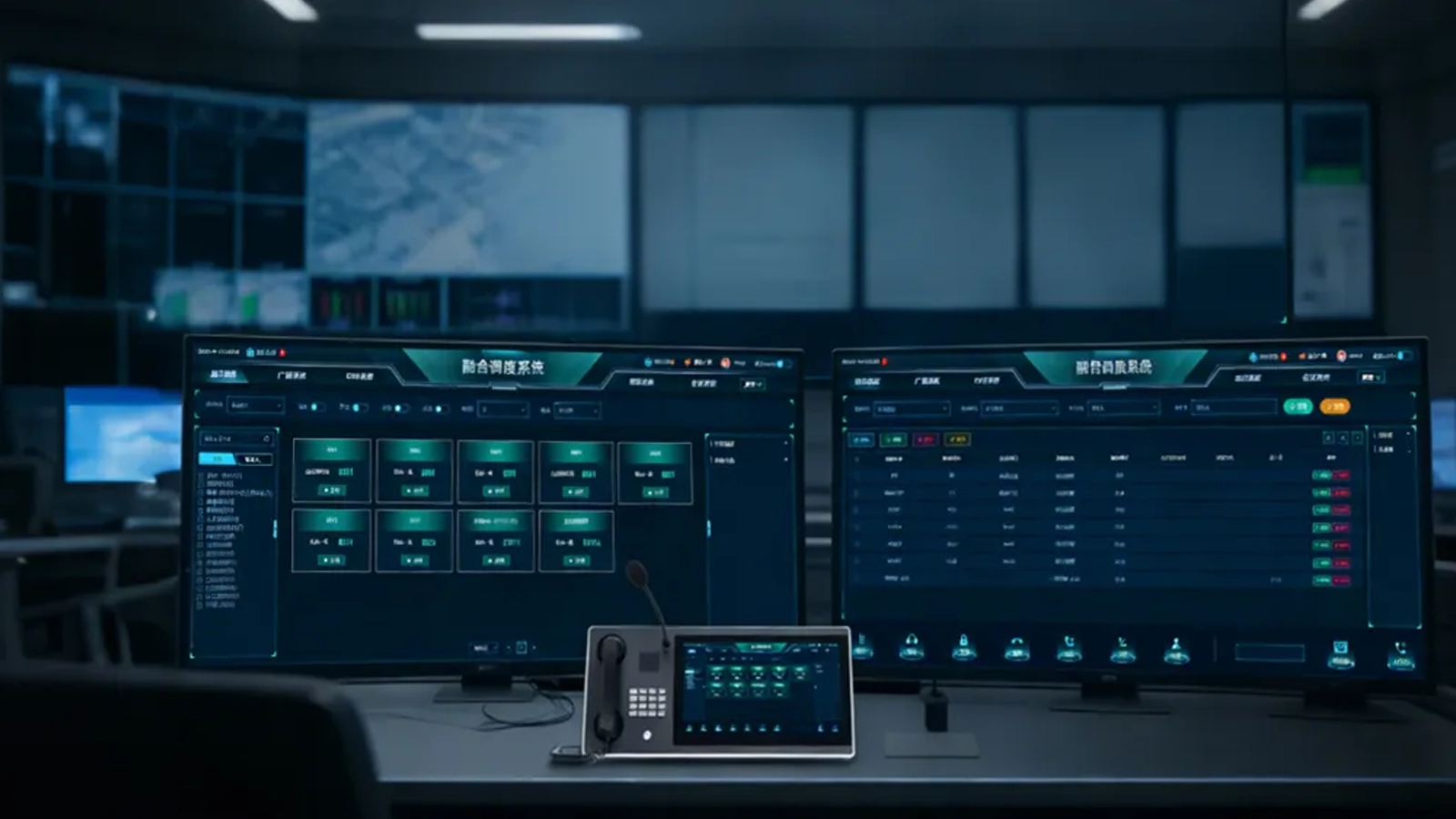
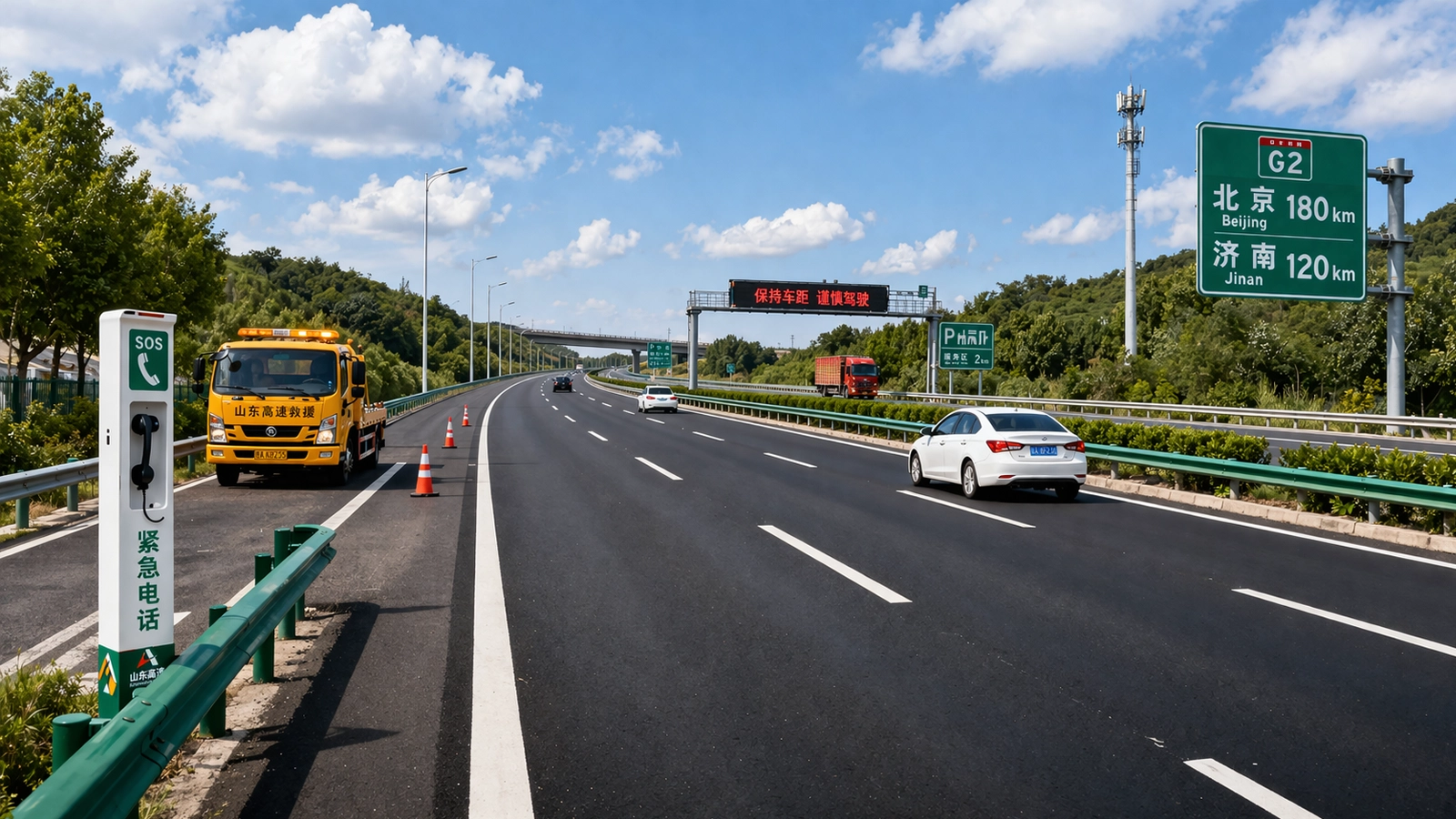
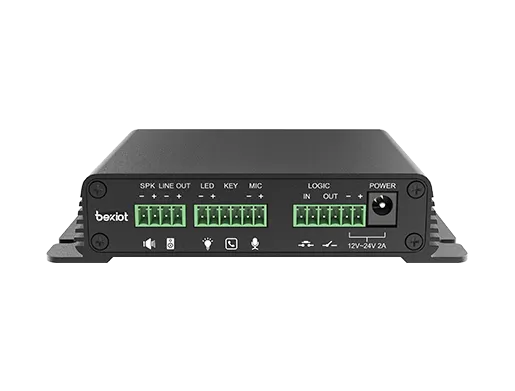
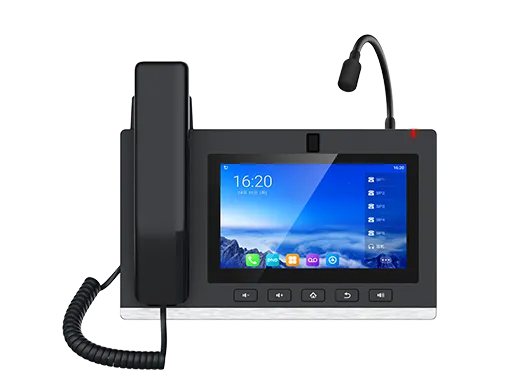
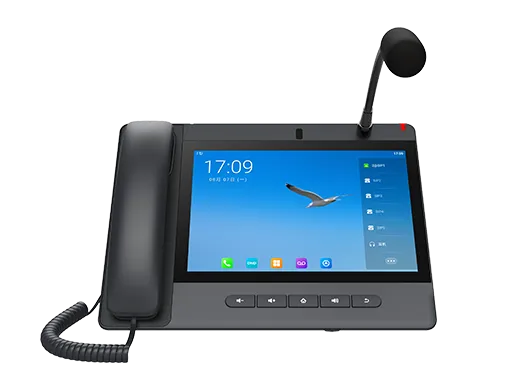
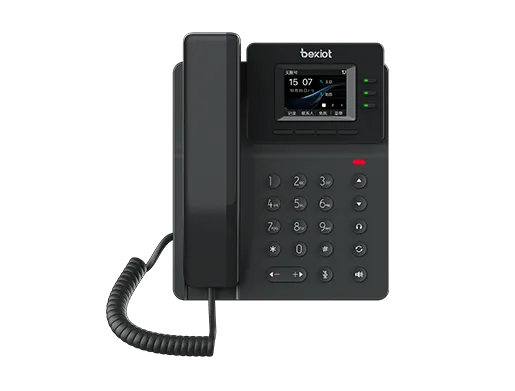
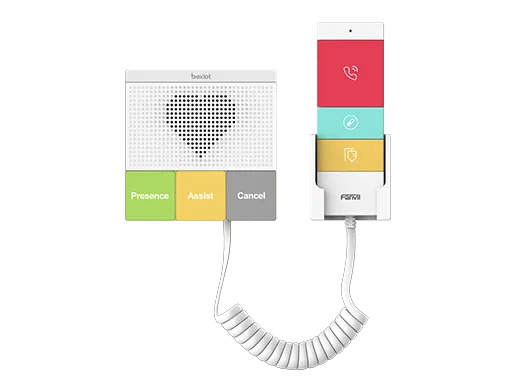
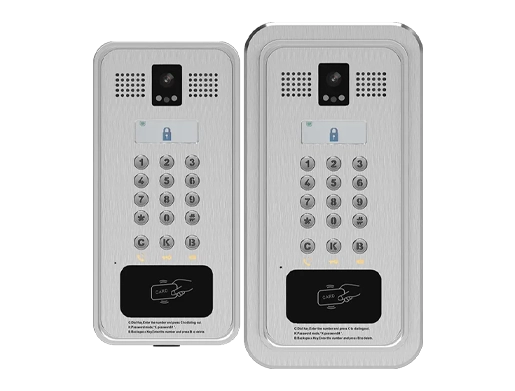
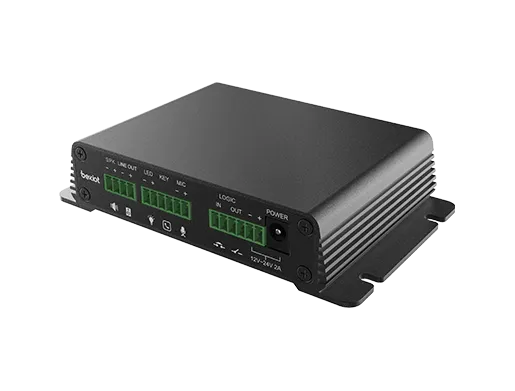
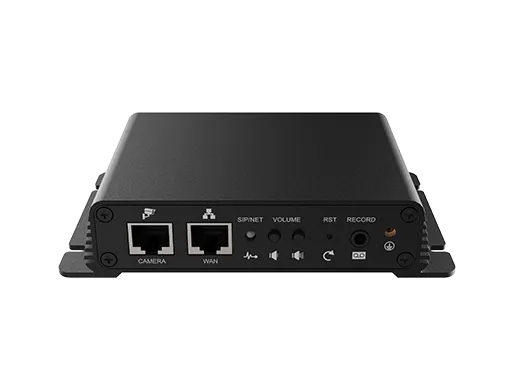
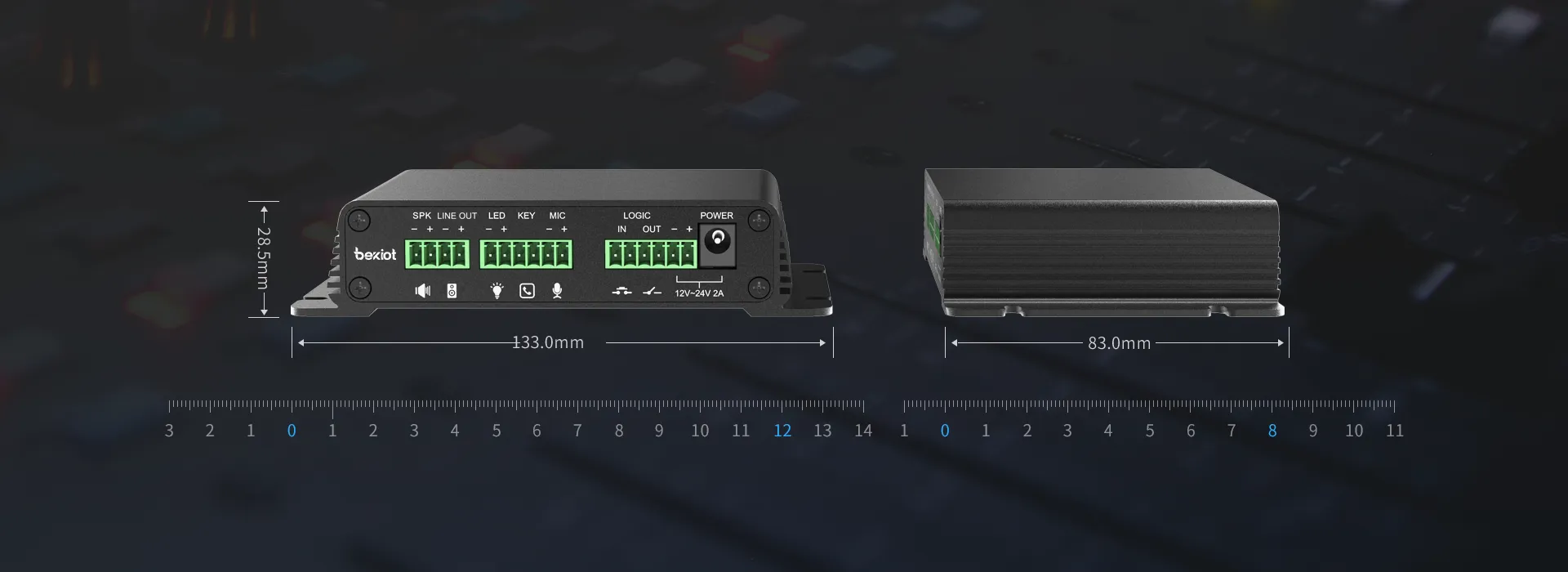
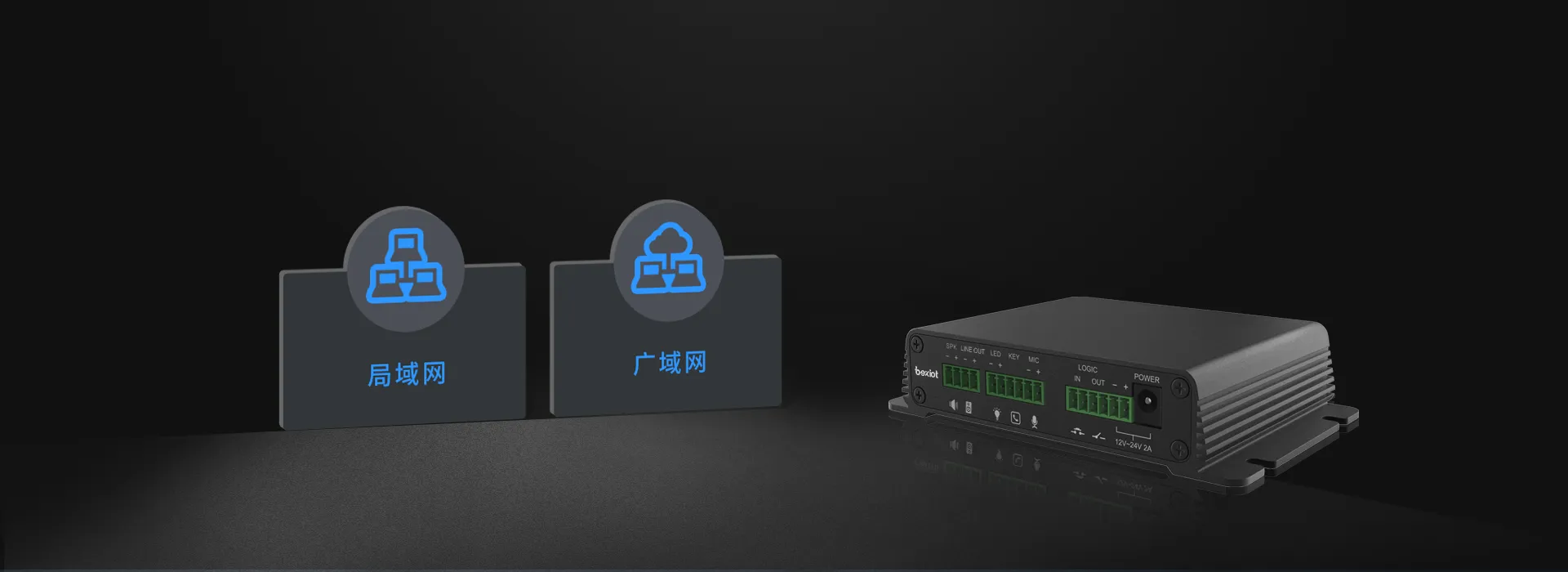
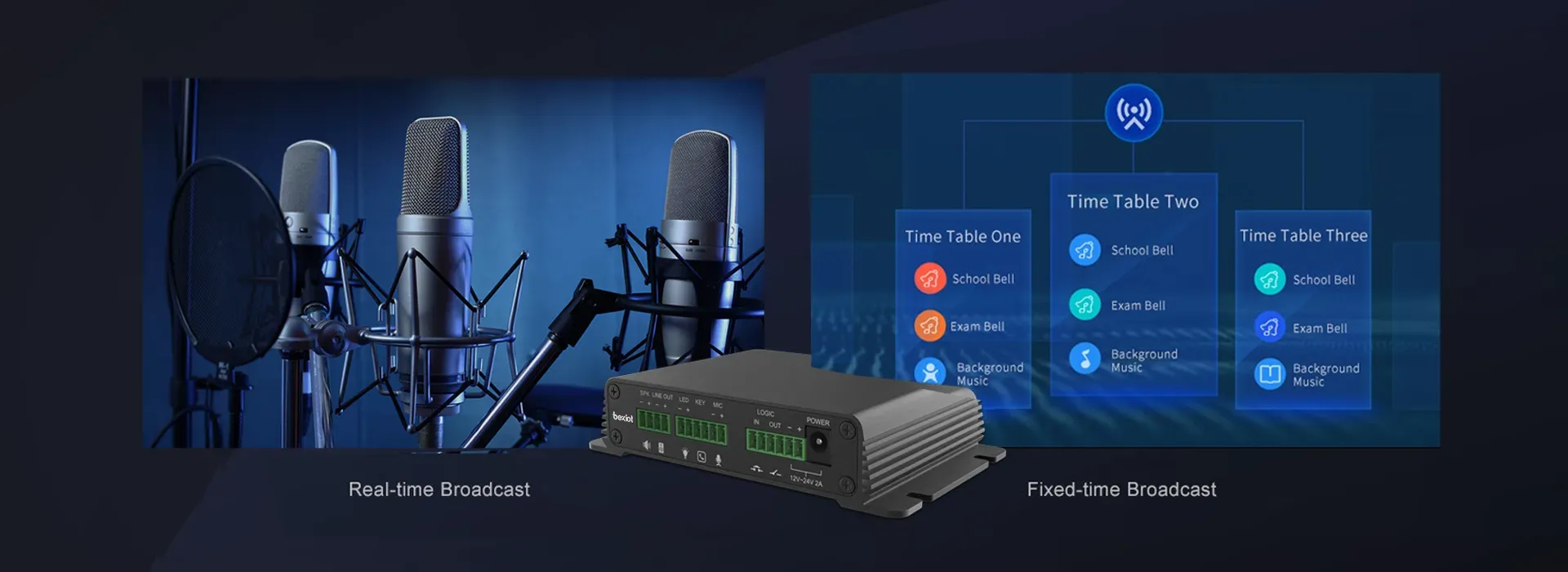
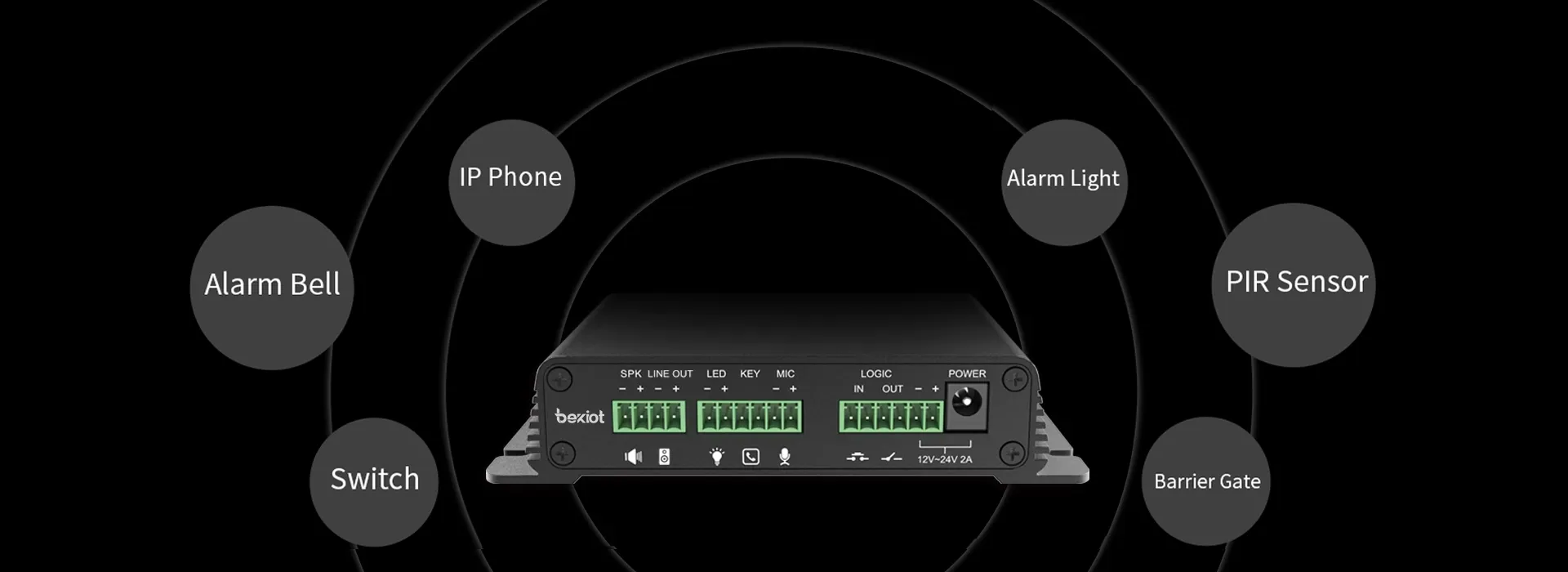
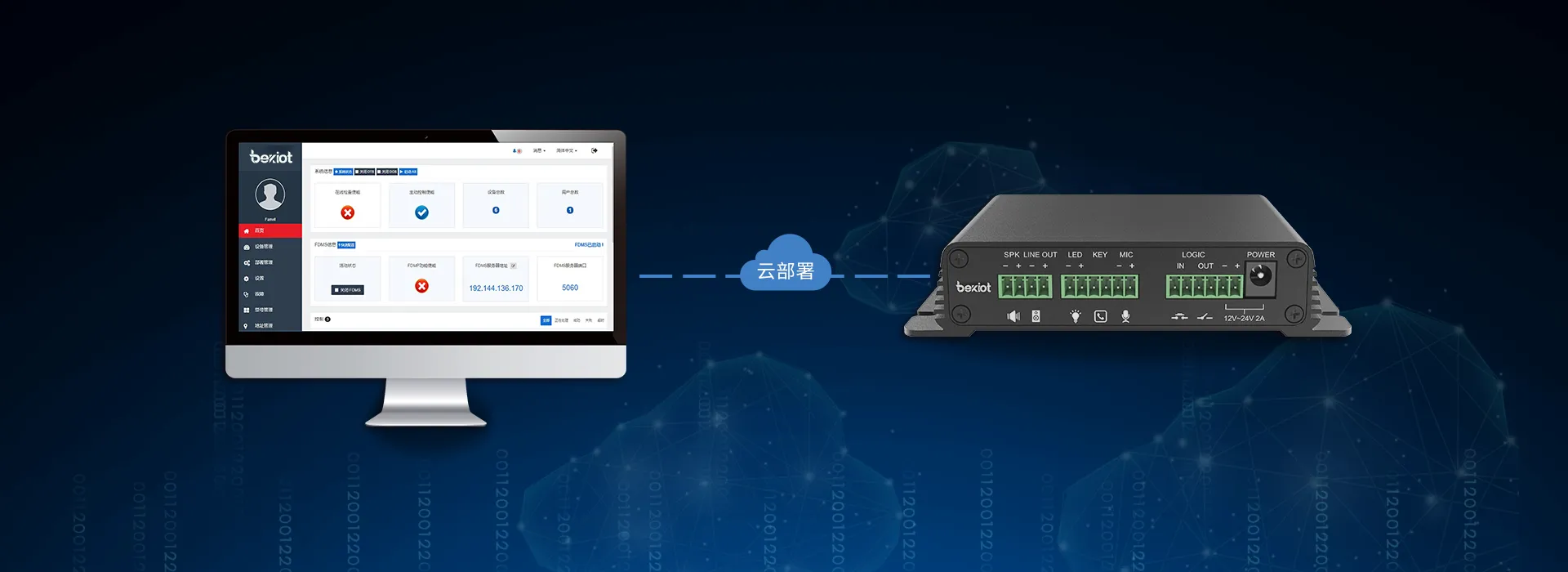
BECKE BK-DAB-PA2S is a SIP intercom and broadcasting gateway. It uses standard IP/RTP/RTSP protocols for media stream transmission. Integrating multiple functional interfaces—broadcasting, audio pickup, recording, intercom, video, and security—it realizes practical functions such as audio & video intercom, public address, and security trigger by connecting external peripherals. It adapts to various operating environments and supports rapid device deployment. Featuring a compact size, the unit is suitable for DIY integration in various customized solutions.
Industry Background & Requirements
The production environment in the petroleum and chemical industry is highly hazardous and complex, involving flammable, explosive, toxic substances, and high-noise operating conditions. In this context, a reliable communication system is critical to ensuring personnel safety and production efficiency.
On one hand, enterprises must comply with strict safety specifications and regulatory requirements. For example, the OSHA Hazard Communication Standard mandates labeling and Safety Data Sheets (SDS) for all hazardous chemicals, as well as employee training. On the other hand, traditional communication methods are often limited in high-risk areas (refineries, chemical plants, oil & gas fields, etc.), requiring dedicated explosion-proof communication equipment.
Core Requirements for Communication Systems in Petrochemical Industry
-
Explosion-proof Safety: Equipment must hold explosion-proof certifications (ATEX/IECEx, etc.) to avoid sparks or overheating that could trigger accidents in explosive gas or dust environments.
-
High Reliability: Stable operation in harsh conditions—high/low temperature, humidity, corrosive gases, dust—with redundancy and fault recovery mechanisms to prevent communication outages and safety risks.
-
High Noise Resistance: Industrial sites feature high-decibel mechanical noise; communication equipment must include noise reduction and loudspeaker functions to ensure clear voice intelligibility.
-
Real-time Response: Support one-touch calling, zone broadcasting, and other functions to ensure rapid command delivery and timely personnel communication during emergencies.
-
System Integration: Interoperate with other plant systems (fire alarm, industrial CCTV, dispatch telephones, etc.) for unified command and dispatch.
-
Regulatory Compliance: Meet national and industrial standards (ATEX 2014/34/EU, IEC 60079 series, GB 3836, etc.) and safety specifications to ensure full legal compliance.
In summary, the petrochemical industry requires a safe, reliable and efficient telephone loudspeaker intercom system to satisfy both daily production dispatch and emergency command.
System Architecture Design
To meet the above requirements, the telephone loudspeaker intercom system typically adopts a distributed architecture, consisting of three core parts: central control host, field terminals, and transmission network.
Control Host (Dispatching Host)
As the system core, the control host is usually installed in the central control room, managing and dispatching the entire system. It generally includes an IP voice server or dispatching switch, supporting interconnection with the Public Switched Telephone Network (PSTN) or VoIP network to realize internal intercom and external telephone integration.
The control host monitors the status of all field terminals and provides dispatching console software for operators to perform group calls, broadcasting, recording, and other operations.
Field Terminal Devices
Explosion-proof telephone/intercom terminals are deployed in process areas, tank farms, docks, roads, and other on-site zones:
-
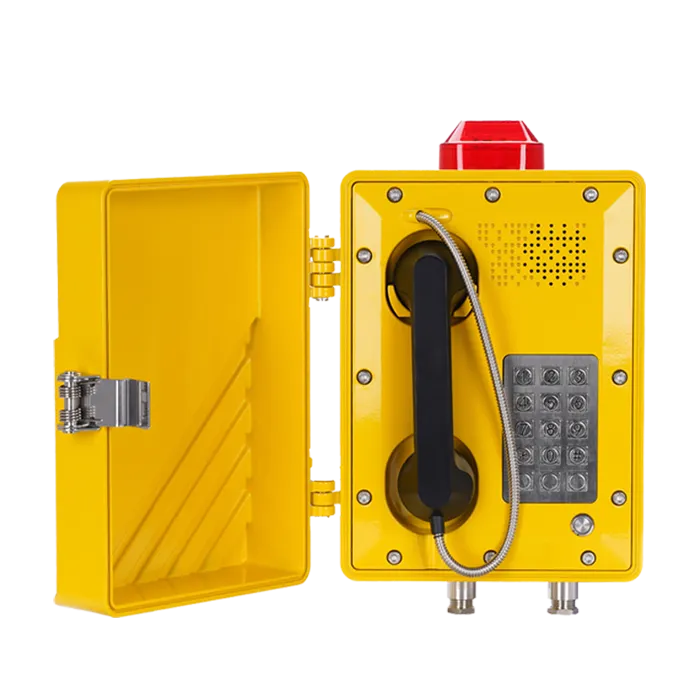
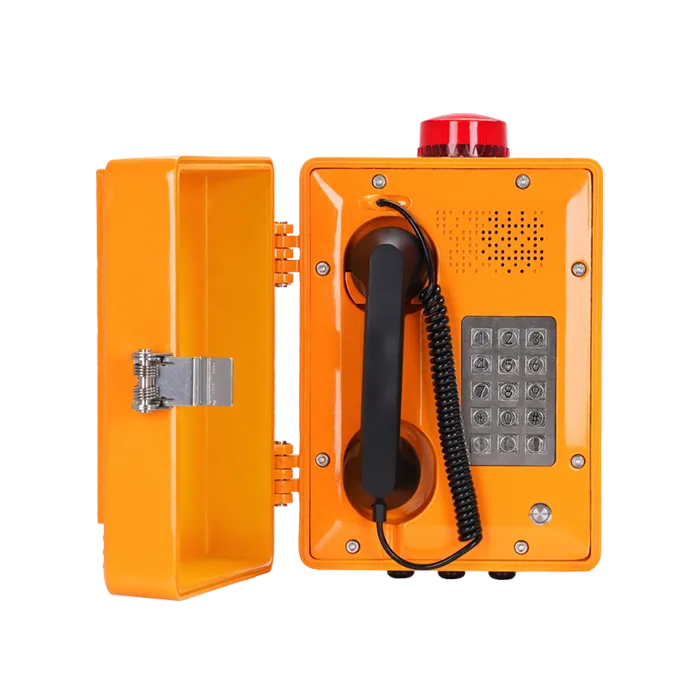
Explosion-proof Intercom Telephones: Fixed on-site stations, mostly hands-free with speaker and microphone, supporting one-touch calls to the control room or other extensions. Housed in a flameproof enclosure (cast aluminum or stainless steel), they reach IP65/IP66 ingress protection, are dustproof & waterproof, and certified ATEX/IECEx for use in Hazardous Zone 1/2. Some models integrate sirens or alarm interfaces for audible & visual alerts during emergencies.
-
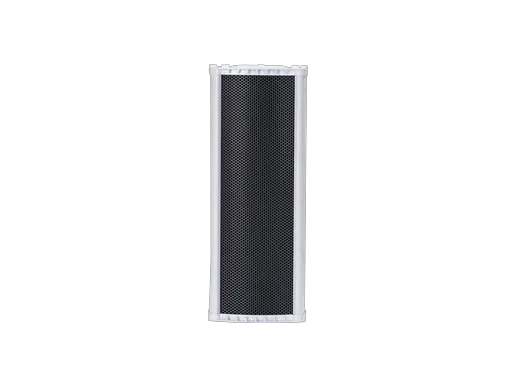
Explosion-proof Loudspeakers: Installed in process zones or open areas for public address and alarms. High-power, directional design ensures clear voice and alarm signals in noisy environments. They also comply with explosion-proof and ingress protection standards and can link with intercom telephones for zoned broadcasting.
-
Wireless Intercom Access: The system connects digital radios (TETRA, DMR trunking) via a trunking gateway. Field staff with explosion-proof radios can communicate with fixed intercom stations, realizing wired-wireless convergence. The trunking gateway connects to the control host, allowing dispatchers to call any wireless user/group and vice versa.
Transmission Network
The communication link combines wired and wireless transmission:
-
Wired Network: Intercom terminals and the control host are connected via industrial Ethernet or dedicated intercom bus. IP intercom systems transmit voice packets over Ethernet, using existing plant industrial networks for long-distance and flexible networking. Fiber optic links are used for remote process zones to ensure bandwidth and anti-interference performance. Traditional systems may use 2-wire audio buses, but offer lower scalability and noise immunity compared to IP solutions.
-
Wireless Access: Supplemental wireless communication is used in large plants or mobile operations, such as wireless Mesh networks or 4G/5G industrial private networks for explosion-proof mobile phones and wireless intercoms. Mesh supports self-organizing and redundant coverage for wide areas; 5G private networks provide high speed, low latency, and massive connections for HD video calls. Satellite communication links connect remote well stations or offshore platforms to the control room for reliable long-distance communication.
The entire architecture is modular and scalable. The control host supports cascading for more terminals; field networks can use ring topology to improve reliability (single-point failure does not affect the whole network).
The system also supports integration with third-party systems:
-
Link with fire alarm systems to automatically trigger broadcast notifications upon fire detection;
-
Integrate with video surveillance to auto-popup camera feeds when an alarm occurs.
This integrated architecture greatly improves emergency response efficiency and overall plant management.